International Booker Prize 2026 Chair of judges Natasha Brown reflects on her love of books that are surprising and daring, and the endless creative possibilities of fiction in translation
What our judges said about the International Booker Prize 2026 longlist

What our judges said about the International Booker Prize 2026 longlist
- Published
Wondering which of the 13 books on the International Booker Prize 2026 longlist to read first? We asked our judges to summarise each one – and tell us why they loved them
The longlist for the International Booker Prize 2026, supported by Bukhman Philanthropies, has been announced. Over the past eight months, the judges have read 128 novels and short-story collections, from which they have now selected a longlist of just 13 titles.
As Chair of judges Natasha Brown says, ‘Many of the submitted books examined the devastating consequences of war, which is reflected in our longlist. The list also features petty squabbles between neighbours, mysterious mountain villages, Big Pharma conspiracies, witchy women, ill-fated lovers, a haunted prison, and obscure film references. The page counts range from “pocket-friendly” to “doorstopper”. And while the books’ original publication dates span four decades, each story feels fresh and innovative.’
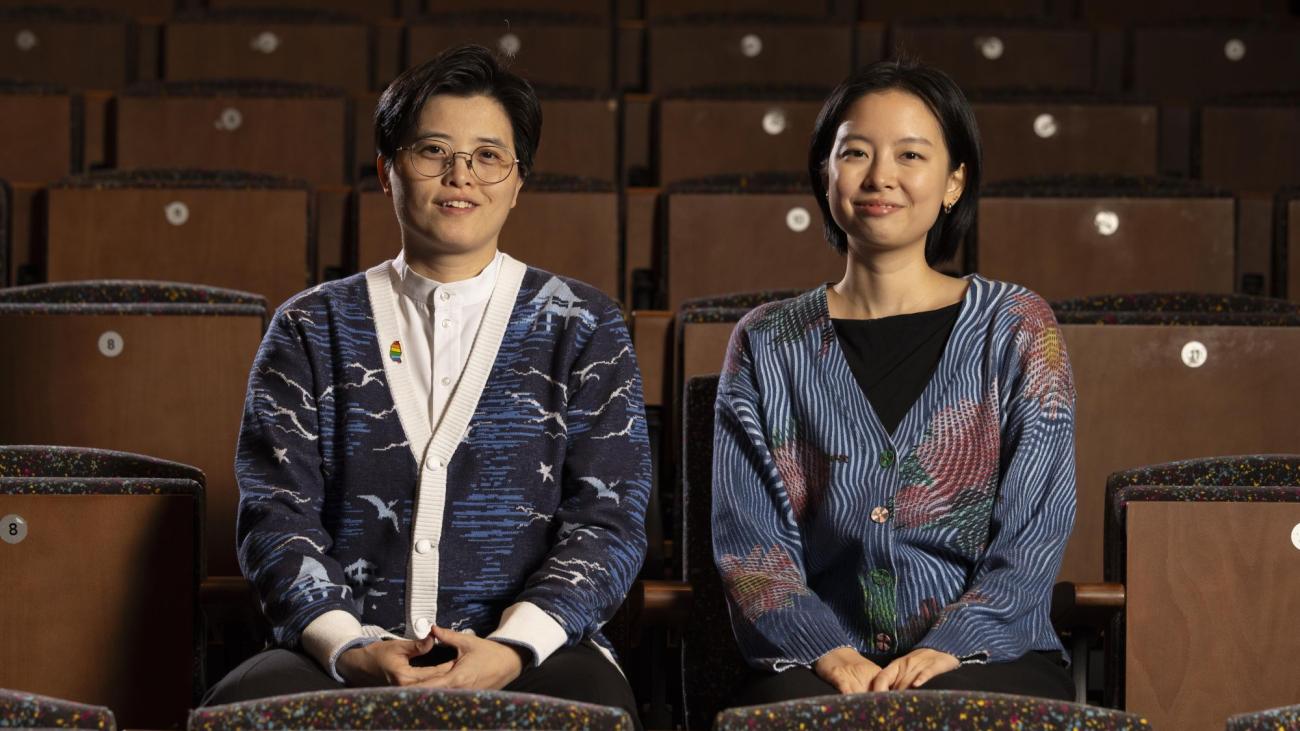
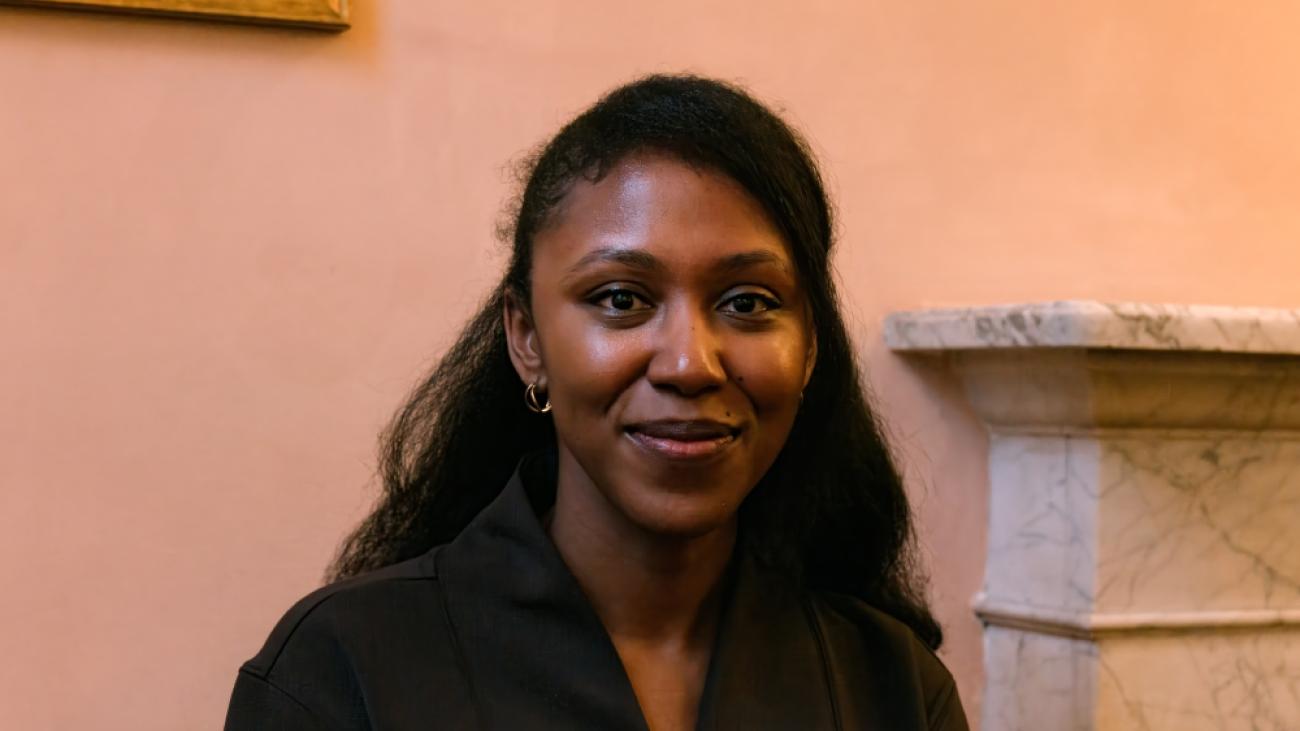
Below, our judges – Marcus du Sautoy, Sophie Hughes, Troy Onyango, Nilanjana S. Roy and Natasha Brown – share their thoughts on each of the longlisted books.
The shortlist of six books will be announced on Tuesday, 31 March, with the winner announced at a ceremony in London on Tuesday, 19 May.
The Nights Are Quiet in Tehran by Shida Bazyar, translated from German by Ruth Martin
What actually happens after a revolution? Through cycles of flight and return, exile and assimilation, Shida Bazyar takes readers through four decades in the lives of an Iranian family – two of them young revolutionaries, Behzad and Nahid, who flee to West Germany with their children. One generation yearns for their homeland; the other makes new beginnings; some visit home, some dream of return, some find going back too painful. The pages of The Nights Are Quiet in Tehran pulse with solidarities and betrayal, with heartache and humour. And for all exiles, migrants, once-and-future revolutionaries, Bazyar captures what it means to always live in hope.
We Are Green and Trembling by Gabriela Cabezón Cámara, translated from Spanish by Robin Myers
In this fiercely imaginative reworking of colonial history, Gabriela Cabezón Cámara gives voice to the 17th-century figure Antonio de Erauso, who writes from the depths of the South American jungle after fleeing imperial authority. While caring for two Indigenous girls he has freed from enslavement, Antonio becomes both witness to and participant in the brutal machinery of conquest. Written in luminous, wild, lyrical and inventive language, We Are Green and Trembling is at once playful and devastating, tender and enraging. This imaginative novel critiques familiar narratives of colonialism and empire while offering moments of startling beauty and transformation. It is a vivid and audacious story that reclaims history through language itself.
The Remembered Soldier by Anjet Daanje, translated from Dutch by David McKay
A soldier without his memory; a wife in search of her missing husband – if you thought that all war stories were the same, not so. Some years after the Great War, Noon Merckem is found wandering in a field in Belgium, amnesiac and adrift. In time, he is claimed, but it is not so easy to return to an elusive past. In Daanje’s hands, and in McKay’s intuitive translation, the ravages and shellshock of the First World War are superbly traced – but the big question at the heart of this novel is how far humans will go in order to love, how fiercely they will fight for what they intend to have and to hold.

The International Booker Prize 2026 longlist
© India Hobson for Booker Prize Foundation
The Deserters by Mathias Énard, translated from French by Charlotte Mandell
The Deserters weaves together two stories, told in very contrasting voices, exploring themes of commitment and betrayal, hope and survival, during times of war. One story, delivered in a raw unforgiving tone, moves forward in time and follows a man and woman escaping an undefined war. The other, told in more refined language, looks backwards as we join a scientific conference celebrating the life of Paul Heudeber, a mathematician, communist and poet. We were particularly taken in this second strand by the broad engagement with history from the Second World War to 9/11, from the Cold War to the conflicts in Ukraine and former Yugoslavia. The mathematicians among the judges also thought the author pulled off a convincing portrayal of the culture of mathematics.
Small Comfort by Ia Genberg, translated from Swedish by Kira Josefsson, published by Wildfire
A separated couple are forced to revert to married life for an annual holiday in order to secure an inheritance. A researcher using Monopoly to study societal inequality discovers for herself how love corrupts. Money makes the world go round and Ia Genberg has a deep, clear-eyed vision of how. The dramatic distinctness of the five stories that make up Small Comfort speaks to the might of Genberg’s imaginative powers, while the intricate threads tying them together are testament to her subtleness as a thinker. It couldn’t work without Kira Josefsson’s staggeringly flexible translation, which also stands out for the naturalness of its dialogue and wonderfully rhythmic prose. This duo’s writing zings and smarts in all the right places as we see ourselves reflected in the characters, warts and all. Breathtakingly original, profound but with a delicious dose of irreverence.
She Who Remains by Rene Karabash, translated from Bulgarian by Izidora Angel
In a village governed by archaic laws in the Albanian Alps, a teenage girl swears a vow of chastity to escape an arranged marriage. As a ‘sworn virgin’, with a new name, Matija is free to live as a man. But that freedom comes at a cost that tears Matija’s family apart. Told with understated poetry, this novel perfectly captures the slippery uncertainty of painful memories. Matija is a compelling narrator, whose story swept us up completely. She Who Remains is an unforgettable modern fairy tale.

The International Booker Prize 2026 longlist
© India Hobson for Booker Prize Foundation
The Director by Daniel Kehlmann, translated from German by Ross Benjamin
In The Director, Daniel Kehlmann performs a literary panning shot over the career of real-life filmmaker G. W. Pabst and charts the ways in which Nazi ideology leaked into the arts during Europe’s occupation. Where is the line between survival and collaboration? And can art survive the moral bankruptcy of its makers? It’s hard to imagine any writer tackling such hefty themes with lightness, yet Kehlmann does just this, writing compassionately, humorously and unsparingly from the perspectives of his complex characters, guiding the reader through the moral maze. Translator Ross Benjamin writes each shifting voice and set-up with the nuance they demand in a juggling act of wit and gravity that shouldn’t look this easy. Deeply intelligent, ambitiously structured and unputdownable.
On Earth As It Is Beneath by Ana Paula Maia, translated from Portuguese by Padma Viswanathan
Set in a remote penal colony built on land scarred by slavery and colonialism, this vivid and haunting novel unfolds in a landscape where punishment has replaced justice and cruelty has become the norm. As the colony nears its end, the warden introduces a ritualised full-moon hunt, releasing prisoners into the forest for sport. Through spare yet masterful prose, Ana Paula Maia renders a closed world thick with dread, brutality and moral decay. The prisoners and guards alike are trapped within a system that corrodes and suffocates everyone it touches. On Earth As It Is Beneath is a stark, unsettling exploration of power, violence, destruction and institutional corruption that will linger with readers long after the final page.
The Duke by Matteo Melchiorre, translated from Italian by Antonella Lettieri
The Duke is the story of a feud between two men set in an Italian village in the Dolomites. The build-up of tension as the quarrel gradually escalates is electric, as each move they make turns the heat up one more notch. Anyone who’s been in a dispute will recognise the reluctance to step away from the fight. The characters that the author paints are wonderfully evocative, including many of the minor figures who form part of the village. The village itself is one of the strongest ‘characters’ and we loved the feeling of claustrophobia of the place as the narrative unfolds. Packed full of plot twists, this is storytelling at its best.

The International Booker Prize 2026 longlist
© India Hobson for Booker Prize Foundation
The Witch by Marie NDiaye, translated from French by Jordan Stump
Lucie, a long-suffering housewife, inducts her daughters into a secret practice passed down by the women in her family: witchcraft. As the two girls begin to explore their new powers, Lucie’s husband disappears, upsetting the balance of their stifling, suburban life. The language in this novel – and in Jordan Stump’s translation – is exquisite: sentences twist and transform in unexpected ways. Each character is observed with icy precision. Through Lucie’s daughters – with their nonchalant acceptance of the immense power they’re beginning to wield – the nuances of motherhood are brought into sharp focus. The Witch is pure magic.
Women Without Men by Shahrnush Parsipur, translated from Persian by Faridoun Farrokh
Some works of fiction move through time, gaining depth with every decade. In Shahrnush Parsipur’s Women Without Men, we follow the lives of five women against the background of revolution and coups as they find their way to a garden, shedding their old lives like snakeskin. Parsipur was imprisoned for daring to write about women’s desires, and now lives in exile in America; Women Without Men has been banned in Iran for over three decades. But her layered tales, glittering in a fresh translation, continue to beckon you into a world that is simultaneously scoured by reality, and touched with fable and myth.
The Wax Child by Olga Ravn, translated from Danish by Martin Aitken
Set during the witch trials of 17th-century Denmark, this unforgettable novel by Olga Ravn is compulsively readable yet anything but biddable – shadowy lives are revealed in shadowy prose, largely from the perspective of an object, a wax doll belonging to a group of women who exploit magic as a means of survival. Martin Aitken has leant his pitch-perfect ear to the period language and poetry of the Danish original. Every word in The Wax Child feels spontaneous, every scene alive, as if Ravn and Aitken had lived and breathed its mysterious atmospheres in order to deliver them to us. It is hardly an exaggeration to say that this haunting, gripping and singular historical novel cast a spell on us.
Taiwan Travelogue by Yáng Shuāng-zǐ, translated from Mandarin Chinese by Lin King
On a government-sponsored tour of 1930s colonised Taiwan, a Japanese author with an insatiable appetite develops complex feelings towards her local interpreter. Despite the instant spark between the two women, the power imbalance inherent in their relationship proves difficult to navigate. With sumptuous food writing, laugh-out-loud dialogue and metafictional twists, this novel was impossible to put down. Taiwan Travelogue pulls off an incredible double act: it succeeds as both a delicious romance and an incisive postcolonial novel.

The International Booker Prize 2026 longlist
© India Hobson for Booker Prize Foundation




Features


- Book recommendations
10 Booker Prize-nominated books with unique settings

- Book recommendations