
‘I am a child shaped in beeswax. I am made like a doll the size of a human forearm. They have given me hair and fingernail parings from the person who is to suffer. I was borne by my mistress for forty weeks under her right arm as if I was a proper child, and my wax was softened by her warmth.’
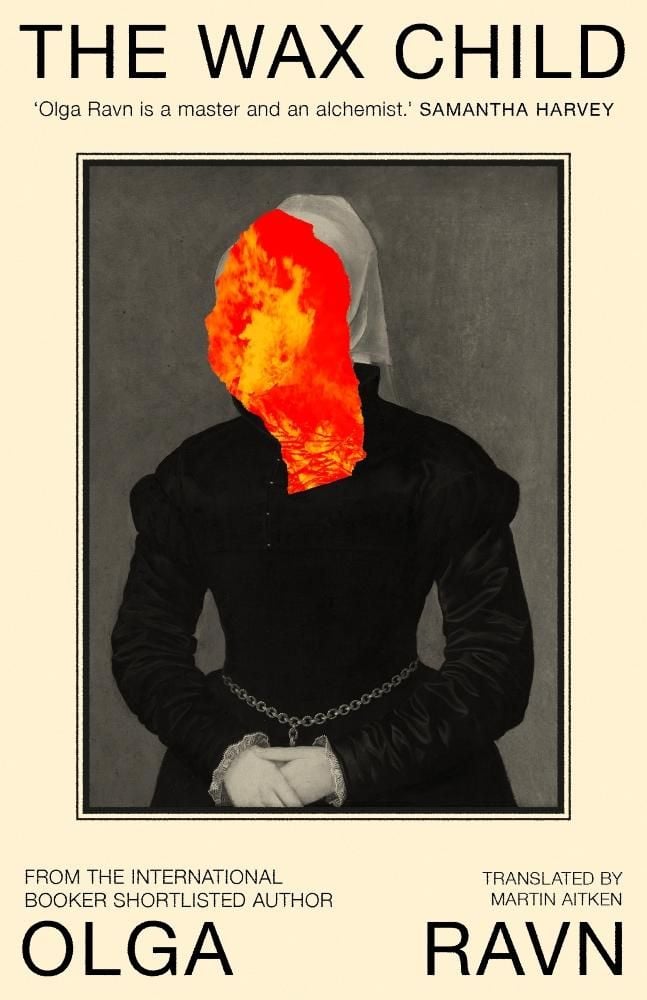
- Longlisted
- The International Booker Prize 2026
- Published by Viking
Buy the book
A chilling story about female power and brutality, nature and magic, and a dizzying insight into a 17th-century worldview
It was a black night in the year 1620 when Christenze Krukow made the wax child, melting down beeswax and setting it in the image of a small human. For days, she carried it tucked beneath her arm, shaping it with the warmth of her flesh, giving it life. She fashioned eyes and ears for it that cannot open, and yet it watches and listens.
The wax child looks on as Christenze is haunted by rumour, it hears what the people whisper. It sees how, in the candlelight, she gazes with love at her friends, and hears the things they say in the shadows. It knows pine forest, misty fjord and the crackle of the burning pyre. It observes the violence in men’s eyes and the cruelty of their laws. In time, it begins to understand that once a suspicion of witchcraft has taken hold, it can prove impossible to shake.
Based on an infamous 17th-century Danish witch trial, The Wax Child is a mesmerising, frightening vision of a time when witches and magic were as real to the human mind as soil and seawater. It was longlisted for the International Booker Prize 2026.


Martin Aitken
Martin Aitken is an acclaimed translator of many Scandinavian writers, among them Karl Ove Knausgaard, Helle Helle, Hanne Ørstavik and Olga Ravn
More about Martin Aitken Set during the witch trials of 17th-century Denmark, this haunting, gripping and singular novel – viewed largely from the perspective of a wax doll – cast a spell on us
The International Booker Prize 2026 judges
What the judges said
‘Set during the witch trials of 17th-century Denmark, this unforgettable novel by Olga Ravn is compulsively readable yet anything but biddable – shadowy lives are revealed in shadowy prose, largely from the perspective of an object, a wax doll belonging to a group of women who exploit magic as a means of survival. Martin Aitken has leant his pitch-perfect ear to the period language and poetry of the Danish original. Every word in The Wax Child feels spontaneous, every scene alive, as if Ravn and Aitken had lived and breathed its mysterious atmospheres in order to deliver them to us. It is hardly an exaggeration to say that this haunting, gripping and singular historical novel cast a spell on us.’
What the critics said
Aida Edemariam, Guardian
‘…an intensely poetic portrait of everyday sorcery and female solidarity… The Wax Child is richly evocative, beautiful, creepy and visceral’
Catherine Taylor, Financial Times
‘Ravn’s prose is microscopically alive with historical detail, exquisitely translated by Martin Aitken.’

Other nominated books by Olga Ravn
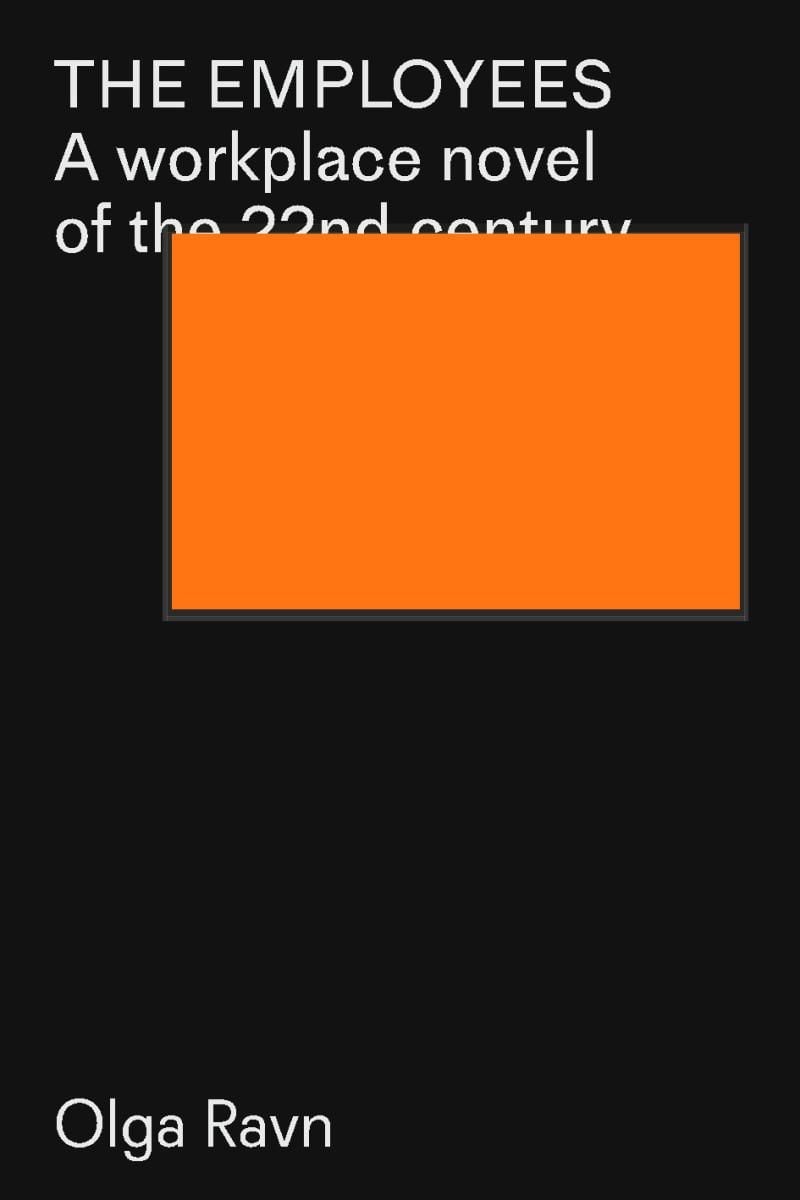
Olga Ravn explores what it really means to be human, while questioning the logic of productivity and a life governed by work
Other nominated books by Martin Aitken
Olga Ravn explores what it really means to be human, while questioning the logic of productivity and a life governed by work


