
From witchcraft to warfare, trauma to transformation, resilience to cruelty, this year’s longlist shines a light on a vast range of experiences
An extract from The Wax Child by Olga Ravn, translated by Martin Aitken
An extract from The Wax Child by Olga Ravn, translated by Martin Aitken
- Published
The Wax Child is longlisted for the International Booker Prize 2026. Read an extract here
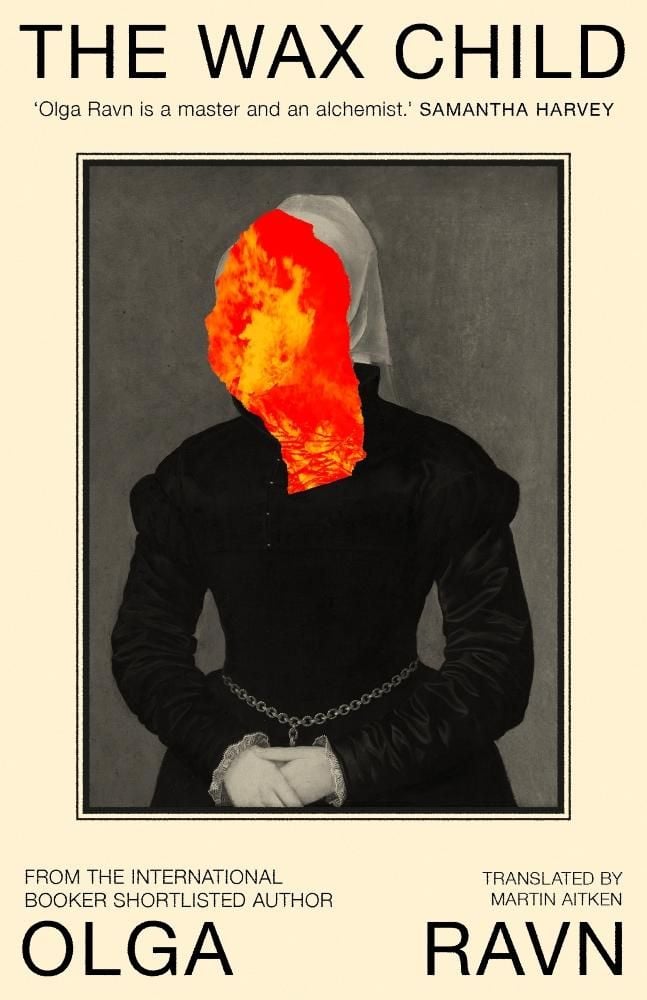
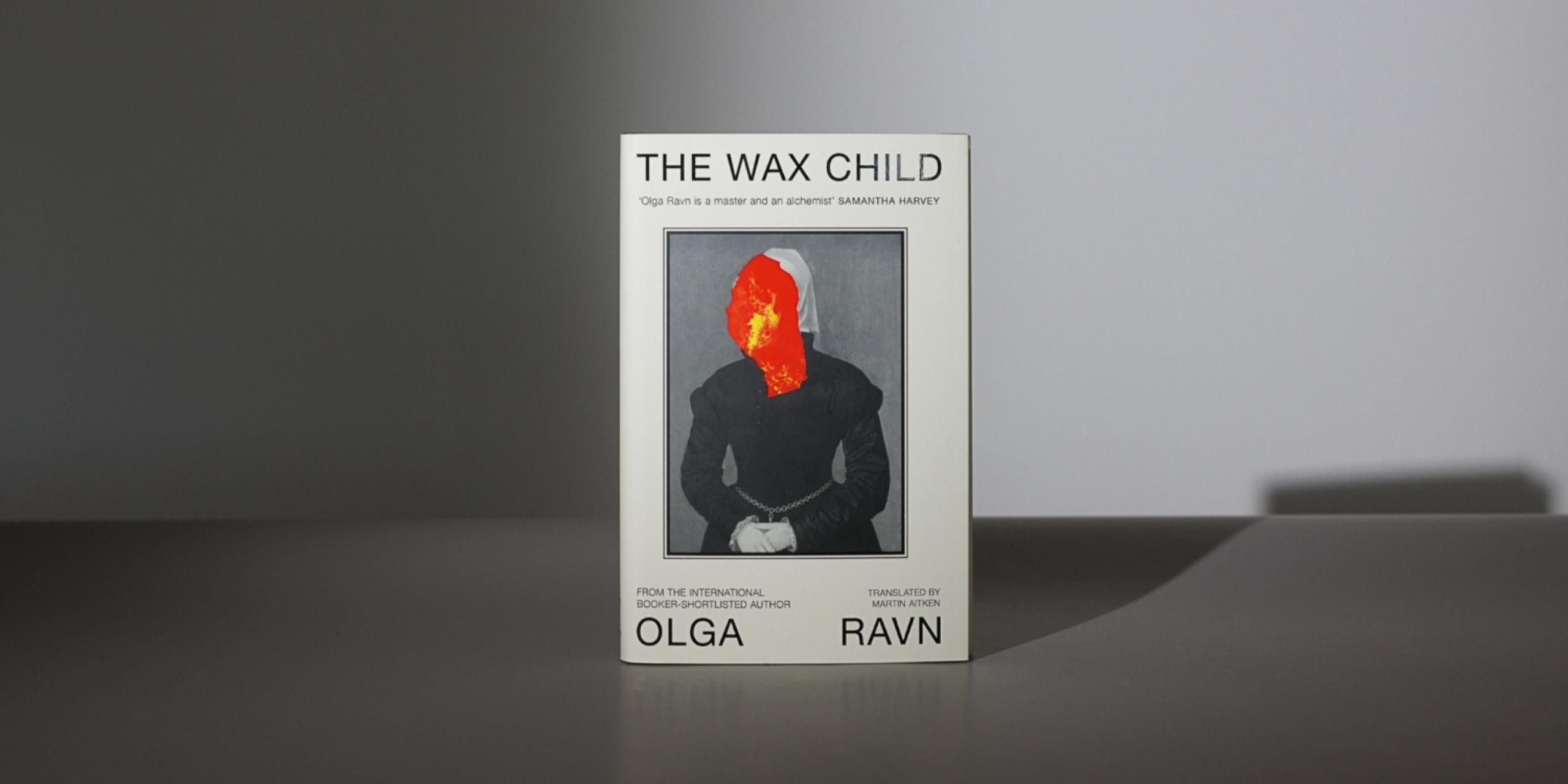
The Wax Child is a chilling story about female power and brutality, nature and magic, and a dizzying insight into a 17th-century worldview.
It was a black night in the year 1620 when Christenze Krukow made the wax child, melting down beeswax and setting it in the image of a small human. For days, she carried it tucked beneath her arm, shaping it with the warmth of her flesh, giving it life. She fashioned eyes and ears for it that cannot open, and yet it watches and listens.
The wax child looks on as Christenze is haunted by rumour, it hears what the people whisper. It sees how, in the candlelight, she gazes with love at her friends, and hears the things they say in the shadows. It knows pine forest, misty fjord and the crackle of the burning pyre. It observes the violence in men’s eyes and the cruelty of their laws. In time, it begins to understand that once a suspicion of witchcraft has taken hold, it can prove impossible to shake.
Based on an infamous 17th-century Danish witch trial, The Wax Child is a mesmerising, frightening vision of a time when witches and magic were as real to the human mind as soil and seawater.
The novel is published in the UK by Viking. This extract is taken from the beginning of the book.
Buy the book
I am a child shaped in beeswax. I am made like a doll the size of a human forearm. They have given me hair and fingernail parings from the person who is to suffer. I was borne by my mistress for forty weeks under her right arm as if I was a proper child, and my wax was softened by her warmth. After this time, she took me to a pastor; it was night, the church was dark and still, and he christened me, the wax child. I was an instrument. This was at Nakkebølle Manor, in southern Funen. My wax mouth cannot be opened.
I know the humans well, though they don’t know me. I am an image, in the absence of a child. I have this bottomless, shaft-like longing for the woman who made me, whose name was Christenze Kruckow. Her sweat smelled so tangy, of … cloves, perhaps. There were carriages and horses and soldiers. There was marjoram and thyme and rose hip. There were ships that journeyed far across the sea to lay claim to territory. There were ships filled with living bodies in the darkness of their holds. There was a scream. And a refinement. The finest pattern cast by the sun through the grille of the confessional. And through the towns religious processions went, and chorused wonderful song. The year passed, and the years passed. And I was a wax child. I did not age. I lay in the ground and saw it all. Insects and worms approached, to retreat on sensing my poison. I saw the rising of realms, the founding of states, the centralizations of power. I saw the clouds hasten by. I saw the great black tongues of oil advance as the fern from the soil puts out its feelers. I saw hands be raised and clench into fists. I saw knives gleam, children play. I saw steam locomotives, the smallest particle split and exploded. I lay in the ground. And from there, at certain times of the month, I could observe the brilliant moon. No one was carrying me any more.
No one listens to a thing I say. Although I speak all the time. I am a lump of beeswax shaped in the image of a newborn child. I am no more than what may melt and stiffen again in the night. No one comes to me here. I lie and speak with my eyes. My family no longer exists, or rather: my kind of family, a very large one, no longer exists. And still I speak. A steady stream of words that slip from me without cessation, and I too am inclined to think it is often an embarrassment. But I cannot stop it, my mouth will not desist, though I don’t know how the words get out – I have no larynx, no vocal band, no tongue. But who does it interest? Children should be seen and not heard, as they say. But then I’ve already told you, I am not a child, only something that looks like one. Something that longs to be one. I’m an internal event. By nature unfinished, or condemned to anticipation, awaiting my mistress, who since she is dead comes no more. Now I speak again to the soil that covers my face. Now I speak again to the semi-carbonized, the soon-composted apple someone tossed, in the place where I lay.
There was a night when I was still lying in the bed of my mistress. Yes, I remember it. She wakes with a start, sits up, looks out. Others, in the surrounding houses of the town, wake in the same manner. They don’t know why. They are possessed by such a strange feeling. I observe them. I hear their thoughts. There’s something not right, something awry. The salty air – as if the sea has flooded into their rooms. They don’t know it yet, but still they sense it. The Earth turns slowly into modernity. And in the space of an imperceptible moment, the old world has succumbed conclusively to the new.

The Wax Child
© India Hobson for Booker Prize Foundation
The Wax Child
- By
- Olga Ravn
- Translated by
- Martin Aitken
- Published by
- Viking
A chilling story about female power and brutality, nature and magic, and a dizzying insight into a 17th-century worldview


Features

- Book recommendations
Seven Booker Prize-nominated novels that explore AI

- Book recommendations
10 Booker Prize-nominated books with unique settings


- Book recommendations
