
‘The orchard, vibrantly green and with adobe walls, backed up against the village at one end and bordered the river at the other. It was an orchard mostly of sweet and sour cherries. The villa, a mixture of rustic and urban architecture, sat in the middle of it.’
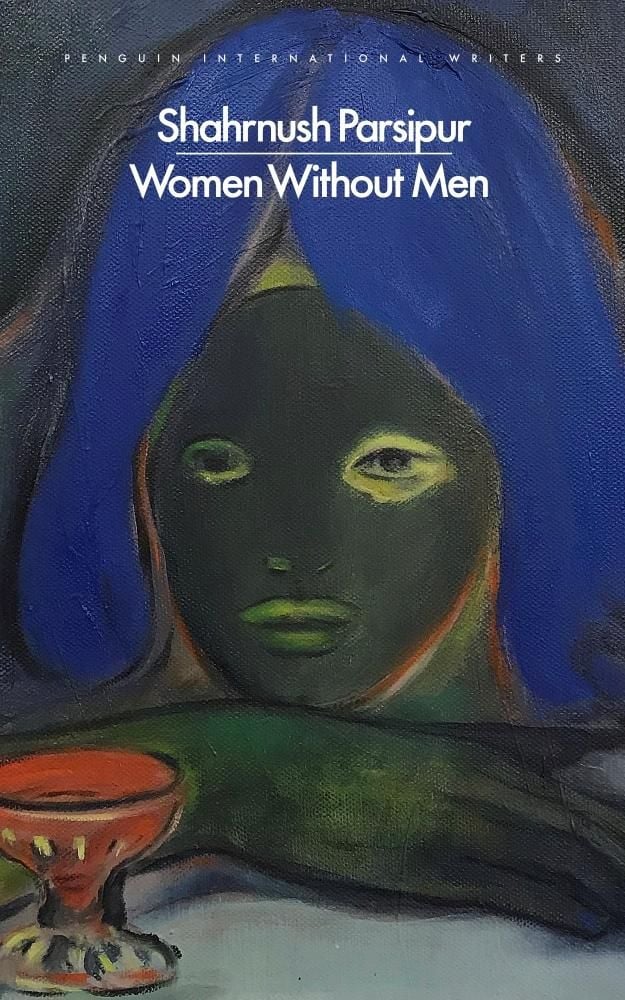
Women Without Men
Written by Shahrnush Parsipur
Translated by Faridoun Farrokh
- Original language:
- Persian
- Longlisted
- The International Booker Prize 2026
- Published by Penguin International Writers
Buy the book
A powerful and essential tale of female freedom
An internationally acclaimed novel that traces the interwoven destinies of five women – including a wealthy middle-aged housewife, a sex worker and a schoolteacher – as they arrive by different paths to live together in an abundant garden on the outskirts of Tehran.
Drawing on elements of Islamic mysticism and recent Iranian history, the novel depicts women escaping the narrow confines of family and society, and imagines their future living in a world without men.
Originally published in Persian in 1989 and banned in Iran ever since, Women Without Men was longlisted for the International Booker Prize 2026.


Faridoun Farrokh
Faridoun Farrokh was born and educated in Iran, where he began a teaching career
More about Faridoun Farrokh Against the backdrop of revolution, we follow the lives of five women as they shed their old lives like snakeskin. Parsipur’s layered tales beckon us into a world touched with fable and myth
The International Booker Prize 2026 judges
What the judges said
‘Some works of fiction move through time, gaining depth with every decade. In Shahrnush Parsipur’s Women Without Men, we follow the lives of five women against the background of revolution and coups as they find their way to a garden, shedding their old lives like snakeskin. Parsipur was imprisoned for daring to write about women’s desires, and now lives in exile in America; Women Without Men has been banned in Iran for over three decades. But her layered tales, glittering in a fresh translation, continue to beckon you into a world that is simultaneously scoured by reality, and touched with fable and myth.’
What the critics said
‘Using the techniques of both the fabulist and the polemicist, Paripur (Prison Memoirs) continues her protest against traditional Persian gender relations in this charming yet powerful novella… The voices of the five separate narrators – delicately connected by plot and circumstance – give us variations on the theme of the mistreatment of women in contemporary Iran.’


