- Published
International Booker Prize 2026 Chair of judges Natasha Brown reflects on her love of books that are surprising and daring, and the endless creative possibilities of fiction in translation
Main image © Sophie Davidson for Booker Prize Foundation
You will read more than 100 books over seven months as an International Booker Prize judge. How are you approaching this unique challenge, and what are your tips for busy people who want to find more time for reading?
The total number of books sounds daunting. My approach has been to break it down into a daily routine: I try to spend a couple of hours reading first thing each morning and then pick up again in the early evening. Although I prefer to read physical books, switching to a tablet has given me much more flexibility – wherever I am, I’ve always got my current and next reads with me.
What are you hoping to find as you select the books for the International Booker Prize longlist? Are there certain qualities or attributes that you’re looking for?
I love finding books that are surprising and daring, written with an irresistible style.
What do you think, if anything, good translations can bring to the original language version of a work of fiction?
When bridging across languages, it’s almost impossible to preserve the original meaning – let alone every nuance of wordplay, sound, and cultural relevance – exactly. Between the translator and author, choices must be made. To me, that joint artistic effort creates a new interpretation of the original book, with endless creative possibilities.

The International Booker Prize 2026 judges – l-r Nilanjana S. Roy, Marcus du Sautoy, Troy Onyango, Natasha Brown and Sophie Hughes – photographed at Poon’s London
© Sophie Davidson for Booker Prize Foundation
When we read, we allow someone else’s words to become a part of our own thoughts. I think that makes reading uniquely immersive
The International Booker Prize is celebrating its 10th birthday in its current form in 2026. How do you think the International Booker has changed the landscape and the perception of translated fiction over the last decade, and why does this award matter?
This prize has an enormous influence on what publishers choose to translate into English, which shapes the literature available to English-language readers. The results are clear. Today, the range and variety of contemporary translated fiction readily available in bookstores and libraries is unbelievable. It allows me to broaden my horizons as a reader and discover some really spectacular books.
The theme of the International Booker Prize 2026 campaign is ‘Fiction beyond borders’. How do you think the International Booker, and translated fiction generally, helps readers see beyond geographical boundaries? Why is that important?
Reading is always an act of border crossing. When we read, we allow someone else’s words to become a part of our own thoughts. I think that makes reading uniquely immersive. Fiction can transport us into different worlds and offer up new ways of looking at the familiar.

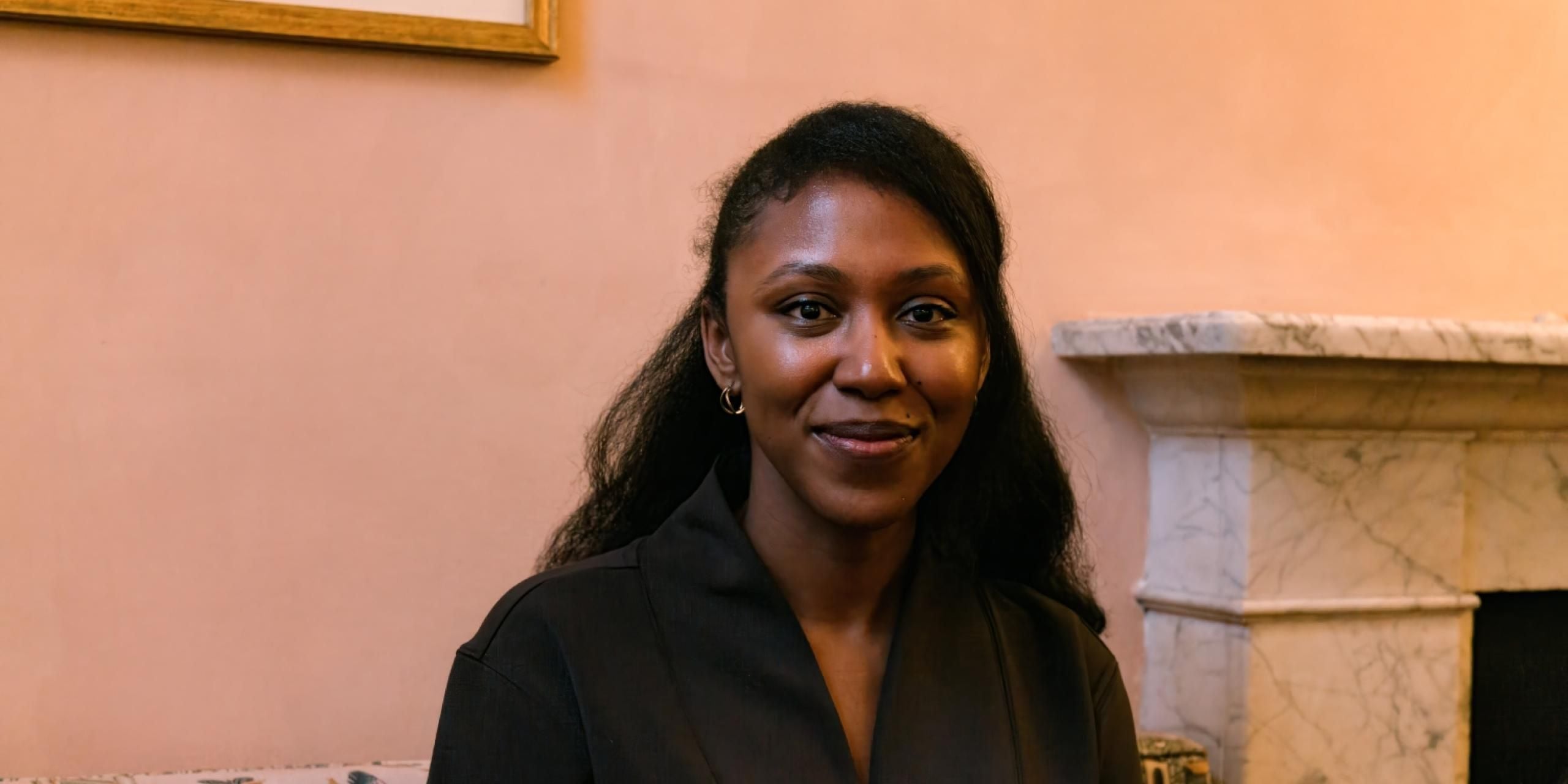
Chair of the International Booker Prize 2026 judges, Natasha Brown photographed at Poon’s London
© Sophie Davidson for Booker Prize Foundation


