‘When my daughters turned twelve I initiated them into the mysterious powers. Mysterious not so much in that they didn’t know those powers existed, or in that I’d kept them secret (I hid nothing from my daughters, since we were of the same sex)’
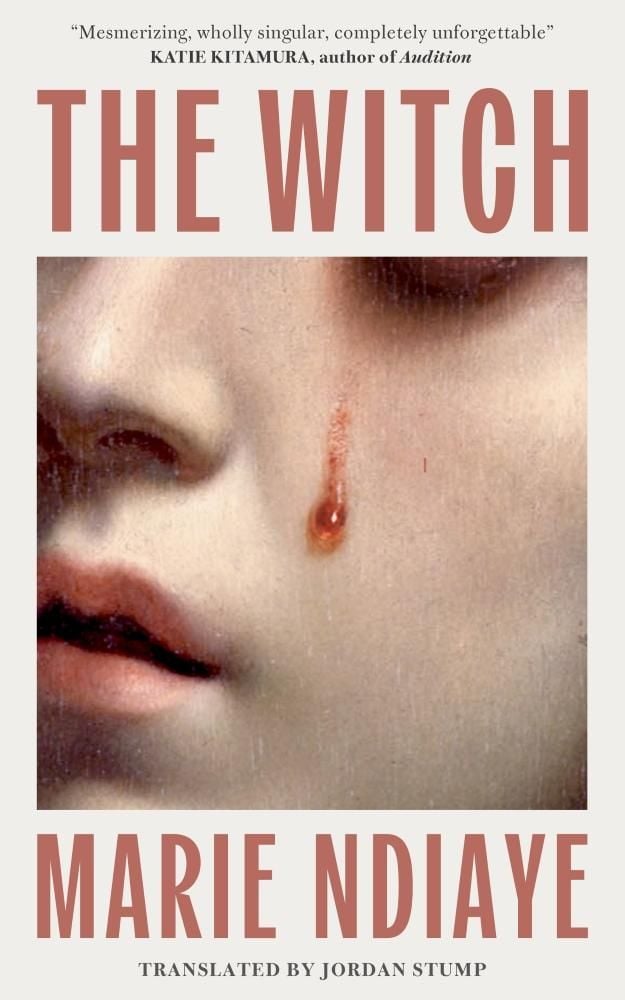
- Shortlisted
- The International Booker Prize 2026
- Published by MacLehose Press
Buy the book
A mediocre witch, in a mediocre marriage, tries to pass on her gifts to her twin daughters, who, it becomes apparent, have skills far beyond her own
Lucie comes from a long line of witches, powers passed down from mother to daughter. Her own mother was formidable in her powers, but ashamed of her magic. Perhaps as a result, Lucie’s own gift is weak: she can see into the future, sometimes, but more often she can only see the present of some other location. Not very useful. And the worst part? All she can ever see are insignificant details – a scrap of outfit, the colour of the sky.
Lucie’s own children are initiated into their family’s peculiar womanhood when they reach 12 years of age, and in a few short months, Maud and Lise are crying the curious tears of blood that denote their magical powers. Having learned, they take off quickly and fly the nest. Literally.
Witty, dreamlike, unsettling and enchanting, The Witch brings the mysteries of womanhood and motherhood into sharp relief and leaves us teetering on the edge, unbalanced by questions as seemingly unbreakable relationships break down left and right.
Who is to blame for family failures? And how can you build a nest that no one wants to fly?
Originally published in French in 1996, The Witch was shortlisted for the International Booker Prize 2026.

Marie NDiaye
Marie NDiaye was born in France and published her first novel at the age of 17
More about Marie NDiaye 
Jordan Stump
Jordan Stump has translated many authors into English from French, including Marie Redonnet, Eric Chevillard, and Honoré de Balzac
More about Jordan Stump A long-suffering housewife inducts her daughters into a secret practice passed down by the women in her family: witchcraft. The language in this novel is exquisite. The Witch is pure magic
The International Booker Prize 2026 judges
What the judges said
‘Lucie, a long-suffering housewife, inducts her daughters into a secret practice passed down by the women in her family: witchcraft. As the two girls begin to explore their new powers, Lucie’s husband disappears, upsetting the balance of their stifling, suburban life. The language in this novel – and in Jordan Stump’s translation – is exquisite: sentences twist and transform in unexpected ways. Each character is observed with icy precision. Through Lucie’s daughters – with their nonchalant acceptance of the immense power they’re beginning to wield – the nuances of motherhood are brought into sharp focus. The Witch is pure magic.’
What the critics said
Jasmine Vojdani, Vulture
‘Family alienation meets suburban witchcraft in this short, fantastical work from one of France’s greatest living novelists, which is finally getting an English translation nearly 30 years after it appeared in France. Lucie, a middling witch, is instructing her two daughters in the family’s matrilineal talent of seeing the future — visions produce tears of blood — but their professionally disempowered father all but approves. As the bitter marriage at the center of the family unravels, the girls embrace their new gift more fully than Lucie could have imagined. This is NDiaye at her disquieting best.’


Other nominated books by Marie NDiaye
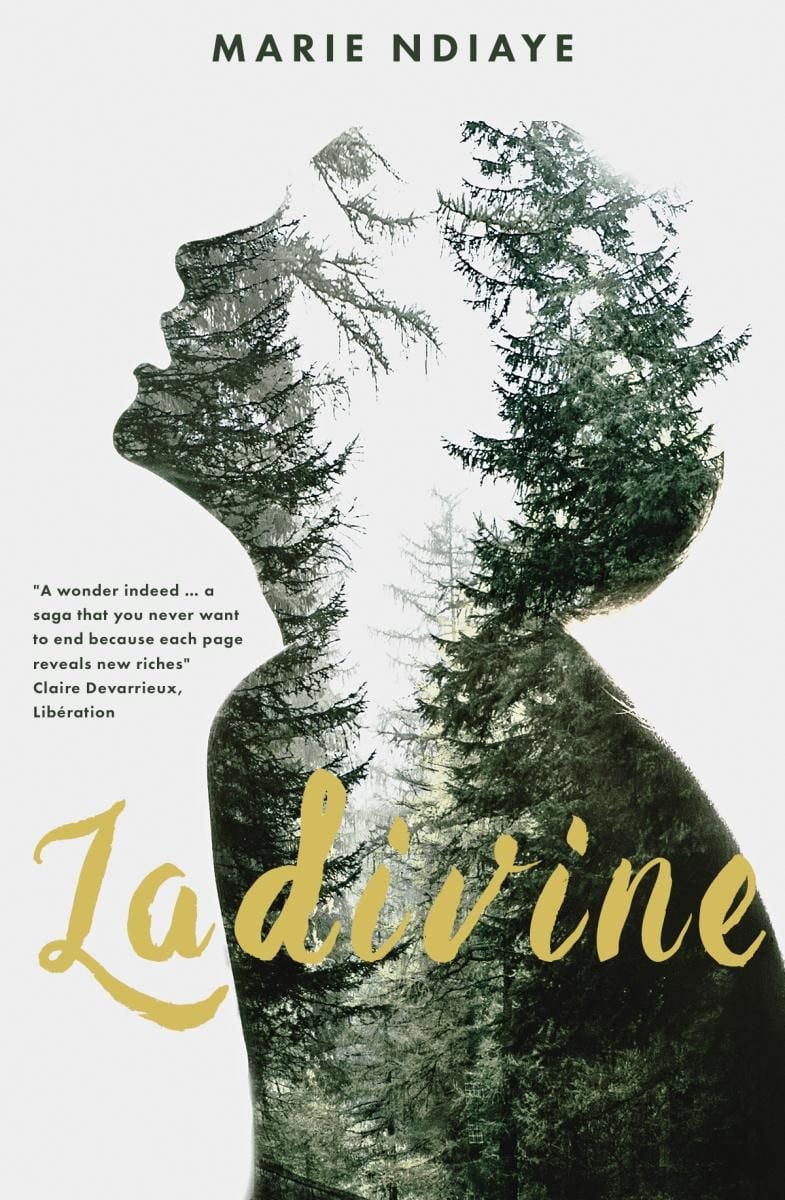
Marie NDiaye’s harrowing and subtly crafted novel of a woman captive to a secret shame that ensnares three generations
Other nominated books by Jordan Stump
Marie NDiaye’s harrowing and subtly crafted novel of a woman captive to a secret shame that ensnares three generations