Everything you need to know about the International Booker Prize 2026 shortlist
Everything you need to know about the International Booker Prize 2026 shortlist
- Written by
- Paul Davies
- Published
Take a closer look at the six remarkable shortlisted books, their themes, characters, settings and origins, and find out what everyone’s saying about them
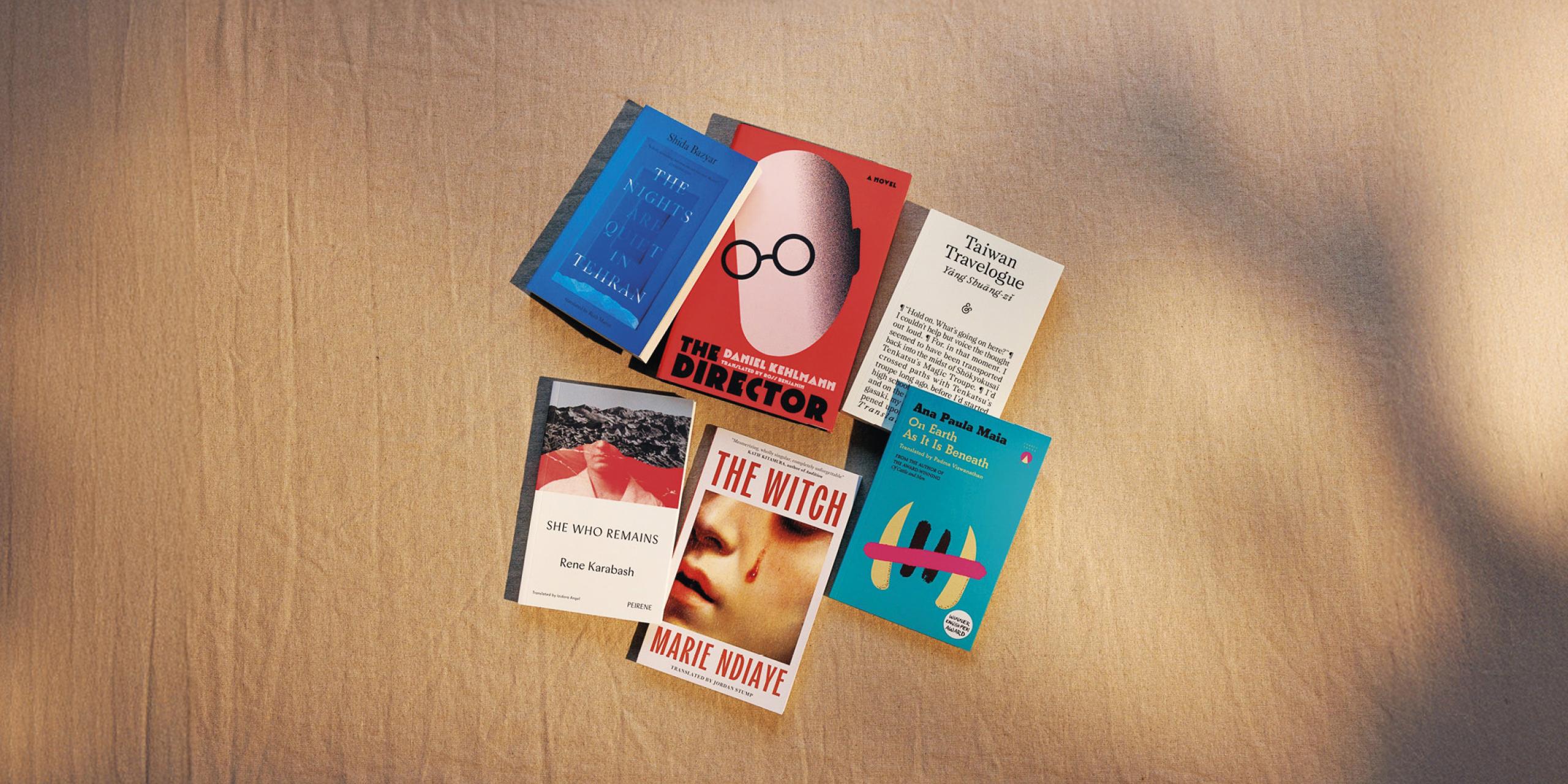
The shortlist for the International Booker Prize 2026, supported by Bukhman Philanthropies, has been announced. It features stories of a suburban witch, a morally compromised filmmaker, a bloodthirsty prison warden, a sworn virgin with a new identity, a young novelist and an interpreter with a shared passion for food, and a multigenerational family of Iranian emigrants.
As Natasha Brown, Chair of this year’s judging panel, says: ‘With narratives that capture moments from across the past century, these books reverberate with history. While there’s heartbreak, brutality and isolation among these stories, their lasting effect is energising.’
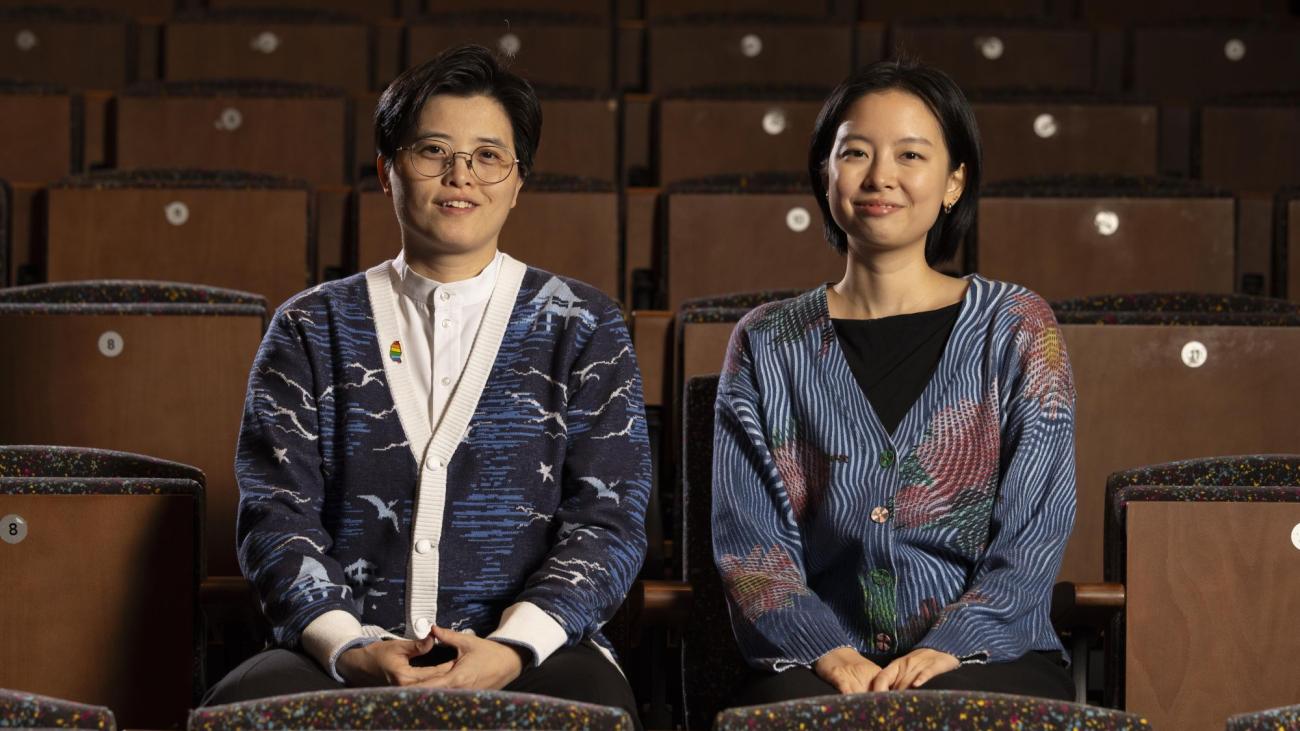
The shortlist features two debut novels (The Nights Are Quiet in Tehran; She Who Remains), and one book published in its original language 30 years ago (The Witch). It features two author/translator pairings who have been nominated for the International Booker Prize previously: Daniel Kehlmann and Ross Benjamin were shortlisted in 2020, while Marie NDiaye and Jordan Stump were longlisted in 2016. Translator Ruth Martin was longlisted in 2020.
The list is made up of authors and translators representing eight countries (Brazil, Bulgaria, Canada, France, Germany, Taiwan, the UK and the United States) and four continents: Asia, Europe, North America and South America. Five of the six authors and four of the six translators are women.
The books were originally published in five languages: Bulgarian (She Who Remains), French (The Witch), German (The Nights Are Quiet in Tehran; The Director), Taiwanese Mandarin (Taiwan Travelogue) and Portuguese (On Earth As It Is Beneath).

The International Booker Prize 2026 shortlist
© India Hobson for Booker Prize Foundation
The International Booker Prize 2026 shortlist

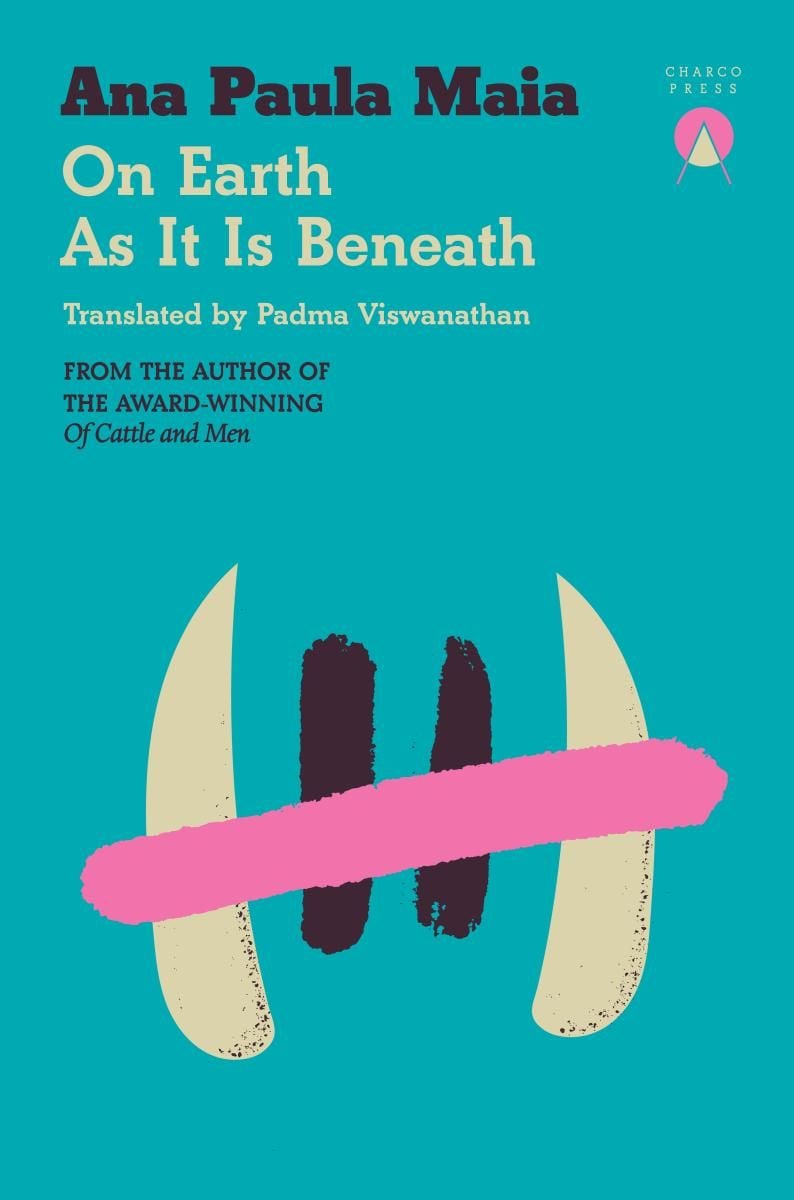
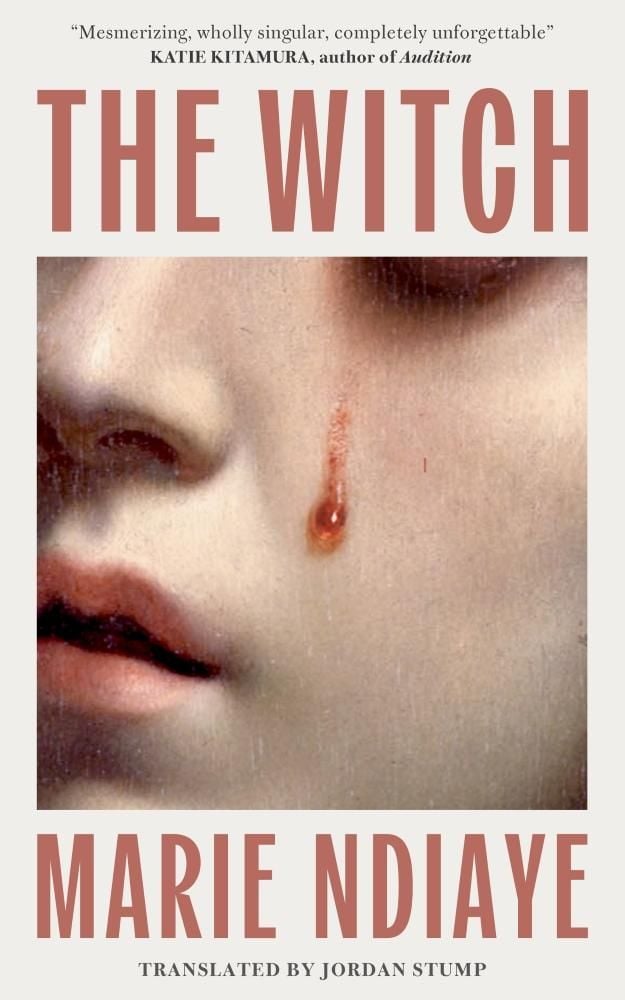
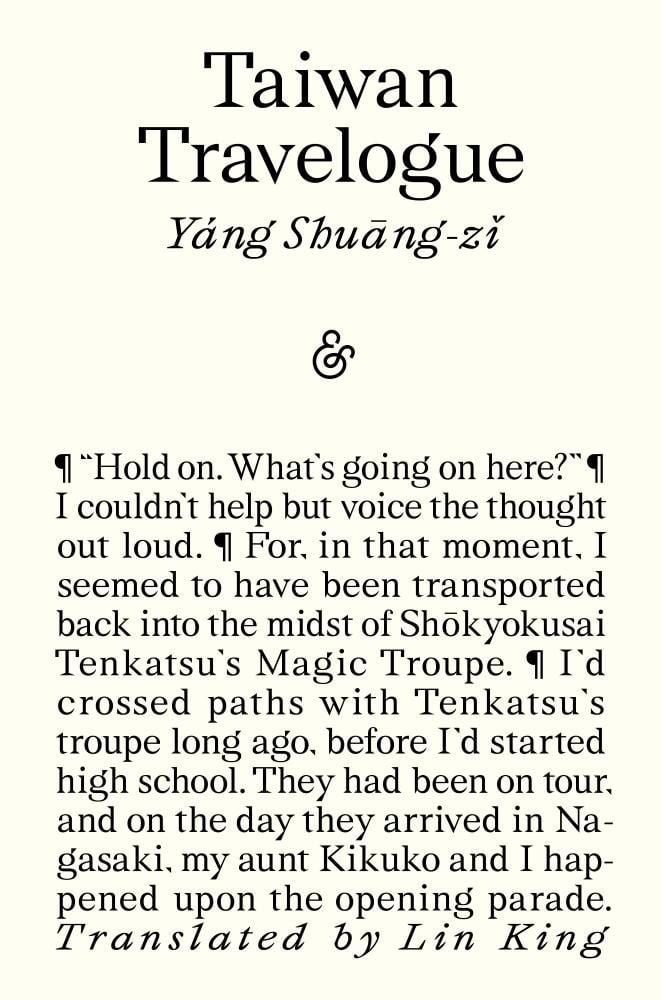
What are the shortlisted books about, and where are they set?
Encapsulating a range of international experiences, the six books transport readers from Japan-ruled Taiwan in the 1930s (Taiwan Travelogue) to Nazi-controlled Europe during the Second World War (The Director), from suburban France in the 1990s (The Witch) to the turmoil and after-effects of the Iranian Revolution in 1979 (The Nights Are Quiet in Tehran), from a brutal prison in a remote corner of Brazil (On Earth As It Is Beneath), to a strict patriarchal community in the Albanian Alps (She Who Remains).
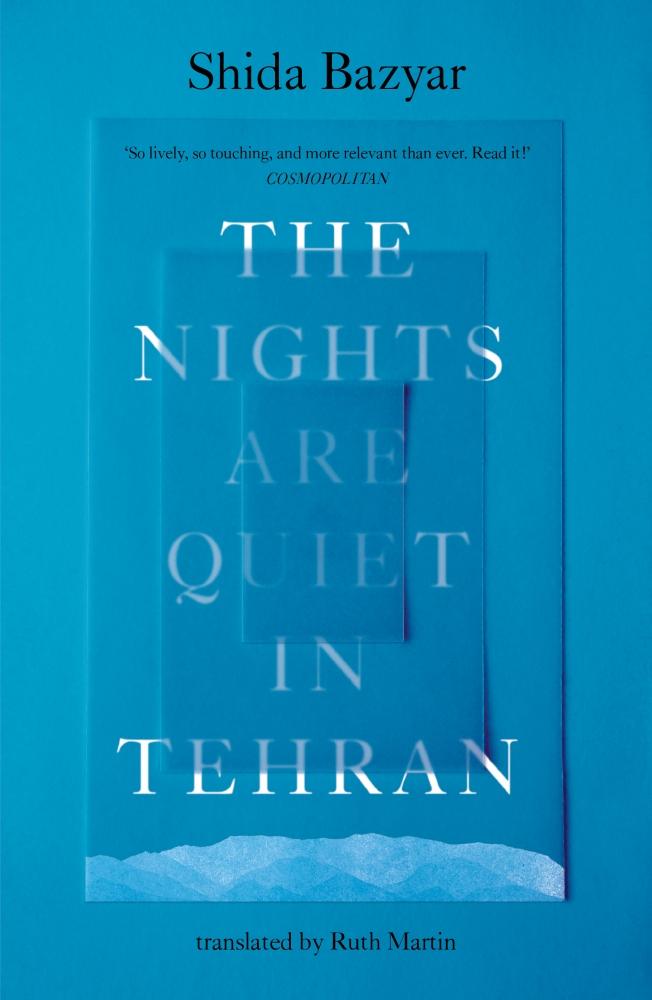
Told from multiple perspectives across four decades, The Nights Are Quiet in Tehran is a polyphonic novel of one family’s flight from and return to Iran, via Germany, and explores themes of oppression, exile, resistance and lives lived between cultures.
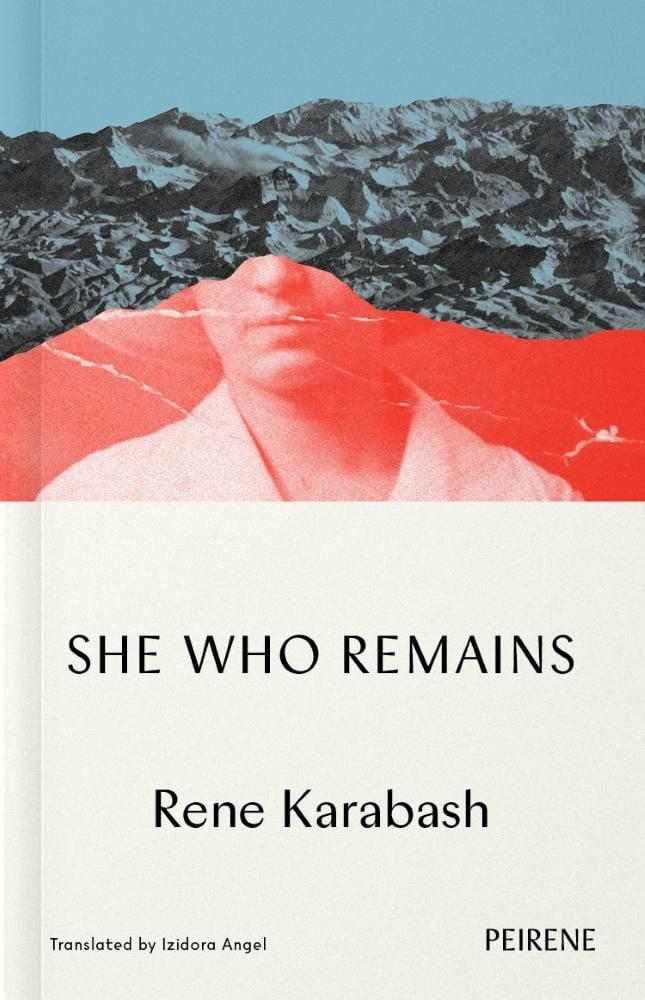
A short and poetic book about identity, gender, love and freedom, She Who Remains follows a teenager who escapes an arranged marriage by becoming a sworn virgin, renouncing her womanhood to live as a man – a decision that sets off a dramatic chain of events.
Exploring the tensions between artistic ambition and moral compromise, The Director follows the great (real-life) filmmaker G.W. Pabst, who returns from Hollywood to his homeland in the late 1930s and is forced to work under the Nazi regime.
In just over 100 pages, On Earth As It Is Beneath plunges readers inside a penal colony built on land where enslaved people were once tortured and murdered, and where the normal rules of justice have given way to sadism and violence.
In The Witch, an unremarkable woman – stuck in an unhappy marriage in an ordinary French town – passes on her supernatural gifts to her twin daughters, but finds their powers far exceed her own.
Presented as the translated text of a (fictional) historical memoir, and exploring themes of colonialism and queer love, Taiwan Travelogue follows a Japanese novelist’s culinary journey through Taiwan, accompanied by a local interpreter who shares her love of food.
Across the shortlist as a whole, we find characters in exile, living or travelling far from home, or navigating unfamiliar, oppressive or hostile circumstances. In very different ways, the books explore what happens when individual freedoms – to create art, to love, to protest, to live without fear – are curtailed or threatened by forces more powerful than us, whether a controlling husband or a barbaric regime. And they show what happens when people find the strength to survive, to fight back, to live in hope or to be true to themselves.

The Nights Are Quiet in Tehran
© India Hobson for Booker Prize Foundation
Who are the shortlisted authors and translators, and where are they from?
Shida Bazyar studied writing in northern Germany, and worked in youth education for many years. The Nights Are Quiet in Tehran has won several prizes and has been translated into a number of languages.
Ruth Martin has been translating fiction and non-fiction books since 2010, has taught translation at the University of Kent, and is a former co-chair of the Society of Authors Translators Association.
Rene Karabash (born Irena Ivanova) is a Bulgarian poet, writer, screenwriter and playwright, as well as the winner of several acting awards. A film of She Who Remains, adapted by the author, is set to be released in 2026.
Izidora Angel is a Bulgarian-born writer and literary translator based in Chicago, and is currently working on a debut memoir.
Munich-born author and playwright Daniel Kehlmann is the author of 14 novels and has won numerous literary awards. His novel Die Vermessung der Welt is the best-selling German-language book of the past 40 years.
Ross Benjamin is an award-winning American translator of German-language literature, and a 2015 Guggenheim Fellow. His recent translations include The Diaries of Franz Kafka.
Brazilian writer Ana Paula Maia has published seven novels and has won multiple awards. As a scriptwriter she has worked on a wide range of projects for television, cinema and theatre.
Padma Viswanathan is a Canadian-American writer and translator, whose novels have been published in eight countries. She is Professor of Creative Writing at the University of Arkansas-Fayetteville.
French playwright and novelist Marie NDiaye published her first novel at 17 and went on to win the Prix Goncourt in 2009, becoming the first Black woman to win France’s most prestigious literary award.
Jordan Stump has published over 30 translations of novels by mostly contemporary French and Francophone writers, and is Professor of French at the University of Nebraska-Lincoln.
Yáng Shuāng-zǐ is a Taiwanese writer of fiction, essays, manga and video game scripts, and literary criticism. The English-language translation of Taiwan Travelogue is already a prize winner, having won the National Book Award for Translated Literature in 2024.
Lin King is a writer and translator based in Taipei and New York, whose fiction has appeared in multiple publications. Her debut novel, Weeb, is coming soon.

She Who Remains
© India Hobson for Booker Prize Foundation
What have our judges said about the books?
The Nights Are Quiet in Tehran:
‘Timely, tender, political and wonderfully human, it follows an Iranian family from revolution into exile, exploring a dream of freedom that never dies.’
She Who Remains:
‘An exquisitely written, brilliantly observed story about a young woman in a contemporary Albanian tribal society, and a blood feud that sets off her journey to self-discovery.’
The Director:
‘Exploring how G.W. Pabst descended into the morally dubious position of making films for the Nazis, it uses audacious and sparklingly comic writing to tell a dark story.’
On Earth As It Is Beneath:
‘A brutal, haunting and hypnotic novella set in a remote Brazilian penal colony where the boundaries between justice and cruelty collapse. Spare, unflinching and relentless.’
The Witch:
‘A darkly comic and beautifully crafted novel where magic and reality collide to create an unconventional exploration of motherhood.’
Taiwan Travelogue:
‘Following a Japanese author on a government-sponsored tour of 1930s Taiwan, this is an insightful post-colonial novel that reads like a delicious romance.’

The Director
© India Hobson for Booker Prize Foundation
What have the critics said about the shortlisted books?
The Nights Are Quiet in Tehran:
‘In Ruth Martin’s lilting translation of the German novel, Bazyar’s lyrical sentences exude a deep sensitivity to the “permanent pain” of the relentless yearning for home… A quietly beautiful exploration of the trauma of losing one’s homeland to a savage regime, the novel is testament to how hope and the revolutionary spirit endure in the face of crushing tyranny, how courage cannot be fully stamped out.’ – Rhoda Kwan, The Saturday Paper
She Who Remains:
‘There’s something folkloric, even fable-like, to the events in She Who Remains, something more mythic than realistic. As the novel goes on, tragedy is piled upon tragedy; lives are ruined by bitterness, hatred and the wreaking of revenge. Maybe that makes it inevitable that sometimes the characters themselves feel like archetypes more than individuals, and the plot teeters on the edge of melodrama; but even if so, the power of the language and the vivid portrayal of these wild, remote and “hallowed lands of the Kanun” prove incredibly hard to shake.’ – Lucy Scholes, The Telegraph
The Director:
‘One feels an aching sympathy for Pabst, caught in a situation so far beyond his control that “when he tried to breathe in, there was only icy water, and in the distance, he knew, monsters were moving … black and many-armed, at home in the darkness”. The Director has all the shapeshifting ambiguity and glittering unease of a modern Grimms’ fairytale: it is Kehlmann’s best work yet.’ – Nina Allen, Guardian
On Earth As It Is Beneath:
‘It is inventive and unflinching. And while the atmosphere is heavy with brutality and murder, Maia’s prose offers the perfect counterbalance — it is beautiful and gripping. Here, a morning isn’t just bright, it shines “with an impenetrable whiteness that dissolved the boundaries between heaven and earth.” That balance makes this a standout. On Earth As It Is Beneath is a must read for those who like their poetry written in blood.’ – Gabino Iglesias, New York Times
The Witch:
‘Family alienation meets suburban witchcraft in this short, fantastical work from one of France’s greatest living novelists, which is finally getting an English translation nearly 30 years after it appeared in France. Lucie, a middling witch, is instructing her two daughters in the family’s matrilineal talent of seeing the future — visions produce tears of blood — but their professionally disempowered father all but approves. As the bitter marriage at the center of the family unravels, the girls embrace their new gift more fully than Lucie could have imagined. This is NDiaye at her disquieting best.’ – Jasmine Vojdani, Vulture
Taiwan Travelogue:
‘A good book can briefly steal your soul, replacing it with its own. But some books make you fight for that privilege; Taiwan Travelogue is one. Translated from Mandarin by Lin King, the novel about love, colonialism, war, and food… is intentionally constructed to make its soul difficult to locate. The book is framed as a new Mandarin translation of an autobiographical 1954 Japanese novel by the author Aoyama Chizuko, which was itself based on her earlier collection of travel columns. All these layers of commentary serve to make the story’s emotional center more difficult to access, and more fulfilling once you’ve earned it.’ – Talya Zax, The Atlantic

On Earth As It Is Beneath
© India Hobson for Booker Prize Foundation
What have the authors and translators said about their books?
Shida Bazyar, author of The Nights Are Quiet in Tehran:
‘The main thing I wanted was to understand my parents’ story. The book isn’t autobiographical, but I spent many hours interviewing my parents for research, to find out what their political life was like in Iran, what their resistance looked like, and how they ended up fleeing to Germany, where I was born.
‘I wrote most of the novel while I was still a student. So I was living in grubby flat-shares and could sleep as long as I liked – but I had a rule that I’ve stuck to ever since: write three pages every day. They don’t have to be good or meaningful, as long as I stay in touch with my characters and themes. And, of course, in the end I hardly slept at all, because focusing on the political situation in Iran and the trauma of fleeing was emotionally draining.’
Ruth Martin, translator of The Nights Are Quiet in Tehran:
‘I had already translated a novel by Shida and loved her writing – but this was a new challenge, a polyphonic novel with four very different narrative voices. Finding those voices in English, and finding the voice of the novel as a whole, the thing that ties them all together, was what drew me in. And then each member of the family is portrayed with such compassion and such intimacy, you really feel for them.
‘I always like to listen to any music that’s mentioned in a book I’m translating, and cook the food; it may not have a direct impact on the text, but it deepens my understanding and helps me to immerse myself in the world of the book.’
Rene Karabash, author of She Who Remains:
‘I’ve known the story I wanted to tell for a long time but I couldn’t find the characters with which to tell the story, until I visited a photo exhibition which was devoted to the sworn virgins of Albania. I was immediately moved by these seemingly androgynous human beings whose female energy was supposed to be wiped out of them. And yet, I saw a certain softness in their eyes.
‘I spent two years researching sworn virgins, [but] the actual writing of the book took me only two months. The “voice” appeared suddenly and told the story in a single breath. It dug through my wounds, defied rules (no formal sentence structure, no capitalisation, no quotation marks), and it flowed out of me like a river – without edits – a pure transcription of an entire world I felt entrusted to reveal.’
Izidora Angel, translator of She Who Remains:
‘The book felt like an absolute spell and it was strikingly innovative, not just stylistically but also in how it explored gender, family, queer love, villains, even God. I had such intense chemistry with this text that translating it felt like a calling.
‘She Who Remains demanded everything of me, and I gave it everything I had. I felt like I was sharing a nervous system with [Rene] as I translated it, and I pretty much blacked out. I really had to rise above myself, let myself be carried, tune my ear to trauma and survival, and render it not just in an English that’s timeless but in a way that allowed for the text to reverberate in a deeply Balkan way.’
Daniel Kehlmann, author of The Director:
‘The initial spark was film: the strange moral glamour of the medium, and the way it can make compromise look like professionalism. Pabst’s life offered me an entrance into a dictatorship from the angle of someone returning from “a free country” and learning the rules as he goes.
‘I wasn’t interested in the monstrous villains – others have written the necessary books about them – but in the everyday complicities: the small workplace bargains, the club meetings, the casual blindness. And then there was the delicious novelistic temptation of a vanished film: to “shoot” it on paper, and let the reader watch.’
Ross Benjamin, translator of The Director:
‘Its subject is at once historically specific and brutally current: how complicity happens – not in one grand betrayal, but through a series of smaller moves that gradually become muscle memory.
‘Kehlmann portrays this with striking formal invention across episodes by turns stark, surreal, and darkly comic, borrowing cinematic techniques – cuts, tilts, dissolves – to make the moral slipperiness felt rather than explained. As a reader and translator, I was particularly drawn to the mix of propulsion and unease, nightmare and slapstick, evil and absurdity, history and hallucination.’

The Witch
© India Hobson for Booker Prize Foundation
Ana Paula Maia, author of On Earth As It Is Beneath:
‘I wanted to talk about the prison system. Not to judge it, but to try and get a deeper understanding of it. It took me about seven months to write this book. I did a lot of research reading newspapers articles, public statements, and so forth, but more than anything else, I spent a lot of time reflecting about it all.
‘The more I reflected on the prison system in Brazil and other parts of the world, the more I realised that beyond the application of laws to criminals, in the end, we are all imprisoned in this world, with walls that may or may not be visible.’
Padma Viswanathan, translator of On Earth As It Is Beneath:
‘I wanted to capture the book’s blocky, roughhewn language, tenderness toward the prisoners and occasional elevation into lyricism or vaguely biblical tones. Repetition is key, with the original sin of slavery echoing as a curse down the ages. The vocabulary is straitened and incantatory, a constant reminder of the men’s confinement and the way the penal colony bears the past’s unreconciled atrocities into the present – cycles of haunting that tighten until they throttle whoever is left.’
Marie NDiaye, author of The Witch:
‘When I wrote this book, people rarely talked about “witches”: that idea was nothing more than a vague memory of the fairy tales that might have been read to us when we were children. I wanted to make my character a contemporary witch: not very confident in her gift, even a little ashamed of it, and not particularly successful in passing it down to her daughters, who, modern teenagers that they are, don’t believe in it. In a way, it’s the story of a poor witch who struggles with that power she never asked for, who has to come to terms with the life fate has given her.
‘I wrote this book over about two years, [when] my three children were very small. Their presence was a great inspiration for the description of the average-family sort of life you find in the book. I was living that kind of life myself.’
Jordan Stump, translator of The Witch:
‘Sometimes I come across a book so moving to me that simply reading it doesn’t seem enough; those are the books I translate. In the case of The Witch, it was Lucie’s patient voice, her quiet exasperation faced with minor annoyances and devastating losses; also, more broadly, the novel’s casual mix of the banal and the magical, the gently comic and the understatedly tragic.
‘Getting the voice right is always paramount in translation, particularly with NDiaye, whose voice is wonderfully hard to pin down even as it is very adamantly itself. Eventually, after more revisions than I can count, I read through a draft and find a voice emerging that’s not mine, nor exactly NDiaye’s, but that sounds like the voice of this novel. That’s a most exhilarating feeling.’
Yáng Shuāng-zǐ, author of Taiwan Travelogue:
‘Both Korea and Taiwan were once colonies of the Japanese Empire, but Koreans seem to feel uniformly resentful of that history, whereas Taiwanese people regard it with a much more conflicted mix of distaste and nostalgia. Using a contemporary Taiwanese lens, I wanted to untangle the complex circumstances that Taiwan’s people faced in the past, and to explore what kind of future we ought to strive toward.
‘Research for the novel’s central themes of travel and food changed my life in two obvious ways: my savings went down; my weight went up.’
Lin King, translator of Taiwan Travelogue:
‘I personally dislike historical fiction that is strictly miserable. These stories ring to me as untrue, because no matter how difficult times are, I believe that humans always manage to find flickers of levity and deep wells of love. Were Taiwan’s peoples oppressed and mistreated under Japanese rule? Yes, but that does not mean their identities and personalities were bulldozed over by their suffering. There was still humour, good food, movies, school, petty fights, and romance. To suggest otherwise is to reduce a culture to its trauma. That’s what I appreciate about Taiwan Travelogue.’

Taiwan Travelogue
© India Hobson for Booker Prize Foundation
Who publishes the shortlisted books?
The shortlist is dominated by independent publishers from around the UK. Edinburgh-based Charco Press (On Earth As It Is Beneath) appears on the shortlist for the fourth time, while Peirene Press (She Who Remains), based in Bath, makes its first appearance on an International Booker shortlist. London’s Scribe UK (The Nights Are Quiet in Tehran) makes its third shortlist appearance, while Sheffield’s And Other Stories (Taiwan Travelogue), publishers of last year’s winning book, is aiming to repeat its 2025 success.
MacLehose Press and riverrun – two imprints of Quercus Books, part of the Hachette group – make up the remainder of the shortlist, with The Witch and The Director respectively. MacLehose Press is shortlisted for the fourth time; riverrun for the first time.
Who chose the shortlist, and when is the winner announced?
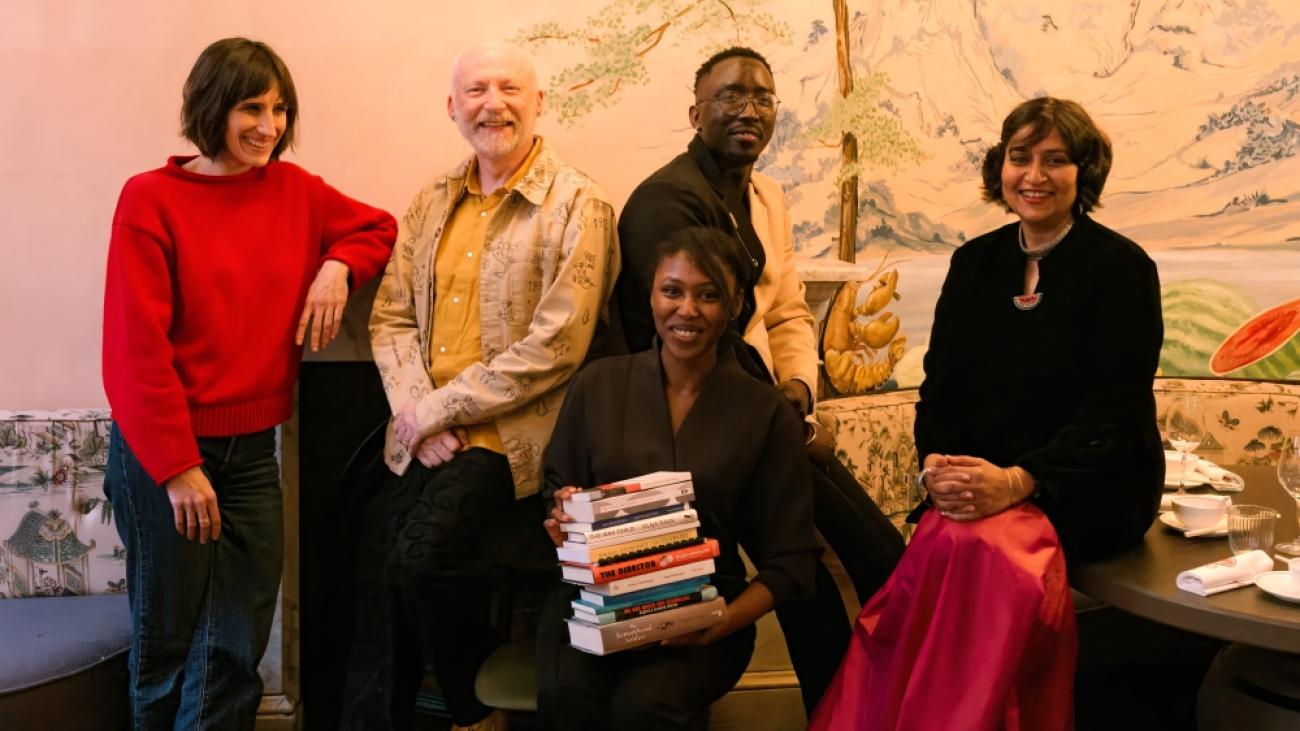
The shortlist was selected by the 2026 judging panel, chaired by award-winning author Natasha Brown. She is joined on the panel by writer, broadcaster and Oxford University Professor of Mathematics and for the Public Understanding of Science Marcus du Sautoy; International Booker Prize-shortlisted translator Sophie Hughes; writer, Lolwe editor and bookseller Troy Onyango; and award-winning novelist and columnist Nilanjana S. Roy.
The shortlist was chosen from a longlist of 13 books, which was announced on 24 February 2026, and which was in turn selected from 128 books submitted by publishers. Eligible works must be translated into English from any language, and published in the UK and/or Ireland between 1 May 2025 and 30 April 2026.
The International Booker Prize recognises the vital work of translation, with the £50,000 prize money divided equally between the winning author and translator. Each shortlisted title will be awarded a prize of £5,000 – divided equally between the author and translator.
The announcement of the winning book will take place on Tuesday, 19 May 2026 at a ceremony at Tate Modern, London.

The International Booker Prize 2026 shortlist
© India Hobson for Booker Prize Foundation



Features


- Book recommendations
11 epics from the Booker Library for fans of The Odyssey


- Book recommendations
10 Booker Prize-nominated books with unique settings


- Book recommendations
10 Booker Prize-nominated books that explore sapphic love

- Book recommendations