‘Why am I in this car? I’ll sit still. Sometimes, if you don’t move, your memory comes back. But it’s not working. One thing is certain, the driver is smoking. The vehicle is filled with heavy smoke. My eyes are burning. I feel sick.’
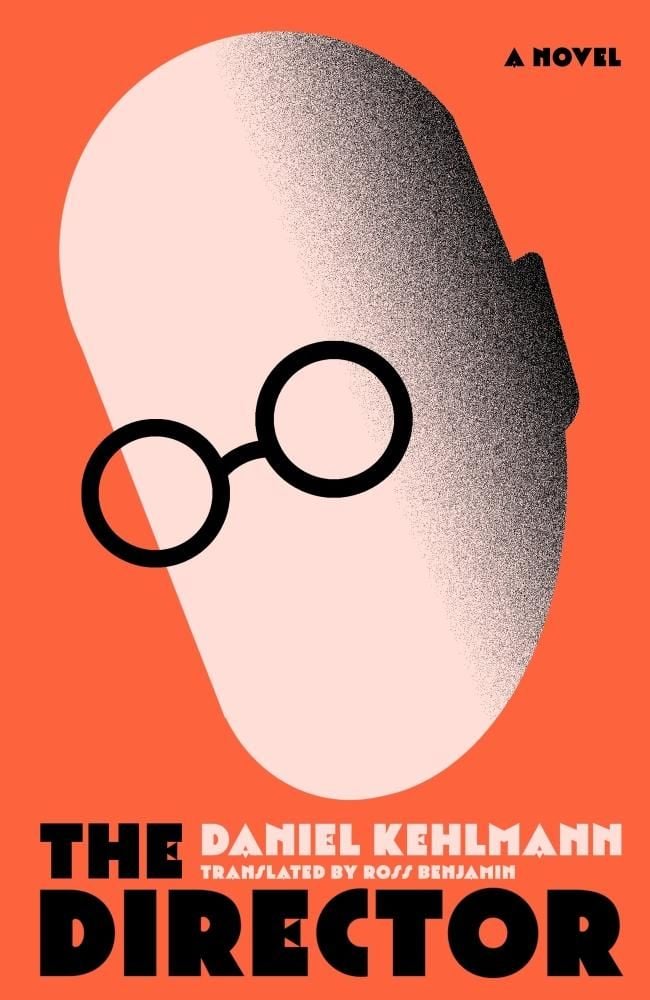
- Shortlisted
- The International Booker Prize 2026
- Published by riverrun
Buy the book
An artist’s life and a pact with the devil: this is a novel about the dangerous illusions of the silver screen
When the Nazis seize power in the 1930s, G.W. Pabst, one of cinema’s greatest directors, is filming in France. To escape the horrors of the new Germany, he flees to Hollywood. But under the dazzling California sun, the world-famous director suddenly looks like a nobody. Not even Greta Garbo, whom he made famous, can help him.
When Pabst receives word that his elderly mother is ailing, he finds himself back in his homeland of Austria, which is now called Ostmark. Pabst, his wife and his young son are confronted with the barbaric nature of the regime, but the minister of propaganda in Berlin wants the film genius. He won’t take no for an answer, and he makes big promises.
While Pabst still believes that he will be able to resist these advances, that he will not submit to any dictatorship other than art, he has already taken the first steps into a hopeless entanglement.
The Director explores the complicated relationships and distinctions between art and power, beauty and barbarism, cog and conspirator. It was shortlisted for the International Booker Prize 2026.

Daniel Kehlmann
Daniel Kehlmann was born in Munich and lives in Vienna, Berlin and New York
More about Daniel Kehlmann 
Ross Benjamin
Ross Benjamin is the translator of numerous works of German-language literature
More about Ross Benjamin A juggling act of wit and gravity, The Director performs a literary panning shot over the career of a real-life German filmmaker and asks: where is the line between survival and collaboration?
The International Booker Prize 2026 judges
What the judges said
‘In The Director, Daniel Kehlmann performs a literary panning shot over the career of real-life filmmaker G. W. Pabst and charts the ways in which Nazi ideology leaked into the arts during Europe’s occupation. Where is the line between survival and collaboration? And can art survive the moral bankruptcy of its makers? It’s hard to imagine any writer tackling such hefty themes with lightness, yet Kehlmann does just this, writing compassionately, humorously and unsparingly from the perspectives of his complex characters, guiding the reader through the moral maze. Translator Ross Benjamin writes each shifting voice and set-up with the nuance they demand in a juggling act of wit and gravity that shouldn’t look this easy. Deeply intelligent, ambitiously structured and unputdownable.’
What the critics said
Nina Allen, Guardian
‘The Director has all the darkness, shapeshifting ambiguity and glittering unease of a modern Grimms’ fairytale: it is Kehlmann’s best work yet.’
David Denby, The New Yorker
‘…a sorrowful fable of artistic and moral collapse, but also a novel composed with entrancing freedom, even bravura… As admirably rendered by the translator Ross Benjamin, Kehlmann’s style is sober and matter of fact, the sentences straightforward, undecorated by colorful words or difficult syntax.’


Other nominated books by Daniel Kehlmann
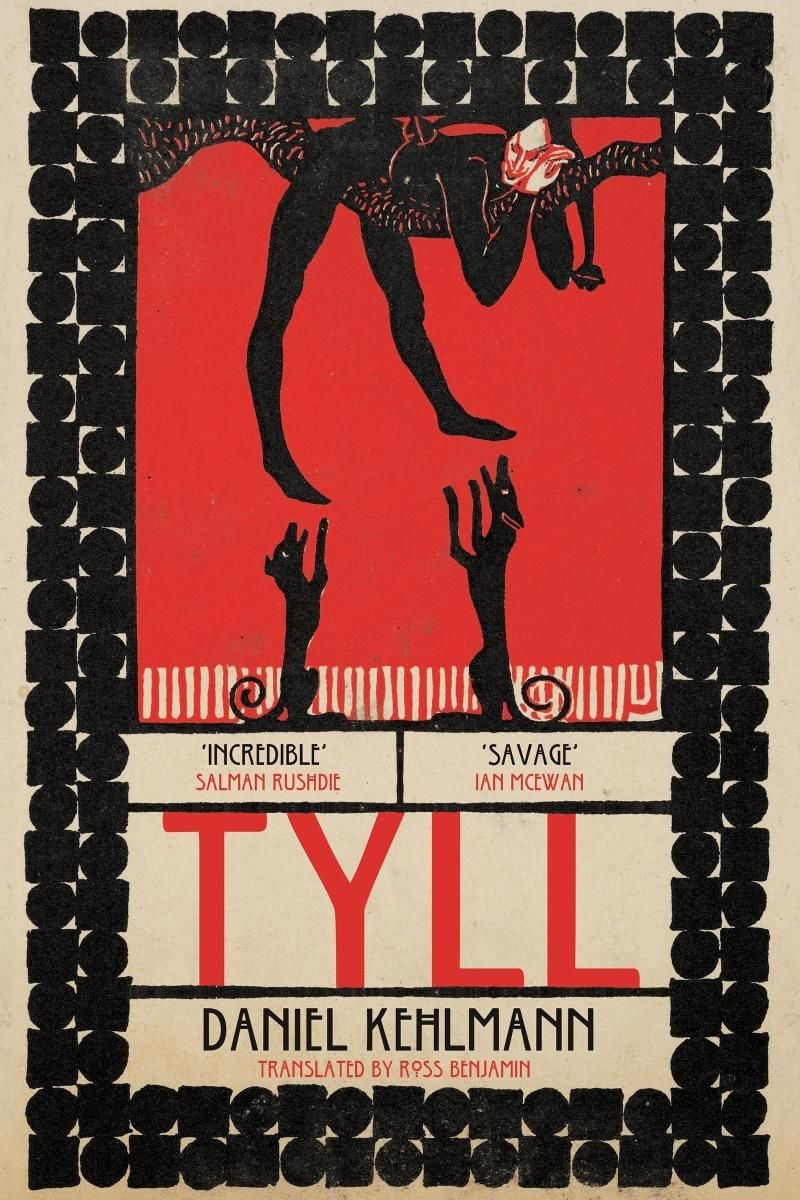
In a brilliant, riotous tale full of macabre humour, Daniel Kehlmann lifts a jester legend from German folklore and puts him into the Thirty Years War
Other nominated books by Ross Benjamin
In a brilliant, riotous tale full of macabre humour, Daniel Kehlmann lifts a jester legend from German folklore and puts him into the Thirty Years War