
We’re a charity partner of ethical online bookshop BookKind. To celebrate the 10th anniversary of the International Booker Prize, you can enjoy a range of discounts on prize-winning titles, including 15% off this year’s International Booker Prize winning book, Taiwan Travelogue, and an exclusive International Booker Prize 2026 shortlist bundle offering 20% off the recommended retail price. Plus, 10% of the value of your purchase will be donated to the Booker Prize Foundation, helping fund our work to support readers and writers of the future.
What our judges said about the International Booker Prize 2026 shortlist
What our judges said about the International Booker Prize 2026 shortlist
- Published
We asked the International Booker Prize 2026 judges to tell us what impressed and delighted them most about each book on this year’s shortlist – and why they are relevant to today’s world
The shortlist for the International Booker Prize 2026, supported by Bukhman Philanthropies, has been announced. Over the past eight months, our judges have read 128 novels and short-story collections, from which they selected a longlist of 13 titles and, now, a shortlist of just six. The winner will be announced at a ceremony in London on Tuesday, 19 May.
As Natasha Brown, Chair of this year’s judging panel, says: ‘With narratives that capture moments from across the past century, these books reverberate with history. While there’s heartbreak, brutality and isolation among these stories, their lasting effect is energising.’
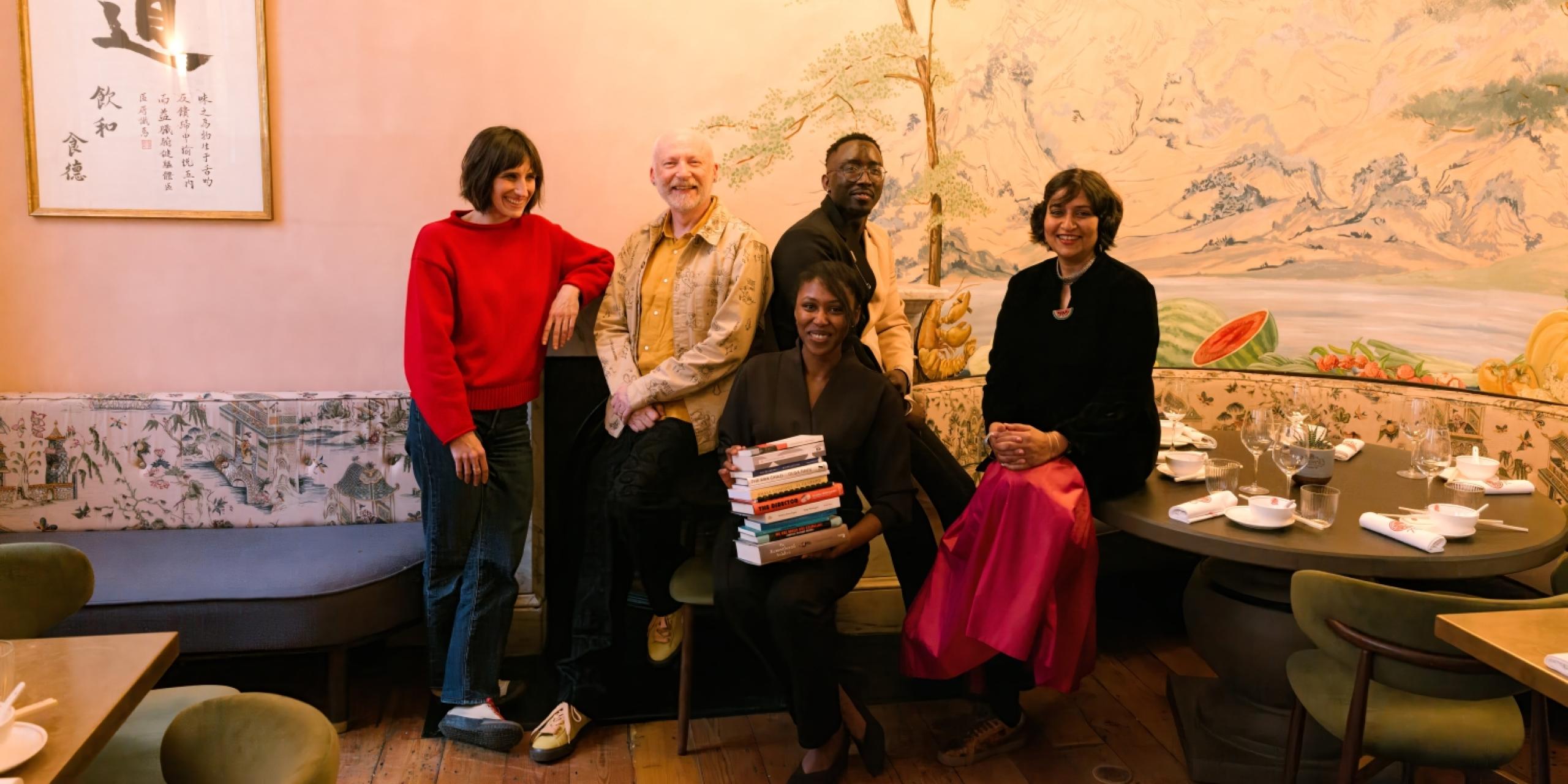
Below, our judges – Marcus du Sautoy, Sophie Hughes, Troy Onyango, Nilanjana S. Roy and Natasha Brown – share their thoughts on each of the shortlisted books.
Buy the book
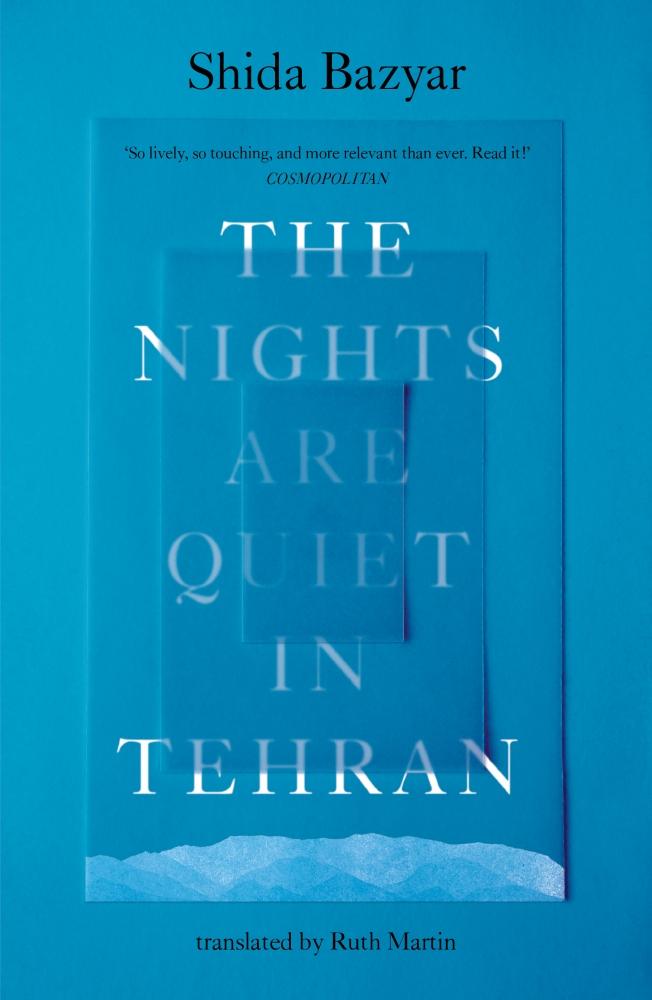
The Nights Are Quiet in Tehran by Shida Bazyar, translated by Ruth Martin
How would you summarise this book in a sentence to encourage readers to pick it up?
Timely and tender, political and wonderfully human, The Nights Are Quiet in Tehran follows an Iranian family from revolution into exile, exploring the yearnings of different generations, and a dream of ‘azadi’, freedom, that never dies.
Is there something unique about this book, something that you haven’t encountered in fiction before?
Readers will love the way Bazyar allows every generation their breathing space, capturing confusions, restlessness and the search for home beautifully. The structure she’s found is striking: we return to Behzad and Nahid’s family every 10 years, from 1979 to 2009, living with them through crushed revolutions and resuscitated dreams. Alongside, we follow Iran through cycles of brutality, trauma, resurgence and renewal.
What do you think it is about this book that readers will not only admire, but really love?
The voices! In just 266 pages, we feel as though we know each generation so well. The young revolutionaries come into maturity far away from home, with their freight of guilt for those they’ve left behind in Iranian jails. Their children grow up with less nostalgia, immense curiosity about a homeland that is not home, and about what it means to fight for revolution.
Can you tell us about any particular characters that readers might connect with, and why?
Behzad broke our hearts; he reminds us of so many friends who hurled themselves into the fight against authoritarianism with glad zeal. Often, their idealism was shattered by a cruel system. But we also loved his wife and fellow revolutionary Nahid, who holds on to her intelligence and clarity, feeling her way through an alien Germany, through the loneliness that comes with the ‘frozen state’ of exile.
Although it’s a work of fiction, is there anything about it that’s especially relevant to issues we’re confronting in today’s world?
Iran is not just a headline. As the country grapples with a war it did not choose, as its people are plunged into further chaos, The Nights Are Quiet in Tehran is a powerful reminder of the complex and multi-layered history of Iran and many other places damaged by the return of imperialism. Bazyar’s characters, down to the youngest child, Tara, who narrates the epilogue, never feel like stereotypes but individuals caught up in the swirl of history, just like everyone living through today’s turbulent geopolitics.
Is there one specific moment in the book that has stuck in your mind and, if so, why?
We were struck by a tiny section, where Laleh goes to a kafishop in Tehran – ‘I’m constantly being taken to places where I can’t figure out who people are’ – sitting on wobbly chairs to drink juices and milkshakes, and where her relatively calm life as a teenager in Germany collides with the talk of her childhood friends, who grew up with demonstrations and disappearances, negotiating the regime with practiced subterfuges.
The ‘nice, laughing’ people Laleh meets in Iran suddenly seem like characters in ‘a huge, horrific soap opera’. Bazyar’s greatest gift is her ability to shine a light onto the hidden lives of countries, until we inhabit their most private dreams and nightmares.
Buy the book
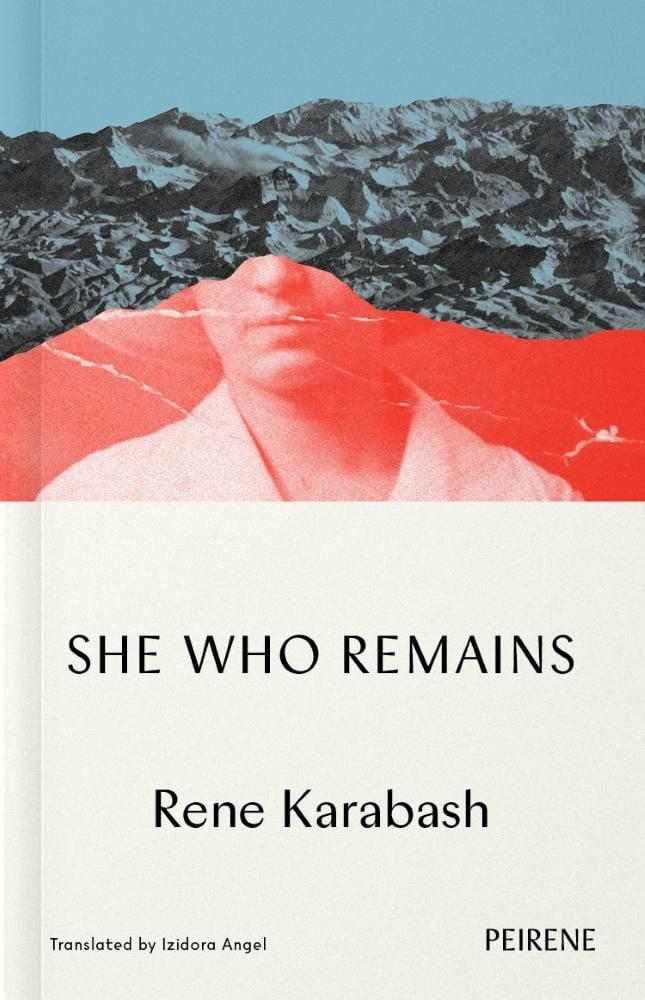
She Who Remains by Rene Karabash, translated by Izidora Angel
How would you summarise this book in a sentence to encourage readers to pick it up?
An exquisitely written, brilliantly observed story about a young woman growing up in a contemporary Albanian tribal society, and a blood feud that sets off her journey to self-discovery and love.
Is there something unique about this book, something that you haven’t encountered in fiction before?
The commanding skill with which Karabash imbues every scene with a little mystery – the slippery, unstable nature of the self is rarely expressed this convincingly in words. Also, her and translator Angel’s language feels fresh and ancient at once.
What do you think it is about this book that readers will not only admire, but really love?
There is a love story at the heart of this novel that is achingly tender, one for the ages.
Can you tell us about any particular characters that readers might connect with, and why?
Bejika and her brother provide a counterpoint to one another – he left the mountain tribe for the Bulgarian capital, while she stayed on to continue living under the laws of the Kanun, with its blood feuds and strict rules around gender roles. Despite the shocking and violent reason for his departure, their relationship is one of patience, forgiveness, and a longing to understand one another.
Although it’s a work of fiction, is there anything about it that’s especially relevant to issues we’re confronting in today’s world?
She Who Remains lays out with appropriate but rare complexity, in language that flowers with fruit-bearing questions, the human right to develop, assert and live freely in one’s own identity.
Is there one specific moment in the book that has stuck in your mind and, if so, why?
As a group we were all struck by a scene of violence that is later daringly replayed (rewritten? reimagined? recalled?) as a love scene. A genuinely mind-bending use of the novel form to make readers think and think again about the stories we tell ourselves and others.
Buy the book
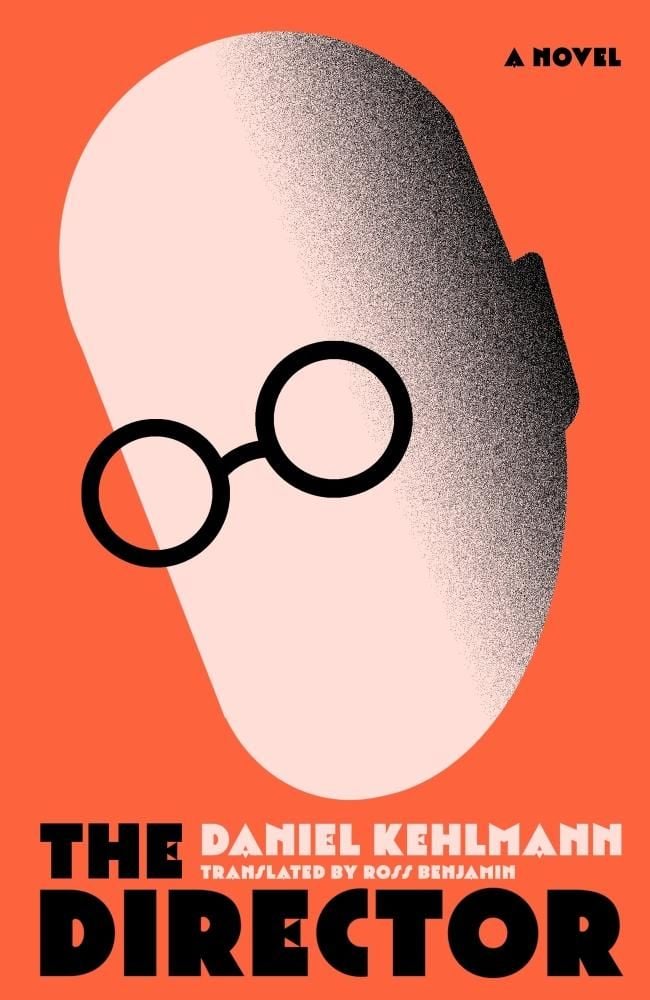
The Director by Daniel Kehlmann, translated by Ross Benjamin
How would you summarise this book in a sentence to encourage readers to pick it up?
Brilliant storytelling, laced with humour, takes the reader on a journey to explore how the filmmaker G.W. Pabst descends into the morally dubious position of making films for the Nazis.
Is there something unique about this book, something that you haven’t encountered in fiction before?
To employ sparklingly comic writing to tell such a dark story is an audacious and yet fantastically successful achievement.
What do you think it is about this book that readers will not only admire, but really love?
The way the book shifts between different characters’ perspectives creates a wonderfully kaleidoscopic perspective on the story.
Can you tell us about any particular characters that readers might connect with, and why?
The characters are all so brilliant it’s hard to pick out one. Maybe not a cast of thousands like in the movies, but the book is stuffed full of great cameos: from the glamorous Greta Garbo to Pabst’s obnoxious caretaker Jerzabek, from the Nazi Minister who artfully turns the screws on Pabst to his son who joins the Hitler Youth.
Although it’s a work of fiction, is there anything about it that’s especially relevant to issues we’re confronting in today’s world?
The book skilfully explores how easy it is to gradually slip into the clutches of a morally corrupt society. And, like a frog in the proverbial pan of boiling water, how difficult it is to know when to jump out.
Is there one specific moment in the book that has stuck in your mind and, if so, why?
Absolutely! The scene is alluded to in the opening of the book so it probably isn’t a spoiler but the moment that you realise the water is finally boiling is when you hit the decision that Pabst makes to use prisoners from a concentration camp as extras for the climax of his film.
Buy the book
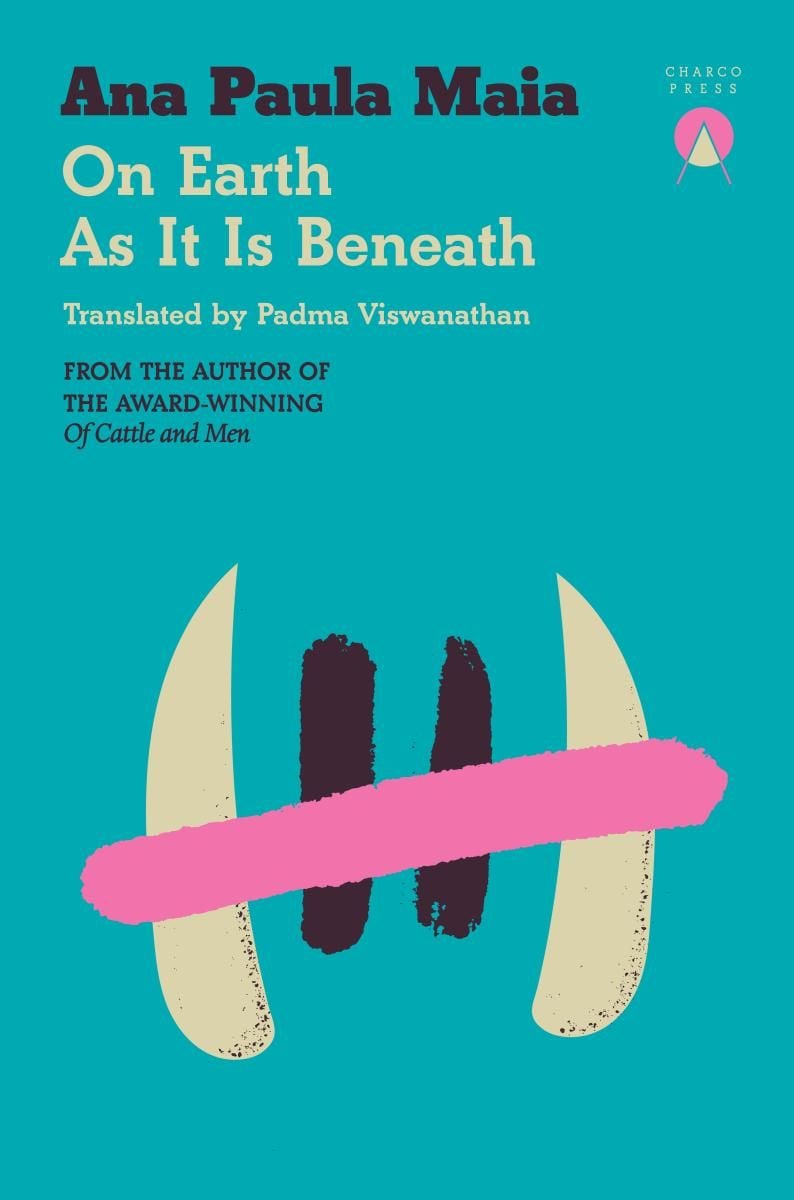
On Earth As It Is Beneath by Ana Paula Maia, translated by Padma Viswanathan
How would you summarise this book in a sentence to encourage readers to pick it up?
A brutal, haunting and hypnotic novella set in a remote Brazilian penal colony where the boundaries between justice and cruelty collapse, forcing us to confront the violence that institutions (and people) are capable of.
Is there something unique about this book, something that you haven’t encountered in fiction before?
What struck us most is how spare, unflinching, uncompromising and relentless it is. Maia builds an entire moral universe out of very little: a remote prison, a handful of men, and the rituals of punishment that govern their lives. The novel reads almost like a dark fable about power, where brutality is ordinary and civilisation feels frighteningly thin.
What do you think it is about this book that readers will not only admire, but really love?
Readers will admire the precision of Maia’s writing; there is absolutely no excess. But what they will love is the way the novel lingers in the mind long after you finish it. It stays with you and forces you to think about the systems we create to contain violence and whether they end up reproducing it instead.
Can you tell us about any particular characters that readers might connect with, and why?
This is a difficult one. Bronco Gil is perhaps the most memorable presence in the novel: a quiet, intimidating figure whose past is marked by violence, yet who occasionally reveals moments of unexpected tenderness. That tension between brutality and vulnerability makes him strangely human and deeply compelling, and we root for him despite his past.
Although it’s a work of fiction, is there anything about it that’s especially relevant to issues we’re confronting in today’s world?
Absolutely! The novel raises uncomfortable questions about incarceration, punishment and what society chooses not to see. By focusing on the daily machinery of a prison system that has clearly failed, Maia invites us to ask whether institutions designed to control violence can ever truly reform it. We recommend pairing it with Are Prisons Obsolete? by Angela Davis.
Is there one specific moment in the book that has stuck in your mind and, if so, why?
There are so many shocking scenes stacked in such a small novel. From the baby bones to the night hunts, there’s no shortage of ghastly yet memorable incidents. One moment that stayed with us is the scene describing the killing of the colony’s horses. It is shocking and deeply unsettling, but also strangely tender, capturing the horror of violence alongside the quiet grief of witnessing it. It shows Maia’s gift for confronting brutality while still revealing the fragile traces of humanity within it.
Buy the book
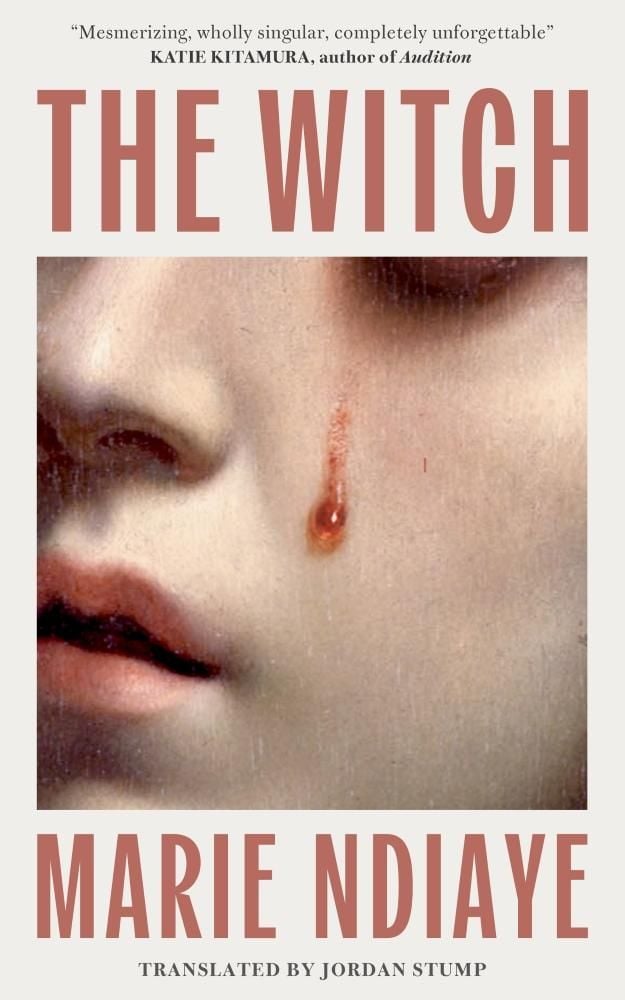
The Witch by Marie NDiaye, translated by Jordan Stump
How would you summarise this book in a sentence to encourage readers to pick it up?
If you enjoy writing that sparkles, sharply observed characters, and dark humour, The Witch offers up 130 pages of perfection.
Is there something unique about this book, something that you haven’t encountered in fiction before?
Magic is treated with a matter-of-fact pragmatism that makes it feel completely believable.
What do you think it is about this book that readers will not only admire, but really love?
The language in this novel is exquisite. In a marvel of translation and writing, paragraph-length sentences surprise and delight, while never feeling showy or difficult. Prepare to underline every page in this book.
Can you tell us about any particular characters that readers might connect with, and why?
The 12-year-old twin girls – ‘those clever little barbarians’ – are both captivating and terrifying as they embrace their newfound magical powers.
Although it’s a work of fiction, is there anything about it that’s especially relevant to issues we’re confronting in today’s world?
Women in the novel grapple with balancing a career and having a family, division of household labour, social pressure to be ‘nice’, losing financial independence, and whether to turn ex-husbands into snails. All concerns (except perhaps that last one) that feel crushingly relevant today.
Is there one specific moment in the book that has stuck in your mind and, if so, why?
After spending all night out who-knows-where, the twin girls and their young aunt return home and make a shocking announcement. Magic and reality collide in this eerie moment, leaving an aftertaste of horror.
Buy the book
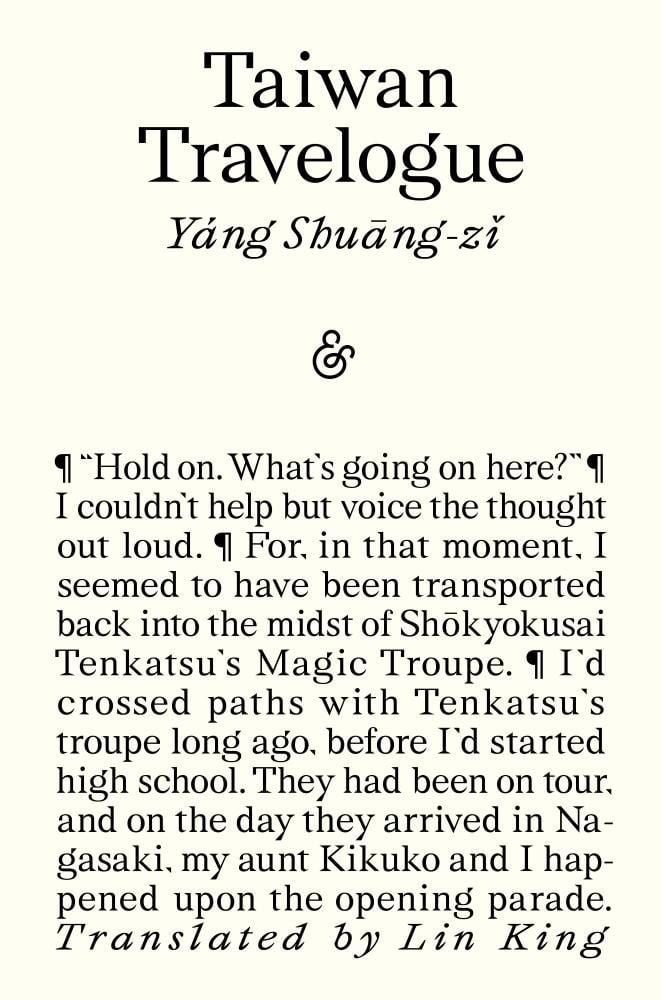
Taiwan Travelogue by Yáng Shuāng-zǐ, translated by Lin King
How would you summarise this book in a sentence to encourage readers to pick it up?
An insightful post-colonial novel that reads like a delicious romance.
Is there something unique about this book, something that you haven’t encountered in fiction before?
Don’t skip the footnotes! This novel exploits the expected format of a translated memoir – introductions, footnotes, and afterwords – to add surprising layers and a fourth-wall-breaking easter egg to its central story.
What do you think it is about this book that readers will not only admire, but really love?
The central relationship between two women, Aoyama and Chi-chan, is complex, enchanting and heartbreaking in equal measures. Taiwan Travelogue beautifully explores the challenges of love and friendship across an inherent power imbalance.
Can you tell us about any particular characters that readers might connect with, and why?
Aoyama, the well-meaning young Japanese author who narrates the 1930s ‘travelogue’, can be cringingly relatable as she travels across Taiwan, devouring its cuisine and culture.
Although it’s a work of fiction, is there anything about it that’s especially relevant to issues we’re confronting in today’s world?
Taiwan Travelogue is a genius solution to the challenge of storytelling within constraints.
Is there one specific moment in the book that has stuck in your mind and, if so, why?
Years after the events of the novel, in a fictional afterword, Chi-chan’s daughter recounts a conversation with her mother about a kimono. Sounds innocuous, but the moment is quietly devastating.


Features


- Book recommendations
11 epics from the Booker Library for fans of The Odyssey


- Book recommendations
10 Booker Prize-nominated books with unique settings


- Book recommendations
10 Booker Prize-nominated books that explore sapphic love

- Book recommendations