Reading guide: The Director by Daniel Kehlmann, translated by Ross Benjamin

Reading guide: The Director by Daniel Kehlmann, translated by Ross Benjamin
- Written by
- Helen Babbs
- Published
Exposing the dangerous illusions of the silver screen, The Director explores the complicated relationships between art and power, beauty and barbarism, cog and conspirator
Whether you’re new to The Director or have read it and would like to explore it more deeply, here is our comprehensive guide, featuring insights from critics, our judges and the book’s author and translator, as well as discussion points and suggestions for further reading.
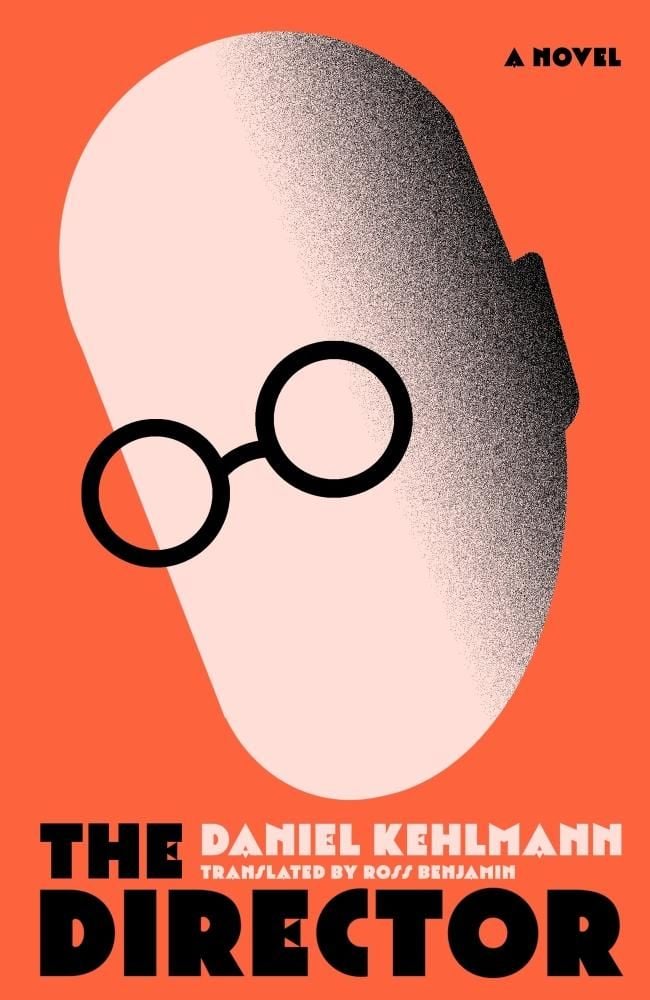
Buy the book
When the Nazis seize power in the 1930s, G.W. Pabst, one of cinema’s greatest directors, is filming in France. To escape the horrors unfolding in Europe, he flees to Hollywood. But under the dazzling California sun, the world-famous director suddenly seems like a nobody. Not even Greta Garbo, whom he made famous, can help him.
When Pabst receives word that his elderly mother is ailing, he feels compelled to head back to his homeland of Austria, which is now called Ostmark. Pabst, his wife and their young son are confronted with the barbaric nature of the Nazi regime.
Then the minister of propaganda in Berlin wants the film genius. He won’t take no for an answer and makes big promises. While Pabst still believes that he will be able to resist these advances, that he will not submit to any dictatorship other than art, he has already taken the first steps into a hopeless entanglement.
The Director was shortlisted for the International Booker Prize in 2026.
Main characters
G.W. Pabst
The director at the heart of the novel, Pabst is based on the real-life Austrian filmmaker. Pabst is obsessive, innovative and successful in his work, yet his decision to return to Austria from the USA in the late 1930s is a catastrophic one. At first crushed by the escalating situation in his homeland, he gradually starts to work again. His talents are exploited by the Nazi party, and Pabst finds himself deeply compromised.
Gertrude Pabst
Pabst’s wife. An actor with ambitions to make films of her own, Trude is mostly restricted to being a wife and mother in the novel. Despite being reluctant to return to Austria, she has no option but to follow her husband home with their young son. Trude’s life shrinks and her mental health deteriorates when the family find themselves trapped in Nazi-occupied Europe for the duration of the war.
Jakob Pabst
Pabst’s and Trude’s son. Bullied but determined to survive his situation, Jakob transforms from a sensitive and artistic young boy into an enthusiastic member of the Hitler Youth.
Erika Pabst
Pabst’s mother. Erika lives in an isolated castle owned by her son, alone except for a live-in caretaker and his family. Elderly and becoming confused, she eventually moves into a sanatorium. Erika does not approve of Pabst’s career, believing the film business to be sordid.
Jerzabek
The caretaker of the castle Pabst owns in Austria, and the leader of a local Nazi group. Jerzabek resents the Pabst family and treats them with contempt. He becomes an increasingly sinister presence in the novel.
Franz Wilzek
Pabst’s assistant. Later a successful filmmaker in his own right, Franz works alongside Pabst on many of his films. He is part of the team that makes The Molander Case, which comes to be a pivotal film project for both men.
Louise Brooks
An American actor whom Pabst is credited with discovering. Louise Brooks stars as Lulu in Pabst’s 1929 film, Pandora’s Box. Pabst is in love with Louise and is often preoccupied with thoughts of her.
About the author
Daniel Kehlmann was born in Munich and lives in Vienna, Berlin and New York. His novels include: Measuring the World, Me & Kaminski, Fame, F, You Should Have Left and Tyll. He has won numerous prizes, including the Candide Prize, the Literature Prize of the Konrad Adenauer Foundation, the Doderer Prize, The Kleist Prize, the WELT Literature Prize, and the Thomas Mann Prize.
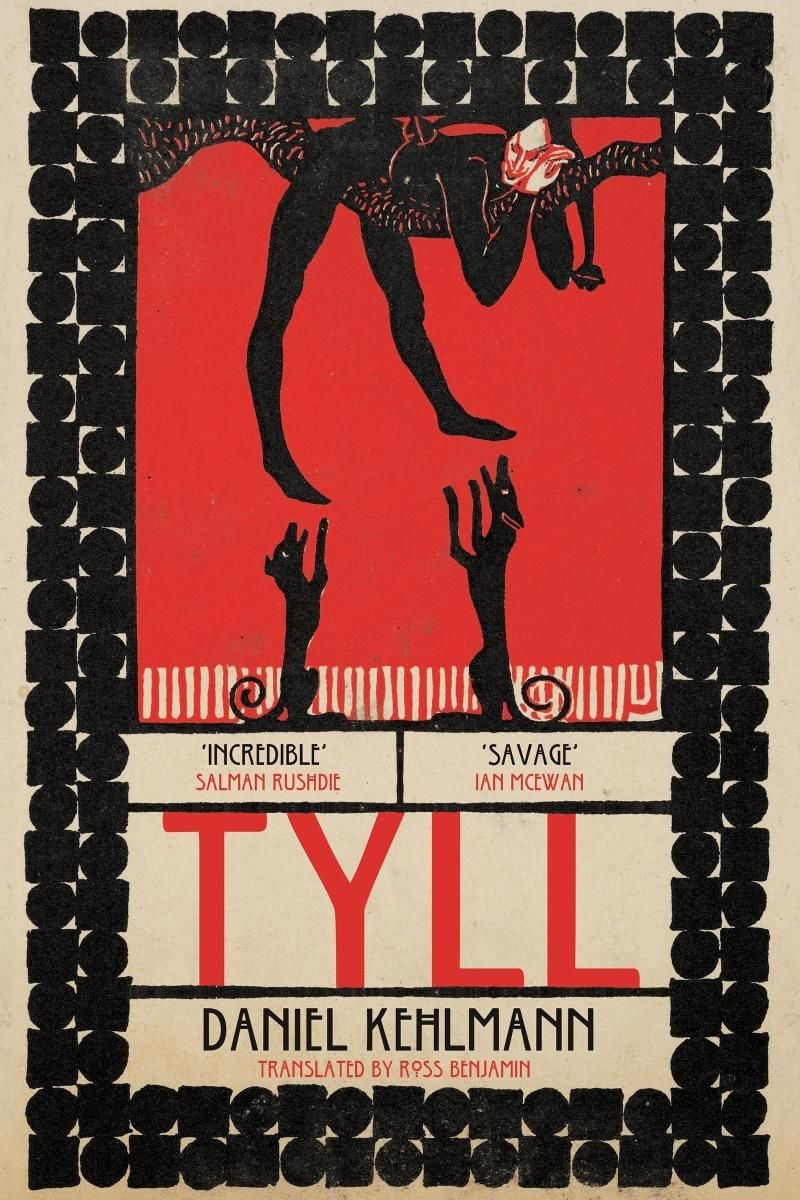
Tyll, in a translation by Ross Benjamin, was shortlisted for the International Booker Prize 2020. Measuring the World was translated into more than 40 languages and is one of the biggest successes in post-war German literature. The Director is his 14th novel.

Daniel Kehlmann
© Heike Steinweg
About the translator
Ross Benjamin is the translator of numerous works of German-language literature. His translations include Franz Kafka’s Diaries, Clemens J. Setz’s Indigo, Joseph Roth’s Job, Kevin Vennemann’s Close to Jedenew, Friedrich Hölderlin’s Hyperion, and Daniel Kehlmann’s Tyll and You Should Have Left.
The recipient of a 2015 Guggenheim fellowship, Benjamin was also awarded the 2010 Helen and Kurt Wolff Translator’s Prize for his rendering of Michael Maar’s Speak, Nabokov. His translation of Tyll was shortlisted for the International Booker Prize in 2020 and his translation of The Director shortlisted in 2026.

Ross Benjamin
© David Schloss
What the judges said
‘In The Director, Daniel Kehlmann performs a literary panning shot over the career of real-life filmmaker G. W. Pabst and charts the ways in which Nazi ideology leaked into the arts during Europe’s occupation. Where is the line between survival and collaboration? And can art survive the moral bankruptcy of its makers?
‘It’s hard to imagine any writer tackling such hefty themes with lightness, yet Kehlmann does just this, writing compassionately, humorously and unsparingly from the perspectives of his complex characters, guiding the reader through the moral maze. Translator Ross Benjamin writes each shifting voice and set-up with the nuance they demand in a juggling act of wit and gravity that shouldn’t look this easy. Deeply intelligent, ambitiously structured and unputdownable.’
What the critics said
Nina Allen, Guardian
‘The Director has all the darkness, shapeshifting ambiguity and glittering unease of a modern Grimms’ fairy tale: it is Kehlmann’s best work yet.’
David Denby, The New Yorker
‘…a sorrowful fable of artistic and moral collapse, but also a novel composed with entrancing freedom, even bravura… As admirably rendered by the translator Ross Benjamin, Kehlmann’s style is sober and matter of fact, the sentences straightforward, undecorated by colorful words or difficult syntax.’

The Director
© India Hobson for Booker Prize Foundation
What the author said
‘The initial spark was film: the strange moral glamour of the medium, and the way it can make compromise look like professionalism. Pabst’s life offered me an entrance into a dictatorship from the angle of someone returning from ‘a free country’ and learning the rules as he goes.
‘I wasn’t interested in the monstrous villains – others have written the necessary books about them – but in the everyday complicities: the small workplace bargains, the club meetings, the casual blindness. And then there was the delicious novelistic temptation of a vanished film: to ‘shoot’ it on paper, and let the reader watch.’
What the translator said
‘The main challenge was reproducing the book’s formal and tonal volatility without taming it or sacrificing precision. One place this particularly mattered was the rhythm and feel of the dialogue: when it hesitates, where it breaks off, what remains unsaid.
‘Because the characters live in an atmosphere of mutual surveillance and fear, I was always listening for the pressure on their sentences – when they’re speaking freely and when they’re speaking with an awareness of possible consequences. The aim was an English that keeps the ‘ordinary’ conversational surface while letting the underlying danger register.’
Questions and discussion points
The book is set, for the most part, during the 1930s and 40s. During that tumultuous period, we witness G.W. Pabst experience some extreme highs and lows. We get to know him not just as a film director but also as a son, husband, father and friend. How did your feelings about Pabst shift over the course of the novel and as his circumstances changed?
In an interview with the Booker Prizes, author Daniel Kehlmann said he was interested in portraying ‘everyday complicities: the small workplace bargains, the club meetings, the casual blindness’, while translator Ross Benjamin said The Director explores ‘how complicity happens – not in one grand betrayal, but through a series of smaller moves’. How complicit with the Nazi regime do you think Pabst is? Is there a specific moment when he becomes morally compromised in your view?
Kehlmann has also talked about ‘the delicious novelistic temptation of a vanished film: to “shoot” it on paper, and let the reader watch’. What did you think of the language used in the filming scenes? Could you picture the different movies as they were being shot?
Benjamin has said, ‘As a reader and translator, I was particularly drawn to the mix of propulsion and unease, nightmare and slapstick, evil and absurdity, history and hallucination.’ Did you enjoy these aspects of the novel, too? What kind of atmosphere do Kehlmann and Benjamin ultimately create?
The International Booker Prize 2026 judges said, ‘To employ sparklingly comic writing to tell such a dark story is an audacious and yet fantastically successful achievement.’ Do you agree? What impact does humour have within the novel?
In an ‘Author’s Note’ at the end of the book, Kehlmann says, ‘Although this novel is largely inspired by the life stories of the historical G.W. Pabst and his family, it is a work of fiction; for instance, there was no son named Jakob.’ How do you feel about the mixing up of the real and the fictional? Did you discover anything new about the Nazi period from reading this book?
The novel is split into three parts, ‘Outside’, ‘Inside’ and ‘After’, and it’s written from multiple viewpoints. It’s framed by an incident involving Franz Wilzek some years after Pabst’s death. What did you think of the structure of the novel? Did you like the way it begins and ends? How did your feelings about Franz change, considering his behaviour as an old man?

The Director
© India Hobson for Booker Prize Foundation
Resources and further reading
PBS Newshour: Daniel Kehlmann discusses The Director
ABC: The everyday erosion of resistance: What I learned from translating Daniel Kehlmann’s ‘The Director’
London Review of Books: We have no critics!
If you enjoyed this book, why not try


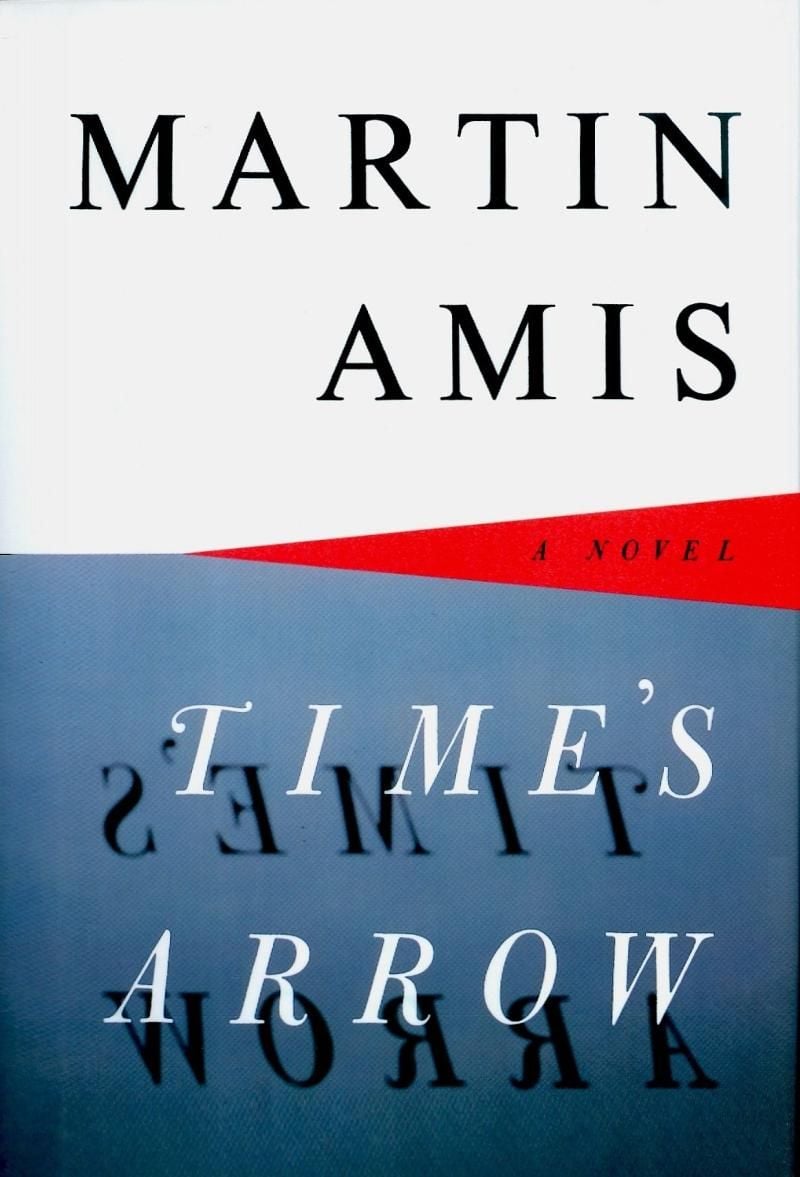
Time's Arrow
by Martin Amis

Schindler's Ark
by Thomas Keneally (prize winner)
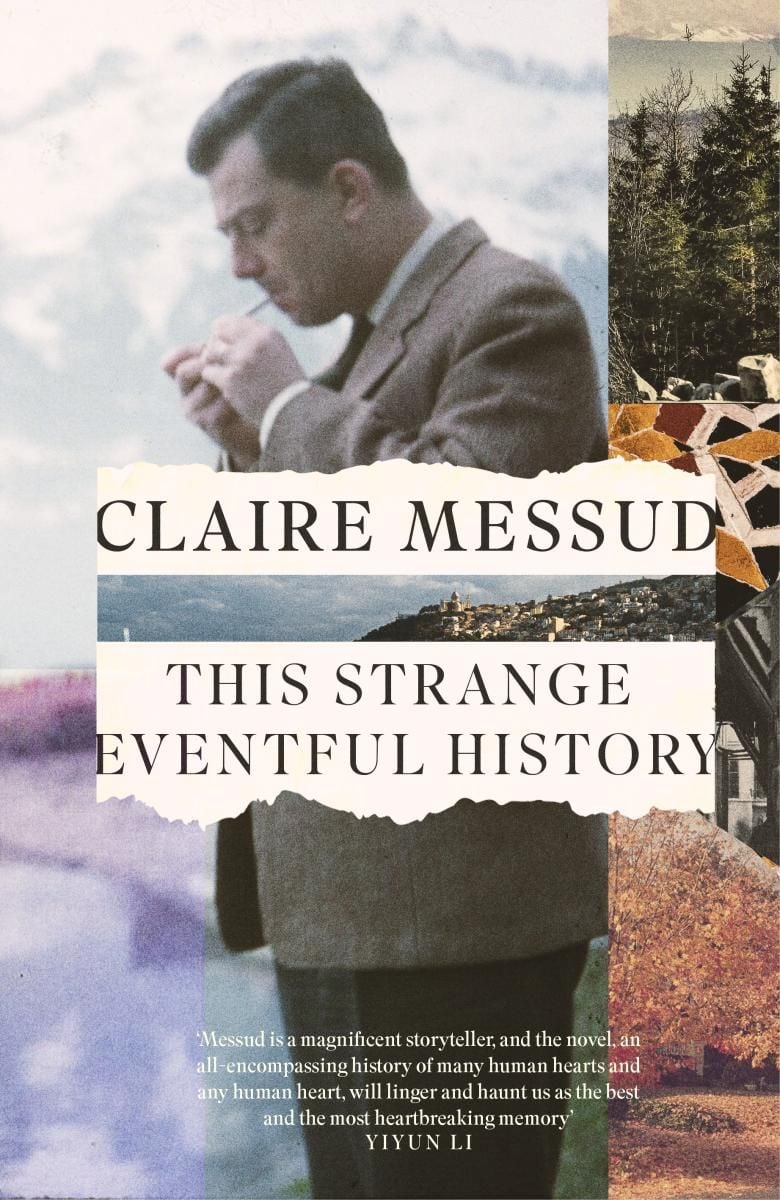
This Strange Eventful History
by Claire Messud


The Director
- Translated by
- Ross Benjamin
- Published by
- riverrun