
A slyly satirical and unsettling post-apocalyptic adventure into the limits of human understanding from the acknowledged master of science fiction
The Booker Prize 2026

The Booker Prize 2026
- Winner
British author M. John Harrison has won the Booker Prize 2026 for his 13th novel, The End of Everything, a dystopian satire that probes the limits of human understanding
The End of Everything by British author M. John Harrison is the winner of the Booker Prize 2026. Harrison receives £50,000 and a trophy, presented to him by last year’s winner David Szalay, at a ceremony held at Old Billingsgate in London.
The End of Everything was selected as the winner from a shortlist of six books by the 2026 judging panel. The panel was chaired by celebrated classicist, writer and broadcaster Mary Beard, who was joined by award-winning poet, writer and educator Raymond Antrobus; musician, writer and broadcaster Jarvis Cocker; journalist, editor and critic Rebecca Liu; and Booker Prize-shortlisted novelist, poet and essayist Patricia Lockwood. They considered 163 books and were looking for the best work of long-form fiction by writers of any nationality, written in English and published in the UK and/or Ireland between 1 October 2025 and 30 September 2026.
The End of Everything is a destabilising and satirical dystopian novel that follows a beachcomber and his pistol-toting aunt as they eke out an existence together on a near-future Kent coast. Writing in short, filmic chapters, Harrison both leans on conventional literary forms and upends them, probing the limits of human understanding and letting the reader fill in the gaps. At 81, Harrison becomes the oldest author to win in the history of the prize, with a writing career spanning 60 years.

The End of Everything by M. John Harrison with the Booker Prize trophy
© David Parry for Booker Prize Foundation


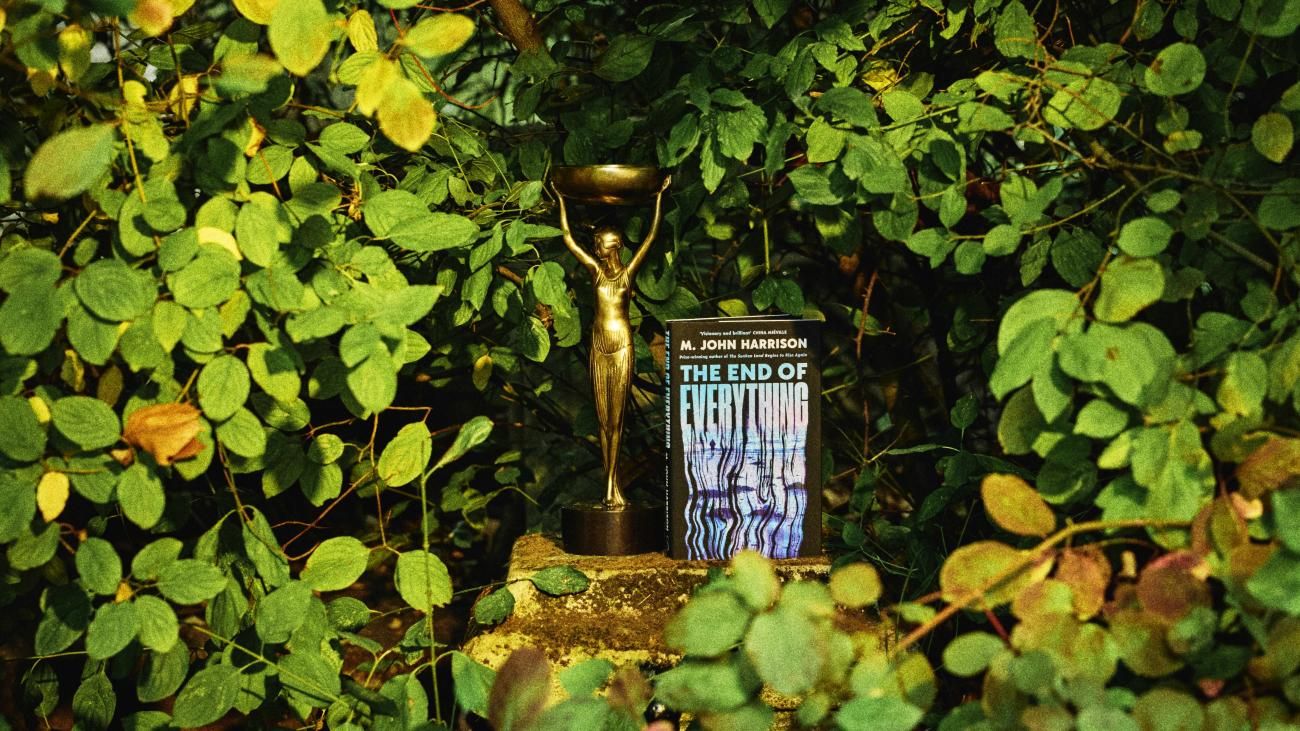

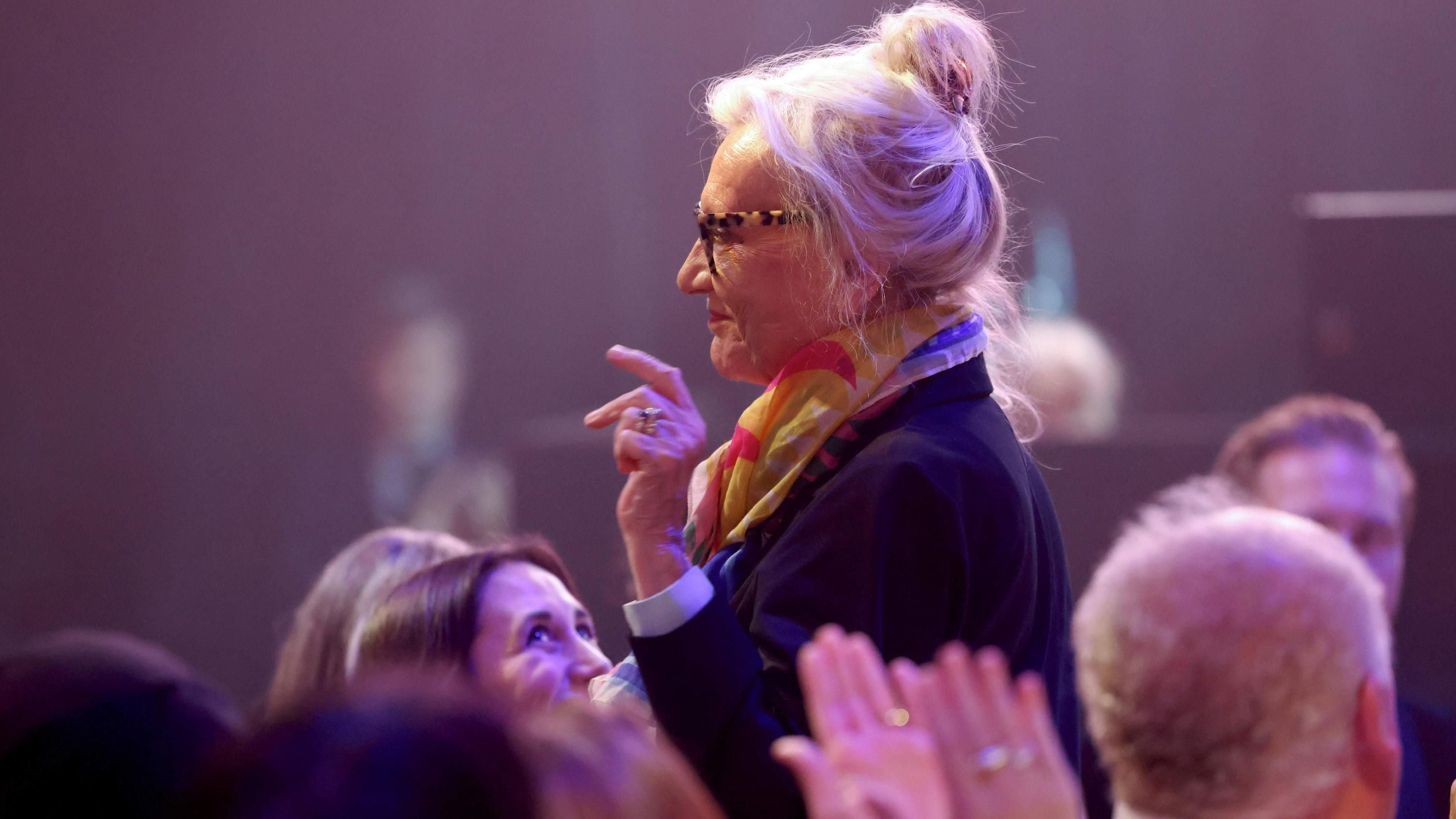
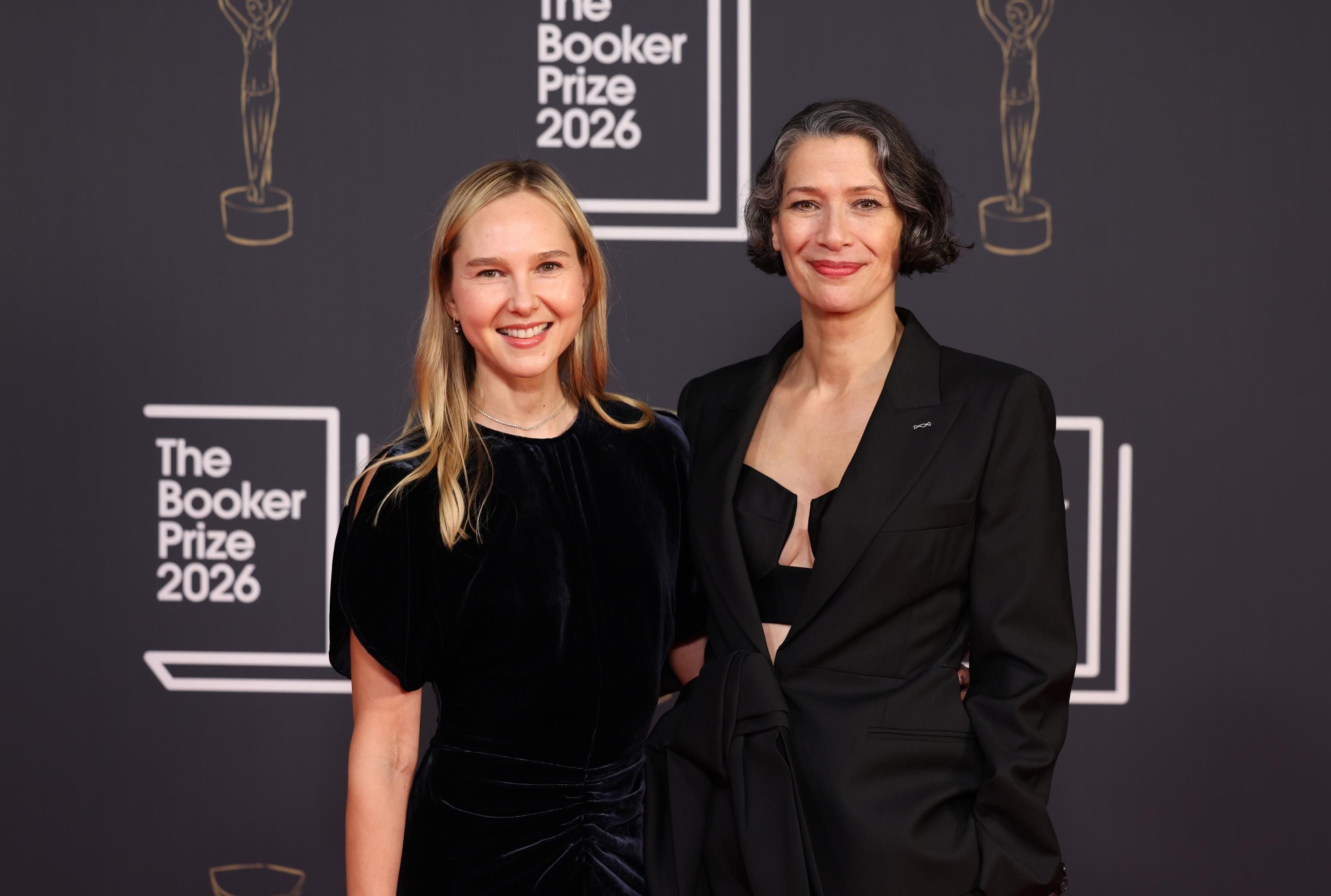
Photos from the Booker Prize 2026 ceremony










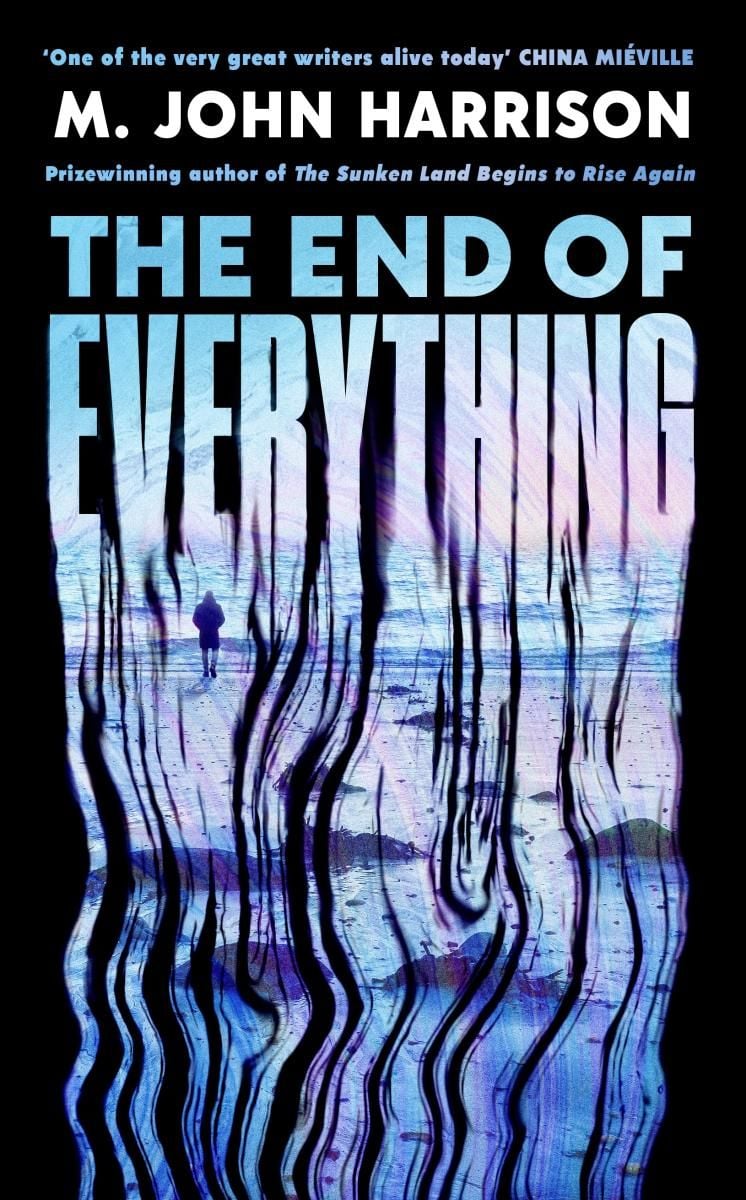
The End of Everything
Winner of The Booker Prize 2026
- Published by
- Serpent's Tail
The End of Everything is the winner of the Booker Prize 2026. A slyly satirical and unsettling post-apocalyptic adventure into the limits of human understanding from the acknowledged master of science fiction
The shortlist
The End of Everything is the winner of the Booker Prize 2026. A slyly satirical and unsettling post-apocalyptic adventure into the limits of human understanding from the acknowledged master of science fiction
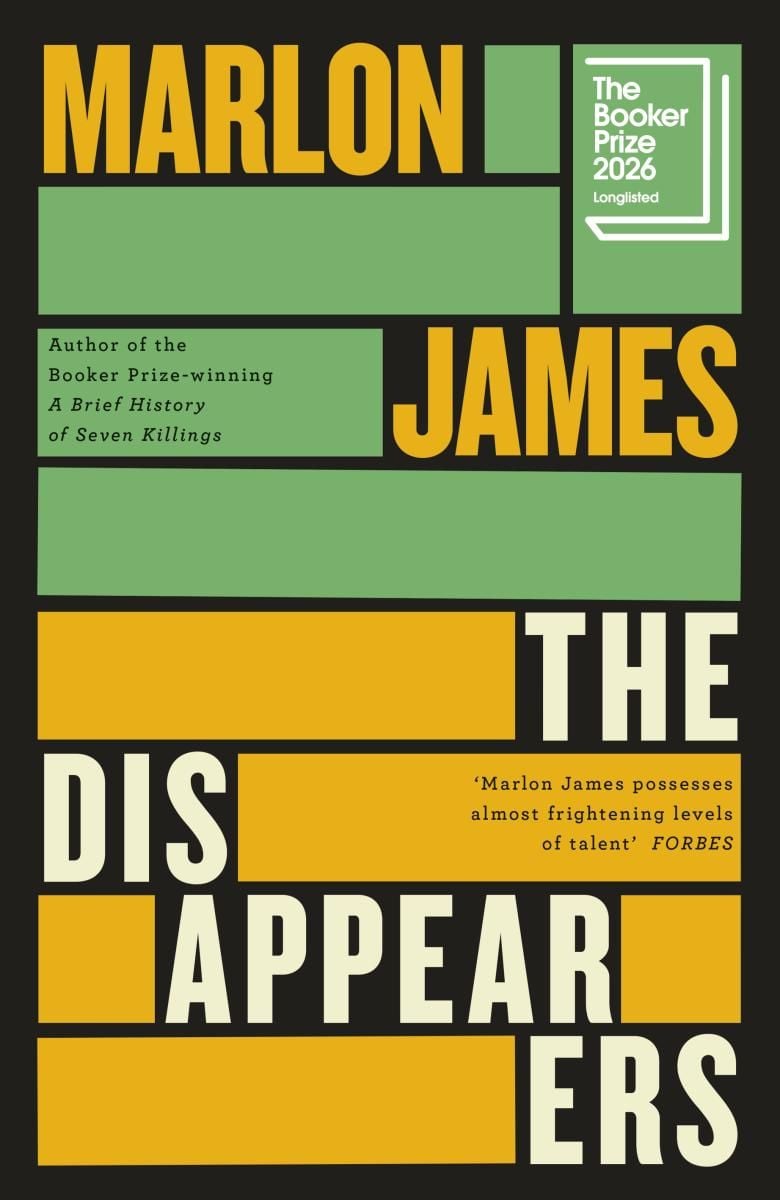
A deeply human story of men who must make compromises to survive what the society they live in demands
By Marlon James
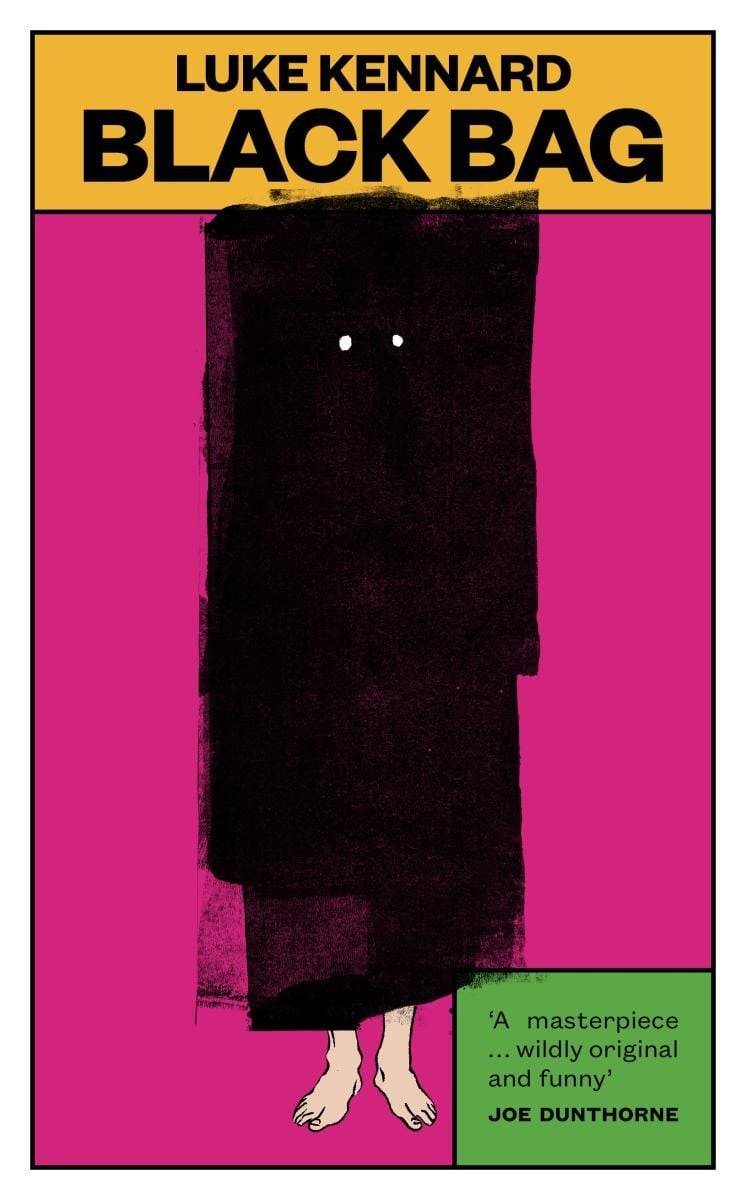
A warped campus novel, an investigation into the crisis of masculinity and an off-kilter love story, Black Bag is a firework of a novel: blazingly funny and profoundly humane
By Luke Kennard
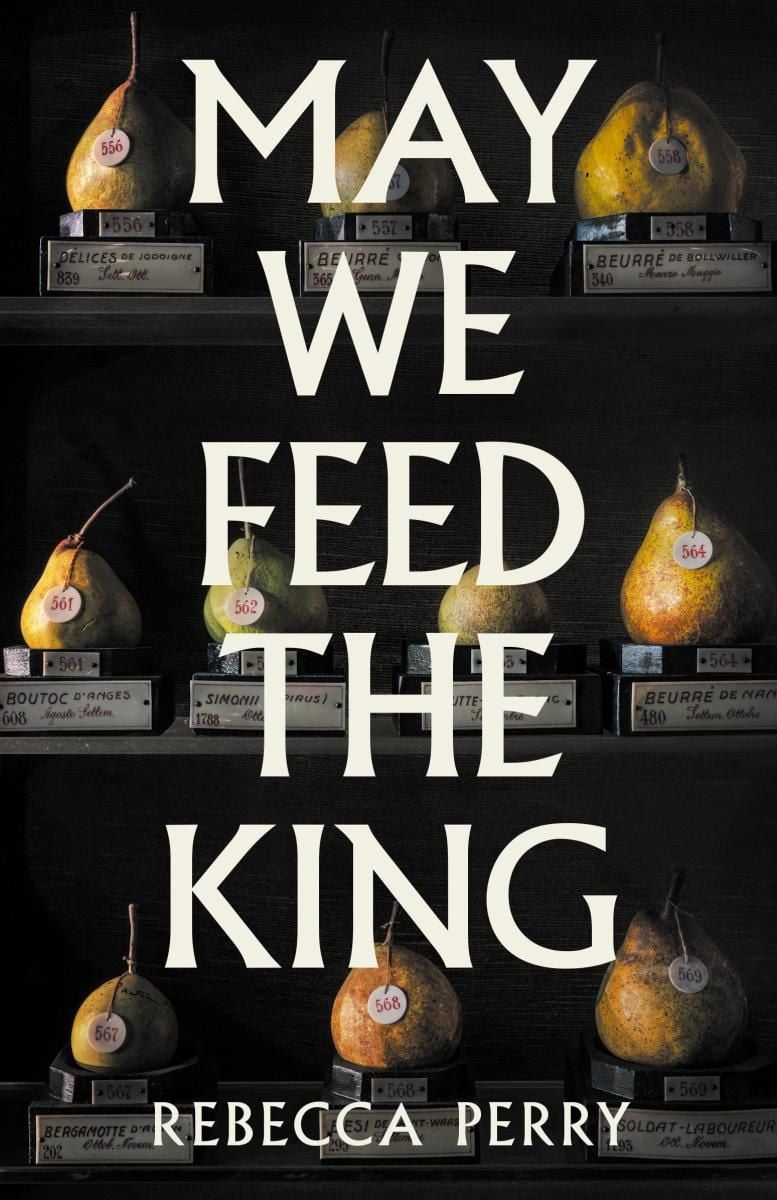
Laced with desire and longing, May We Feed the King is a playful, stirring meditation on history and storytelling: on what makes a King 'Great', and a life meaningful
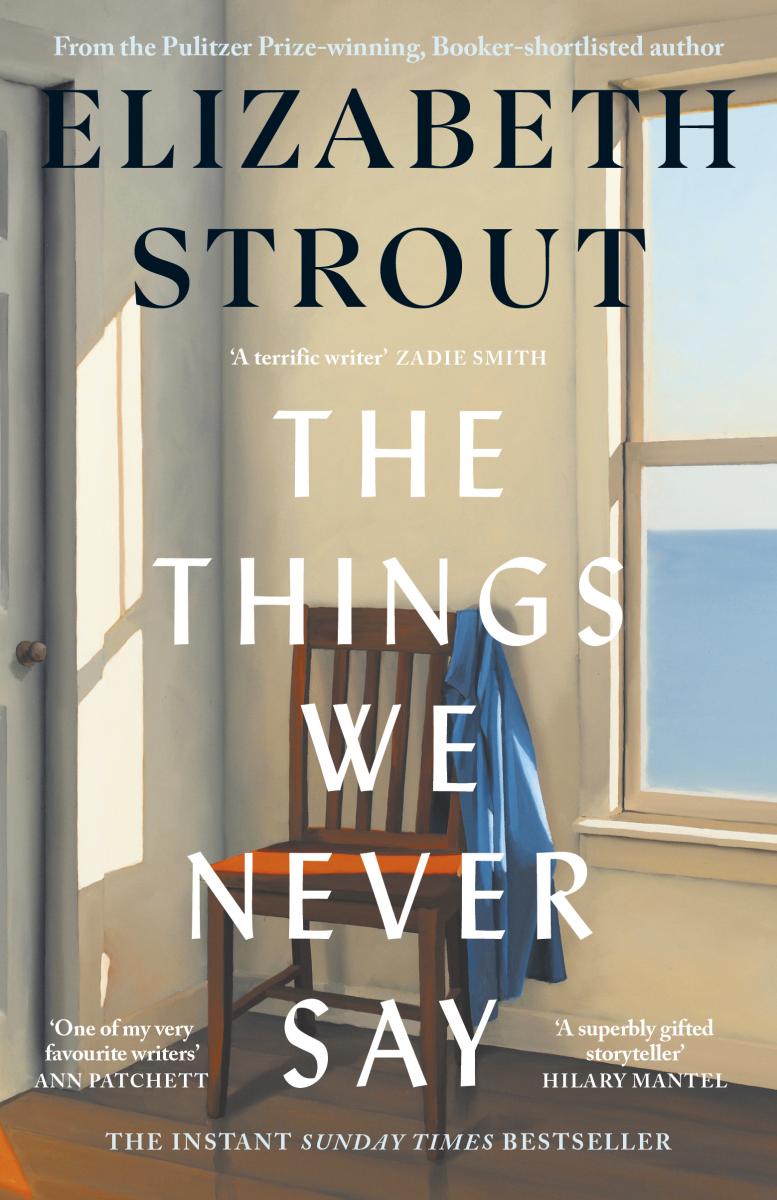
With exquisite prose and profound insight, Elizabeth Strout captures the way grief reverberates through decades, the comfort found in deep friendships and the freedom that comes when we break free of our secrets
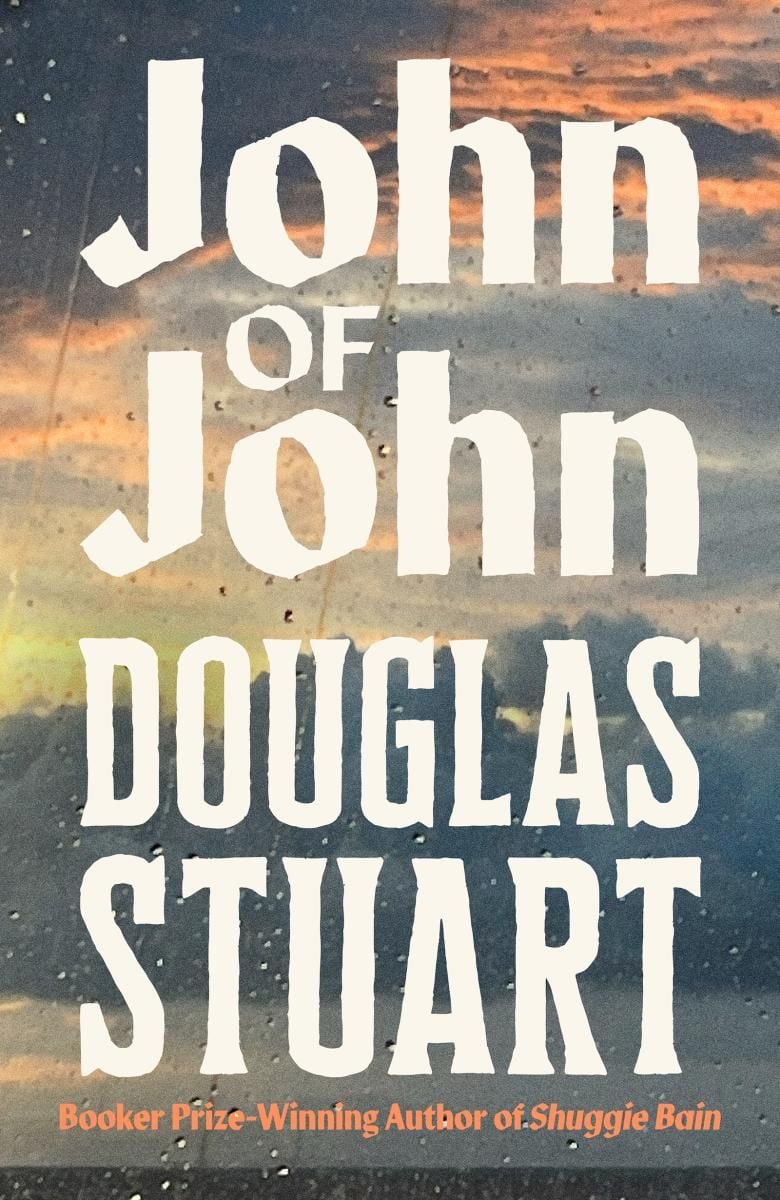
John of John is the heartbreaking story of a young man’s return home and how the bonds of family life are torn by the weight of expectation
The longlist
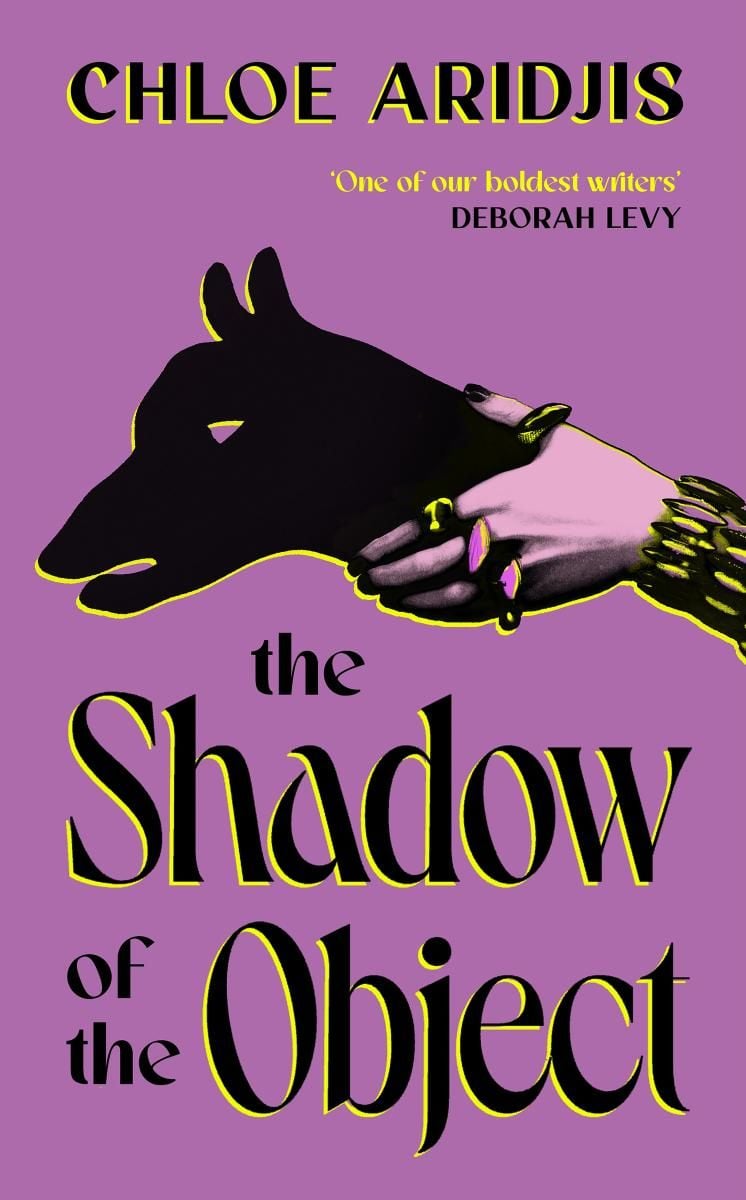
The Shadow of the Object
by Chloe Aridjis
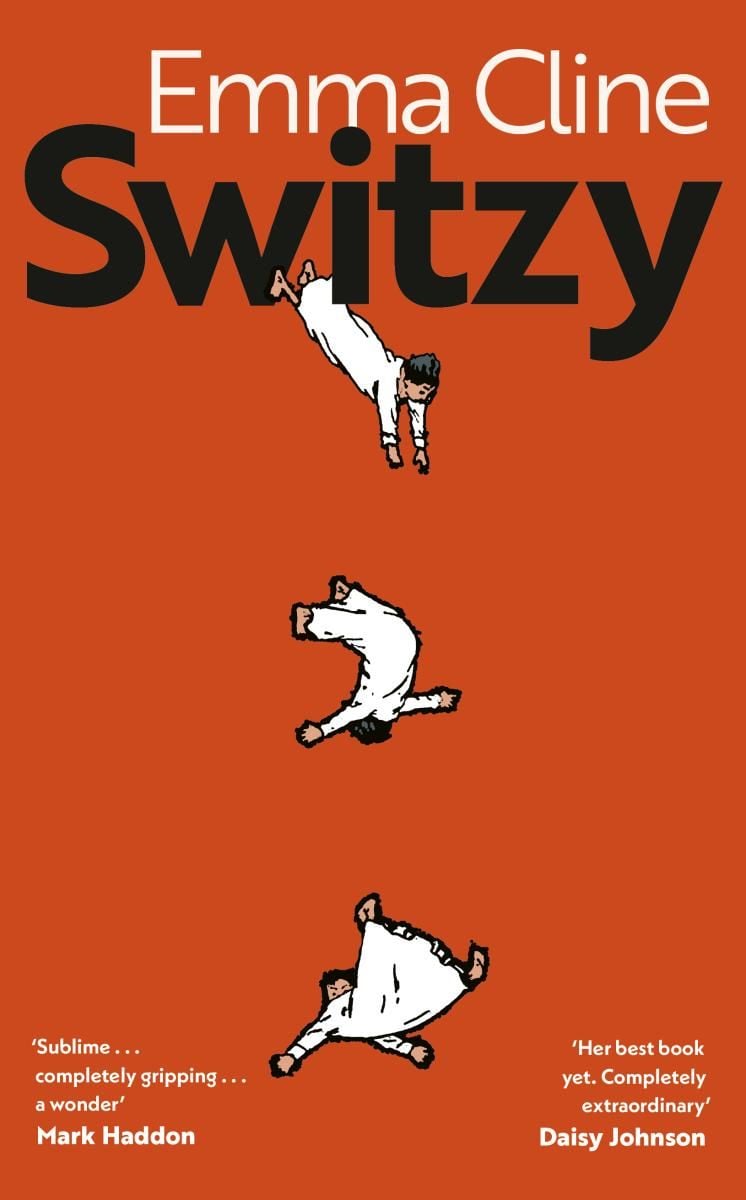
Switzy
by Emma Cline
Helen of Nowhere
by Makenna Goodman
The End of Everything
by M. John Harrison (prize winner)
The Disappearers
by Marlon James
Black Bag
by Luke Kennard
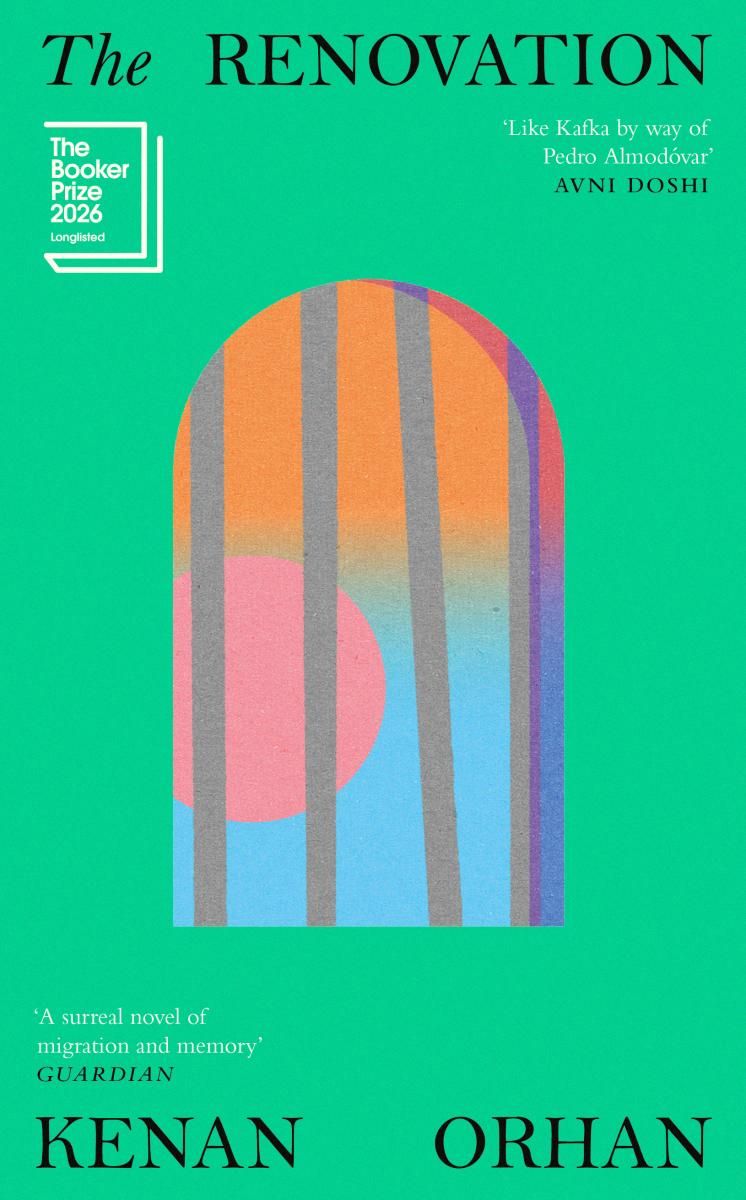
The Renovation
by Kenan Orhan
May We Feed the King
by Rebecca Perry

The Palm House
by Gwendoline Riley
The Things We Never Say
by Elizabeth Strout
John of John
by Douglas Stuart

All Them Dogs
by Djamel White
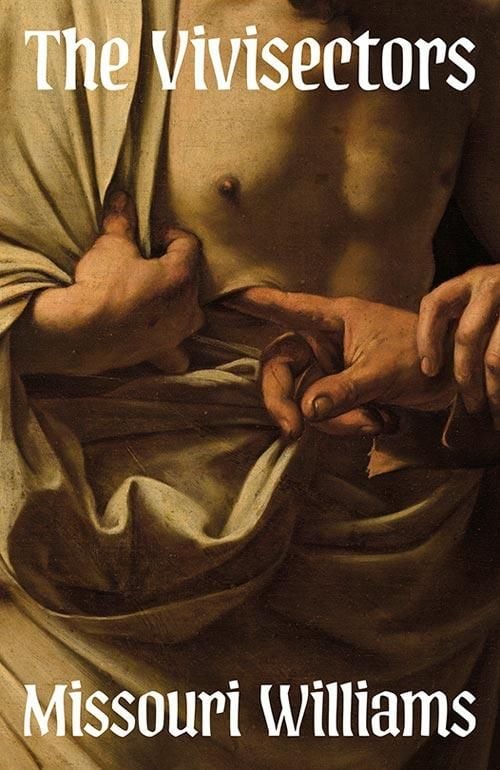
The Vivisectors
by Missouri Williams
The 2026 judges





Mary Beard, Booker Prize 2026 Chair of judges, says:
‘The Booker judges spent a whole day debating the six remarkable novels on this year’s shortlist, before agreeing unanimously to award the 2026 prize to The End of Everything by M. John Harrison.
‘It’s a book that turns you upside down, raises a wry smile – and surprisingly, given the subject matter, leaves you with a twinge of optimism. Central to the story are Phillip Tennent and his elderly aunt Marnie, living on the south coast of England, a few decades into the future, some years after a mysterious catastrophe: an invasion of “iGhetti” (the “i” hinting at something digital, but you can’t be sure).
‘Social norms have been eroded, law and order have fallen into the hands of vigilantes, and you may well have a crashed plane lodged in your garden. People try to muddle through nonetheless, even making a show of business as usual (children’s parties and a morning coffee at a seaside café).
‘Some try desperately to make sense of what has happened. But one main point of the book is that if, or when, such an apocalypse comes it will be incomprehensible. And the old rules won’t matter either. Phillip is landed with an “item” he found on the beach, a blob of jelly which quickly grows, develops speech and starts to tell his human minders what to do. This is the politics of now seen through the lens of the future.’

Mary Beard with the Booker Prize 2026 shortlist
© Dave Parry for Booker Prize Foundation
It’s a book that turns you upside down, raises a wry smile – and surprisingly, given the subject matter, leaves you with a twinge of optimism
Gaby Wood, Chief Executive of the Booker Prize Foundation, adds:
‘Many past Booker Prize authors have borrowed facets of science fiction in their work, but M. John Harrison is the first Booker winner to have emerged from the bona fide SF world. He is a genuinely original thinker, a genre-defying writer who takes ideas seriously.
‘The End of Everything is a novel that knows everything about the novel form, and exactly what it’s doing when it breaks it. Readers will also recognise many tropes from cinema: the disaster movie, the road movie, the couple on the run, the noir heroine with a gun in her bag, the apocalypse.
‘Though very unsettling, The End of Everything is not in fact a strange book. It’s a realist book about a strange world, populated by desperate, unmoored characters. One of the judges memorably described it as owing as much to Katherine Mansfield as it does to J.G. Ballard. Marnie, one of the protagonists, suffers from dementia, and dementia offers a framework for understanding the novel as a whole: everything in this post-disaster world is scrambled.
‘Harrison reports on an imagined post-apocalyptic, Large Language Model-dotted landscape with a documentary eye. Like his beachcomber character Philip, Harrison is a collector: he has spent a lifetime gathering words for things most people would not think to name. His sentences are collages of intense descriptive precision.
‘This is a historic win, for a writer whose decades of work are lightly worn on every page.’

Gaby Wood, Chief Executive of the Booker Prize Foundation
© Clara Molden


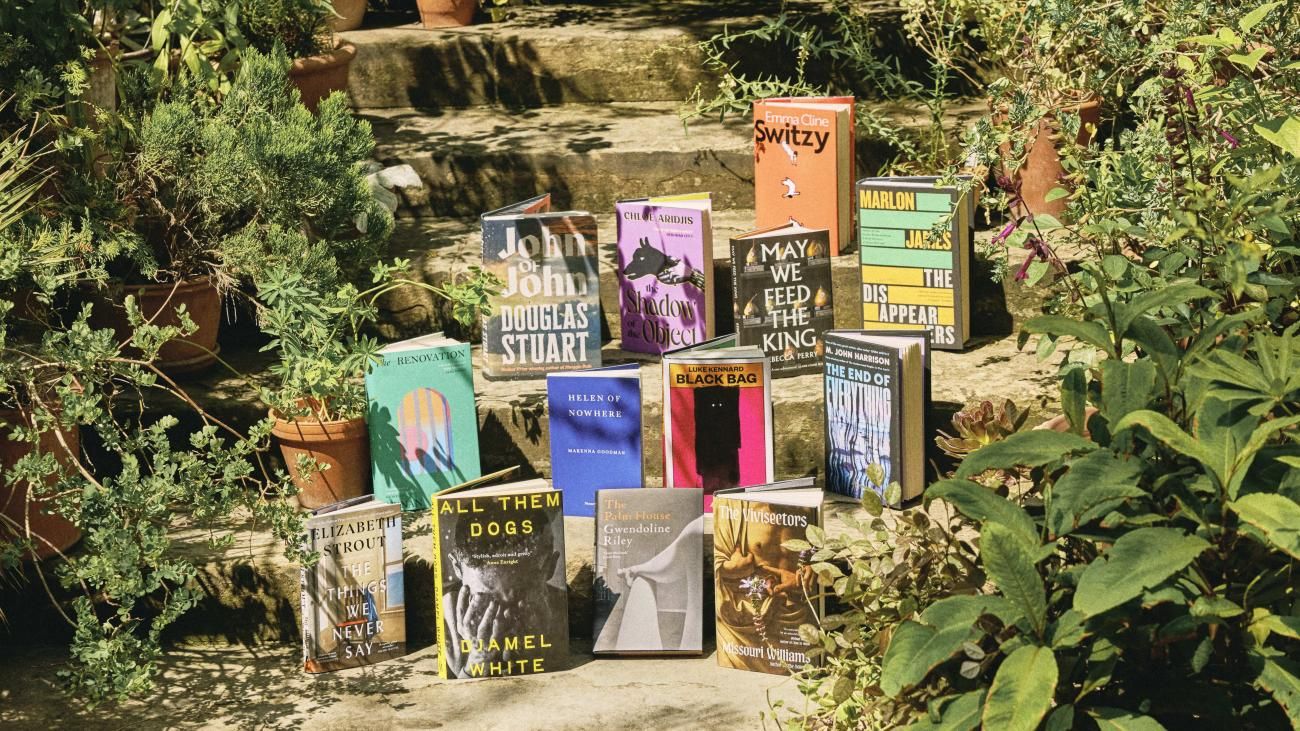

Watch the Booker Prize 2026 shortlist films
Watch our interviews with the shortlisted authors




Raymond Antrobus
Raymond Antrobus is a British-Jamaican poet, educator, and writer. He was diagnosed as deaf at age six; his work explores themes of sound, language, identity, and memory.
Antrobus is the author of several poetry collections, including Shapes & Disfigurements (2012), To Sweeten Bitter (2017), The Perseverance (2018), All The Names Given (2021), and Signs, Music (2024). His poems have been published in The New Yorker, the Guardian, Granta, the London Review of Books, The Poetry Review, Poetry Foundation, Lit Hub, and The Deaf Poets Society. His work has also appeared on BBC 2, BBC Radio 3, BBC Radio 4, and Channel 4.
In 2019, Antrobus became the first poet to win the Rathbones Folio Prize for best work of literature in any genre. He has won the Ted Hughes Award, the Sunday Times Young Writer of the Year Award, the Somerset Maugham Award, the Guardian Poetry Book of the Year 2018, and the Lucille Clifton Legacy Award. He has also been shortlisted for the Griffin Prize, the T.S. Eliot Prize, and the Forward Prize. His poems ‘Jamaican British’, ‘The Perseverance’, ‘Happy Birthday Moon’ and ‘With Birds You’re Never Lonely’ have been added to the UK’s GCSE syllabus.
His debut picture book, Can Bears Ski?, illustrated by Polly Dunbar, was selected as an Ezra Jack Keats honouree winner in 2021. That same year Antrobus hosted the BBC Radio 4 documentary, Inventions in Sounds, and performed at the Paralympic Homecoming ceremony at Wembley Stadium. In 2025 his first art installation was shown at the Barbican as part of the exhibition ‘Feel The Sound’, and he published a highly-acclaimed memoir, The Quiet Ear.
Antrobus has served as an ambassador for The Poetry School and Arts Emergency, and was a board member of English PEN. Currently, he advocates for D/deaf charities, including Deaf Kidz International, the National Deaf Children’s Society and the Royal National Institute for Deaf People. He was elected a Fellow of the Royal Society of Literature in 2020 and appointed MBE for services to literature in 2021.

Raymond Antrobus, Booker Prize 2026 judge
© Marco Giugliarelli for the Civitella Ranieri Foundation
Jarvis Cocker
Jarvis Cocker is a musician and broadcaster from the north of England. He formed the band Pulp in 1978, whilst at secondary school. The band went on to become one of the most successful UK music groups of the 1990s.
Between 2009 and 2017 he presented the BBC Radio 6 Music programme Jarvis Cocker’s Sunday Service, as well as the ongoing, award-winning BBC Radio 4 documentary series Wireless Nights. He has interviewed authors including Salman Rushdie, Edna O’Brien, Nick Hornby and Miranda July. He was an editor-at-large at Faber between 2012 and 2014.
Cocker has honorary doctorates from both Sheffield Hallam University and Central Saint Martin’s School of Art (which he attended from 1988 to 1991).
His lyric collection Mother, Brother, Lover was published by Faber in 2011. Good Pop, Bad Pop, his first work of long-form prose, was published by Jonathan Cape in 2022.
Cocker appeared in a Booker Prize 2022 shortlist film, performing an extract from Treacle Walker by Alan Garner.

Jarvis Cocker, Booker Prize 2026 judge
© Tom Jackson
Rebecca Liu
Rebecca Liu is a writer, critic, and editor at the Guardian Saturday magazine. Her essays and criticism about books and arts have been published in the Guardian, the Observer, the Financial Times, the New Statesman, the Times Literary Supplement, the Nation, the White Review, and Critical Quarterly – to which she contributed an essay on John Berger’s Booker Prize-winning novel G. for the John Berger centenary issue.
Liu has interviewed writers including Bernardine Evaristo, Xiaolu Guo, Kiley Reid, and Jacqueline Rose, and artists including Park Chan-wook, Carly Rae Jepsen, Darren Star, and Sandra Oh. She chairs literary events, often for the UK’s East and Southeast Asian Literary Festival, and has discussed books and arts on BBC radio programmes.
Liu was born in Wuhan, China, and grew up in Auckland and Hong Kong before studying history and east Asian studies at the University of Chicago, and political thought and intellectual history at the University of Cambridge.
She was previously assistant editor at Prospect magazine, and produced and co-hosted the Prospect podcast, where she interviewed authors including Natasha Brown, Avni Doshi, and Amia Srinivasan. She was also previously a staff critic at Another Gaze film journal, and an editor at the King’s Review magazine.

Rebecca Liu, Booker Prize 2026 judge
Patricia Lockwood
Patricia Lockwood is an American novelist, poet and essayist. Lockwood’s books include the novel No One Is Talking About This, which was shortlisted for the Booker Prize and won the Dylan Thomas Prize in 2021, and was one of the New York Times Book Review’s Ten Best Books of 2021.
Her other books are the memoir Priestdaddy, one of the New York Times Book Review’s Ten Best Books of 2017; and the poetry collections Motherland Fatherland Homelandsexuals and Balloon Pop Outlaw Black.
Lockwood’s writing has appeared in the New York Times, the New Yorker, the New Republic and the London Review of Books, where she is a contributing editor. Her most recent novel, Will There Ever Be Another You, was published in 2025. She lives in Savannah, Georgia.

Patricia Lockwood, Booker Prize 2026 judge
© Grep Hoax