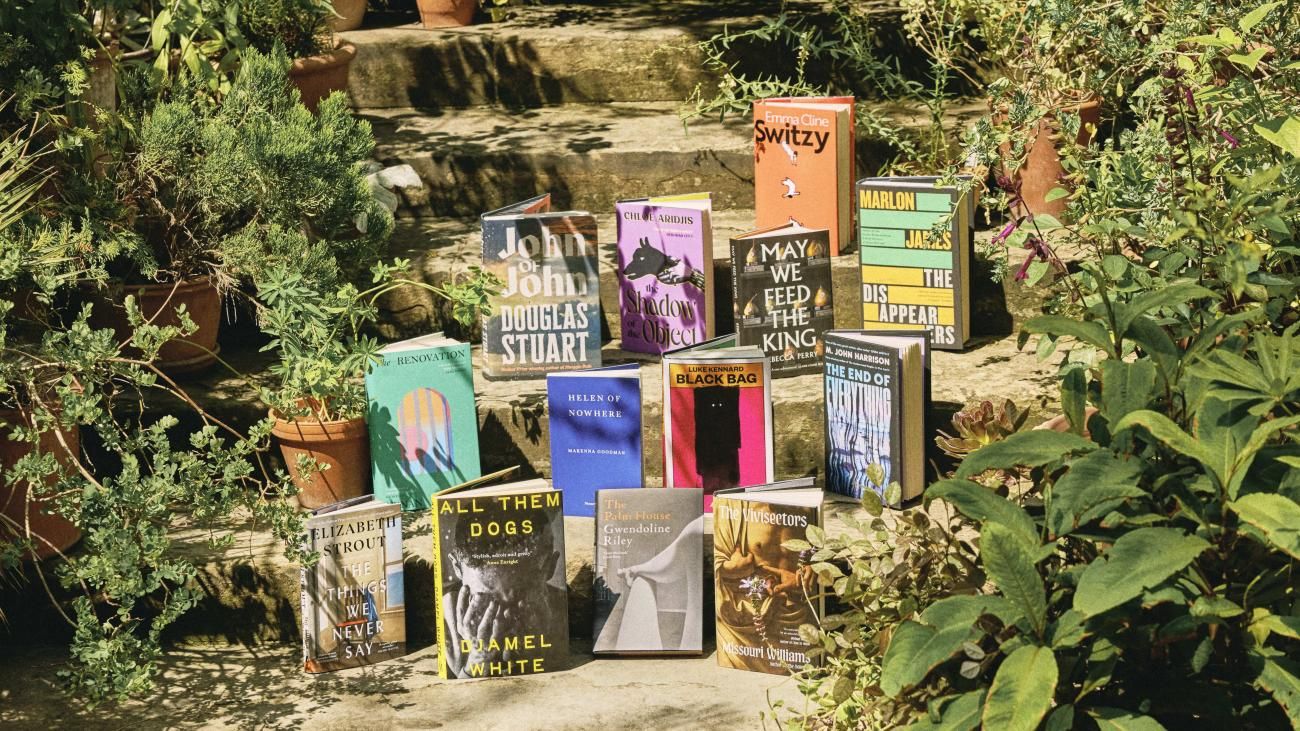
Laced with desire and longing, May We Feed the King is a playful, stirring meditation on history and storytelling: on what makes a King ‘Great’, and a life meaningful
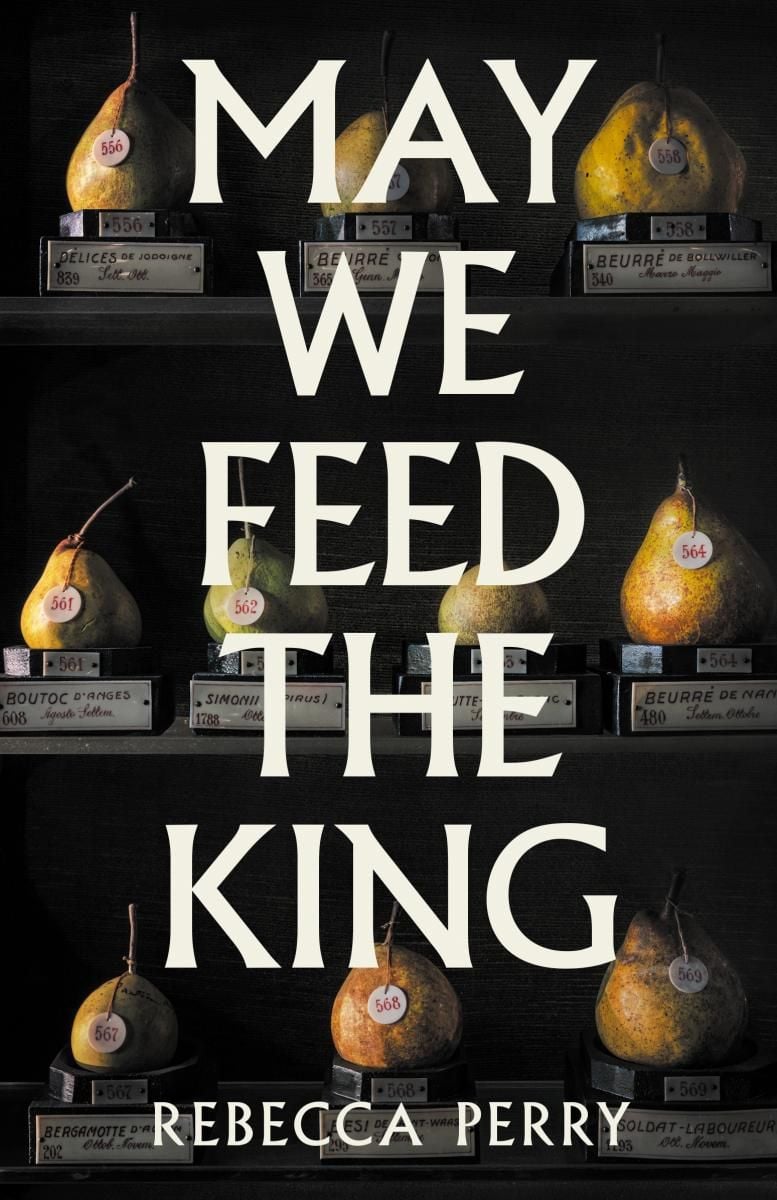
May We Feed the King
Written by Rebecca Perry
- Shortlisted
- The Booker Prize 2026
- Published by Granta
Buy the book
Laced with desire and longing, May We Feed the King is a playful, stirring meditation on history and storytelling: on what makes a King 'Great', and a life meaningful
She is a curator, who spends her time dressing the rooms of historic buildings to bring them to life. But in the lush private quarters of a medieval palace, she finds herself so transfixed by the reign of an almost-forgotten King that the edges of her life begin to blur.
He is a reluctant ruler with no hunger for power, rushed to the throne after the untimely deaths of his older brothers. But it isn’t long before whispers begin to fly around the court. And with the growing belief that the King is not fit for the throne comes the idea that another might rule in his stead.
May We Feed the King dances between the lives of a historical subject who risks the future of his kingdom and a woman who turns to the past to hide from her present.
May We Feed the King was shortlisted for the Booker Prize 2026.

Rebecca Perry on May We Feed the King
‘Two characters – a woman using replica food scenes to conjure spirits in her home and a young attendant to a dying King – came to me separately, and I was writing them in two short stories. At a certain point I realised their world, in a way, was the same one and I embarked on the novel.
I knew I wanted to write historical fiction somewhat outside of the genre and, as the book developed, I became preoccupied by questions of memory, agency and imagination. Concurrently, horrifying global events unfolding on the orders of cruel, tyrannical men began feeding into questions the book had about power and responsibility.’
Read the full interview here.
A wonderfully enticing combination of themes, woven together with a delicacy of touch. You can’t read it without reflecting on the fragile boundary between the present and the past
The Booker Prize 2026 judges
What the judges said
‘Perry combines the story of a reserved museum curator who recreates historical banquets, using a careful array of fake pies and pomegranates – with the story of a medieval king, reluctant to occupy the throne (and possibly unfit for it anyway). It’s a wonderfully enticing, and eye-opening, combination of themes, woven together with an extraordinary delicacy of touch. You can’t read May We Feed the King without reflecting on the fragile boundary between the present and the past. What’s the difference between historical fiction and historical fact? Can history ever be a safe place we can go to escape the present?’
What the critics said
Johanna Thomas-Corr, The Sunday Times
‘May We Feed the King contains a lot of sumptuous writing about sex and desire, and the sentences can be spellbinding and stirring. But the sensibilities of the characters feel modern and the novel reads more like a dream or a fairytale than a depiction of a particular period.’
Miriam Balanescu, The Irish Times
‘A poet shortlisted for the TS Eliot Prize, Perry suffuses her prose with the kind of lyricism you’d expect from her (“a fresh day, like cutting into an apple”; bodies “like slugs on young plants after rain”), revelling in the cloying materiality of this historical feast for the senses. But Perry’s project is also to question the fickle nature of storytelling itself, keeping her characters at arm’s length in a way that is deliberately unsatiating. Even if Perry’s work sometimes opts for style over substance, this is a taut and assured first novel which surely marks the beginning of an eminent novel-writing career.’
Olivia Ovenden, The Observer
‘May We Feed the King is lyrical and rich, but despite its poetic chapter titles and artistic observations, it bears the marks of a novelist’s intricate plotting and sense of pace. The mounting dread of the king, who “wears the face of a man who has been dropped in the middle of the ocean without warning”, sets the story off at a sprint. Perry captures the players of the court and the chain of gossip so successfully it feels as though we are observing history as it plays out. But what the book has to say about whether we can trust historical texts and records, and the propaganda they might inadvertently contain, is far more interesting.’
Annie Hayter, Big Issue
‘Perry captures the King and his entourage with delicious attention, never allowing the reader to quickstep to conclusions about what truly happened in these corridors. The Curator’s survival lies in reimagining these forgotten lives. But Perry insists on the eternal not-knowing that history asks of us. This book is sheer magic – let it bewitch you into roaming the King’s inner chambers, fever burning in your heart.’


Features

- Reading guides
Reading guide: May We Feed the King by Rebecca Perry


- Book recommendations
The Booker Prize 2026 shortlist: what our judges said


- Book recommendations