The End of Everything
by M. John Harrison
As this year’s shortlist is announced, we’ve picked out the most interesting facts, figures and findings that have emerged in this year’s selection
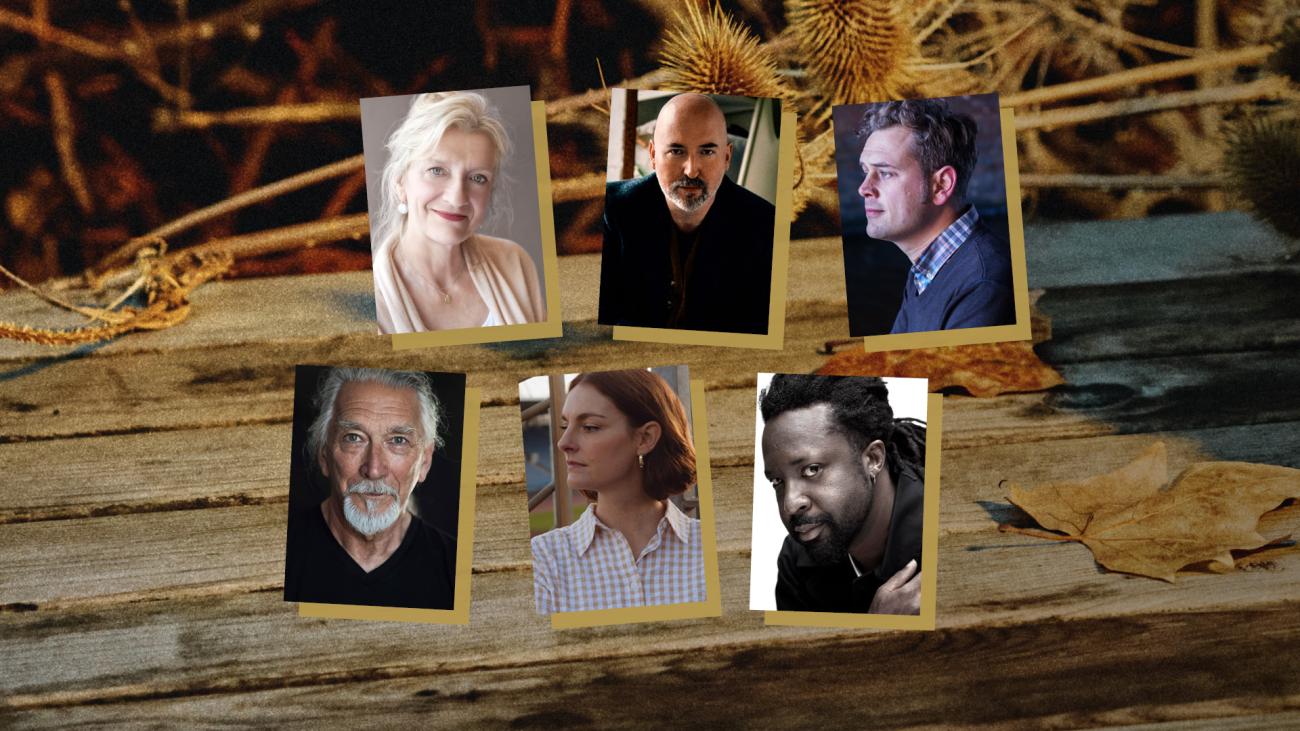
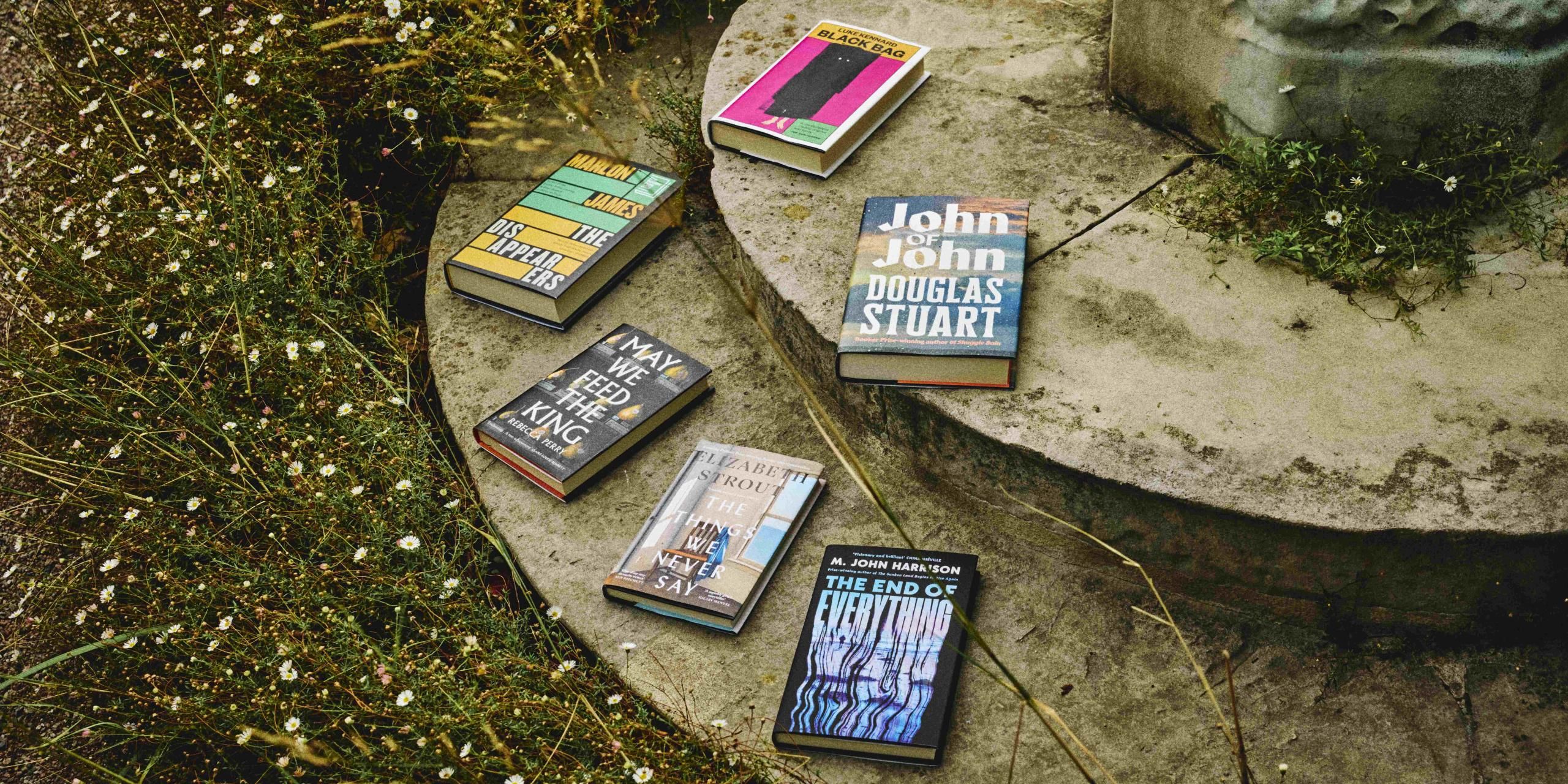
The shortlist of six novels has been selected by the 2026 judging panel: Mary Beard, Raymond Antrobus, Jarvis Cocker, Rebecca Liu, and Patricia Lockwood. This year’s selection was chosen from 163 submissions written in English and published in the UK and/or Ireland between 1 October 2025 and 30 September 2026. The winning book will be announced on Monday, 9 November 2026 at a ceremony at Old Billingsgate in London.
The shortlisted books are:
Mary Beard, Chair of the Booker Prize 2026 judges, said: ‘These novels range from the hilarious to the discomfiting, from the frighteningly strange to the alarmingly domestic, from the powerfully shocking to the intriguingly understated. In them, we meet characters from different countries and different centuries, created by authors 40 years apart, new talent and well-known favourites.’
‘This is writing at its best. There’s plenty to enjoy, some blissful escapism and prose to die for (‘I just wish I could have written that’ kept going through my mind). But there is also plenty here to change the way we see the world, to surprise us and to challenge our certainties.
Here, we take a closer look at the six remarkable books and the stories behind them; their common themes and their many differences.
by M. John Harrison
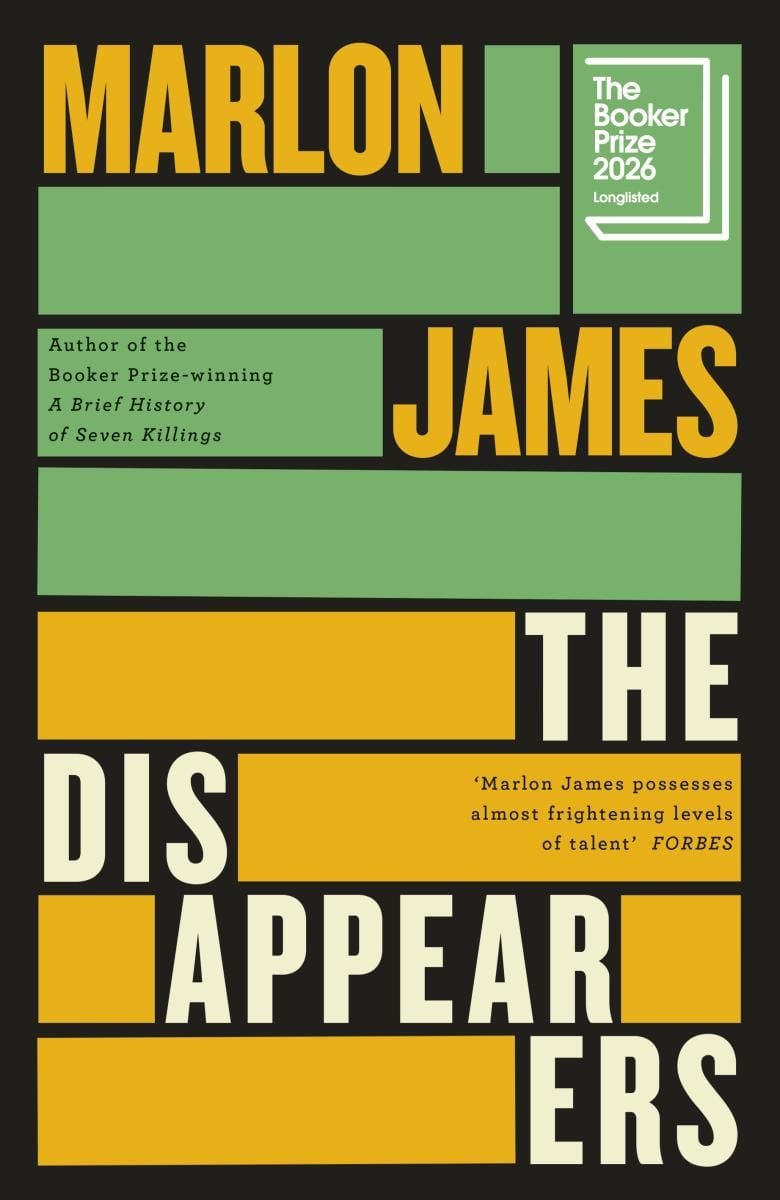
by Marlon James
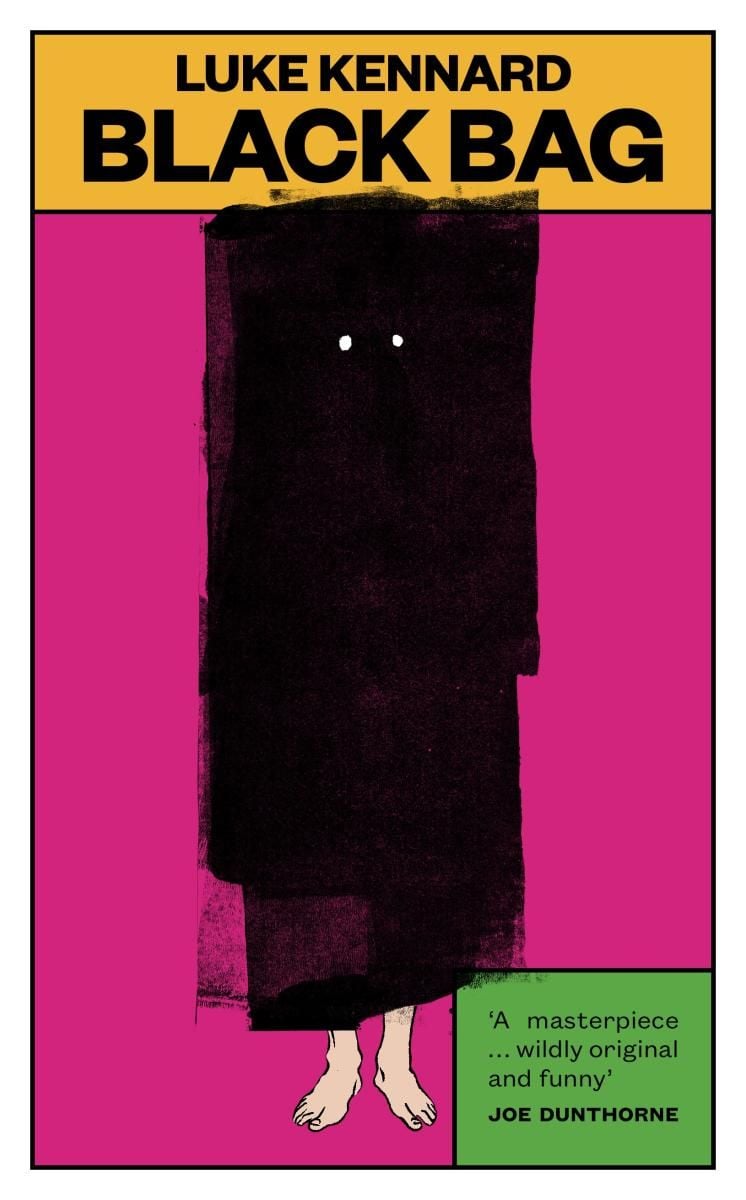
by Luke Kennard
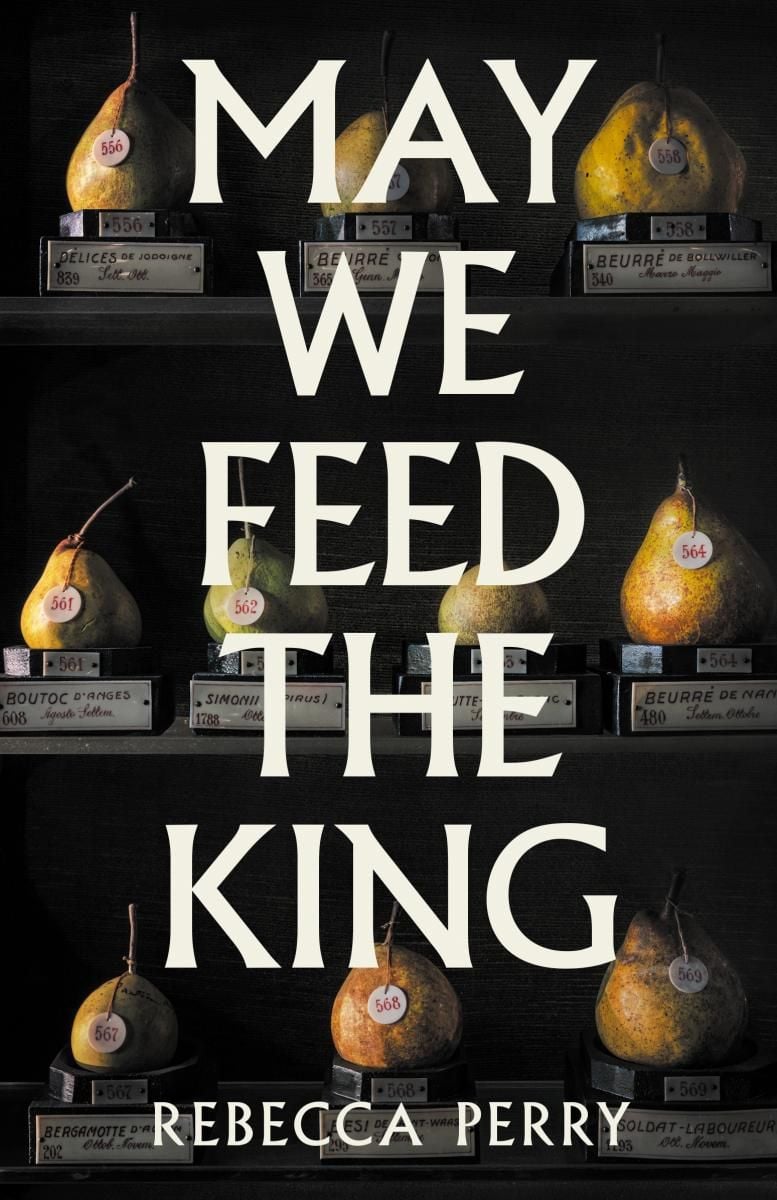
by Rebecca Perry
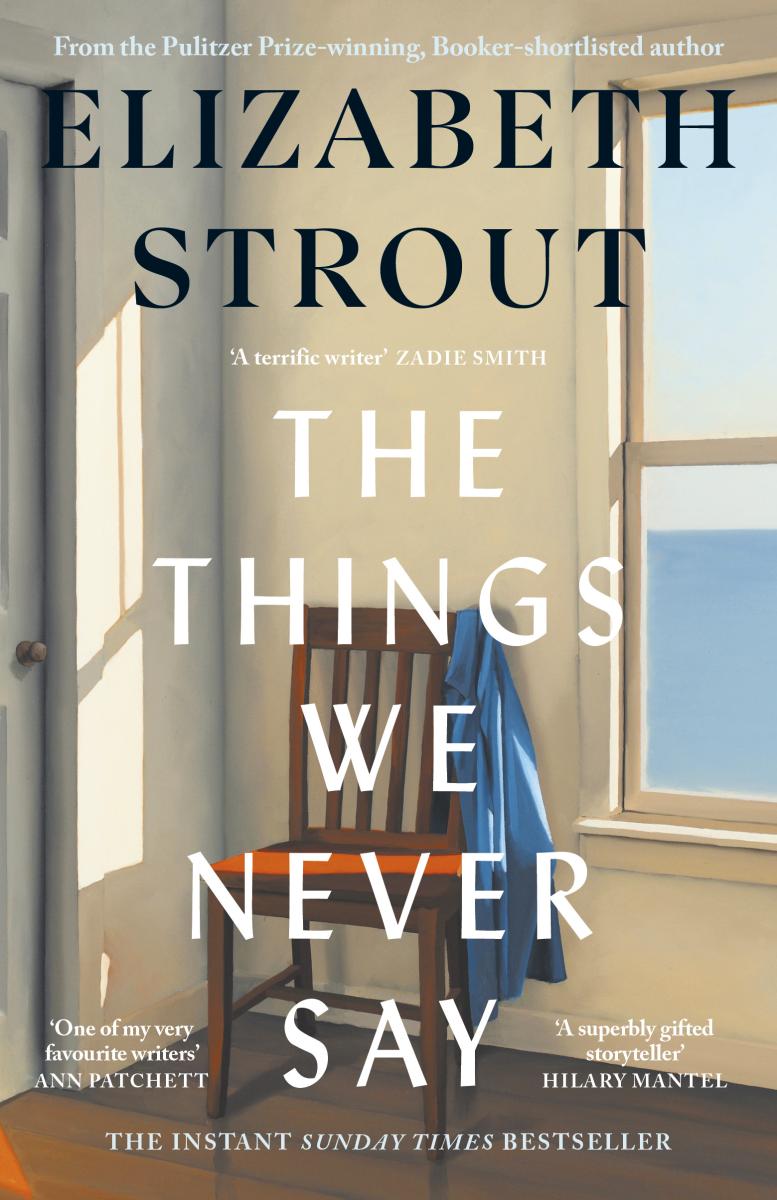
by Elizabeth Strout
by Douglas Stuart
The books transport readers from the barren hillsides of the Outer Hebrides (John of John) to the Kent coast in a post-apocalyptic Britain (The End of Everything), from an unnamed medieval court (May We Feed the King) to the inside of a black bag in an experiment during university psychology lectures (Black Bag), from Kingston, Jamaica in the late 1980s (The Disappearers), to coastal Massachusetts in the run-up to the 2024 US election (The Things We Never Say).
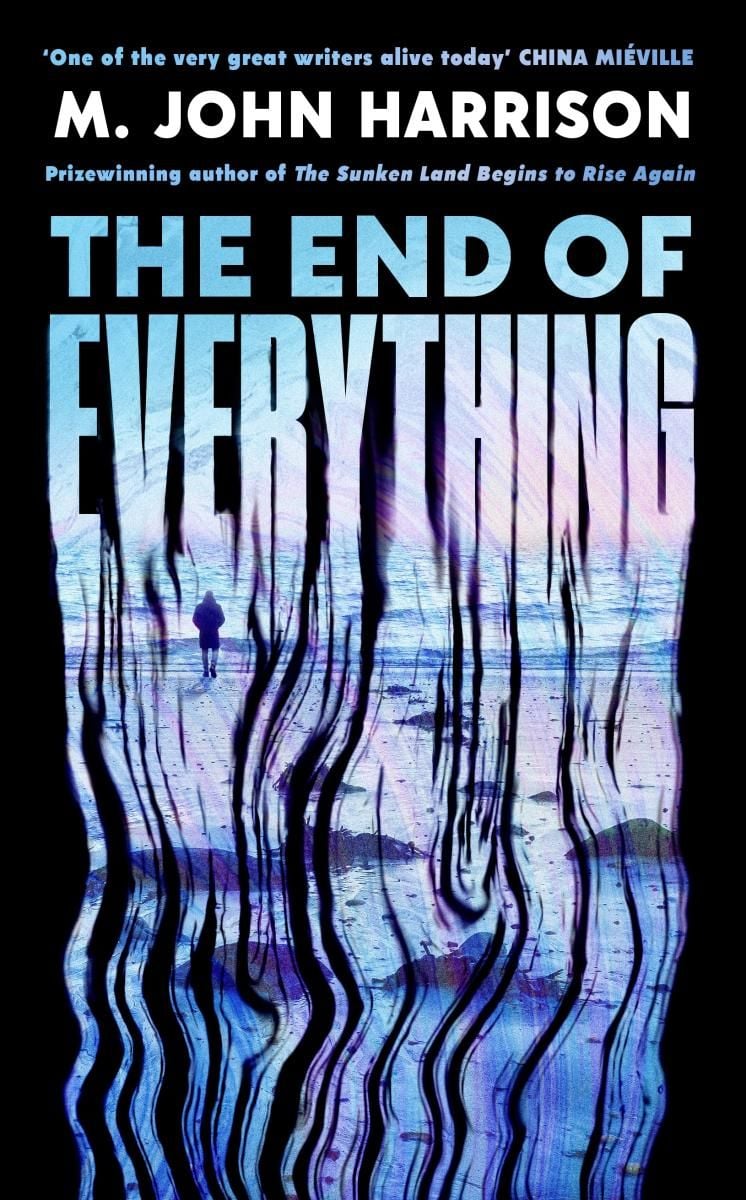
M. John Harrison’s bleakly satirical and dystopian The End of Everything follows Phillip Tennant, a scavenger eking out an existence with his aunt on a post-apocalyptic Kent coast, against a backdrop of societal collapse and a mysterious alien invasion. Our judges described it as a novel that can be read as ‘a thriller, a mystery, a satire, a dystopia, a road novel, a work of realism.’ ‘The landscape may be bleak, the catastrophe may be immersive, yet there still were moments we found ourselves laughing aloud.’
In The Disappearers, Marlon James returns to the late 20th-century Jamaica that provided the backdrop to his Booker-winning A Brief History of Seven Killings to explore the murder of a gay man – an actor rehearsing for a play – and its tragic consequences. Our judges called the book ‘A Jamaican epic from one of the most impactful Caribbean novelists today’ and said, ‘readers will love the shifting register of the dialogue and poetic phrasings, often pierced through with sharp, double-edged humour.’
Inspired by a real-life psychology experiment in the 1960s, Black Bag by Luke Kennard finds a struggling actor accepting a role as part of a psychological university experiment: spend a term attending lectures zipped inside a large black bag to see how the other students react. A twisted campus satire and a love story of sorts, the book was described by our judges as ‘a wonderfully quirky campus novel,’ where Kennard ‘combines an absurd experiment with a moving story about human frailty, passion, confusion and identity. There’s something for everyone here.’
Rebecca Perry’s debut novel May We Feed the King sets the tribulations of a reluctant monarch in an unnamed medieval court against the work of an unnamed modern-day curator dressing public displays in an historic palace. Our judges described it as ‘an affecting and lush jewel of a novel that moves between our present-day world to a medieval court and unsettles the idea that there’s ever one universal historical truth.’
Elizabeth Strout’s The Things We Never Say introduces us to Artie Dam, an ordinary Massachusetts teacher with an apparently comfortable life – yet who is quietly gripped with feelings of isolation and despair. Our judges said it was ‘a novel that engages with the deeply divisive politics of present-day America, without itself becoming divisive. This is the kind of book we need now: a calm antidote to contemporary events’.
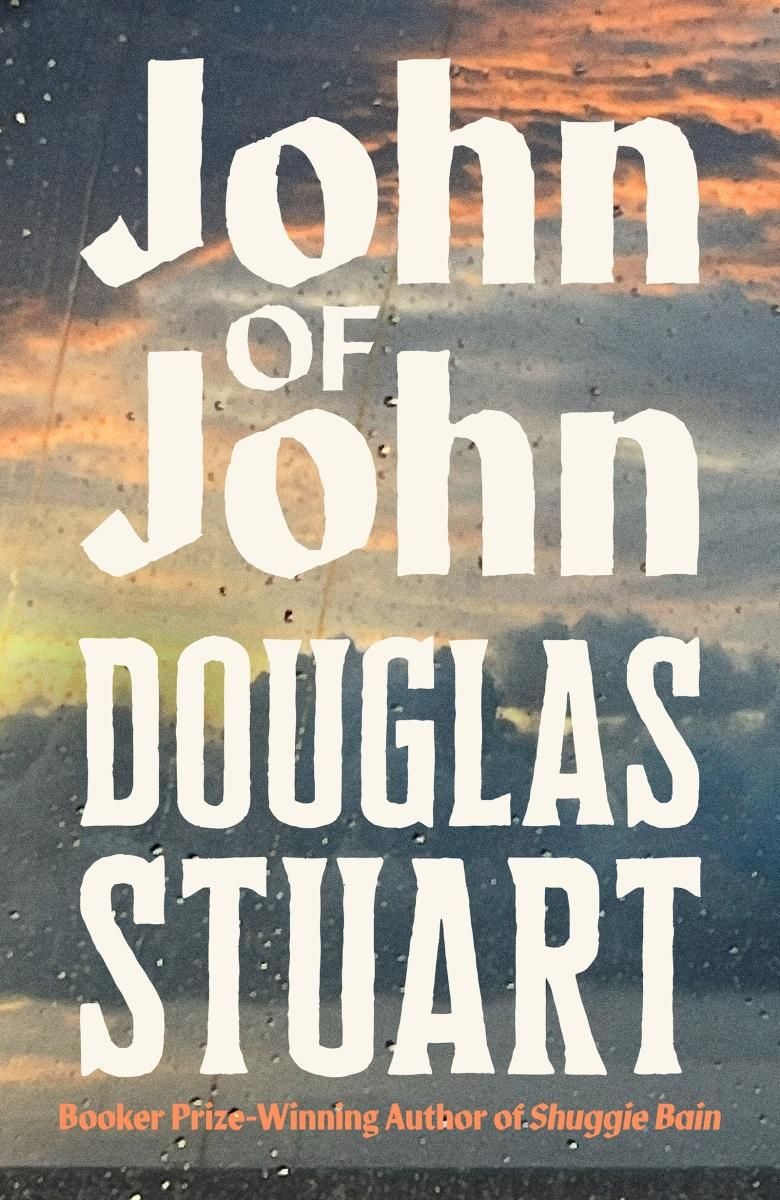
Douglas Stuart’s John of John follows the eponymous John-Calum MacLeod, a young art graduate, who returns reluctantly to his windswept, repressive and deeply religious home on the Isle of Harris to resume – and confront – his old life. Our judges said it is ‘a rich and moving novel about a father and son who live on a remote Scottish island in the 1990s, where small-town secrets and buried shame reverberate to surprising, devastating and even joyous effect.’
At their heart, the shortlisted books meditate on identity – both of the individual and collective – and demonstrate the forces that shape us. We find familial bonds alongside the pull of community (John of John, The End of Everything, The Things We Never Say). The weight of expectations, from ourselves and others, sits alongside the burden of power (May We Feed the King, Black Bag, John of John). The novels explore the secrets we keep from those around us (The Disappearers, John of John, The Things We Never Say), and the isolation, shame, and trauma (Black Bag, The Disappearers) that can follow.
Spanning historical fiction, contemporary realism and near-future landscapes, these six books ask what it means to be human in an ever-changing world. Both epic and intimate, personal and political, they are written with pathos, wit, and verve.
The shortlist features authors representing four countries: Marlon James comes from Jamaica; M. John Harrison, Luke Kennard, and Rebecca Perry come from England; Douglas Stuart comes from Scotland; and Elizabeth Strout comes from the USA.
The list contains a mix of fresh talent and established voices; up-and-coming writers and others who are deep into their careers. The shortlist features two previous winners – Scottish-American writer Douglas Stuart, who won with Shuggie Bain in 2020, and Jamaican author Marlon James, who won with A Brief History of Seven Killings in 2015. Only four authors have won the Booker Prize twice: J.M. Coetzee (1983 and 1999), Peter Carey (1988 and 2001), Hilary Mantel (2009 and 2012) and Margaret Atwood (2000 and 2019). Elizabeth Strout is the only other author on the list who has been nominated previously. She was shortlisted in 2022 for Oh William! and longlisted in 2016 for My Name is Lucy Barton.
There is one debut novel – Rebecca Perry’s May We Feed the King. Perry’s novel won the Waterstones Debut Fiction Prize in July. Six debut novels have won the Booker in its 57-year history, the most recent being Douglas Stuart’s Shuggie Bain.
At the other end of the scale, M. John Harrison is the author of 13 novels, five short-story collections and an ‘anti-memoir’. He was a previous Booker Prize judge in 2022. Should he win, he would be the prize’s oldest-ever winner, at the age of 81. That title is currently held by Margaret Atwood, who was 79 when she jointly won the prize in 2019.
The Things We Never Say is Elizabeth Strout’s 11th novel, while Luke Kennard has published seven full-length poetry collections – Black Bag is his third novel.
While three of the shortlisted authors have been recognised by the Booker Prize in the past, all of them boast impressive literary credentials, with a number of accolades to their name.
In addition to winning the Booker, New York-based Jamaican writer Marlon James has won the American Book Award, the Los Angeles Times’ Ray Bradbury Prize for Science Fiction, the Anisfield-Wolf Book Award and the Dayton Literary Peace Prize.
Fellow Booker winner Douglas Stuart – who was born in Glasgow and lives in New York – has also won Debut of the Year and Book of the Year at the British Book Awards and been shortlisted for the National Book Award.
As well as being nominated for the Booker twice prior to this year, Elizabeth Strout, who lives in Maine, is a Pulitzer Prize winner and has been nominated for the PEN/Faulkner Award and the International Dublin Literary Award.
Shropshire-based M. John Harrison has won the Boardman Tasker Prize, the Arthur C. Clarke Award and the Goldsmiths Prize. Luke Kennard is an award-winning poet and Professor of Creative Writing at the University of Birmingham was named one of the ‘Next Generation Poets’ by the Poetry Book Society in their once-per-decade list in 2014. He has won the Forward Prize for Best Poetry Collection and been longlisted for the Desmond Elliott Prize.
Rebecca Perry is the British author of two full-length poetry collections – she has been shortlisted for the T. S. Eliot Prize and won the Michael Murphy Memorial Prize.
The Booker Prize 2026 shortlist
© Yuki Sugiura for Booker Prize Foundation
These novels range from the hilarious to the discomfiting, from the frighteningly strange to the alarmingly domestic, from the powerfully shocking to the intriguingly understated
Mary Beard, Chair of Booker Prize 2026 judges
Two independent publishers have a book each on the shortlist: Profile Books imprint Serpent’s Tail with The End of Everything and Granta with May We Feed the King. Granta has published six previous Booker shortlistees, including 2013 winner The Luminaries by Eleanor Catton, while Serpent’s Tail is shortlisted for the fourth time.
Big publishing houses represent four out of the six titles on the shortlist, led by Penguin Random House, which has two titles across two imprints: Hamish Hamilton with The Disappearers and Viking with The Things We Never Say. Picador, an imprint of Pan Macmillan, makes the list with John of John, while Hachette’s John Murray imprint does so with Black Bag.
In the Observer, Helen Macdonald described The End of Everything as ‘bravura, brain-melting sci-fi’ and ‘a novel that destabilises you – quite savagely – in the course of its reading. But you’re absolutely not walking away. You’re locked in, and you’re having the time of your life’. ‘I don’t think I’ll read a better book this year, perhaps decade,’ she added. ‘The world is falling apart and The End of Everything properly fucks one up.’
Writing in The New York Times, Dwight Garner called The Disappearers ‘a maximalist’s banquet: It is humane, blood-flecked, disturbing and sustaining’. He said it’s a ‘novel about gay experience and murderous homophobia in Jamaica and elsewhere during the 1980s and ’90s,’ adding that ‘James has written a masterpiece, the novel of the decade and possibly of the century thus far.’ The review also noted it was ‘the Booker Prize winner’s finest book yet’.
Reviewing Black Bag for The Sunday Times, Johanna Thomas-Corr said ‘the novel’s off-kilter humour combines minute social observation with incongruous ideas, drawing on a wide sphere of reference from religion to pornography,’ describing it as ‘surreal and ambitious as Tom McCarthy’s Remainder, only written by someone with the comic instincts of Peep Show’s Jesse Armstrong.’ She called the novel a ‘brilliant comic tour de force’, adding that Kennard is ‘so generous with the jokes that I found myself laughing on almost every page.’
Over in The Atlantic, Adam Begley asked, ‘how does she do it?’ when reviewing The Things We Never Say. ‘Not just the neat trick of beguiling highbrow critics while at the same time pleasing millions of readers who don’t care about literary bona fides.’ He noted all Strout’s characters were ‘convincingly real’ and that ‘she shows us how strange we are, and how similar (an insight verging on homily but thankfully sugar-free). She’s not a minimalist, but Elizabeth Strout does more with less than any writer I can think of.’
In a review titled ‘Douglas Stuart Comes Into His Own’ in Vulture, Sam Worley wrote ‘Stuart’s protagonists are growing up, and his writing — particularly his depiction of the vicissitudes of queer life — is maturing right alongside them.’ He called the novel ‘a sprawling, emotionally rich saga that extends Stuart’s investigation into masculinity while sketching a world in which his gay characters come fully, finally alive,’ concluding ‘It’s his best yet.’
Writing in The Irish Times, Miriam Balanescu called May We Feed the King ‘a macabre fable’ and noted that Rebecca Perry, also a poet, ‘suffuses her prose with the kind of lyricism you’d expect from her (“a fresh day, like cutting into an apple”; bodies “like slugs on young plants after rain”), revelling in the cloying materiality of this historical feast for the senses.’ Balanescu concluded that May We Feed the King is ‘a taut and assured first novel which surely marks the beginning of an eminent novel-writing career.’