
From books that changed the world to contemporary works that are certain to endure, these are your must-read classics from the Booker Library
The Booker Prize 2026 authors on their favourite books from childhood
The Booker Prize 2026 authors on their favourite books from childhood
- Published
From the illustrations of Goodnight Moon to the adventures of Sherlock Holmes, discover the books and stories that sparked a love of reading in this year’s Booker Prize authors
The shortlist for the inaugural Children’s Booker Prize supported by AKO Foundation is on the horizon is on the horizon. The new annual prize will celebrate the best contemporary fiction for children aged eight to 12 years old, written in or translated into English and published in the UK and/or Ireland. The shortlist of eight books will be announced on 24 November 2026, and the winner will be announced on 2 February 2027.
Inspired by the new prize, we asked the Booker Prize 2026 authors to tell us about the books that ignited their love of reading when they were children. Here’s what they said.
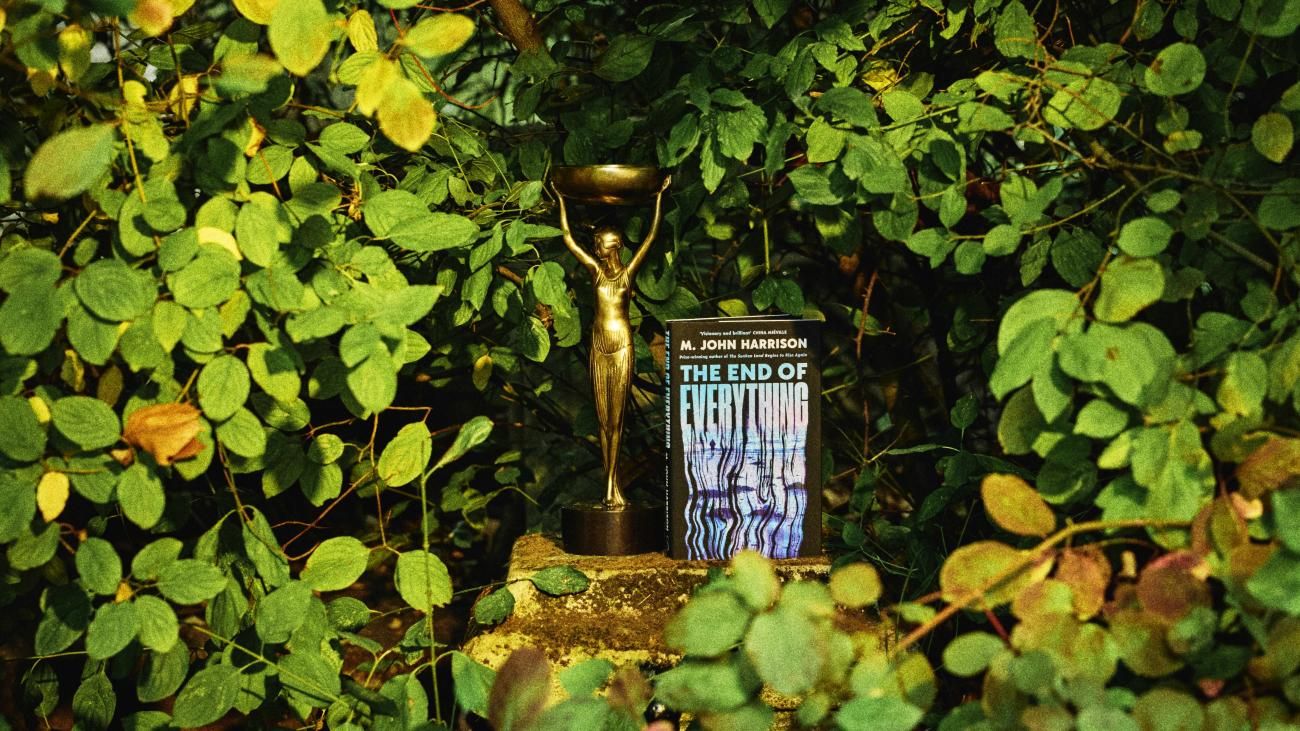
M. John Harrison, author of The End of Everything
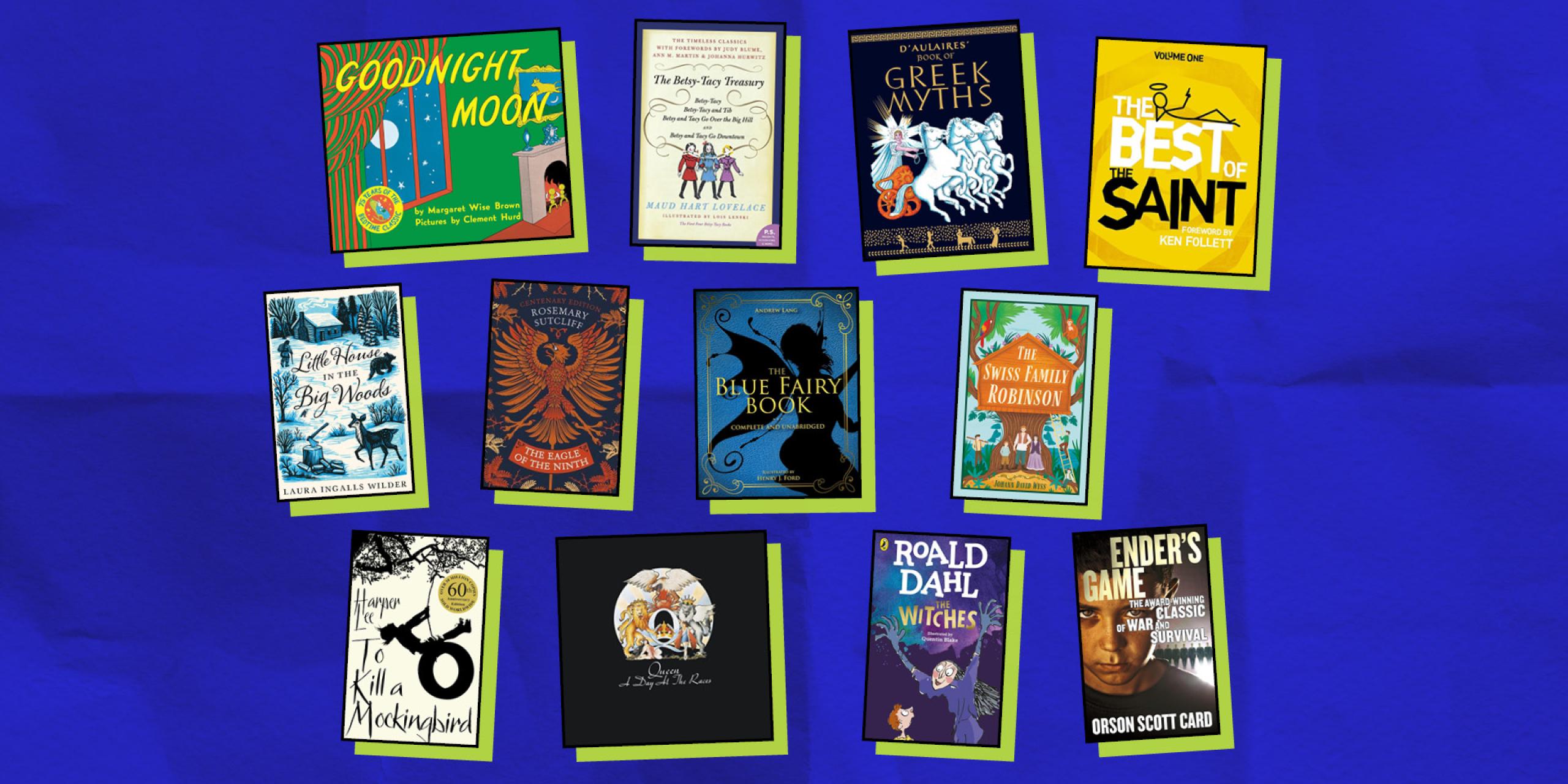
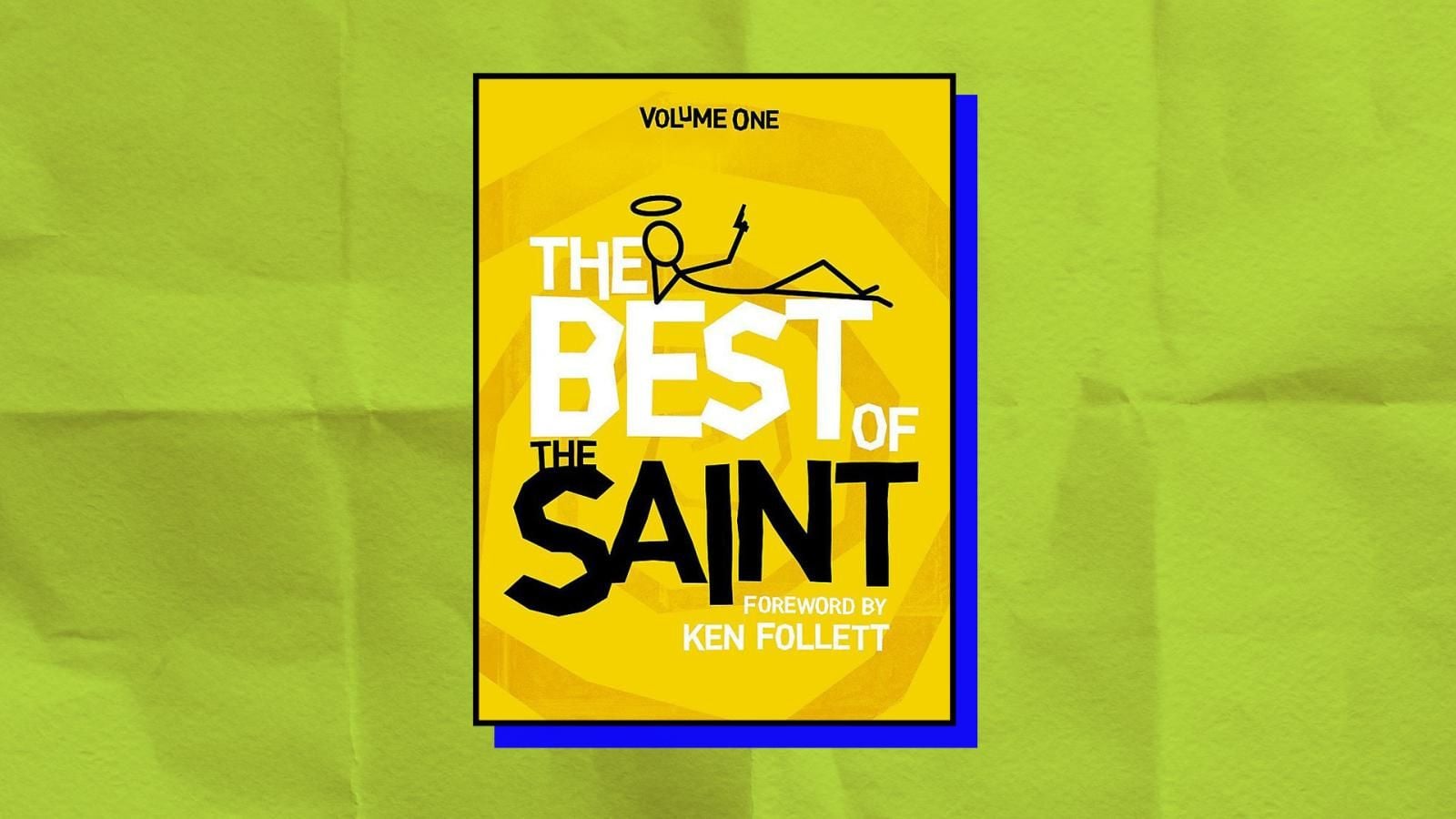
‘I read almost frantically from an early age. Upstairs in my house we had a big cupboard full of books. You could actually climb into it and sit among all the dusty piles of paperbacks of someone else’s library, going back 30 years. All my heroes were in there, Leslie Charteris and the Saint; Mickey Spillane and Mike Hammer; Alfred Bester and the ferocious revenger Gully Foyle: all pulp, all trash; all walking, talking thrillers and sci-fi. A real education. My mother disowned it, and I never knew whose reading history it represented. Downstairs in the front room we displayed three shelves of more respectable volumes.’
Emma Cline, author of Switzy
‘As a child, I loved the Betsy-Tacy books by Maud Hart Lovelace, first published in the 1940s. The details charmed me totally: Betsy’s trunk of writing supplies, Tacy’s plaid dress, Tib’s chocolate brown house with its stained-glass windows.’

Marlon James, author of The Disappearers
‘I was eight years old, and the novel was Laura Ingalls Wilder’s Little House in the Big Woods. It was the first novel where I experienced what John Gardner called the ‘vivid continuous dream’, and it happened by accident. Up until that point, I found the idea of a book without pictures ridiculous, as in: why would anyone subject themselves to such a ghastly thing. Along came my library copy of Little House, but someone had torn out all the pictures. I read it anyway. With no pictures to limit my imagination, it was as if my head exploded. I still feel that way when I read a good book.’

I read almost frantically from an early age. Upstairs in my house we had a big cupboard full of books. You could actually climb into it and sit among all the dusty piles of paperbacks
Chloe Aridjis, author of The Shadow of the Object
‘One of my earliest favourite books was Margaret Wise Brown’s Goodnight Moon. I loved the illustrations in primary colours and the lulling bedtime ritual of naming everything in the room. There’s something about that book that continued to interest me years later. When I was around 10, I read The Chronicles of Narnia by C.S. Lewis and loved that too, especially the first few volumes. It was all so intriguing: Aslan the lion, the witch with her Turkish delight, the wintry landscape just beyond the wardrobe. Portals. Those were times when I read without any notion of allegory.’

Luke Kennard, author of Black Bag
‘As a child I read and re-read Comet in Moominland and Andre Maurois’ Fattypuffs and Thinifers as if they were favourite geographical locations to revisit. I think it was probably Rosemary Sutcliff’s The Eagle of the Ninth that first really blew my mind, that felt transporting and made me fear for the characters – one of those books where you can smell the mud and feel the disappointment. Then I spent several years immersed in post-war science fiction and it took quite a lot of encouragement to get me to read anything else. J. G. Ballard was my bridge into literary fiction.’

Makenna Goodman, author of Helen of Nowhere
‘My father, who died when I was quite young, used to read me D’Aulaires’ Books of Greek Myths at bedtime. He would say in this sing-song-y voice: ‘Aphrodite, the goddess of-a-looooooove.’ I often wondered if I was more like Aphrodite or Dionysis; it seemed she was more beautiful, but he had a lot more fun. These myths formed my early literary consciousness and were the stories that informed my childhood dreams. They have also been a place to continue a conversation with my father after his death.’

One of my earliest favourite books was Margaret Wise Brown’s Goodnight Moon. I loved the illustrations in primary colours and the lulling bedtime ritual of naming everything in the room
Rebecca Perry, author of May We Feed the King
‘I had a large hardback book of (what seemed to me like hundreds) of fairy tales. I found them utterly transportive. In particular, I loved a Scottish story called The Black Bull of Norroway – the imagery was out of control (a young woman riding on the back of a bull, eating from its left ear and drinking from its right, a smith making her special iron shoes so she can scale a mountain of ice) and I think that settled somewhere very deeply inside of me.’

Elizabeth Strout, author of The Things We Never Say
‘I was about seven years old when I heard my mother talking to my father about a book and I asked her if I could read it. She gave me To Kill a Mockingbird, and I read it through in just two days. I was mesmerised by the story.’

Missouri Williams, author of The Vivisectors
‘I was pulled in two directions as a child. I liked books about warfare or books about horses, but never at the same time. Orson Scott Card’s Ender’s Game is burned into my memory so deeply that 20 years later I still tell myself: ‘Remember, the enemy’s gate is down!’ Otherwise, the Silver Brumby books by Elyne Mitchell were everything to me.’

I spent several years immersed in post-war science fiction and it took quite a lot of encouragement to get me to read anything else. J. G. Ballard was my bridge into literary fiction
Djamel White, author of All Them Dogs
‘I fell in love with books before I fell in love with reading through a teacher that read aloud to us daily. The first book I picked up to read on my own and found that I could in fact have the same experience if not better on my own, was The Witches by Roald Dahl.’

Gwendoline Riley, author of The Palm House
‘Reading is a dimension of life I’m grateful for, but I’m not in love with reading. If the question is what I read as a child, I liked The Swiss Family Robinson, and after that, Sherlock Holmes stories.’

Douglas Stuart, author of John of John
‘I don’t come from a family of readers and when I was a kid we didn’t have any books at home. But when I was six or seven I used to love studying my big brother’s gatefold LPs. Queen’s A Day at The Races and Pink Floyd’s The Wall were an early education in seduction and sexuality and social anger. They exposed me to things that blew my young mind.’



Features

- Book recommendations
A Day of the Dead reading list: five books by Mexican authors


- Reading guides
Reading guide: The End of Everything by M. John Harrison

- Reading guides
Reading guide: John of John by Douglas Stuart

- Reading guides
Reading guide: May We Feed the King by Rebecca Perry

- Reading guides
Reading guide: The Things We Never Say by Elizabeth Strout


- Book recommendations
The Booker Prize 2026 shortlist: what our judges said

- Reading guides