
With four books by Latin American authors on this year’s International Booker Prize longlist, here are a dozen more for your TBR pile
A Day of the Dead reading list: five books by Mexican authors
A Day of the Dead reading list: five books by Mexican authors
- Written by
- Grace Sansom
- Published
Spirits, sorrow, magic and mayhem sumptuously spill through the pages of these Mexican reads from the Booker Library
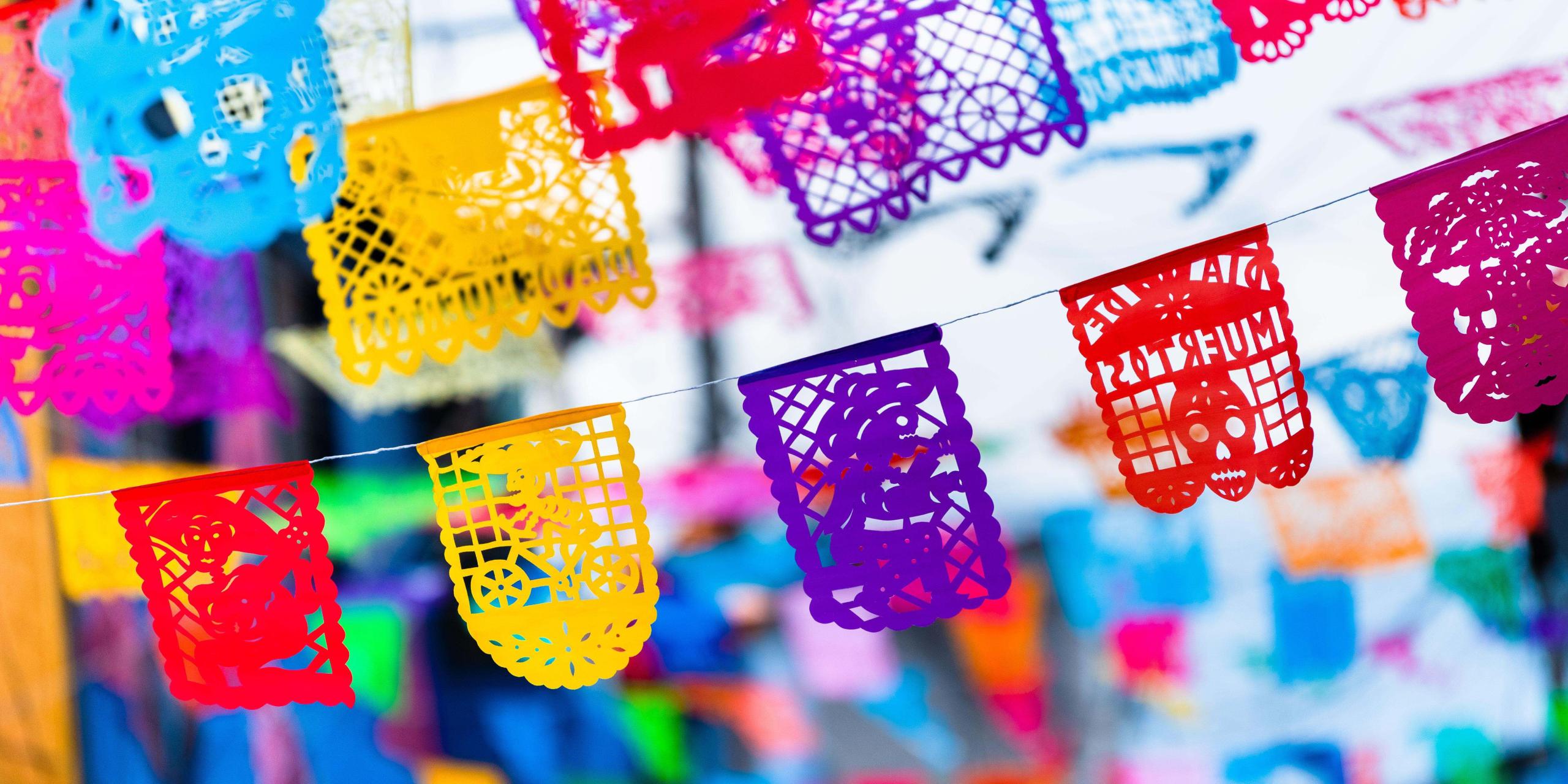
The Day of the Dead, Día de los Muertos, is a Mexican celebration to honour, remember and welcome back deceased loved ones. Taking place from the 1st of November to the 2nd, the first day is dedicated to the lives of children and the following to those of adults. It is a vibrant, carnivalesque occasion, led by street parades and market celebrations, with some starting as early as late October. Día de los Muertos treats death as a natural part of the human experience, rather than something to fear, and is often characterised by activities such as storytelling, with an emphasis on sharing collective memories of loved ones.
Literature, too, can be a form of remembrance. In these books by Mexican authors, all nominated for the Booker and International Booker Prize, the undercurrents of society are both confronted and celebrated. Shadows swarm, tragedies strike, structures break, and those that hide are done scurrying from sight: the unwanted, the unloved, the unlawful, the unimaginable. Some of these books reckon with difficult subjects, but do so with humour, bravery, love, beauty or humanity. And here, more is felt about death than fear.
Buy the book
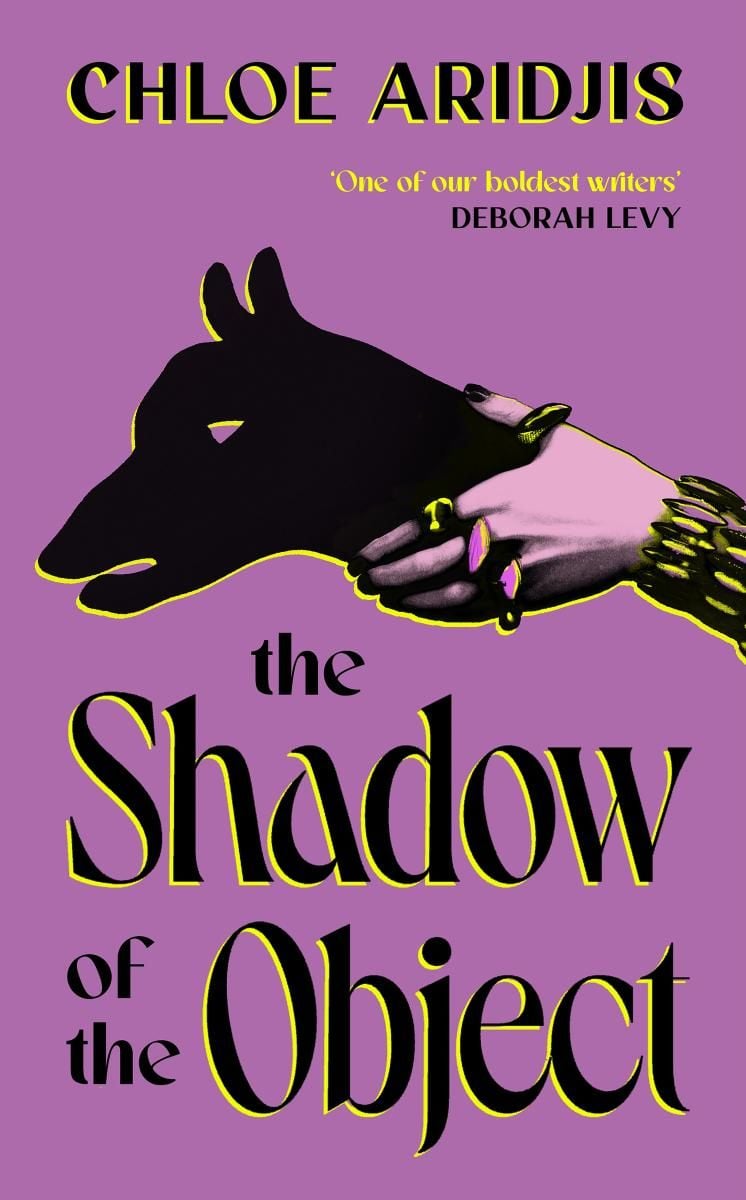
The Shadow of the Object by Chloe Aridjis
Flora, a silver polisher in her early 40s, is visiting her parental home in Mexico City from North London when the family dog bites her hand. She ends up in hospital, where she meets Wilhelmina, an elderly German woman with pneumonia. Flora is enraptured, and the two of them embark on a series of dream-like conversations in the corridors. Before Wilhelmina dies, she puts on a lantern show for Flora using slides she bought in the countryside, and the magic spectacle contrasts with the stark sterility of the hospital. Now, Flora finds herself with an important mission. She returns to London and strikes up a strange friendship with Wilhelmina’s son, Max. As Flora dips in and out of her imagination, she is increasingly aware that her perception of reality is now subtly altered, following her time with Wilhelmina.
This novel of magic, illusion and enchantment was longlisted for the Booker Prize 2026. Mexican-British author Chloe Aridjis grew up in Mexico City and now lives in London; she was named ‘one of the boldest writers at work in English today’ in a review of the novel by the Guardian, where she was championed for her ‘glowing, mythopoeic prose.’
Buy the book
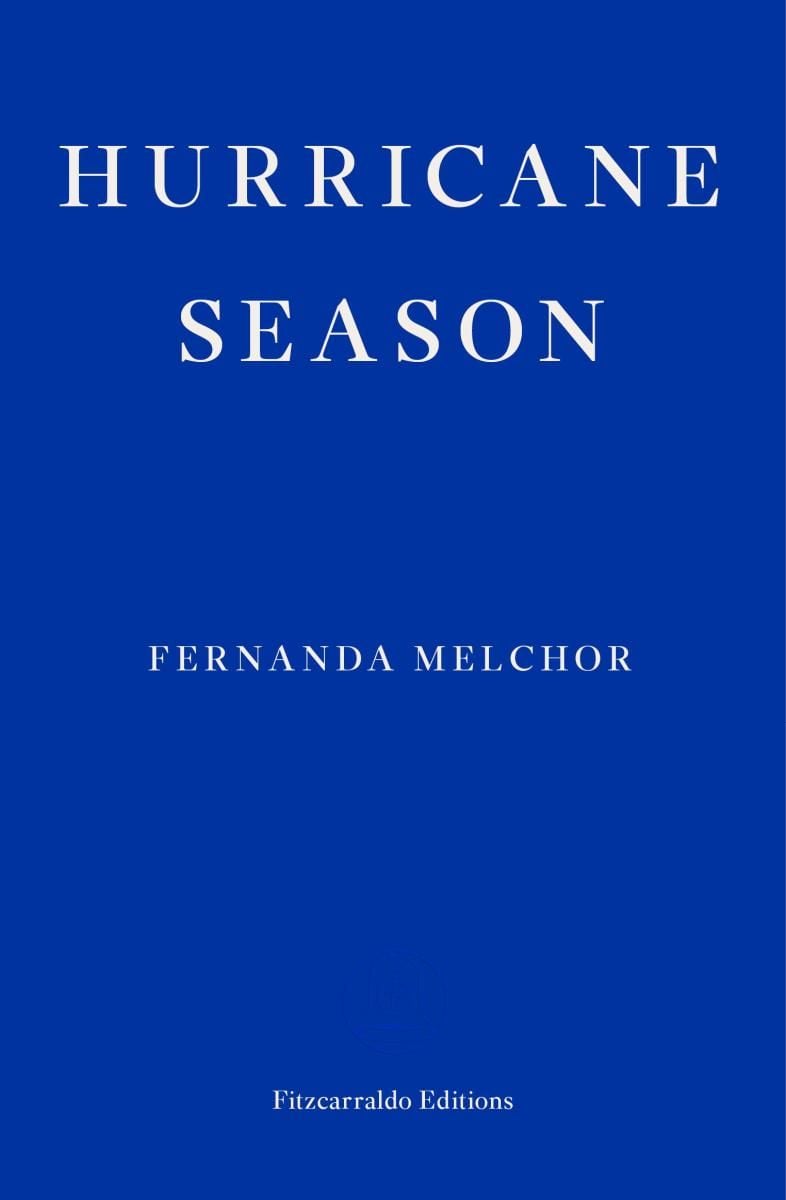
Hurricane Season by Fernanda Melchor, translated by Sophie Hughes
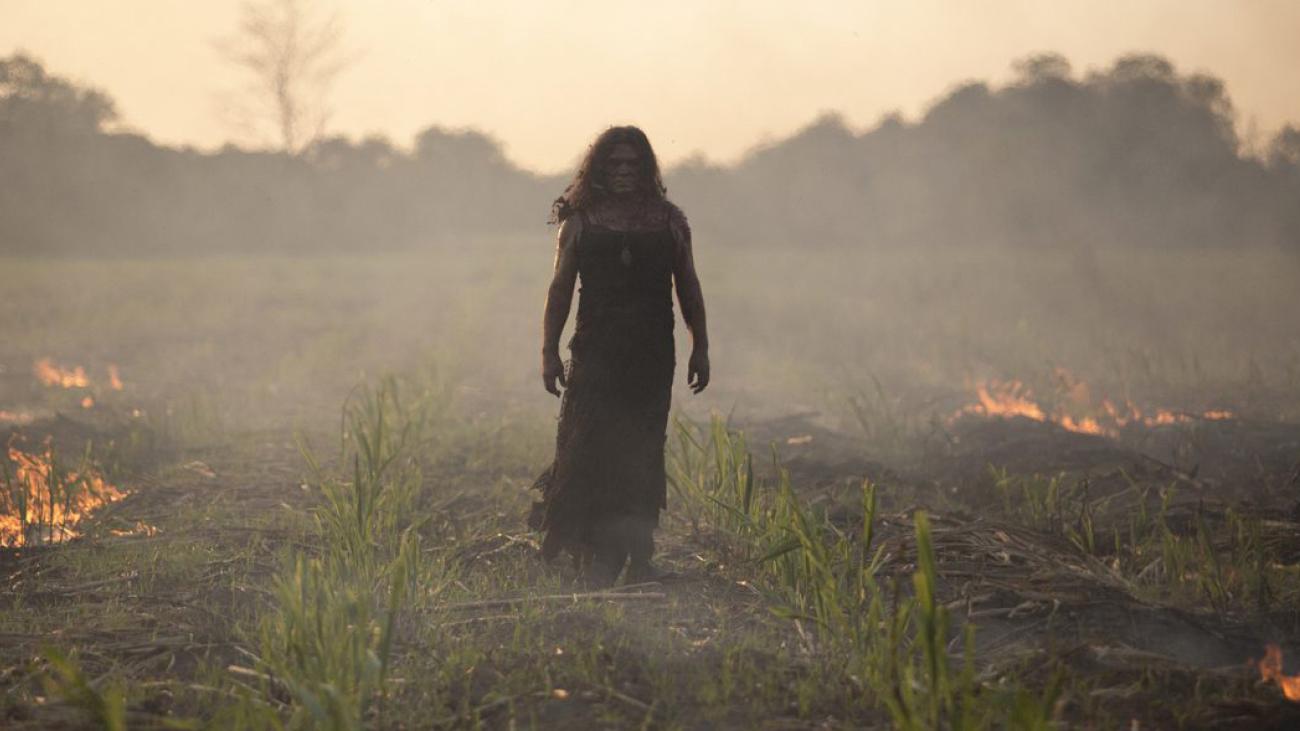
On the outskirts of a village in rural Mexico, a group of children playing near the irrigation canals find the Witch’s corpse. It’s the body of a local woman who strikes fear into the heart of men, yet is depended on by the women for abortions and enchantments. This discovery propels the whole village into an investigation into how and why her murder occurred. Fernanda Melchor is able to spin a web of humanity around these characters when, to most, they would be written off as irredeemable, damned.
In a review of the novel for the Guardian, author M. John Harrison (Booker Prize 2022 judge, also shortlisted for this year’s prize with his speculative fiction novel The End of Everything) called Hurricane Season a ‘mystery novel, but not one presented in any manner to which we’re accustomed; a horror novel, but only metaphorically; and a political novel with deep penetration of a remarkably foul milieu.’ Hurricane Season was translated from Spanish by Sophie Hughes and shortlisted for the International Booker Prize in 2020. It was Mexican author Melchor’s second novel, and her first to be published in English. She was shortlisted again in 2022 for Paradais, and has been widely recognised as one of the most exciting new voices in Mexican literature.
Buy the book
Reservoir Bitches by Dahlia de la Cerda, translated by Julia Sanches and Heather Cleary
A native of Aguascalientes in North-Central Mexico, Dahlia de la Cerda’s family suffered a femicide, which inspired her to write about the subject, alongside the violence that women in Mexico can experience across class and sexual identity. After winning a literary scholarship, she endeavoured to bring these underrepresented experiences to life, which she does with gusto in her collection Reservoir Bitches. In the linked short stories, 13 Mexican women fight, cheat, cry, and lie their way through their tangled circumstances. From the all-powerful daughter of a cartel boss to the victim of transfemicide, from a houseful of spinster seamstresses to a socialite who supports her politician husband by faking Indigenous roots, these women invent new ways to survive, telling their stories in urgent and unflinching voices.
The Big Issue drew comparisons from De la Cerda to Fernanda Melchor, noting both writers ‘scrutinise Mexican society with great humour.’ Laced with black comedy, they described the collection as a debut that ‘doesn’t shy from Mexico’s gritty underbelly’. Reservoir Bitches was translated by Julia Sanches and Heather Cleary and longlisted for the International Booker Prize 2025.
Buy the book
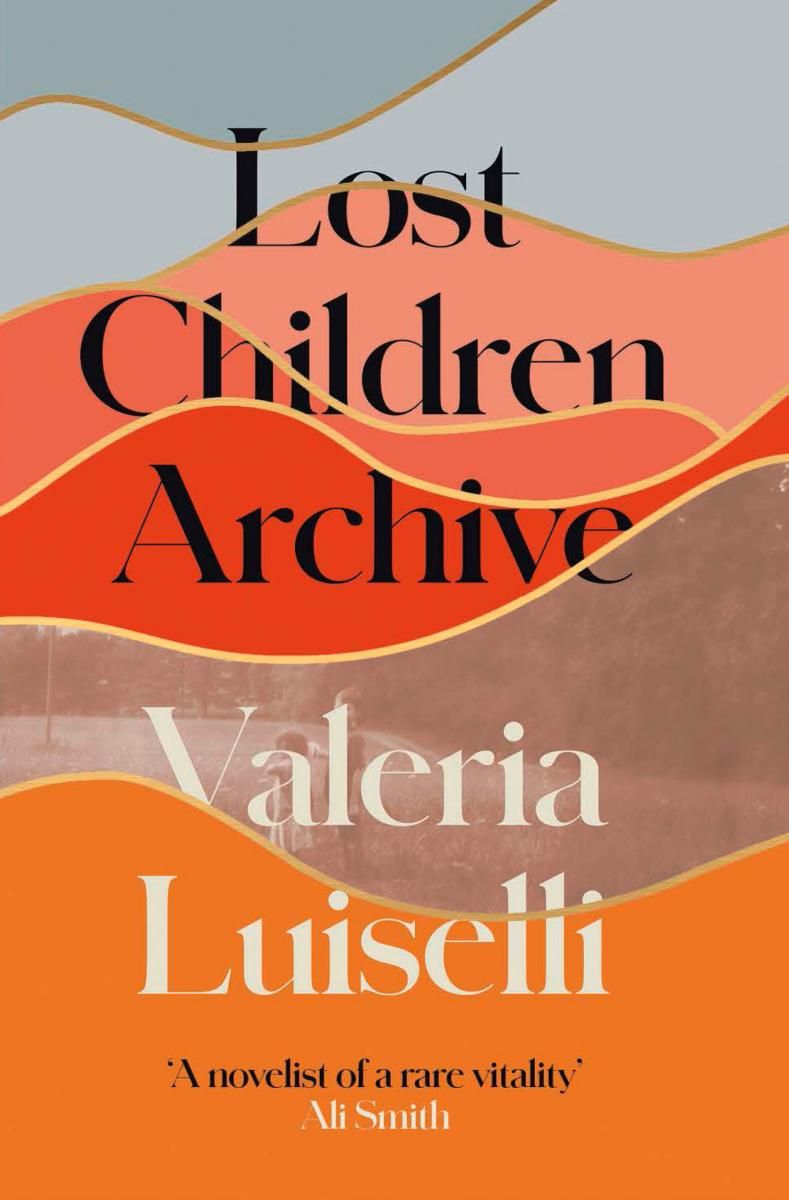
Lost Children Archive by Valeria Luiselli
In this revelatory novel, which was longlisted for the Booker Prize 2019, a family road trip across America collides with an immigration crisis at the southwestern border. As they drive from New York to Arizona, a fissure is growing between the parents, one the children can almost feel beneath their feet. They are led, inexorably, to a grand, harrowing adventure, both in the desert landscape and their own imaginations – the father tells tales of the Apache and Geronimo, while the mother speaks of ‘Lost Children’, Latin American migrants who travel across the border seeking refuge in the U.S. Both children are spellbound by these stories.
Lost Children Archive is told through several compelling voices, blending texts (poems from Anne Carson, Galway Kinnell and Augusto Monterroso), sounds, and images (the novel ends with 24 Polaroid photos taken by author Valeria Luiselli and credited to the novel’s fictional stepson). Luiselli, who was born in Mexico City and now lives in New York, was inspired by the ongoing policy separating children from their parents at the Mexican and United States border. The New York Times praised how she ‘drives home just how much pain and sacrifice we are prepared to accept in the lives of others’ in a review that said the novel asks what it takes for people to ‘examine their complicity in other people’s suffering.’
Buy the book
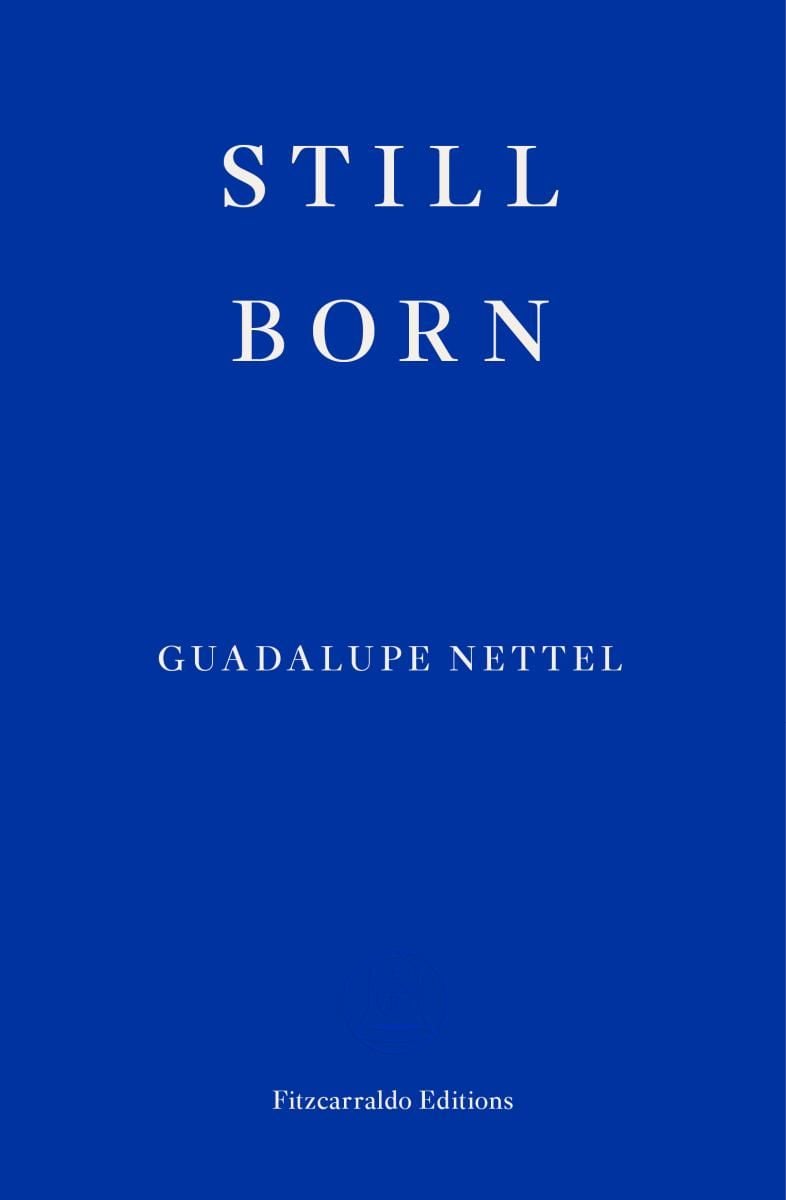
Still Born by Guadalupe Nettel, translated by Rosalind Harvey
Alina and Laura are independent and career-driven women in their mid-thirties, who live in Mexico City. Both are conflicted about motherhood. Yet when Alina gets pregnant and has to manage complications, and Laura becomes attached to her neighbour’s son, both women are forced to reckon with the complexity of their situations and emotions. Guadalupe Nettel’s work is sensitively written and surgically precise. She explores maternal ambivalence, carefully dissecting the contradictions that make up the lived experiences of women and children.
Nettel, who was born in Mexico and grew up ‘between Mexico and France,’ was inspired to write Still Born after observing her friends raise a disabled child (‘I wanted to show, through the story of this friend of mine, that it is possible to transform this painful experience into a meaningful one,’ she said in an interview with the Booker Prizes). She also wanted to explore the expectations on women to become mothers, and the impact of this.
The Washington Post labelled the novel ‘fascinating’, citing Laura as a ‘unique and confounding narrator, with a voice that’s both judgmental and hyper-perceptive,’ and ‘perfect for delving into the reversals’ of the story. Still Born was translated from Spanish by Rosalind Harvey and shortlisted for the International Booker Prize 2023.


Features




- Book recommendations
What our judges said about the Booker Prize 2026 longlist


- Book recommendations
10 Booker Prize-nominated books that explore sapphic love

- Book recommendations