

As sales of translated fiction continue to rise, we’ve rounded up the International Booker-nominated books with the most famous of fans
Women in Translation Month: 10 essential International Booker Prize-nominated books to read this August
Women in Translation Month: 10 essential International Booker Prize-nominated books to read this August
- Written by
- Martha Adams
- Published
The founder of Martha’s Monthly, a newsletter designed to make books from around the world more accessible, recommends her favourite novels to help you read further and wider
August marks Women in Translation Month (WITM), a project founded in 2014 to raise awareness of the gender gap in translated literature. What started as an essential initiative to address a male bias in translation has transformed into a key literary movement. Twelve years on, the project continues to grow, with more readers choosing to read and celebrate women in translation every August – and beyond.
I fell in love with translated fiction because of the opportunity it gave me to see the world while I was stuck in bed after being diagnosed with a chronic illness. I wanted to connect with the world I so desperately missed. While I couldn’t travel physically, I could through my reading, and a feverish obsession was born. Reading translated fiction encourages us to inhabit and understand a variety of other perspectives. It allows us to read differently by transcending physical borders, fostering empathy, and reminds us how universal the human experience is.
To read in translation is to celebrate the truly diverse world around us, which is skilfully brought to life by authors and translators. Every August, I learn more about myself because of WITM. I am eternally grateful for the initiative – for how fun it is to take part in, and the focus it gives my reading. Here, I am excited to share ten of my recommendations, nominated for the International Booker Prize, that I believe are great books to start with if you want to read more women in translation.
Buy the book
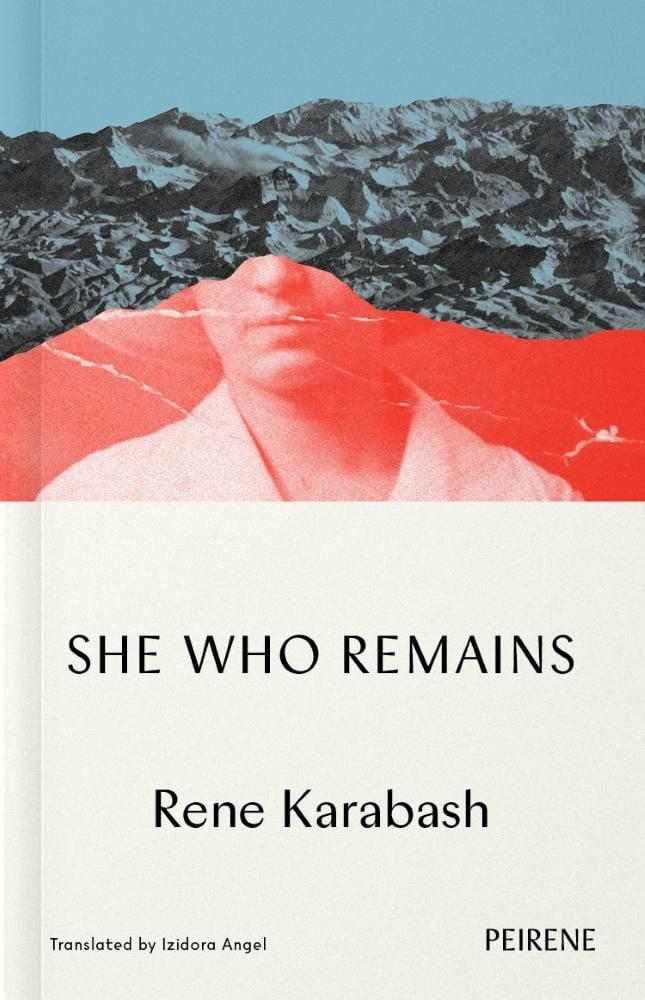
She Who Remains by Rene Karabash, translated from Bulgarian by Izidora Angel
In the Accursed Mountains of Albania is a village ruled by the ancient laws of Kanun. These laws are responsible for Bekija’s proposed arranged marriage – but she escapes her fate by becoming a ‘sworn virgin’, where she renounces her womanhood by taking a vow of chastity to live and be socially recognised as a man. Her decision destroys her family, separates her from her former life, and the one she loves the most: Dhana, her neighbour and first love.
This book is a window into another world, utterly singular in its exploration of identity in an incredibly suffocating environment. I was completely hypnotised by it, in love with the opportunity it offers the reader to learn something new – I couldn’t put it down. She Who Remains flawlessly embodies what all great translated fiction does, which is to submerge readers into a different culture and learn about others, while ultimately reminding us we are not as different as we are led to believe. The poetic beauty of this novel is infectious; I recommend it to anyone who has ever, for a moment, felt like they don’t fit in.
Buy the book
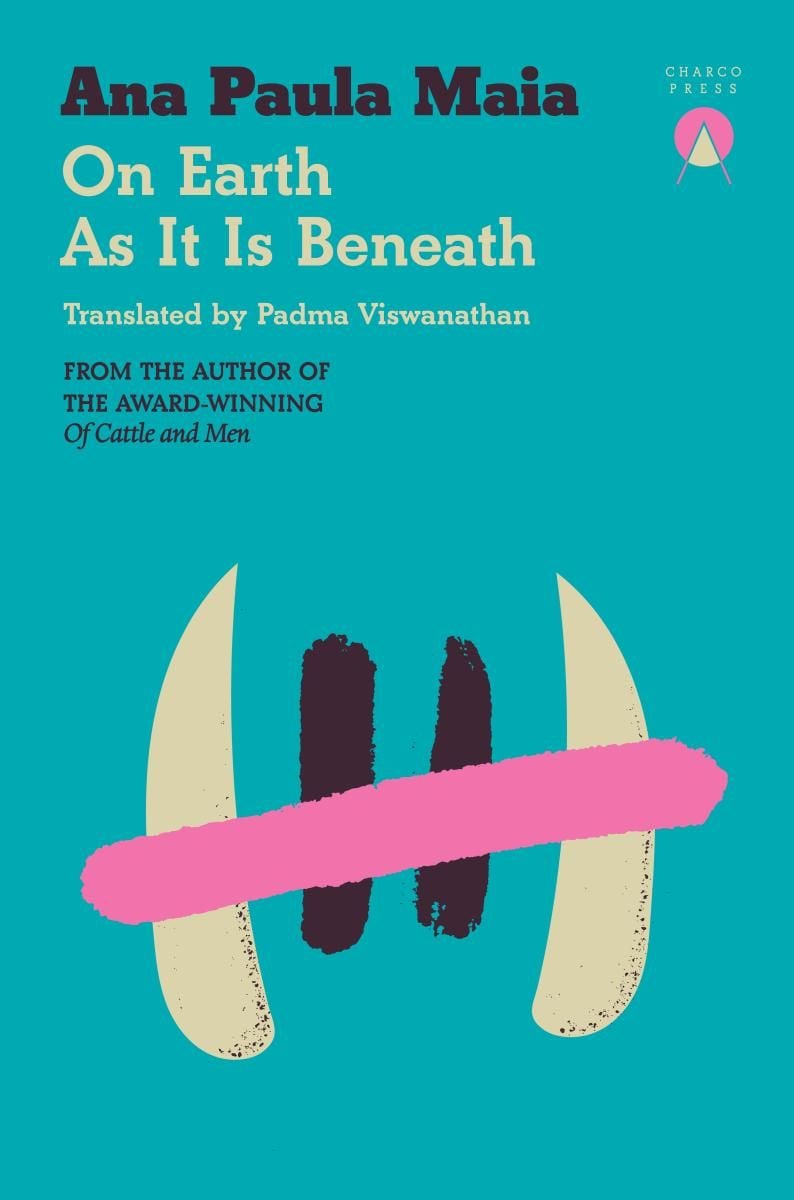
On Earth As It Is Beneath by Ana Paula Maia, translated from Portuguese by Padma Viswanathan
Ana Paula Maia is widely regarded as one of the most distinctive voices in contemporary Brazilian fiction. This novella is the first in her triptych that explores both violence and masculinity. Set in a penal colony in the wilderness, where inmates go to be rehabilitated but never escape, operations are winding down. But after spending decades with these men, the Warden has other ideas. On the night of every full moon, he selects a handful of inmates to set free – if they can outrun his rifle.
This is a short, punchy story that explores the intersection between masculinity, the patriarchy, and the incarceration system. On Earth As It Is Beneath pushes the boundaries in style and substance, exploring the consequences of sociopolitical action and inaction. It arrested me (pun intended) throughout, provocatively challenging the relationship we, as a society, have with violence. Maia interrogates the societal systems we live under, in an exceptionally accessible and gritty way. I truly believe anyone will enjoy her work because it speaks to our collective humanity.
Buy the book
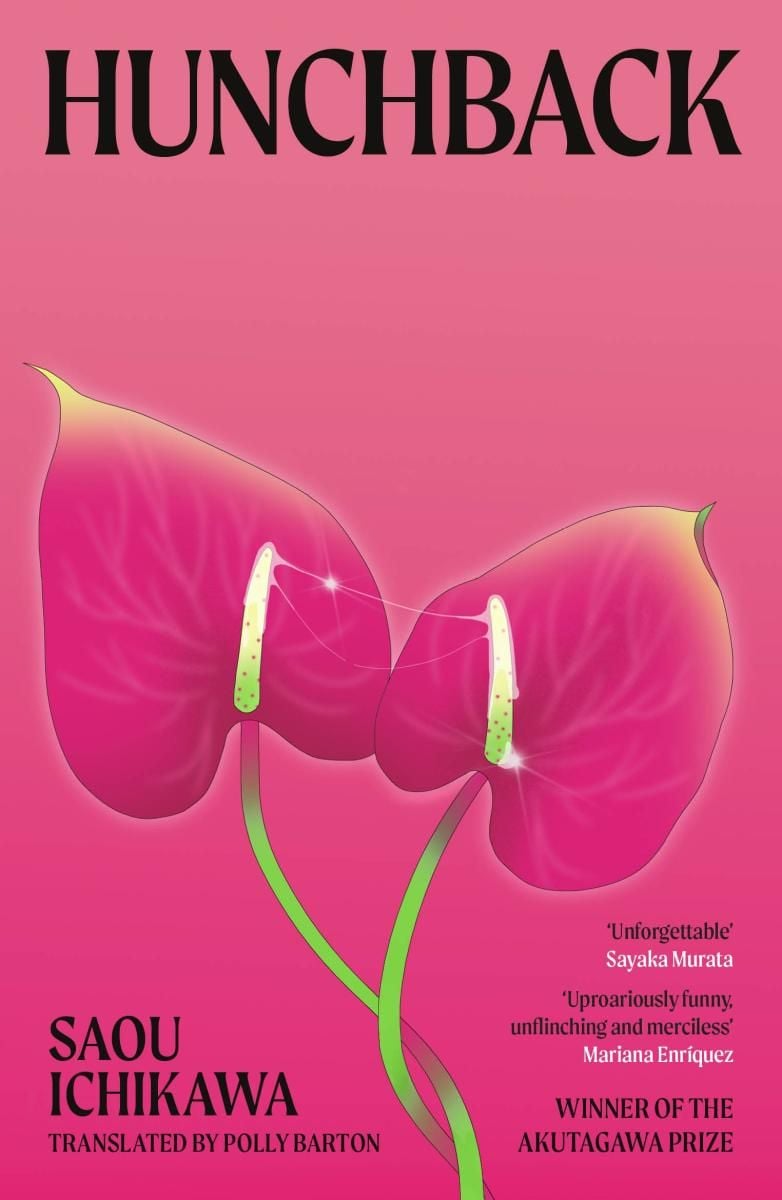
Hunchback by Saou Ichikawa, translated from Japanese by Polly Barton
Shaka is a wealthy erotic fiction writer with a congenital muscle disorder. She lives in a care facility and has always existed outside the realm of conventional visibility. But when her carer reveals he’s read some of her stories, she finds herself in a rare position of power and makes a proposal that could satisfy them both: an opportunity to be intimate with her in exchange for a life-changing sum of money.
I had the pleasure of interviewing Saou Ichikawa last year. She told me she wanted Shaka to be ‘powerful enough to tear literature open’ – and she did. Ichikawa went on to be the first physically disabled author to win the Akutagawa Prize, the most prestigious literary prize in Japan. Hunchback is a taut novella that profoundly explores the multifaceted identity of disability with nuance. Ichikawa defiantly examines the limitations our society puts on disabled people and constantly challenges any prejudice the reader might have. It is an exhilarating read, and I was enamoured with how Ichikawa continuously pushed the envelope. Ichikawa says, ‘there should be all kinds of disabled characters in fiction, just as there is in reality,’ which is why this book is such a crucial part of the women-in-translation canon.
Buy the book
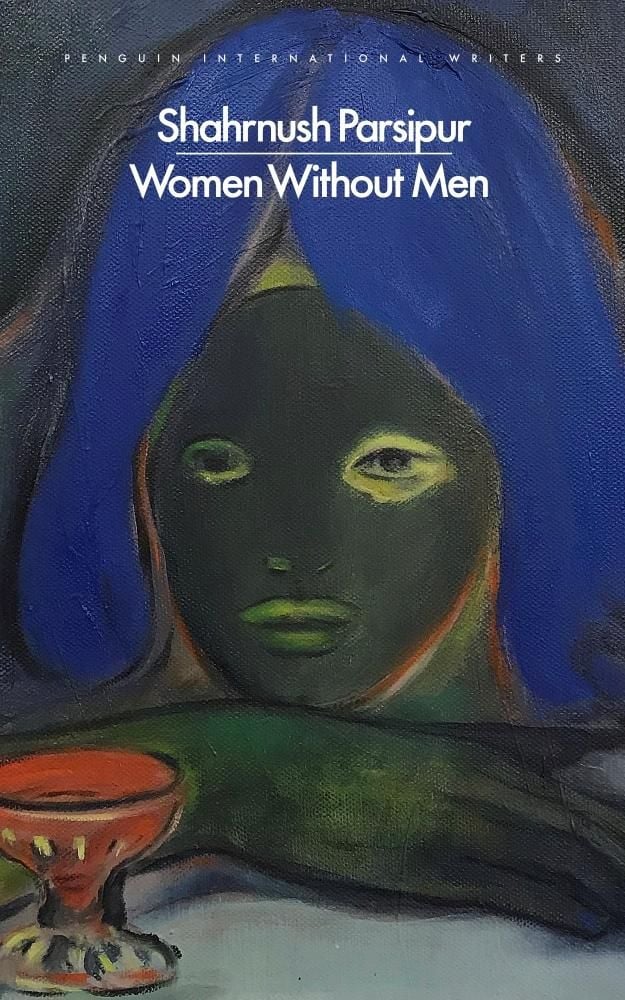
Women Without Men by Shahrnush Parsipur, translated from Persian by Faridoun Farrokh
I unknowingly read this novel on the day that its author, Shahrnush Parsipur, passed away, which made my reading experience even more beautiful and devastating. Parsipur was one of Iran’s most important and influential writers. She was imprisoned four times for political dissent, including for the publication of this very book.
Set in Tehran during the 1953 coup d’état, it traces the interwoven destinies of five women who seek freedom from patriarchal oppression by fleeing to a garden on the outskirts of the city. I loved the rage Parsipur so elegantly encapsulates within a story that is both imaginative and horrifyingly real. Her creative approach to describing tyrannical rule in Iran is exceptionally accessible. It is an immense privilege to be able to read the novel that changed Parsipur’s life. Her bravery and how pertinent this novel remains in describing the lives of women in Iran are why this is an essential read.
Buy the book
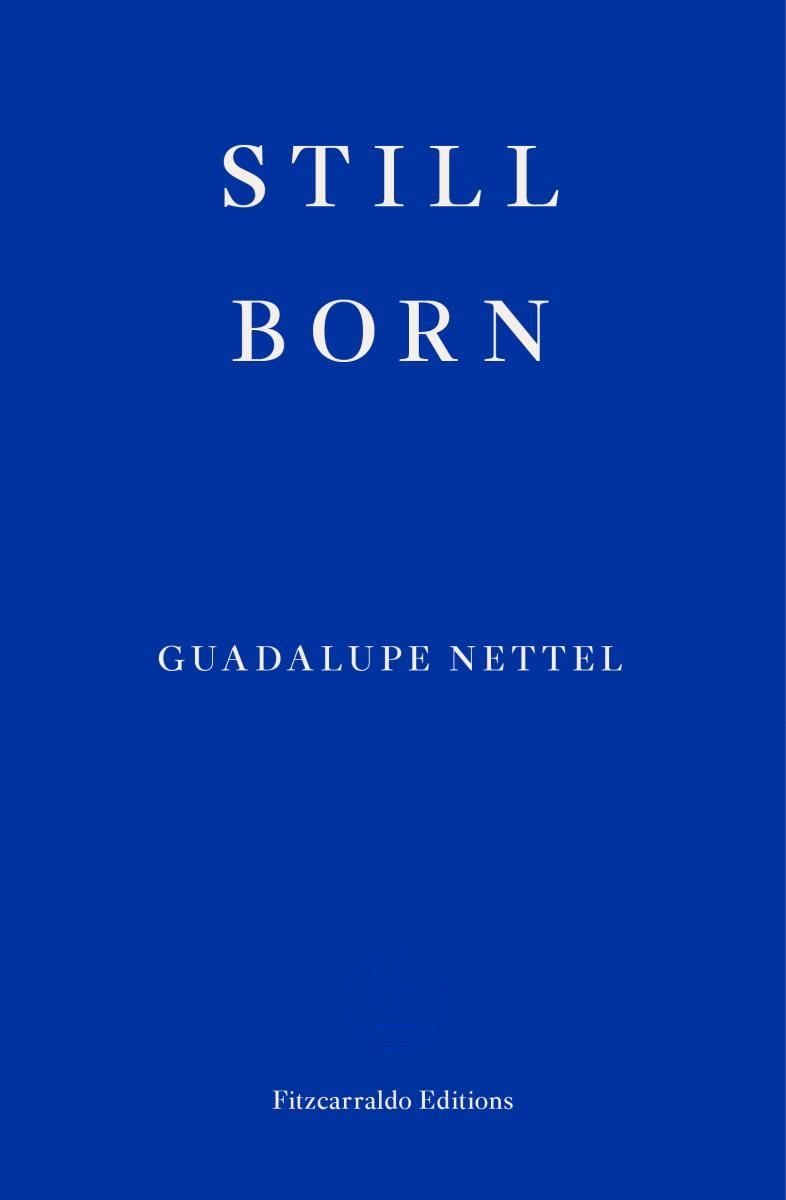
Still Born by Guadalupe Nettel, translated from Spanish by Rosalind Harvey
Alina and Laura are independent, career-driven women and best friends, neither of whom has built their future around the prospect of a family. Until their paths diverge and Laura gets sterilised, while Alina slowly becomes drawn to the idea of becoming a mother. But when complications arise in Alina’s pregnancy, and Laura becomes attached to her neighbour’s son, both women are forced to reckon with what motherhood means to them, and their relationship with each other.
Nettel handles the complex discussion around motherhood with such honesty and love. This is such a seminal book for all women to read, to be reminded that there is purpose to be found in whatever you choose – that there is no ‘right’ way to live. It is a powerful discussion about the complexity of womanhood and female friendship, which was heartwarming to read. Still Born was the book that made me fall in love with translated literature, which is why my copy is incredibly worn from being passed around family and friends.
Buy the book
Boulder by Eva Baltasar, translated from Catalan by Julia Sanches
Boulder is a hardened, independent cook on a merchant ship. After falling in love with Samsa, they move to Reykjavik together, and Samsa announces she wants a family. Boulder does not feel the same way, but she doesn’t know how to express herself and her lack of communication drags her into a life she does not want. When motherhood changes Samsa, Boulder struggles to cope and yearns for the freedom she once had.
I was utterly engrossed with how Baltasar chose to analyse motherhood through what seems like the least maternal protagonist ever, and captivated by her dark and unconventional exploration of pregnancy. It is a weird, thought-provoking book that challenges readers to consider what they want in life. It remains, to this day, unlike anything I have ever read, which is why I regularly recommend it to those who want to read something a bit different.
Buy the book
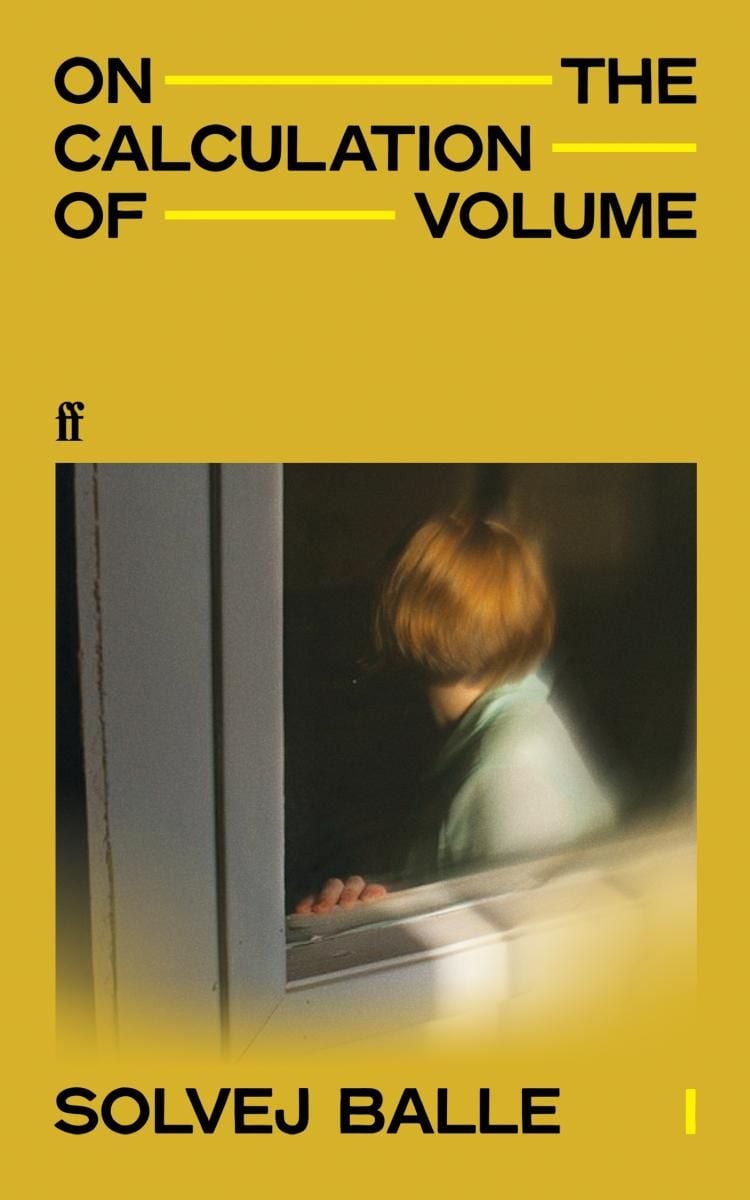
On the Calculation of Volume I by Solvej Balle, translated from Danish by Barbara J Haveland
Tara Selter has been stuck in the 18th of November, on repeat, for almost a year. She comes to know the shape of the day like the back of her hand. But for everyone else around her, this day is lived for the first and only time, and Tara wonders if she’ll ever be able to escape it.
On the Calculation of Volume has gripped readers since it was first published. The brilliance of this series lies in Solvej Balle’s ability to turn the mundanity of a repeated day into a captivating yet mysterious tale. In this seven-part series, Balle has created a story that is radically unique, engaging with philosophically resonant questions in an introspective way. It is an exceptional interrogation of what it means to be part of our society and how we assign meaning to our lives. Equally, it is an endlessly fun, poignant alternative reality to explore, where you cannot help but wonder how you would react if you also found yourself in the same position.
Buy the book
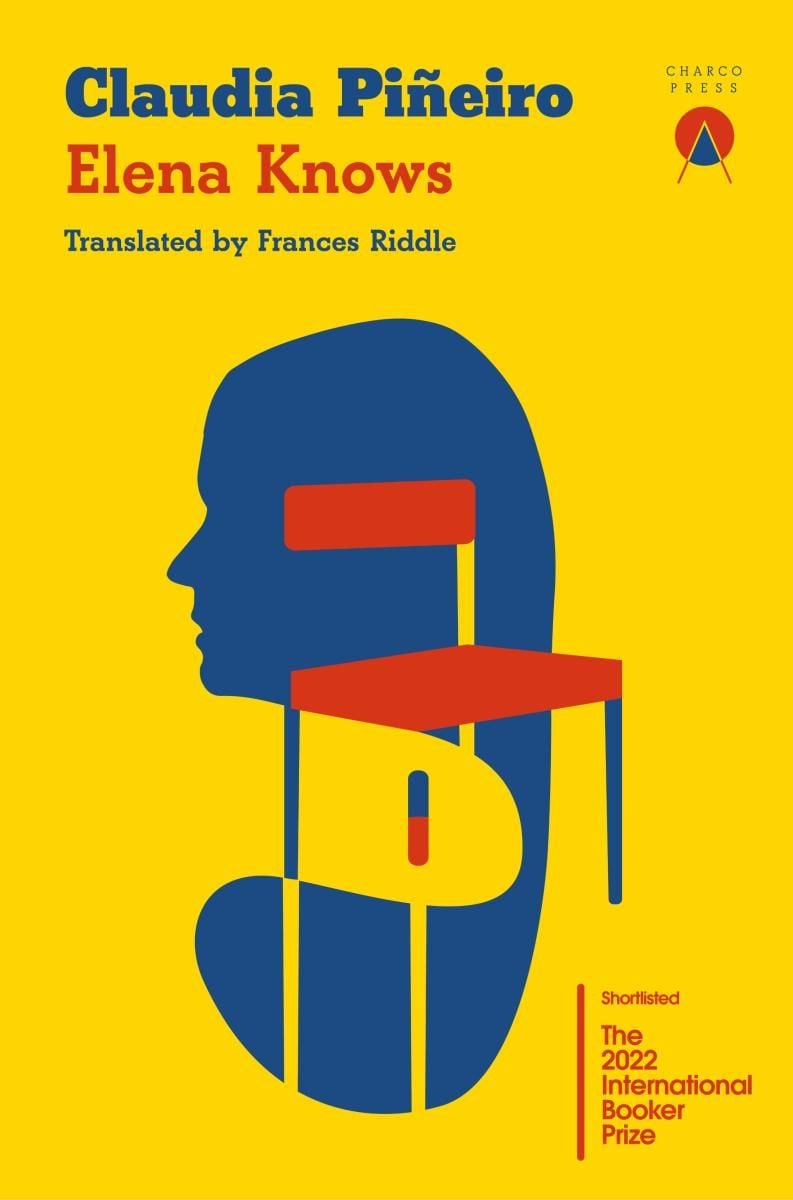
Elena Knows by Claudia Piñeiro, translated from Spanish by Frances Riddle
When Rita’s body is found hanging in the church she devoted herself to, the police investigation is all too quickly closed, and her death is deemed to be a suicide. But her mother, Elena, refuses to accept this judgment and believes her daughter has been murdered. We follow her on a journey across one day as she tries to interrogate what really happened to her daughter. Elena has Parkinson’s disease, and Claudia Piñeiro’s exploration of her physical limitations alongside her restless determination is what makes this novel so spectacular.
Piñeiro, one of my favourite authors, does not shy away from some of the most pressing ethical questions in society, but does so with immense heart. I was captivated by how intricately she structures the narrative around the intimate nuances of Elena’s body – it’s remarkable. I was blown away by the originality of this novel, having never read anything before written in such an immersive style. Piñeiro is the third most translated Argentine author, a cornerstone for women in translation and someone I implore everyone to read. Her work is readable, enjoyable, and tantalisingly paced.
Buy the book
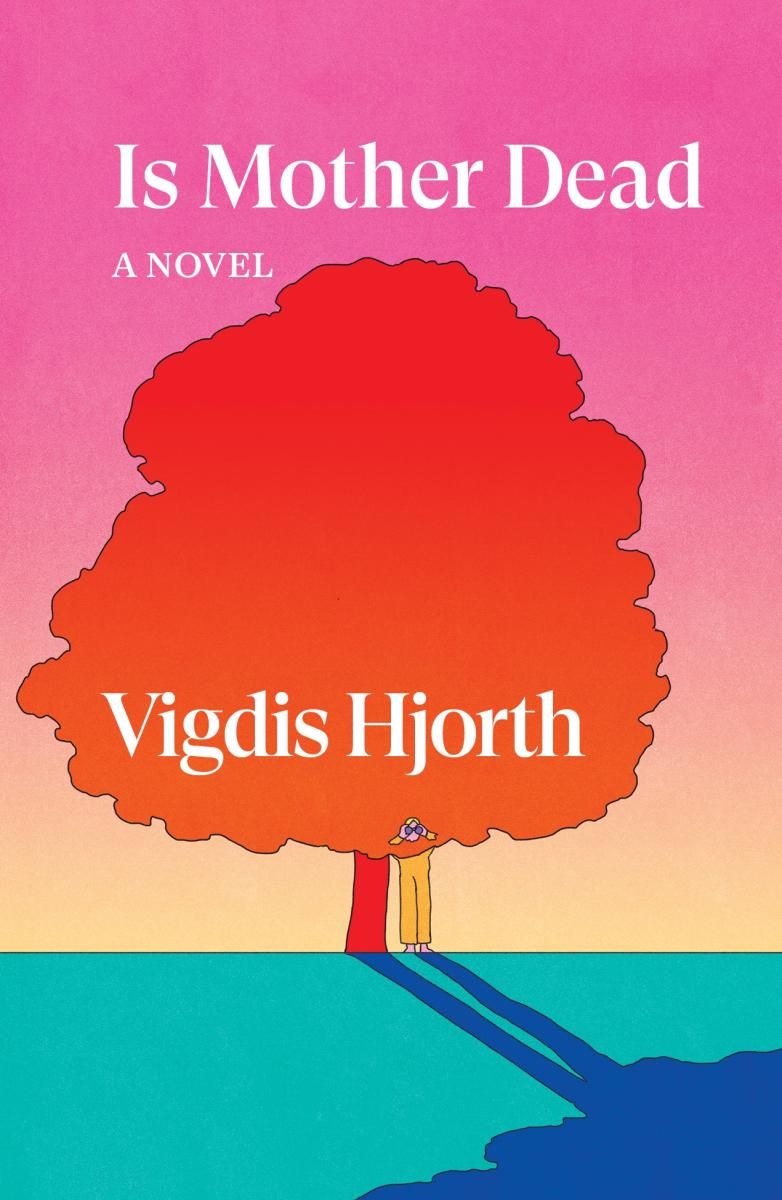
Is Mother Dead by Vigdis Hjorth, translated from Norwegian by Charlotte Barslund
Johanna, a recently widowed artist in her sixties, has returned to Norway for the first time since she left because her work is in an exhibition. The subject is motherhood, and the controversial paintings have deepened a rift between her and her own mother that started decades earlier, when Johanna decided she wanted a different life.
This is a claustrophobic but deeply honest tale about family and the mythologies within them that we are often expected to live up to. Author Vigdis Hjorth has a singular ability to place the reader inside the interior monologue of her obsessive protagonist. The brevity of the vignettes in this novel, coupled with the escalating madness between this mother-daughter relationship had me hooked. It also happens to include one of my favourite quotes from Marguerite Duras that Johanna refers to: ‘your mother is and always will be the strangest person you will ever meet,’ which I think perfectly encapsulates the tone of this novel. Vigdis’ novels are some of the least intimidating, but beautifully complex, works of translation out there.
Buy the book
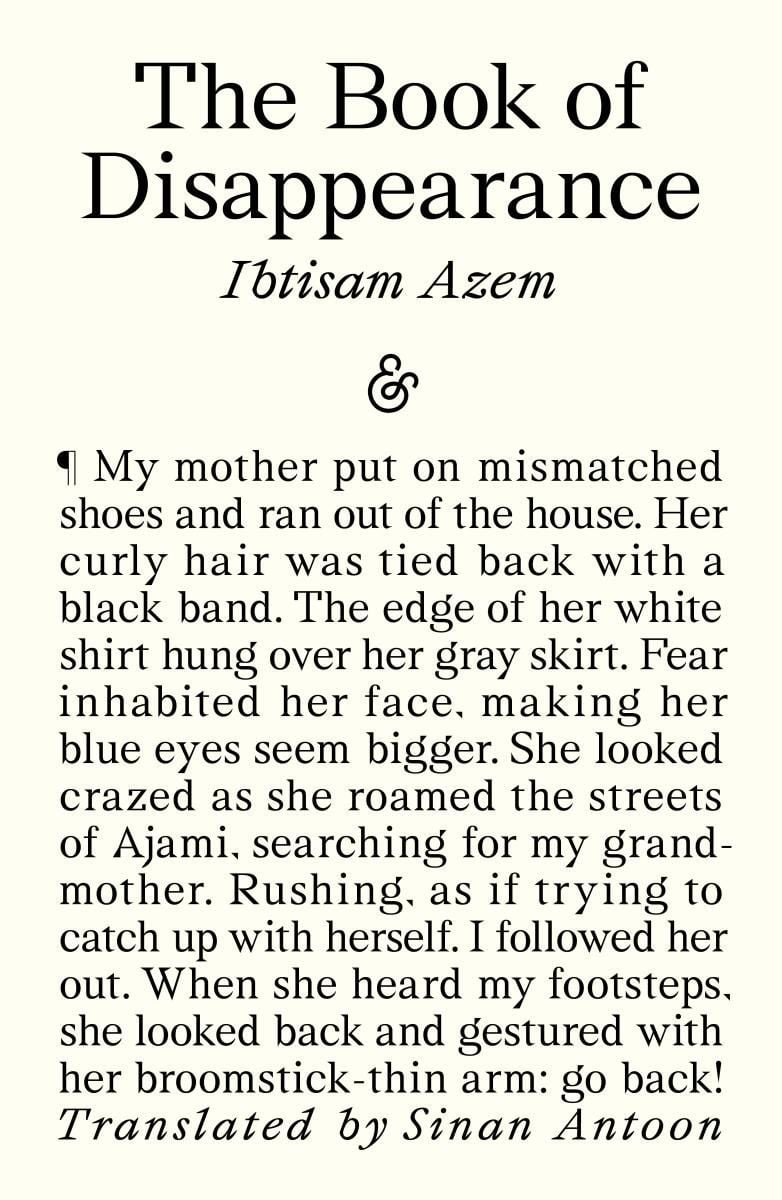
The Book of Disappearance by Ibtisam Azem, translated from Arabic by Sinan Antoon
Alaa, a young Palestinian, is haunted by his grandmother’s memories of being displaced from Jaffa and becoming a refugee in her homeland. Ariel, Alaa’s friend and neighbour, a ‘liberal’ Zionist, wakes up one day to find all the Palestinians have suddenly vanished. Horrified by their secret disappearance, he deems it a serious security threat and frantically tries to understand where they have gone.
This is a crucial novel because of the weight of history that it carries, and the insight into the Palestinian identity it gives. It offers an opportunity to understand the emotional and human perspective of what is often called the ‘Palestinian question’. Ibtisam Azem’s creative approach to exploring a subject so harrowing really brings the book to life. The sociopolitical relevance of this novel will never fade, and while this is motivation to read it, its beautiful exploration of memory and history is equally important.



Features

- Book recommendations
11 of the best crime novels from the Booker Library

- Book recommendations
Eight novels to read in autumn, nominated for the Booker Prizes

- Book recommendations
10 Booker Prize-nominated books with unique settings


- Book recommendations
10 Booker Prize-nominated books that explore sapphic love

- Book recommendations


