




Long, sun-soaked days call for stories that lift the spirits. These life-affirming novels celebrate kindness, hope and the power of human connection
Eight novels to read in autumn, nominated for the Booker Prizes
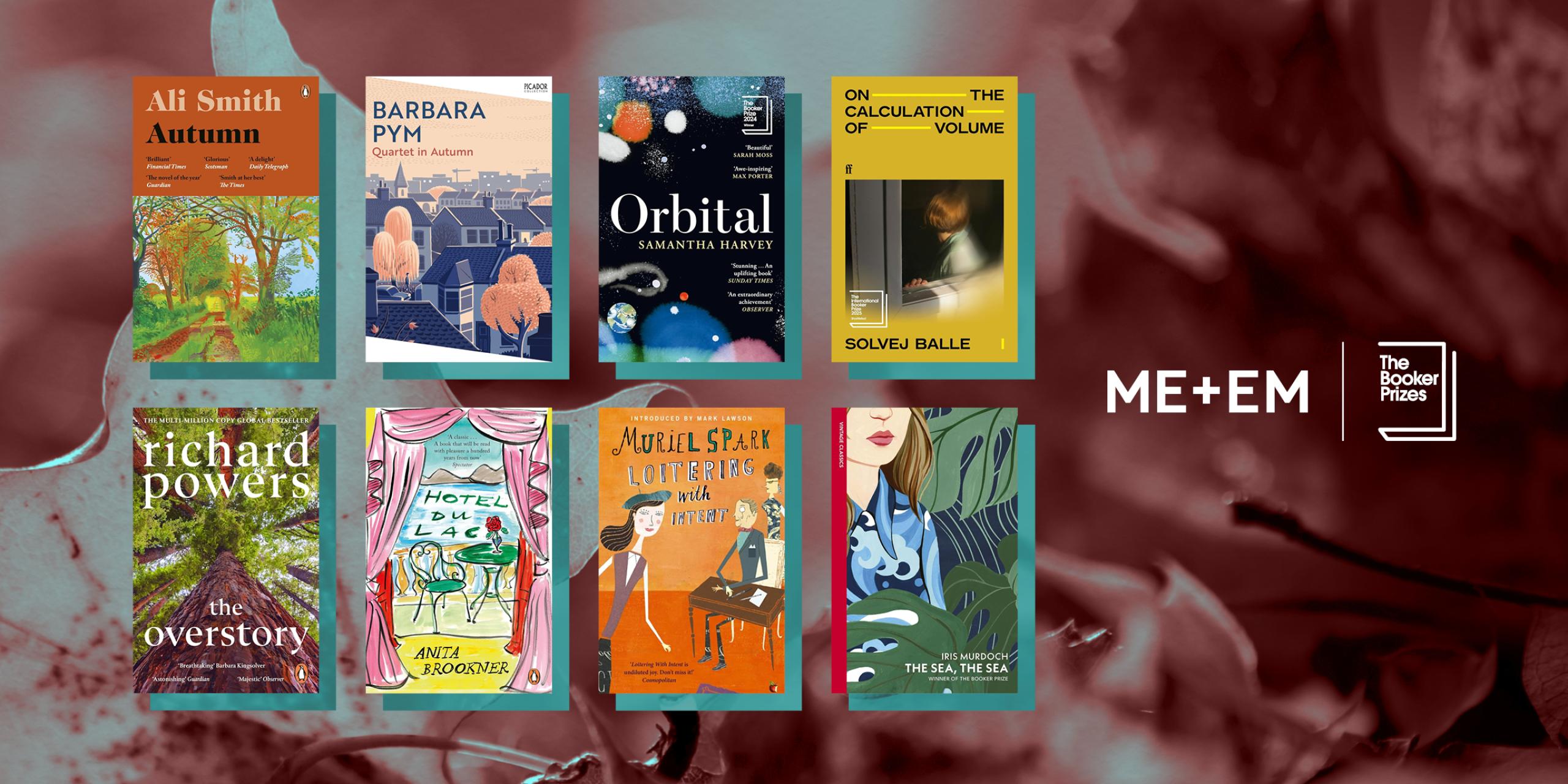
Eight novels to read in autumn, nominated for the Booker Prizes
- Written by
- Donna Mackay-Smith and Grace Sansom
- Published
Brought to you in partnership with ME+EM: from modern classics to hidden gems, these seasonal reads capture moments of change, both big and small
Autumn is a season that signals its arrival slowly. We button our coats a little higher and pull our scarves tighter as a chill creeps into the air. And, just like the evolving natural world around us, this shift can inspire us to think about new beginnings too.
Writers have always found ways of capturing the character of the season, using autumn as an anchor for stories of renewal and transformation. Perhaps F. Scott Fitzgerald put it best in The Great Gatsby, when he said, ‘life starts all over again when it gets crisp in the fall.’
And – not that we need an excuse – a good book is also the perfect companion to those longer nights and colder days. With that in mind, we’ve selected eight autumnal reads that feel at home in the season, and feature characters reflecting on where they are and where they might be going next.
Buy the book
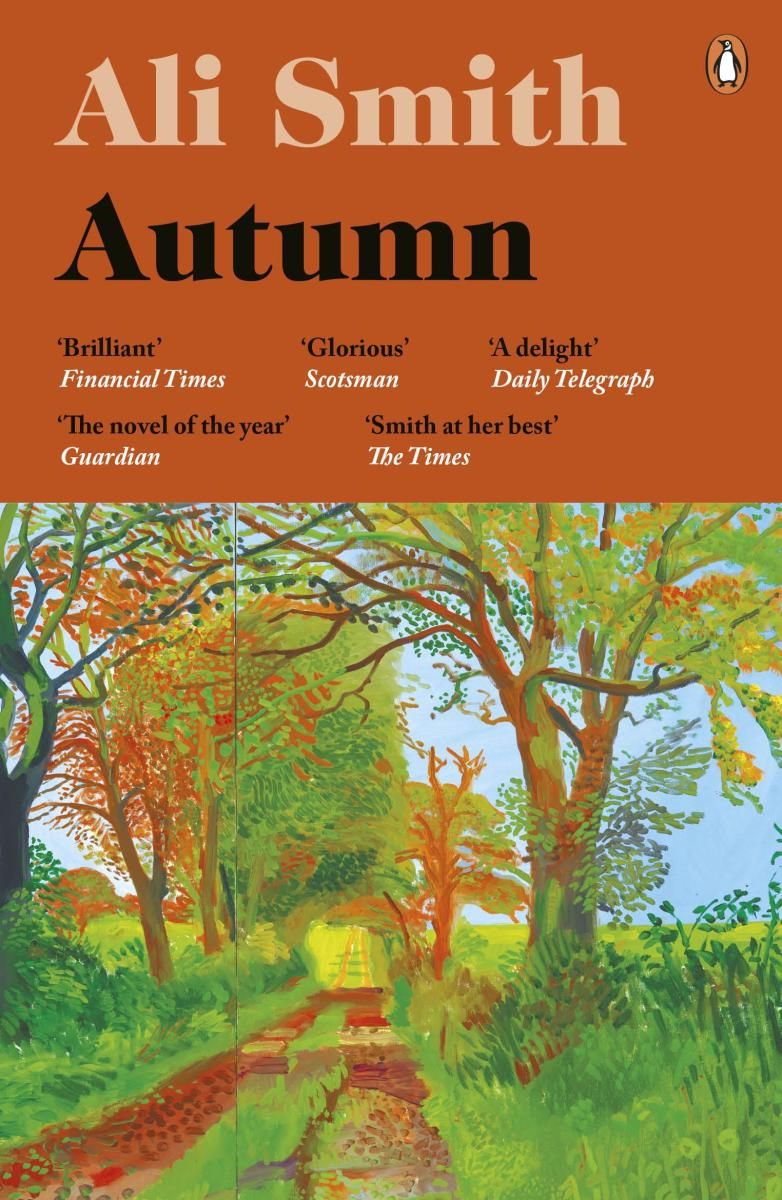
Autumn by Ali Smith
Autumn is the first volume in Ali Smith’s Seasonal Quartet, an acclaimed series of four interconnected novels, all of which explore time, memory, love, politics, ageing and art.
The novel, which was shortlisted for the Booker Prize in 2017, opens with John Keats’s 1819 poem ‘To Autumn’, which was a ‘season of mists and mellow fruitfulness’. Keats’s sentiment becomes a stepping stone for Smith’s own contemporary reflection on this time of metamorphosis. Set in the UK in the aftermath of the 2016 referendum, as the country reels from this historic political moment, Autumn was hailed as the first Brexit novel.
Smith’s writing is laced with wordplay; it is rhythmic, sometimes fragmented and always gorgeously textured. She uses allusions and shifting points of view to bring this season to life. ‘I love the way that the seasons move forwards through the years,’ she said in an interview with Waterstones. ‘But also move in circles, in cycles, in a layered cycle of newness and repetition’.
Buy the book
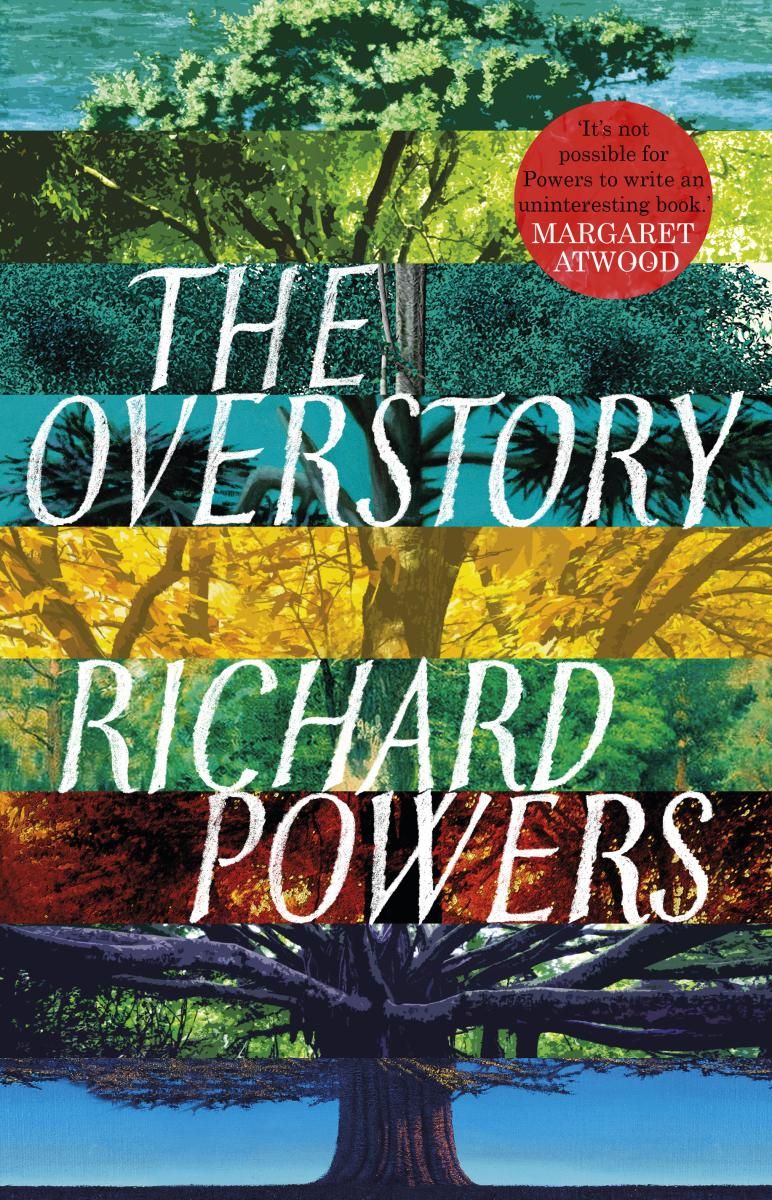
The Overstory by Richard Powers
For many of us, autumn’s most beloved feature is the changing landscape: trees entering a period of hibernation, their amber leaves falling, crisp beneath our feet. The Overstory is an ode to such moments, and most powerfully, a radical call to arms to protect the natural world.
Shortlisted for the Booker Prize in 2018, the novel unfolds in a non-linear narrative, described as ‘concentric rings of interlocking fable’. At its centre are nine strangers, drawn together to save the world’s forests from catastrophe. Richard Powers was inspired by a hike in the Santa Cruz Mountains in California, where he came across a Redwood ‘as wide as a house’ and ‘as old as King Arthur’. When he learned these trees were still being felled, he channelled his shock into this work about humanity’s ever-evolving relationship with nature.
‘Poplars repeat the wind’s gossip,’ Powers writes. ‘Persimmons and walnuts set out their bribes and rowans their blood-red clusters. Ancient oaks wave prophecies of future weather.’ Packed with wisdom and wonder, it’s lines like these that make The Overstory such a fitting read for the season.
Buy the book
Loitering with Intent by Muriel Spark
Muriel Spark was a prolific writer and is considered a literary titan of the 20th century. She was nominated for the Booker Prize three times over the course of her career, and her final nomination for the prize was Loitering with Intent – a metafictional masterpiece, considered one of her best.
One September, still sunny and bright and for autumn, Fleur Talbot begins a new job, working at the Autobiographical Association, an organisation that produces memoirs for wealthy eccentrics. Her snobbish boss offers a source of inspiration for the villain in Fleur’s own novel, and as she works on her manuscript, she notices that life is beginning to imitate art – with alarming consequences.
Spark’s story draws heavily on her own experiences as a young woman in postwar London, struggling to make ends meet. Loitering with Intent was shortlisted for the Booker in 1981 and has been described in the Guardian as a novel laced with images of ‘growth, transformation, transfiguration’. It’s a read that couldn’t be more fitting for this season of reinvention and change.
Buy the book
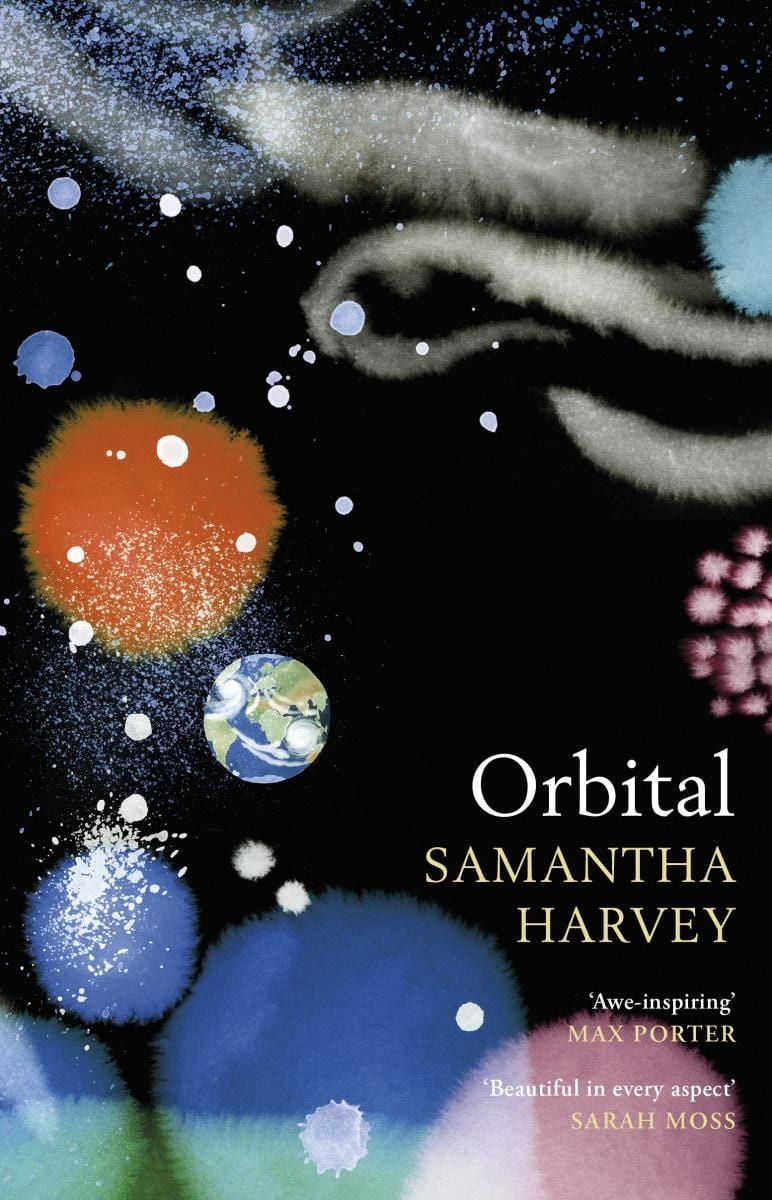
Orbital by Samantha Harvey
Across a single day in October, six astronauts circle Earth 16 times, watching 16 sunrises and 16 sunsets. Together, aboard the International Space Station, they observe their silent blue planet spinning beneath them, passing continents, and cycling through seasons. Though they are far from home, they cannot escape its pull.
Samantha Harvey, who has said she set out to write a ‘space pastoral,’ uses lyrical, looping prose which mirrors the astronauts’ journey, capturing the wonder of seeing our planet from a vantage point few of us will ever experience.
Orbital won the Booker Prize in 2024. The Booker Prize judges that year said the novel was ‘infused with such awe and reverence that it reads like an act of worship.’ This is a meditative, autumnal read, which invites readers to pause as the year begins to draw to a close.
Buy the book
Hotel du Lac by Anita Brookner
In Anita Brookner’s most famous work, Edith Hope, a romance writer, is sent on enforced exile by her friends to a Swiss lakeside hotel after leaving her fiancé at the altar. Arriving out of season in late September, Edith expects rest and reflection, while her friends expect her to come to her senses. But instead, she finds herself sequestered with an assortment of love’s casualties and exiles, most at curious interludes in their lives, and is drawn into a whole new kind of drama.
Hotel du Lac is awash with seasonal imagery, and Brookner’s scene-setting is unparalleled: ‘An autumn sun, soft as honey, gilded the lake; tiny waves whispered onto the shore,’ she writes. Here at Lake Geneva, Brookner’s heroine is reassembling, refusing to be swept along by anyone else’s expectations. It’s this restraint that won over the 1984 judging panel, who described it as a novel that was ‘minutely observed and always at a very low key’.
Buy the book
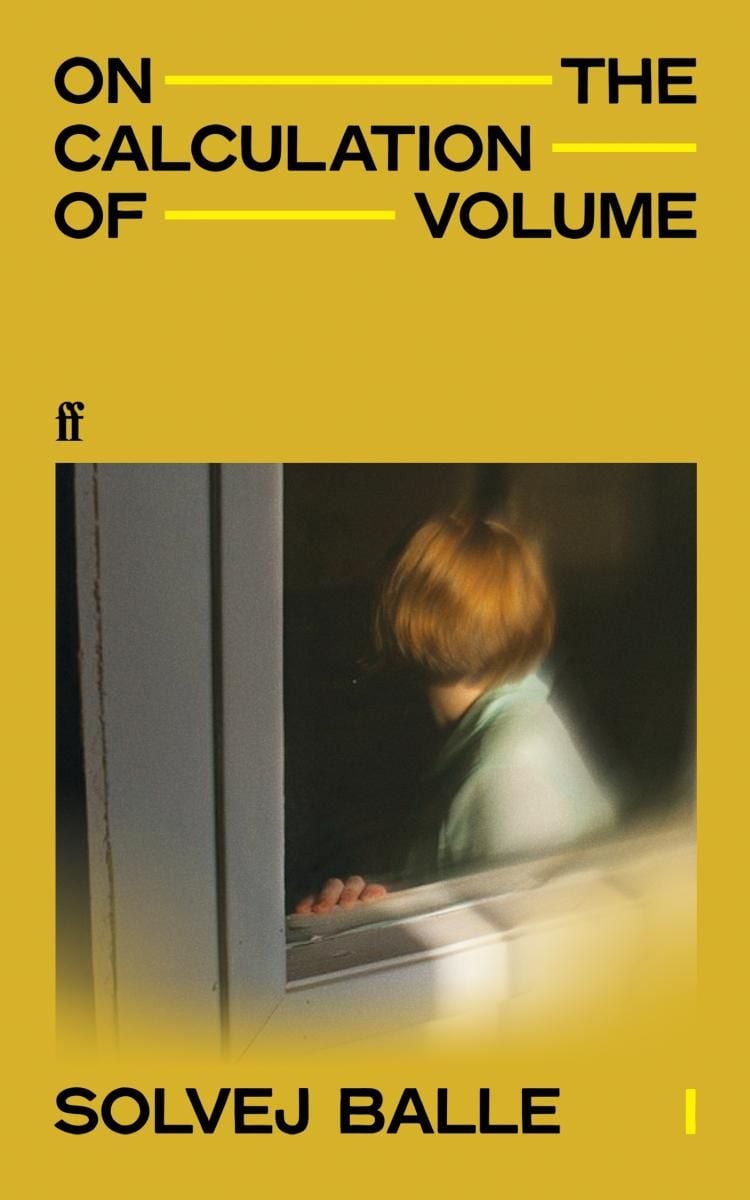
On the Calculation of Volume I by Solvej Balle, translated by Barbara J. Haveland
In the first volume of Solvej Balle’s epic seven-part series, Tara Selter has slipped out of time. Every morning, she wakes up in the middle of autumn, on the very same day: the 18th of November. She is trapped in a loop she cannot escape, her very own Groundhog Day. It is ‘one of the first cold days’ of the season, filled with ‘the faint sound of the wind in the trees, a soft sighing in the morning air.’
Translated from Danish by Barbara J. Haveland, On the Calculation of Volume I is a time-loop novel like no other. It was shortlisted for the International Booker Prize in 2025 and has been praised for its beautiful meditation on the passing of time. ‘Who hasn’t walked through a day oblivious to the fact that it’s the beginning or the end of a certain type of day?’ asked Hilary Leichter, reviewing the novel in The New York Times, who observed that ‘On the Calculation of Volume doesn’t present the time loop solely as a problem to be solved’, rather as a ‘condition of being alive.’
Buy the book
Quartet in Autumn by Barbara Pym
In this Booker Prize 1977 shortlisted novel, Edwin, Norman, Letty and Marcia work in the same office. Now in their sixties, they are on the verge of retirement. Barbara Pym was renowned for her sharp eye for the nuances of human behaviour, and here, she offers a snapshot of four very different lives. She explores the facades they have constructed to protect themselves from the outside world, and finds comfort in the connections between them. Her cast of four might otherwise have been strangers, but are brought together by both proximity and loneliness.
Poet and author Philip Larkin described Pym as having a ‘unique eye and ear for the small poignancies of everyday life,’ and those sensitivities are on full display in Quartet in Autumn. There’s a tenderness, too, in the way Pym guides readers through the autumn of their lives. With its themes of ageing and adjustment, Quartet in Autumn makes a fitting read for a season of change.
Buy the book
The Sea, the Sea by Iris Murdoch
For something a little philosophical when there’s a chill in the air, we turn to Iris Murdoch’s 19th novel The Sea, the sea. It was the fourth of her books to be shortlisted for the Booker Prize and the first to win, in 1978.
The novel’s narrator, Charles Arrowby, a theatre director, retires to a crumbling coastal house perched on the edge of the North Sea. After decades in the spotlight, he is now preparing for a slower pace of life and to write his memoir. But starting over is far more complicated than Arrowby anticipates, as he becomes consumed by the return of his childhood sweetheart. And as the story carries into autumn and winter, Charles is forced to reckon with the uncomfortable truths about his own life.
Murdoch’s work was always concerned with morality, and this is no exception. It is a dramatic portrait of one man’s ego; an exploration of both vanity and self-delusion. And against all of this is the sea, providing an unwavering backdrop and source of tension, mirroring the shifting currents of Charles’s own moods and mind.



Features

- Book recommendations
Fashion in fiction: how clothes shape the story in Booker Prize novels

- Book recommendations
Where to start with Anita Brookner: a guide to her best books

- Book recommendations
Seven Booker Prize-nominated novels that explore AI


- Book recommendations
10 Booker Prize-nominated books with unique settings


- Book recommendations
Taiwan Travelogue and 10 more Booker-nominated novels that are perfect for foodies

- Reading guides
Reading guide: Quartet in Autumn by Barbara Pym


- Competition