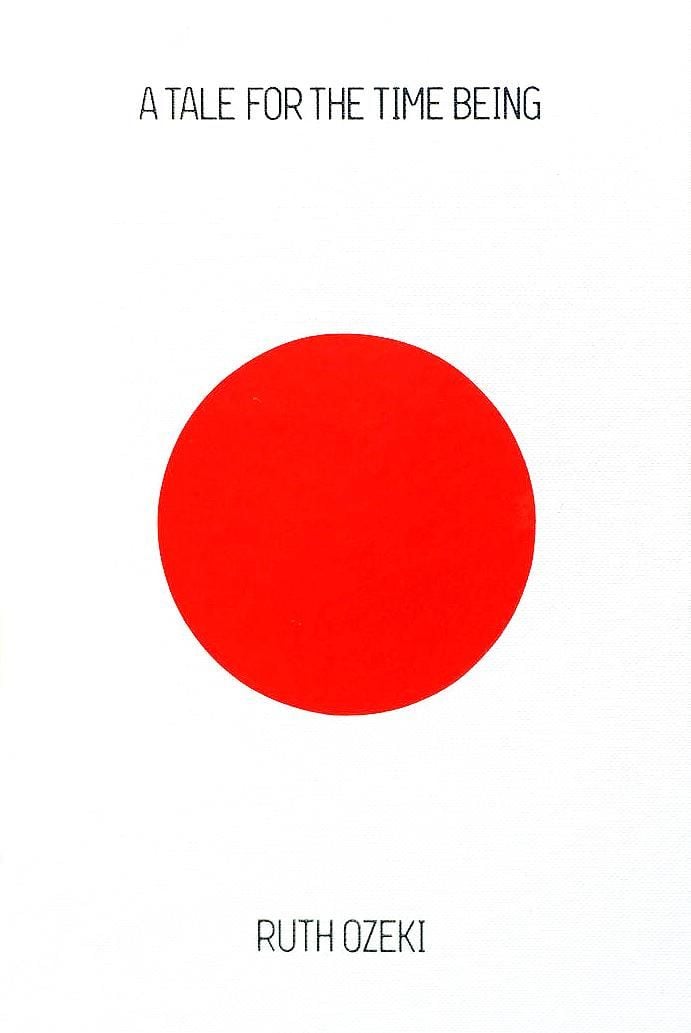
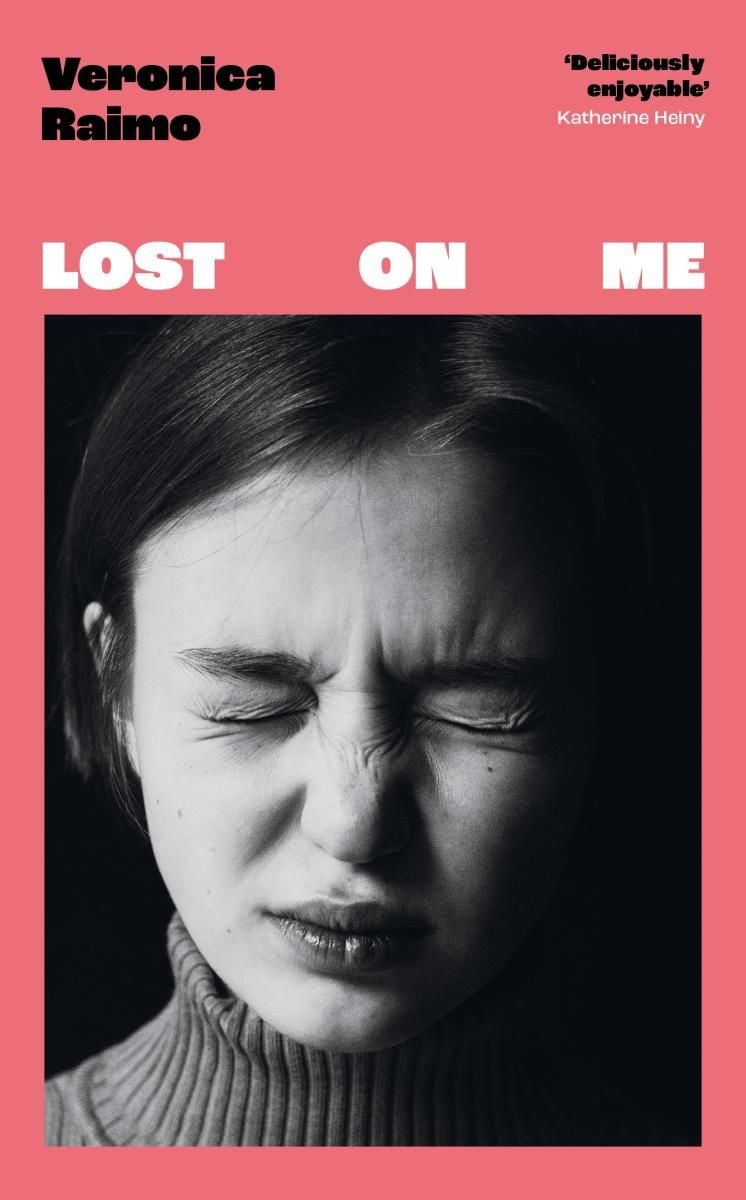

We’re a charity partner of ethical online bookshop BookKind. You can now buy all six books in our ‘uplifting reads’ bundle at 20% off the recommended retail price for £50. The bundle includes Lincoln in the Bardo, A Whole Life, The Unlikely Pilgrimage of Harold Fry, How to Build a Boat, A Tale for the Time Being, and Lost on Me in their UK paperback editions. Plus, 10% of the value of your purchase will be donated to the Booker Prize Foundation, helping fund our work to support readers and writers of the future.
Six uplifting novels nominated for the Booker Prizes

Six uplifting novels nominated for the Booker Prizes
- Written by
- Donna Mackay-Smith
- Published
Long, sun-soaked days call for stories that lift the spirits. These life-affirming novels celebrate kindness, hope and the power of human connection
Imagine if a book had the power to change the world. Imagine if the messages between its covers could make us kinder, more compassionate, and willing to see the world through someone else’s eyes.
It might sound idealistic, but in recent years, readers have gravitated towards stories that do just that. Growing sales for uplifting fiction – or ‘up-lit’ – signal a desire for novels that offer hope without ignoring life’s complexities. These books are defined by kindness, but they don’t promise easy answers. Their protagonists are rarely heroes in the conventional sense. Instead, they are ordinary people – neighbours, families, colleagues and strangers – whose lives intersect through chance, and often in unexpected ways.
Perhaps that’s why they resonate so deeply. And while books alone cannot solve the world’s problems, they can expand our capacity for empathy. In an age marked by division, these six novels, all nominated for the Booker Prize or International Booker Prize, remind us that fiction’s power lies in its capacity for care.
Buy the book
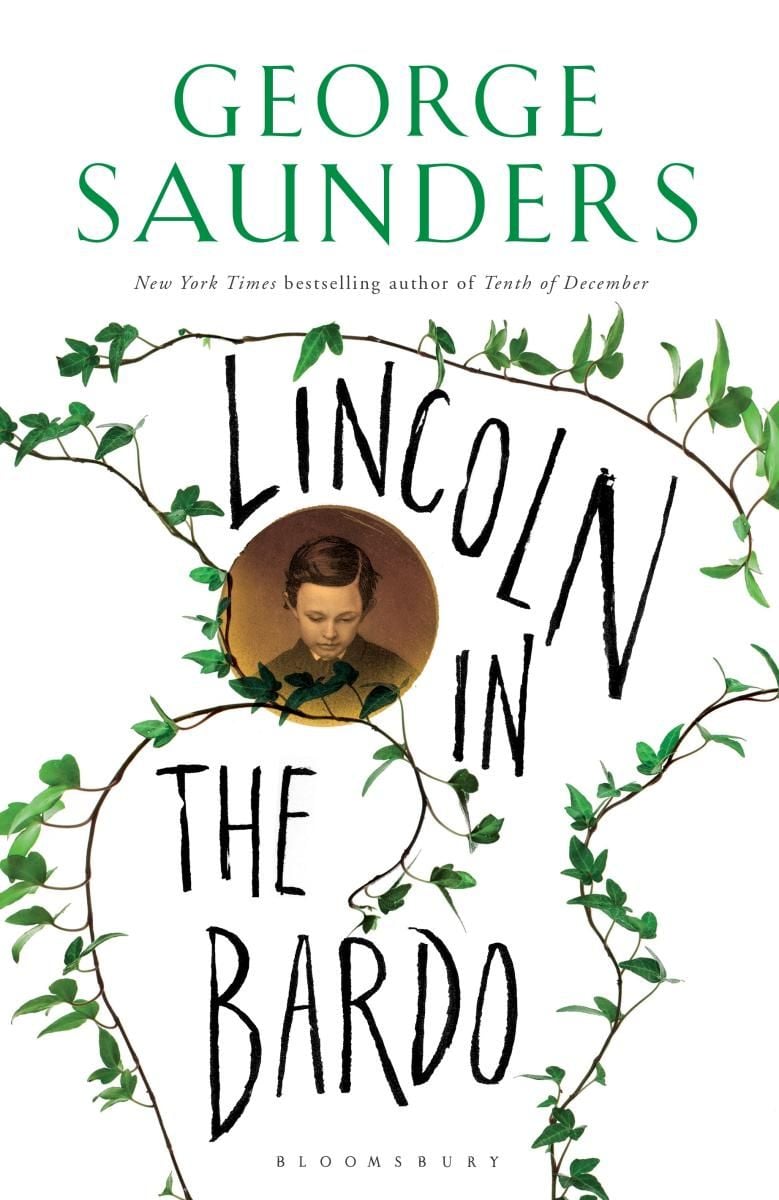
Lincoln in the Bardo by George Saunders
Set in a cemetery in the aftermath of a child’s death, Lincoln in the Bardo brings a multiplicity of otherworldly voices together in George Saunders’ deeply moving exploration of life, death and everything in between. It is 1862, and 11-year-old Willie Lincoln has been laid to rest in a crypt in Washington DC. Later that night, his father, Abraham Lincoln, returns to cradle his body, consumed by a grief only a parent who has lost a child can know. Willie’s spirit lingers in a strange purgatory, unwilling to move on while his father remains unable to let him go.
Saunders’ debut novel, which features the 16th president of the United States, blends historical fact with the supernatural in a work that is offbeat and experimental. There aren’t many authors who could write a story voiced by 166 ghostly inhabitants of a cemetery and create something so profoundly humane. The chorus that propels the story – with all their chattering, bickering and protesting – draws us towards a hopeful conclusion: that love can outlast even death. The Los Angeles Times said it was ‘a book of singular grace and beauty, an inquiry into all the most important things’. It’s no wonder it won the Booker Prize in 2017.
Buy the book
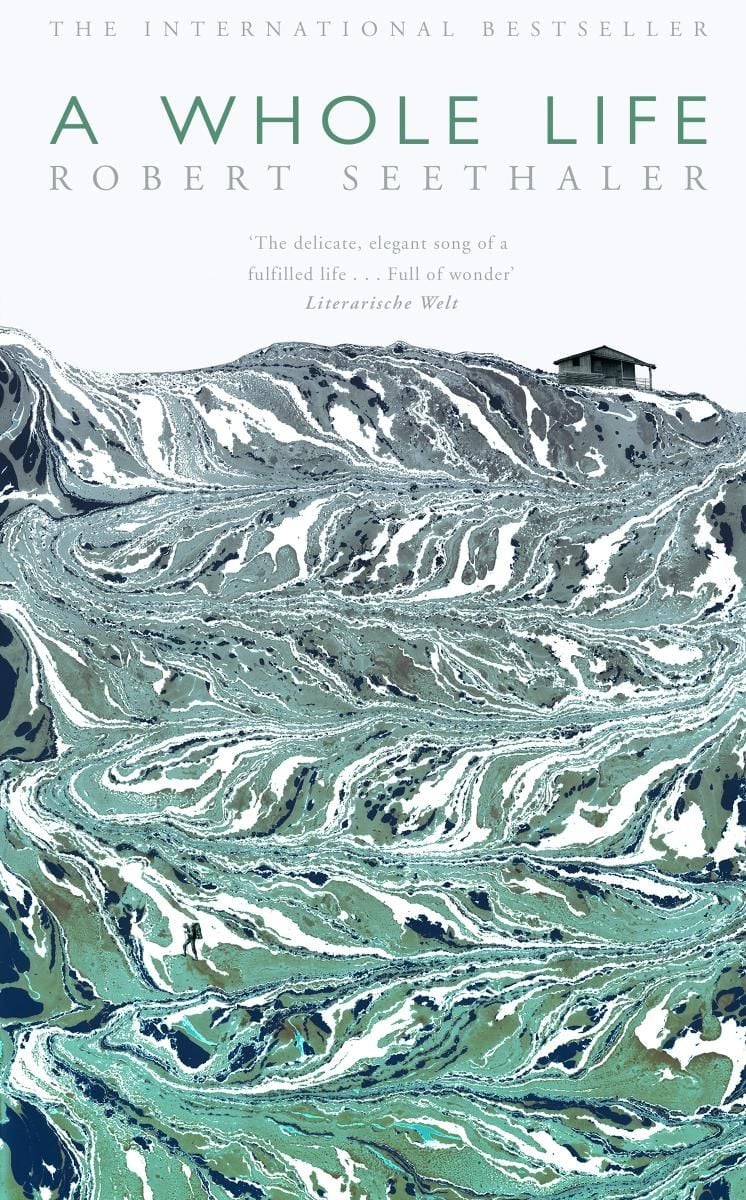
A Whole Life by Robert Seethaler, translated by Charlotte Collins
At a mere 161 pages, A Whole Life – shortlisted for the International Booker Prize in 2016 – is a diminutive novel with an unexpectedly large impact. It traces the life of Andreas Egger, a manual worker living in a remote Alpine valley over much of the 20th century. He is a simple man who asks little of the world. Yet from his boyhood as an orphaned farm hand, abused by those who should have cared for him, to his later years, Egger endures an existence marked by both hardship and solitude.
Robert Seethaler’s writing is restrained and resists sentimentality; his pared-back prose gives the plot breathing space to do all the emotional legwork. And within are moments of astonishing beauty. Egger’s proposal to his only love, Marie, has a tenderness that feels almost wordless; when he loses her, the grief is rendered with devastating restraint. Yet he is not defined by these tragedies. Instead, the novel finds meaning in the patterns that shape a life: the changing seasons, the rhythm of work, fleeting instances of love.
When the book reaches its conclusion, Egger is elderly and without regret. ‘He had never felt compelled to believe in God, and he wasn’t afraid of death… But he could look back without regret on the time in between, his life, with a full-throated laugh and utter amazement.’
Buy the book
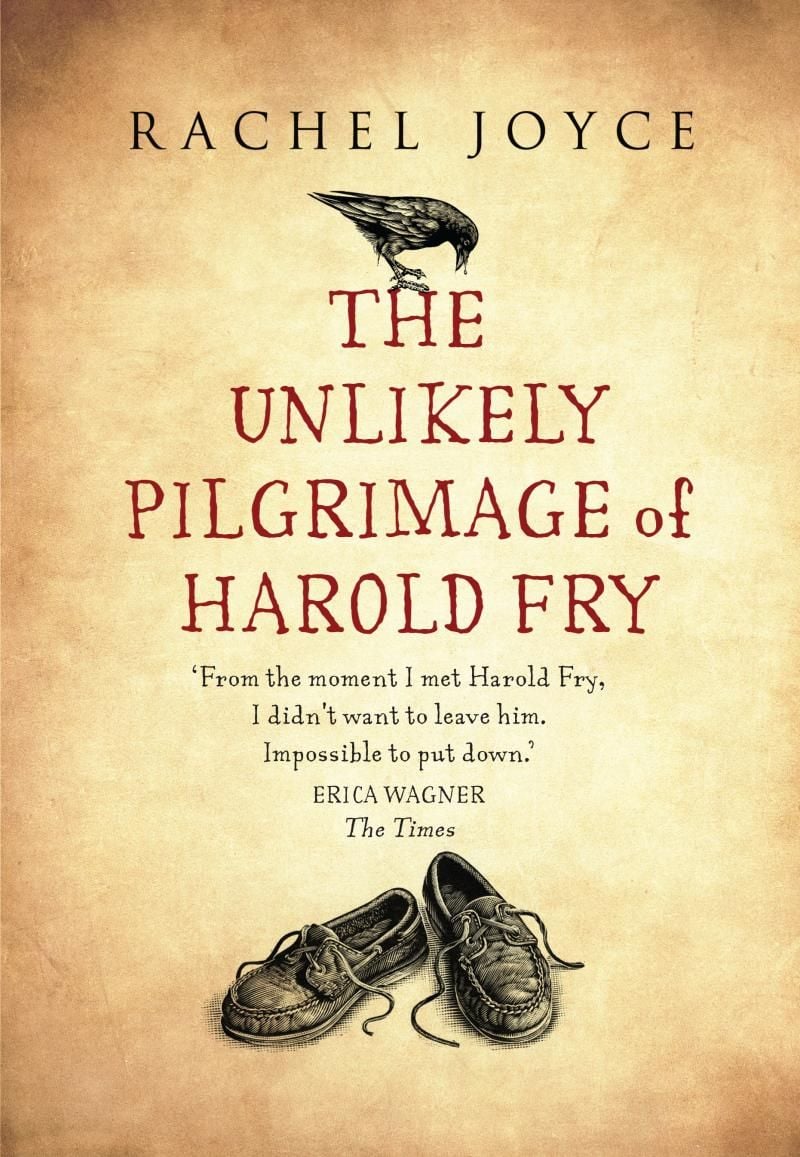
The Unlikely Pilgrimage of Harold Fry by Rachel Joyce
The Unlikely Pilgrimage of Harold Fry is a celebration of the extraordinary possibilities hidden within ordinary lives. When recently retired Harold Fry sets out one morning to post a letter to an old friend, leaving his wife unwittingly at home vacuuming upstairs, he has no idea he is about to walk from one end of the country to the other. What begins as a simple errand becomes a life-altering journey.
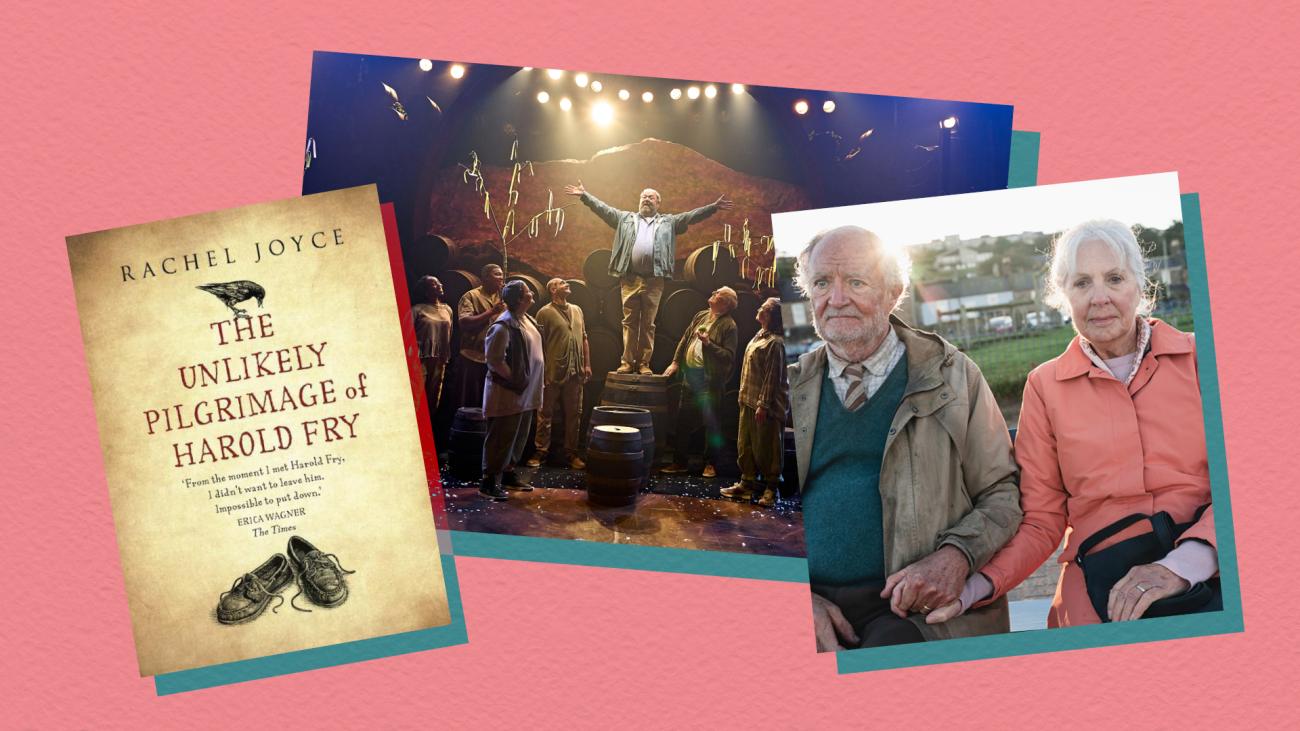
Across 600 miles, Harold meets a host of memorable characters who each leave their mark on him in small but significant ways. Throughout, Rachel Joyce’s writing is tender, yet balanced with humour and the perfect amount of feel-good factor. And through Harold’s pilgrimage, she shows how the smallest acts of kindness can alter the course of a life. Longlisted for the Booker Prize in 2012, the novel has sold millions of copies and been adapted for both stage and screen. Oprah Magazine called it a ‘gorgeously hopeful book’.
Buy the book
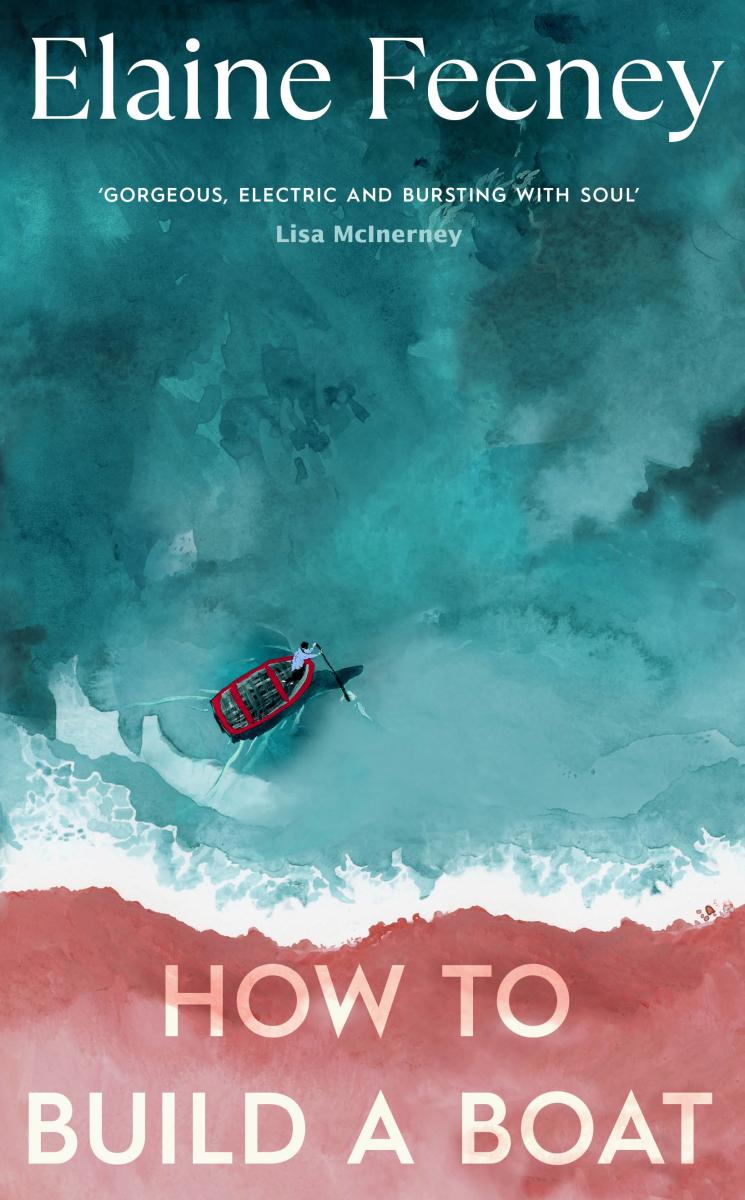
How to Build a Boat by Elaine Feeney
The writing impetus behind Elaine Feeney’s Booker Prize 2023-longlisted novel How to Build a Boat was what she described as ‘parental anxiety’. ‘Can we live in an inclusive society by recognising each other, accepting one another without explanation or categorisation?’ she wondered.
Thirteen-year-old Jamie O’Neill is a boy who loves all things red, cats and Edgar Allan Poe. He is navigating the grief of losing his mother and is determined to build a Perpetual Motion Machine in the hope that it might, just somehow, bring her back. At his new Catholic boys’ school, he forms an unlikely bond with two teachers who, while each carrying burdens of their own, are determined to help him fulfil his wish.
Feeney’s lyrical prose finds hope in acts of kindness, while celebrating the unexpected bonds that can be forged through loss. RTÉ called How to Build a Boat an ‘uplifting tale’ that explores ‘the power of community and connections through the prism of imagination’.
Buy the book
A Tale for the Time Being by Ruth Ozeki
In the wake of the 2011 tsunami, Ruth, a novelist struggling with writer’s block, stumbles upon a washed-up Hello Kitty lunchbox on the shore near her home in British Columbia. Inside sits the diary of Nao, a 16-year-old girl from Japan.
Nao’s writing within is intimate and immediate, full of the hopes and heartbreaks of teenage years. As Ruth reads on, she becomes increasingly drawn into her life: her experiences of bullying and her fragile sense of belonging. What begins as curiosity soon becomes something deeper, and the boundaries between the two begin to blur across the Pacific.
A Tale for the Time Being is about the universal need to feel understood. Maggie Shipstead, author of Great Circle and a fan of the book, said that ‘despite confronting some of life’s darkest questions, the novel is ultimately hopeful. It celebrates the stories that bind us together, the compassion of strangers, and the idea that even the smallest acts of attention can change another person’s life’. The novel was shortlisted for the Booker Prize in 2013.
Buy the book
Lost on Me by Veronica Raimo, translated by Leah Janeczko
Touted as an Italian Fleabag, Lost on Me is a coming-of-age novel that explores the strange process of growing up. In a series of fragmented vignettes and recollections, Veronica Raimo traces her own upbringing in Rome through Vero, a narrator shaped by an eccentric family: an anxious mother, a father driven by obsessive ideas, and a precocious brother who can do no wrong.
Vero is, in every sense, an unreliable narrator. The novel is witty, at times deadpan, and written with a confessional edge that draws the reader in even as it questions what can be trusted. Its uplifting quality comes not from resolution, but from self-acceptance – the gradual recognition by Vero that being ‘lost’ is not a failure, but just a part of learning who you are. When Lost on Me was longlisted for the International Booker Prize in 2024, the panel of judges praised it as ‘funny, sharp and wonderfully readable,’ written with ‘a fresh, playful voice’.


Features

- Book recommendations
Back to school: 10 Booker Prize novels set in classrooms, colleges and campuses

- Book recommendations
11 epics from the Booker Library for fans of The Odyssey

- Book recommendations
Staff picks: our favourite Booker Prize-winning books

- Book recommendations
Taiwan Travelogue and 10 more Booker-nominated novels that are perfect for foodies

- Book recommendations
12 Booker-nominated books that have been adapted for the stage

- Book recommendations
11 of the best debut novels that were nominated for the Booker Prize

- Book recommendations
The best Booker audiobooks to curl up with this winter, chosen by you

- Book recommendations
The best children’s books for Christmas written by Booker Prize authors

- Book recommendations