


This selection of books from the Booker Library promises jaw-dropping twists that showcase the art of great storytelling
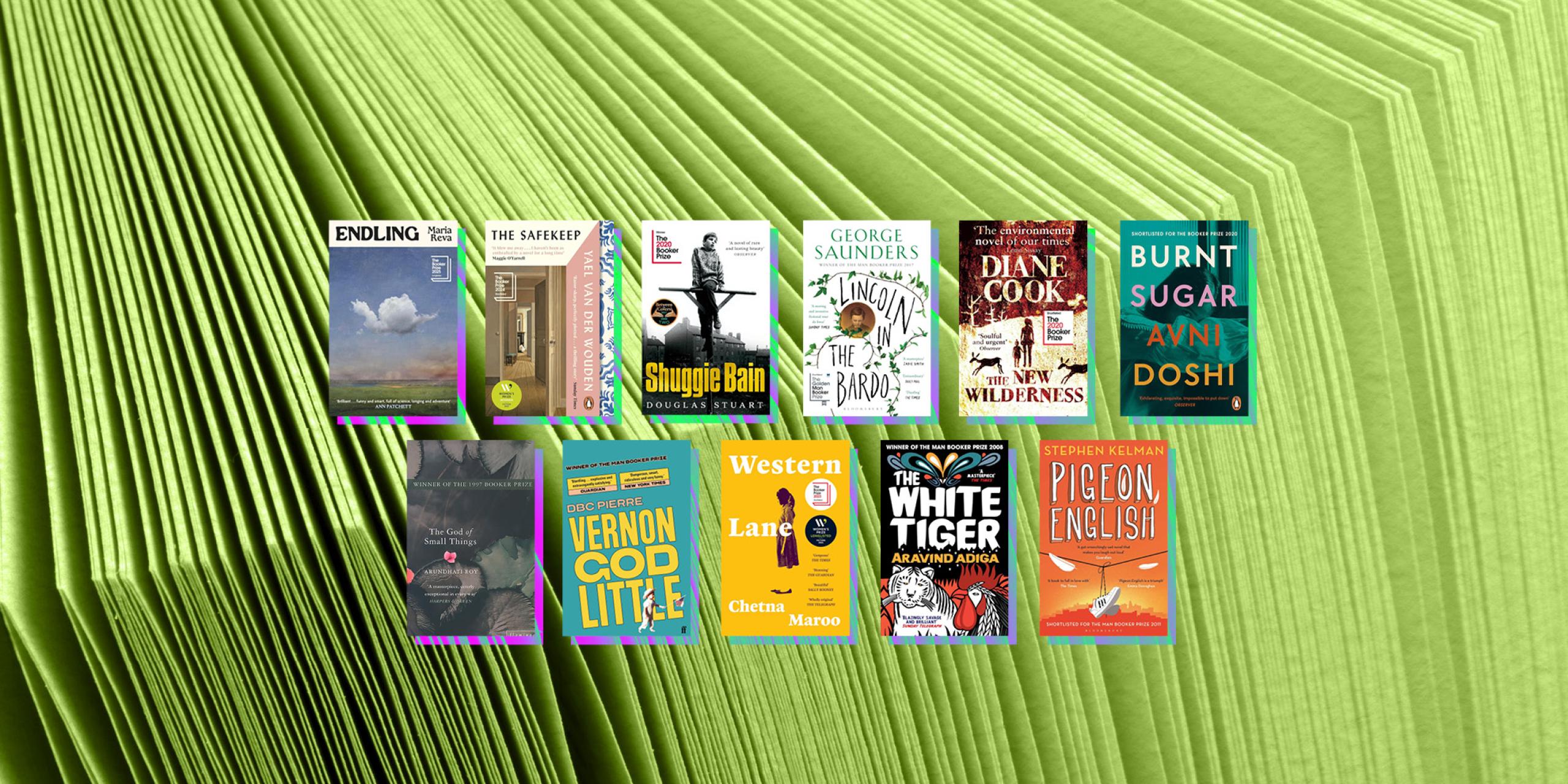
11 of the best debut novels that were nominated for the Booker Prize
11 of the best debut novels that were nominated for the Booker Prize
- Written by
- Emily Facoory
- Published
Discover some of the best Booker Prize-nominated debut novels that set writers on the path to awards and literary recognition
Getting onto a Booker Prize longlist is impressive in itself, but to be nominated for your first novel is something else entirely.
2020 was an especially great year for debuts, with eight of the 13 books on the Booker Prize longlist written by first-time novelists – the most in the prize’s history. Scottish author Douglas Stuart won that year with his heartbreaking debut, Shuggie Bain. Reflecting on his win recently, Stuart said, ‘To win the Booker made me feel like I hadn’t been entirely delusional, and that I had been right to walk away from the security of my fashion career and trust my dreams.’
The process of writing a first novel can be an overwhelming experience, with endless drafts and constant doubt often hindering the process. Not to mention the constant rejection letters from agents and publishers that most debut authors must face. Shuggie Bain, famously, was turned down by 40 publishers before it found its way into print. But the writers on this list have defied the odds and handled the pressure, all thrillingly nominated for the Booker Prize with their debuts.

Douglas Stuart
© Martyn Pickersgill
Buy the book
Endling by Maria Reva
Longlisted for the Booker Prize in 2025, Endling is Canadian-Ukrainian Maria Reva’s debut full-length novel. She had previously written a collection of short stories called Good Citizens Need Not Fear, inspired by her family’s experiences in Ukraine before they migrated to Canada.
Endling tells the story of scientist Yeva as she travels across Ukraine, desperately trying to save multiple rare species of snails. While participating in the booming marriage industry, where she earns money from men seeking Ukrainian wives, Yeva encounters two sisters searching for their missing mother. A wild journey across the country ensues as the three women learn to compromise as they each try to reach their goal.
Shannon Titas from the Library Journal said, ‘Equal parts madcap caper, contemporary allegory, and wartime reckoning, Reva’s debut offers a fresh take on the current Russia-Ukraine war from a diasporan point of view.’
Buy the book
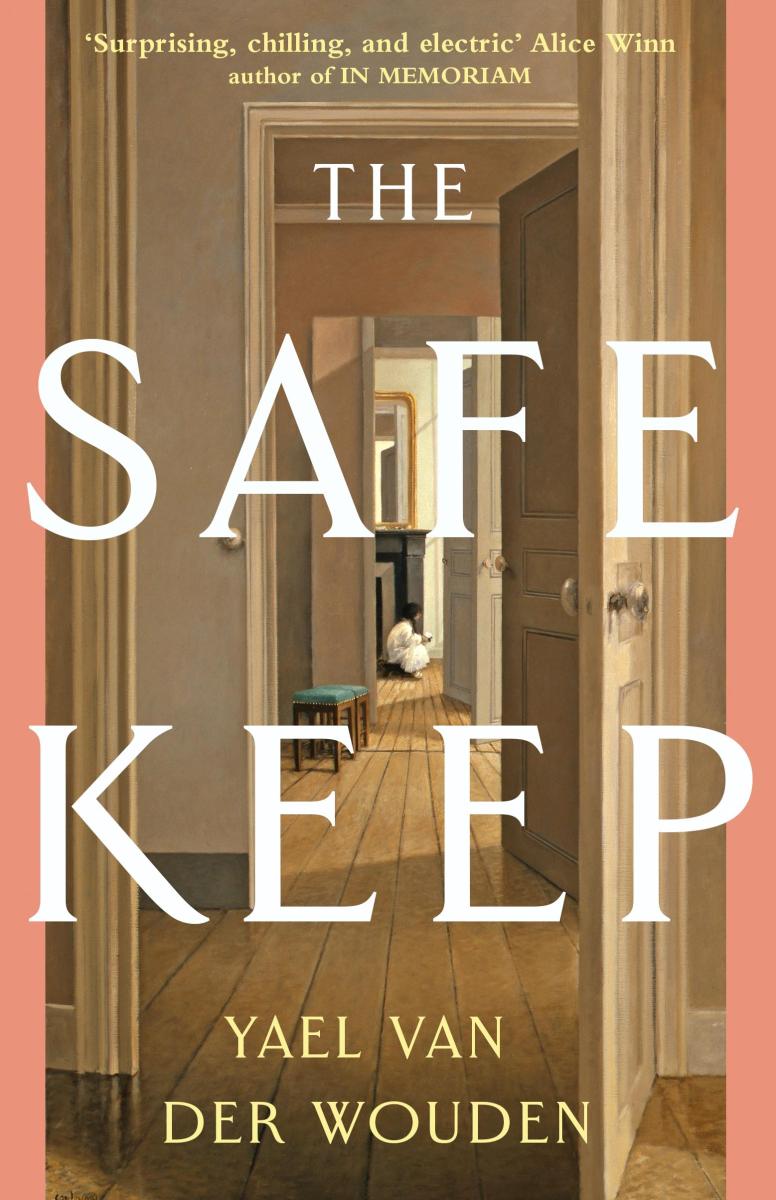
The Safekeep by Yael van der Wouden
Set in the Netherlands just after the Second World War, The Safekeep is a tale of hidden desire and obsession. Repressed and isolated inside her late mother’s house, Isabel finds her world shaken up when her older brother, Louis, introduces his vivacious new girlfriend, Eva. As Eva stays with Isabel for the summer, the two women find themselves in a complicated standoff as Isabel’s strict rules start to falter.
Van der Wouden’s debut novel was shortlisted for the Booker Prize in 2024 and won the Women’s Prize for Fiction in 2025. The Booker judges said that they ‘loved this debut novel for its remarkable inhabitation of obsession. It navigates an emotional landscape of loss and return in an unforgettable way’.
It took van der Wouden six months to complete the first draft of The Safekeep while working as a creative writing teacher in the Netherlands. In an interview with 26, van der Wouden said: ‘This is what I always say to my students. You must remember, before this novel came, there were many others that were not written in six months and never saw the light of day…Years and years of attempting. I’d never sent anything out because I was never satisfied with anything I’d written so far.’
Buy the book
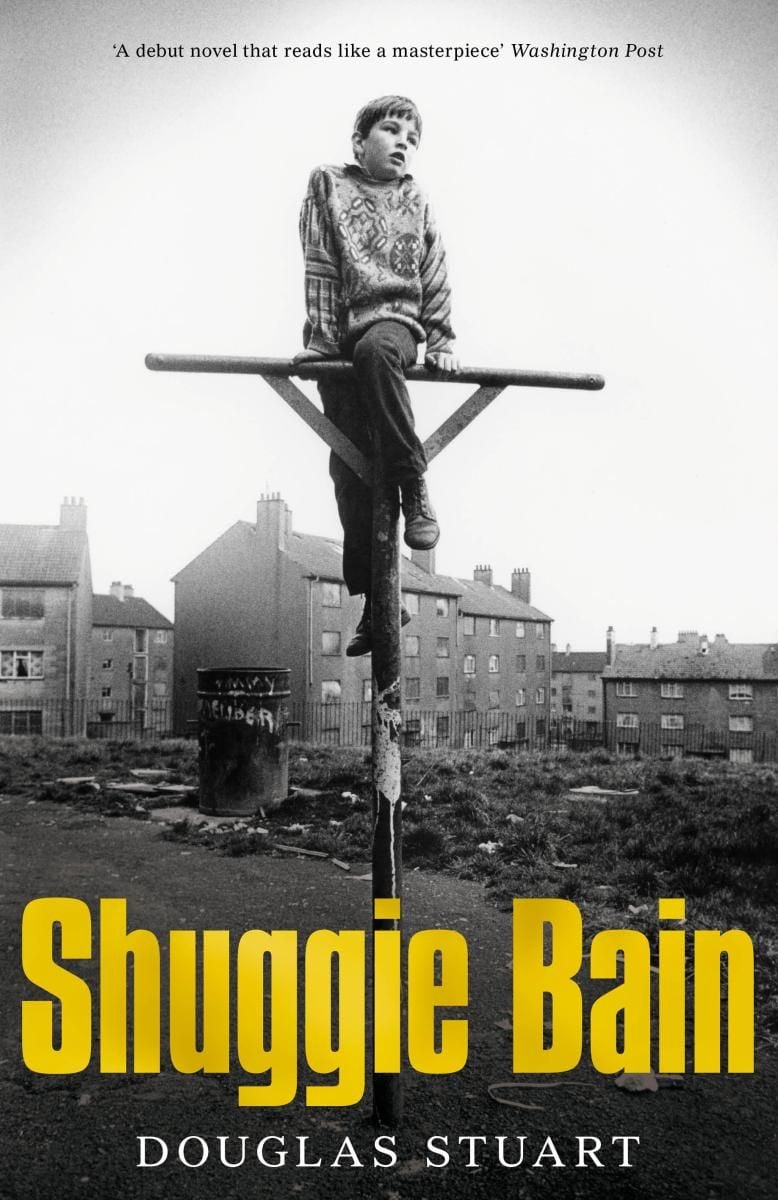
Shuggie Bain by Douglas Stuart
Born in Scotland, Douglas Stuart was a fashion designer in the United States before writing his debut novel, Shuggie Bain, which went on to win the Booker Prize in 2020, as well as a host of other awards and nominations. Loosely inspired by Stuart’s own life in 1980s’ Glasgow, Shuggie Bain follows the life of Hugh ‘Shuggie’ Bain as he navigates a poverty-stricken childhood. With his mother spiralling into alcoholism and unable to care for her three children, Shuggie starts to take on more responsibility, all while struggling with his own identity.
The novel famously took Stuart 10 years to write and was rejected multiple times, with Stuart saying in an interview with Esquire that it took him around 20 drafts before he felt confident enough to share it with someone else.
Alex Preston from the Guardian said, ‘Rarely does a debut novel establish its world with such sure-footedness, and Stuart’s prose is lithe, lyrical and full of revelatory descriptive insights.’
Buy the book
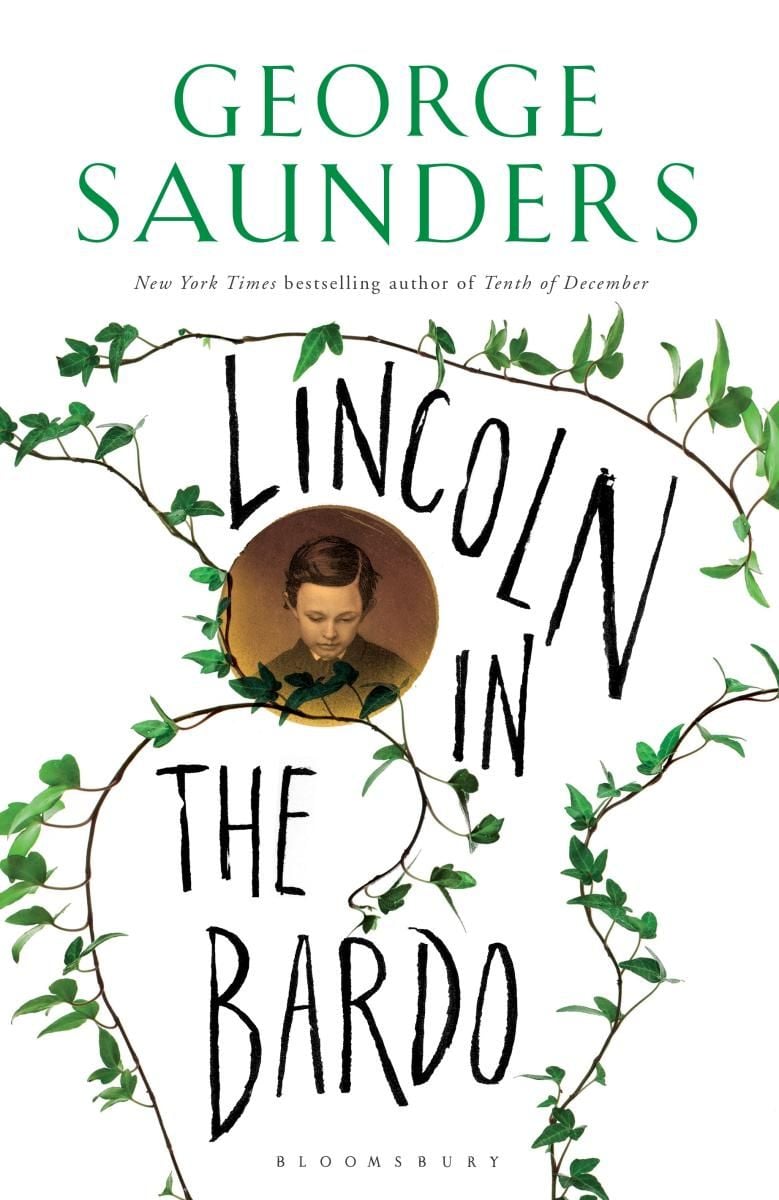
Lincoln in the Bardo by George Saunders
Winner of the Booker Prize 2017, George Saunders’ Lincoln in the Bardo explores the intersection between life and death. Taking place in a graveyard over the course of a single evening, the book details the death of Abraham Lincoln’s young son Willie and its aftermath. A tale of grief and sorrow, Saunders’ debut was inspired by the true story of how Lincoln visited Willie’s crypt several times to hold his body.
Lincoln in the Bardo is Saunders’ first full-length novel after having previously written a number of short-story collections, essays and novellas. In an interview with the Guardian, he explained that he carried the idea around for 20 years before he decided to take a run at it, ‘not wanting to be the guy whose own gravestone would read “Afraid to Embark on Scary Artistic Project He Desperately Longed to Attempt”’.
John Freeman from the Boston Globe said that ‘Fans of Saunders’s stories – some of the most original work in American history – have craved this book for a long time, and he has not disappointed. Saunders has disassembled the novel as a form and put it back together in a fascinating shape.’
Buy the book
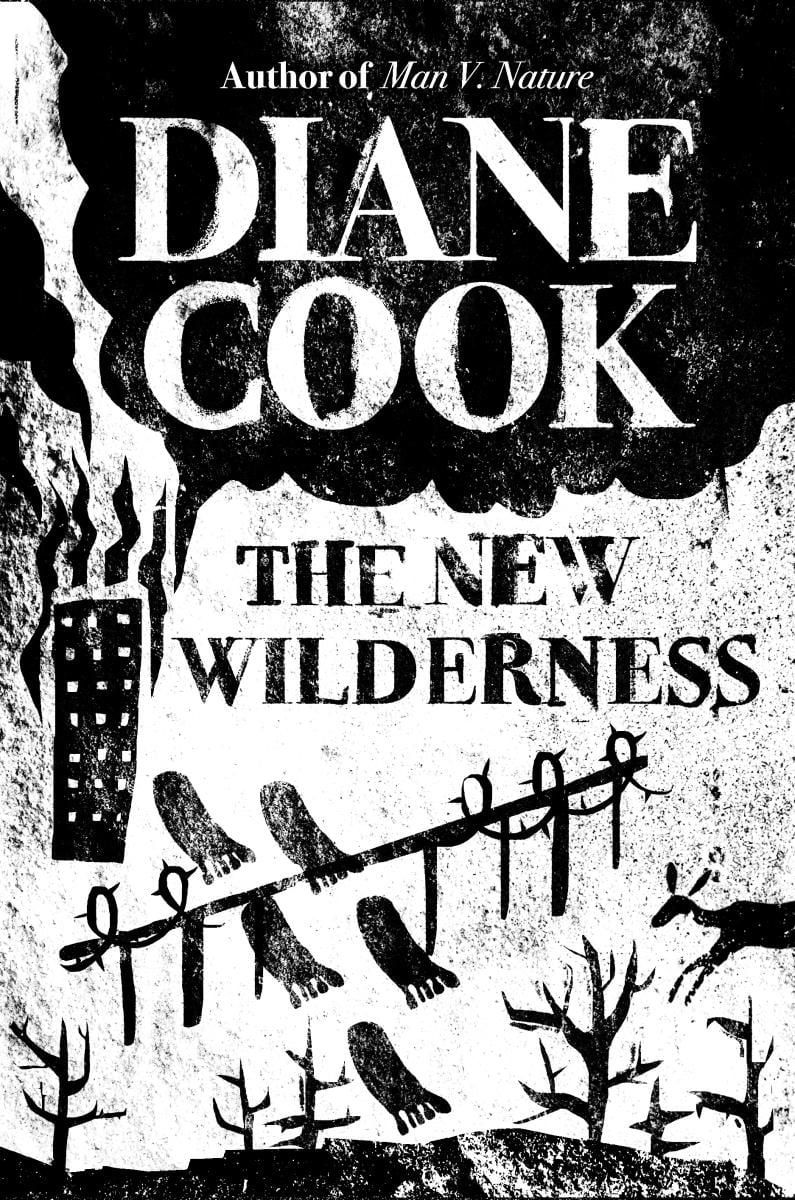
The New Wilderness by Diane Cook
Young mother Bea and her five-year-old daughter Agnes live in a world that’s been decimated by climate change and overpopulation. As Agnes starts to waste away due to the pollution that is destroying her lungs, the duo seek refuge in the Wilderness State. They join 18 other volunteers as they all attempt to survive in a desolate place that’s solely inhabited by wildlife.
Shortlisted for the Booker Prize in 2020, The New Wilderness was Cook’s debut novel after having written a short story collection, Man v. Nature, published in 2015.
Eliot Schrefer, writing for USA Today said, ‘A gripping adventure that denies its readers easy answers, The New Wilderness is an important debut, and an illuminating read in these times, when the stakes of humans’ relationship with nature have never felt higher.’
Buy the book
Burnt Sugar by Avni Doshi
Shortlisted for the Booker Prize in 2020, Avni Doshi’s debut focuses on a complex mother-daughter relationship and explores the subjective nature of truth and identity.
Antara is an artist who has become a carer for her mother, Tara, whose memory is starting to decline. In her youth, Tara was rebellious and wild, leaving her husband to join an ashram, taking her young daughter with her. Obsessively devoted to the spiritual leader, she leaves Antara with an older American woman, neglecting her motherly duties. Antara, now in the position of having to care for her mother, finds herself conflicted and haunted by her past.
In an interview for the Booker Prizes website, Doshi said that she wrote Burnt Sugar over many years and many drafts. Before becoming a writer, she worked as an art curator and wasn’t formally trained in creative writing.
In Booklist, Heather Booth said that ‘Doshi is a talent to watch, and this debut will readily find an audience in readers seeking well-crafted examinations of messy relationships, both internal and external.’
Buy the book
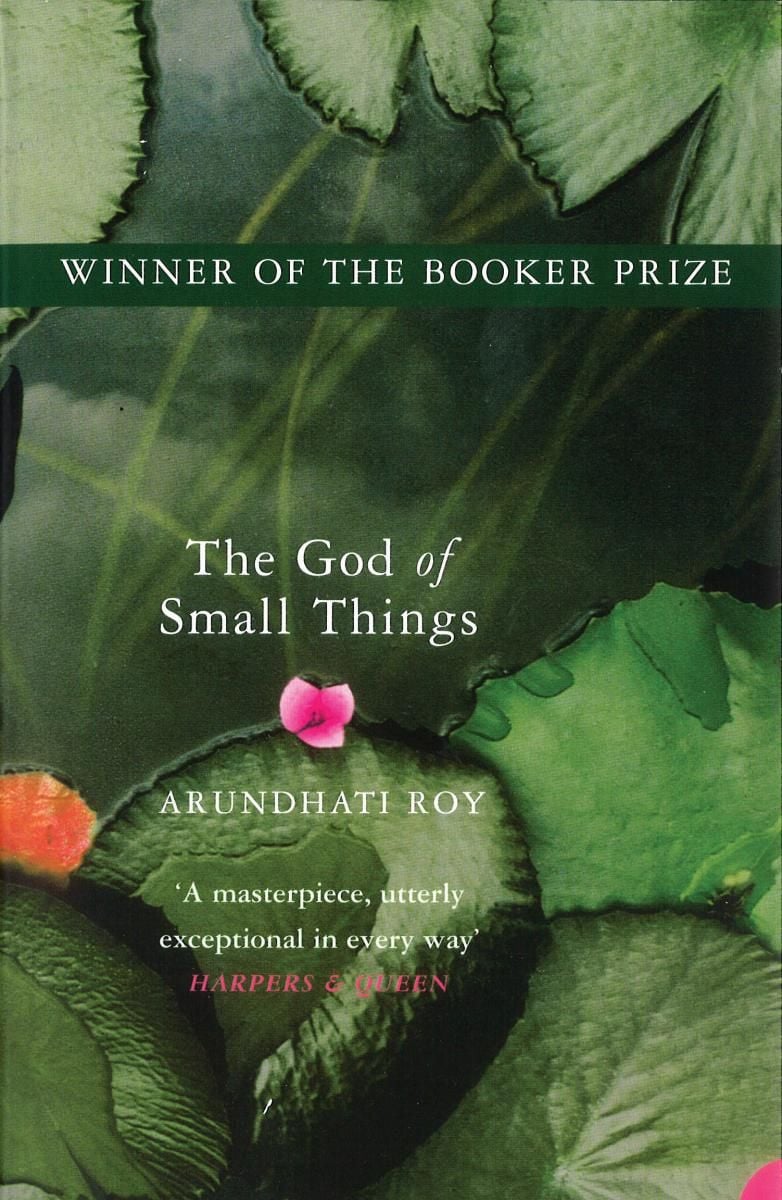
The God of Small Things by Arundhati Roy
Arundhati Roy studied architecture before moving on to writing award-winning screenplays and then novels. She won the Booker Prize in 1997 with her semi-autobiographical debut novel, The God of Small Things, which revolves around twins Estha and Rahel. Set in 1960s Kerala, the novel follows the two siblings as they navigate life-altering experiences throughout their childhood and beyond.
It took Roy five years to complete The God of Small Things, saying in an interview with HarperCollins that she was unsure if she would ever finish it. She said she wrote the novel because ‘I wanted to do something where I didn’t have to deal with people; I wanted to do something alone.’ Roy was also longlisted for the Booker Prize in 2017 with her second novel, Ministry of Utmost Happiness.
Tom Hiney from the Spectator said that ‘One can only strongly recommend this extremely funny and enchanting and pretty much genius piece of debut fiction.’
Buy the book
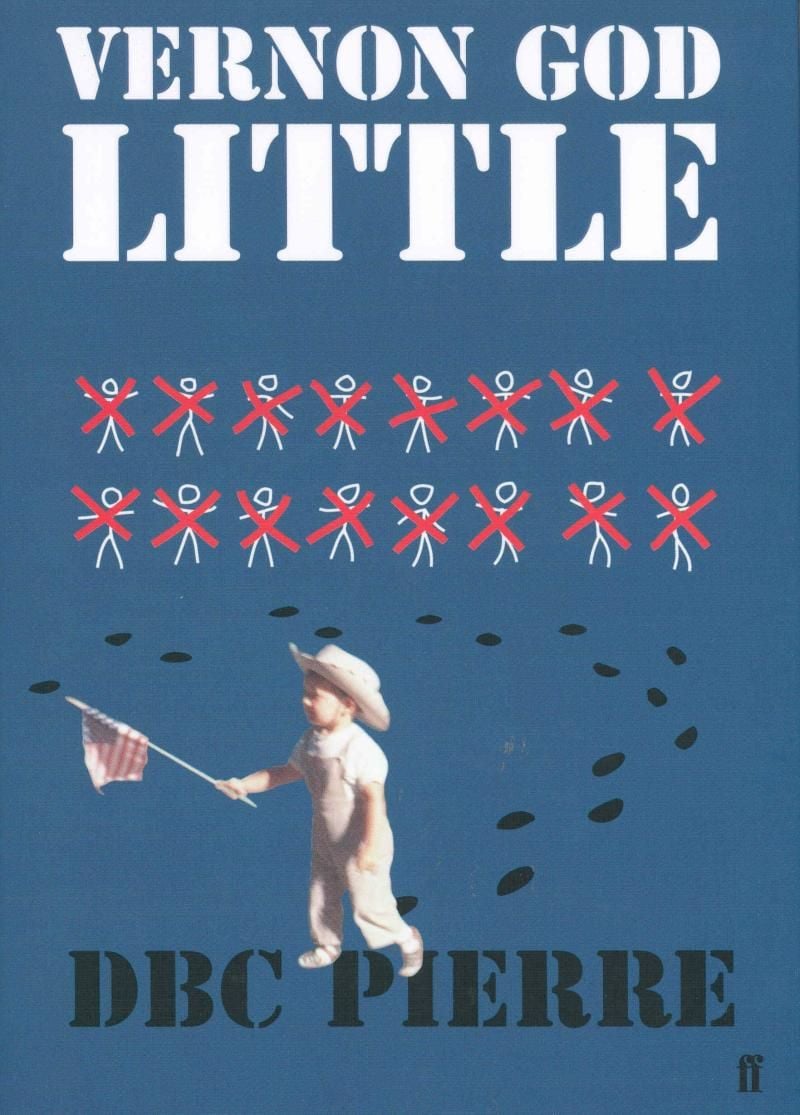
Vernon God Little by DBC Pierre
DBC Pierre – a self-proclaimed conman – won the Booker Prize in 2003 with his debut novel, Vernon God Little. The book follows Vernon Gregory Little, a 15-year-old who lives in a small Texan town. After being wrongly accused of a school shooting, he goes on the run, travelling to Mexico to avoid arrest. Written in unfiltered teenage vernacular, the Booker Prize 2003 judges said the darkly comic novel was ‘reflecting our alarm but also our fascination with America’.
DBC Pierre is the pseudonym for Peter Warren Finlay, with DBC standing for ‘Dirty But Clean’, in reference to his tumultuous past. According to an interview with The White Review, it only took Pierre about five weeks to write Vernon God Little. After a wayward adolescence and young adulthood in which drugs played a major part, Pierre initially started writing as he was ‘pissed off with a lack of reason in the world.’
Sam Sifton, writing for the New York Times, said, ‘The writing is simply terrific. In much the same way that noir novelists like James Ellroy seem steeped in the rhythms and textures of jazz, there is a jagged, punk-rock sensibility to Pierre’s prose, absolutely his own. Plot aside – and there is much in this novel to keep the reader turning pages – Vernon God Little is just plain fun to read.’
Buy the book
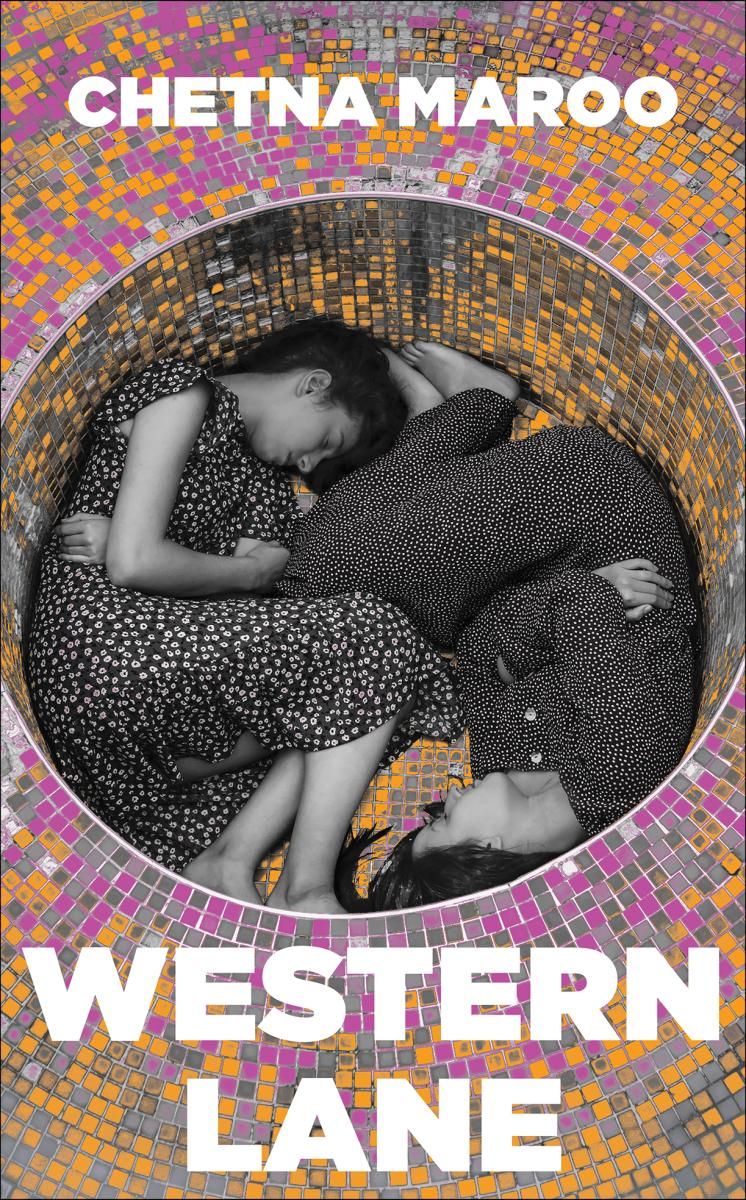
Western Lane by Chetna Maroo
Exploring grief, sisterhood and identity, Western Lane follows the story of 11-year-old Gopi, whose mother has recently passed away. Gopi’s father enlists her in a quietly brutal sporting regime, and the game of squash becomes her world.
Originally an accountant before she became a writer, Chetna Maroo told the Booker Prizes website that it took her three years to complete her debut, writing the first pages in longhand before typing them all out. Shortlisted for the Booker Prize in 2023, Western Lane depicts the varying ways in which loss affects the dynamics of a family unit.
Shahina Piyarali from Shelf Awareness said that ‘Maroo’s debut is a poignant illustration of the power of sports to help a family deal with grief – and each other – as they gradually make their way out of the darkness.’
Buy the book
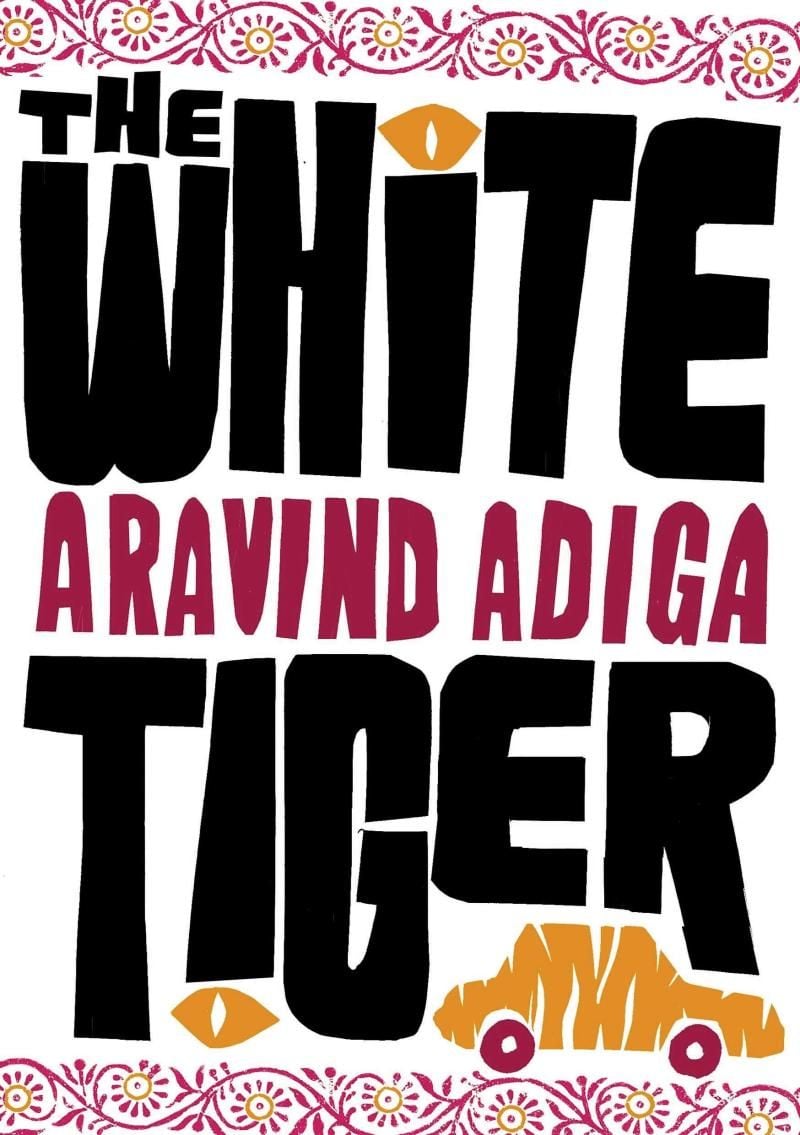
The White Tiger by Aravind Adiga
Winner of the Booker Prize in 2008, The White Tiger tells the story of Balram Halwai, a man from a rural village in India, as he transitions from a life of servitude to becoming an amoral entrepreneur. Over the course of seven nights, Balram narrates his life story, explaining how he became a successful businessman.
According to William Green, writing in TIME, Adiga was ‘often plagued by self-doubt… but he wrote The White Tiger in a state of calm and happiness, knowing even then that he was creating “something special.”’ Struggling to write the book in the third person, Adiga switched tactics and changed to a first-person narration, rewriting the book in just 40 days.
The chair of the Booker Prize 2008 judges, Michael Portillo, said that The White Tiger was ‘as disturbing as it is entertaining… This book changed me… It changed my view of certain things, like what is the real India and what is the nature of poverty.’
Buy the book
Pigeon English by Stephen Kelman
Pigeon English is a coming-of-age story about 11-year-old Harrison Opoku, who lives in a block of flats in London. After the tragic death of one of his classmates, Harri starts his own investigation, endangering his family in the process. Shortlisted for the Booker Prize in 2011, the book was inspired by the devastating murder of 10-year-old Damilola Taylor in London in 2000.
According to an interview with Writers and Artists, Stephen Kelman’s first attempt at a novel was met with multiple rejections, after which he considered giving up. But after starting Pigeon English two years later, he said it seemed a lot stronger than the work he had done before, taking him six months to write the first draft.
Lewis Jones in the Telegraph said, ‘It is horrifying, tender and funny. In this case, though, my praise is quite irrelevant because – unusually for any novel, let alone a first one – Pigeon English is critic-proof.’


Features


- Reading guides
Reading guide: John of John by Douglas Stuart


- Book recommendations
The Booker Prize 2026 shortlist: what our judges said

- Book recommendations
Fashion in fiction: how clothes shape the story in Booker Prize novels


- Book recommendations
Seven Booker Prize-nominated post-apocalyptic books


- Book extract
An extract from John of John by Douglas Stuart

- Book recommendations