

This selection of books from the Booker Library promises jaw-dropping twists that showcase the art of great storytelling
10 of the best genre-bending Booker Prize-nominated novels
10 of the best genre-bending Booker Prize-nominated novels
- Written by
- John Self
- Published
If you enjoy innovative books that switch between genres, play with forms, and generally turn the reader’s expectations upside down, this list is for you
The beauty of the Booker Prize is that you never know what you’re going to get. Titles nominated over the decades have included thrillers, autofiction, crime, children’s stories, science fiction and more. But some books are not content to be merely one thing; their writers prefer to switch between genres, play with forms, and generally turn the reader’s expectations upside down. Here are some of the most surprising and innovative genre-bending works from the Booker Prize.
Buy the book
The Sirian Experiments by Doris Lessing (shortlisted, 1981)
This novel’s status as one of the oddest, most original books ever shortlisted for the Booker Prize is clear from the start. Even the full title – The Sirian Experiments: The Report by Ambien II, of the Five – has the reader scratching their head. The explanation? This is an historical novel that is also a science fiction story, telling how the Earth’s development was influenced by alien civilisations. In Lessing’s book, our planet is called Rohanda or Shikasta, and is used as a trophy among three warring empires: Canopus, Sirius and Puttiora.
The novel is written, in a dry style, as an official report by one of the Sirians – who is more involved than she initially admits. We learn how our evolution was forced by the hand of others: tilting the Earth so seasons were created; space-lifting simian creatures from other planets to seed our development as humans; watching geological formations rise and fall.
Science fiction speaks of its own time as much as it does of the future, and there is plenty in The Sirian Experiments that is relevant today: the value of human work in an age of technology (‘to be done by people and not machines’); or the risks of civilisation being eclipsed by ‘the barbarous, the criminal, the horrible’.
The Sirian Experiments is a highly original novel but always readable, perhaps because Lessing made no distinction between it and her realistic fiction. She told The Paris Review, ‘It never crossed my mind that I was writing science fiction or anything of the kind!’ Much of ‘real science fiction, she added, ‘is wasted on me because I don’t understand it.’
Buy the book
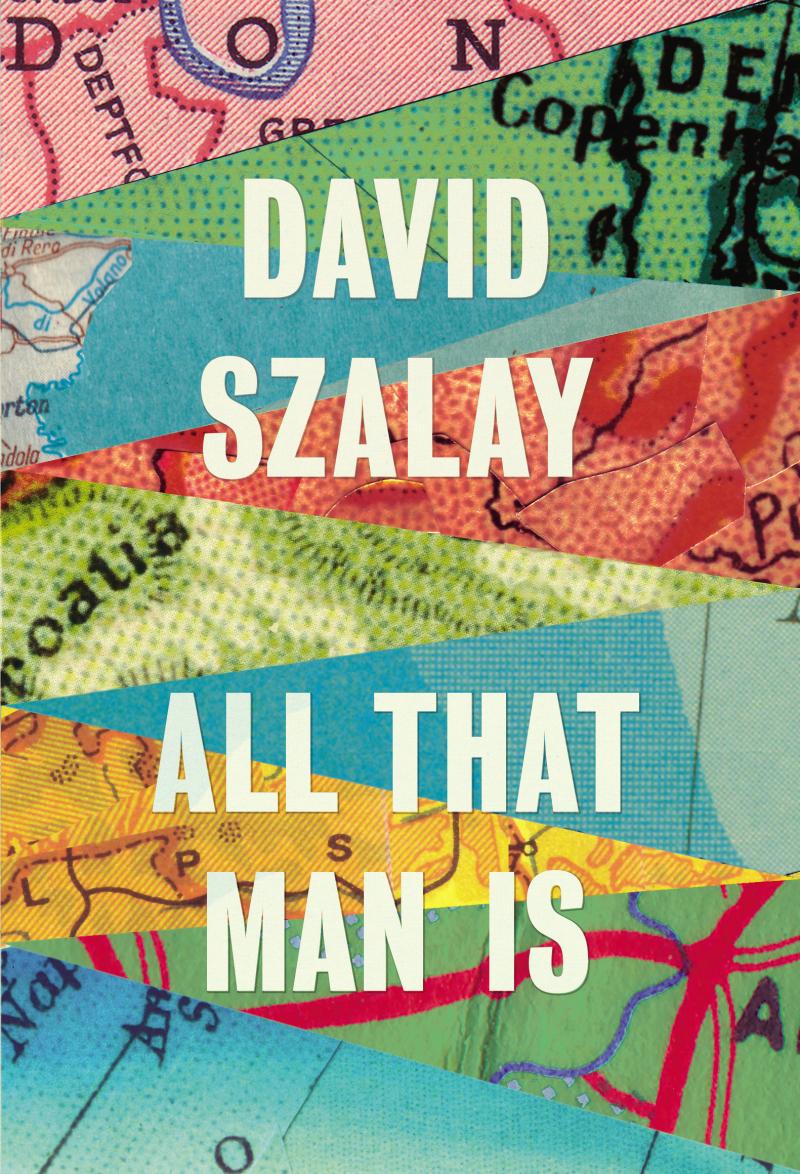
All That Man Is by David Szalay (shortlisted, 2016)
Here is a book that makes us ask what a man is: but also what a novel is. Szalay’s fourth novel – which saw him recognised as one of the best British novelists of his generation – is made of nine stories involving nine different men. But what gives the book the unity a novel needs is that the men get older as the novel proceeds, from interrailing teenagers to a middle-aged man who has ‘the depressing feeling he is able to see all the way to the end of his life’. ‘The aim’, Szalay said, ‘was to create the impression of a whole life elapsing’.
It’s also unified by the question of what makes a man – a question with which all the characters are wrestling. The rather functional title was Szalay’s second choice, after he couldn’t get permission from the rock group Led Zeppelin to name the novel after one of their lyrics: ‘In the days of my youth I was told what it was to be a man’.
Szalay’s style is so efficient that each story feels like a full novel: rich in comedy, tension, embarrassment and precisely evoked secondary characters. In this sense, it is one of the best-value novels in the Booker Library.
The men here are all wondering what to do next: their stories end at moments of decision. They grapple with the things men are supposed to do: sex, travel, work – so when these things run out, the man in the final story feels ‘he is not properly living’. It is provocative, intelligent and a deeply entertaining page-turner – all that a novel can be.
Buy the book
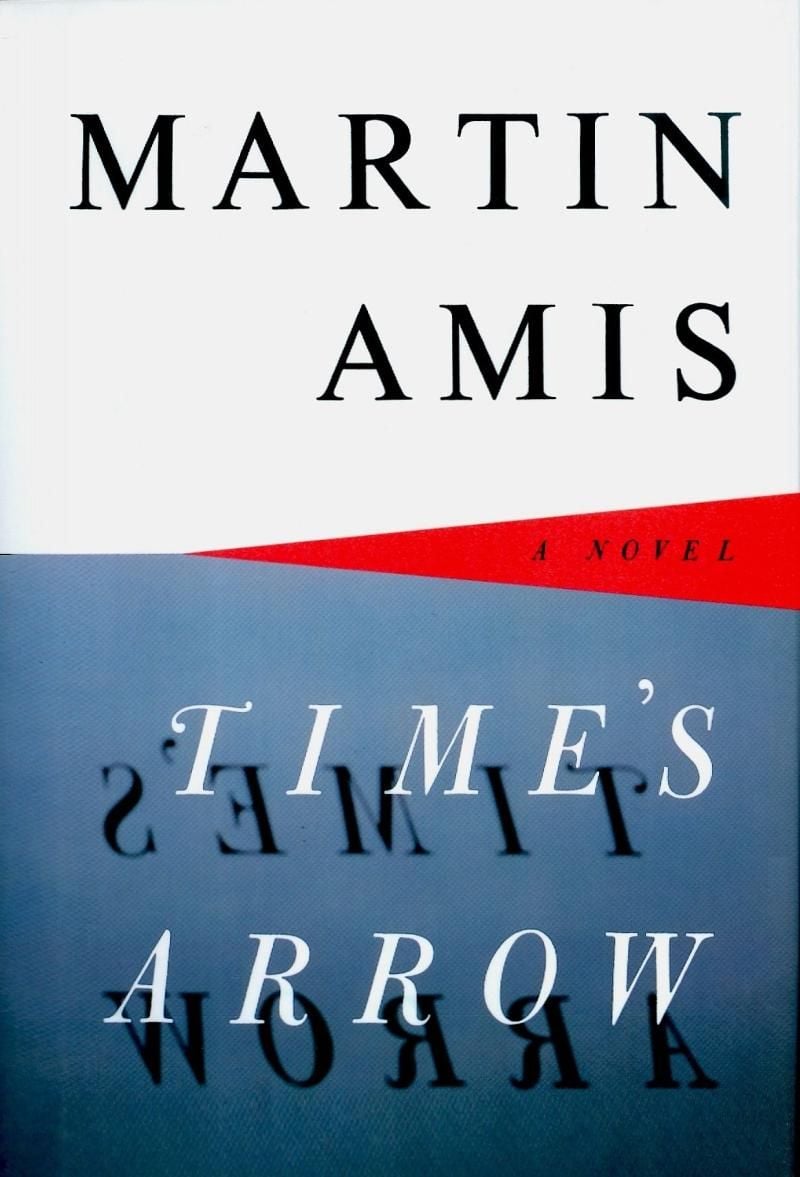
Time’s Arrow by Martin Amis (shortlisted, 1991)
Why was this the only Booker shortlisting for one of England’s most famous writers? Partly because his previous novel was vetoed by two judges, but also because Time’s Arrow showed a new seriousness of purpose for Amis, who was ‘basically a comic writer’. Its subject is the Holocaust, and Amis’s innovation was to recognise that the only world where the Holocaust could make sense is a world entirely backwards. And so, Time’s Arrow is a novel where time flows in reverse. The central character, Tod Friendly, wakes from death at the beginning, and grows younger as the years pass.
The style takes some getting used to, but once you’re settled, the effects are extraordinary. Everyday events in reverse seem comical. A man gives a child a toy, but appears to be taking it away: ‘The child’s face turns blank, or closes. Both toy and smile are gone: he takes both toy and smile.’ And as for going to the toilet… ‘Glance down at the clear water in the bowl. I don’t know, but it seems to me like a hell of a way to live.’ Some of this comedy, in service of an important topic, made Amis ‘wince’ when he reread the book years later.
But Tod has a secret, hidden even from himself. ‘When is the world going to start making sense?’ he asks. ‘Yet the answer is out there. It is rushing towards me over the uneven ground.’ Time’s Arrow is a book that does what many novels promise but few achieve: it makes you see the world in an entirely new way.
Buy the book
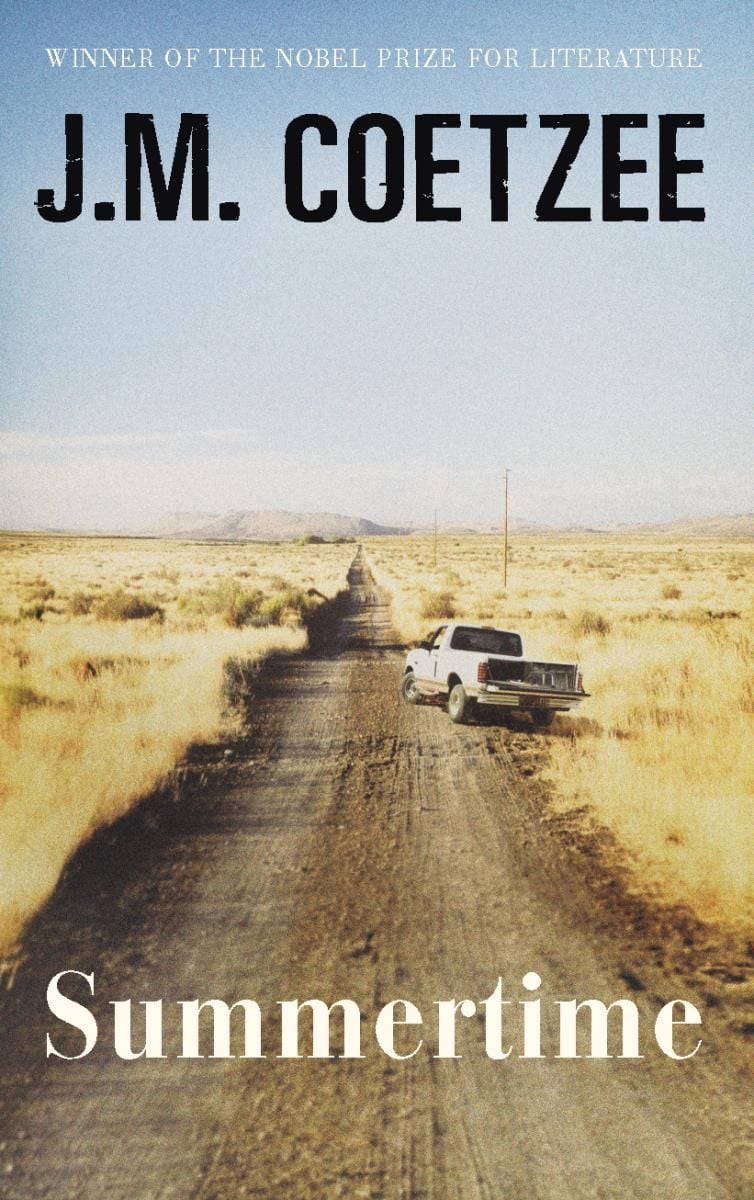
Summertime by J.M. Coetzee (shortlisted, 2009)
Double Booker-winner Coetzee could have become the first triple-winner with this exceptional genre-bending novel, if he hadn’t been up against the unstoppable might of Hilary Mantel’s Wolf Hall. Summertime pretends to be a biography of its own author – written by a biographer after his death.
It’s a stunning performance, and frequently funny (contrary to Coetzee’s dour reputation) as when one sexual partner recalls ‘John Coetzee’ trying to persuade her to make love to Schubert’s string quintet. It’s a comedy of embarrassment, too, since much of the book consists of people telling Coetzee’s biographer what a loser he was. ‘He looked out of place, like a bird … There was a seediness about him too, an air of failure.’
Summertime blends Coetzee’s clear, readable style – the story flows effortlessly – with chewy ideas, as Coetzee the writer creates the biographer, who in turn shapes how we see Coetzee the character through his selections and omissions.
Of course, a novel can reveal as much about the author, under the surface of the pages, as any biography. So Summertime is also a self-lacerating memoir, where people’s attacks on Coetzee are also Coetzee’s worst impulses on how he sees himself. ‘He is nothing, was nothing,’ says one character; ‘an unimportant little man,’ declares another. And though these are insults, there is also truth – even pride – in them: when a man is a writer, Coetzee is saying, the man is irrelevant: only the words, only the writing, matters, because that is what will last.
Buy the book
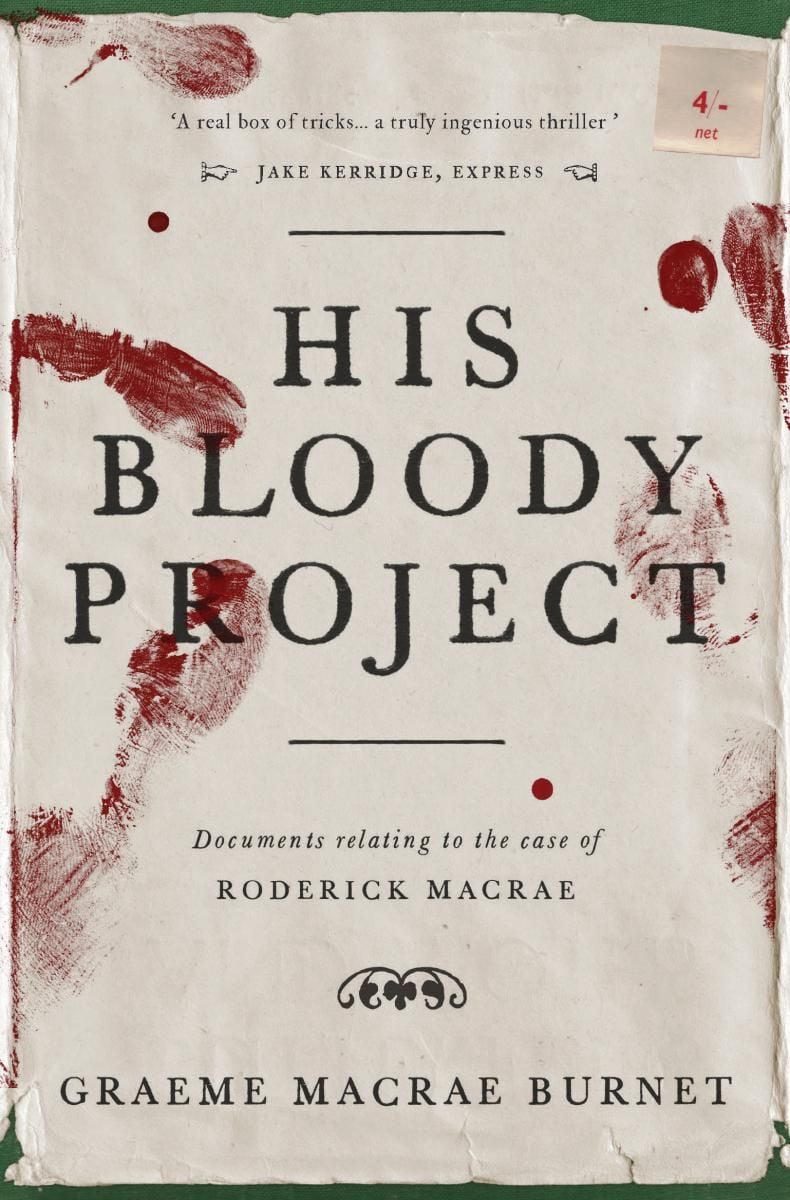
His Bloody Project by Graeme Macrae Burnet (shortlisted, 2016)
This crime story throws the reader into a land of contradiction. It’s presented as a piece of non-fiction, a history by Graeme Macrae Burnet of the darkest time in his family’s history – when, in 1869, his ancestor Roderick Macrae murdered three members of one family at their home in the Scottish Highlands.
The story is told in multiple forms: a memoir by Roderick written in prison; a report by a judgemental doctor into his ‘travels in the border-lands of lunacy’; interviews with people who knew the family; and a gripping account of Roderick’s trial.
We learn from Roderick’s account that he was driven to murder by the bullying of the man who governed his family’s land, and His Bloody Project gives us a top-notch literary villain in a world of class snobbery and the abuse of power. Each story makes us wonder where the truth lies. Was Roderick a ‘talented pupil’ or ‘wicked even from the start’? ‘What matters are facts – facts and instances!’ says one character – but how do we separate the facts from the fiction? Was Roderick Macrae even real? This is a book that asks us whether we read a story differently if we think it’s true – and wraps this knotty question inside a page-turning thriller.
Buy the book
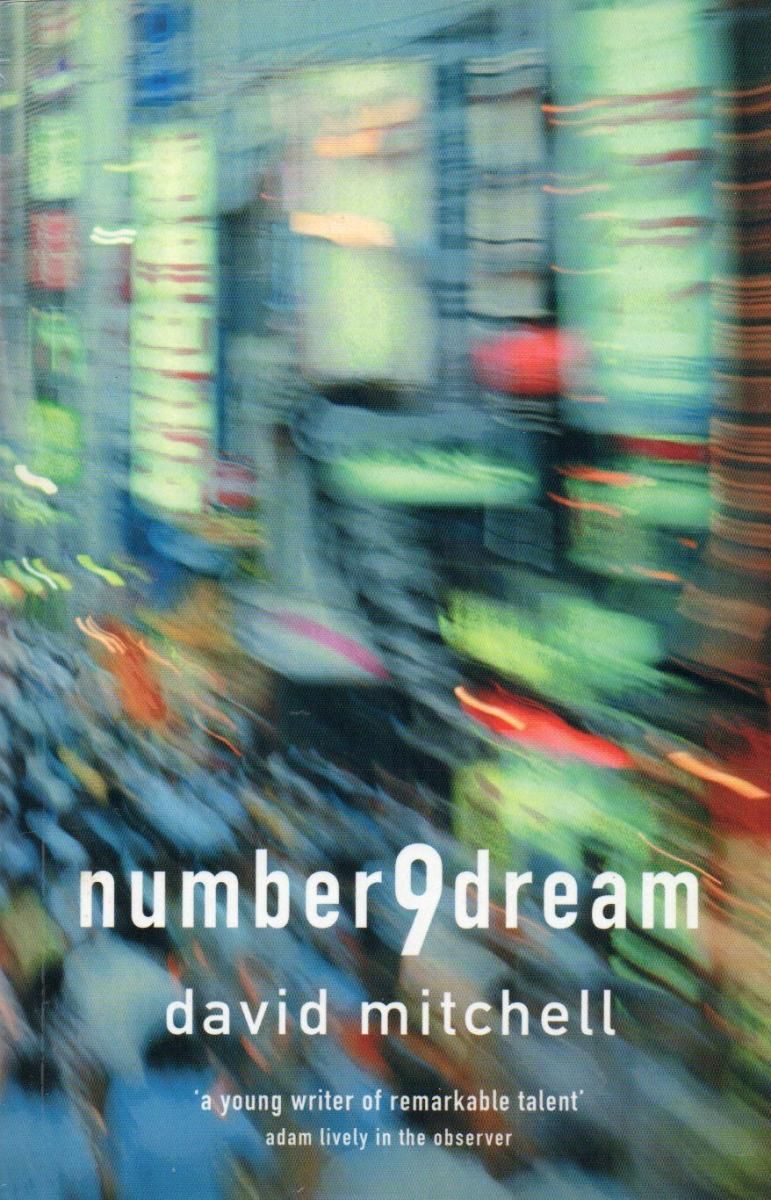
number9dream by David Mitchell (shortlisted, 2001)
For sheer imaginative energy, there are few novels in the Booker Library to rival the head-spinning inventions of this book. It opens at a breakneck pace, with an action-movie-style scene of a young man, Eiji, breaking his way into a secret location to find out about his father, with a twist on every page. It can’t be real, can it? No – it’s a fantasy in Eiji’s head, and the rest of the novel switches between reality and dreams, bringing in elements from films, video games and other popular culture.
First among these are The Beatles and John Lennon – the title comes from a Lennon-composed Beatles song, and references to the musician pop up regularly. Eiji hears the song ‘Imagine’ playing, and the whole book is a sort of homage to Haruki Murakami’s Norwegian Wood – also named after a Beatles song. There is so much freewheeling invention here that the effect is intoxicating, and if you don’t like one of the side-stories that emerges (the ‘goatwriter’ is a particular love-it-or-hate-it element among Mitchell fans), don’t worry – there’ll be another one along in a few pages.
After number9dream came Mitchell’s Booker-shortlisted masterpiece Cloud Atlas (2004), which was if anything even more tricksy. He followed this run of invention and ambition with a more modest fourth book: Black Swan Green (longlisted, 2006), a coming-of-age story based on Mitchell’s childhood. ‘I thought it was about time I wrote my first novel,’ he said.
Buy the book
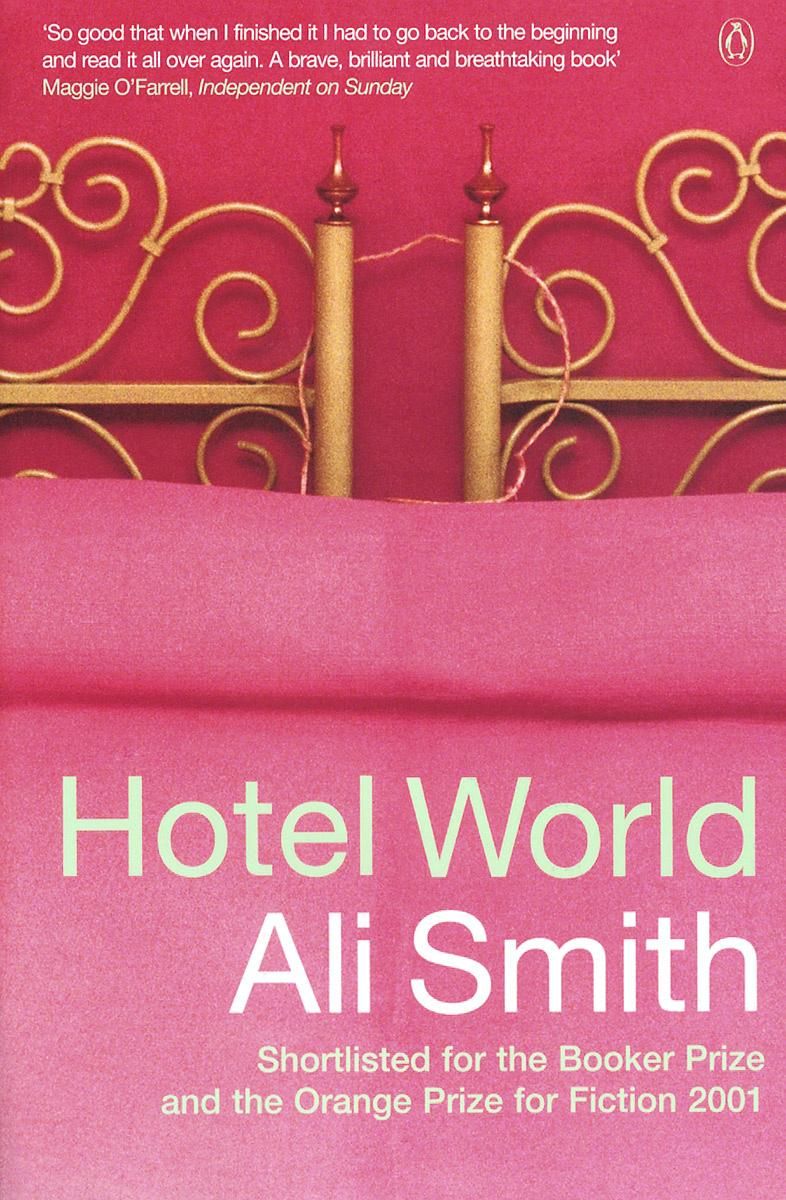
Hotel World by Ali Smith (shortlisted, 2001)
‘Leave me alone. I’m dead, for God’s sake,’ is not a line many narrators can say. But then not many writers are like the four-times-shortlisted Ali Smith. Hotel World was Smith’s first Booker appearance. The novel opens with the ghost of a young woman named Sara, who died falling down the dumbwaiter shaft in the Global Hotel, somewhere in England. But death frees Sara to go where she wants and speak how she likes (‘what a fall what a soar what a plummet what a dash into dark into light what a plunge what a glide thud crash’) – even if she misses being able to feel things.
Smith takes us to other women connected to the hotel too: a wealthy guest, a hotel worker, a woman begging outside. She has the ability not just to turn easily between funny and serious, but knows how to be both at the same time: one scene is both a comedy about how constricted swimming pool changing cubicles are, and a point against passing judgement on others.
Hotel World switches between registers, as fluid, unanchored and playful as the spirit of Sara. The book, Smith has said, ‘is about the opposite of materialism. It asks, what is material, and what lasts of us beyond the material?’
Buy the book
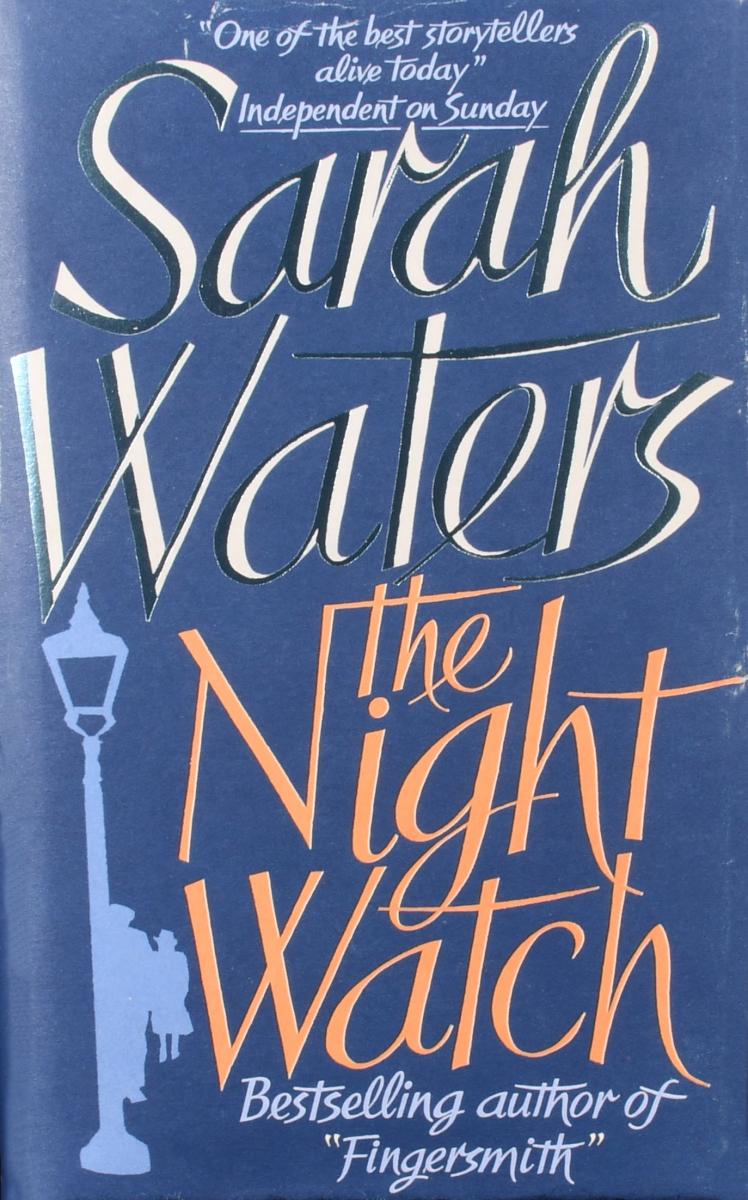
The Night Watch by Sarah Waters (shortlisted, 2006)
If Martin Amis’s Time’s Arrow tells its story entirely in reverse, then this novel takes a different playful approach to time. The Night Watch is a Second World War story told in three parts: but it starts at the end, in 1947, then goes back to 1944, and finally ends at the beginning, in 1941. In the postwar scenes, the characters – ambulance worker, typist, ex-prisoner – are still reeling from the war’s devastation, thinking, ‘What just happened?’ – a response cleverly recreated in the reader’s head as we begin to piece the story together. ‘People’s pasts are more interesting than their futures,’ Waters points out.
The Night Watch plays with expectations, too, by taking a traditional wartime story and bringing in characters not often seen – three are gay women and one is a man of unclear sexuality. ‘There are lots of stereotypes about the war,’ said Waters, ‘but they’re all really heterosexual – women and GIs and dances.’ The war provided opportunities for lesbian women: ‘Suddenly they could do all these things they covertly enjoyed doing.’ This is a book that benefits from, and deepens on, rereading, as the reader picks up echoes and consequences the second time around. This makes it perfect for the rereading that accompanies a Booker judging process.
The Night Watch was Waters’s second Booker shortlisting, after the twisty Fingersmith, and she was shortlisted again in 2009 for her ambiguous ghost story The Little Stranger. Both are ideal reads for anyone interested in genre-bending books.
Buy the book
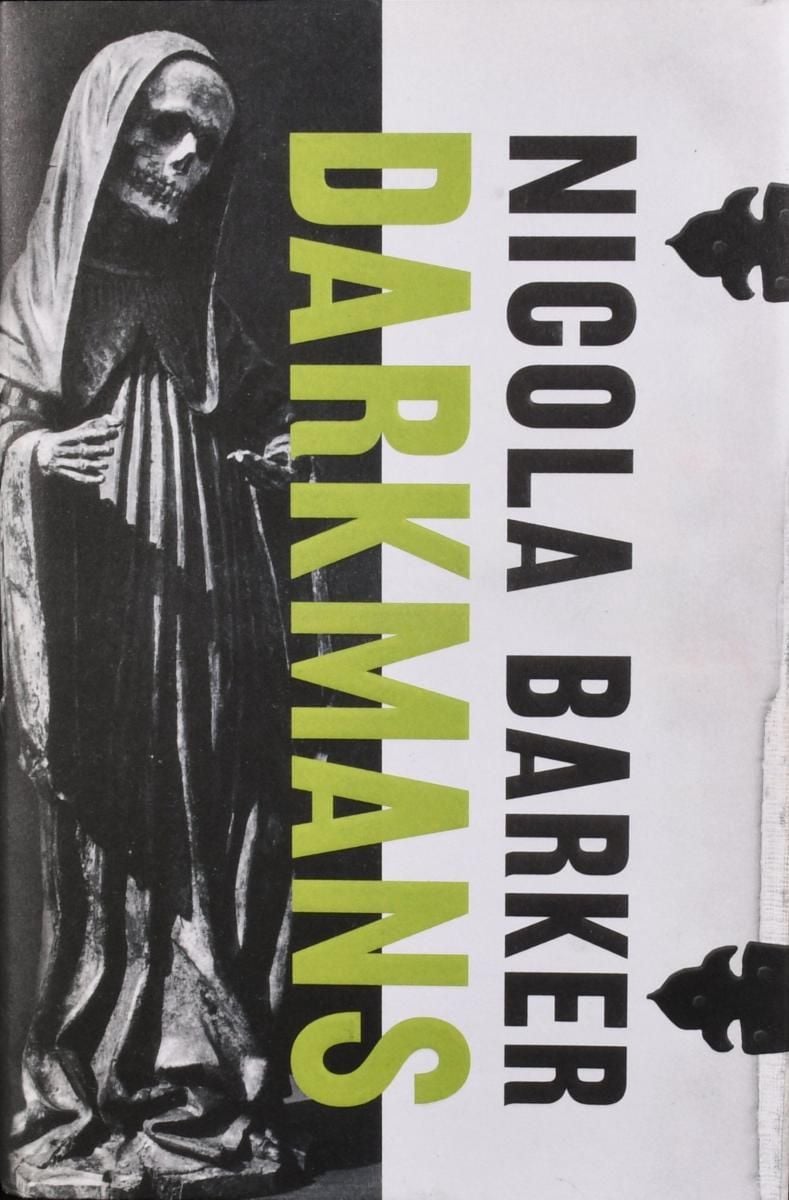
Darkmans by Nicola Barker (shortlisted, 2007)
There’s nothing quite like a Nicola Barker novel – except possibly another Nicola Barker novel. Barker – a comedian, a surrealist, a conjurer of literary jack-in-the-boxes – writes short books and long books, and Darkmans is the longest of them all. She is one of those writers you cannot really describe adequately: the only thing for it is to dive in, and learn how to read her in the process of reading her. When you hit the rhythm of this strange, hilarious and brilliant book, there’s no possibility of stopping.
Making the everyday (Ashford transport hub, in Kent, England) into a home of the strange (a crooked builder, a refugee with a fear of vegetables, a medieval court jester who haunts the other characters), Darkmans unspools a great looping ribbon of, well, everything. It reminds us that the past is not dead: it is not even past.
This novel is maximalism turned up to 11, containing knowledge about everything from geese to cars, none of which we are sure is really true, and jokes that range from the merely silly to the very naughty (‘Good Lord! So that’s where Brian’s been parking the Audi!’). Most of all, the brilliance of the helter-skelter Darkmans is that it seems shorter than it is – but you want it to go on for longer.
Barker has a legion of devoted fans, but, she said when Darkmans was published, they rarely write to her. ‘They don’t think, “She’s just like me”,’ Barker said. ‘They think, “She’s a maniac, why would I write a letter to her? What would she do, eat it?”’
Buy the book
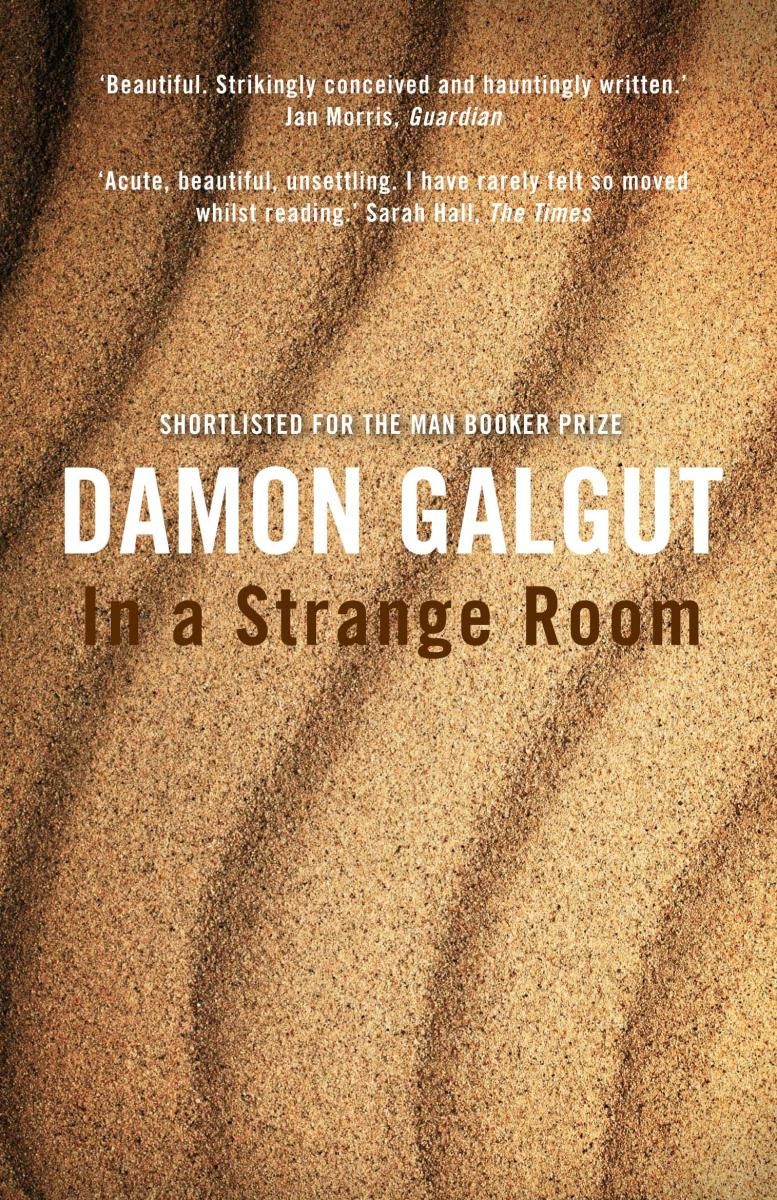
In a Strange Room by Damon Galgut (shortlisted, 2010)
All of Damon Galgut’s Booker–shortlisted books – The Good Doctor (2003), and his winner The Promise (2021) – have something unsettling and otherworldly about them, but this novel is his most genre-bending by far. For one thing, it comes in three parts, each describing a journey, and each of which was originally published as a piece of memoir by Galgut. But by bringing the pieces together and publishing them as a novel, it recognises that there is a difference between historical facts and the sort of truth fiction provides.
‘Memory is fiction,’ says Galgut. He emphasises this in the novel by drawing a distance between the Galgut who is narrating the book, and the Damon who is the central character. With one person as both hero and narrator, we get sentences like this: ‘Happy and unhappy, he falls asleep in the end, and dreams about, no, I don’t remember his dreams.’ And the journeys themselves are masterpieces of storytelling art: direct, propulsive and powerful tales about people Damon encounters on his travels, from a new lover to an old friend contorted by addiction.
The title comes from a passage in William Faulkner’s As I Lay Dying: ‘In a strange room you must empty yourself for sleep. And before you are emptied for sleep, what are you. And when you are emptied for sleep, you are not. And when you are filled with sleep, you never were.’ Galgut deliberately leaves out the next lines – ‘I don’t know what I am. I don’t know if I am or not’ – which sum up the playfulness, the complexity and the beauty of this extraordinary, one-of-a-kind novel.


Features

- Book recommendations
Eight novels to read in autumn, nominated for the Booker Prizes

- Book recommendations
Seven Booker Prize-nominated post-apocalyptic books

- Book recommendations
Seven Booker Prize-nominated novels that explore AI

- Book recommendations
Staff picks: our favourite Booker Prize-winning books

- Book recommendations
10 Booker Prize-nominated books with unique settings

- Book recommendations
10 Booker Prize-nominated books that explore sapphic love
- Book recommendations
Eight Booker-nominated books for fans of Wuthering Heights

- Book recommendations
The Booker Prize 2025 longlisted authors on the books they reread again and again

- Book recommendations
The best wintry reads from the Booker Library, chosen by you

- Book recommendations