

From books that changed the world to contemporary works that are certain to endure, these are your must-read classics from the Booker Library
10 Booker Prize-nominated books featuring complicated sibling relationships
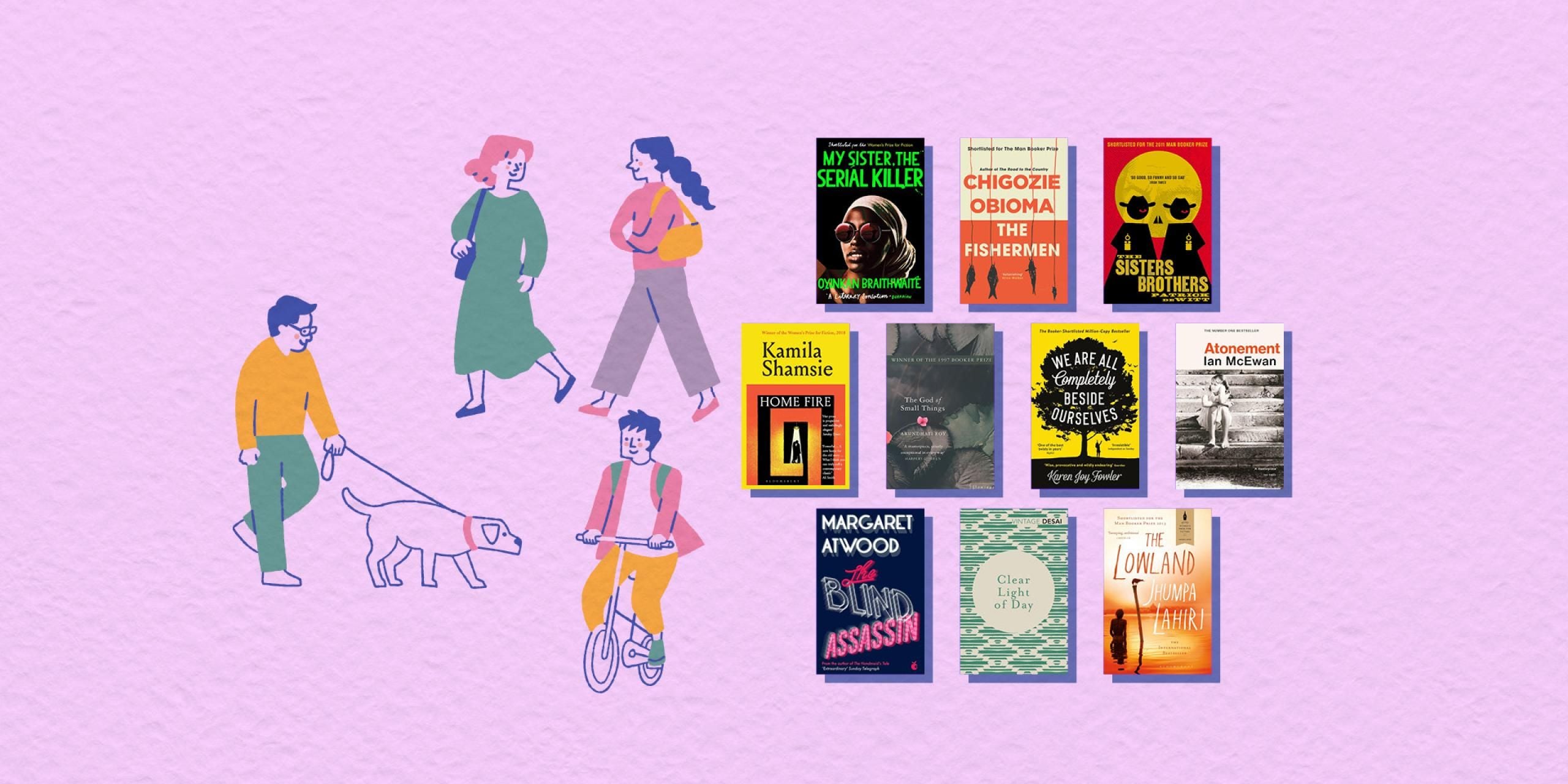
10 Booker Prize-nominated books featuring complicated sibling relationships
- Written by
- Emily Facoory
- Published
Whether you have none or several, brothers and sisters can be fascinating to read about. If you enjoy fiction that explores knotty sibling relationships, you’ll love these Booker-nominated novels
There are very few people who will see you in every era of your life, from childhood through to old age. As Jeffrey Kluger, an editor at TIME said in a TED Talk, ‘Our parents leave us too early, our spouses and children come along too late. Our siblings are the only ones who are with us for the entire ride…’
Brothers and sisters are often some of our first friends and can have a huge influence throughout our early years and adolescence, helping to shape our personalities and perspectives of the world. Yet sibling relationships can be complicated and tumultuous, as arguments spiral into grudges or feuds that can fester for years, even decades.
These 10 Booker-nominated books provide a glimpse into some seriously turbulent sibling relationships. Whether it’s jealousy, estrangement, or unwavering loyalty, these books will have you reflecting on the bonds you have with your own siblings. They may even entice you to give them a call… or not.
Buy the book
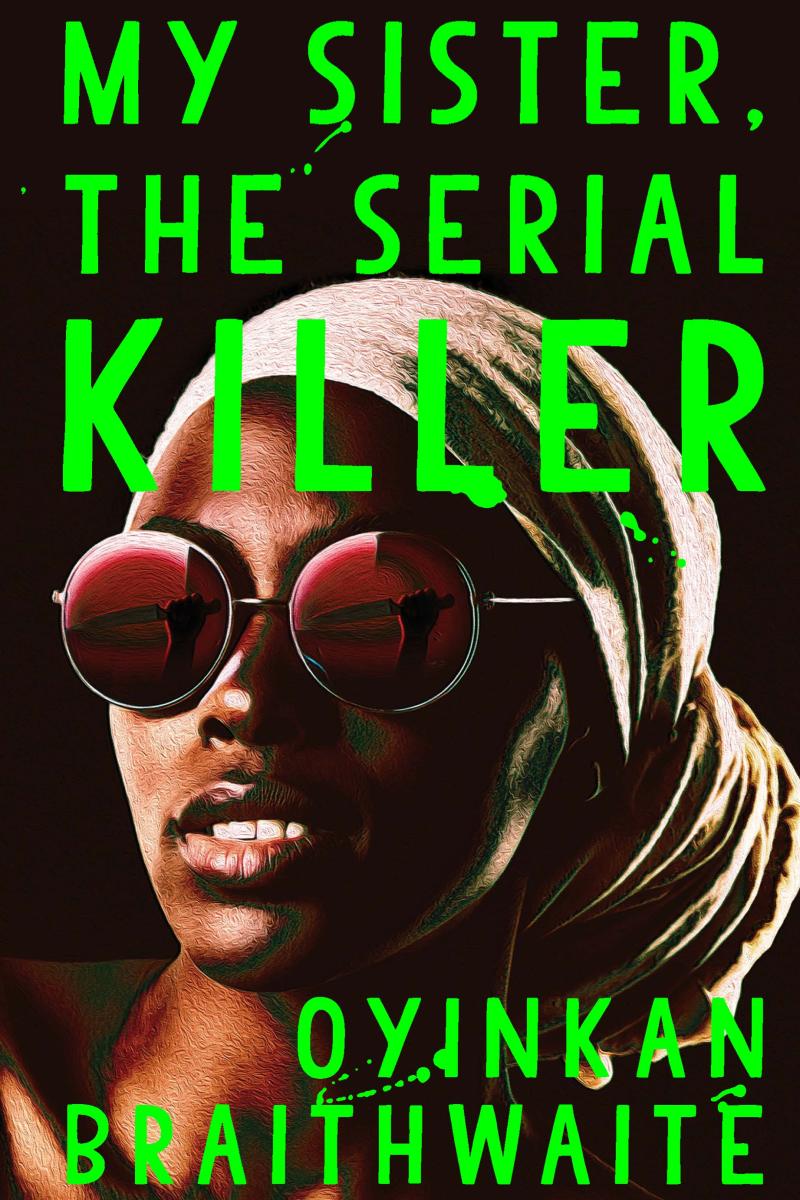
My Sister, the Serial Killer by Oyinkan Braithwaite
A novel that truly tests the bounds of whether blood is thicker than water, My Sister, the Serial Killer – which was longlisted for the Booker Prize in 2019 – tells the uncomfortable story of two deeply troubled sisters. Korede is a dutiful nurse who finds herself literally cleaning up her younger sister Ayoola’s mess. Stunningly beautiful and charming, sociopathic Ayoola has a habit of killing her boyfriends, with Korede left to dispose of the evidence.
The siblings’ bond is strained when Ayoola starts dating the handsome doctor Tate, who happens to be Korede’s work crush. Full of resentment towards her sister – and knowing the horrible fate that befalls Ayoola’s boyfriends – Korede must decide where her loyalties lie.
James Grainger, writing for the Toronto Star, praised the way Braithwaite’s debut novel ‘nimbly works [traditional horror genre] conventions to provide a searing and often witty portrait of sibling rivalry and the brutal legacy of Nigerian patriarchal mores.’
Buy the book
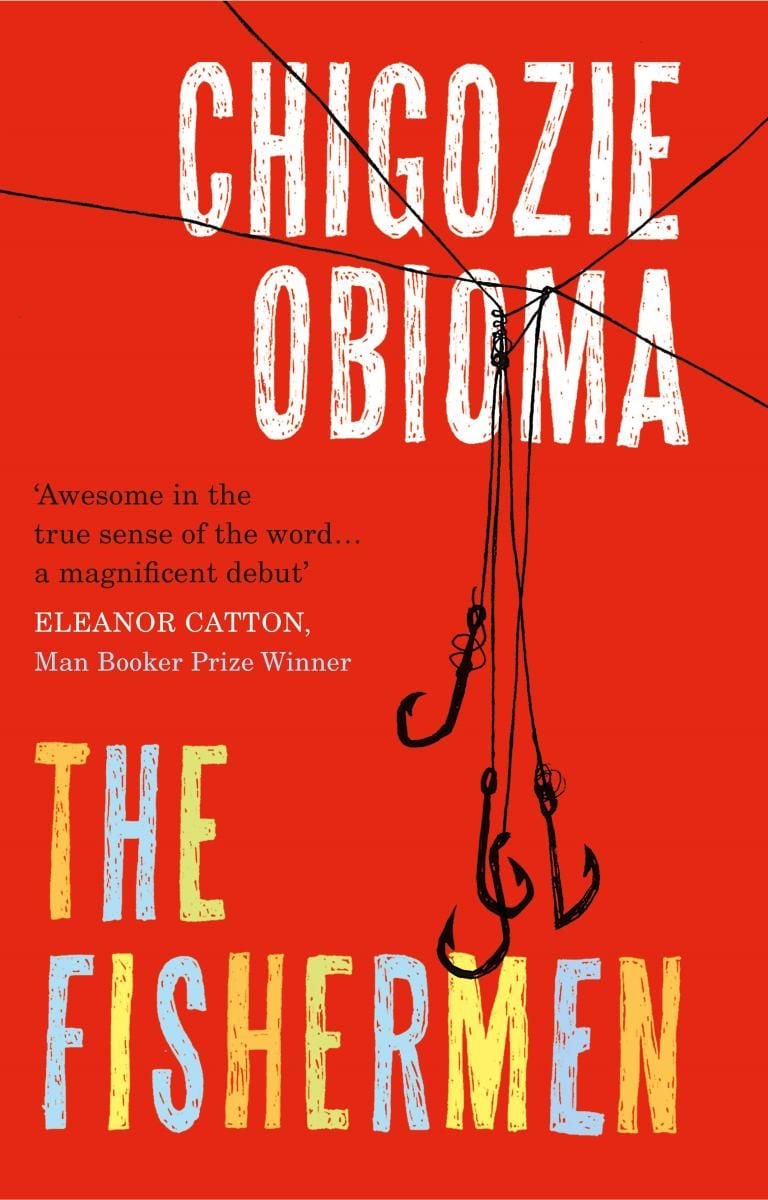
The Fishermen by Chigozie Obioma
Four brothers contend with the consequences of a mystic prophecy in Chigozie Obioma’s Booker Prize 2015 shortlisted novel. The boys – Ben, Obembe, Boja and Ikenna – ignore their father’s warnings and visit a forbidden river. There, they come across a man whose prediction threatens to destroy their entire family.
After learning of the prophecy, 15-year-old Ikenna starts to behave irrationally and isolates himself from everyone. While the other brothers try to reassure him, a series of tragic events ensue, and the family unit is shattered by violence.
Obioma was inspired by the relationship he has with his own siblings; he has seven brothers and four sisters. In an interview with the Booker Prizes, he said ‘I realised that I had a stronger bond with my siblings than I ever imagined and a curiosity as to what could fracture that bond.’
According to Lucy Scholes, writing in the Independent, ‘One of the many delights of The Fishermen is how deeply multi-layered the narrative is. Commonplace sibling rivalry is elevated to the realm of classical literature, where a one-time confidant comes “descending like a fallen angel” from his beloved older sibling’s side; and a proud father’s hubris brings all the weight of Aristotelian tragedy crashing down on his shoulders.’
Buy the book
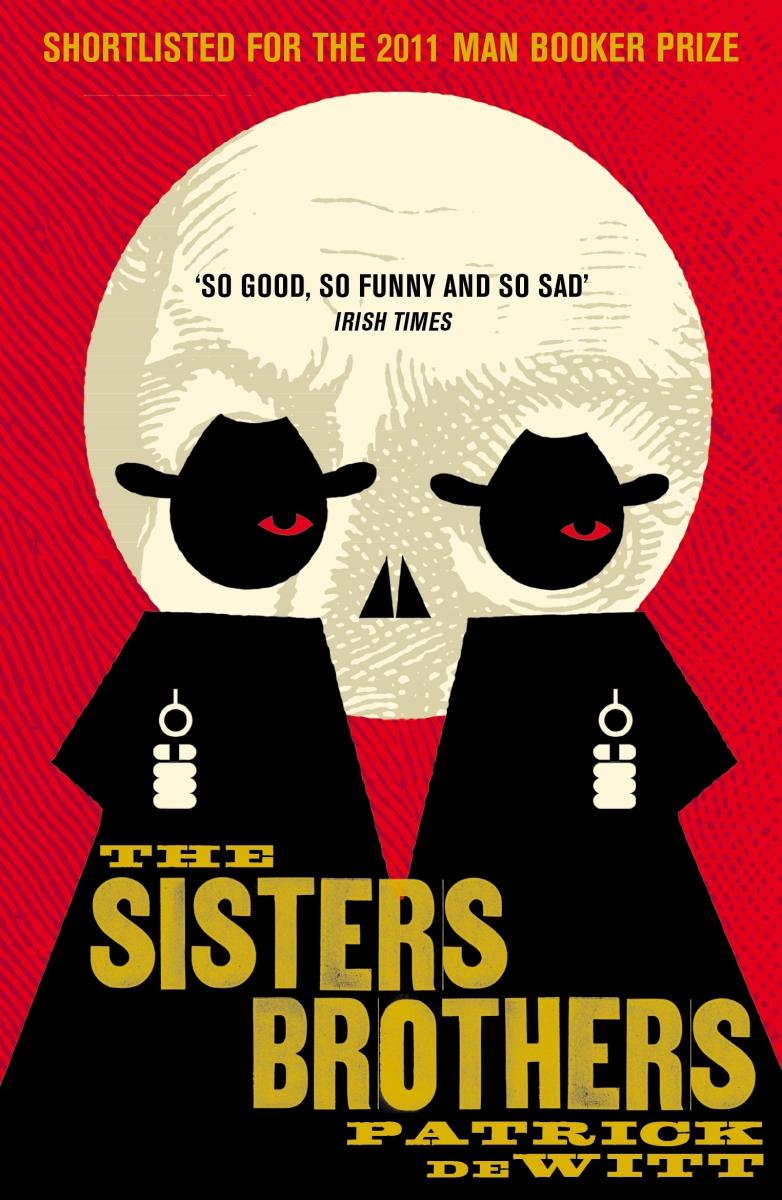
The Sisters Brothers by Patrick deWitt
Shortlisted for the Booker Prize in 2011, The Sisters Brothers follows assassins Eli and Charlie Sisters as they are tasked with killing a gold rush prospector. Travelling from Oregon City to California, the two brothers endure a series of mishaps and encounter a wide range of colourful characters, including a witch and an eccentric dentist.
Eli starts to have doubts and seeks out a new life, while Charlie is content with the violence and murder of his chosen profession. Their contrasting personalities clash and they bicker constantly, though a fierce loyalty underpins their relationship. A comic Western novel, The Sisters Brothers explores the deep bond of brotherhood against a backdrop of violence and greed.
Caroline Leavitt, writing for the Boston Globe, said, ‘As the brothers circle closer and closer to their victim, their conversations deepen and change. They begin to reveal more and more about their bond, their job, and their lives, and glinting like gold nuggets in their general conversation, are bits of their brutal past. Gradually, we begin to see the boys behind the men, the tragedy they both endured, and the way fate led them to their bloody occupation.’
Buy the book
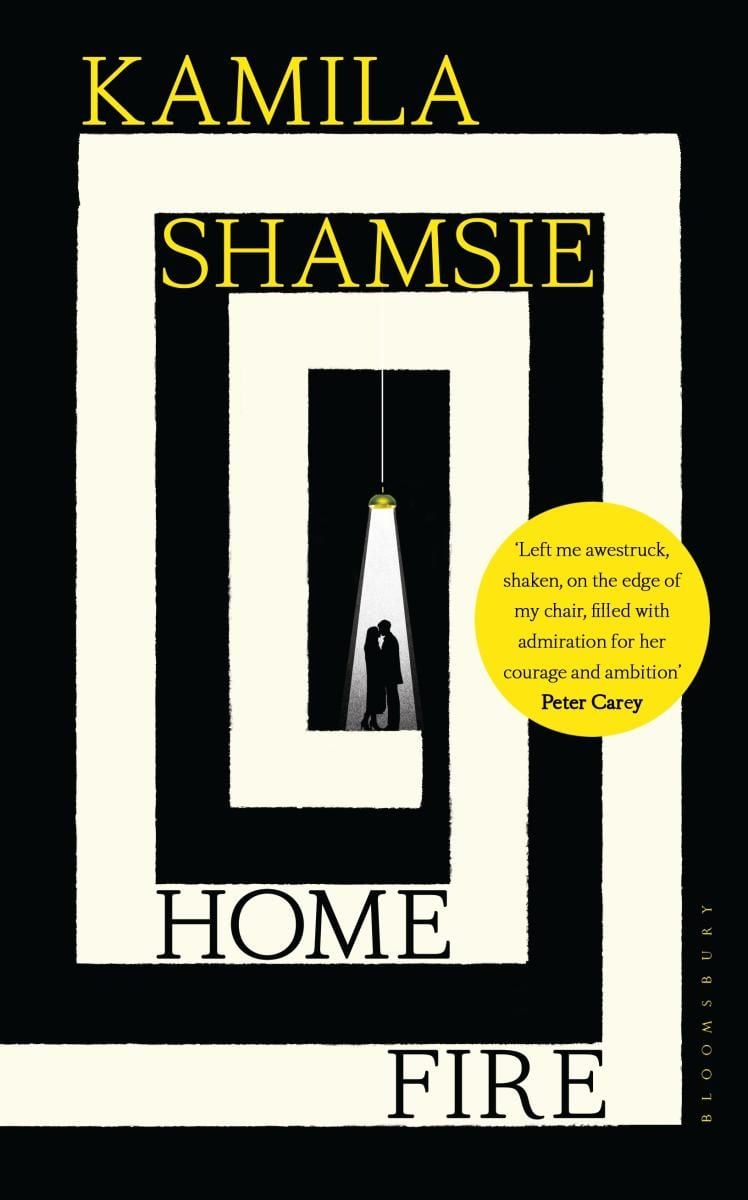
Home Fire by Kamila Shamsie
Home Fire reimagines the Greek tragedy Antigone by Sophocles, transposing it to modern-day Britain. Twenty-eight-year-old Isma Pasha has been raising her two younger siblings, 19-year-old twins Aneeka and Parvaiz, since their mother died when they were 12. Now the twins have reached adulthood, Isma decides to seek out further education in America.
Isma protects her younger siblings fiercely, though her loyalty is tested when Parvaiz joins the militant jihadist group ISIS, and bonds break when Isma and Aneeka find they have opposing opinions on betrayal and protection. Longlisted for the Booker Prize in 2017, Home Fire explores the intersection between familial allegiance and morality.
Writing for the Guardian, Natalie Haynes said, ‘Home Fire pulls off a fine balancing act: it is a powerful exploration of the clash between society, family and faith in the modern world, while tipping its hat to the same dilemma in the ancient one.’
Buy the book
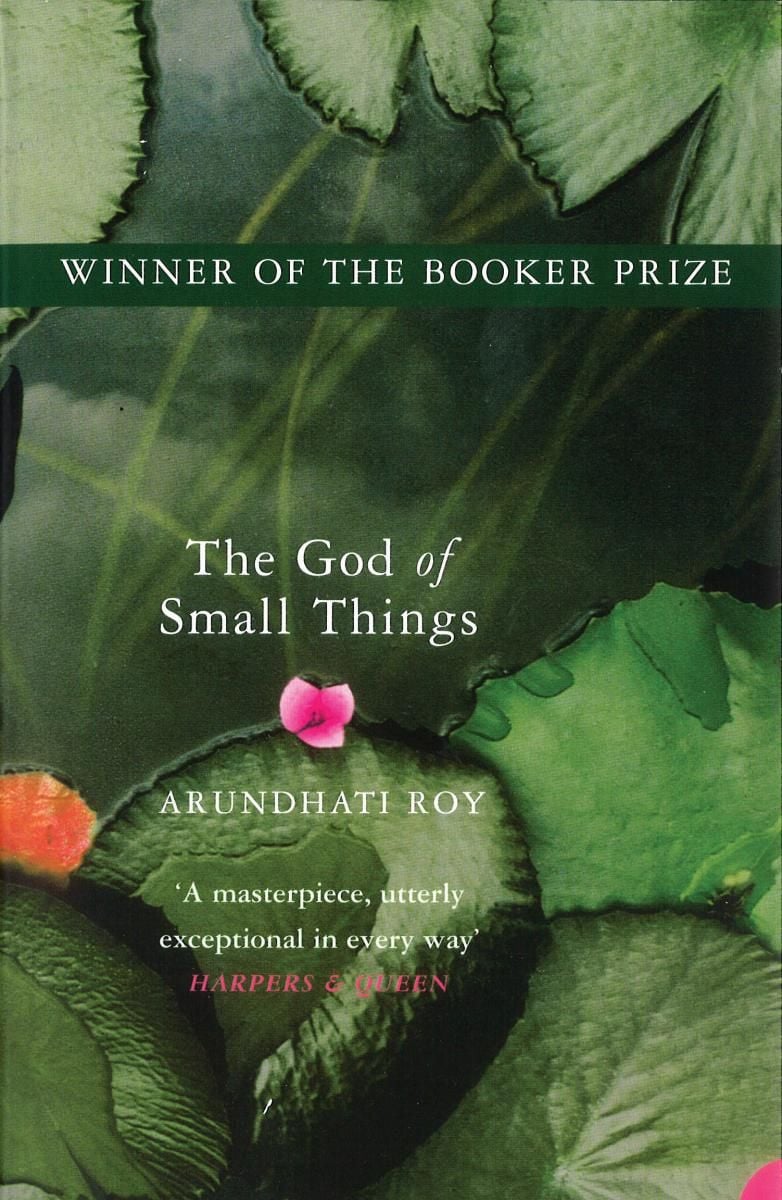
The God of Small Things by Arundhati Roy
Winner of the Booker Prize in 1997, The God of Small Things tells the story of seven-year-old twins Estha and Rahel. In 1960s Kerala, amongst the destructive power of the caste system, the siblings must contend with a series of tragic events that affect the trajectory of their lives and their relationship with each other.
While the twins possess contrasting personalities, with Rahel being more energetic and Estha the more serious out of the two, they still see themselves as one entity and are inseparable as children. Their deep connection often includes sharing thoughts and memories.
Michiko Kakutani, writing in the New York Times, said: ‘Writing largely from the point of view of the twins, Estha and Rahel, Ms. Roy does a marvelous job of conjuring the anomalous world of childhood, its sense of privilege and frustration, its fragility, innocence and unsentimental wisdom.’
Buy the book
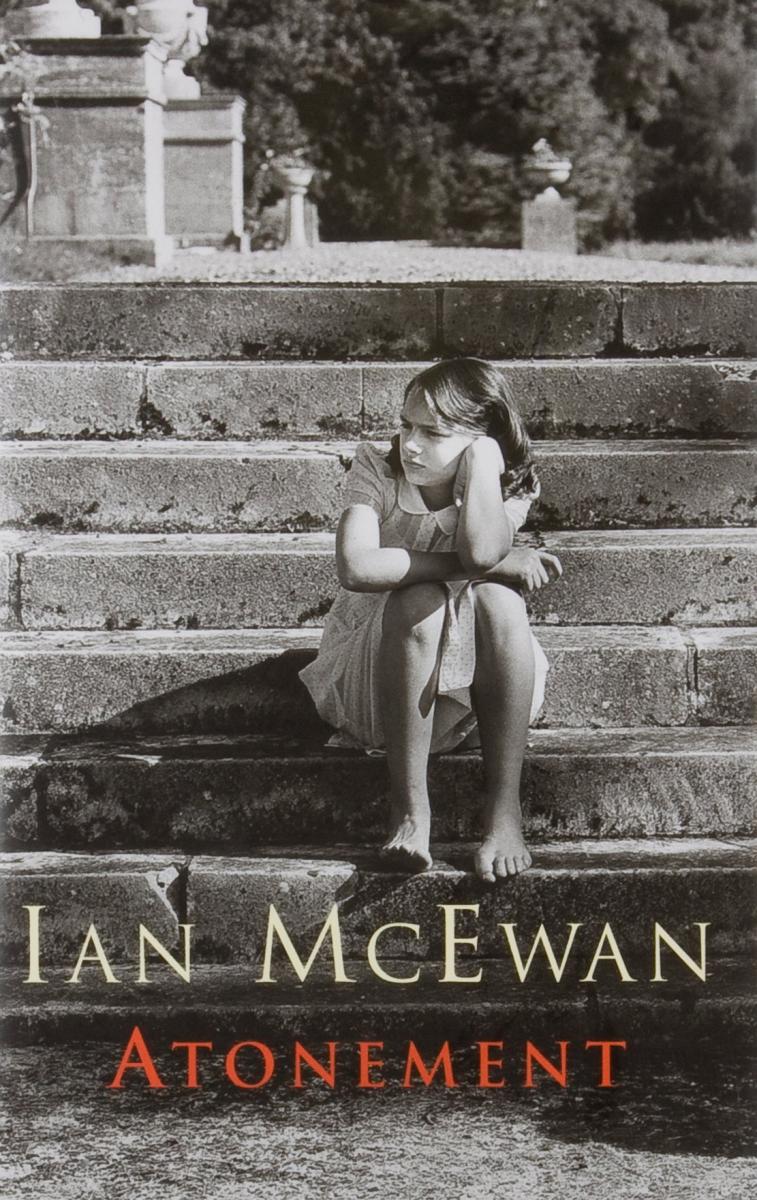
Atonement by Ian McEwan
Thirteen-year-old Briony and her older sister Cecilia’s lives are irrevocably changed after a devastating misunderstanding. Shortlisted for the Booker Prize in 2001, Atonement is set across three time periods – 1935, 1940 and 1999 – and follows Briony as she contends with the consequences of her fateful mistake and seeks redemption.
In an interview with Penguin, Ian McEwan said ‘Briony was fashioned out of the spare rib of her older sister, Cecilia. The younger Miss Tallis began life as a bit-player’. Briony, who is young and naive, possesses a creative imagination and sees her older sister as distant and in need of saving.
John Updike, writing for the New Yorker, said: ‘Atonement, in its tenderness and doubleness and final effect of height, in its postmodern concern with its own writing, and in its central topic of two upper-class sisters in the period between the world wars, has a striking happenstance resemblance to Margaret Atwood’s The Blind Assassin. Both revert, from the perspective of an old woman facing death near the bloated end of the twentieth century, to an era when a certain grandeur could attach to human decisions.’
Buy the book
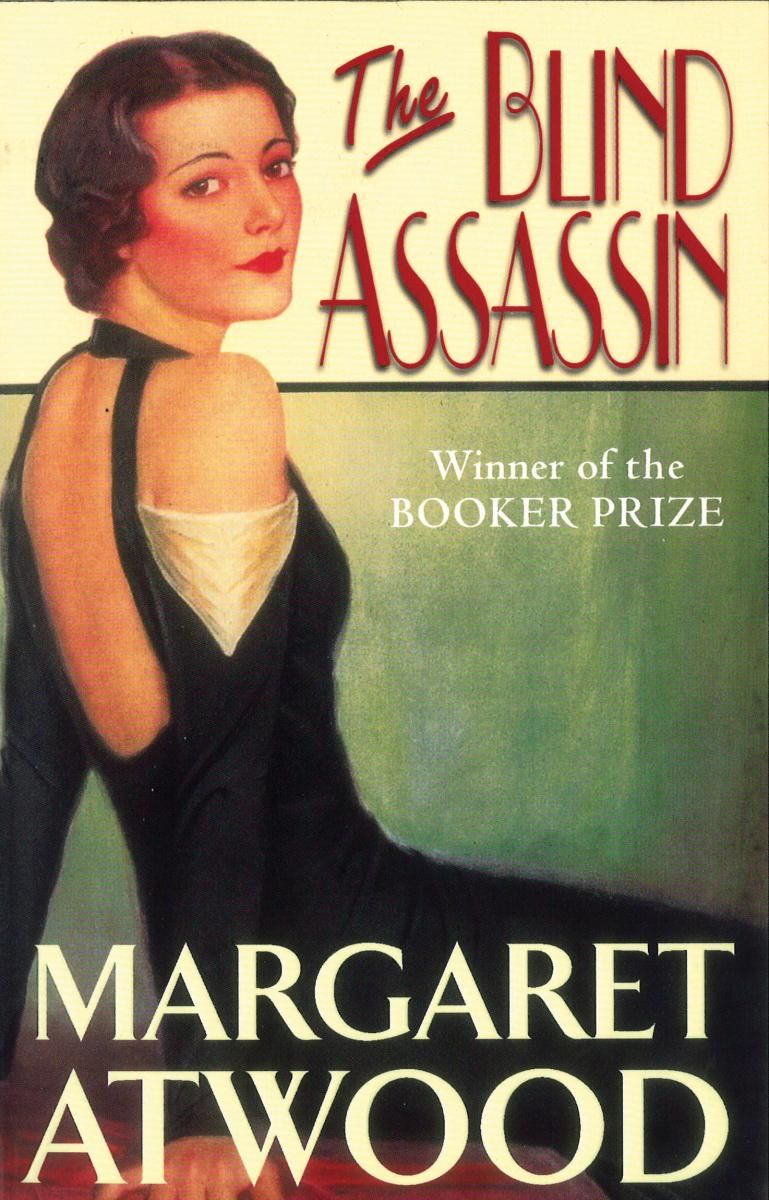
The Blind Assassin by Margaret Atwood
Set in the 1930s and 40s, the first Booker Prize winner of the 21st century is a multilayered drama that follows the life of 82-year-old Iris Chase. She reflects on her earlier years and the events surrounding her sister Laura’s mysterious death, along with a devastating family secret.
Newspaper clippings and extracts from the eponymous novel-within-a-novel, ‘Blind Assassin’, are included amongst Iris’s recollections. The fictional novel is about two unnamed lovers who were having an affair and is believed to have been inspired by Laura’s own life.
Laura was Iris’s younger sister and the freer spirited of the two, with strong beliefs and a curious nature. Iris is more reserved and cautious, wanting to please others and follow social norms. Before Laura’s death, the sisters’ relationship is defined by secrets and jealously and their once close bond becomes strained.
Karen Houppert, writing in Salon, said, ‘This family saga is sketched with Atwood’s trademark dark humour and deft hand… Complementing the historical plotline of Iris and Laura’s coming-of-age between the world wars, Atwood braids in two other strands that keep her tale moving at a brisk clip.’
Buy the book
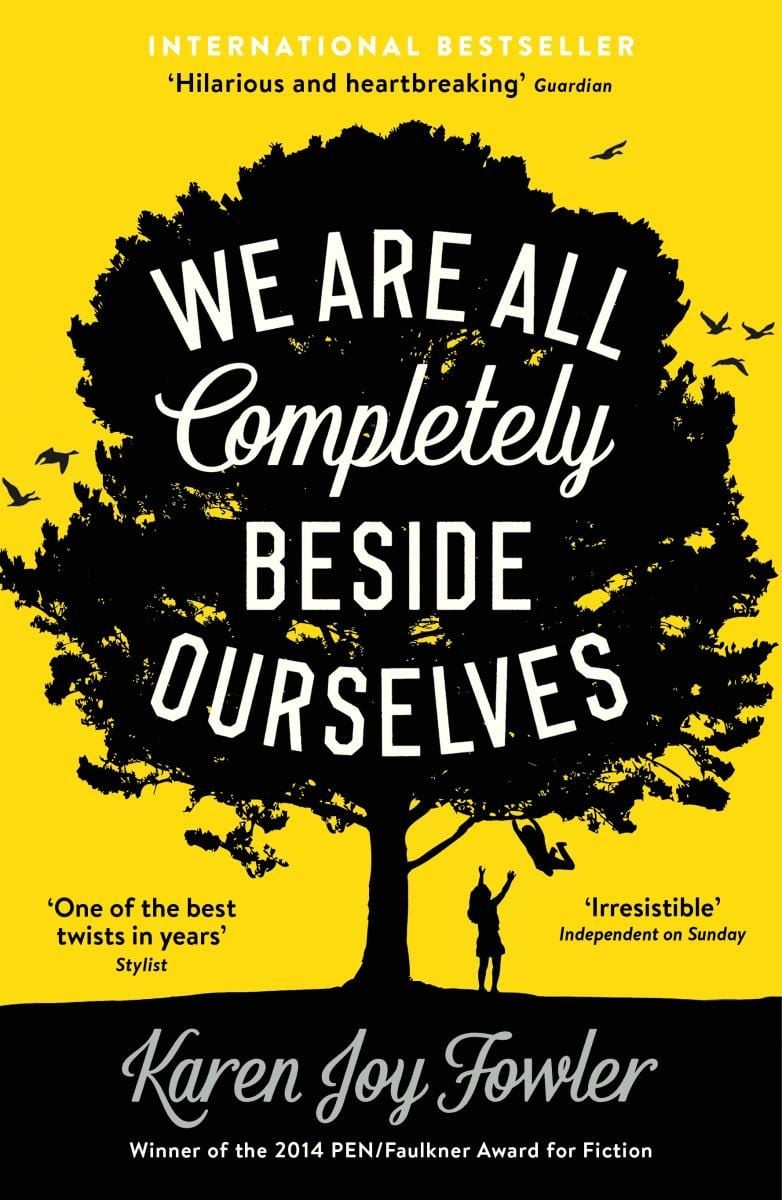
We Are All Completely Beside Ourselves by Karen Joy Fowler
Shortlisted for the Booker Prize in 2014, We Are All Completely Beside Ourselves follows the eccentric Cooke family, as intelligent yet socially awkward Rosemary tries to understand her unusual childhood. She has academic parents, an activist brother, Lowell, and a whirlwind ‘twin sister’, Fern.
Rosemary and Fern have an unorthodox relationship and, while we won’t include any spoilers, it sets the tone for the entire novel. Both of Rosemary’s siblings disappear when she’s just a child, and she’s left feeling guilty and confused, questioning her own memories.
Billy O’Callaghan, writing in the Irish Examiner, called the novel an astonishing achievement: ‘Giant-stepping back and forth through the life of its put-upon narrator, Rosemary Cooke, the youngest of three siblings, the reader is treated to a wild ride of tragic hilarity, but one which only ever serves to heighten its beautiful, heartbreaking core.’
Buy the book
Clear Light of Day by Anita Desai
Clear Light of Day focuses on the Das family in post-partition Delhi and the complicated relationship between siblings Tara, Bim, Raja and Baba. Shortlisted for the Booker Prize in 1980, this family drama investigates how the unexplored crises of childhood can reveal new worlds. Divided into four sections, the novel travels back from adulthood to adolescence and finally to childhood.
In an interview with the Booker Prizes, Anita Desai said that the characters in Clear Light of Day were not based on real people: ‘They’re based on the relationships that one has – sisters and brothers, sisters and sisters… The kind of relationship one has with those who are close to one, with one so intimate and yet getting on with them is all tension and friction and yet there has to be some kind of resolution as well.’
Fellow Booker Prize-nominated author Anne Tyler wrote in the New York Times: ‘Anita Desai has created an entire little civilization here from a fistful of memories, from a patchwork of sickroom dreams and childhood games and fairy tales. Clear Light of Day does what only the very best novels can do; it totally submerges us. It also takes us so deeply into another world that we almost fear we won’t be able to climb out again.’
Buy the book
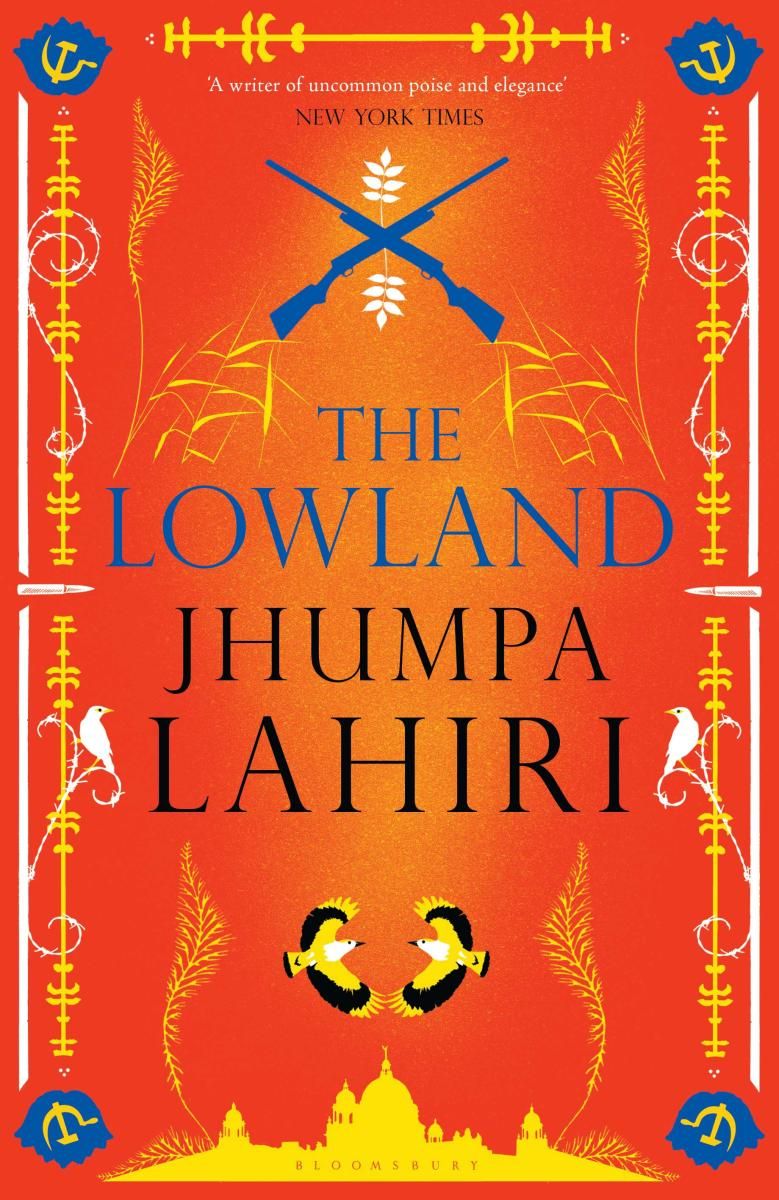
The Lowland by Jhumpa Lahiri
Shortlisted for the Booker Prize in 2013, The Lowland explores the trauma that leaks through generations and highlights the lasting bonds of brotherhood.
Subhash and Udayan are brothers from Calcutta. Born 15 months apart, they are inseparable as children. Subhash is the more reserved of the two, while Udayan is fiery and more rebellious. The brothers drift apart in adulthood, taking completely opposite paths, and Udayan becomes involved in the communist Naxalite movement. Their loyalty to each other is tested after a horrible incident rearranges Subhash’s once cautious and predictable life.
Anita Sethi, writing for the Guardian, said, ‘Tracing how brotherly bonds become broken by violent politics, it is suffused with sadness… This is a novel in which the most tender of ties are torn asunder’. While Ron Charles, writing for the Washington Post, said that the novel is about ‘the intimacy of siblings,’ claiming that The Lowland has ‘complicated the ancient story of sibling rivalry by infusing it with real affection, capturing the way these two brothers need and rely on each other’.


Features

- Book recommendations
Seven Booker Prize-nominated post-apocalyptic books

- Reading guides
Reading guide: On Chesil Beach by Ian McEwan

- Competition
Win a copy of On Chesil Beach by Ian McEwan

- Book extract
An extract from On Chesil Beach by Ian McEwan

- Book recommendations
Where to start with Ian McEwan: a guide to his best books

- Book recommendations
South Asian Heritage Month: 12 books to read from the Booker Library


- Book recommendations
11 of the best debut novels that were nominated for the Booker Prize

- Book recommendations
- Long read
10 of the best memoirs by Booker Prize-winning authors

- Book recommendations