
- Book recommendations
12 Booker-nominated books that have been adapted for the stage
12 Booker-nominated books that have been adapted for the stage
- Written by
- Helen Babbs
- Published
As a musical based on Rachel Joyce’s longlisted novel The Unlikely Pilgrimage of Harold Fry opens in London’s West End, here are 12 Booker-nominated books that have successfully made the jump from page to stage
In an interview for Waterstones ahead of the 2023 world premiere of the English-language stage adaptation of A Little Life, Hanya Yanagihara talked about how ‘thrilling’ it was to watch the actors embody the characters in her Booker-shortlisted book. She described it as ‘really magical… like alchemy’.
Yanagihara’s admiration for Ivo van Hove, the play’s director, was clear: ‘The reason I gave him the rights back in 2017 – this is when the Dutch version came out – is because I knew his work and I admired it and I knew he would have ideas… You can look back at his other plays and see that he does something strange and revelatory and really singular with everything he buys and adapts.’
Similarly, when asked about the 2025 production of his Booker Prize-winning novel, The Line of Beauty, Alan Hollinghurst described the adaptation process as ‘fascinating’, remarking on how ‘skilful’ writer Jack Holden was. Hollinghurst told the Guardian, ‘It’s been converted into a completely different medium with completely different terms and considerations… the priorities of the stage are quite different, and things which I feel might need to be explained can be conveyed by a gifted actor, just in a look or a gesture.’

The 2025 production of The Line of Beauty at the Almeida Theatre, London
© Johan Persson / Almeida Theatre
Stephanie Bain, Head of Programming & Literary at the Almeida Theatre in London and the English-language adaptor of Annie Ernaux’s The Years, has described the process of adapting a book into a play as ‘a conversation between two unique artistic voices’.
A Little Life, The Line of Beauty and The Years are part of a small but growing group of Booker- and International Booker-nominated novels that have transitioned from page to stage. Adaptations that have reached audiences around the world include Wolf Hall, Drive Your Plow Over the Bones of the Dead and Life of Pi.
This year, The Unlikely Pilgrimage of Harold Fry plays in London’s West End, following a sold-out run at the Chichester Festival Theatre, and a new staging of The Curious Incident of the Dog in the Night-Time – adapted from Mark Haddon’s novel – will open at the Birmingham Rep before a UK tour.
If you’re a theatre lover as well as a book lover, this 12-strong list is for you – whether you’re deciding what to read next or what to watch.

The 2024 production of The Years at the Almeida Theatre, London
© Ali Wright / Almeida Theatre
Buy the book
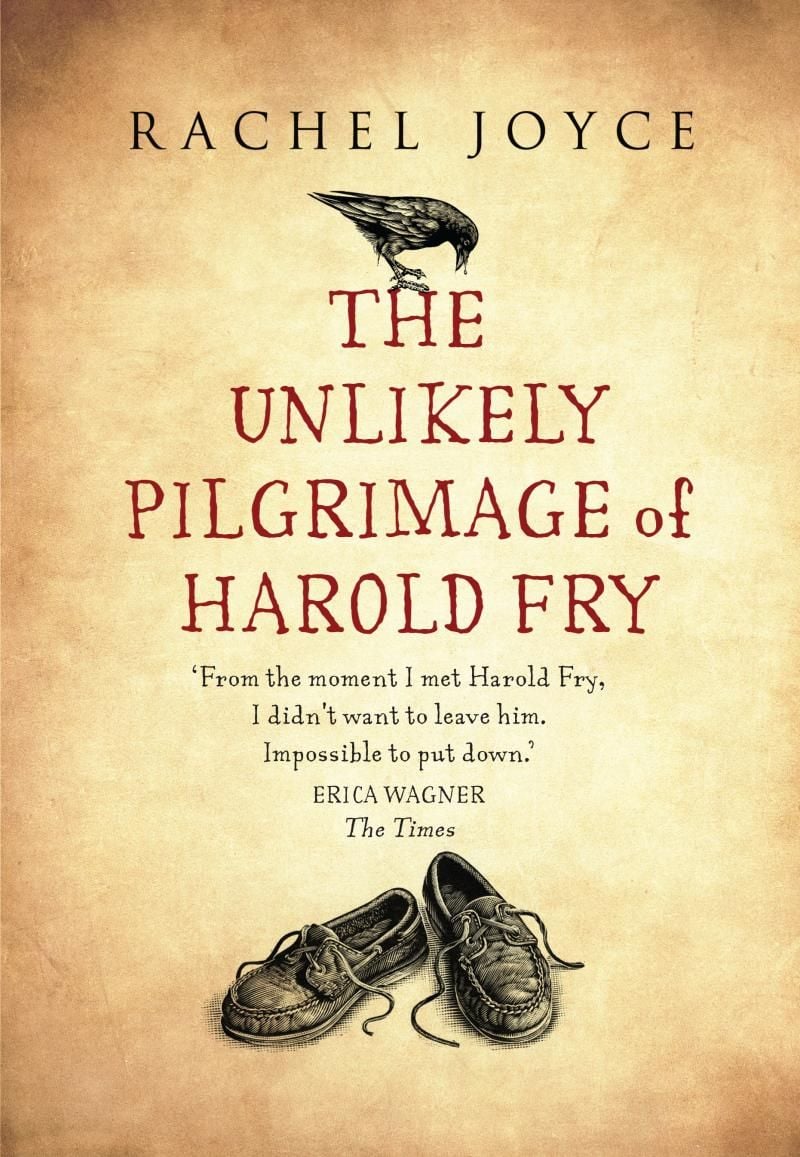
The Unlikely Pilgrimage of Harold Fry directed by Katy Rudd, adapted from Rachel Joyce’s novel
Harold Fry, the unassuming hero of Rachel Joyce’s life-affirming story, is a man on a mission – to walk more than 600 miles to save a friend. The novel was longlisted for the Booker Prize in 2012.
A musical based on the book, and adapted by Rachel Joyce herself, with music and lyrics by Passenger, premiered at Chichester Festival Theatre in 2025. It was a sell-out success and has now transferred to London, opening at the end of January 2026.
Joyce trained at RADA and worked as a theatre actor for 20 years. In an interview with London Theatre, she said, ‘I’ve realised there is a theatricality to my fiction – it must be because theatre is in my bones. Not to mention the book is quite episodic, with Harold stopping to meet new people, so it really lends itself to the musical format, where each person can open up their heart through song…
‘Fundamentally the story is about ordinary people being capable of beautiful things. I still hold onto that, even when things are tough, and the show just encapsulates it so perfectly. It’s such a generous piece of theatre that you feel like you’ve been hugged.’
Buy the book
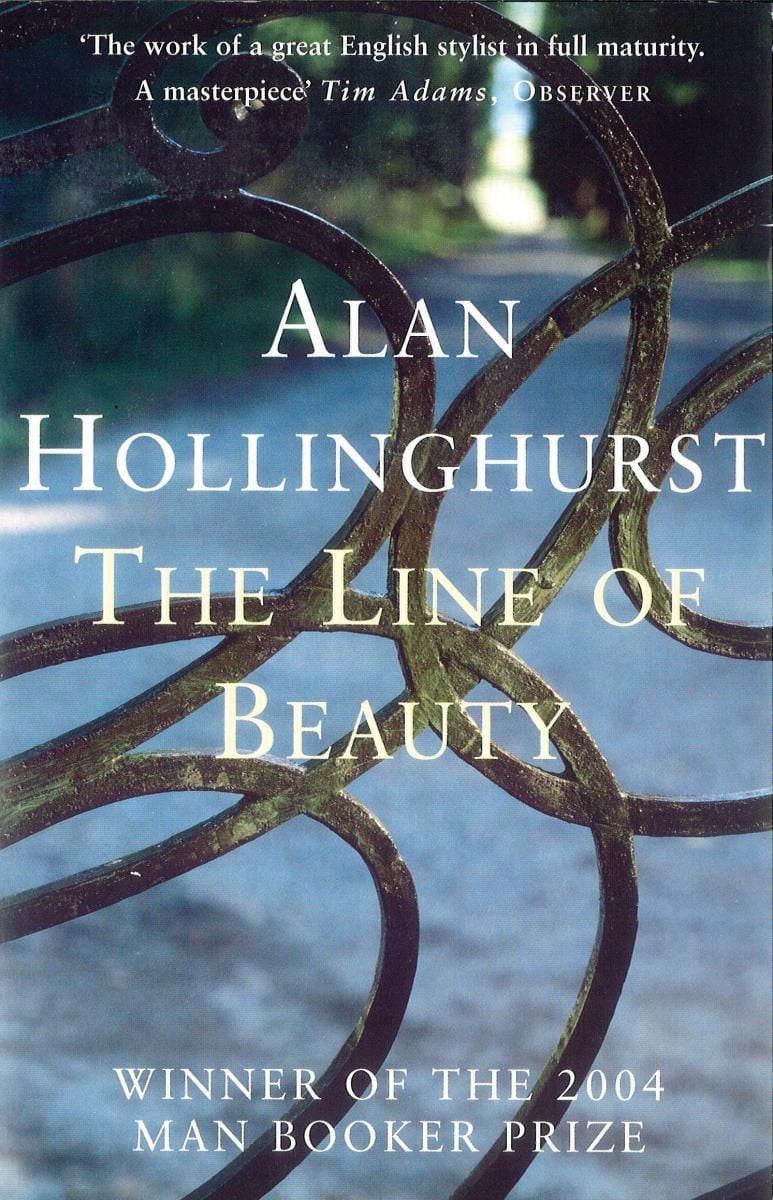
The Line of Beauty directed by Michael Grandage, adapted from Alan Hollinghurst’s novel
Alan Hollinghurst’s intricate portrait of class, politics and sexuality in 1980s Thatcherite Britain won the Booker Prize in 2004. Just over 20 years later, an adaptation of The Line of Beauty by playwright Jack Holden opened at the Almeida in London, directed by Michael Grandage.
The novel is a long one and, discussing the adaptation alongside Hollinghurst in a pre-show talk, Holden explained, ‘I had to choose what my version of events would be, what my thread through the story would be… The task of adaptation is mainly subtraction, cutting away and away and away… It’s about taking a bit away there which allows this bit to sing even more.’
Holden admitted that ‘Alan’s beautiful prose and interiority in the novel – not much of it makes it to the stage in a direct way. But the actors, who have read and love the book, bring all of that wonderful interiority in three dimensions. So, it’s a give and take.’
In a review for Tatler, Annabel Sampson described the production as ‘Artfully filleted, with luminous – frequently laugh out loud funny – bits of text lifted and surplanted as dialogue’.
Buy the book
The Years directed by Eline Arbo, adapted from Annie Ernaux’s novel
Autobiography morphs into new shapes in Annie Ernaux’s genre-bending book, translated from French by Alison L Strayer and shortlisted for the International Booker Prize in 2019.
Although perhaps not an obvious candidate for theatre, a Dutch-language stage adaptation of The Years premiered in 2022 at Het Nationale Theater in The Hague, directed by Eline Arbo. The play was a big hit with audiences and toured in the Netherlands. In it, a cast of five women play the central character, representing her at different stages of her life.
Arbo went on to direct an English-language version of the play, adapted by Stephanie Bain and staged to critical acclaim at the Almeida and Harold Pinter Theatres in London. It won two Olivier Awards in 2025, including best director.
In an interview with the Guardian, Arbo said of Ernaux, ‘I’m very happy she gave me the rights. This is quite a radical adaptation. It takes the work and makes something else out of it. I made my own work of art out of her work of art.’
A review in the Evening Standard described the play as an ‘enthralling stage adaptation… a perfect dramatic extrapolation of Ernaux’s slippery narrative’.
Buy the book
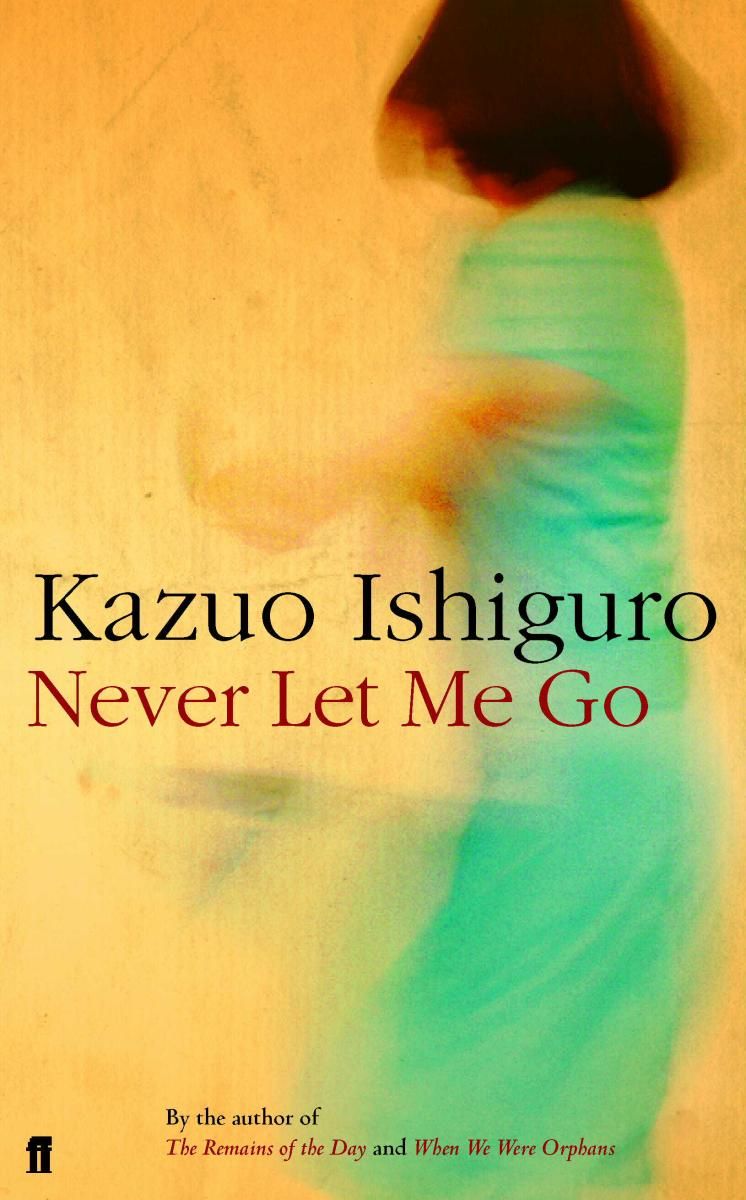
Never Let Me Go directed by Christopher Haydon, adapted Kazuo Ishiguro’s novel
Kathy, Ruth and Tommy were pupils at Hailsham – an idyllic establishment deep in the English countryside where all was not as it seemed. Thought-provoking and unsettling by turns, Kazuo Ishiguro’s 2005 Booker-shortlisted novel gradually unveils the disturbing truth about the children’s seemingly happy childhoods.
A stage adaption of Never Let Me Go opened at the Rose Theatre, Kingston in 2024, with Ishiguro in the audience on opening night. It then toured to Northampton, Malvern, Bristol and Chichester.
In a review for WhatsOnStage, Alun Hood said, ‘It’s a challenge to adapt a much-discussed novel for the stage, especially when there’s already an acclaimed film version in circulation… With assurance, intelligence and a sure grip on what works onstage, playwright Suzanne Heathcote and director Christopher Haydon give Ishiguro’s thought-provoking, rich but cruel fantasy a riveting theatrical life discrete from the book and the film.’
Buy the book
Drive Your Plow Over the Bones of the Dead directed by Simon McBurney, adapted from Olga Tokarczuk’s novel
Olga Tokarczuk’s subversive, entertaining neo-noir, translated by Antonia Lloyd-Jones, was shortlisted for the International Booker Prize in 2019. Set in a remote village in south-west Poland, Drive Your Plow Over the Bones of the Dead follows the story of Janina Dusezjko, an eccentric woman in her 60s, who describes the events surrounding the disappearance of her two dogs.
Complicité – an international touring theatre company known for its experimental, multidisciplinary work – coproduced an adaptation of the novel which opened at the Theatre Royal, Plymouth, in 2022, before touring widely across the UK and Europe. It won the Catalan Critics Award for Best International Show in 2024.
Writing in the Guardian, Kate Kellaway said, ‘The fascinating thing is that, were you to read the novel without knowing Complicité was making a show of it, you could almost guess that it might’. Kellaway commented on the affinity between Tokarczuk’s ‘comic imagination and the company’s preoccupation with darkness, physicality and the eccentric’.
Buy the book
A Little Life directed by Ivo van Hove, adapted from Hanya Yanagihara’s novel
Following the story of Jude, an outwardly successful adult debilitated by childhood trauma, Hanya Yanagihara’s deft depiction of the tyranny of memory and the limits of human endurance was shortlisted for the Booker Prize in 2015.
A stage adaptation of A Little Life was first performed in Dutch at the Internationaal Theater Amsterdam in the Netherlands in 2018, directed by Ivo van Hove. The Dutch-language production toured to cities including Adelaide, Edinburgh and New York, while an English-language adaption premiered in London in 2023, starring James Norton as Jude.
Hanya Yanagihara worked closely with van Hove, explaining, ‘I’m curious about when someone wants to adapt the book to another art form; how will they use their medium to tell the story. It has to be an interpretation, not a literal translation.
‘The book requires total surrender from the reader. And it will be the same with the play. This is the case with all of Ivo’s work. The stage adaptation of A Little Life will invite the audience to be humble, attentive and actively involved… I hope this play will let people see the book in a new light. Maybe I will also see the book differently.’
Like the original novel, the play proved popular but controversial, with audiences and critics divided over its gut-wrenching content.
Buy the book
My Name is Lucy Barton directed by Richard Eyre, adapted from Elizabeth Strout’s novel
An extended hospital stay offers an estranged mother and daughter an opportunity to reconnect in Elizabeth Strout’s Booker-longlisted novel, nominated in 2016. As Lucy recovers from what should have been a routine operation, she reflects on her impoverished childhood, her escape to New York City, her faltering marriage, and her love for her own daughters.
My Name is Lucy Barton was first staged at The Bridge Theatre in London in 2018, and again in 2019, before opening on Broadway in 2020. Performed as a monologue, acclaimed actor Laura Linney took on the titular role in both London and New York.
In a conversation with Elizabeth Strout ahead of rehearsals, playwright Rona Munro explained, ‘The work of adaptation has been a delight, and no work at all. Lucy has a voice, a clear, storytelling voice, which talks directly to an audience. The theatricality of that is already in place. All I had to do was arrange it and fit it into a shorter space of time.’
Writing in the Guardian, Michael Billington said, ‘Novels, depending on the stream of time, rarely make good plays. Elizabeth Strout’s first-person narrative, longlisted for the Man Booker prize in 2016, however, breaks the rules and fits perfectly on the stage. That’s partly because of the quality of the writing and partly because of a beautifully nuanced solo performance by Laura Linney.’
Buy the book
Life of Pi directed by Max Webster, adapted from Yann Martel’s novel
Yann Martel’s warm and engaging philosophical novel won the Booker Prize in 2002. Featuring a boy adrift at sea with a hyena, a zebra, an orangutan and a tiger, Life of Pi was adapted into an Oscar-winning film in 2012 and for the stage in 2019.
The theatre production, featuring stunning puppetry, premiered at the Crucible, Sheffield, before transferring to the West End and touring the UK. It’s since been on Broadway and embarked on a worldwide tour.
The production won in five categories at the Olivier Awards in 2022, including best new play, best actor for Hiran Abeysekera, and best supporting actor for the seven performers operating the show’s puppet tiger. It also won three TONY awards, including best scenic design.
In an interview for the Evening Standard, the creator of the stage adaptation, Lolita Chakrabarti, said its success was a testament to the ‘absolute modern classic’ created by Martel. ‘His graciousness in giving me the freedom to tell the story as I wanted, he said, ‘I don’t know about theatre, you do what you do and have the book’… I think that understanding of other forms of artistry and his generosity has made the film what it was and the play what it is. It all comes down from his book really.’
Buy the book
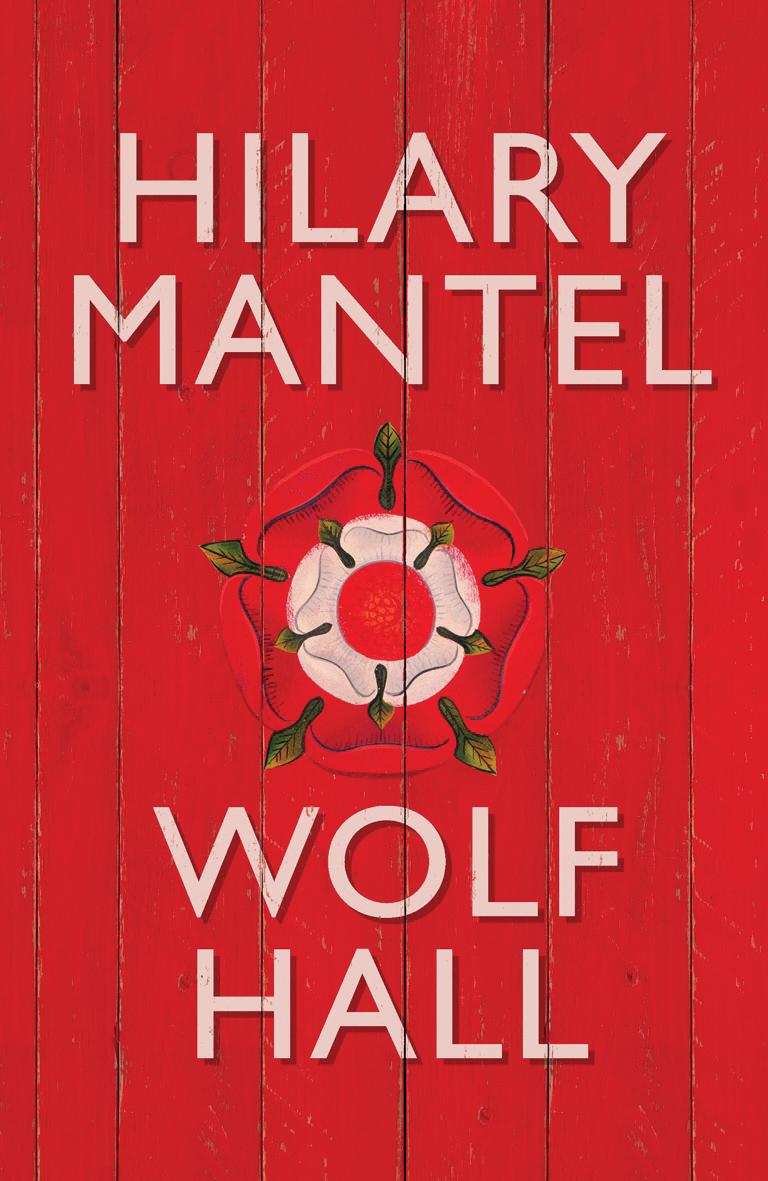
Wolf Hall and Bring Up the Bodies directed by Jeremy Herrin, adapted from Hilary Mantel’s novels
In Wolf Hall, Hilary Mantel peels back history to explore the rich intersection of individual psychology and wider politics in Tudor England. The book won the Booker Prize in 2009, with the judges remarking it was ‘extraordinary in its technique, its confidence’. Mantel won again in 2012 with its gripping sequel, Bring Up the Bodies.
Stage adaptations of both books opened at the Royal Shakespeare Company’s Swan theatre in Stratford-upon-Avon in 2013, with Ben Miles playing Thomas Cromwell. This gave dedicated fans the unique opportunity to watch both plays in one day – six hours viewing in total. The plays transferred to the West End in 2014, and onto Broadway in 2015.
Mantel was closely involved. Writing in the New York Times, she explained: ‘For the stage, we don’t need look-alikes, I said. We don’t need stars. Just a company of self-effacing shape-shifters who will play three and four parts, ripping themselves fiercely in and out of costumes and story lines, who will embody the vitality and passion of the Tudors inside my head. We need a director who is an expert in urgency, who will whip up magic and make the story fly.’
Michael Billington, in a review covering both plays for the Guardian, wrote, ‘Even if Mantel’s poetic eye for detail gets somewhat lost, Mike Poulton has done an outstanding job in turning the books into two epic three-hour plays that, in Jeremy Herrin’s RSC production, make for a gripping piece of narrative theatre.’
Buy the book
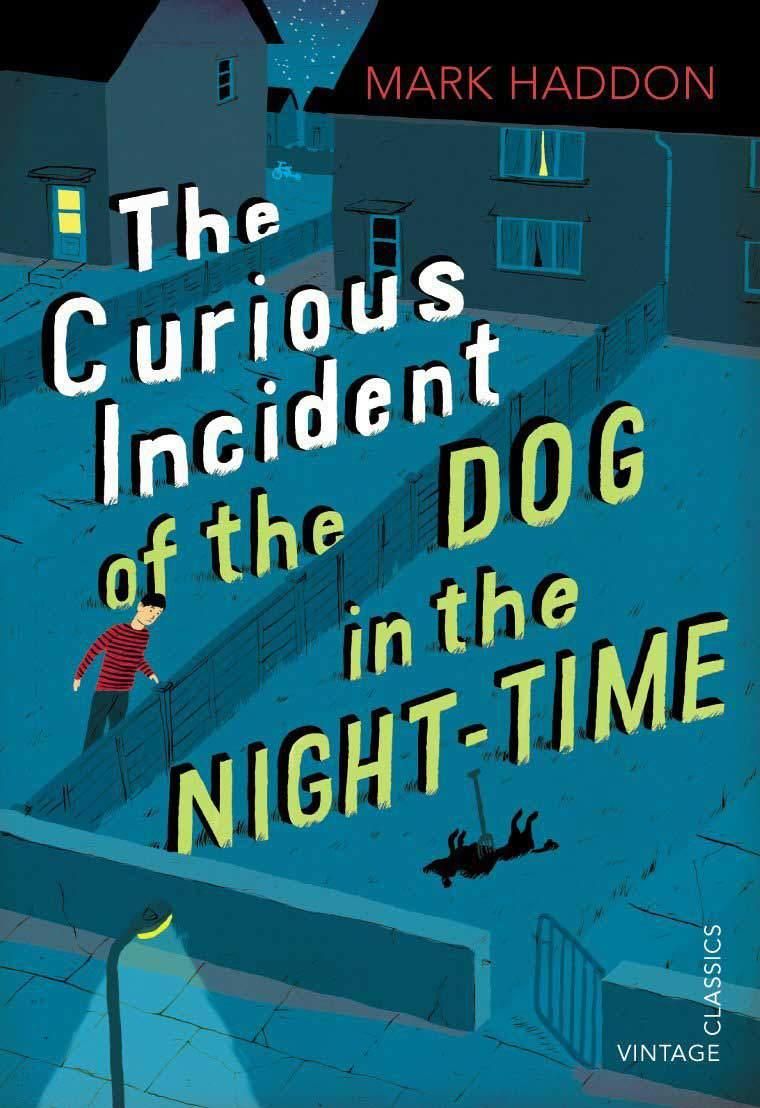
The Curious Incident of the Dog in the Night-Time directed by Marianne Elliott, from Mark Haddon’s novel
In Mark Haddon’s widely acclaimed novel an unusual and brilliant boy insists on investigating the mysterious death of a neighbour’s dog. Longlisted for the Booker Prize in 2003, this is a murder mystery like no other, one as popular with young readers as it is with adults.
The stage adaptation of The Curious Incident of the Dog in the Night-time first opened at the National Theatre in London in 2012. In a review for the Evening Standard, Henry Hitchings described the adaptation as ‘humane, stylish and a success from any angle’, while Susannah Clapp in the Guardian said it was ‘unsentimental and heartfelt.’
It was a huge hit, transferring to the West End and onto Broadway, before touring around the world. It’s reported to have been seen by over 5 million people. The production won seven Olivier Awards in 2013, including best new play.
A new staging of Simon Stephens’ adaptation, directed by Ned Bennett, is due to open at the Birmingham Rep in September 2026, before touring the UK.
Buy the book
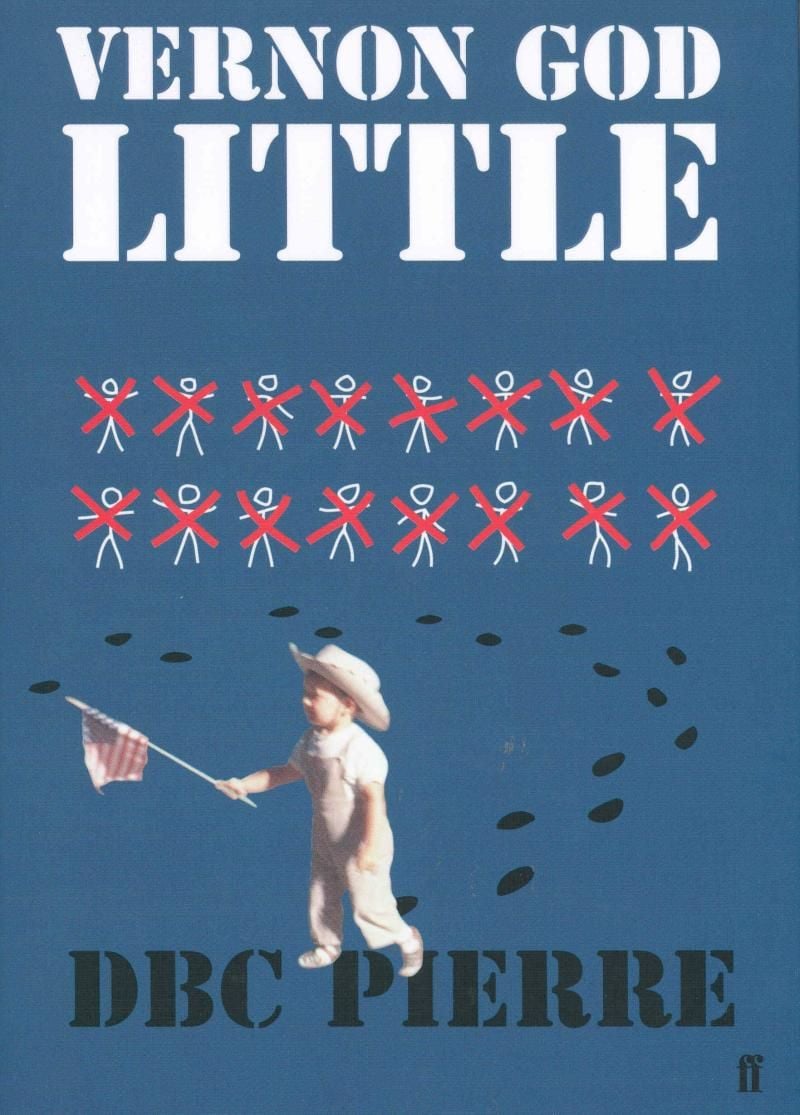
Vernon God Little directed by Rufus Norris, adapted from DBC Pierre’s novel
DBC Pierre’s darkly comic debut won the Booker Prize in 2003. The main protagonist is an acerbic, foul-mouthed 15-year-old boy who’s on the run after a mass shooting at his high school in Texas.
The stage adaptation was first performed at the Young Vic, London, in 2007 and nominated for an Olivier Award for best new play. It was revised and revived in 2011 as the centrepiece of the Young Vic’s 40th anniversary season.
In a review for Variety, David Benedict noted the play’s ‘defiant, no-middle-ground tone’, saying it was a ‘keynote both of Tanya Ronder’s tightly-written adaptation – it feels like an original work – and Rufus Norris’ cartoon-like, helter-skelter production.’
Features

- Book recommendations
11 epics from the Booker Library for fans of The Odyssey

- Book recommendations
Six uplifting novels nominated for the Booker Prizes

- Book recommendations
Where to start with Olga Tokarczuk: a guide to her best books


- Book recommendations
Staff picks: our favourite Booker Prize-winning books

- Book recommendations
10 Booker Prize-nominated books with unique settings


- Book recommendations
Taiwan Travelogue and 10 more Booker-nominated novels that are perfect for foodies

- Book recommendations