10 Booker Prize-nominated books that are perfect for hot weather

10 Booker Prize-nominated books that are perfect for hot weather
- Written by
- Max Liu
- Published
Across the northern hemisphere, temperatures are rising with forecasts of another sweltering summer ahead. Here are ten searingly good Booker-nominated reads, where hot weather is much more than just a backdrop
Hot weather has long played a portentous role in great fiction. The heatwave in F. Scott Fitzgerald’s The Great Gatsby (1925), for example, accentuates the heady atmosphere of drunkenness and betrayal as the story hurtles towards its tragic conclusion. In L.P. Hartley’s The Go-Between (1953), meanwhile, heat is depicted as transformative: ‘In the heat the senses, the mind, the heart, the body, all told a different tale. One felt another person, one was another person.’
In novels that have been nominated for or won the Booker Prize, hot weather is, among other things, a symbol of tension, metaphor for oppression, or a filter for individuals’ memories. It is an active part of events and rarely a coincidental backdrop. Here are 10 Booker novels to seek out as the heat rises this summer.
Buy the book
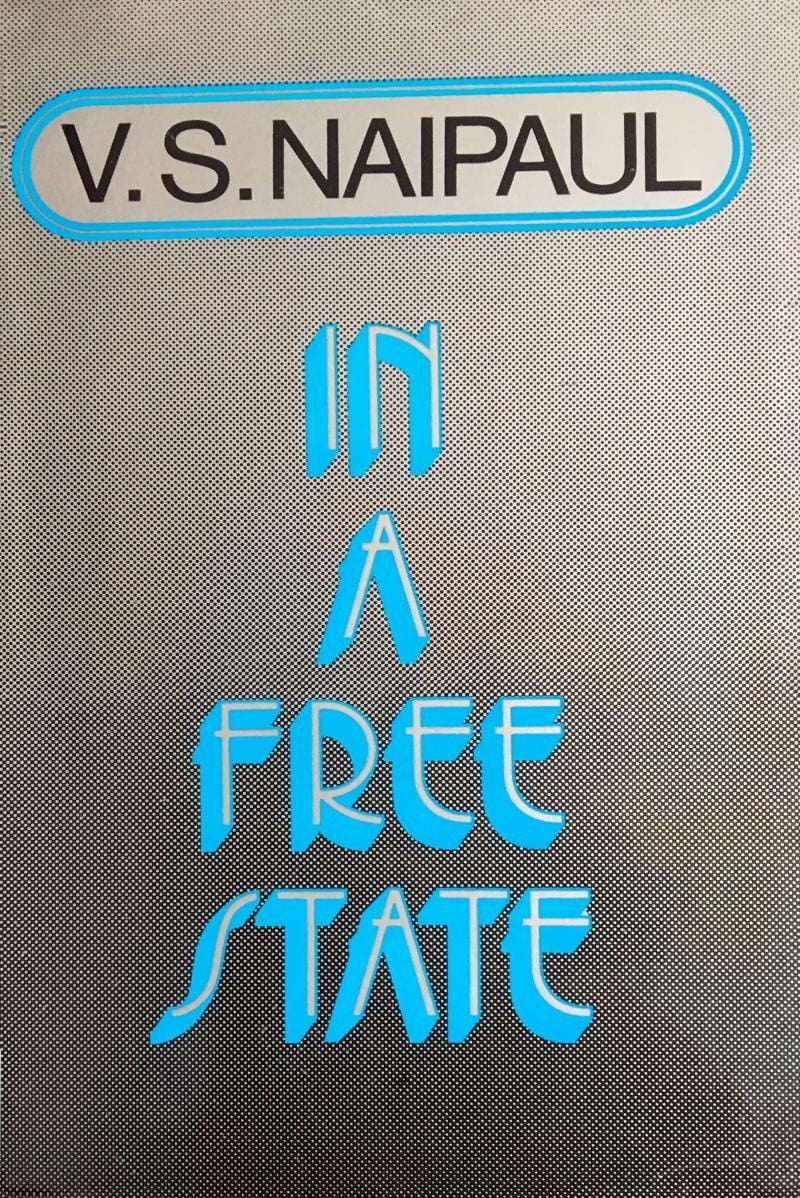
In a Free State by V.S. Naipaul (winner, 1971)
The unease becomes almost unbearable in the novella at the centre of V.S. Naipaul’s Booker Prize winner, as a British man and woman take a long drive through an unnamed African country. It is also a journey into the darker aspects of the British characters’ minds, as the dry and hot climate brings out their base attitudes and behaviours. Particularly haunting is the night the couple spend at a hotel run by a colonel who bullies and belittles the indigenous staff while knowing they will kill him in the coming civil war. One of Naipaul’s shorter works, In A Free State contains some of the strangest and most haunting scenes in the oeuvre of one of the great writers of English prose of the past century.
Buy the book
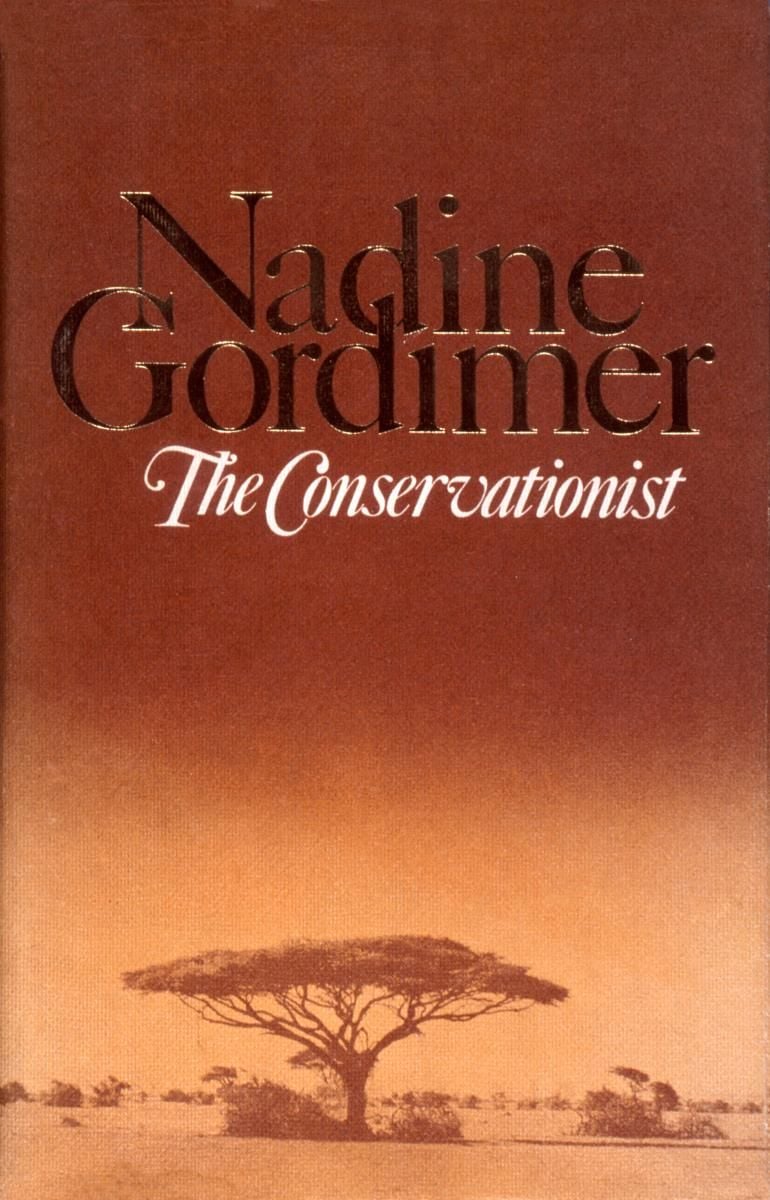
The Conservationist by Nadine Gordimer (winner, 1974)
There won’t be rain for five months, we learn near the beginning of Nadine Gordimer’s incendiary novel of apartheid South Africa. We follow the story of Mehring, a rich white farmer who sees it as his duty to preserve his land and the social order that sustains it, and his Black foreman Jacobus. Under the suffocating heat, conflict breaks through the veneer, in Mehring and in the society around him. Drought, a heat storm and a dead body all symbolise the rot that underpins Mehring’s way of life and his idea of himself. Written in the middle of the apartheid-era, Gordimer’s prose is shot through with urgency, as if there is not a second to be wasted, and the result is fiction as scorching historical record.
Buy the book
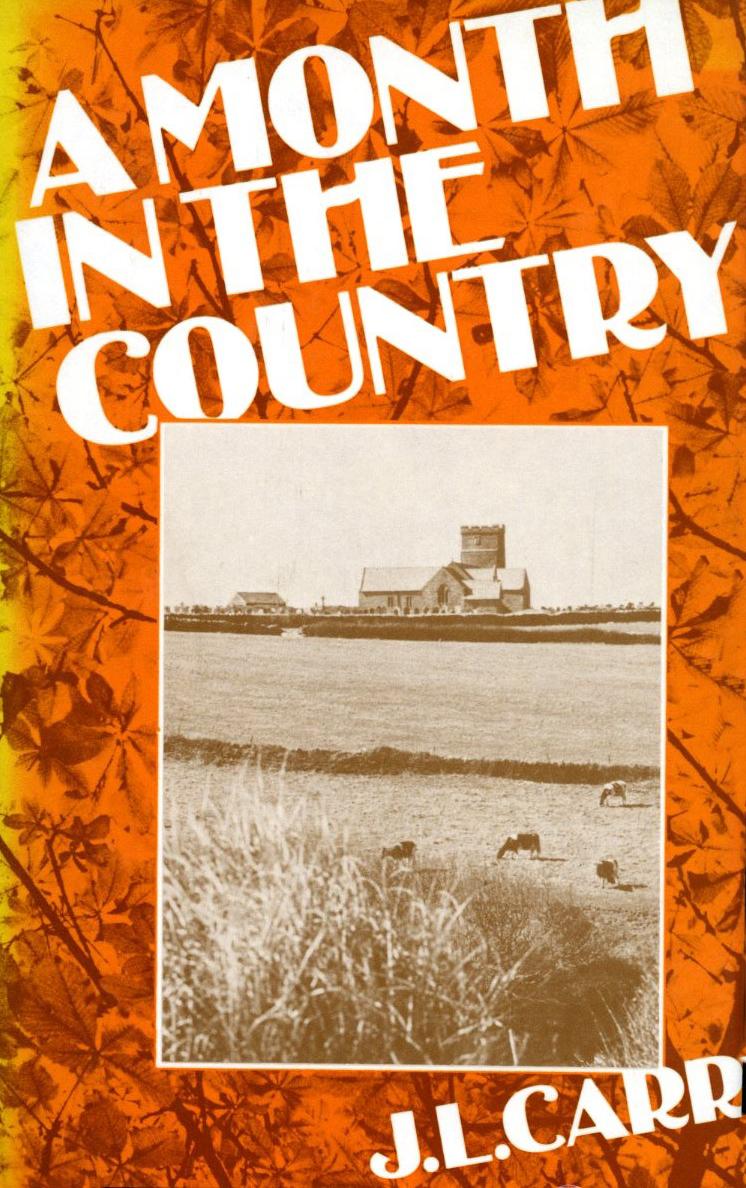
A Month in the Country by J.L. Carr (shortlisted, 1980)
The fifth novel by James Carr – headmaster, cricketer, mapmaker and all-round English eccentric – is an indelible evocation of village life. It follows a First World War veteran who is employed to uncover a church that purportedly lies under several layers of whitewash in fictional Oxgodby. Tom Birkin has known heartbreak, at the breakdown of his marriage, as well as the gruesome trauma of the war. This is a novel about healing, with details that anyone who has lived in a small English community will recognise and some may lament, as the protagonist recalls: ‘The long end of summer. Day after day of warm weather, voices calling as night came on and lighted windows pricked the darkness and, at day-break, the murmur of corn and the warm smell of fields ripe for harvest. And being young.’ A little twee? In Carr’s world of understatement, little appears to happen, but everything occurs in people’s hearts.

Buy the book
Moon Tiger by Penelope Lively (winner, 1987)
Penelope Lively compresses a life into around 200 pages, as her septuagenarian popular historian protagonist Claudia Hampton decides to write the history of the world as she has witnessed it and ends up telling a story of growing up, family and falling in love during World War Two. Lively writes vividly, describing the ‘hot insect-rasping darkness’ of the Egyptian desert, and the book moves backwards and forwards in time. It is a lean and nimble celebration of memory, life and, as Lively writes, ‘The power of language. Preserving the ephemeral; giving form to dreams, permanence to sparks of sunlight.’

Buy the book
Paradise by Abdulrazak Gurnah (shortlisted, 1994)
Nobel laureate Abdulrazak Gurnah’s greatest novel begins when 12-year-old Yusuf is given by his father to a merchant as payment for a debt. This is a landscape of deprivation and death: ‘He remembered it was the season of drought, when every day was the same as the last. Unexpected flowers bloomed and died. Strange insects scuttled from under rocks and writhed to their deaths in the burning light. The sun made distant trees tremble in the air and made the houses shudder and heave for breath.’ Yusuf comes of age during a journey through the interior of East Africa on the brink of colonisation and war. Something of a slow-burner, if you the stick with Paradise to its unforgettable final scene the rewards are ample.
Buy the book
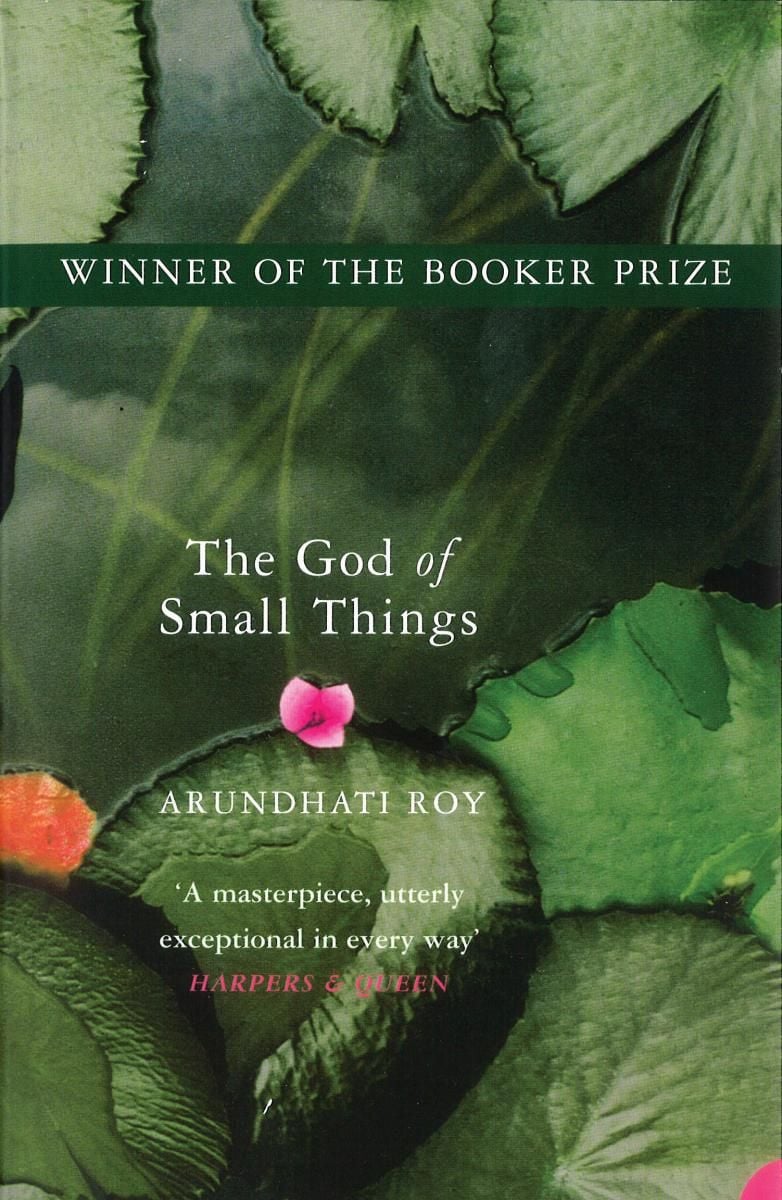
The God of Small Things by Arundhati Roy (winner, 1997)
‘May in Ayemenem is a hot, brooding month. The days are long and humid. The river shrinks and black crows gorge on bright mangoes in still, dustgreen trees. Red bananas ripen. Jackfruits burst. Dissolute bluebottles hum vacuously in the fruity air. Then they stun themselves against clear windowpanes and die, fatly baffled in the sun…The nights are clear, but suffused with sloth and sullen expectation.’ As an evocation of the effects of heat, you can’t beat the opening of Arundhati Roy’s Booker-winning first novel, which sets the tone for an enthralling story of forbidden love, family dysfunction and social change in India across three decades.
Buy the book
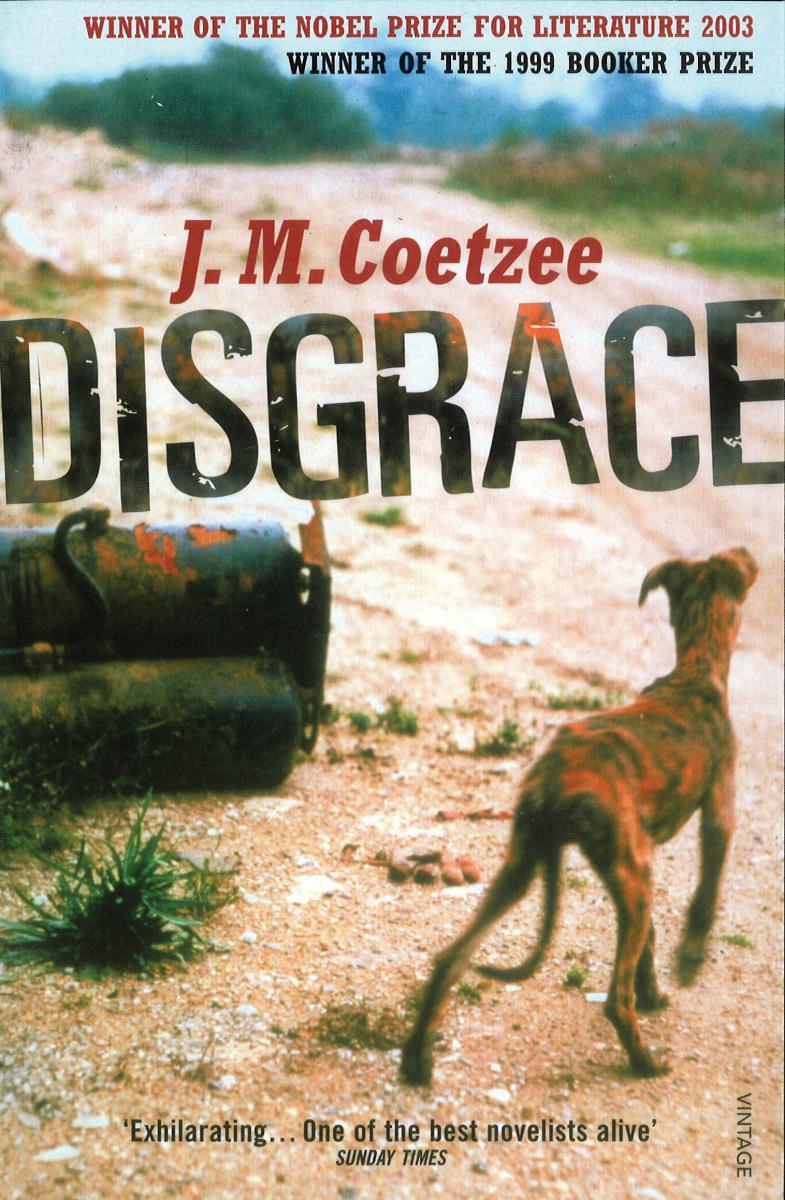
Disgrace by J.M. Coetzee (winner, 1999)
If The Conservationist was written in the white heat of apartheid, Coetzee’s second Booker Prize winner, following The Life and Times of Michael K (1983), is a profound grappling with its aftermath. David Lurie loses his job at a university after an allegation of sexual misconduct and moves to the rural Eastern Cape to live with his daughter Lucy. When she is raped and Lurie beaten up by a group of Black men, Lucy insists on not pressing charges, even though they know the identity of one of the perpetrators. As in Gordimer’s winning book, the setting in Disgrace is a farm – the dry and dusty crucible of conflict under the beating sun – but Coetzee’s novel is the more complex work. The reader must resist their first thoughts and emotions to truly reckon with the problems his characters and their society face.
Buy the book
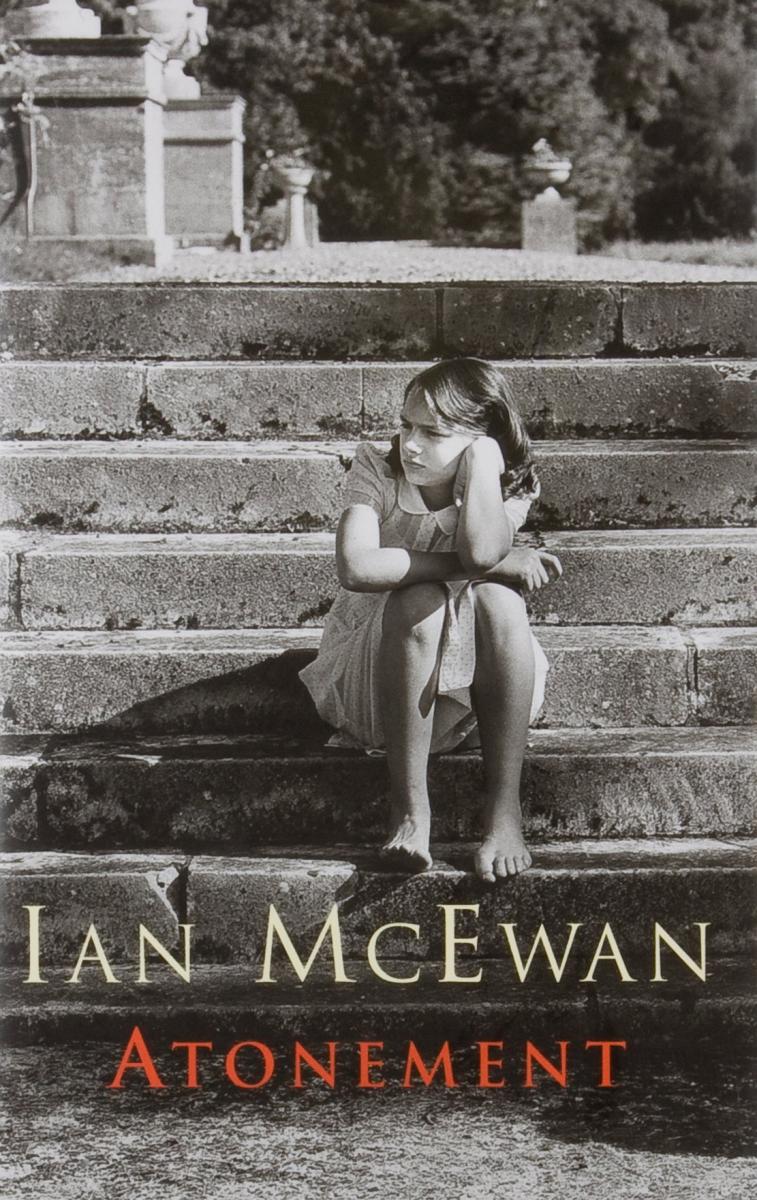
Atonement by Ian McEwan (shortlisted, 2001)
Ian McEwan won the Booker Prize with Amsterdam in 1998 and was shortlisted for his next novel, Atonement, three years later. It might be the book on this list with the most direct references to the heat. ‘I love England in a heat wave,’ says Leon Tallis, the main character Briony’s older brother. ‘It’s a different country. All the rules change.’ During the novel’s opening, Briony’s mother lies in bed with a migraine and pictures ‘the vast heat that rose above the house and park, and lay across the Home Counties like smoke, suffocating the farms and towns’. The formative events of the novel’s bravura first part are revisited in the subsequent three parts, and the hot weather is a prism for the characters’ recollections.
Buy the book
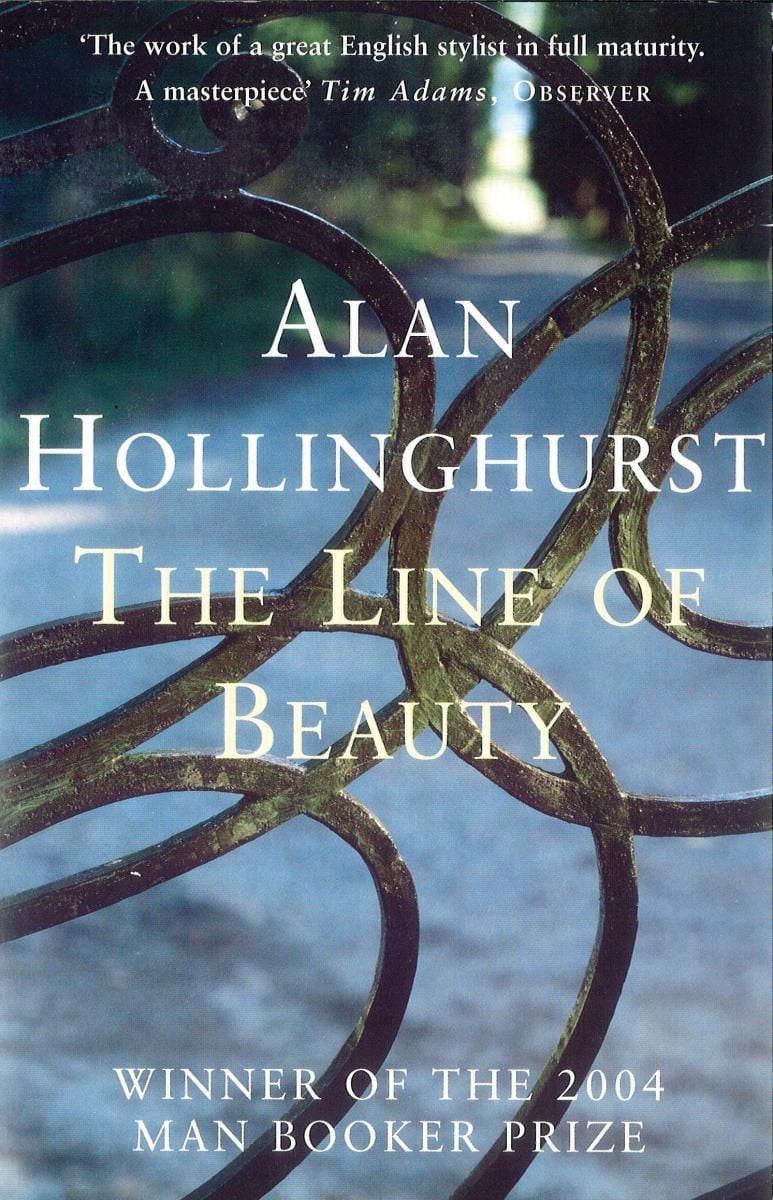
The Line of Beauty by Alan Hollinghurst (winner, 2004)
In his early 20s, an Oxford graduate with a first-class degree, Nick Guest has a lot going for him at the beginning of Alan Hollinghurst’s 2004 winner. Nick is in no doubt about his sexuality and is desperate to meet other men: ‘He had a blind date at eight that evening, and the hot August day was a shimmer of nerves, with little breezy interludes of lustful dreaming’. At the same time, Nick is lodging with a Tory MP and his family in west London, so his story, which spans four years, collides with Thatcherism, AIDS and other events of the 1980s that shaped the Britain we live in 40 years later. It is absolutely an immersive novel to get lost in during the warm months.

Buy the book
Swimming Home by Deborah Levy (shortlisted, 2012)
Joe Jacobs arrives with his family at a holiday villa on the French Riviera to find a body floating in the pool. While Jacobs, his wife and daughter contemplate this sight, Deborah Levy sets the scene: ‘He could feel the sun burning into the shirt his Hindu tailor had made for him from a roll of raw silk. His back was on fire. Even the roads were melting in the July heatwave.’ The body in the pool turns out to be the enigmatic young woman Kitty Finch who is very much alive and central to the tumult that unfolds across this short novel. It’s told from multiple perspectives and, with wincing precision, captures the tension that can boil up on family holidays. Levy excels at evoking the dreamlike quality of hot days, as she demonstrated again in Hot Milk, which also shows how heat can tangibly shape events.