


From books that changed the world to contemporary works that are certain to endure, these are your must-read classics from the Booker Library
Back to school: 10 Booker Prize novels set in classrooms, colleges and campuses

Back to school: 10 Booker Prize novels set in classrooms, colleges and campuses
- Written by
- Donna Mackay-Smith
- Published
Begin a new term with these books, in which crushes, cliques, and the occasional existential crisis are all on the syllabus
The campus novel is back, baby. Three books on the Booker Prize 2026 longlist – Black Bag, The Vivisectors, and Helen of Nowhere – explore life in academia, making them the latest in a long tradition of Booker Prize-nominated novels that turn schools and universities into miniature worlds of their own.
Perhaps the best thing about these stories is their ability to cut across genres. They refuse to stay in their lane. Romance rubs shoulders with satire; coming-of-age meets mystery; and the downright surreal is never far away. Together, they capture the highs and lows of growing up: first loves and lasting friendships, self-discovery and status, ambition and failure, and the perennial question of where, exactly, you fit in.
So, whether you’re feeling nostalgic for your own school days or about to embark on a new academic adventure, here are 10 books to add to your reading list for the autumn term.
Buy the book
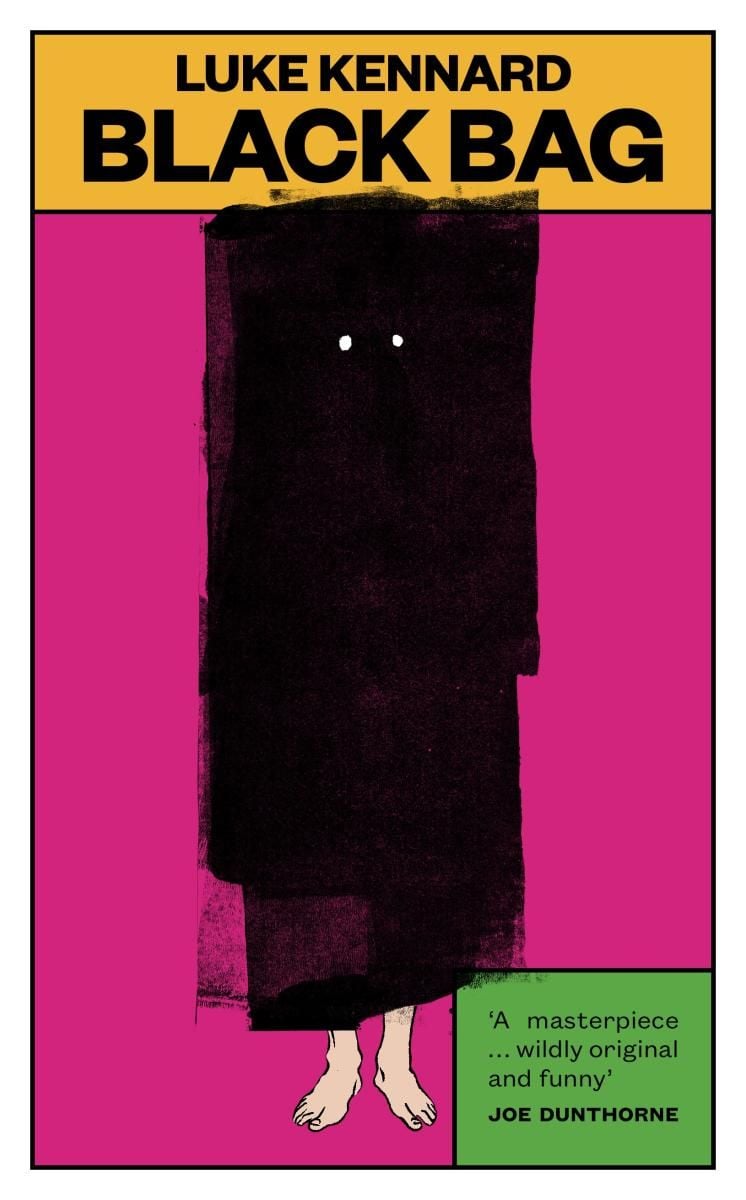
Black Bag by Luke Kennard
What happens when you place a person in an enormous black bag and plonk them, silently, at the back of a university lecture for an entire term? That’s the question at the heart of Luke Kennard’s Booker Prize 2026-longlisted novel, a gloriously strange story inspired by a real psychological experiment conducted in 1967.
Kennard takes this bizarre premise and runs with it. A penniless, out-of-work actor takes a job with Dr Blend, the professor behind the exercise, and settles into his peculiar new home. But as he grows increasingly comfortable inside the bag, the experiment begins to take on a life of its own. ‘I think it’s a statement about being a man,’ suggests his best friend Claudio, who sees an opportunity to monetise the spectacle. ‘A rejection of the current options.’
‘It is a campus novel for our end times, packed with keen insights into the current state of art, masculinity and friendship’, wrote Christopher Shrimpton, reviewing the novel in the Guardian. Black Bag takes gleeful aim at academic swagger and posturing, alongside just about every aspect of contemporary society. Kennard’s prose is impeccably dry, with a deadpan wit that makes the novel all the more bitingly funny.
Buy the book
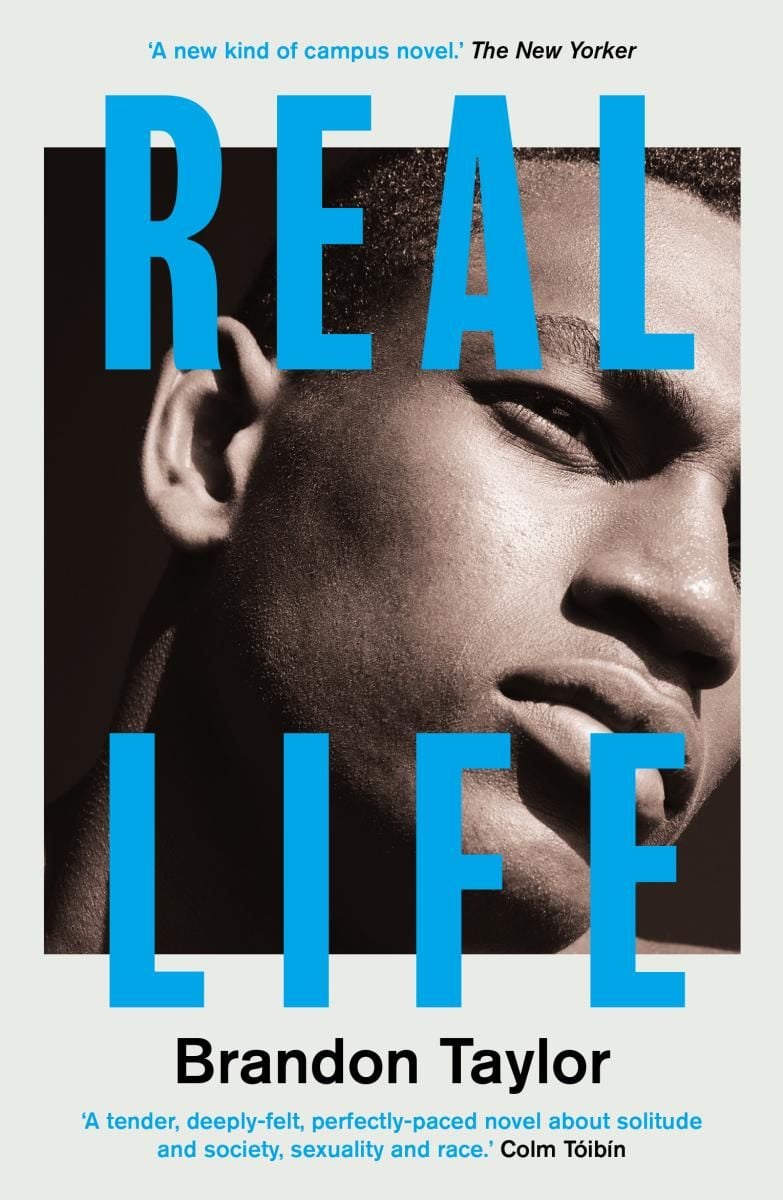
Real Life by Brandon Taylor
Brandon Taylor’s Real Life is an intimate, unflinching portrait of loneliness, trauma and the search for connection at university. Wallace, a gay Black student from Alabama, is studying for a PhD in biochemistry at a predominantly white institution in the Midwest. The first Black student admitted to his programme in decades, he is made to feel like an outsider even among his friends. He longs for intimacy, but fears getting too close.
Taylor’s novel is a character study set over the course of one summer weekend, where memories, fantasies and encounters begin to blur. It captures the cumulative weight of microaggressions, while exploring what it means to be seen and understood. ‘This debut is a fresh take on the age-old “campus novel” tradition,’ said the Booker Prize judges when Real Life was longlisted in 2020. They praised its ‘deeply painful, nuanced account’ of abuse, racism, homophobia, trauma, grief and alienation.
Buy the book
The Vivisectors by Missouri Williams
In an ancient, unnamed university city where the walls are crumbling, mould is spreading, and vegetation is steadily taking over, society is divided between two uneasy factions: the academics, who hold the power, and a fraternity of gardeners who toil to keep the encroaching wilderness at bay.
At the centre is Agathe, a reclusive graduate from a family of academics, who spends her days propping up the career of her boss, a needy professor. When a controversy erupts, Agathe is ordered to gather information. What begins as a straightforward assignment soon becomes more complicated as she is drawn deeper into the university’s power games – and towards the alluring student at the heart of it all.
The Vivisectors turns academia into a society in miniature, in a world literally falling apart. The setting is both bizarre and allegorical, transforming the familiar into something more sinister. When it was longlisted in 2026, the Booker Prize judges called it ‘a bracing antidote to the cosy campus and the dark academia novel’, imagining higher education instead as a ‘transparent citadel’ where ‘human axolotls masquerading as professors and students’ are intent on ‘drawing and quartering each other with no mercy’. Ouch.
Buy the book
Skippy Dies by Paul Murray
Skippy Dies is a school novel with a difference: it opens with the death of its title character. Fourteen-year-old Daniel ‘Skippy’ Juster, nicknamed after his unfortunate resemblance to a TV kangaroo, dies during a doughnut-eating contest. He leaves his classmates at Seabrook College, a prestigious Catholic boarding school in Dublin, to figure out what happened.
Before we get to that part, though, Paul Murray takes us back through the friendships, first loves, rivalries and teenage chaos that led to Skippy’s death. At that particular age, ‘suddenly everyone was tall and gangling and talking about drinking and sperm. Walking among them is like being in a BO-smelling forest.’
Through classrooms, dormitories and fast-food restaurants, Murray creates a gloriously funny portrait of adolescence. Longlisted for the Booker Prize 2010, Skippy Dies captures those teenage years in their awkward, exhilarating messiness.
Buy the book
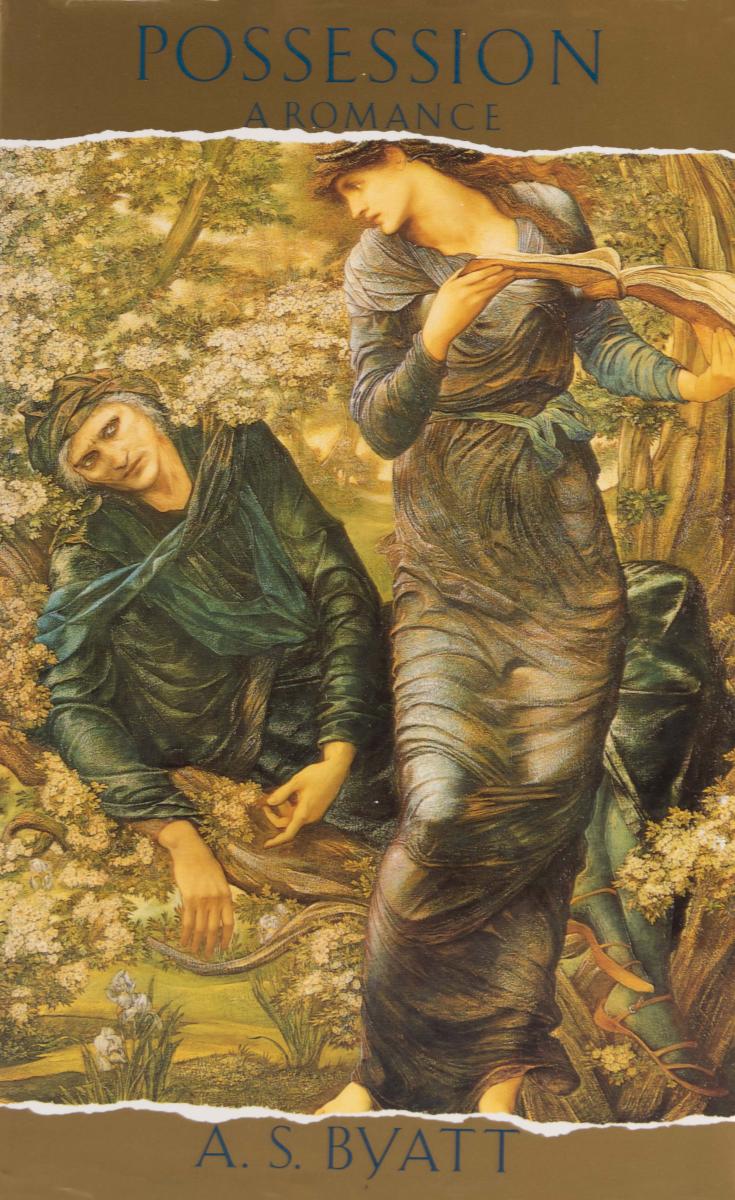
Possession by A.S. Byatt
A secret letter, a pair of literary detectives and a trail of clues through Victorian poetry: Possession has all the ingredients of the perfect campus mystery.
The novel opens in 1986 in the Reading Room of the London Library, where young researcher Roland Mitchell discovers a letter written by celebrated Victorian poet Randolph Henry Ash. He sets out to uncover a hidden relationship in Ash’s life, soon joined by fellow scholar Maud Bailey. Together, they follow the breadcrumbs through libraries and archives, uncovering a story that stretches across generations.
One of the great joys of A.S. Byatt’s story is its fictional literary world. She meticulously invents poems, letters and diaries, which are woven into the plot, offering up a package that skewers the rivalries and egos of academia. Possession won the Booker Prize in 1990 and is now often cited as a precursor to the dark academia genre.
Buy the book
Helen of Nowhere by Makenna Goodman
A disgraced literature professor, known only as ‘Man’, watches his career unravel at the university he works at in Makenna Goodman’s Booker Prize 2026-longlisted novel.
‘I had nothing against women,’ Man insists. ‘In fact, I loved women. I’d worked hard for women my entire life. It just so happened these new teachers were women. I swear it didn’t factor at all into my disdain for them.’ His increasingly outdated views are catching up with him and the institution that once gave him status is turning against him.
Although much of the action takes place away from university, Man’s academic career is key to understanding this deeply complicated character. It’s where he met his wife, also a professor, and where he built his reputation, status and sense of self. ‘I wanted to explore how we govern, punish, teach and love,’ Goodman told the Booker Prizes in an interview. As Man retreats from academic life to a house in the countryside, she takes the familiar tropes of a campus novel somewhere much, much stranger, creating a surreal meditation on masculinity.
Buy the book
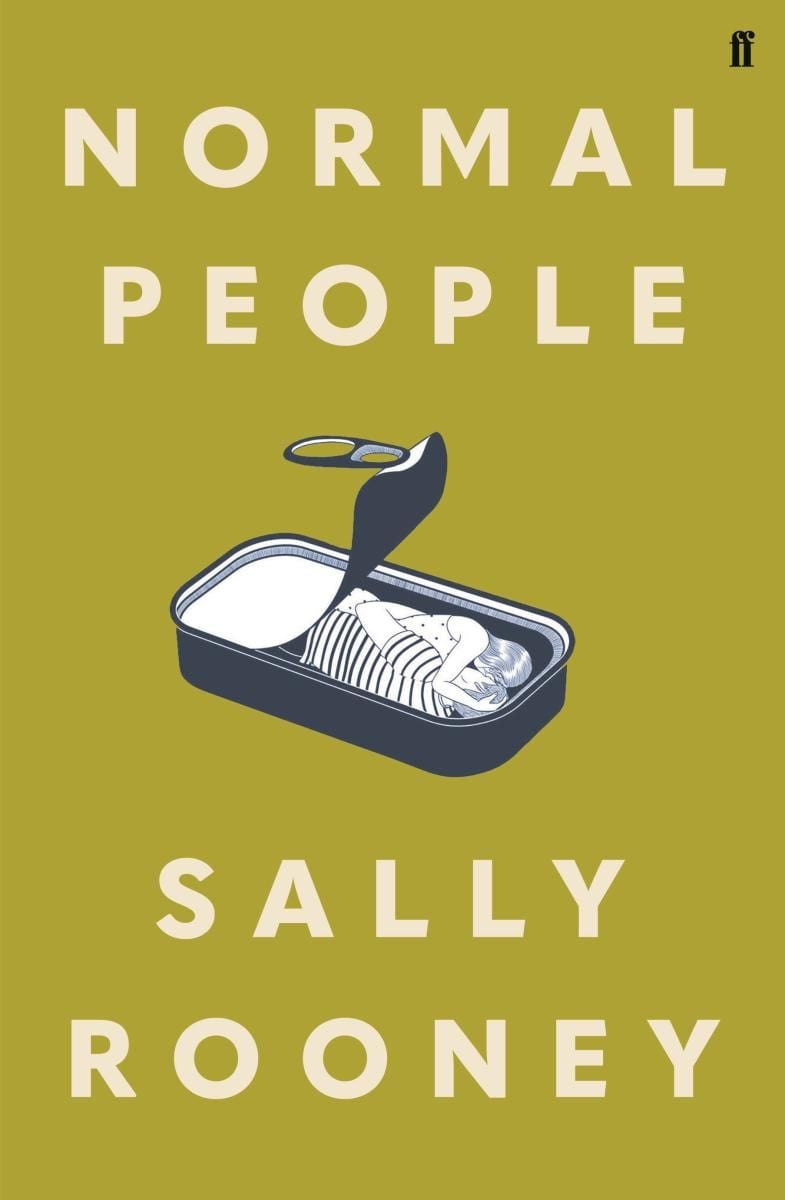
Normal People by Sally Rooney
A coming-of-age story that needs no introduction. A book so full of chemistry it practically crackles off the page. A novel that defined a generation. Of course, it’s Sally Rooney’s multi-million-copy bestseller, Normal People.
Rooney’s sparely written novel follows Marianne and Connell from their final year of school in Sligo to their graduation from university in Dublin. They’re in class together, but in public they pretend not to know each other. Behind closed doors, however, a tangled romance begins between two seemingly opposite characters.
From classrooms and parties to bedrooms and lecture halls, Rooney captures the awkwardness and uncertainty of growing up, as Marianne and Connell try to figure out who they are, what they want and whether they can ever quite let each other go. Longlisted for the Booker Prize in 2018, this one is for anyone who still thinks about the person they never quite got over.
Buy the book
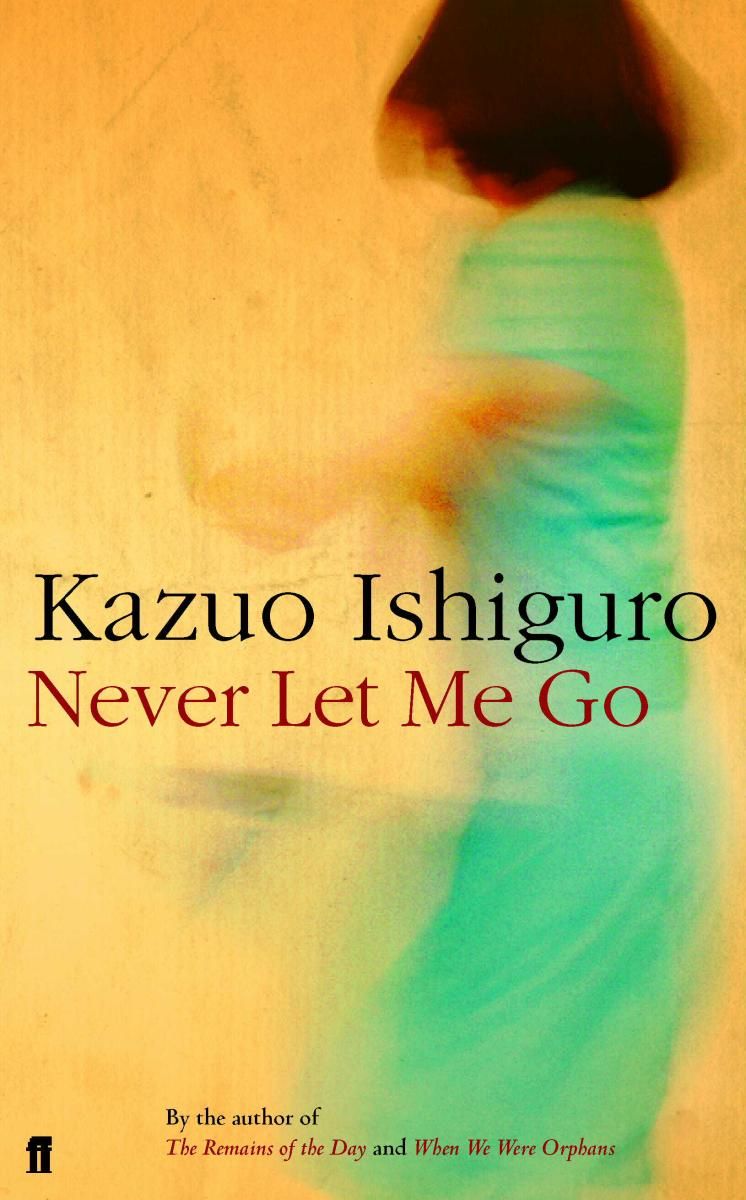
Never Let Me Go by Kazuo Ishiguro
For a school story with a seriously dystopian edge, look no further than Kazuo Ishiguro’s Never Let Me Go. The Booker Prize 2005 longlisted novel takes place at Hailsham, an idyllic-looking boarding school in the English countryside. Kathy H looks back on her childhood there, remembering friendships, rivalries, cliques and crushes that filled her school days. But something at this school isn’t quite right. The pupils have a different purpose in life, and are being raised under the watchful eyes of their ‘guardians’. Slowly, Kathy uncovers the truth and comes to realise that she and her classmates are clones, and are being conditioned to become organ donors.
‘Hailsham is like a physical manifestation of what we have to do to all children,’ Ishiguro told the Guardian in 2005. ‘It is a protected world.’ That idea lies at the heart of the story, but at Hailsham, it is taken to a disturbing extreme.
Buy the book
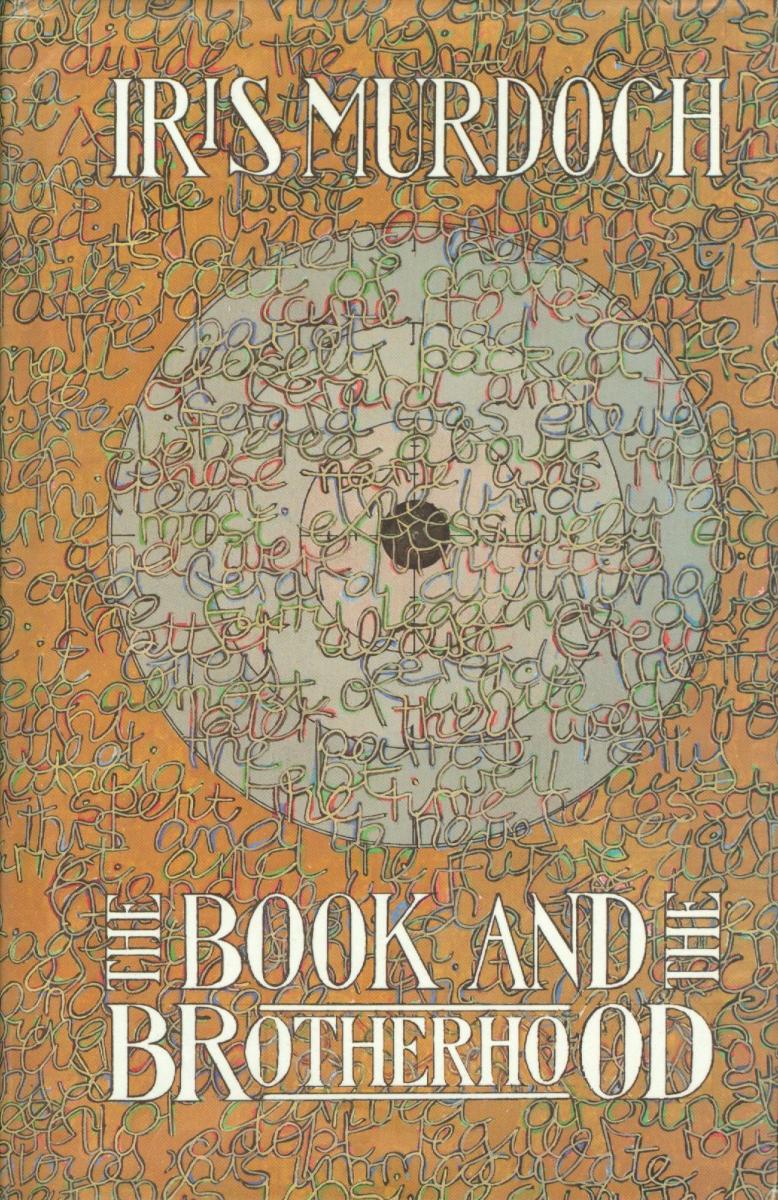
The Book and the Brotherhood by Iris Murdoch
University is where we make lifelong friends, form strong opinions and, occasionally, discover that both might need revising.
Iris Murdoch explores what happens next in The Book and the Brotherhood, which follows a group of Oxford alumni whose friendship has survived university, even as their lives have diverged. After graduating, they agree to financially support their friend David Crimond as he writes a radical Marxist manifesto. As students, the friends were once deeply committed to left-wing politics; but as the years passed, they have since grown more sceptical. Crimond’s book remains unfinished, and now, the financial arrangement has become a source of tension.
When the group reunites at the midsummer ball at their Oxford college, old loyalties and rivalries quickly resurface. As ever with Murdoch, big philosophical questions are woven into the drama, but never at the expense of her sharp eye for absurdity. At nearly 600 pages, it’s a sprawling novel, but Murdoch’s wicked humour propels it forward. Often cited as one of her best, it was shortlisted for the Booker Prize in 1987 and is ultimately a reminder for anyone heading to university that you don’t need to have it all figured out by graduation.
Buy the book
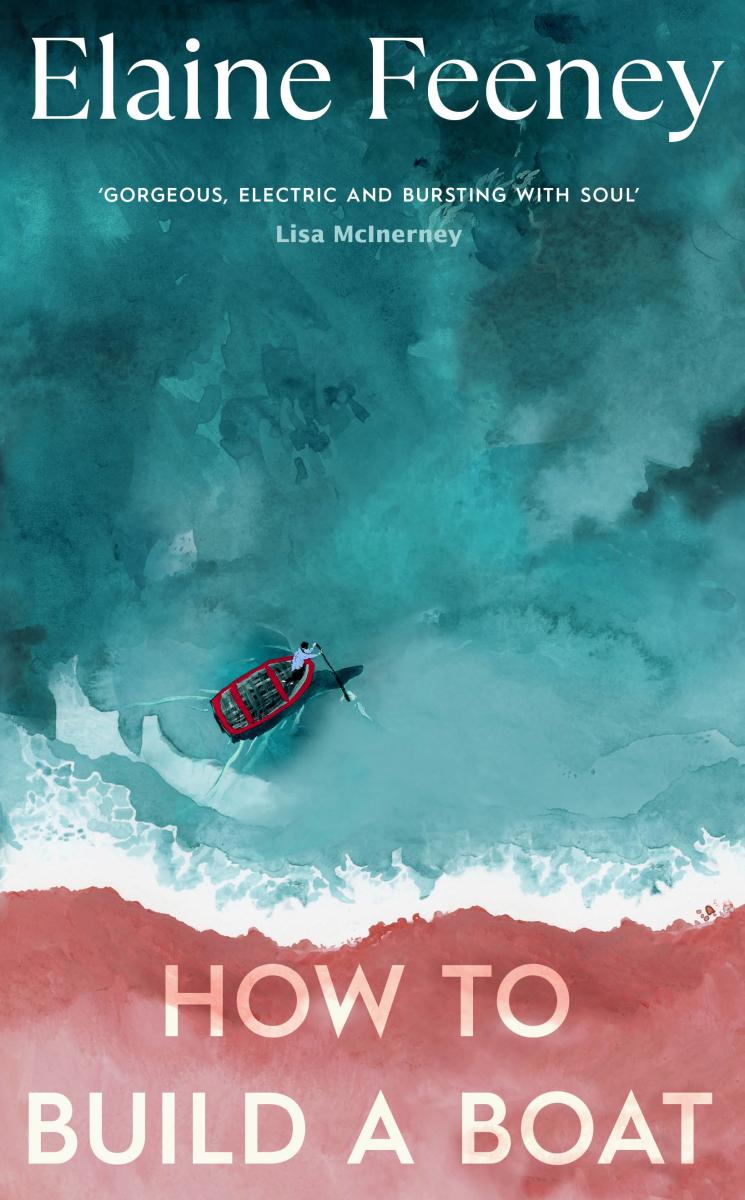
How to Build a Boat by Elaine Feeney
Elaine Feeney knows the school system from the inside: before becoming a novelist, she began her career as a teacher in an all-boys’ school. That experience inspired the school at the centre of How to Build a Boat, where 13-year-old Jamie O’Neill arrives after the death of his mother.
Jamie finds his new school overwhelming but begins to connect with two teachers who see him differently. Feeney shifts between Jamie and his teachers’ perspectives, exploring the unlikely friendships that can emerge in the most unexpected of places.
Feeney based Jamie on her neurodivergent son, who motivated her to explore questions of belonging and acceptance. ‘Can we live in an inclusive society by recognising each other, accepting one another?’ she wondered. ‘Can we be tolerant? Essentially, will he be ok?’ How to Build a Boat was longlisted for the Booker Prize in 2023 and is a novel that offers gentle reassurance about eventually finding your place in the world.




Features


- Book recommendations
The Booker Prize 2026 shortlist: what our judges said

- Reading guides
Reading guide: Black Bag by Luke Kennard


- Book extract