
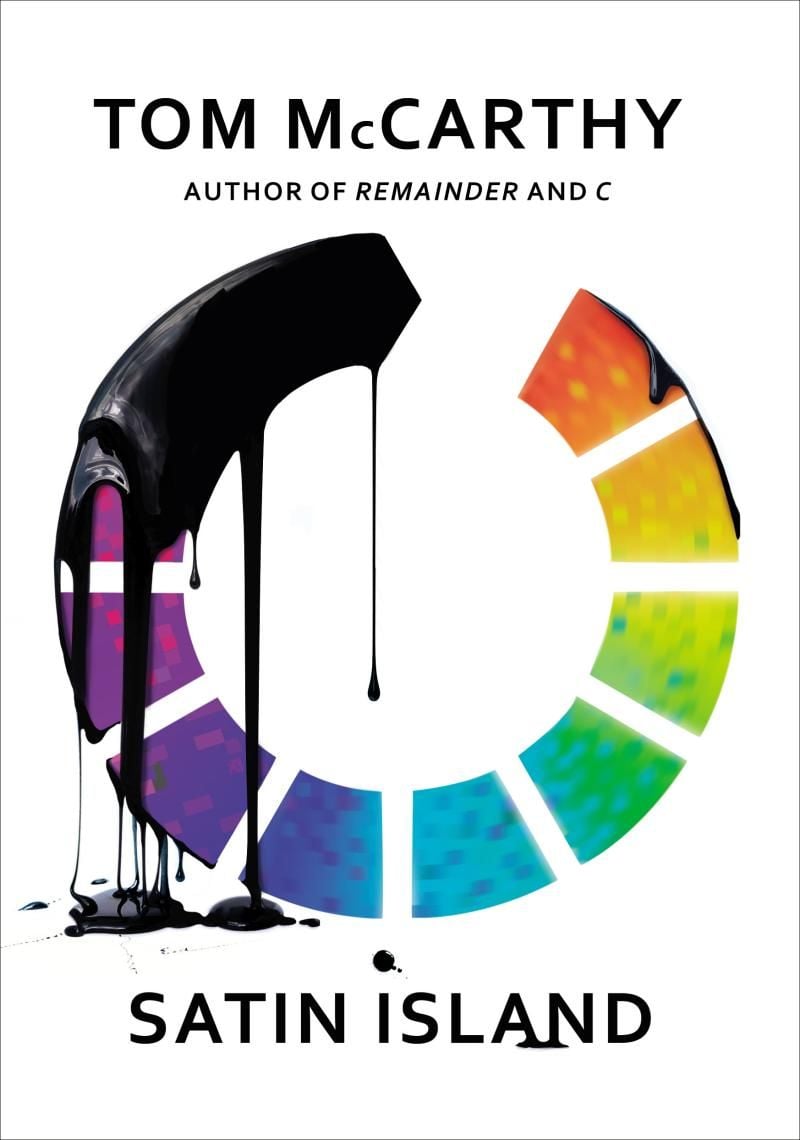
Satin Island
by Tom McCarthy
In his Booker Prize 2026 shortlisted novel, Luke Kennard combines an absurd experiment with a moving story about human frailty, passion, confusion and identity
Whether you’re new to Black Bag or have read it and would like to explore it more deeply, here is our comprehensive guide, featuring insights from critics, our judges, and the book’s author, as well as discussion points and suggestions for further reading.
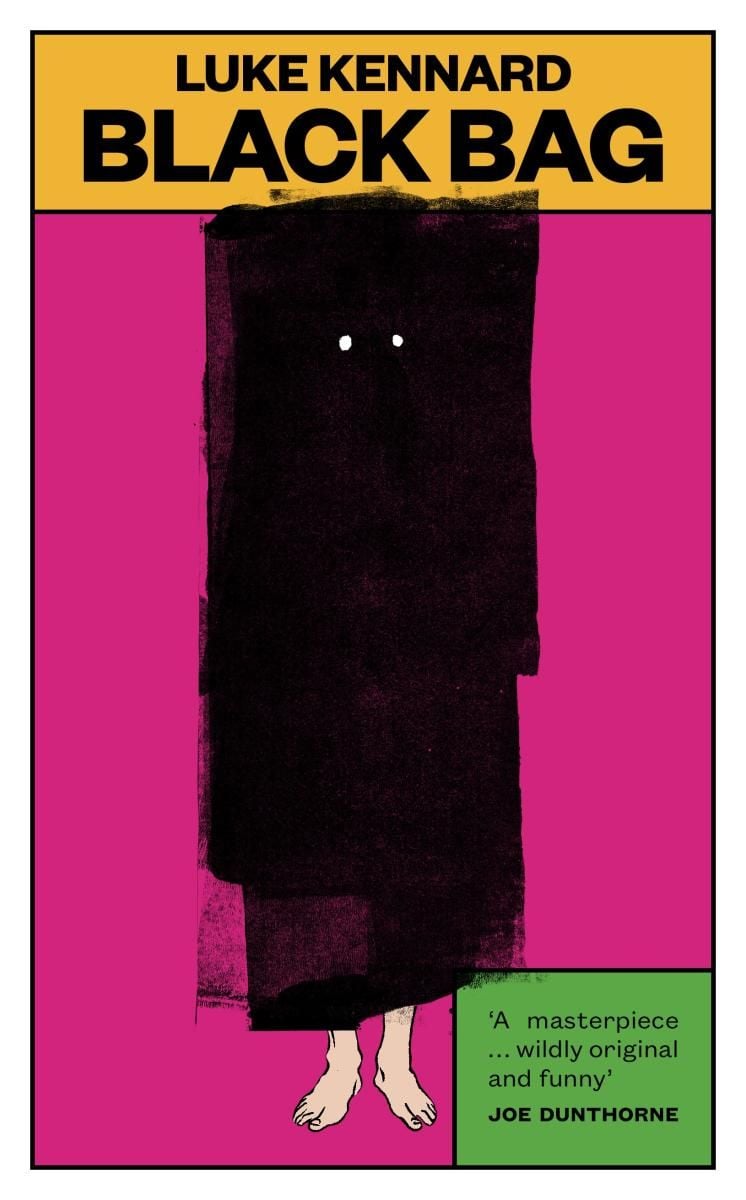
A penniless and out-of-work actor picks up a job working for Dr Blend, a university professor who is conducting a psychological experiment. How will Dr Blend’s students react to someone zipped into on oversized bag, sitting at the back of the lecture hall over a series of autumn term lectures?
The role, eagerly accepted, soon has unexpected consequences. A professor of post-humanism develops research questions of her own, in particular can you love someone secreted away inside a black bag? Meanwhile, the actor’s childhood friend and flatmate forms a vision for monetising this new situation…
A warped campus novel, an investigation into the crisis of masculinity and an off-kilter love story, Black Bag is a firework of a novel: blazingly funny and profoundly humane.
Black Bag was shortlisted for the Booker Prize 2026.
Black Bag
Always capitalised, Black Bag is the novel’s narrator, a millennial in his thirties. He is a hapless out-of-work actor whose only recent acting credit has been as Buttons in pantomime. We never learn his real name.
Dr Blend
A university professor and course convener who hires the unemployed actor to participate in a bizarre psychological experiment. He cuts eye holes in a large black leather suit bag. Black Bag is paid to zip inside and sit silently at the back of his lectures.
Claudio
Black Bag’s best friend. He is chronically online; a streamer who plays computer games to a vast audience and has become rich off the proceeds.
Luke Kennard is an award-winning poet and novelist.
His literary criticism has appeared in the London Review of Books, Poetry London, and Times Literary Supplement. He lectures in Creative Writing at the University of Birmingham.
In 2014, he was named one of the ‘Next Generation Poets’ by the Poetry Book Society in their once-per-decade list. Cain, his collection of poetry, was shortlisted for the International Dylan Thomas Prize and described by Alan Hollinghurst as ‘the cleverest and funniest thing I’ve read this year’. Notes on the Sonnets, an anarchic response to Shakespeare’s sonnets, won the Forward rize for Best Poetry Collection in 2021.
Christopher Shrimpton, the Guardian
‘Black Bag fizzes with wit and invention and winningly communicates a very human concern for meaning and connection. In 1967 “Black Bag” apparently took a whole semester to win over his fellow classmates, but this novel will gain your affections on the first page.’
Philip Womack, Times Literary Supplement
‘Luke Kennard is also a widely admired poet, and his prose ripples with unusual images… and wry aphorisms… The tone throughout is delightfully mordant and the novel is as much concerned with writing as anything else: Black Bag, when sitting in the lecture rooms, has long, novelistic daydreams about living in Sweden and working in a factory, which form a realistic, even nostalgic counterpoint to the insanity of the baffling twenty-first century. In the end, this is a very modern novel with a comfortingly familiar core: that of an ode to the importance of friendship, tenderness and love.’
Johanna Thomas-Corr, The Times
‘Beneath the playfulness lies a thoughtful, tender meditation on the difficulty of being a man in the modern world: how to find purpose, how to make art that matters and how to connect with other people when you suspect you might not possess a fully formed self to offer them. In Kennard’s hands, the bag contains a lot, and he’s so generous with the jokes that I found myself laughing on almost every page. A brilliant comic tour de force.’
Anna Metcalfe, London Review BookShop
‘Such a smart and philosophical novel really has no business being this entertaining… Black Bag is hilarious, profound, tender and deranged. A deeply cathartic read for anyone seeking the funny side of the total decimation of the arts.’
‘I came across the original 1960s black bag experiment by accident when I was researching something else. It caught my attention, but I was more interested in the person playing black bag than the results of the study. My narrator is a struggling actor, but I think it’s about trying to be an artist of any kind in the current moment, when arts and culture are so systematically undervalued, when the doubts seem to loom larger than the possibilities. It really tests your hubristic self-belief, and leaves you with a kind of all-pervading shame, which is always a good subject matter for fiction.’
Luke Kennard in an interview with the Booker Prizes.
‘How does an aspiring actor survive in contemporary London, where monthly living costs can rise well over a thousand pounds? The obvious solution – be born rich – has eluded Black Bag’s protagonist, a 37-year-old man who cobbles together an artistically and financially unsatisfying life performing in productions that stretch and undermine the meaning of theatre. That is until he gets a job showing up to student psychology lectures dressed in a black bag. Luke Kennard’s of-the-moment satire considers anonymity and disgust, the online rackets of cryptocurrency and energy drinks, and what it means to find love in our unstable times. There’ll be a lot of discussion about what the novel has to say about the state of modern masculinity (fractious; confused) – we also admired its sharply crafted sentences, memorable sex scenes, and humour.’
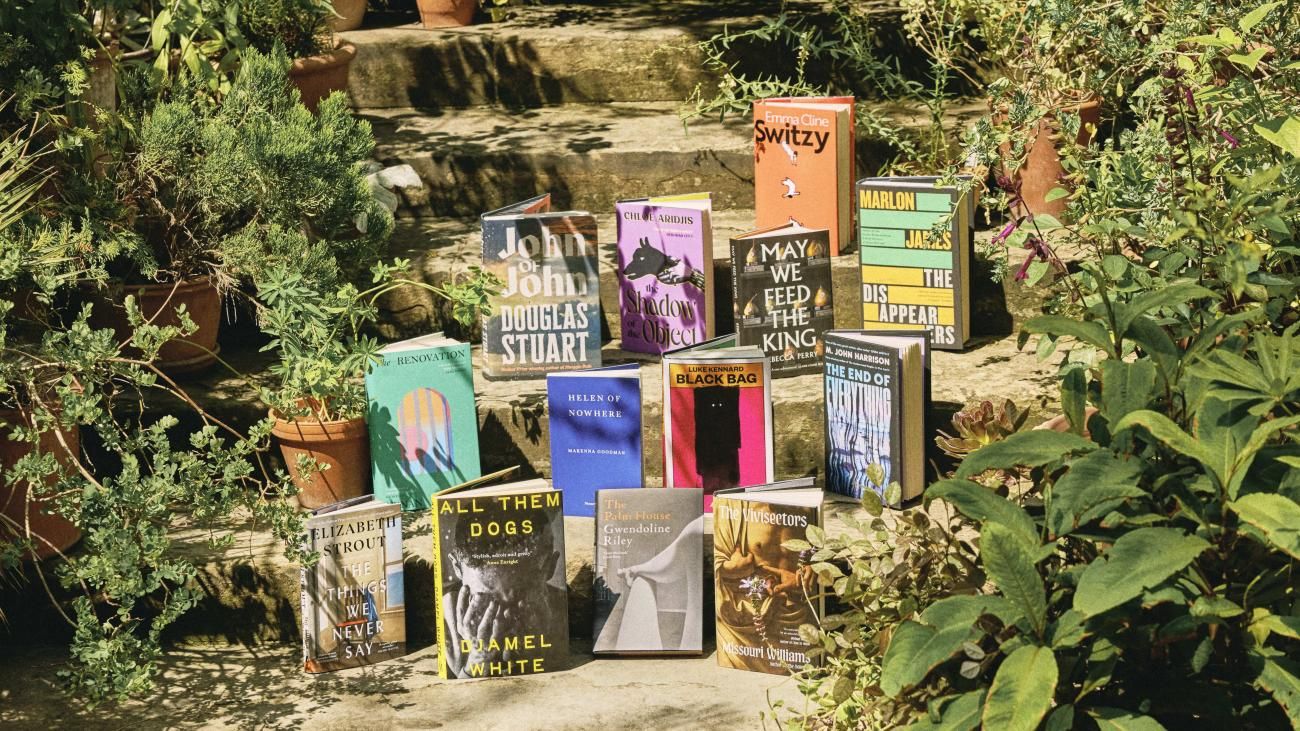
The Booker Prize 2026 judges – Raymond Antrobus, Patricia Lockwood, Rebecca Liu, Jarvis Cocker and Mary Beard – with the longlisted books
© Neo Gilder for Booker Prize Foundation
Black Bag is based on a real-world experiment from the sixties. In an interview with the Booker Prizes, Kennard said he was more interested in ‘the person playing black bag’ than in the study’s results. How does the novel transform a scientific experiment into an exploration of identity?
Black Bag was called ‘hilarious’ and a novel that ‘fizzes with wit’ in a review in the Guardian. Kennard uses humour liberally throughout the novel to explore much darker themes. What effect does this use of levity have on the way the story navigates its more difficult subject matter?
Throughout the novel, Kennard writes about the dire state of arts funding and declining creative freedom. Discuss what the novel is saying about work, productivity, and the all-consuming pressure to be economically useful.
‘I think it’s a statement about being a man,’ suggests Black Bag’s best friend Claudio, in reference to the bag. ‘A rejection of the current options.’ (Page 159). Against a backdrop of changing ideas about masculinity, what does it mean to reject the ‘current options’ for being a man? What do you think the novel is telling us about contemporary masculinity?
How does Black Bag’s experience as an actor shape the way he approaches the world and the people around him? In the novel, does he ever stop performing?
There are no quotation marks in the novel. How does Kennard’s lack of punctuation blur the boundaries between spoken dialogue and Black Bag’s interior voice? How does this shape your understanding of his thoughts and experiences?
In the novel, technology, data and online culture are intertwined with Black Bag’s experience, particularly through his friend Claudio, who tries to monetise Black Bag’s participation in the experiment. How does Kennard explore our relationship with technology and the ways in which it can be used to monitor and exploit? How close does this world feel to our own?
We never know Black Bag’s real name. Do you believe Black Bag was a reliable narrator? How did the way Kennard tells this story affect your understanding and viewpoint on the novel?
The novel’s central premise is absurd, and the world is deliberately strange, perhaps at times dystopian, although not unrecognisable from current reality. As a reader, how did you react to the disconcerting worldbuilding and the combination of the absurd and the familiar?
At the end of the novel, Black Bag finally receives the adulation he has spent years seeking. ‘I suppose I ought to bask,’ he says, before ending abruptly on an unfinished word. (Page 388). How does Kennard’s ending complicate Black Bag’s apparent moment of triumph, and what does it suggest about the relationship between recognition and fulfilment?
London Review Bookshop Podcast: Luke Kennard & Will Eaves – Black Bag
University of Birmingham: We’re expected, if not forced, to be so visible and to live so publicly
by Tom McCarthy
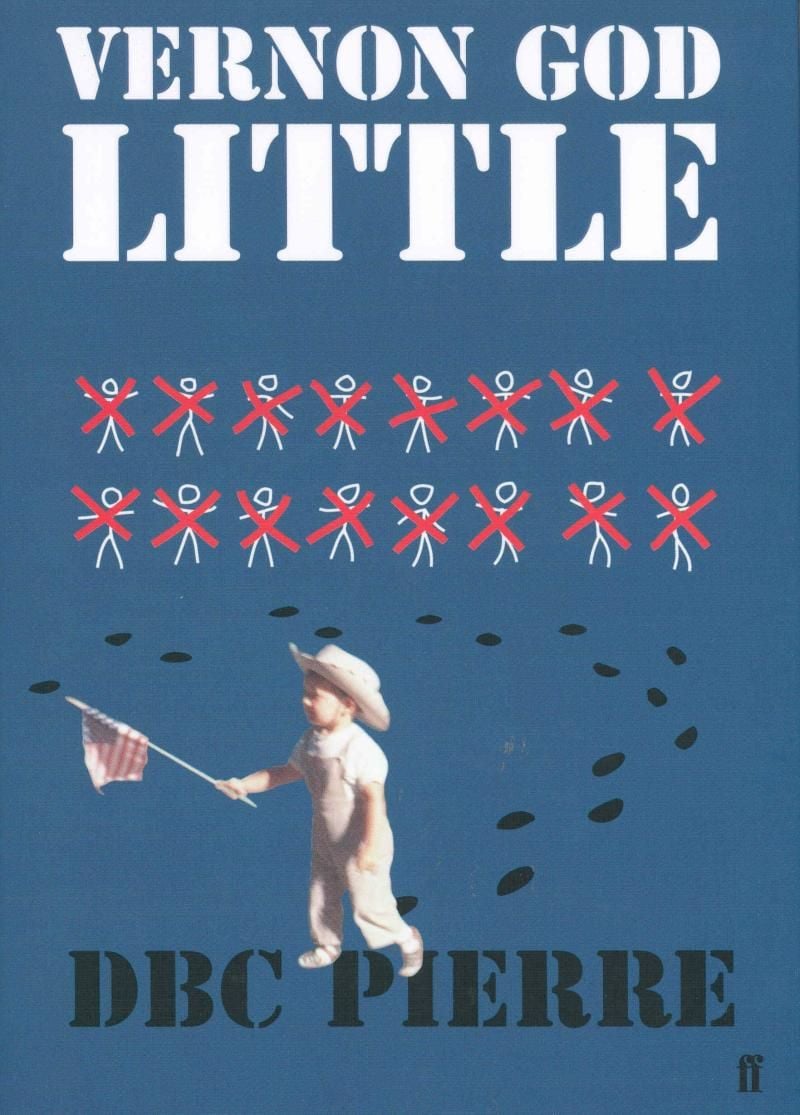
by DBC Pierre (prize winner)
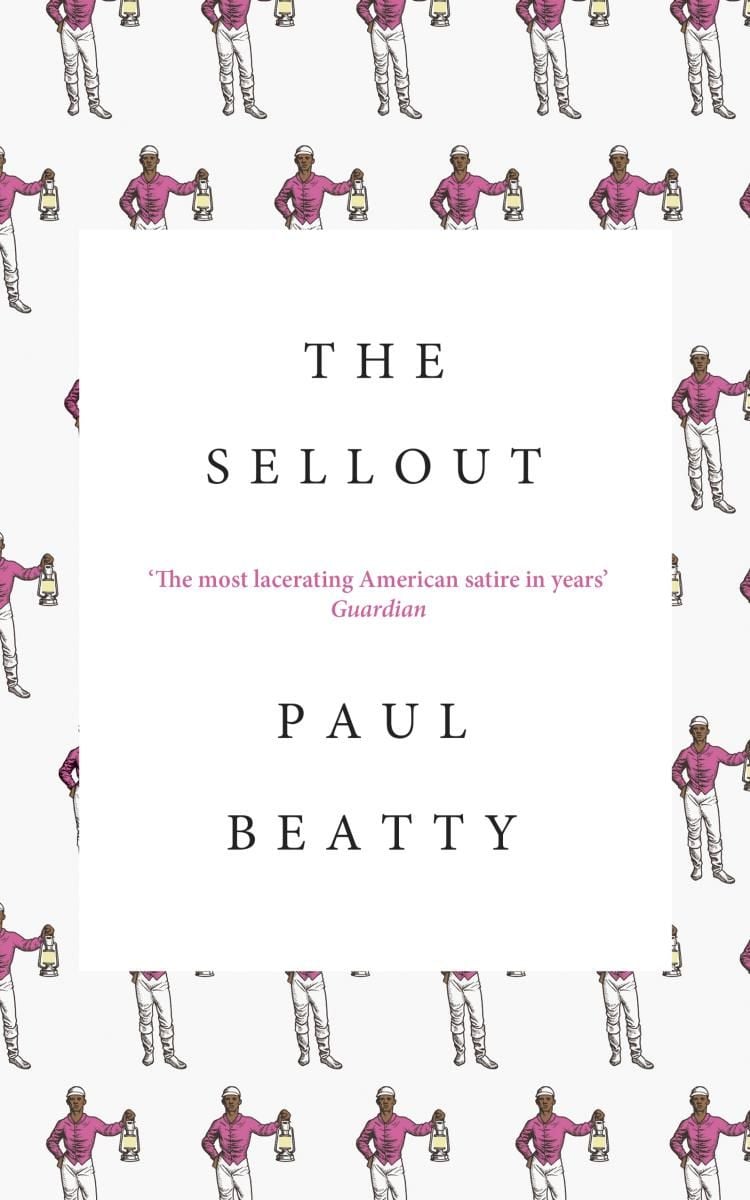
by Paul Beatty (prize winner)
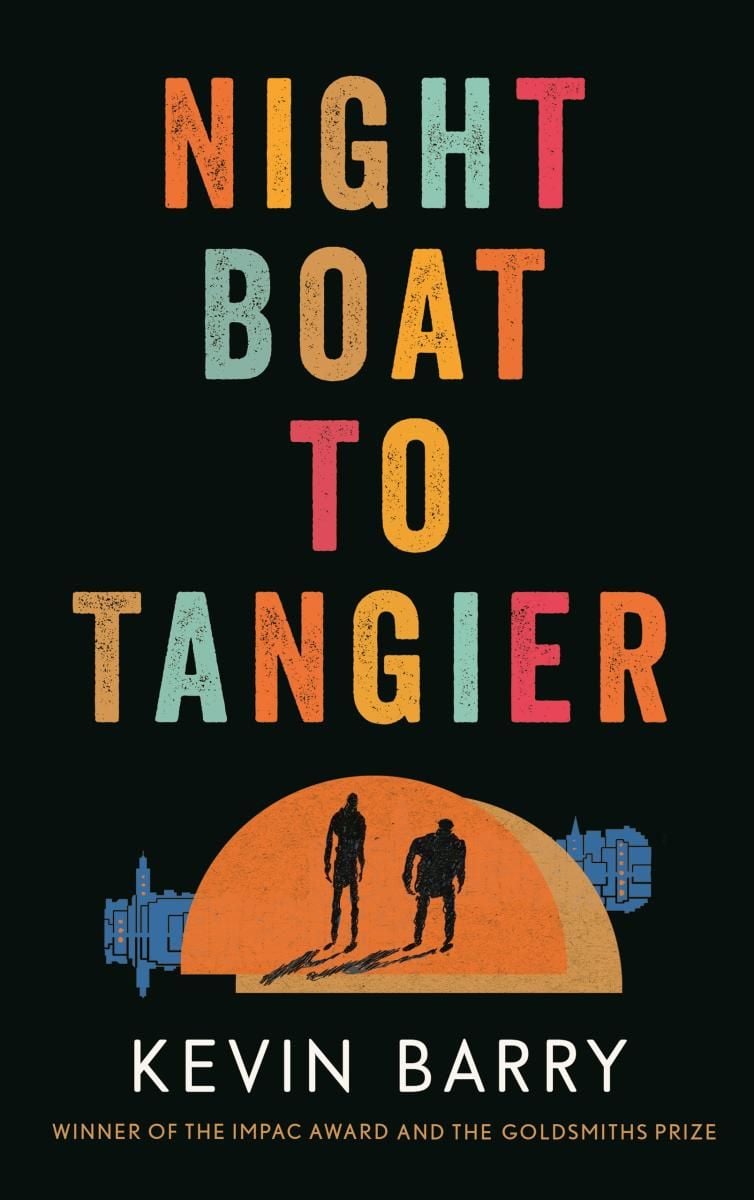
by Kevin Barry
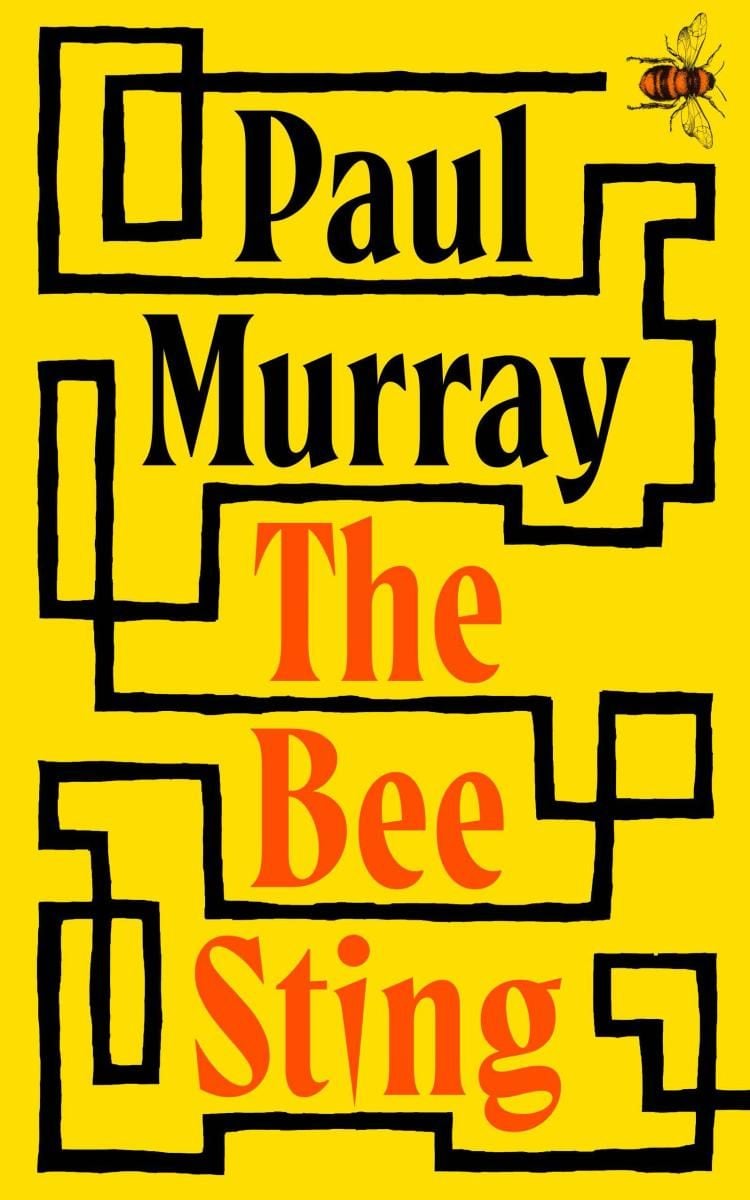
by Paul Murray