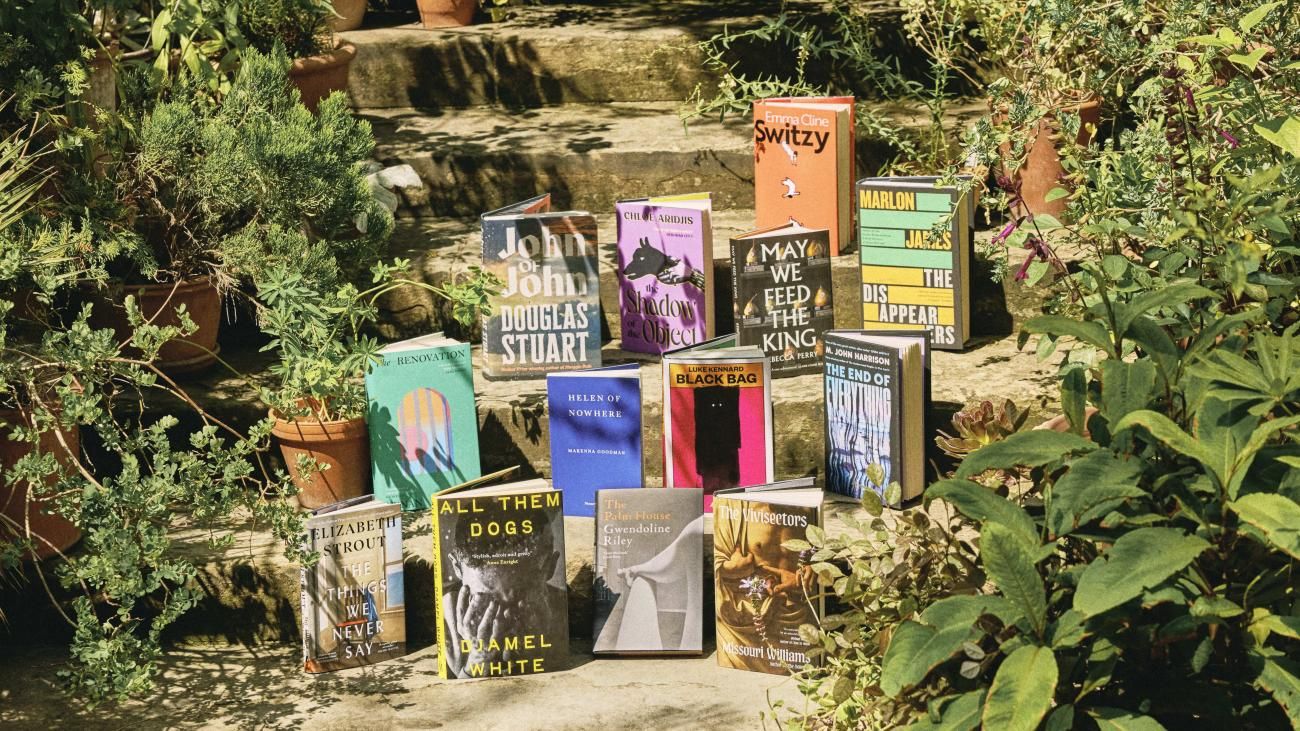
An extract from The Shadow of the Object by Chloe Aridjis
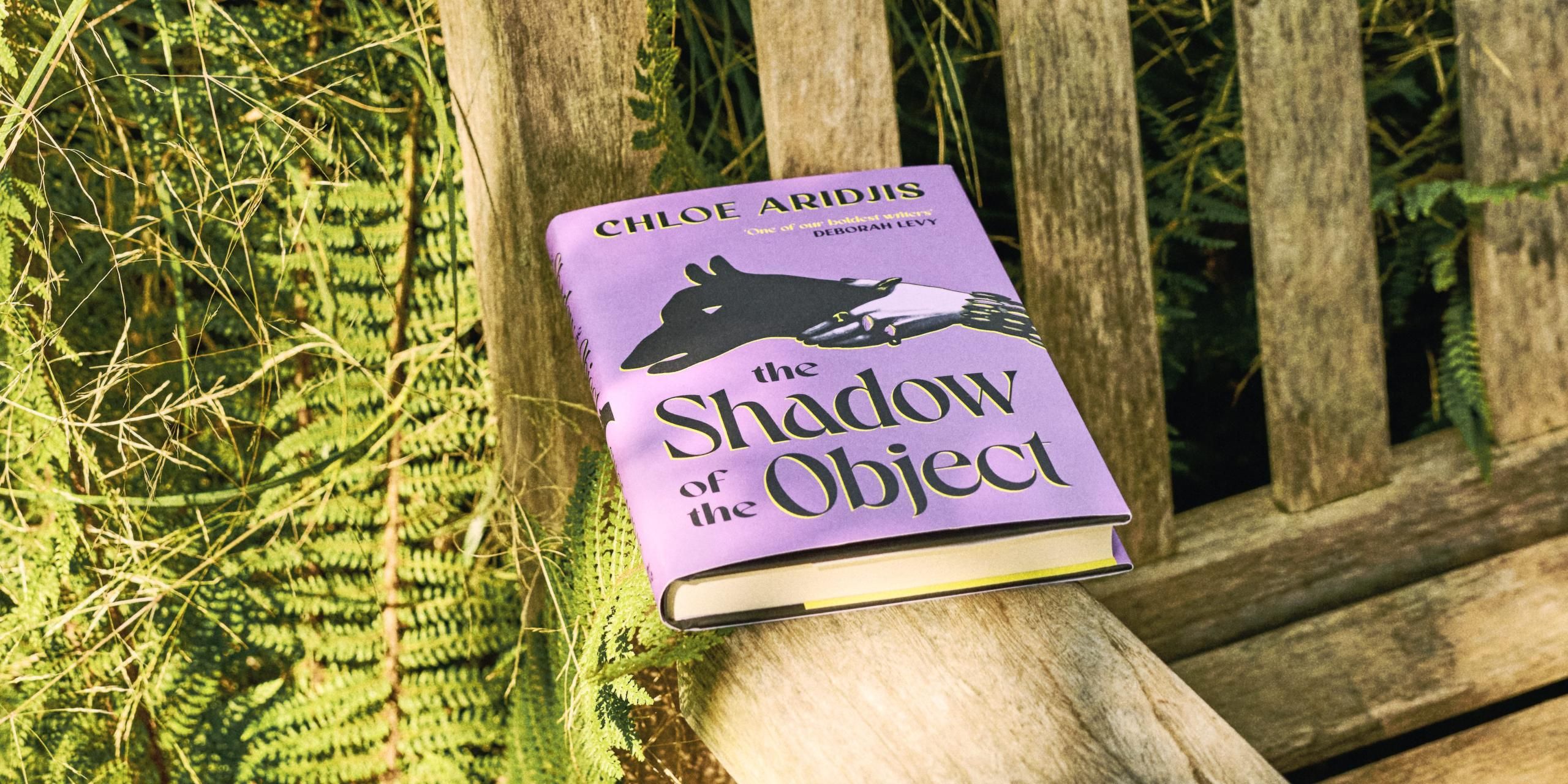
An extract from The Shadow of the Object by Chloe Aridjis
- Written by
- Chloe Aridjis
- Published
The Shadow of the Object by Chloe Aridjis is longlisted for the Booker Prize 2026. Read an extract here
A magnificent work of shadow-play and a meditation on desire, metamorphosis and mortality.
Flora is visiting home in Mexico when the family dog leaps up and bites her hand. She finds herself in hospital where she undergoes several surgeries and meets Wilhelmina, an elderly German woman with pneumonia, who collects pre-cinema toys and instruments. The two of them embark on a series of dream-like conversations in the hospital corridors. Wilhelmina puts on a magic lantern show for Flora, leaving her spellbound.
When things take an unexpected turn, Flora finds herself entrusted with an important mission. She returns to London, where she resumes her job polishing silver at a jewellery shop, and strikes up a strange friendship with Wilhelmina’s son, Max. As Flora dips in and out of her imagination, she is increasingly aware it’s not only the magic lantern that projects, and her perception of reality is subtly altered.
The fewer the props the greater the magic, a famous magician once said, although in my case it wasn’t the flourish of a wand but the wave of my own hand. My own hand made certain things vanish and conjured others into existence. Yes, its mere movement brought about more change, more transformation, than any magic trick. On night three of my visit home, after watching a film with my parents in their bedroom, I’d risen from my chair and waved goodnight. The mistake, we later concluded, had been to wave. All the dog saw, we concluded, had been a disembodied hand.
A hand – floating, beckoning, threatening – mid-air.
He had watched over our home for eleven years, this dog, been taken for daily walks and given the run of the garden, slept pressed against my parents’ door each night, a magnificent Alsatian with a coal-black face and golden eyebrows, occasionally he growled but for the most part he remained composed, his inner life and ours mysteriously, harmoniously, aligned. Until that moment when he was possessed by an unknown force, his eyes glowing amber, teeth sinking into my hand.
One second a searing pain, the next nothing, the pain too new, too vast, to identify. My mother threw the television control and missed. My stepfather reached for the cane by his bed, until then never used on anyone, and after receiving a blow on his hind legs, there was no choice, the dog released me, but not without difficulty since one of his canines snagged on a bone and had to unhook at just the right angle.
At night he turns wolf, my mother would say, and it was true his mood grew feral after dusk. But until then, the wolf had protected us.
The elderly taxi driver who took us to the hospital seemed lost in thought as he wound through the sinister scrublands of Chapultepec Park. Please hurry, it’s an emergency, we urged, but the man took a meandering route via the tercera sección, deserted apart from the packs of hounds that were the spirit of its wilderness and ravines.
We arrived at the hospital after thirty minutes, or perhaps it was forty or forty-five, time marked only by increments of pain, followed by limbo in a waiting room inhabited by a silenced television and a howling boy. Old episodes of El Chapulín Colorado played across the screen, the sight of a grown man dressed as a red grasshopper even more absurd on mute, my stepfather kept laughing and my mother now and then too, how could they laugh when I had just been bitten by our dog, well, how could they laugh full stop, and as the pain shot up my arm I wondered how much more I could endure.
The clock on the wall read 2:25 when the hand surgeon arrived, bathed and perfumed, in a black leather jacket. I followed the man to a cubicle, where he drew the curtain, and in that snug space he unwrapped the provisional bandage my mother had thrown on and poured alcohol and iodine into my wounds, my hand on fire as he set to work removing some of the debris. Eight deep bites, he counted, on the front and the back and in the fold of my thumb, but I couldn’t bring myself to look.
At night he turns wolf, my mother would say, and it was true his mood grew feral after dusk. But until then, the wolf had protected us
From that moment to the hospital bed, only a few memories survive:
The surgeon speaking into the phone as he booked the operating room for dawn, his delivery as straight as a hospital corridor, a professional urgency that didn’t allow for nuance or digression. I attempted, unsuccessfully, to read my fate in his words.
The anaesthetist’s customary question – Vodka, rum or tequila? – before administering the jab.
Tejido necrótico. The first words heard upon waking. Not a punk rock band, not necromancy or necropolis, but necrosis. Local dead tissue, a necrotic citadel, a small cemetery of cells, in my hand.
Square room, low ceiling.
Remedies descending in a drip, bed fitted with contraptions.
A greyish light at the windows.
Anaesthesia on the ebb: edges and angles acquiring definition.
Fastened to the corner of the ceiling, an enormous television.
Fastened to the wall by the door, a pump with disinfectant gel.
And, pasted onto the scene like a collage, my mother and stepfather.
How long had they been there, side by side on the sofa?
I hadn’t visited home in three years and now, here we were.
How is Diogenes? I asked. The voice that emerged from my chest was hoarse and peculiar and I had to repeat my question.
His name was Diogenes. Diego for short. Two or three syllables suit a dog much better than four, and from puppyhood onwards we used his full name in conversation but Diego when addressing him, not an exact diminutive of Diogenes but he didn’t seem to mind. And anyway, as he grew older he often wouldn’t respond when called, he’d lift his head and then drop it back down, the gravity of the years stronger than any impulse towards obedience or curiosity.
Diogenes was sulking and ashamed and keeping to the corners of the house, my mother said. Aware he’d done something wrong, uncertain what.
Put him down, a chorus had begun, put him down. Our neighbours were insisting, and a few relatives too. You will never feel safe again with him in your midst. But no, how could we? He was part of the family. Ignore the chorus, we agreed. Our only action would be to follow the veterinarian’s advice and neuter him, in case an excess of testosterone was to blame.
The issue had been laid to rest, the dog would be snipped and the story would end there, when the surgeon entered the room. The door was open but he knocked to announce his presence, then helped himself to some gel and rubbed his hands together as he approached. This time he was accompanied by another man. Bald, pockmarked, with glasses. The infectólogo. Grave-faced, they explained they couldn’t seal my hand just yet, there was still too much splintered bone inside, and therefore too much risk of infection. And with the risk of infection, they wielded a new word. Osteomyelitis. I would need at least one more surgery, possibly two, and for the time being should remain in hospital. The antibiotics I was receiving were too strong to take orally and had to enter through a drip, and my hand should remain protected from the dangers of the outside world.
The outside world. Everything familiar belonged there, not here.
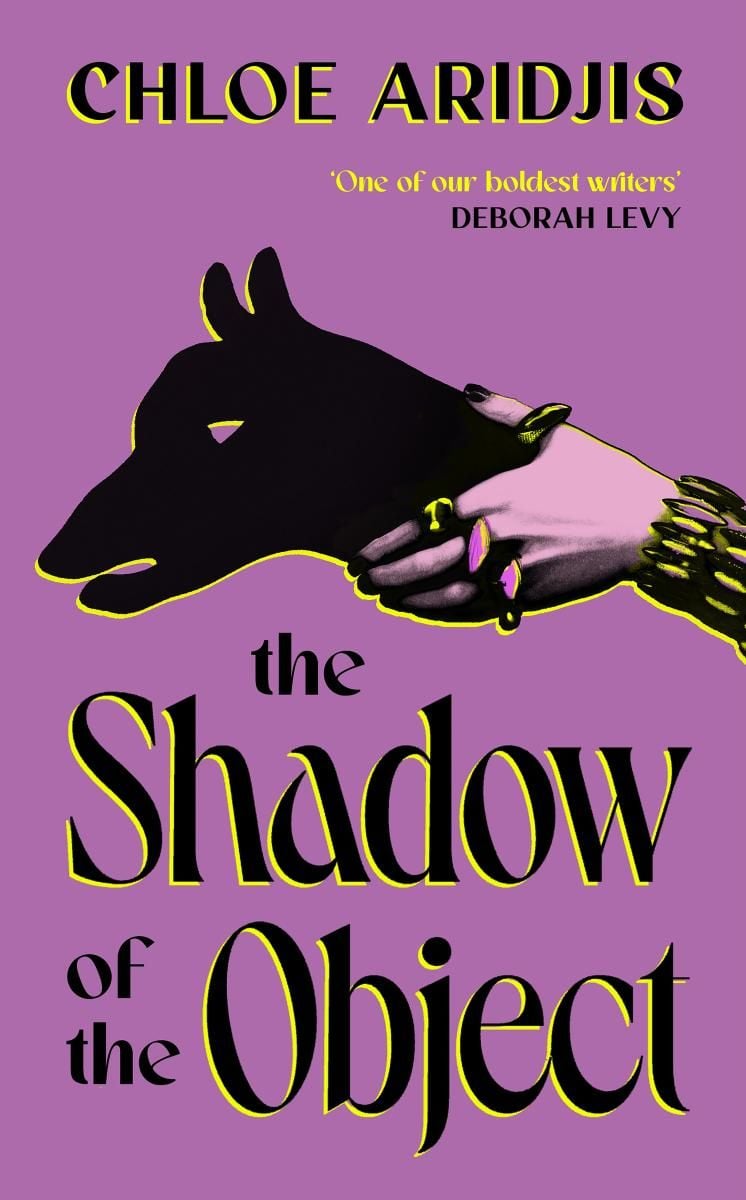
The Shadow of the Object
- Published by
- Chatto & Windus
A magnificent work of shadow-play and a meditation on desire, metamorphosis and mortality