
The Booker shortlists of the 1970s are of exceptionally high quality, and while some of the novels may have fallen out of fashion, they’re essential volumes for any keen reader’s library
The Booker Prize in the 2010s: 10 novels that are well worth rediscovering

The Booker Prize in the 2010s: 10 novels that are well worth rediscovering
- Written by
- John Self
- Published
This decade in Booker Prize history belonged to the heavyweights, with wins by Hilary Mantel and Marlon James. But it was also a time of innovation, with plenty of bold, boundary-pushing books to add to your TBR pile
The 2010s was a decade of expansion for the Booker Prize. Most famously, in 2014 the scope of the prize was extended to allow entries from authors in any country in the world, not just Britain, Ireland and the Commonwealth.
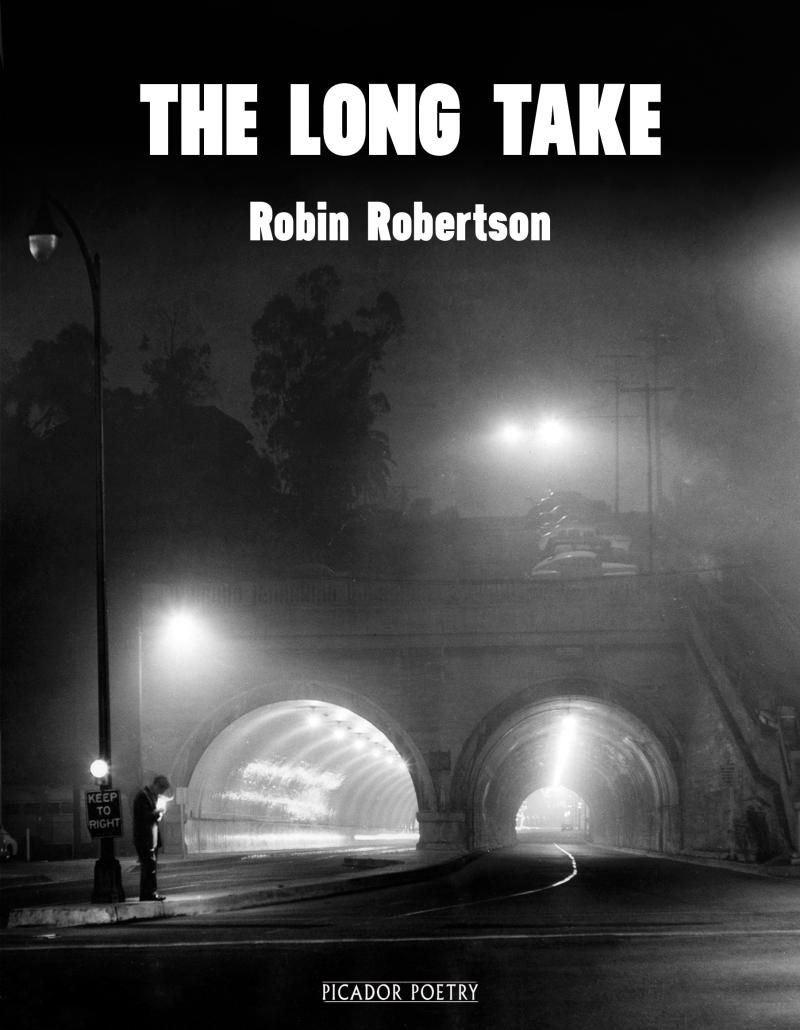
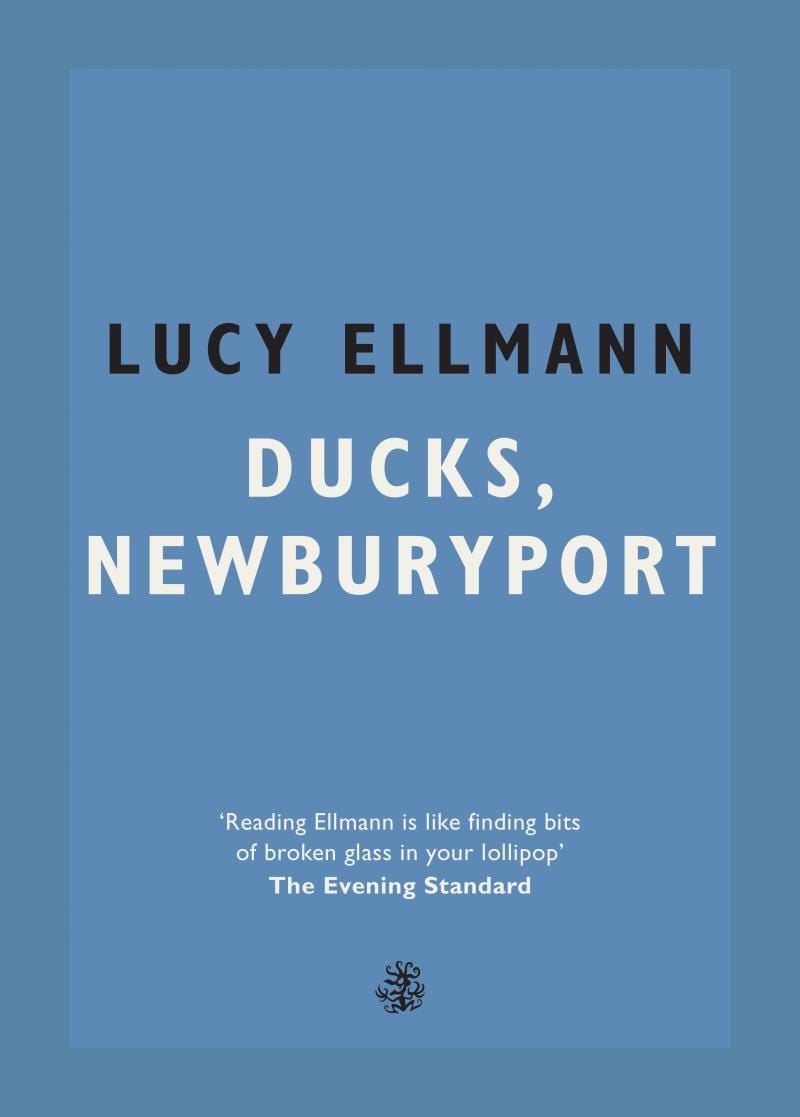
The 2010s also saw expansion in form for Booker Prize books: the first novel in verse to be shortlisted (Robin Robertson’s The Long Take), the first graphic novel to be longlisted (Nick Drnaso’s Sabrina), as well as the longest winner (Eleanor Catton’s The Luminaries), longest shortlisted novel (Lucy Ellmann’s Ducks, Newburyport) and longest longlisted novel (Richard House’s The Kills) – a very busy decade!
With an ever-expanding range of books to choose from, here’s our guide to some of the best longlisted and shortlisted novels from that decade.
Buy the book
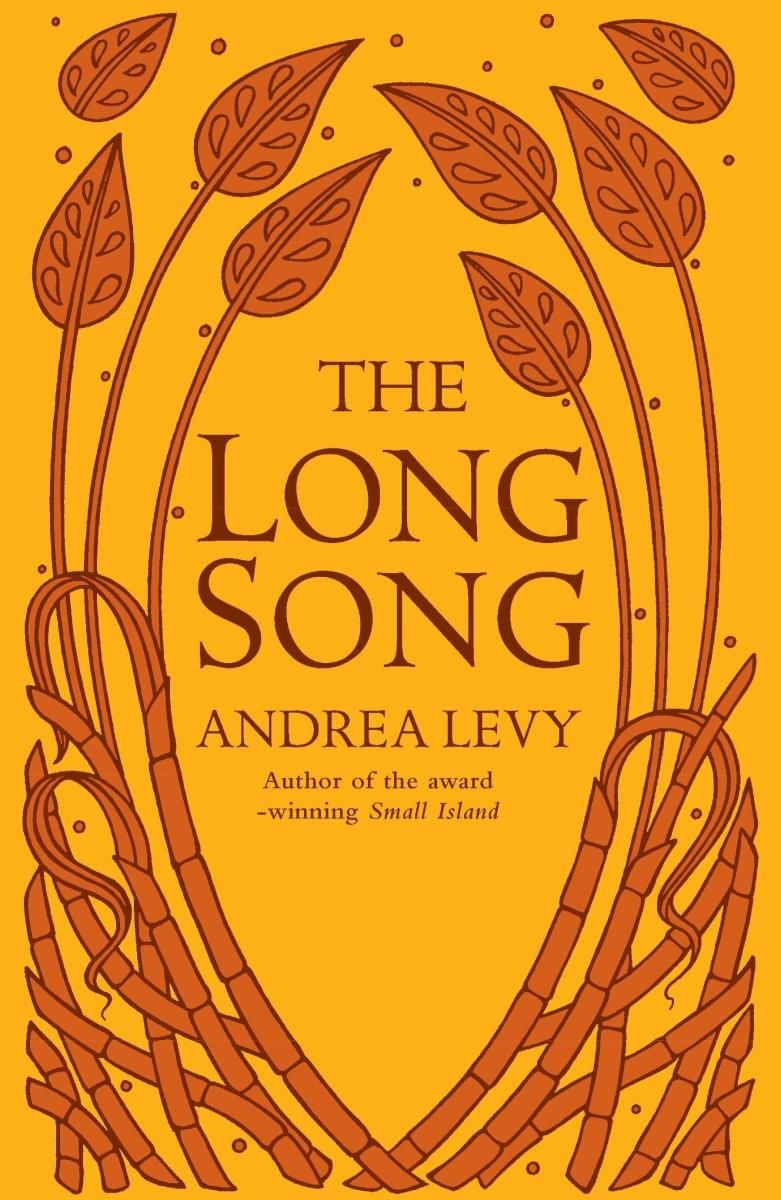
The Long Song by Andrea Levy (shortlisted, 2010)
This impressive but approachable novel is not so much about the slave trade as about a life which happens to have been lived through the trade. It’s about July, a former enslaved person on a Jamaican sugar plantation, who in 1898 has been encouraged by her son to set down the details of her life. It is, naturally, not an easy life, and even when the slave trade ends, things don’t always get easier. July’s birth was the result of her mother Kitty being impregnated – that is, raped – by the plantation’s overseer, who then objects to the noise she makes during the painful labour. ‘I cannot stand the noise. I have a pain in my head, you see, that I cannot remove. So you must be quiet.’ But one of the great beauties of The Long Song is how it plays with our understanding of history. For example, the story of July’s birth is told twice, once as ‘ornate invention’ (which her son helps her with) and once as the ugly, messy reality. Novels, it says, are about truth, not just about facts.
In 2010, Levy lost to Howard Jacobson’s The Finkler Question. There were suspicions that Tom McCarthy’s novel C would win, after a flurry of bets on it at the last minute, but according to Tom Sutcliffe, one of that year’s judges, Jacobson’s was always the book to beat. ‘Our final discussion,’ he says now, ‘was mostly due diligence after a pretty strong feeling that Howard Jacobson had re-read best and deserved the win. It was a shoo-in for the longlist and the shortlist, and when it came to our final discussions it was among the first titles we talked about as a potential winner. People weren’t saying, ‘Oh but it doesn’t do X or Y’. They were saying, ‘And another thing I liked about it was…’
Buy the book
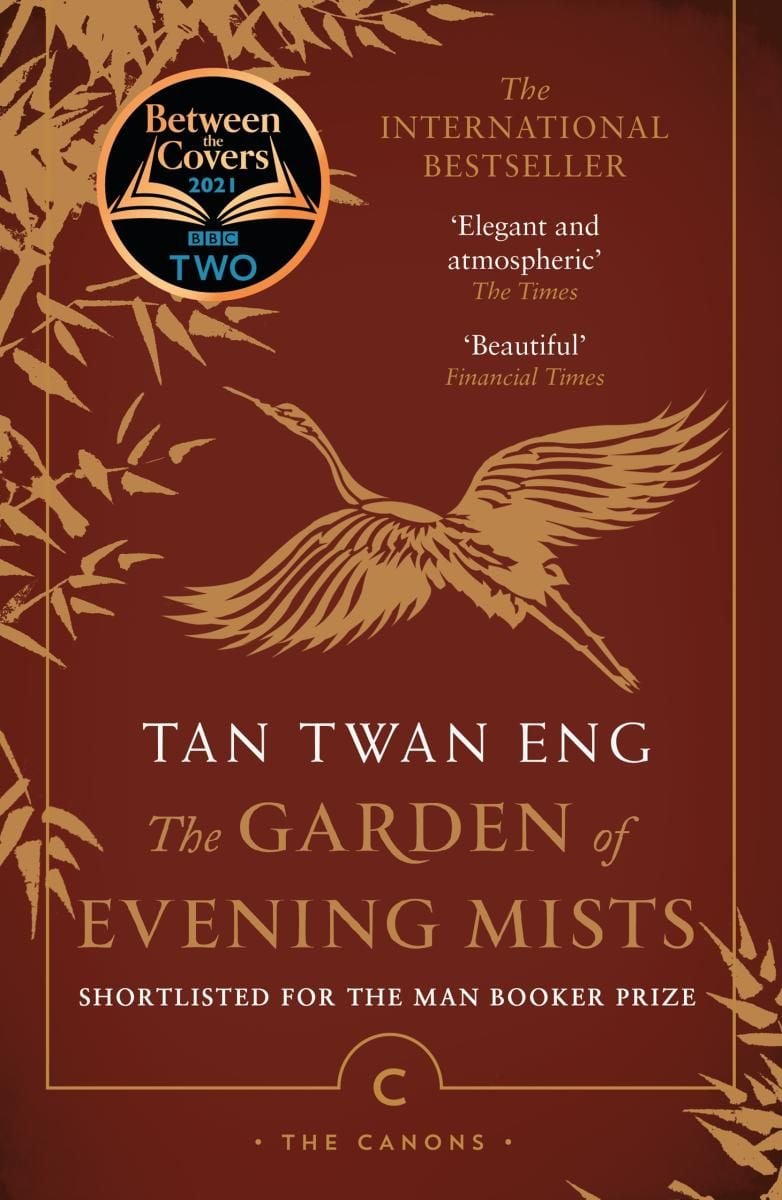
The Garden of Evening Mists by Tan Twan Eng (shortlisted, 2012)
This novel is a book of memory. Retired judge Teoh Yun Ling has been diagnosed with dementia: ‘I have become a collapsing star, pulling everything around it, even the light, into an ever-expanding void’. She decides to record her memories while she can, ‘fragments of my life that I do not want to lose, if only because I still have not found the knot to tie them up with’. The key memory is of her time apprenticed to the master Japanese garden maker, Aritomo, in Malaysia during the civil war in the 1950s. They have an uneasy relationship – Yun Ling was permanently maimed as a Japanese prisoner of war, and lost her sister in the camp – and Tan combines passages of serene beauty with moments of gruesome horror, each making the other stand out more. There’s a quality in Tan’s writing which will appeal to readers of Kazuo Ishiguro or Anita Brookner, of ungovernable emotions boiling under an unruffled surface.
‘2012 was the year Great Britain hosted the Olympics, to great success,’ recalls Tan Twan Eng. ‘Walking around London, there was such a feeling of British pride in the air – I had a strong sense that the winner would be a British writer. This is not to take away from the fact that Hilary Mantel’s Bring Up the Bodies was truly the deserving winner.’ Tan struck up a rapport with Mantel (‘she was the nicest writer among the shortlisted authors that year’), and a year after the Booker, they came face to face again when both books were shortlisted for the Walter Scott Prize for historical fiction. When The Garden of Evening Mists won, Mantel congratulated Tan immediately. ‘It should be your name they called,’ he recalls telling her – to which ‘she laughed and shook her head.’ ‘I’ve won my share of prizes already,’ she replied.
Buy the book
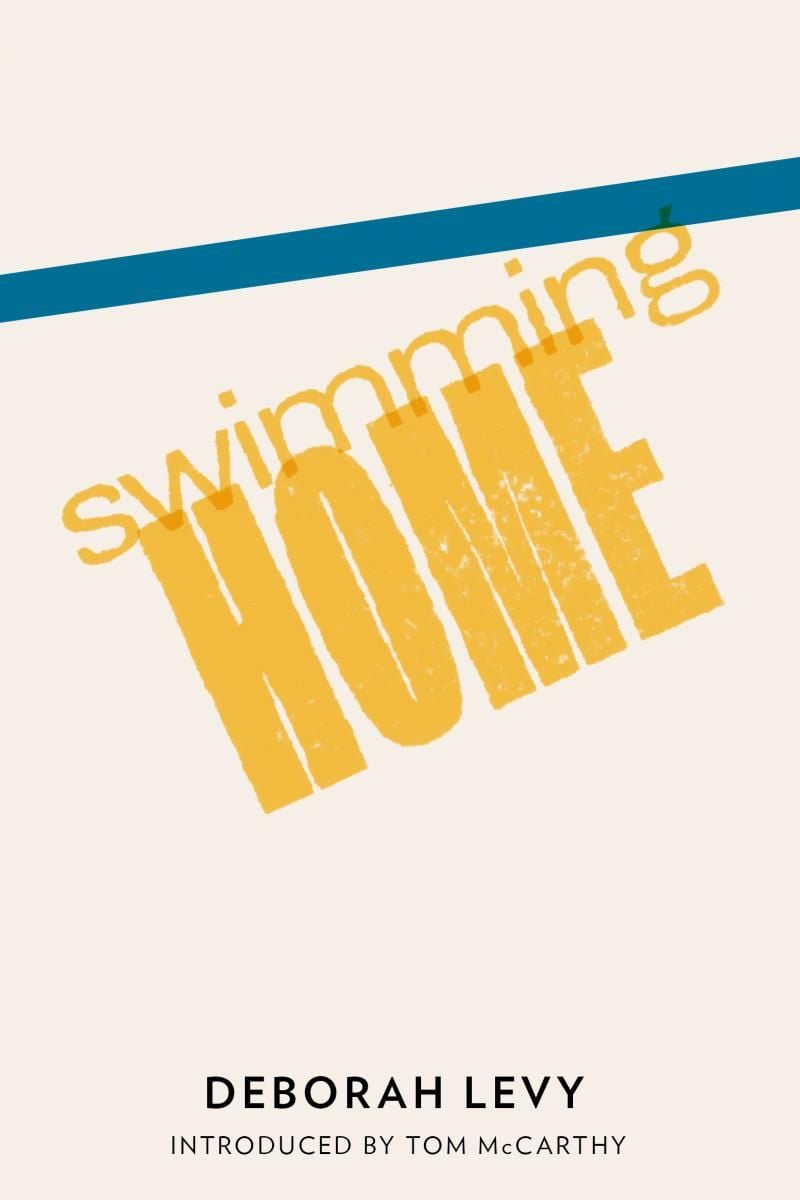
Swimming Home by Deborah Levy (shortlisted, 2012)
Swimming Home is a slippery, seductive book. The setup is familiar: a stranger infiltrates a family (see also Ali Smith’s The Accidental), but the results are strange and unpredictable. The Jacobs family is on holiday in France with friends when they see a figure in their pool (‘Is it a bear?’). It’s a woman named Kitty Finch, who’s here to shake things up. The good news for poet Joe Jacobs is that she came because she loves his poems; the bad news is she’s brought her own poetry to show him. Kitty challenges the family’s sense of control over their lives, and the book similarly asks the reader who is in control of the story. It’s a novel that meets Hilary Mantel’s criteria of what a writer should do: ‘make the reader feel acknowledged, and yet estranged’.
Swimming Home was Deborah Levy’s first novel in 15 years, and was rejected by her previous publisher Bloomsbury when too many of the team there, according to publisher Alexandra Pringle, ‘[didn’t] like the people in it’. As for the judges in 2012, Bharat Tandon recalls a ‘sense of shared intellectual enterprise and excitement: the way we all looked forward to those Sunday morning meetings in Peter Stothard’s dining room’. Tandon and Dan Stevens formed ‘a miniature WhatsApp support group, reassuring each other that we weren’t going to go under’ as they juggled Booker reading and other work. Tandon reread all six shortlisted books recently and found that ‘I’d absolutely have chosen them all again’, while one other moment stands out, from the award ceremony: ‘the unimprovable hilarity of being formally announced on stage at the Guildhall as if my surname rhymed with “hard-on”’.
Buy the book
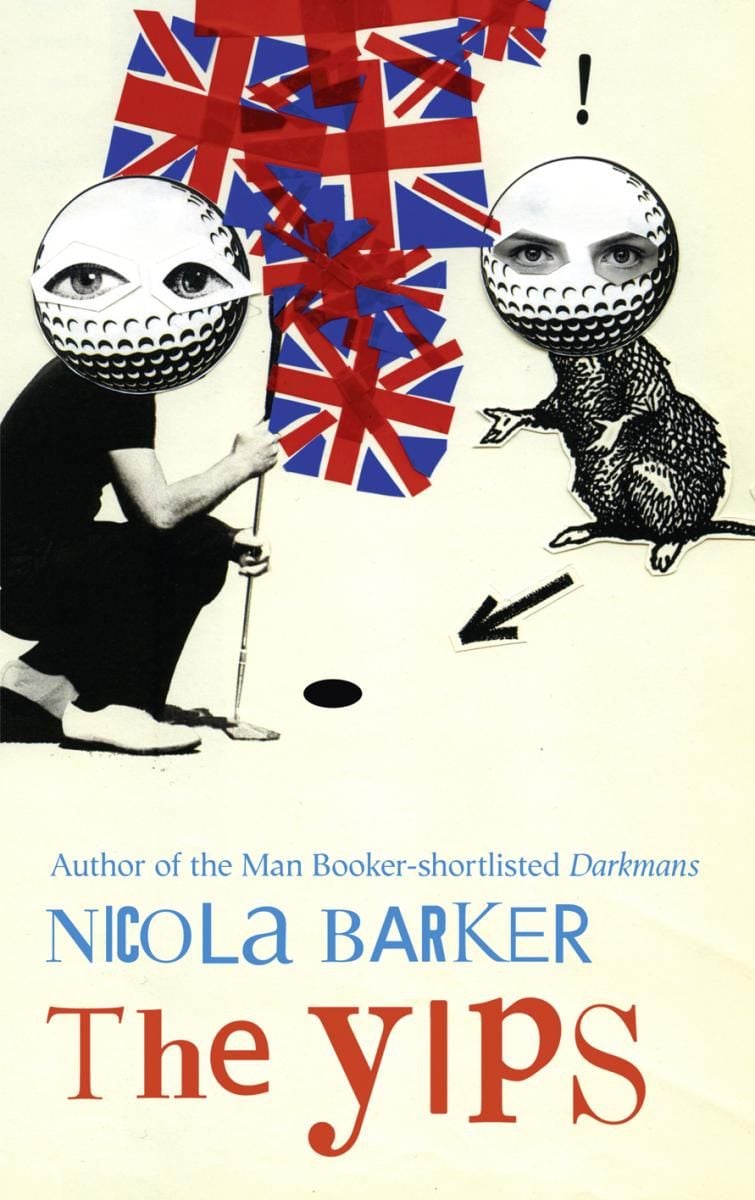
The Yips by Nicola Barker (longlisted, 2012)
This seriously strange comedy is a book that nothing can prepare you for – except perhaps reading Nicola Barker’s previous Booker nominee, Darkmans. It is full of bizarre things: a woman who was hit in the head by a golf ball and now believes she’s French; a barman who has had cancer eight times (‘once terminal’); and the central character Stuart Ransom, a wide-boy golfer who can’t play anymore. It’s a very funny book, as its cast of eccentrics bounce off one another, but not a frivolous one. Many of the characters are involved in the business of transformation – a beautician, a therapist, a tattooist – and there is serious stuff about body image, and the relationship between women and their homes. The title alone refers to a sportsperson’s nerves that stop them from performing: the moment when the thing you love turns on you. It’s a weighty, ridiculous comic extravaganza delivered with the lightest of touches.
Barker has not always been the best salesperson for her own fiction. When Darkmans was shortlisted for the Booker Prize in 2007, she said it would have been ‘a catastrophic choice’ of winner (‘I didn’t ever have a hope in hell of winning that prize’). When The Yips was longlisted, she fretted that the ‘insane vitality’ of her books would put many readers off. ‘It’s like liking a really pungent particular type of cheese. You’re not going to want that on toast, are you?’ Let us say it for her instead, then: Barker is a phenomenon and The Yips (like Darkmans) is a work of brilliance.
Buy the book
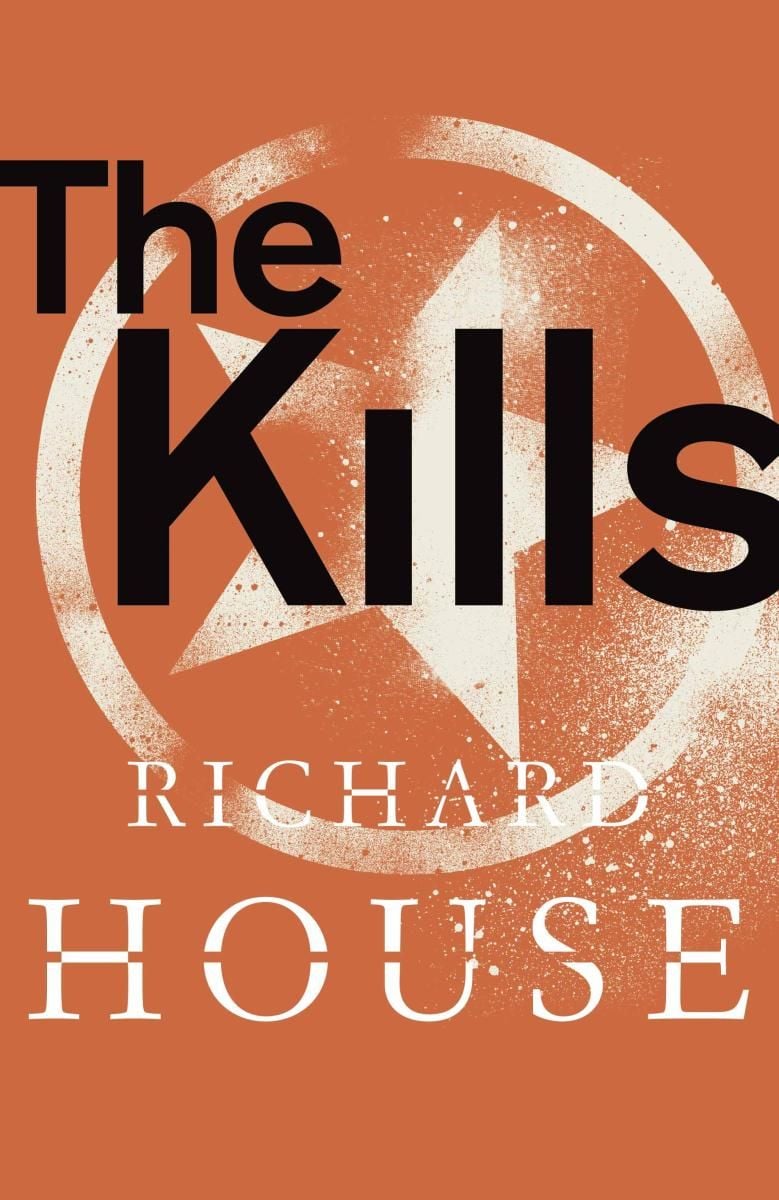
The Kills by Richard House (longlisted, 2013)
This is surely one of the most ambitious and daring novels to be nominated for the Booker Prize – at more than 1,000 pages top to tail, it’s certainly one of the longest. The Kills, in fact, is four books in one, each informing and feeding the others. In the first, a man is on the run, related to corruption in post-war Iraq, but House’s skill in switching characters means we want him to escape, but also cheer on the man chasing him. Then we go back to events before this story (‘Everything has a start,’ the book says, ‘a place where what is happening is set in motion’); then to a novel-within-the-novel titled The Kill; and finally to the story of a man who decides to live his life by following the events in The Kill. It’s a dizzying, dazzling performance, and never mind the length – once you climb aboard, there’s no possibility of getting off until the creepy end.
For 2013 judge Stuart Kelly, The Kills was ‘immensely impress[ive] … the closest thing I’d seen to a Don DeLillo novel from a British writer’. As to the Booker-judging experience generally, Kelly found that ‘re-reading has an inadvertent side-effect. I think it explains why generic crime and comedy rarely do well in the Booker. Is a joke ever funny on the third retelling?’ He recalls too his panel’s shortlist being ‘pilloried in the [press] as “woke” because the shortlist had an Englishman, an Irishman, a New Zealander, an [American of Indian heritage], a Zimbabwean and a Canadian of Japanese heritage’. This he regarded with some irony, given that ‘[we were] probably the last all-white, all-Oxbridge [judging] panel’.
Buy the book
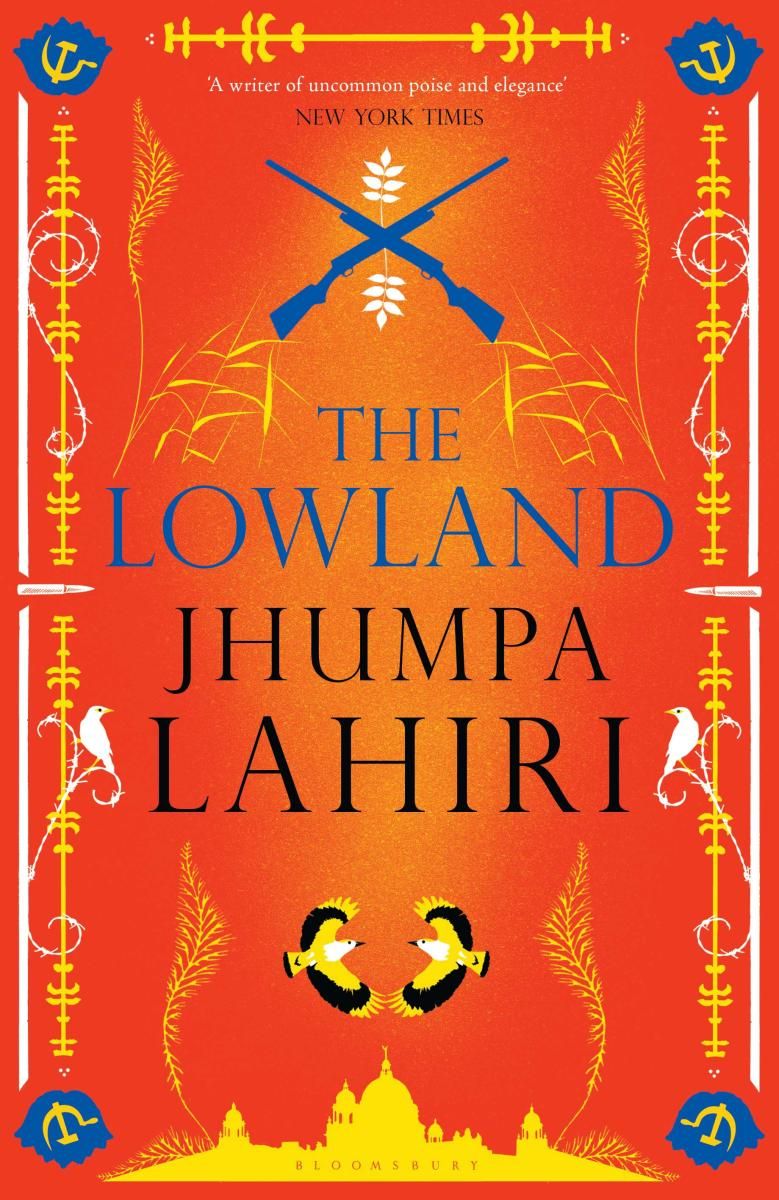
The Lowland by Jhumpa Lahiri (shortlisted, 2013)
This is the story of two brothers – one political, the other less so – who grow up together in 1960s and 70s India. Subhash and Udayan’s story animates the political history of their country through a moving family saga. It’s a book about idealism (‘By the year 2000 […] the people of the whole world will be liberated’) and, when idealism fails, of making do. There are shocks along the way, and one of the strengths of the book is how its focus shifts as it follows different generations of the same family. Lahiri’s style in describing all this, from death and grief to the unexpected growth of love, is understated and plain, as concise as the slogans that appear around the city. ‘Rifles bring freedom, and freedom is coming.’
The Lowland shows the confidence of a writer who knows what to leave out for the reader to interpret for themselves. It has, wrote judge Robert Douglas-Fairhurst, a ‘daring flatness’ to it. The winner, Eleanor Catton’s The Luminaries, was chosen after a two-hour discussion: ‘it was a tight decision but there was no need for a vote’. Judging the prize in 2013 ‘was genuinely fun rather than bloody’, he says now, ‘and I remain good friends with the other judges’.
The Lowland was the last book Lahiri wrote in English: since 2015, she has written books only in her adopted language of Italian, which have subsequently been translated into English. This means she could – one day, if the stars align – become the first writer to be nominated for both the Booker Prize and the International Booker Prize.
Buy the book
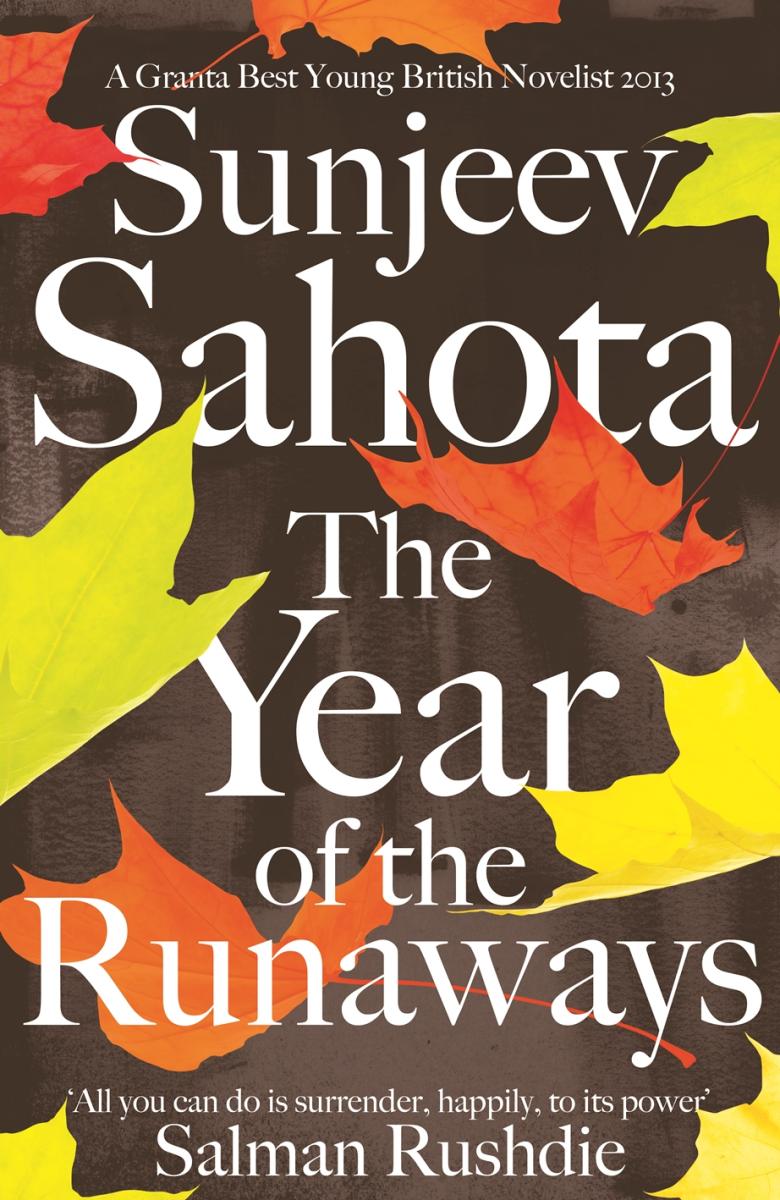
The Year of the Runaways by Sunjeev Sahota (shortlisted, 2015)
This book, as timely now as it was when it was published, teems with life as it tells the story of a community of Indian migrants in England. They’re a motley bunch: the book opens with Randeep, recently arrived, greeting the unenthusiastic British woman he has married for convenience to get a visa; another, Avtar, sold a kidney to raise the money to pay for his travel. The characters find that the land of opportunities is paved with problems, not least the racism of their new neighbours. The story shifts back and forward, and Sahota’s skill is such that we care just as much about each character’s backstory as we do about their adventures in Sheffield.
And as with Sahota’s other novels, class is as important as race in defining the challenges people in the book face: Randeep and Avtar were middle-class in India, but not any longer. The Year of the Runaways is a book with a purpose - to turn migrant workers from headlines in newspapers to human stories – but the purpose never gets in the way of the page-turning pleasure.
This was Sahota’s first Booker shortlisting – he repeated the achievement in 2021 with China Room. On his experience in 2015, he now remembers the award ceremony for ‘how dark it was: the black clothes, the low lighting, the coming winter outside. Added to this were the protracted transits from one course to the next, from one speech to the next. There was some inner angst, too.’ Elsewhere, Sahota has said that the attention the book received, following its Booker shortlisting, ‘definitely helps me to carry on living by my pen, which is all I’ve wanted to do for a long time now’. Asked if the Booker shortlisting added the weight of expectation for his next book, he said it didn’t, ‘possibly because my expectations for myself are high enough’
Buy the book
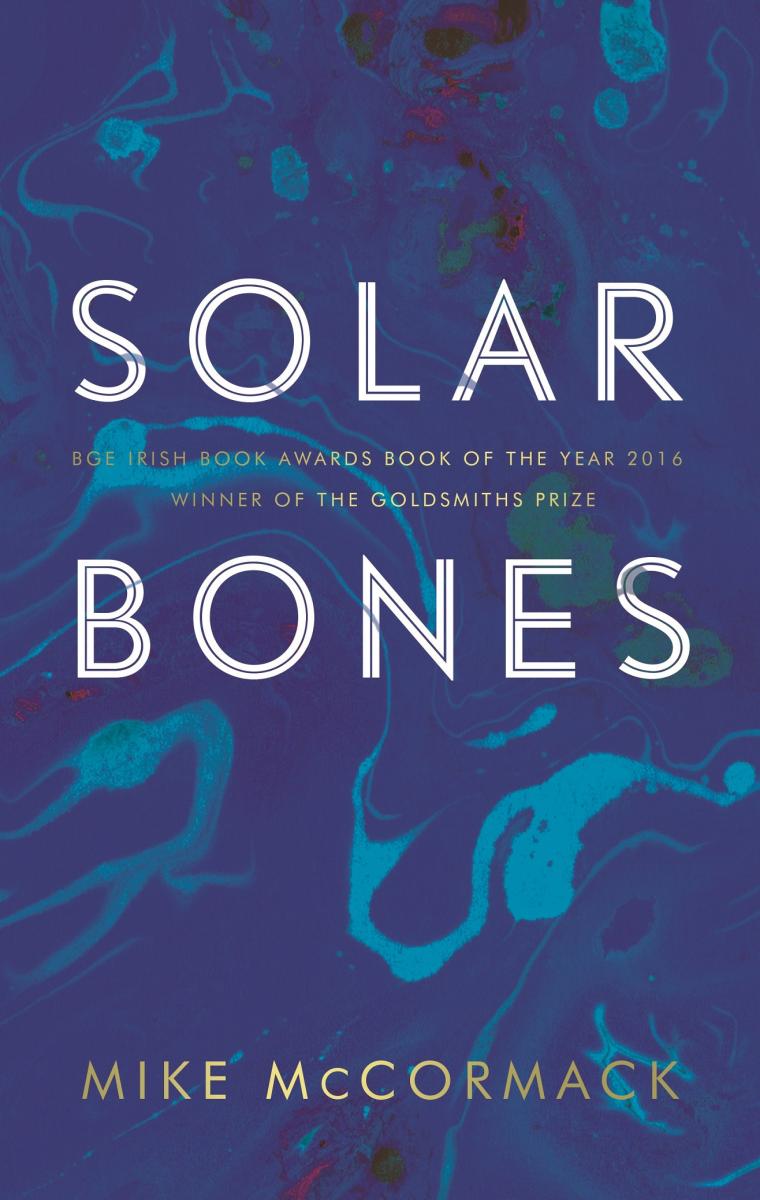
Solar Bones by Mike McCormack (longlisted, 2017)
If a novel in one sentence sounds like a daunting prospect, relax. Solar Bones is experimental fiction at its most readable – it has a propulsive rhythm which pulls the reader helplessly along, from the opening lines. It’s narrated by Marcus Conway: husband, father, civil engineer… and with one other important quality the reader will discover. Marcus is sitting alone in his house in rural Ireland on the Day of the Dead, 2 November 2008, when the economic boom of the Celtic Tiger has just gone bust (‘somewhere above the earth the sun failed’). He recalls his childhood on his family’s farm, the tools ‘that slept standing at the far end of the hayshed, dreaming their iron dreams through the winter months’, and slowly his true nature becomes clear. The repetitions and patterns that draw the reader on also deepen our understanding and add a fizz to the reading experience. Solar Bones is a book of exceptional originality, power and beauty.
Not every book can claim to have changed the Booker Prize, but Solar Bones just might have. When it was first published to universal acclaim in 2016, it wasn’t eligible for the Booker because it was published by an Irish publisher. Only in 2017, when a British publisher took it on, did it qualify. This seemed like an anomaly to everyone – including the Booker Prize organisers, and in 2018 the rules were amended to allow Irish publishers to enter books too.
Buy the book
The Long Take by Robin Robertson (shortlisted, 2018)
This book is not just a war story, an immigration story and a gripping noir tale – it’s also the first novel in verse to be shortlisted for the Booker Prize. (The same year also saw the first graphic novel to be nominated.) It covers seven years, 1946 to 1953, in the life of Walker, a war veteran who’s traumatised by his experiences. ‘His mind: / shot to pieces, now, but every single image still there, complete.’ As Walker moves from New York to California in search of recovery, he finds a world of man-made beauty (Central Park ‘a clearing / in this forest of stone’) and ugliness: ‘They say he knocked a guy down once, / put a pen in his ear and kicked it home’. The pacing of the poem matches how history seems to accelerate at a febrile time in US politics: the fear of communism, the Korean War, the murder of Emmet Till. The Long Take is a virtuoso work of narrative style that shows us the many different ways to tell a story.
As well as a poet, Robin Robertson had been a publisher for decades and had seen some of his own authors win the Booker Prize, including James Kelman and Anne Enright. As for being shortlisted himself, he says now, ‘The Long Take is a book-length narrative poem, so it never crossed my mind that it would even be eligible for the Booker Prize. In the months before [the award ceremony] I found myself undergoing interviews and giving readings, accounting for myself and this alarmingly sui generis book. Happily, I was often sharing public events with the other writers on the shortlist and, luckily, I liked them all. The twilit world of poetry had not prepared me for the glare of limelight,’ he adds, ‘but I’d seen enough of my authors dealing with the Booker aftermath – the disappointment, fury or grief – to know how to handle myself.’
Buy the book
Ducks, Newburyport by Lucy Ellmann (shortlisted, 2019)
‘Cancer patients are always being told to make memories,’ says the narrator of this novel, ‘so these are my memories.’ And how: the memories, ideas, whims and fears she gives us go on for almost 1,000 pages, without stopping – because, like Solar Bones, this is a book written all in one sentence. This sounds artificial, but in fact it’s extremely lifelike, as the woman’s thoughts jump from one thing to another, keeping her brain spinning as she stands in the kitchen and bakes. There are puns (‘Mommy and Abby’s overhang, underhang toilet paper argument, underhand, “Unhand me, sir!”, hand, a bird in the hand’), riffs on parenting (‘ten years of opening cereal packets’) and moving memories of her mother, who died when our narrator was young. This is literature as an immersive experience: a waterfall of words to wash over the reader and leave them dazed but refreshed by the end.
As this summary indicates, the length of Ducks, Newburyport is eye-catching and has been much discussed – it remains the longest novel to be shortlisted for the Booker Prize. Ellmann said that the length was ‘necessary’ and that ‘conventional narrative techniques and dutiful compression would not have suited this project. It had to be long.’ Indeed, it ended up even longer than initially intended. ‘In the final stages,’ Ellmann said, ‘during one revision, I added 30,000 words. There wasn’t a murmur from [my publishers]. Maybe they’d fainted.’