
The last decade of the 20th century saw A.S. Byatt, Roddy Doyle and J.M. Coetzee win the Booker, but there are many other shortlisted titles that modern readers should seek out
The Booker Prize in the noughties: 10 novels that are well worth revisiting

The Booker Prize in the noughties: 10 novels that are well worth revisiting
- Written by
- John Self
- Published
The first decade of the 21st century saw a series of innovations and wins by Hilary Mantel, Alan Hollinghurst and Yann Martel. But several lesser-known works demand attention too
The 2000s was a decade of changes and innovations for the Booker Prize: its status meant it could afford to take risks with its format. Most notably, this was the time when longlists were first revealed publicly, initially including as many novels as the judges saw fit to include. However, these lists, typically with around 20 titles, may have diluted the attention each book received, and so in 2007, the ‘Booker Dozen’ was introduced: the 13-strong longlist which remains to this day.
This decade also saw experimentation with different ways of bringing the prize to the reading public, often using technology, such as judges’ video diaries and official online Booker Prize forums. One thing that did not change was the judges’ commitment to uncovering the best books of each year. Here are 10 titles shortlisted and longlisted titles from the 2000s that deserve your attention.
Buy the book
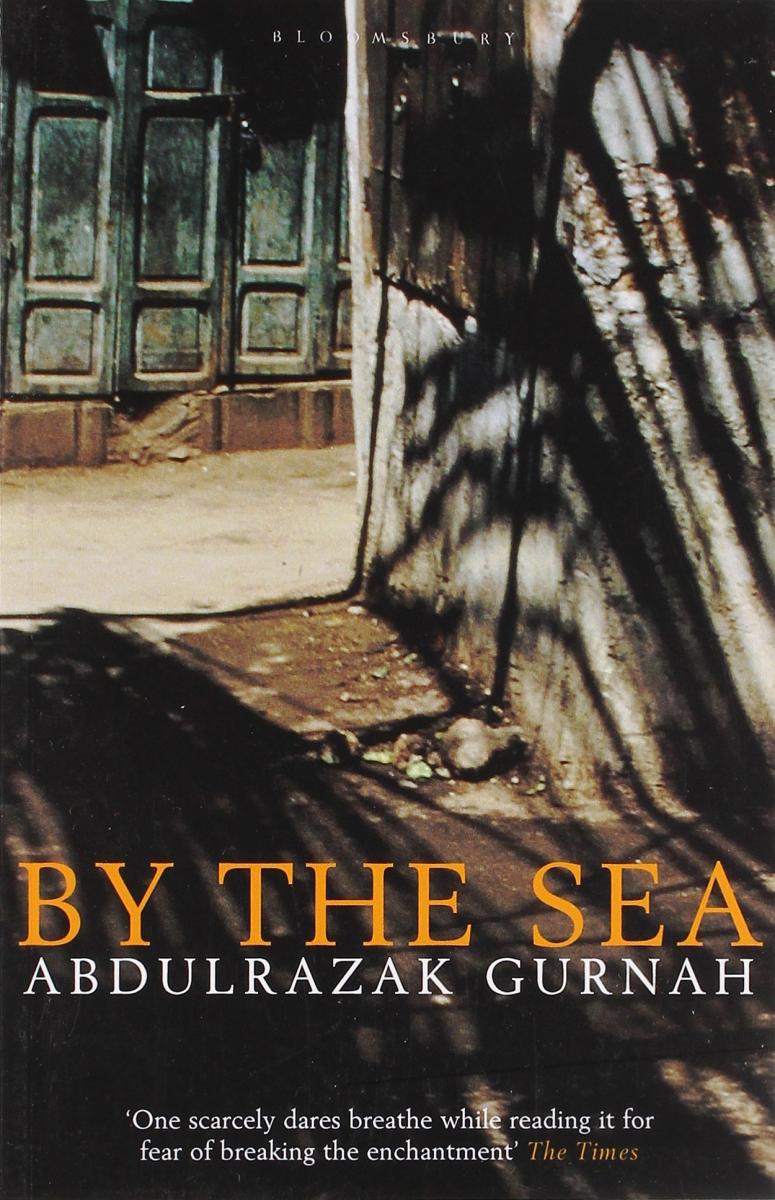
By the Sea by Abdulrazak Gurnah, longlisted in 2001
‘I am a refugee, an asylum seeker,’ writes the narrator of Gurnah’s novel. ‘These are not simple words.’ And almost 25 years later, the topic is more timely than ever. Saleh Omar comes to England from Zanzibar, under an assumed name, and the book takes us through his experience: life in a detention centre, later ‘in a little flat. By the sea,’ and also his previous years in East Germany and imprisonment in Zanzibar. Another narrator tells his own story, and the two give us a bold blend of story and thinking about exile and the colonial past. ‘All Europeans had to observe the thin line beyond which the mysterious moral authority over the native would vanish, and we would have to torture and murder to regain it.’ It’s also a book steeped in literature, from Shakespeare and Shelley to Herman Melville and Chekhov.
2001 was the first year that the longlist was made public, though there had been occasional strategic leaks before. Another innovation this year was the first – and last – People’s Booker, shadowing the official prize, which was decided by a public vote and went to Ian McEwan’s Atonement. McEwan had won the official prize three years earlier, but admitted that the award ceremony was still a nerve-wracking occasion. ‘By the time the pudding comes round, you feel really sick.’ As for Gurnah, he has not yet won the Booker Prize, but had the small consolation of the Nobel Prize in Literature in 2021.
Buy the book
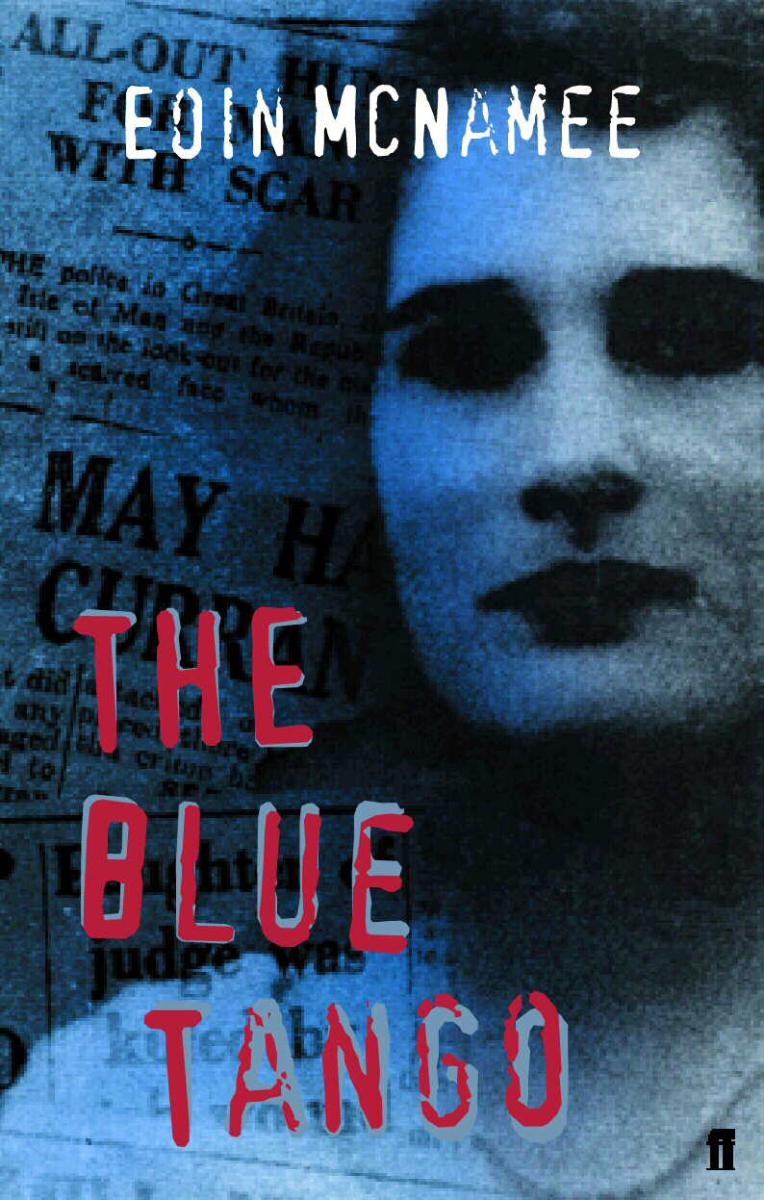
The Blue Tango by Eoin McNamee, longlisted in 2001
The Blue Tango is based on a real murder in Northern Ireland in 1952 – a judge’s daughter, Patricia Curran, was stabbed to death outside her own home. ‘The case was on the front page of the Belfast Telegraph for 46 successive editions,’ writes Eoin McNamee. It captured the country’s imagination, as a man was convicted of her killing but later had his conviction quashed. This opens the door for McNamee to portray not just a cast of dark characters, from corrupt cops to moralistic mothers, but to recreate a society in the ‘time of men with determined jaws smoking menthol-tipped Consulate’. This is a book for fans of David Peace or James Ellroy, for its true-crime subject but also the insistent style: a blend of plain reporting and high poetry. It’s at once charming and sinister, and an irresistible performance.
As well as publishing the longlist, a further change in 2001 was that one judge, Philip Hensher, recorded his experience of judging, which he summarised – with a nod to Bridget Jones – as follows: ‘Novels read, 150. Novels enjoyed, 12. Cigarettes smoked, about 7,000. Bottles of wine drunk, about 9,000.’ His conclusion? ‘It’s been worth it, but a slog.’
Buy the book
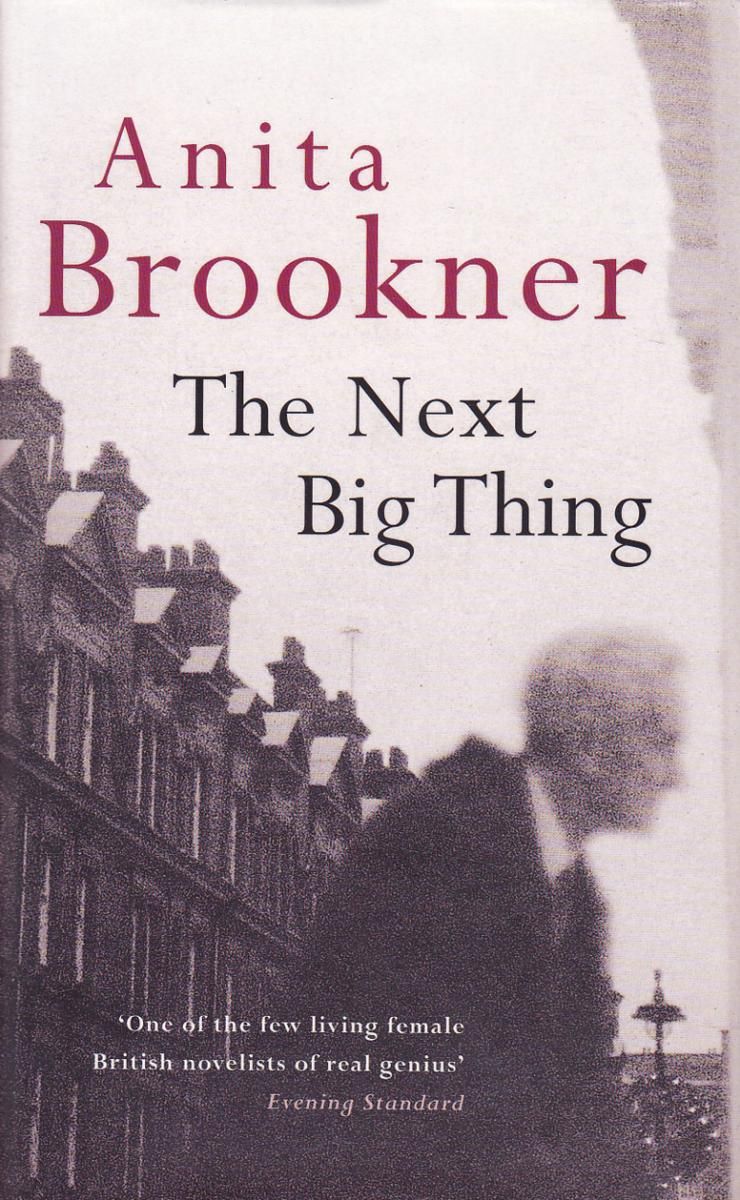
The Next Big Thing by Anita Brookner, longlisted in 2002
After winning the Booker Prize in 1984 for Hotel du Lac, Anita Brookner was longlisted only once again, for The Next Big Thing, her 21st novel in 21 years. Each time she had written another novel, Brookner would joke to her friend Julian Barnes that ‘it’s about … a lonely woman’. This one bucked the trend: it’s about a lonely man. Julius Herz is retired, divorced, at a permanent loose end in his London flat above a shop on a short, eight-year term. ‘With a bit of luck he would be dead before the lease ran out.’ He thinks about his lost childhood love, his ex-wife, and becomes too interested in a young woman who moves in next door.
Typically for Brookner, this is an elegant, astringent book that never flinches from the truth of Julius’s position. ‘So much time! How on earth was it to be filled?’ It’s so subtle that when something out of turn happens – Julius, overcome with late desire, touches his young neighbour on her arm – the moment reverberates like a clap of thunder. And there is Brookner’s dark wit, too – the ‘next big thing’ of the title is death – as well as perhaps the most surprising thing of all: in an Anita Brookner novel, the unexpected appearance of the word ‘e-mail’.
But in 2002, Brookner, like 18 of the other longlisted authors, was never really in with a chance. ‘I love Anita Brookner,’ says Erica Wagner, one of that year’s judges, ‘but from an early stage, a novel we’d never heard of by an author we’d never heard of from a small indie publisher jumped out at us, and that of course was Life of Pi.’ And, contrary to the oft-reported disputes between judges, 2002 was a harmonious year. ‘A joy from start to finish,’ says Wagner, who adds: ‘I believe we are the only group of Booker judges to go on holiday together. When the prize was over, not many weeks after, we all got in a van, driven by Lisa [Jardine’s] wonderful husband, John, and had a lovely night on the Côte d’Opale in France with a splendid dinner and much merriment.’
Buy the book
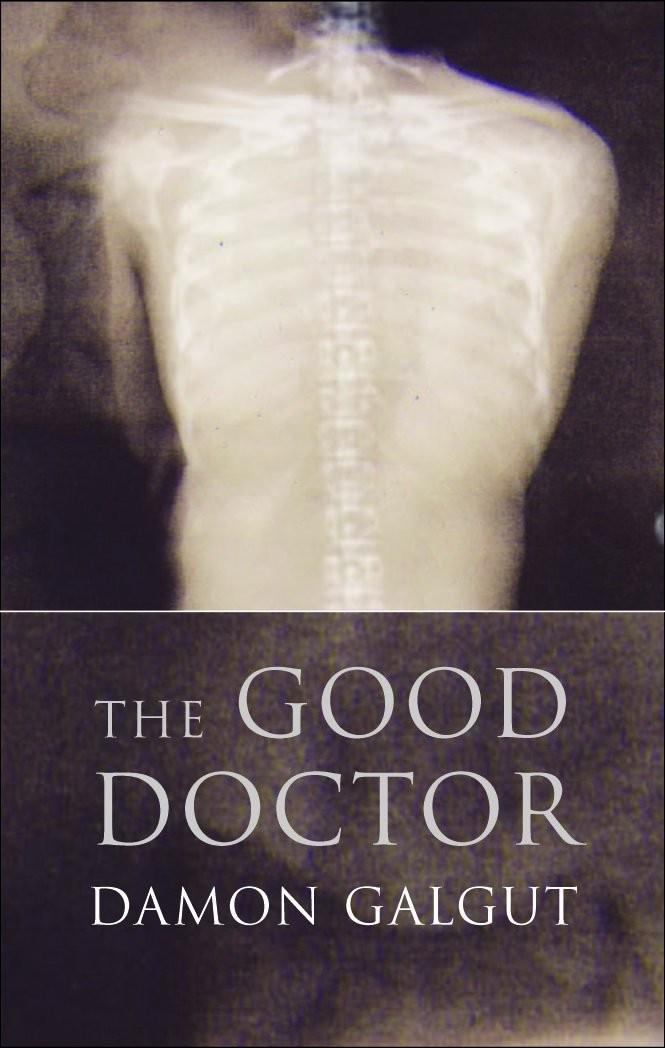
The Good Doctor by Damon Galgut, shortlisted in 2003
The Good Doctor introduces an odd couple. Narrator Frank is a jaded doctor at a ramshackle rural hospital in South Africa, forced to share his room with enthusiastic newcomer Laurence. This ‘strange twilight place’ is an odd location to make a career, but soon the story is ramping up with a complex web of moral uncertainties of the inequalities of post-Apartheid South Africa, dressed in Galgut’s immaculate, clean prose. There are elements of J.M. Coetzee and Graham Greene here, but with Galgut’s own unique strangeness. Is Laurence real, or an aspect of Frank’s own personality? ‘Ideas are always better than reality,’ Frank warns one character. ‘But sooner or later the real world always wins.’
Damon Galgut would go on to win the Booker Prize in 2021 with The Promise, but The Good Doctor was his first shortlisting. ‘I remember being at a friend’s house in London on the afternoon they were announcing the shortlist,’ he says, ‘and going to her computer repeatedly to see if it had been released yet. The instant I saw my name there I had an almost physical sensation of registering my life jump from one track to another. Nothing has been quite the same since.’
Galgut’s strongest impression from that year, however, came from the innovation (‘thankfully never repeated’) of having the judges record on video their private thoughts during the process. ‘It allowed A.C. Grayling to publicly vent his feelings about The Good Doctor, which he loathed,’ Galgut adds. ‘He said that he would fight to keep it off the shortlist. The one salutary effect of this little outburst was that I knew in advance I would not be the winner that night. That may have been the long-overdue moment when I finally lost my literary innocence.’
Buy the book
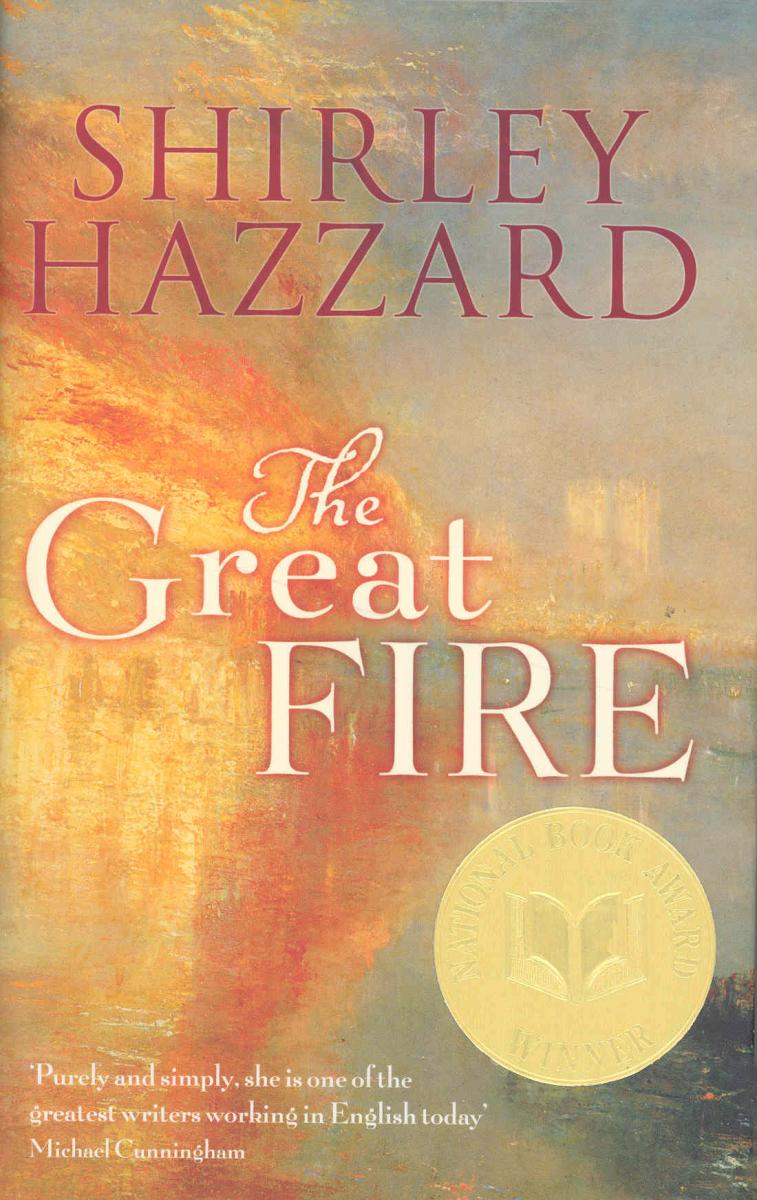
The Great Fire by Shirley Hazzard, longlisted in 2004
Shirley Hazzard’s final novel, published 23 years after her previous book, was worth the wait. Opening in Japan in 1947 (the great fire of the title is the bombing of Hiroshima), it’s a love story and more. Leith, a British army officer, falls in love with Helen, a girl half his age. This is a novel which takes its time and offers no concessions to fashion – the style is closer to Henry James than any of Hazzard’s fellow longlistees – but that explains its timeless quality. The precision and understanding of the 1940s could only come from a writer who remembered the period; and when Hazzard writes of a waitress whose ‘unobtrusiveness [was] so notable one watched to see how it was done’, she might be writing about herself.
2004 became a famous year for the Booker Prize, with one of the strongest shortlists in its history. One of that year’s judges, Robert Macfarlane, says: ‘We had lucked out beyond our wildest dreams’ and the quality of the submissions ‘made the ultra-marathon that is Booker judging a pleasure and a privilege’. Having a bulletproof shortlist, however, made the final choice of winner all the tougher: three books (David Mitchell’s Cloud Atlas, Colm Tóibín’s The Master and Alan Hollinghurst’s The Line of Beauty – the eventual winner) were in contention.
‘The decision,’ says Macfarlane, ‘was so finely balanced that in the end it came down to a series of votes, and then to a kind of meta-discussion about how the voting would be structured, because different structures delivered different outcomes. I don’t think Chris Smith [the chair of judges that year] will mind me saying that he and I fell on different sides of the decision, and pushed each other pretty hard towards our respective favourites, albeit always courteously – and we have been friends ever since!’
Buy the book
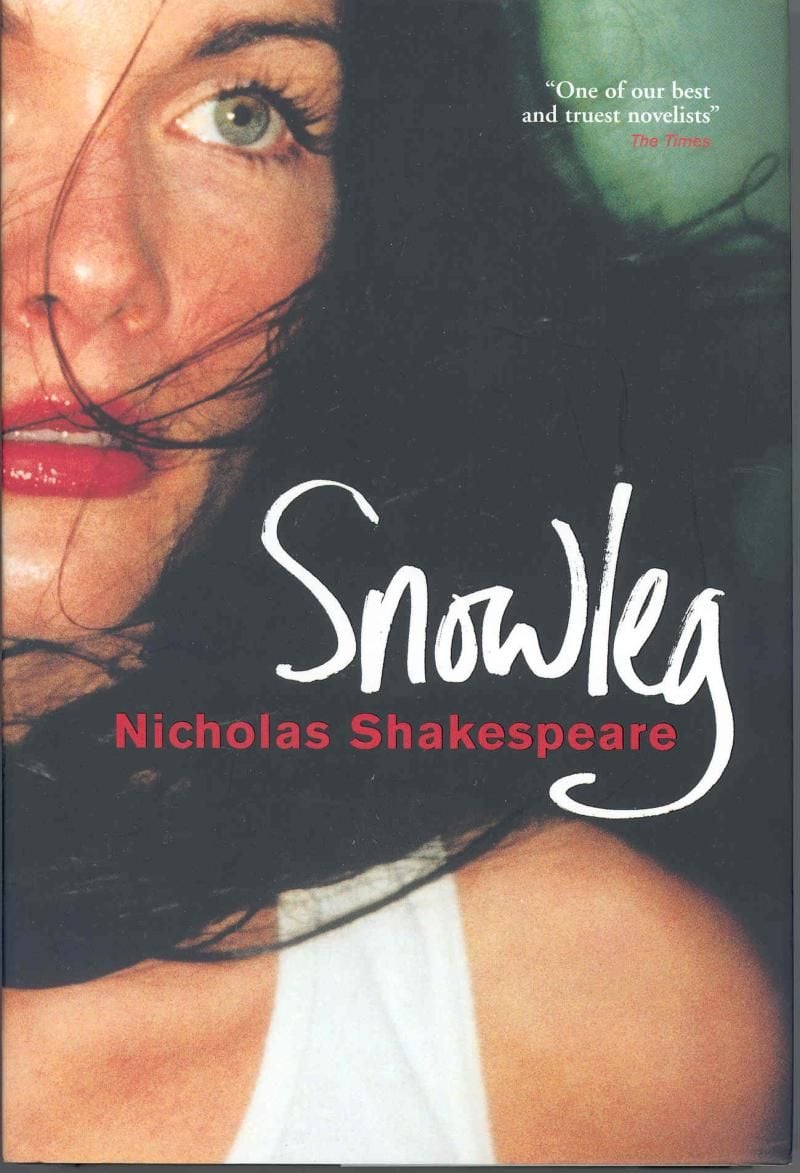
Snowleg by Nicholas Shakespeare, longlisted in 2004
Two mysteries animate Snowleg. First, young Englishman Peter finds out that his father is not really his father: he was born from a brief affair his mother had with an east German prisoner. Second, when he travels to Germany (‘becoming less and less English’) in search of his dad, he falls in love with a woman who later disappears.
Snowleg combines the elegant prose of Alan Hollinghurst – who beat Shakespeare to the prize in 2004 – with the restless plotting of William Boyd. This is a book with something delightful on every page, from witty imagery (‘he had the preoccupied smile of a baby filling its nappy’) to strange facts, such as how to imitate the sound of someone’s head being battered by a club.
Shakespeare is also the only Booker author to write the biography of another Booker author: his life of Bruce Chatwin was published in 1999. He submits to interviews about his work with misgivings: ‘I side with Bret Easton Ellis,’ he once wrote. Ellis said: ‘The problem is that you write the novel because you want to write the novel. I don’t want to talk about the novel. I just want [people] to like my books and leave me alone.’ And that tip for imitating a battered head? Twist a knife inside a cabbage, of course.
Buy the book
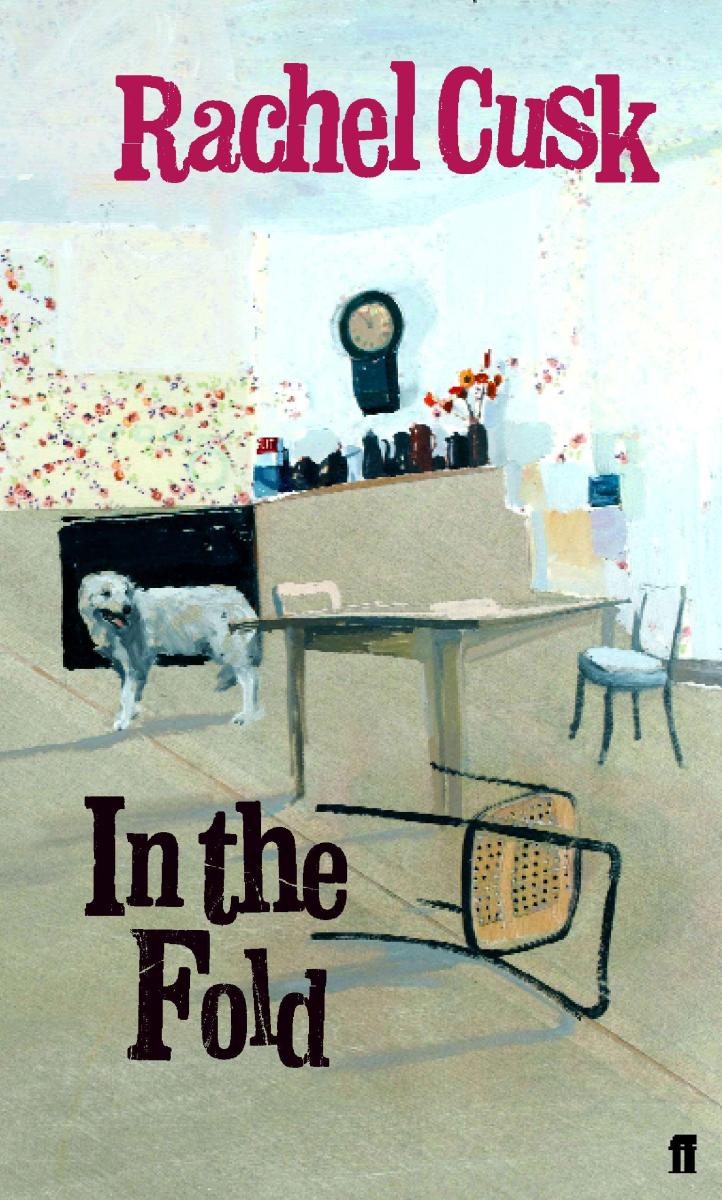
In the Fold by Rachel Cusk, longlisted in 2005
Such is the force of Rachel Cusk’s later, more austere work – the Outline trilogy, and Second Place (longlisted for the Booker in 2021) – that it’s easy to forget what a brilliant comic novelist she can be. In the Fold is narrated by a man, Michael, who falls in with a wealthy family. It’s a book that is both light and dense, filled with ideas and jokes – and terrible characters to laugh at. One woman is unhappy because she hasn’t made the list of ‘fit mothers’ in her son’s school as she normally does. ‘It’s so embarrassing for her.’ Another, a snob, ‘pronounced the word “Madrid” in an accent of severe authenticity.’
It’s a book about order and chaos, and people whose greatest fear is appearing conventional. When one character threatens to smash another’s violin because he only plays old tunes on it – ‘It should be smashed – it should be broken! Better to be broken than to be a slave of method!’ – we can read Cusk’s own frustration with the form of social comedy she would soon leave behind. In the Fold shows how very good she was at it.
In 2005, the chair of the Booker judges was John Sutherland, who had fallen out with his fellow judges after his previous judging experience in 1999 when he wrote about their discussions in the press. One of those 1999 judges, Boyd Tonkin, wrote of Sutherland’s 2005 appointment: ‘The people who run the Booker must hanker after conflict. They will get it, in spades.’ They did, with Sutherland and John Banville exchanging barbs in the press over the merits of Ian McEwan’s longlisted Saturday. But the decision in the end was between Banville’s The Sea and Kazuo Ishiguro’s Never Let Me Go – and Sutherland magnanimously cast his deciding vote for Banville. Some judges went public with their views before the announcement, in interviews with the Los Angeles Times. Rick Gekoski made clear The Sea was his favourite, while Lindsay Duguid acknowledged that she ‘loathed’ Banville’s book, adding, ‘I just wish it was all over.’
Buy the book
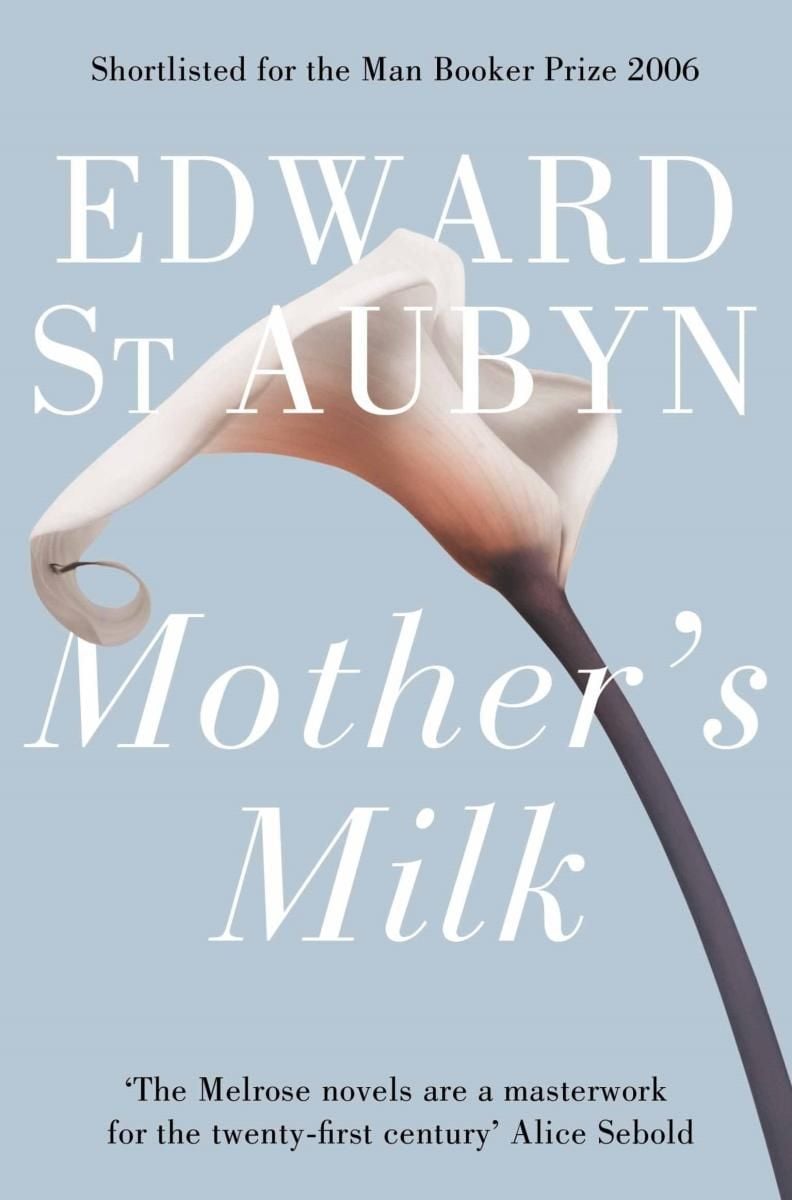
Mother’s Milk by Edward St Aubyn, shortlisted in 2006
Patrick Melrose, Edward St Aubyn’s fictional alter ego, is one of modern fiction’s great creations, and Mother’s Milk is the fourth of the five Melrose novels. Following the exquisite horror of the first three volumes – child abuse, drug addiction, a party with Princess Margaret – Mother’s Milk opens out into parenthood, and the longing for maternal love. The caustic comedy of St Auybn’s prose is no less exquisite – a nursing home’s corridors are summed up as ‘easily washed’ – but there is a heart here that was missing before. The central plot concern is Patrick’s mother Eleanor, an addict herself, being ripped off by a New Age foundation. (St Aubyn’s characters, like J.D. Salinger’s, are always seeking spiritual sustenance.) ‘Eleanor believed more or less anything,’ we’re told, ‘as long as it was untrue.’
In 2006, judge Anthony Quinn borrowed a tip from 1988 judge Sebastian Faulks for endurance reading: read in front of the kitchen work surface, with a knife pointing at your bottom. If you slump, the knife will prick you awake again. As for St Aubyn, it was rumoured at the time that he did not take his failure to win the Booker well – nor the fact that his next book, At Last, wasn’t even longlisted. This appeared to be confirmed when he then published Lost for Words, a novel about a corrupt literary prize that shortlists trendy and pretentious books. Lost for Words had a mixed reception: ‘gruellingly unfunny’, said 2018 judge Leo Robson; ‘the funniest thing St Aubyn has written’, said Anthony Quinn, the only judge in 2006 who wanted Mother’s Milk to win. Lost for Words did not win the Booker Prize either.
Buy the book
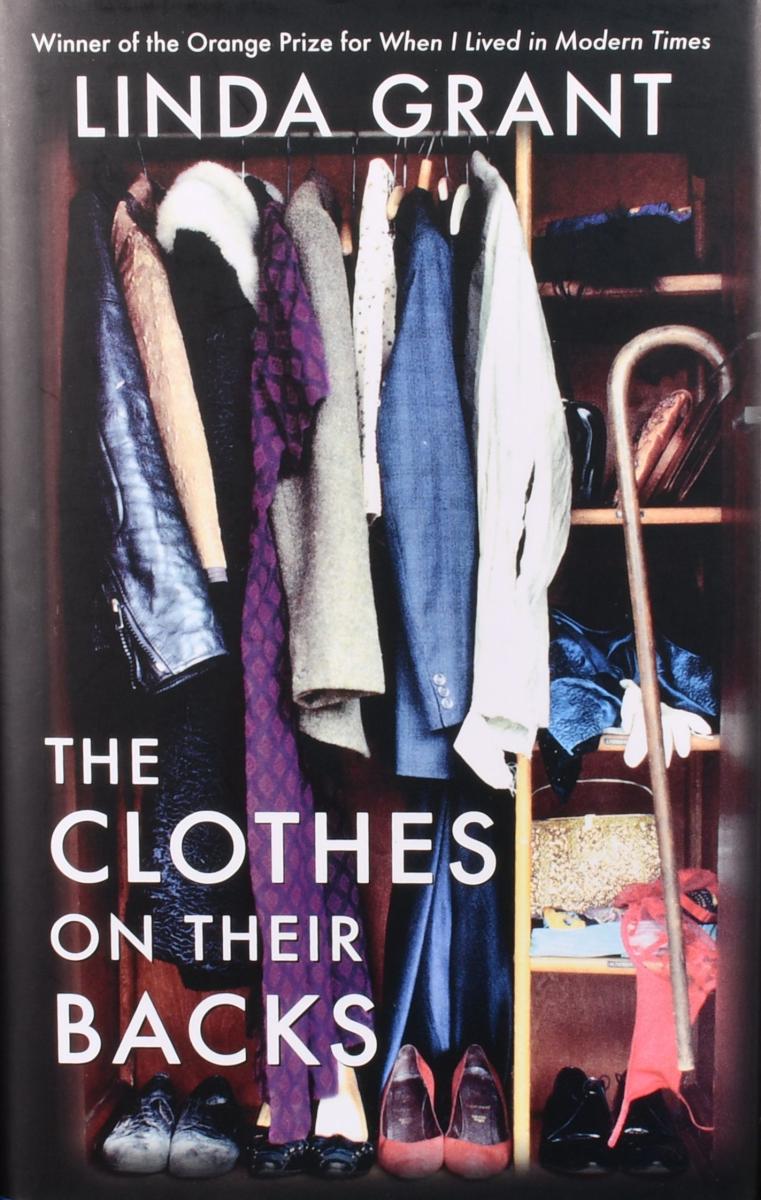
The Clothes on their Backs by Linda Grant, shortlisted in 2008
‘The clothes you wear … change you from the outside in,’ says Vivien, the heroine of Linda Grant’s novel. Vivien is a middle-aged Londoner of Hungarian stock, who is trying to solve the mystery of the rift between her father and his brother Sándor (a pimp, a jailbird, a slum landlord, she’s told; ‘a monster, a beast’). This leads to a story of exceptional range and empathy, from antisemitism under Hungary’s wartime Fascist regime, to the readjustments for exiles in modern-day London, who arrived with almost nothing. ‘Don’t ask questions,’ Vivien’s father says. ‘No one ever had a quiet life by asking questions.’ But we understand, too, Sándor’s refusal to be kept silent. ‘Truth isn’t nice. It’s for grown-up people, not children.’ Life’s complexity, this book tells us, goes beyond simple categories of good people and bad people – a salutary lesson still.
Grant recalls that in 2008, ‘there were only three women on the longlist and one on the shortlist. I was told by one of the judges that this reflected the ratio of women novelists submitted by the publishers.’ On the day of the award ceremony itself, Grant’s agent took her out to dinner, ‘and offered me the following piece of advice: “The writers who have the worst time on the night are those who expect to win”. I received that message loud and clear.’ When the winner was announced, Grant adds, the look on the face of one of her fellow shortlisted authors suggested to her that ‘he obviously hadn’t taken this on board’.
Buy the book
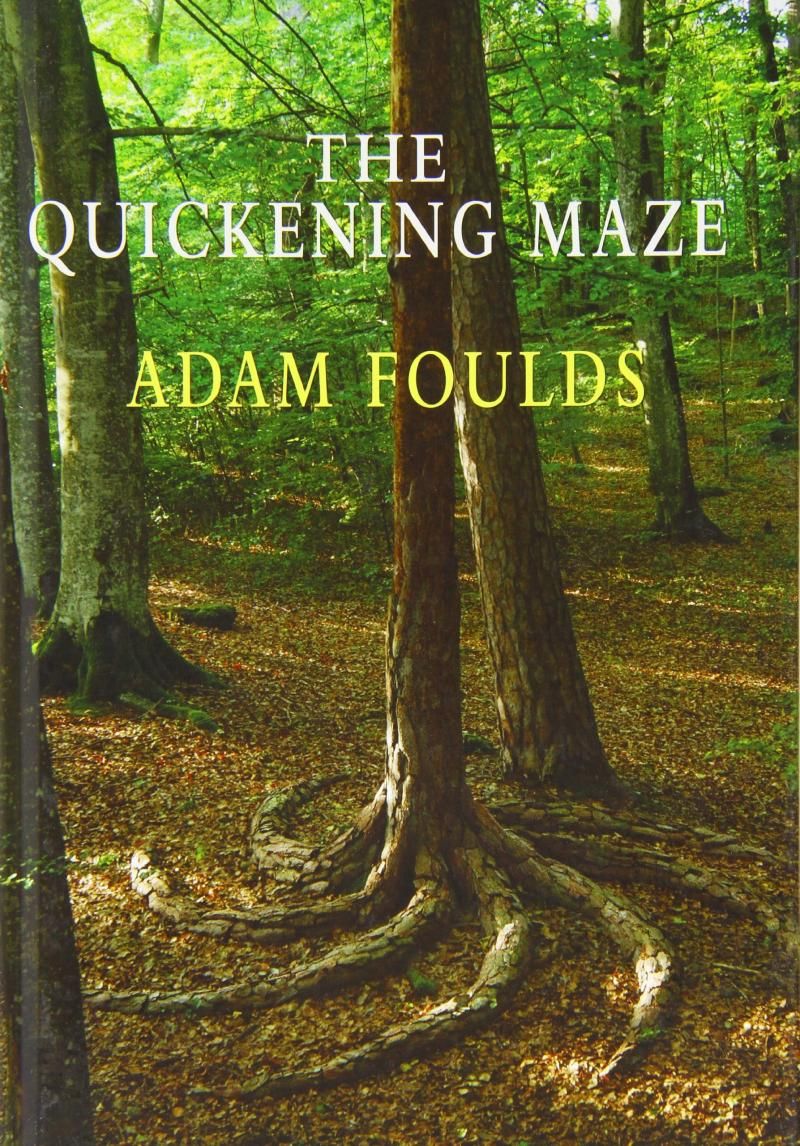
The Quickening Maze by Adam Foulds, shortlisted in 2009
A novel of the fine line between madness and genius, The Quickening Maze is set at High Beach Private Asylum at Epping Forest in the 1830s, which treats people with mental illness, from those with ‘gentle disorder’ to ones ‘full of real madness… people lost to themselves’. Central are two poets: Alfred Tennyson, who stays nearby ‘for the different atmosphere’, and the great nature poet John Clare, an inmate who believes himself to be a number of different people, including another poet, Lord Byron. The Quickening Maze is in style both rich in precise detail and spare enough to leave space for the reader to bring their own responses, as the characters struggle through ‘the maze of life with no way out, paths taken, places been’.
For Foulds, the novel had been a decade in the making, with ‘a final year of total immersion’ and a writing process that was ‘a series of visionary states interleaved with the checking of sources’. And on the business of being shortlisted for the first time, Foulds remembers ‘another visionary state’, including ‘lots of interviews… many photographs… lots of taxis. I remember looking out at different audiences from different stages with my fellow shortlisted authors to either side of me, A.S. Byatt clasping the roll of Sellotape with which she fiddled to keep herself grounded while she answered a question about the use of semicolons.’
Of the prize evening, he recalls ‘the impossibility of food and “if the red light on the TV camera pointing at you goes off just before the announcement, you haven’t won”’. And Foulds hadn’t won: that year was for Hilary Mantel, who ‘surged to her feet in a splendid gold gown when her name was called’ – and entered Booker history.



Features

- Book recommendations
Eight novels to read in autumn, nominated for the Booker Prizes

- Book recommendations
Where to start with Anita Brookner: a guide to her best books

- Book recommendations
Eight Booker Prize-nominated books that celebrate ‘spinster lit’

- Book recommendations
Eight Booker-nominated novels featuring characters with Hungarian heritage

- Book recommendations
10 of the best genre-bending Booker Prize-nominated novels

- Book recommendations
10 Booker-nominated books to take to the seaside

- Book recommendations
10 Booker Prize-nominated books that feature unlikely friendships

- Book recommendations
10 of the most dysfunctional families in Booker Prize-nominated novels

- Book recommendations
10 Booker-nominated novels that are perfect for book clubs

- Book recommendations