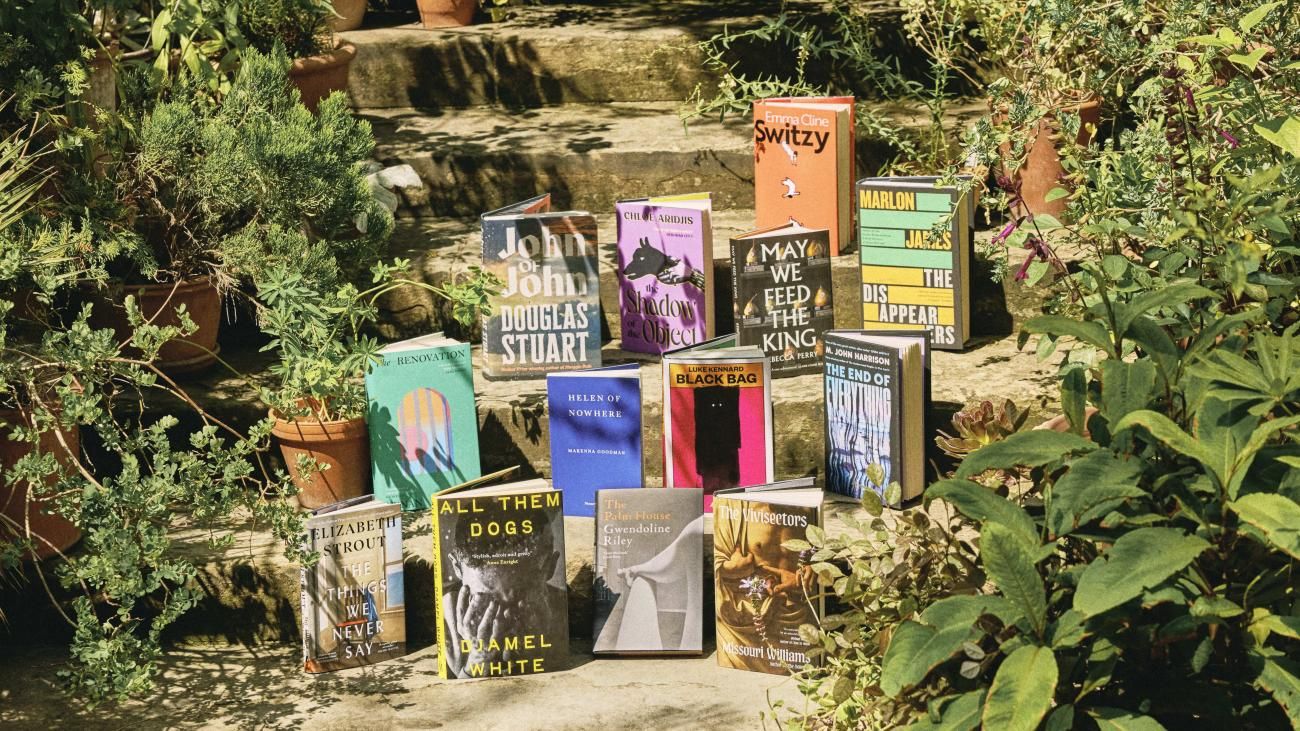
The Disappearers is both a dramatic page-turner and an unflinching exploration of queer life in Jamaica during the 1980s and 1990s
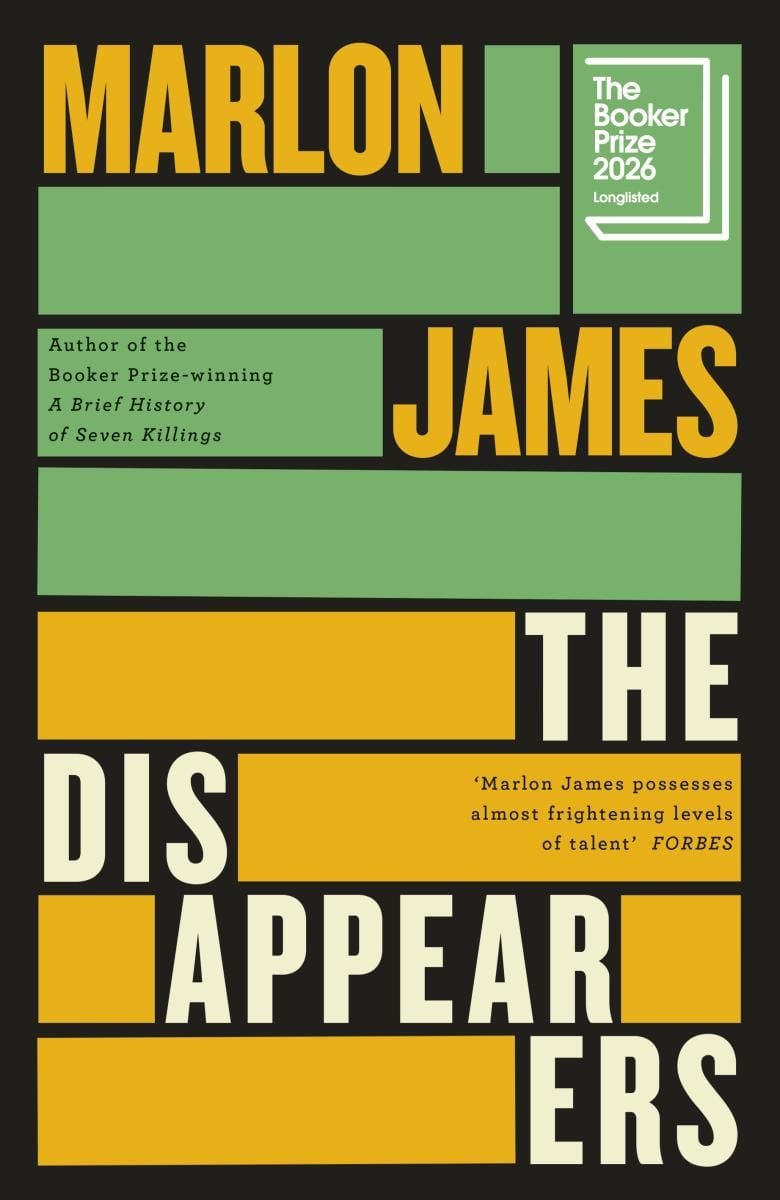
The Disappearers
Written by Marlon James
- Shortlisted
- The Booker Prize 2026
- Published by Hamish Hamilton
Buy the book
A deeply human story of men who must make compromises to survive what the society they live in demands
In 1988, eight men in Kingston, Jamaica, begin rehearsals for a play. The men are strangers to one another and each has a different reason for being involved. But they all share one inescapable truth: all of them are gay – a ‘batty man’ in Jamaican argot – and all of them must contend with the dangers that such a truth lays bare.
One night a mob savagely attacks them, killing one of the men. For the survivors, their recovery is as much emotional as it is physical: as their bodies heal, each man must grapple with the violence, the hatred, and the rage that the attack made plain. Some try to ignore what the attack has unearthed, while others double down on retribution.
The Disappearers is both a dramatic page-turner and an unflinching exploration of queer life in Jamaica during the 1980s and 1990s.
The Disappearers was shortlisted for the Booker Prize 2026.

Marlon James
Marlon James won the Booker Prize in 2015. He was born in Kingston, Jamaica
More about Marlon James Marlon James on The Disappearers
‘The Disappearers is based on a violent incident that was rumoured to have happened but was never proven, at least not up to the point when I began writing. But in Jamaica we trust rumours more than facts, so the fact that people kept whispering about it meant it was true. But I’m more concerned with an incident’s aftermath than the thing itself, and fiction is ideally placed to bring what might be a closed-off chapter right into the open.’
Read the full interview here.
A book that examines territory Caribbean literature has rarely dared to occupy, as what begins as a theatrical story becomes something closer to a reckoning. James is a singular literary talent
The Booker Prize 2026 judges
What the judges said
‘The Disappearers is among Marlon James’s most ambitious and history-making works, a novel that examines territory Caribbean literature has rarely dared to occupy. Beginning in late 1980s Kingston, it follows eight male actors rehearsing what is billed as Jamaica’s first openly gay play. When the men become victims of brutal homophobic violence, the novel shifts register: in the years that follow, one survivor sets out to investigate the fates of the others, and what begins as a theatrical story becomes something closer to a reckoning.
‘James is a singular literary talent. His dialogue is sharp and propulsive, his phrasing is poetic, visceral and capable of moving from the painful to the darkly hilarious within a single exchange. The Disappearers could be read as a long overdue, clear-eyed confrontation with Jamaican homophobia: unflinching in its honesty, but written with the full complexity and love of someone who knows the place and its contradictions from the inside.’
What the critics said
Kirkus
‘As in his Booker Prize–winning A Brief History of Seven Killings (2014), James brings multilayered life to a troubling era in his homeland’s recent history. He engages with his landscapes and the diverse characters populating them with intensity, passion, and bountiful, often graphic detail. With the same affinity for Dickensian storytelling he’s shown in his sword-and-sorcery epics, James tells this searingly realistic tale through interview fragments, journal entries, letters, and, in recreating the horrific attack, with random, frantic voices that leave unsettling echoes.
‘Even when it stress-tests your senses, this sprawling depiction of gay life in Jamaica is galvanizing.’
Yagnishsing Dawoor, the Guardian
‘The Disappearers is a bleak and uncompromising exploration of rage and survival; of trauma and its afterlife; of the terrible intimacy that binds victims to their perpetrators, and survivors to the dead, as well as revenge’s lure for those who are not given their due. Throughout, the narrative obsesses over the questions of whether meaning can emerge from the devastation of atrocity, and whether the void left by the missing is a mystery to be solved, or a limbo to be helplessly inhabited. What if the disappeared, done with being part of a world bent on eliminating them, didn’t want to be found? Fizzing with filth, snark and venom, the novel hawks and spits at convention, especially the politics of respectability that insists on restraint; it strafes down on homophobia with ruthless abandon. Few books have mapped the beleaguered realities of queer existence with such psychological depth, harrowing realism and searing condemnation.’
Dwight Garner, The New York Times
‘Why not just say it? With this novel about gay experience and murderous homophobia in Jamaica and elsewhere during the 1980s and ’90s, James has written a masterpiece, the novel of the decade and possibly of the century thus far.
‘It deserves to be talked about alongside Salman Rushdie’s “Midnight’s Children,” for its tumult of language and its crisscrossing post-colonial themes; Toni Morrison’s “Song of Solomon” (James picks up on a revenge scenario from that novel); and William Faulkner’s “Absalom, Absalom!” — the greatest American novel, I’d argue — for many reasons but especially for the way James, like Faulkner, hammers his themes like a Vulcan, rolling over them relentlessly from new and sometimes oblique angles, advancing and enlarging his attack each time. This is another way of saying “The Disappearers” was one of the signal reading experiences of my adult life. It sank knives deep into my heart. I’m still in recovery from it.’


Other nominated books by Marlon James
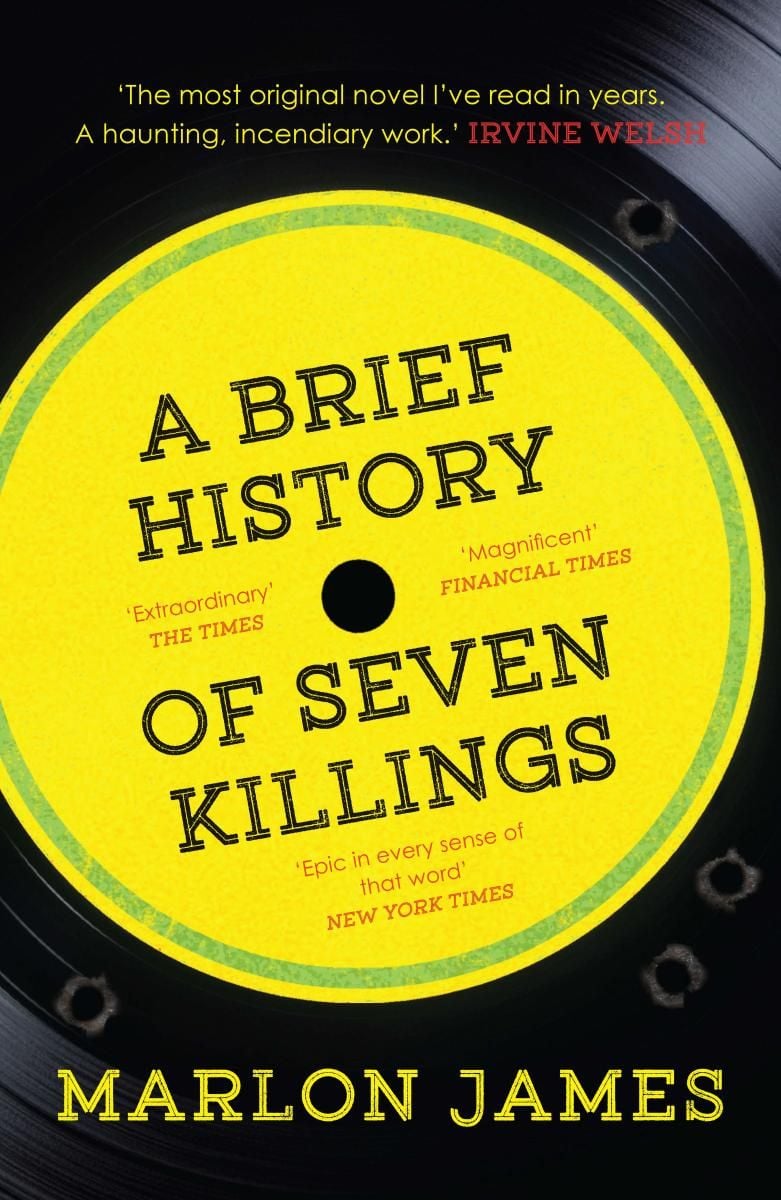
In a dazzling display of masterful storytelling, Marlon James explores the extraordinary backstory to the attempted assassination of Bob Marley
Features


- Book recommendations
The Booker Prize 2026 shortlist: what our judges said
- Reading guides
Reading guide: The Disappearers by Marlon James


- Book extract
An extract from The Disappearers by Marlon James

- Book recommendations