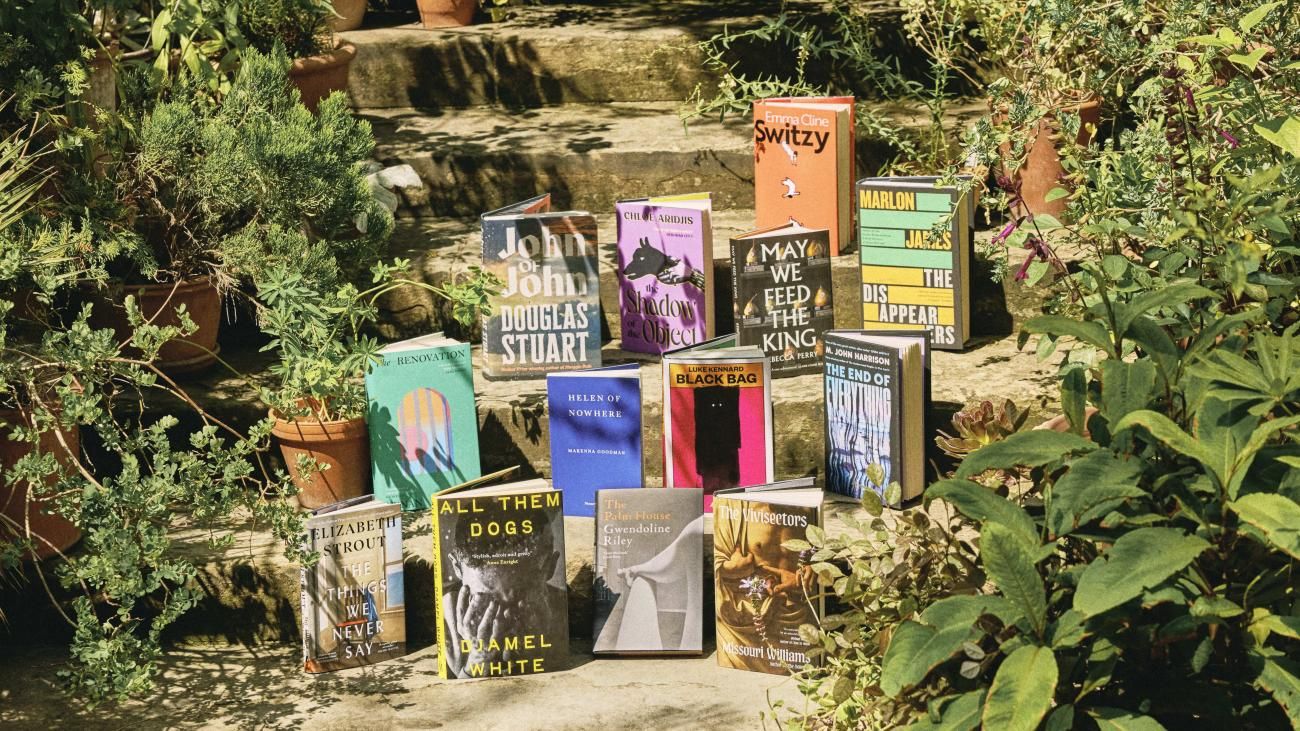
An extract from May We Feed the King by Rebecca Perry
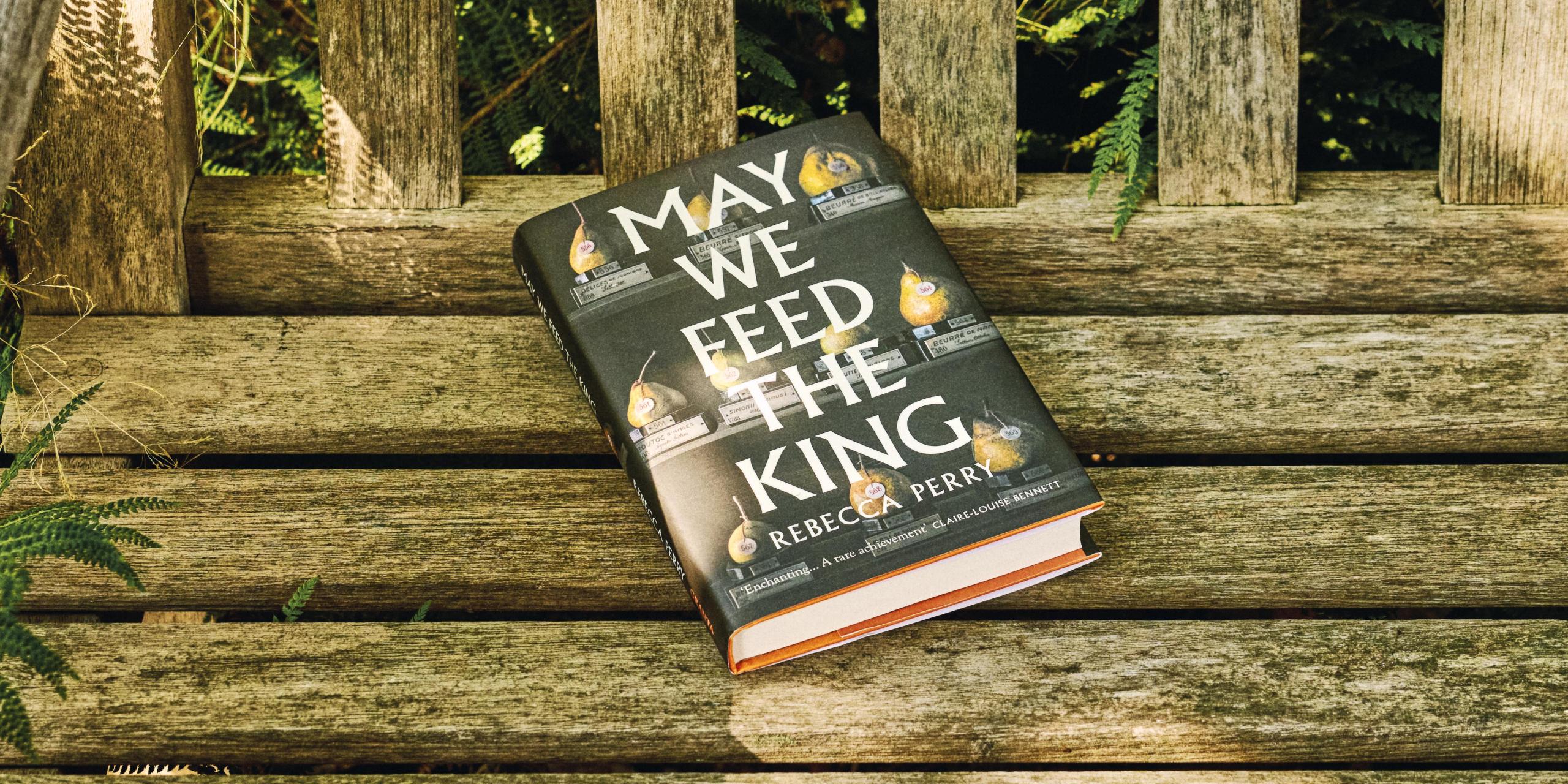
An extract from May We Feed the King by Rebecca Perry
- Written by
- Rebecca Perry
- Published
May We Feed the King by Rebecca Perry is shortlisted for the Booker Prize 2026. Read an extract here
Laced with desire and longing, May We Feed the King is a playful, stirring meditation on history and storytelling: on what makes a King ‘Great’, and a life meaningful
She is a curator, who spends her time dressing the rooms of historic buildings to bring them to life. But in the lush private quarters of a medieval palace, she finds herself so transfixed by the reign of an almost-forgotten King that the edges of her life begin to blur.
He is a reluctant ruler with no hunger for power, rushed to the throne after the untimely deaths of his older brothers. But it isn’t long before whispers begin to fly around the court. And with the growing belief that the King is not fit for the throne comes the idea that another might rule in his stead.
May We Feed the King dances between the lives of a historical subject who risks the future of his kingdom and a woman who turns to the past to hide from her present.
THE PALACE
After a few months of surviving on pretty small, not overly compelling jobs, I received a commission in my inbox. A medium-scale installation to commemorate the 750-year anniversary of a former palace, now a historic house open to the public. I would later learn that no one had actually ascertained whether this anniversary marked the laying of the first foundation, the day it welcomed its first inhabitants, or the first time it appeared in local records. When a site badly needs a cash injection it is incredible how irrelevant such details can become; a significant date is chosen, special events are put on, footfall increases. Sometimes the brief visibility afforded by marketing means film or TV scouts will stop by and be enchanted by the well-appointed rooms and breathtaking gardens. A block booking of a month or two, a significant fee. Then it is not a palace with a history, but the location of filming for such and such, and people come for tours, filling the café and gift shop. The email didn’t say these things explicitly, but in these places – unless the roof is about to cave in – money tends to be spent only with the anticipation of making more back. Feed the horse a sugar lump and hope it shits out a nugget of gold.
I have been deciphering archives and curating semi-permanent scenes (domestic, culinary and otherwise) in medieval buildings for the past twenty-two years. When you see a replica feast scene in the great hall of an old building, I am the person who placed the pomegranates beside the pie, and for a very good reason. When you come upon a room, cordoned off with red rope, beyond which you see an open book on a desk, a chunk of bread picked hollow, and a quill in an ink pot that is empty of ink, I am telling you something about the person who lives in that room. The ink may be purple, and even though no one can see it in the straight-forward sense, one in a thousand people will sense it. Ultimately, I want my work to communicate with everyone, but it is those people I really hold in my mind.
WE HAVE LONG ADMIRED YOUR WORK
The head office staff wanted six scenes in specified locations – the King’s chambers, the kitchens, the Queen’s parlour, an Attendant’s quarters, something that showcased the medical paraphernalia and practices of the time (in a location deemed most appropriate by me once I knew the site) and a feast scene in the great hall. They also asked whether I would consider, for an additional fee, taking part in some activity on the anniversary weekend itself. I would have some part to play in shaping what that looked like, but they envisioned a ‘Meet the Experts’ day on the Saturday, during which members of the public could visit me, along with other experts, naturally, and ask anything they liked. They also wondered about a short, informal talk on the Sunday, to coincide with some media activity.
I would think about it, I told them, and give an answer as soon as possible.
As commissions go the requirements were clear, not too restrictive. The fee and budget for materials were decent. The house also had its own records, which were kept on site – detailed ledgers of the Kings and Queens who once resided within, and accounts of the habits and customs of the court. Archives of this kind are near enough unheard of.
At this point, certain things had happened in my life. I was ready to immerse myself.
The new potatoes (boiled) look like nothing more than beige lumps, overly shiny – disappointing, given the utter lack of complexity of a potato – but the small potatoes (unwashed) are so faithful you can almost feel the fine grit of them in your mouth
ORDER AND DISCREPANCIES
There is a website dedicated to the provision of plastic replica food to people like myself, as well as to other professional curators, purveyors of historical re-enactments, drama teachers, amateur dramatics groups, showrooms (kitchens, furniture, etc.) and so on. The index starts with ‘barbeque’, then ‘biscuits and cereals’, fol-lowed by ‘bread’, ‘cakes, gateaux and meringues’, running through to ‘fruit’, ‘historical foods’, ‘vegetables – prepared’.
Almost anything you can imagine, or at least could feasibly need.
I know this website back to front, can navigate its pages like a map I barely need consult. I could tell you, for example, that the gherkins are with the celebration food and not the vegetables, that a rustic loaf is in historical foods but nowhere to be found in the bread section.
The delicatessen section offers six pages of various cured meats, sausages and pies. A pork joint covered in muslin is £45, yet a single parma ham slice costs £14. A half oyster shell, the exposed flesh shining as if with the freshest brine, is £31.25 for a single piece; but a full, cooked, vividly red leg of venison is not much more, at £55. These discrepancies in price are often baffling and unexplained, but, I trust, justified; it is my opinion that we should never presume to know the intricacies of another person’s craft. The pork joint is a particularly interesting piece, the muslin itself also being a replica and completely rigid, yet still appearing as if brusquely wrapped by capable hands mere moments before: one illusion inside another.
The dairy section is a heaven of creams and whites, cheeses and butters portioned into squares and pats and rounds. Emmental in not-waxes of red and yellow. The Camembert is the best of the cheeses, slightly trumping the Edam for attention to detail with its tactile powdery skin.
Apple green. Apple red. This page bursts with primary colour. Just
£3 each; a fruit bowl made cheaply.
There is the most beautiful ham slice, with a pollen-like bread-crumbed perimeter. Slices of white lard curling almost imperceptibly at the edges, as if cut and left on the side to dehydrate.
The new potatoes (boiled) look like nothing more than beige lumps, overly shiny – disappointing, given the utter lack of complexity of a potato – but the small potatoes (unwashed) are so faithful you can almost feel the fine grit of them in your mouth.
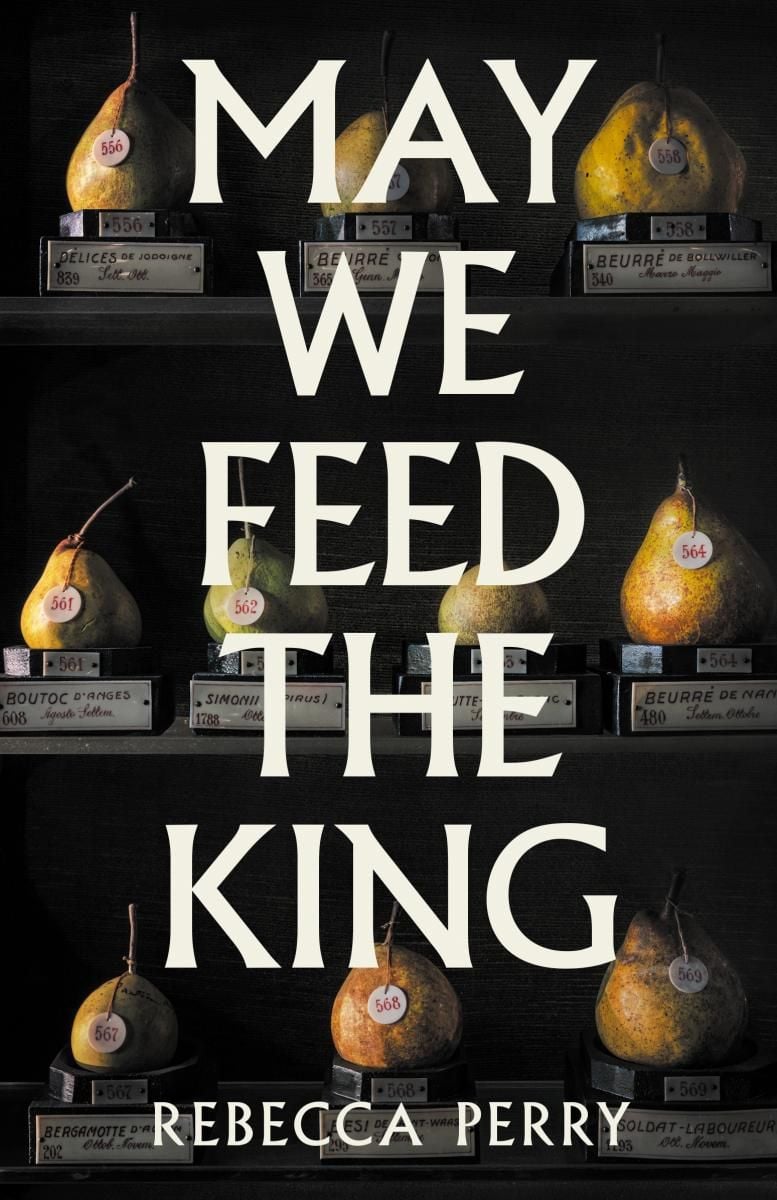
May We Feed the King
- Published by
- Granta
Laced with desire and longing, May We Feed the King is a playful, stirring meditation on history and storytelling: on what makes a King 'Great', and a life meaningful
Features


- Reading guides
Reading guide: May We Feed the King by Rebecca Perry


- Book recommendations
The Booker Prize 2026 shortlist: what our judges said


- Book recommendations