An extract from The End of Everything by M. John Harrison
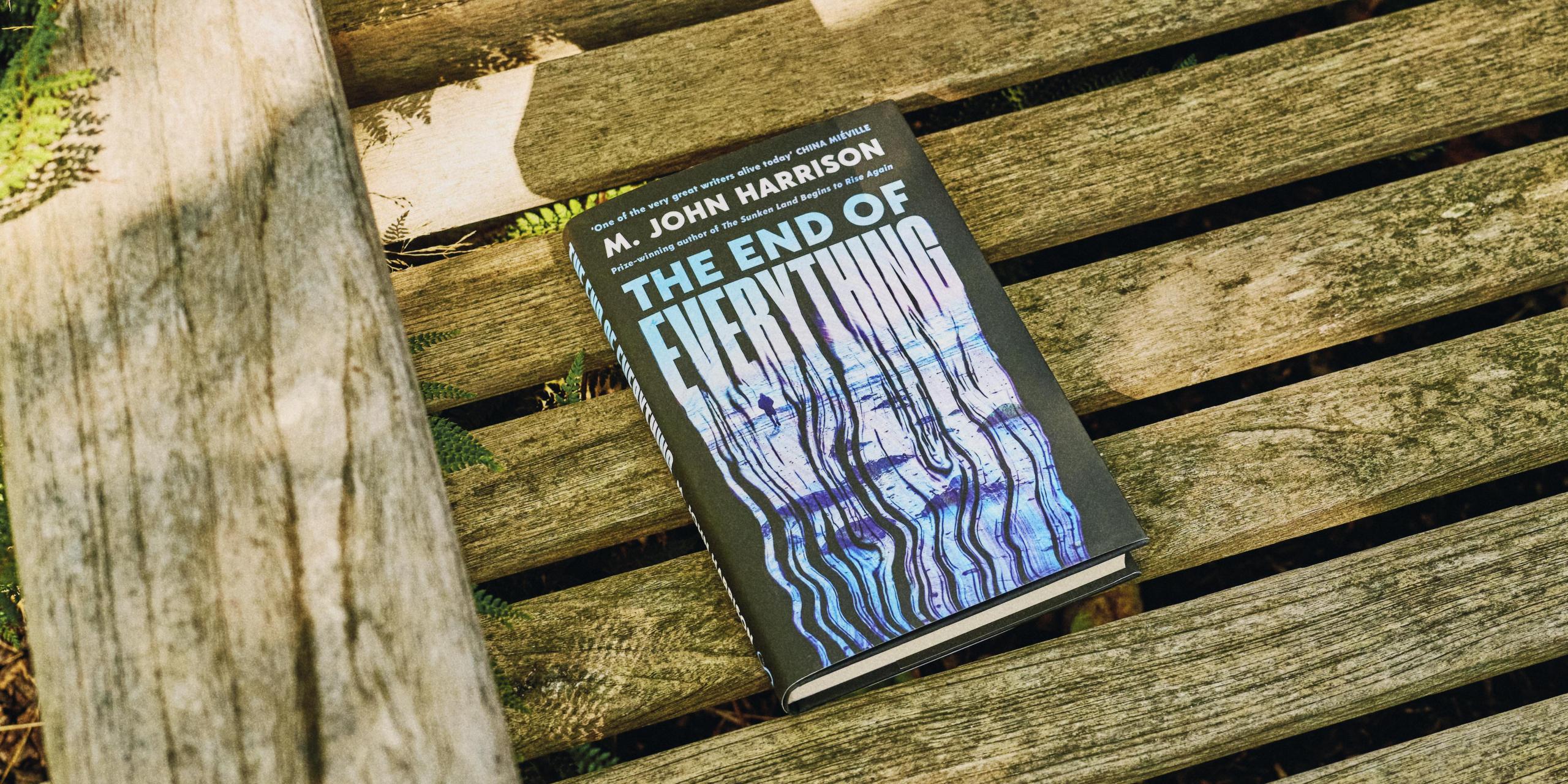
An extract from The End of Everything by M. John Harrison
- Written by
- M. John Harrison
- Published
The End of Everything by M. John Harrison is shortlisted for the Booker Prize 2026. Read an extract here
A slyly satirical and unsettling post-apocalyptic adventure into the limits of human understanding from the acknowledged master of science fiction.
Phillip Tennent makes his living at the tideline, collecting artefacts that wash up from the Channel. It’s been years since the crisis changed everything, but its exact nature remains obscured. Government barely functions, the seas are full of new creatures, Europe has been mislaid. It feels like the end.
Now Phillip has fished out of the water an object he can’t keep. A creature that keeps changing. An artefact he must take inland, before it destroys everything he thinks he knows.
For years Phillip Tennent lived at the edge of the sea, where artefacts were washed up every day. Scavengers, professional and otherwise, came and went. Turnover was higher than you’d expect given the relaxed lifestyle, the constant good weather, the ease with which some sort of existence could be pursued.
Most of the beachcombers took away the first item they could easily carry and sold it on elsewhere. If you had contacts in the hinterland, there was no doubt about how slickly that could be done. But the hard core like Tennent hung on, out there dawn and dusk, shine or shine, throwing the small ones back, waiting for an item that would give them pause for thought. They were committed. They could be seen from orbit. Their living structures glowed at night a hundred miles up and down the coast. By day you saw that temporary qualities had defined over the decades a permanent aesthetic: bothies and benders made of whitened sticks; mirrors and bits of rag; almost anything the tide left, although to incorporate an artefact would have been considered bad taste as much as bad luck. The beachcombers had their limits. Their superstitions gave the tideline its social structures and distinctive quality on the palate.
Further back from the shore, the hinterland was dark, a little more threatening, with its flattened hashmark of streets and its differing sets of rules. There was a lot of poured cement and half-functioning neon, a lot of territoriality; you had to talk your way through the bars, blockhouses and abandoned car parks to get your item out to market.
Coming up from the intertidal, out of the dusty salt wind with his latest find under one arm, Tennent met a woman on her way down. She looked at the object – which was at that time about the size of a baby, and which he had wrapped in some bleached-out rags – and nodded with a kind of measured approval. They studied the horizon together for a moment, and she asked him what condition the sea was in down there that day.
Further back from the shore, the hinterland was dark, a little more threatening, with its flattened hashmark of streets and its differing sets of rules
‘Eventually it’ll turn into speech,’ Tennent said, without knowing why.
They both laughed.
She was carrying a week’s groceries in a bag for life with a broken handle. No one was eating much down there. He thought he’d seen her before, living mostly on her own in a hut a hundred or so metres south of his.
‘I’m off,’ he said. ‘Take anything you want of mine. If you need anything, it’s yours.’
Loose white sand blew into the air and whirled around at the edge of the sea like a fog. They turned to face it with similar body language – expectant, alert, anxiety tempered with what could only be described as longing. For a moment Tennent had a sense that something huge was approaching over the water; something fast, which hadn’t been there – or indeed anywhere – a minute or two before. But it never arrived, and the woman shrugged.
‘You’ll be back,’ she predicted.
‘No, I won’t.’
They laughed again and she walked away towards the tide across the perfect sand, the sound her feet made reminding him suddenly of the sound of feet on snow. She waved without looking back.
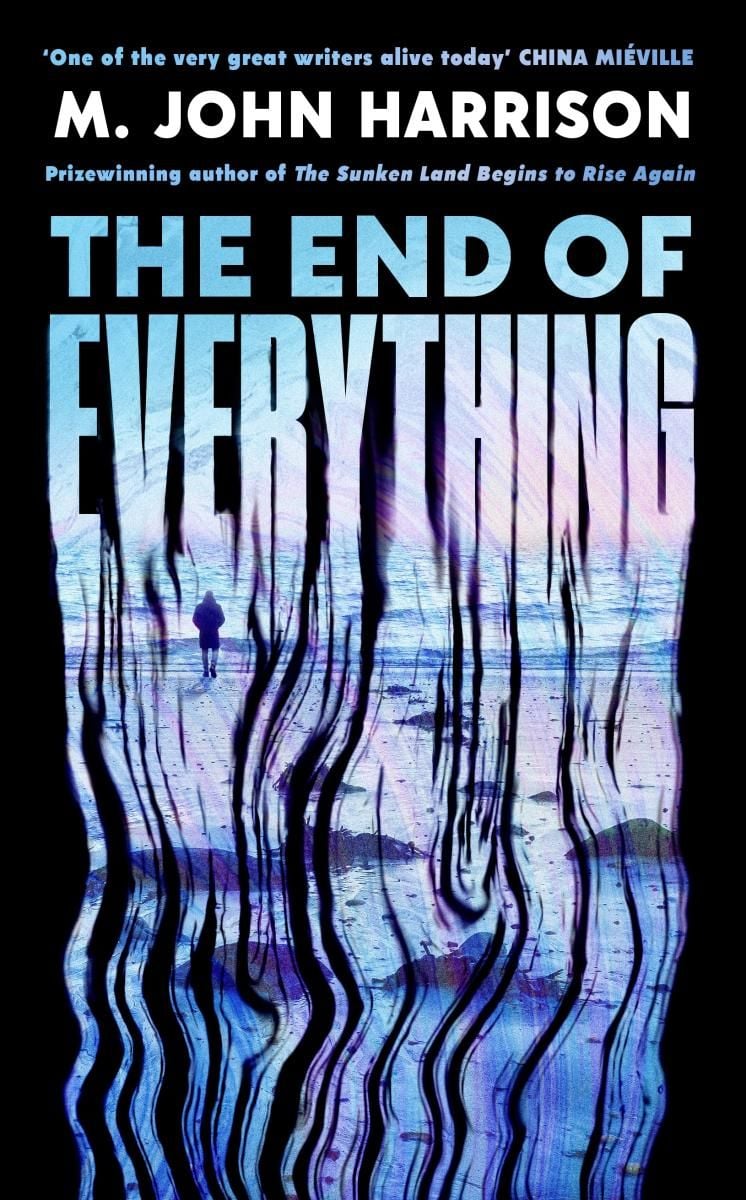
The End of Everything
- Published by
- Serpent's Tail
A slyly satirical and unsettling post-apocalyptic adventure into the limits of human understanding from the acknowledged master of science fiction
Features


- Reading guides
Reading guide: The End of Everything by M. John Harrison


- Book recommendations
The Booker Prize 2026 shortlist: what our judges said


- Book recommendations