- Published
Booker Prize 2026 judge Rebecca Liu reflects on the challenge of finding time to read, and why she’s drawn to fiction that is ‘freaky, filthy and funny’
You will have read over 100 books in seven months as a Booker Prize judge. How have you approached this challenge, and what are your tips for people who want to find more time for reading but may struggle to fit it around their busy schedules?
I’ve approached it with excitement, discipline and fear! I’ve discovered that there are more opportunities to fit in reading than I had thought – brushing my teeth, waiting for the bus, standing in line at the ice-cream shop – rather than cleave to the romantic but unrealistic idea that reading can only be done in uninterrupted stretches of total quiet. Music helps – some post-lunch periods were powered through with the help of ‘deep focus techno’ – as does London’s sprawl. An interminably long bus ride to see a friend on the other side of the river becomes not a slog, but an opportunity. And a whole world opens up to you when you leave your phone in a cupboard.
Reading is a mostly solitary experience, but judging is a shared one. How does discussing a book with other people change the reading experience, or even your opinion of a book?
At the beginning, the idea of even making small talk with Mary, Jarvis, Patricia and Raymond was so daunting to me, so the prospect of actively disagreeing with them seemed surreal and hilarious. But I’ve found our discussions really illuminating, particularly when there’s dissent (and there often is). It’s useful to have your responses tested and to be encouraged to see things in a different light. It’s also good to be reminded that, against all indications given by the internet, disagreement can be generous, generative, and fun.
What are you hoping to find as you select the books for the longlist? Are there certain qualities or attributes that you’re looking for?
I didn’t go in looking for anything in particular, but got a better understanding of my taste over time. I work as an editor, so I found myself reading on a sentence level: I love when the language is sharp and well-constructed and has a nice rhythm to it. You can tell, I think, when a book has been given careful editorial attention. I also feel that the purview of ‘literary fiction’ has narrowed over the years, so it is a delight to encounter a novel that gets a little freaky, filthy, and funny.

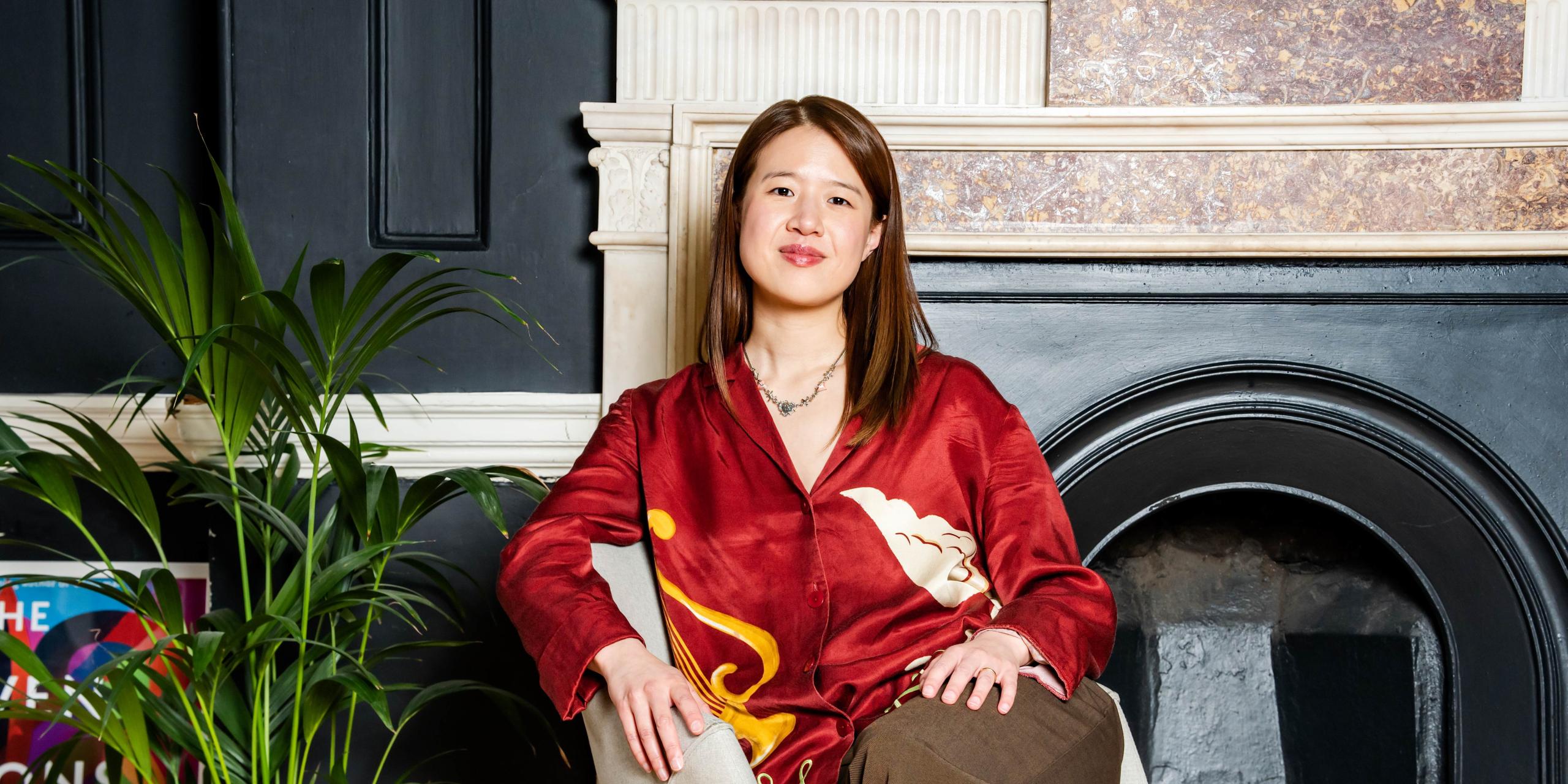
The Booker Prize 2026 judges: Raymond Antrobus, Patricia Lockwood, Rebecca Liu, Jarvis Cocker; and Mary Beard
© Neo Gilder for Booker Prize Foundation
What does your day-to-day reading routine look like as a Booker Prize judge?
I – possibly ill-advisedly – fit this around my job, so I read in the mornings before work, lunch breaks, and the evenings. The weekends are mostly spent reading, with some breaks for socialising. It sounds strange to say, but I feel very sad about the prospect of no longer having to read all the time. There will be a real hole in my life and in my heart.
Where is your favourite place to read?
In the winter I was always on my living room sofa, book in hand while wearing an oversized mushroom-print snuggie (i.e. a blanket with sleeves.) It’s ridiculous and undignified and I love it. Now in the summer, I read in the park most days.
Do you ever find yourself reading in unusual places to keep up with the prize schedule? What’s the strangest place you’ve found yourself reading recently?
I once brought a book to the club, and also the Arsenal parade. To be honest I didn’t manage to get much reading done in either instance.
I’ve approached judging with excitement, discipline and fear!
What book made you fall in love with reading as a child? How and why did it capture your imagination?
When I was around seven, I read my copy of Adeline Yen Mah’s memoir, Chinese Cinderella: The Secret Story of an Unwanted Daughter, so many times that it began to fall apart. I was too young to understand the language around ‘literary representation’ but I’m sure that was part of the draw: seeing a protagonist who looked like me, writing with such precision and sadness about a family that grew up in a similar historical moment (though I was very much a wanted daughter).
What’s your all-time favourite Booker-nominated book and what makes it so special? Who would you recommend it to?
I read Iris Murdoch’s The Sea, the Sea a few years ago. It tells the story of an embittered, egomaniacal London theatre director who decamps for a (not-so) quiet life by the coast, and begins to lose touch with reality. I was mesmerised by how strange, funny, and rich it was. I recommend it to anyone who has been humiliated by the delusions of their wildly fluctuating ego, which may well be everyone.


