- Published
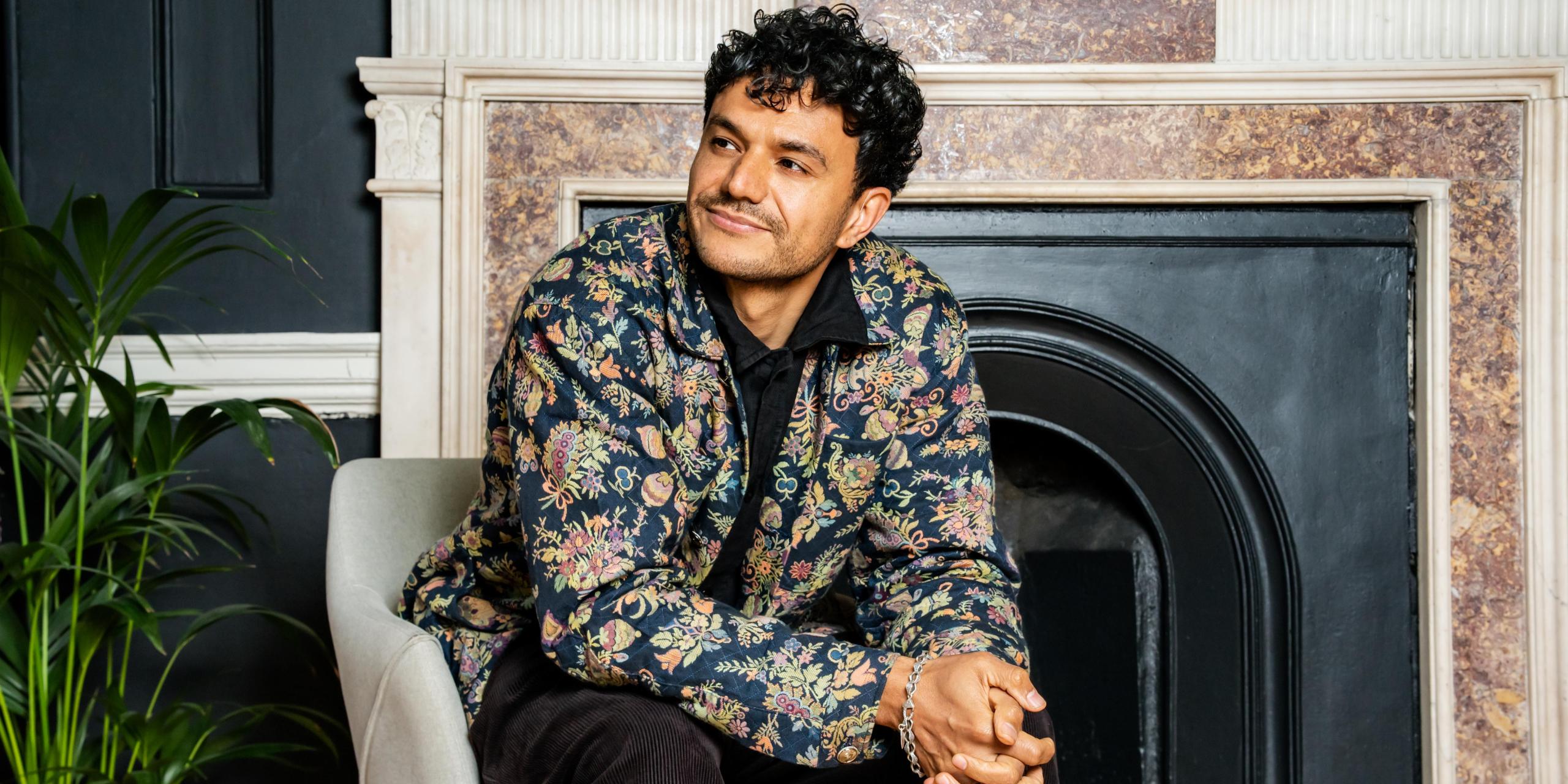
Booker Prize 2026 judge Raymond Antrobus reflects on the discipline of reading at scale, and why he feels the artistry of the sentence remains at the heart of great writing
You will have read over 100 books in seven months as a Booker Prize judge. How have you approached this challenge, and what are your tips for people who want to find more time for reading but may struggle to fit it around their busy schedules?
The reading load has been a genuine challenge, but reading is a muscle. After the first month I found myself reading faster, getting through more pages in a single sitting. I set aside three hours every morning for the Booker submissions. As a poet, I’m primarily a stylist: I focus first on the sentence, how it moves, sounds and turns, with plot being secondary to me. After a few months I was regularly finishing novels I’d begun at five or six in the morning by two or three in the afternoon. I’m a morning person, so this suited my natural rhythm. The trickier stretches came when I was travelling for readings and teaching. I read a great many novels on planes and in airports, on trains and in stations. I even read half a novel while I was detained at a border crossing during one of my trips. Another I started reading in Cape Town beneath a shady tree by a saltwater pool, intending to get through 20 pages – but I was so gripped I postponed my afternoon plans entirely to finish it. Honestly, two things helped more than anything else: adjusting my ADHD medication and keeping my phone turned off as often as possible. As a parent, the second isn’t always an option, but social media breaks at the very least were essential. As for tips for people with less time, may I suggest the genre called poetry? It is wide, varied and formally inventive, and most single-author collections come in under a hundred pages. That might be the place to start.
Reading is a mostly solitary experience, but judging is a shared one. How does discussing a book with other people change the reading experience, or even your opinion of a book?
Being a Booker judge is probably the most glorified book club I will ever be part of. The discussions often illuminated and deepened my understanding of novels, particularly those outside my usual reading habits. When fellow judges were more familiar with a given author’s back catalogue, their knowledge helped contextualise the wider themes and ambitions of a novel in ways I might not have arrived at alone. A book I was uncertain about could be transformed by a single observation from another judge. That is one of the genuinely unexpected pleasures of this process.

The Booker Prize 2026 judges: Rebecca Liu; Jarvis Cocker; Mary Beard; Raymond Antrobus and Patricia Lockwood
© Neo Gilder for Booker Prize Foundation
Away from judging the Booker Prize, do you always finish reading a book, or give it up if you’re not loving it?
‘Always’ is a strong word, and it doesn’t apply here. Generally speaking, if the language is stylised in a way I find fresh and alive, I will stay with a book regardless of where the plot is going. But if a novel is driven purely by plot, with no particular investment in the sentence, I’m more likely to let it go.
As a Booker Prize judge, how have you made time for more reading?
Here is the brutal truth. I am sharper as a reader, but not as fit in my body. My physical routines have suffered, and so has my presence around the people I am closest to. This volume of reading kept drawing me inward as I absorbed and ruminated on stories at a sometimes jarring rate. So the time for reading was made by sacrificing the time and energy I would otherwise have given to myself and to the people I love. I am glad I did it. But it is not sustainable.
Being a Booker judge is probably the most glorified book club I will ever be part of
If your books could talk, how would they say you treat them? Do you dog-ear or use a bookmark? Do you annotate or keep them pristine?
A book isn’t truly read until it has travelled with me and taken on some well-worn creases and markings along the way. I underline and annotate heavily, it physicalises the process, leaves evidence that I have genuinely grappled with something. If my books could talk, they would probably speak in onomatopoeia: Ouch! Gah! Ohh! WOW! POW!
If you were sent away to a desert island, what one book would you take with you?
I’m afraid this question is impossible for me. It is like being asked which single meal I would eat for the rest of my life. Without access to the full range of literature the world offers, I think I would simply wither. No single text could sustain my love of reading indefinitely. Could I make a Booker-related request instead? Let me take an anthology, extracts from Booker-winning novels gathered into one volume. The opening of Salman Rushdie’s Midnight’s Children, passages from Arundhati Roy’s The God of Small Things, perhaps a chapter from Bernardine Evaristo’s Girl, Woman, Other, the opening section of Ben Okri’s The Famished Road – would you allow me that as a single bible-like book?
What’s your go-to book for gifting to loved ones?
This year I plan to give Alice Oswald’s new non-fiction book Rhapsody; a novel called Ruins, Child by Giada Scodellaro; The History of Information by Chris Haughton (my five-year-old son’s favourite author) and the latest poetry collections by Karen McCarthy Woolf (Unsafe) and Daniel Sluman (Pain Songs).


