
Wondering which of the six Booker Prize 2026 shortlisted novels to read first? We asked our judges to tell us what they loved about the books – and why you’ll love them too
The Booker Prize 2026
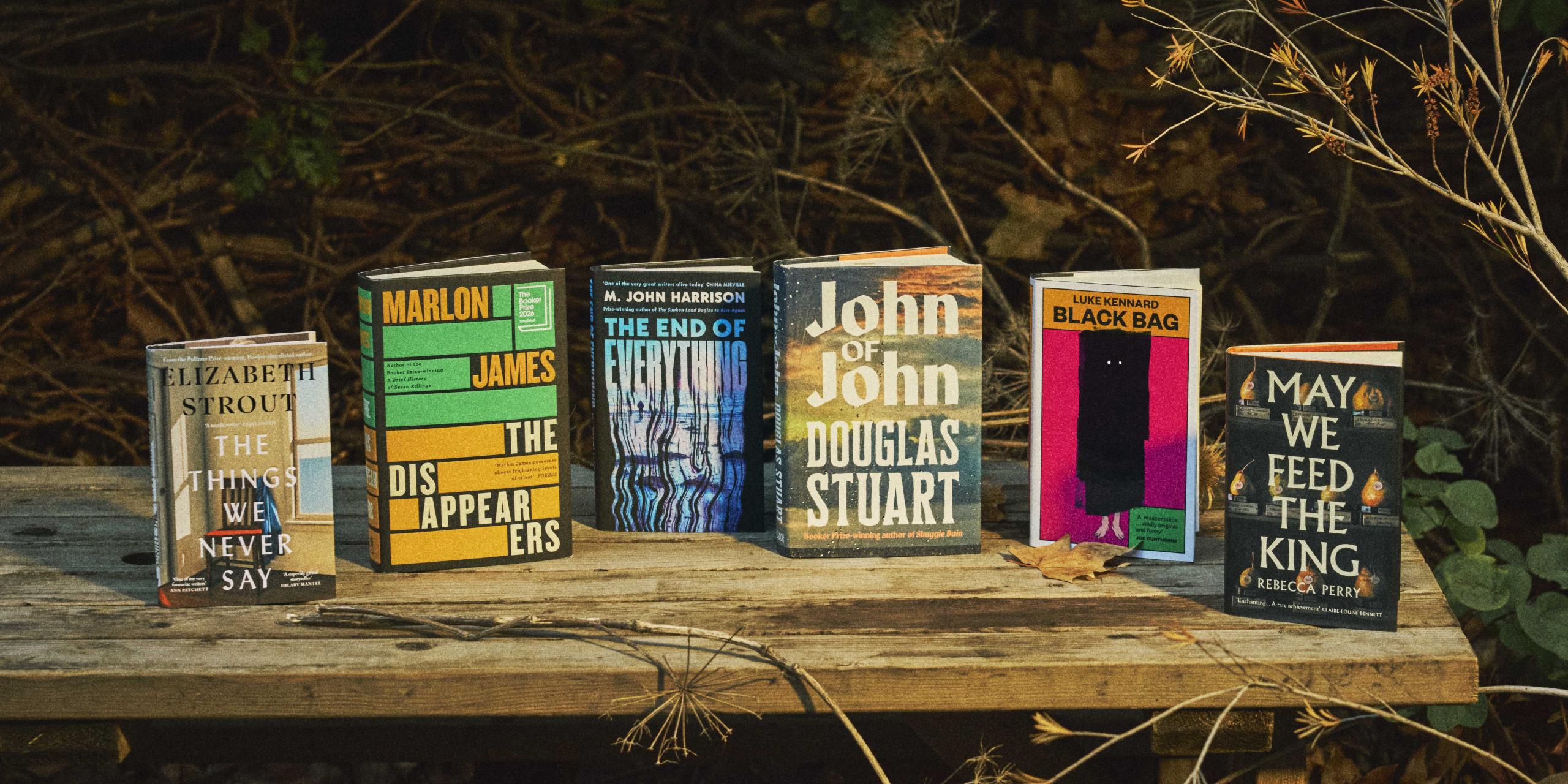
The Booker Prize 2026
The shortlist for the Booker Prize 2026 has been announced, featuring two previous winners, a previous shortlistee, and three authors new to the prize
The shortlist of six books has been selected by the 2026 judging panel, chaired by celebrated classicist, writer and broadcaster Mary Beard. Beard is joined by award-winning poet, writer and educator Raymond Antrobus; musician, writer and broadcaster Jarvis Cocker; journalist, editor and critic Rebecca Liu; and Booker Prize-shortlisted novelist, poet and essayist Patricia Lockwood.
The prize has rewarded and celebrated world-class talent for over 55 years, shaping the canon of 20th and 21st century English language literature. This year’s selection, which was chosen from ‘the Booker Dozen’ of 13 titles, selected from 163 submissions, celebrates the best works of long-form fiction by writers of any nationality, written in English and published in the UK and/or Ireland between 1 October 2025 and 30 September 2026.
The winning book will be announced on Monday, 9 November 2026 at a ceremony at Old Billingsgate in London. The winner will receive £50,000, while the shortlisted authors will each receive £2,500.
About the shortlist
Spanning a range of genres – from dystopian fiction to contemporary realism, from campus satire to historical fiction – the shortlisted books explore what it means to be human in an ever-changing world and the communities and events that shape us. Both intimate and epic, personal and political, they provide meditations on familial bonds, identity, shame, love, loneliness, survival and the ultimate unknowability of others. They are moving, pacey, funny, violent, intriguing, horrifying and hopeful.
The interior lives of a rich cast of characters are vividly depicted by the shortlisted authors, from a beachcomber eking out an existence on the coast of Kent to an out-of-work actor paid to attend university lectures zipped inside a black leather bag for a psychology experiment; from a reluctant monarch in a medieval court under threat by scheming courtiers to a son returning home to his repressive father in a traditional Calvinist island community in the Outer Hebrides; from a teacher with a seemingly comfortable life in coastal Massachusetts who is harbouring a secret, to a survivor of a murderous homophobic attack in 1980s Kingston, Jamaica, set on retribution.
The shortlist features authors representing four countries: England, Scotland, Jamaica and the USA. The list includes previous Booker Prize winners Marlon James and Douglas Stuart and three-time nominee Elizabeth Strout. Half of the judges’ selection features writers making their inaugural appearance on a Booker Prize shortlist.

The Booker Prize 2026 shortlist
© Yuki Sugiura for Booker Prize Foundation


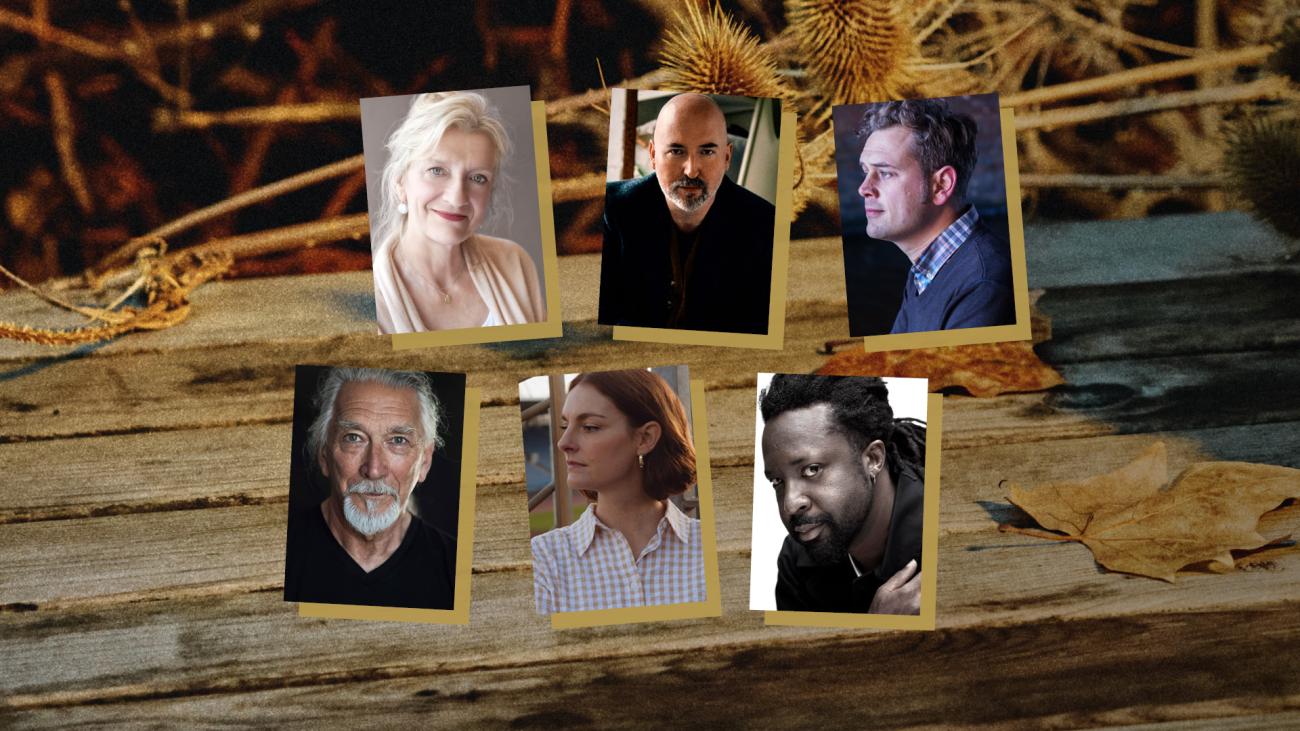

The shortlist
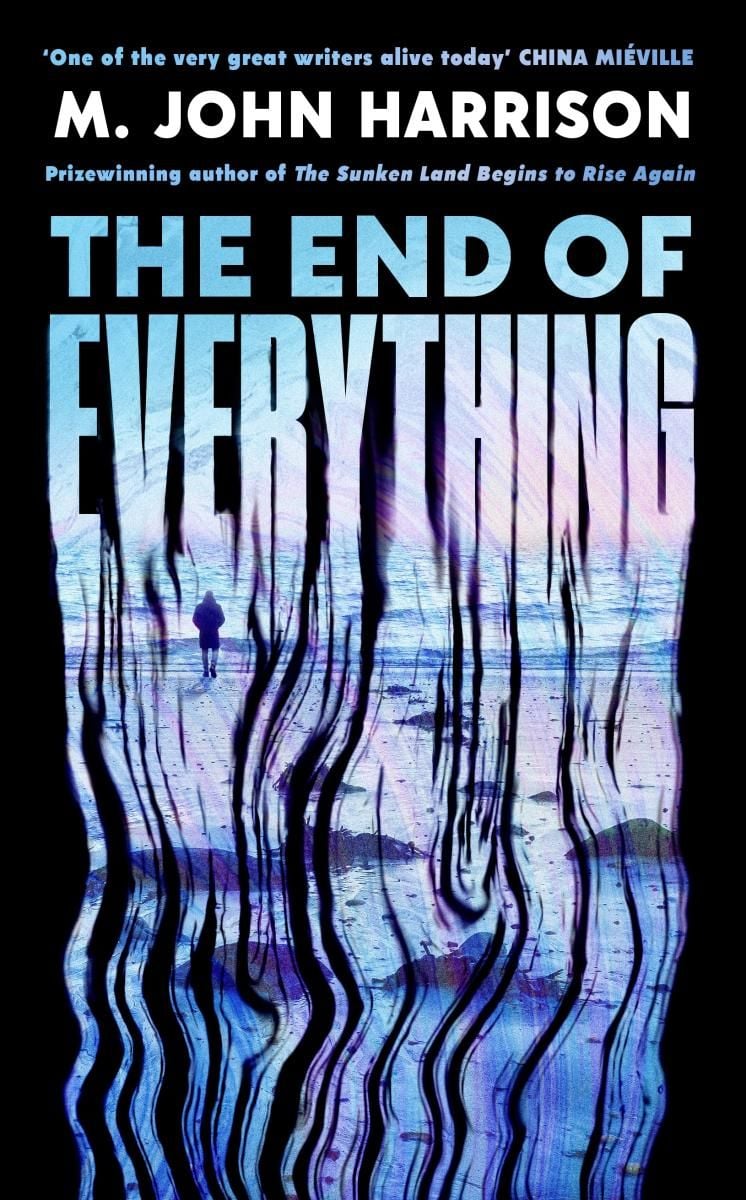
A slyly satirical and unsettling post-apocalyptic adventure into the limits of human understanding from the acknowledged master of science fiction
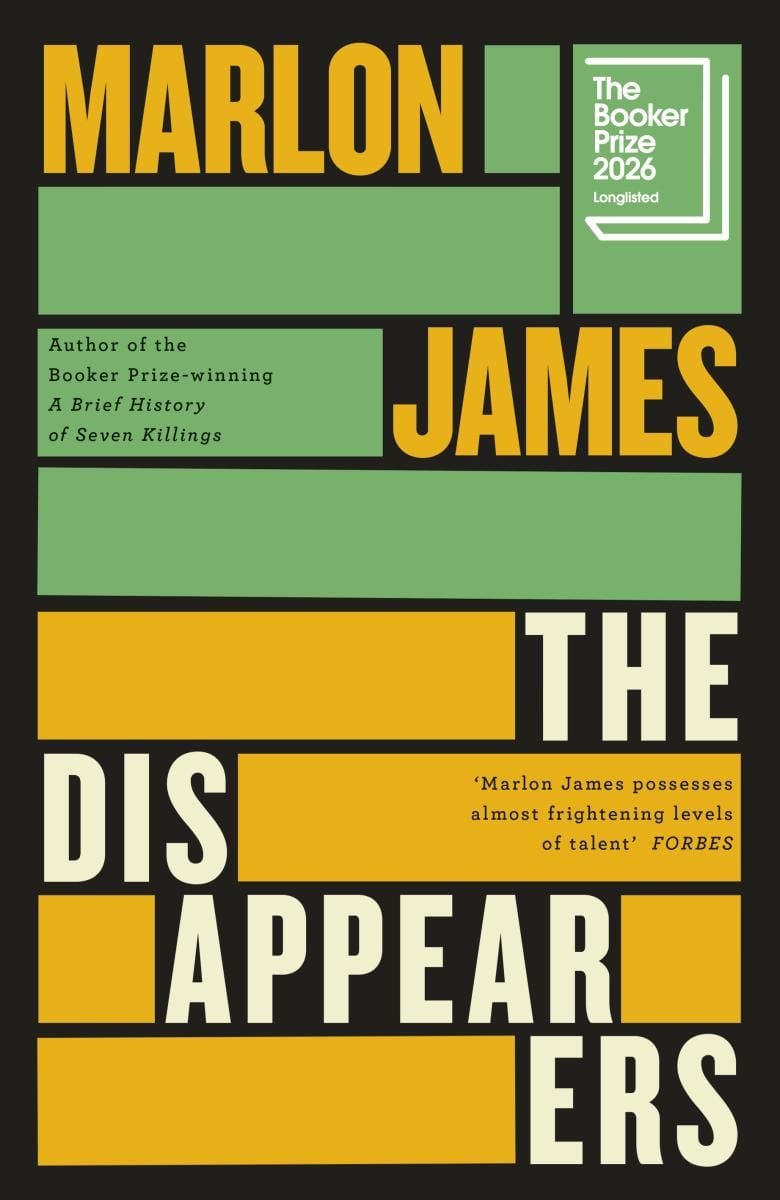
A deeply human story of men who must make compromises to survive what the society they live in demands
By Marlon James
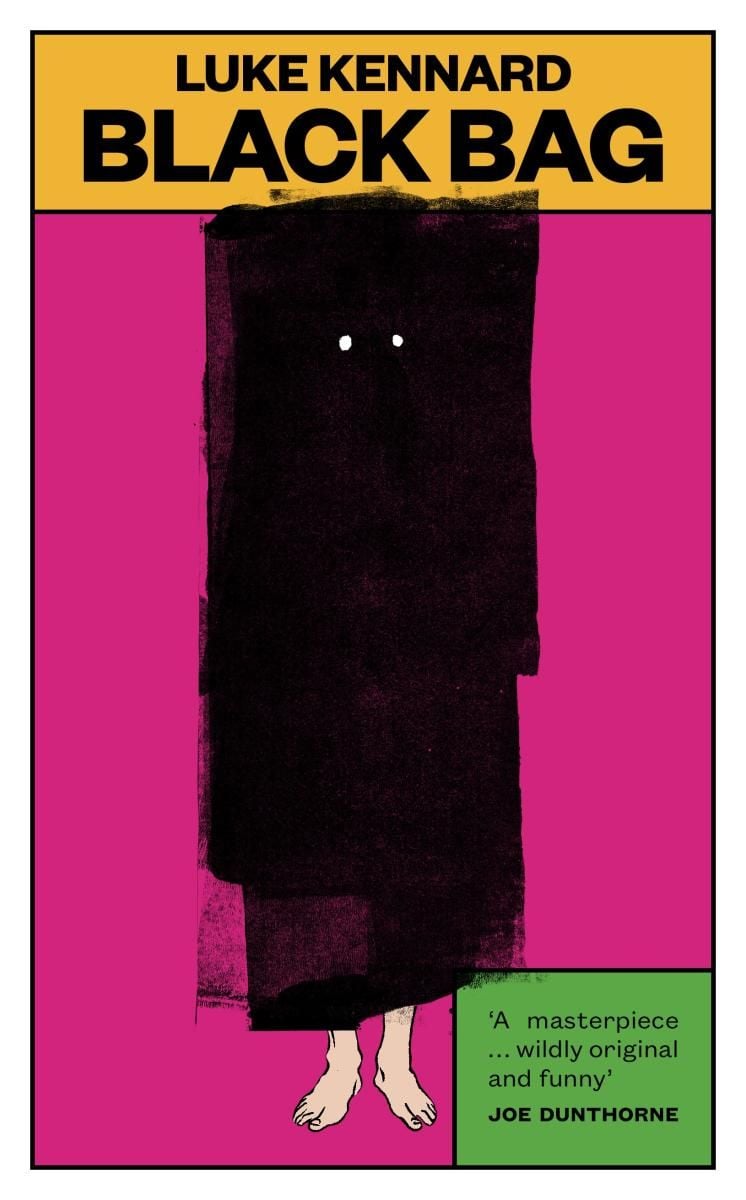
A warped campus novel, an investigation into the crisis of masculinity and an off-kilter love story, Black Bag is a firework of a novel: blazingly funny and profoundly humane
By Luke Kennard
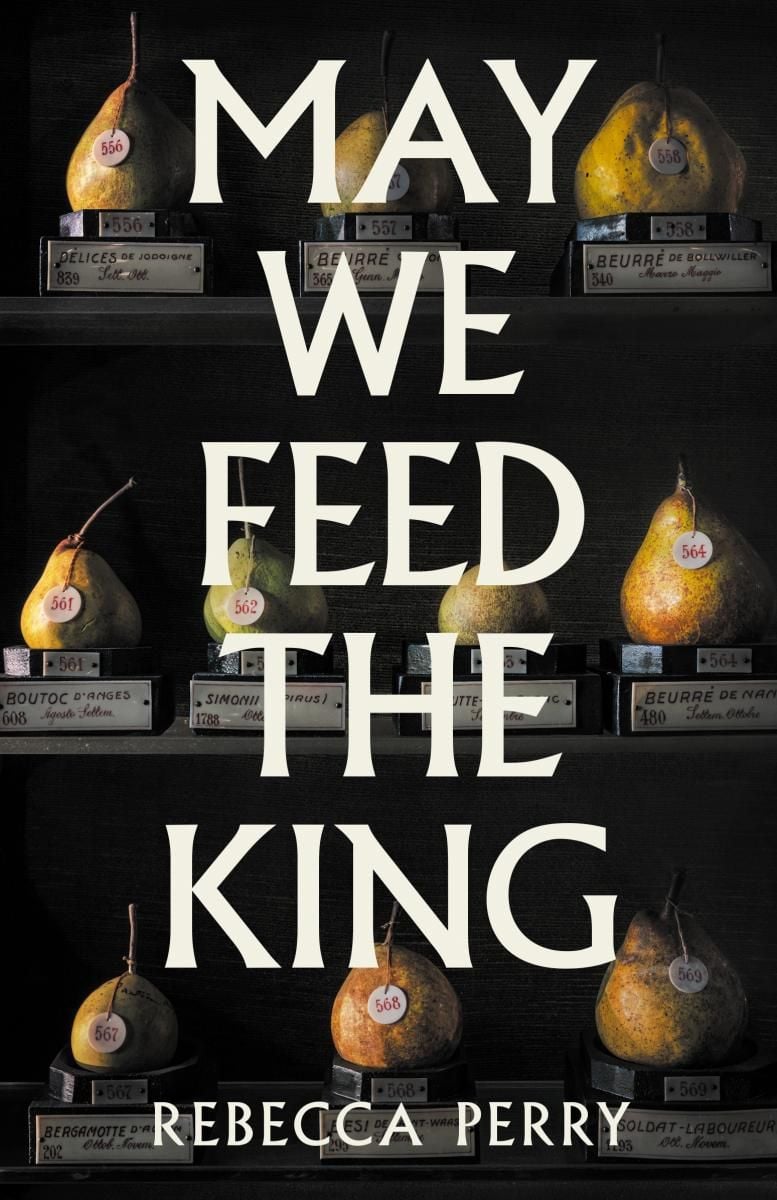
Laced with desire and longing, May We Feed the King is a playful, stirring meditation on history and storytelling: on what makes a King 'Great', and a life meaningful
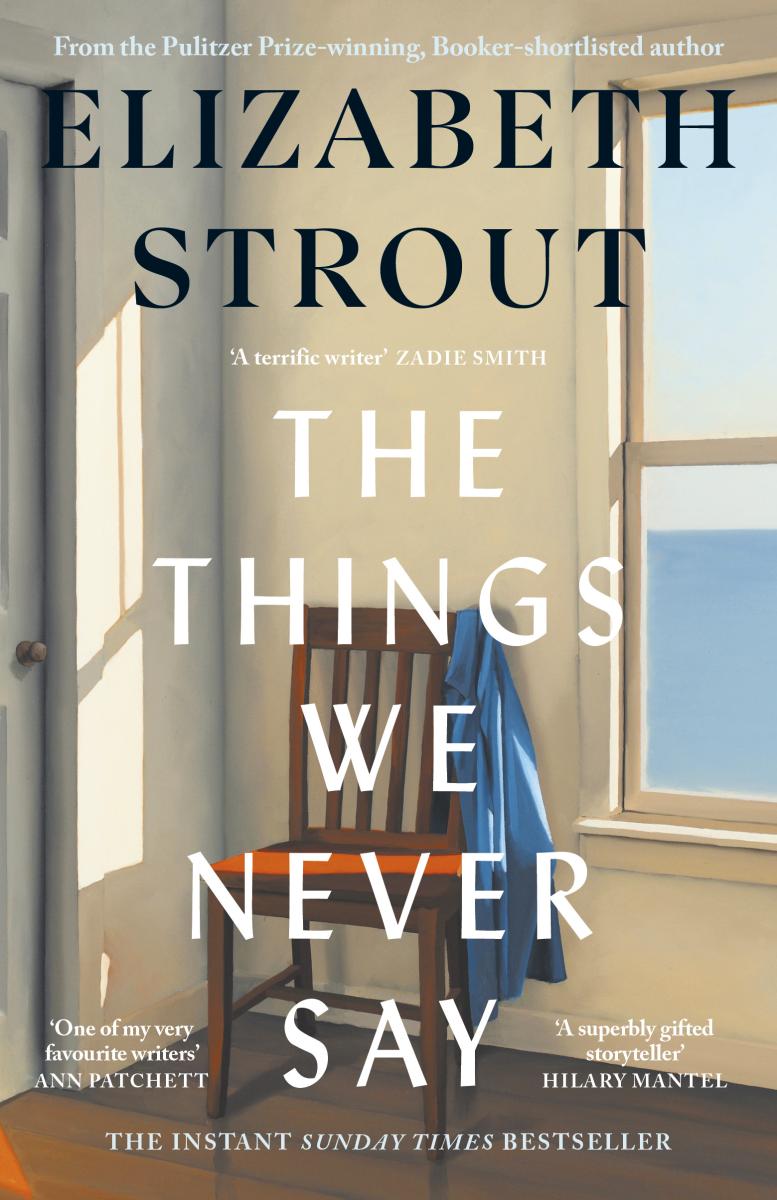
With exquisite prose and profound insight, Elizabeth Strout captures the way grief reverberates through decades, the comfort found in deep friendships and the freedom that comes when we break free of our secrets
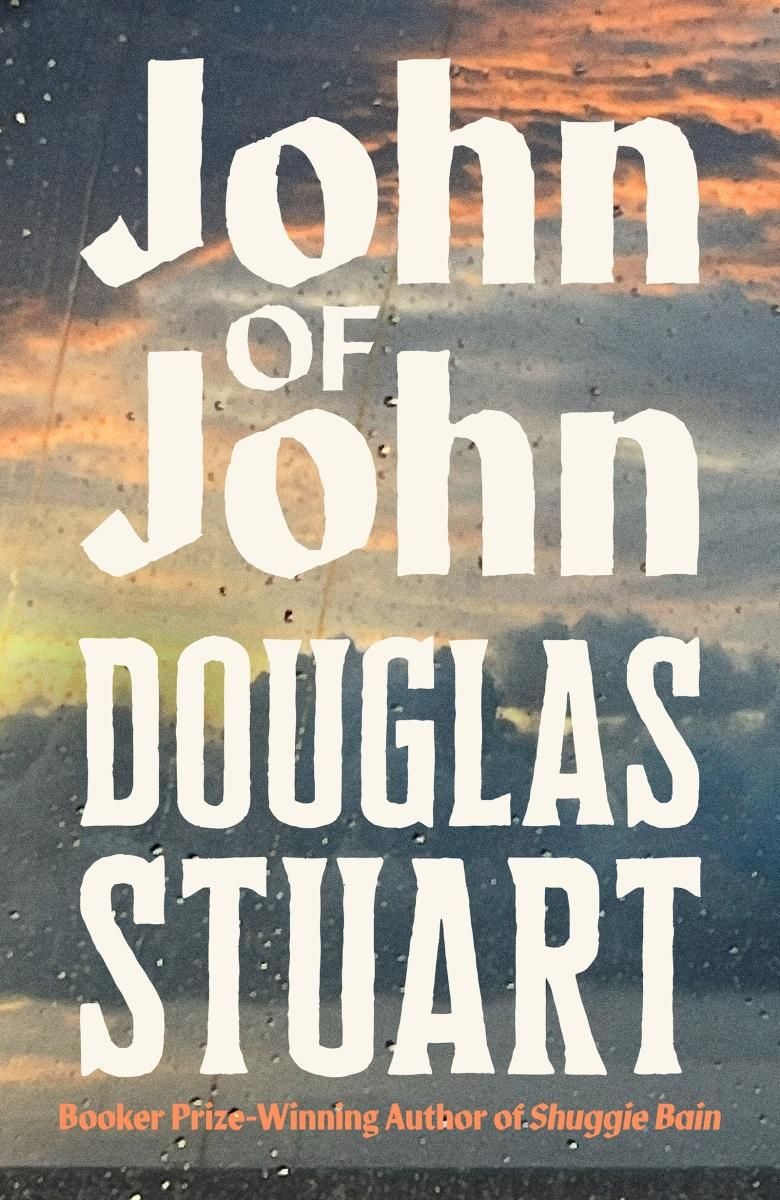
John of John is the heartbreaking story of a young man’s return home and how the bonds of family life are torn by the weight of expectation
The longlist
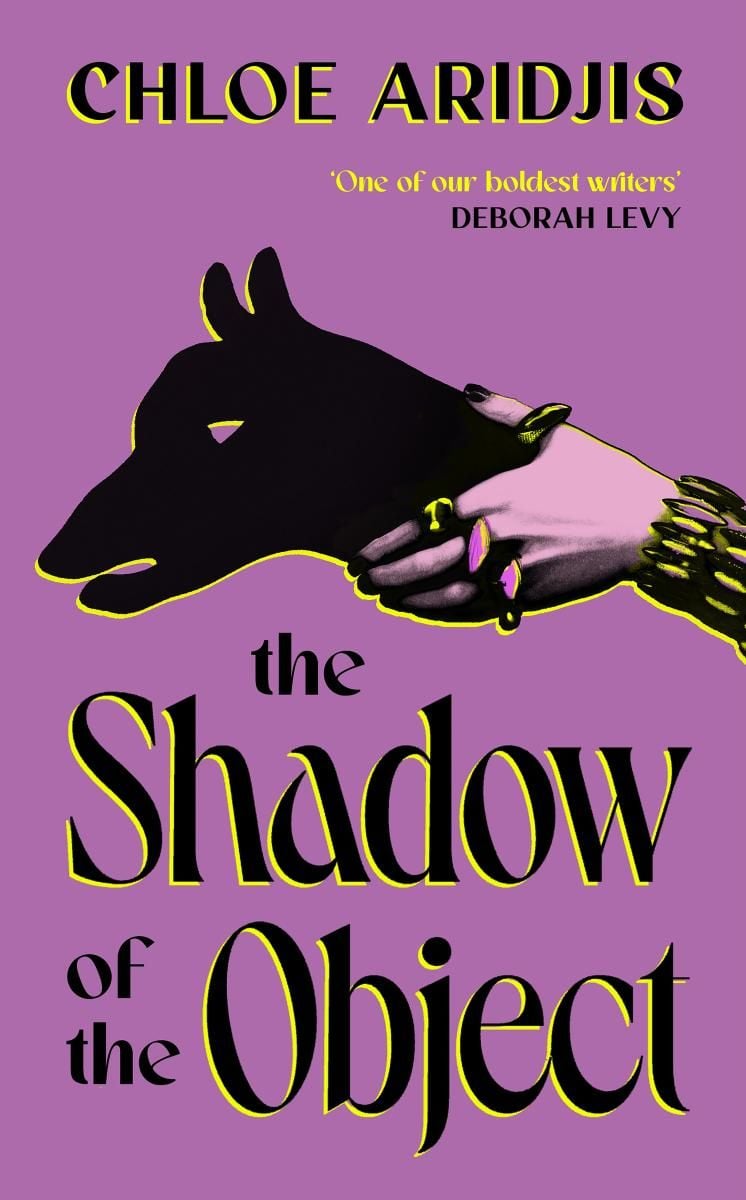
The Shadow of the Object
by Chloe Aridjis
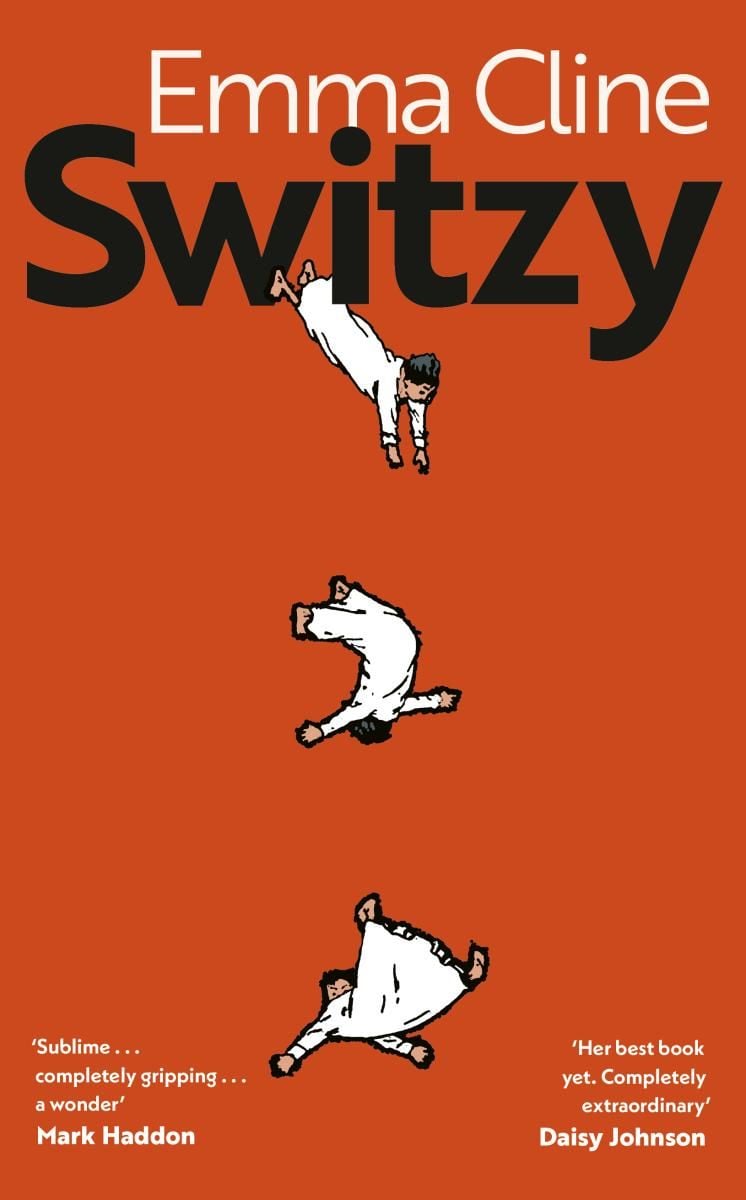
Switzy
by Emma Cline
Helen of Nowhere
by Makenna Goodman
The End of Everything
by M. John Harrison
The Disappearers
by Marlon James
Black Bag
by Luke Kennard
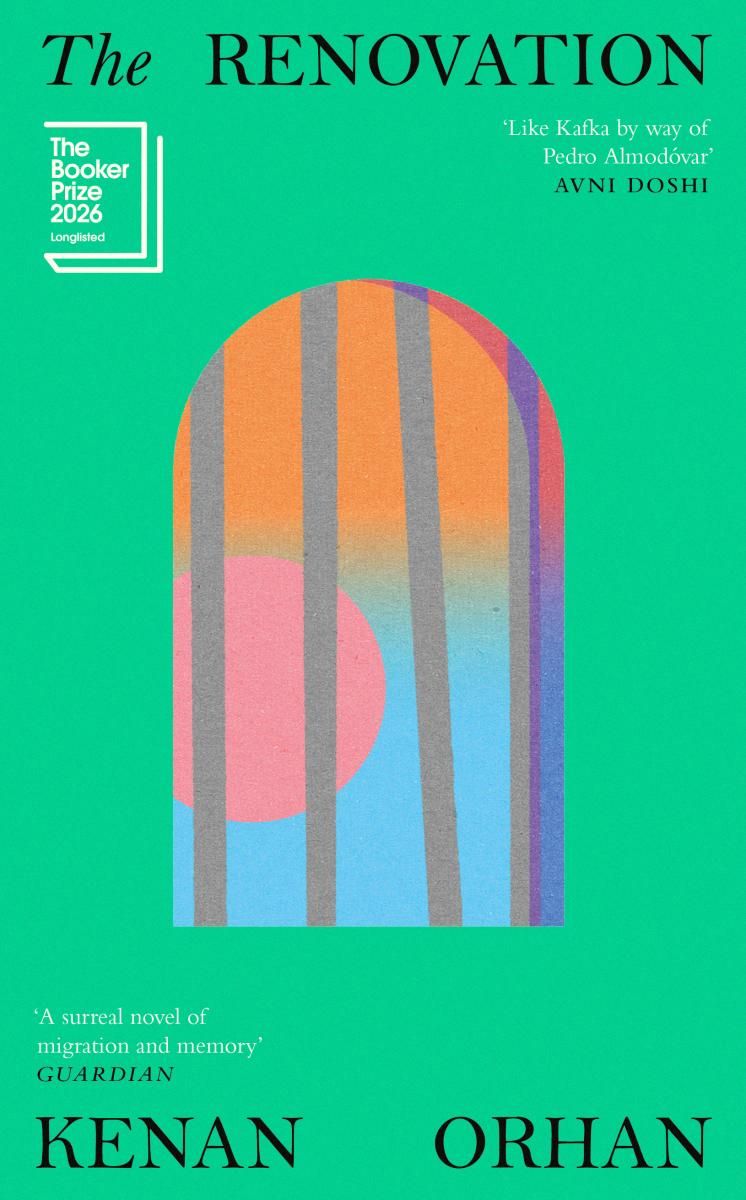
The Renovation
by Kenan Orhan
May We Feed the King
by Rebecca Perry

The Palm House
by Gwendoline Riley
The Things We Never Say
by Elizabeth Strout
John of John
by Douglas Stuart
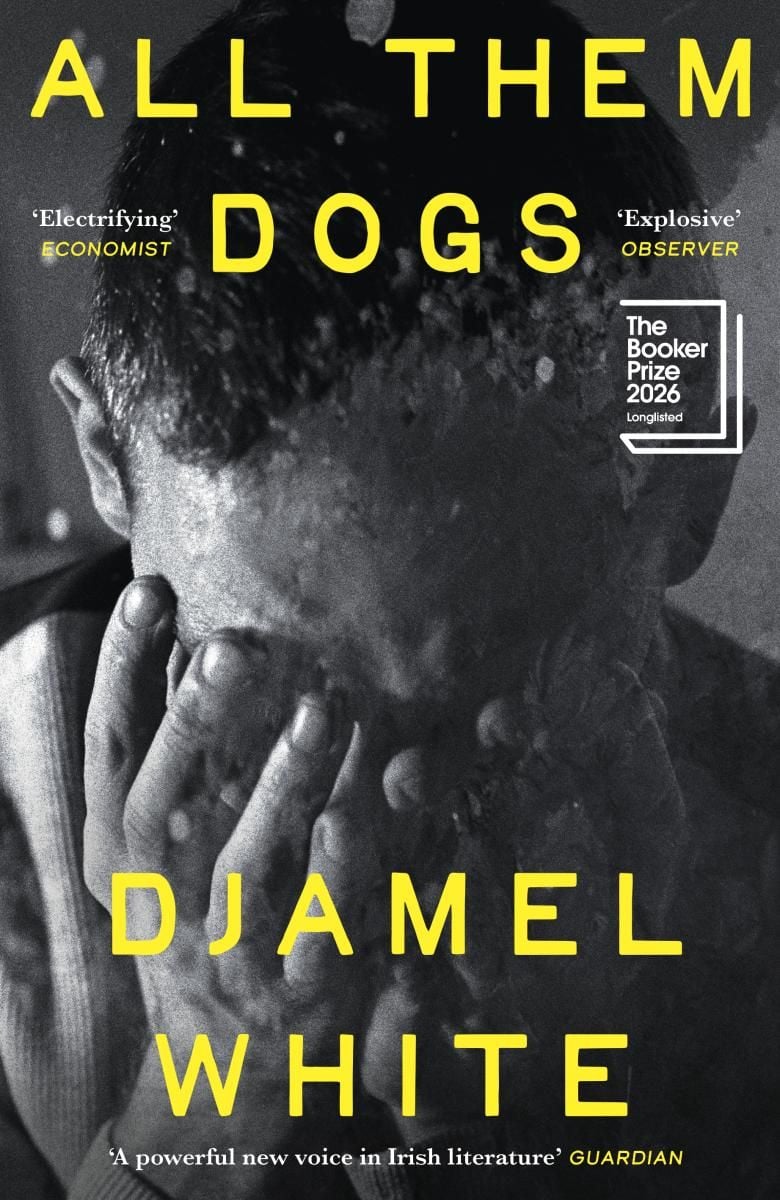
All Them Dogs
by Djamel White
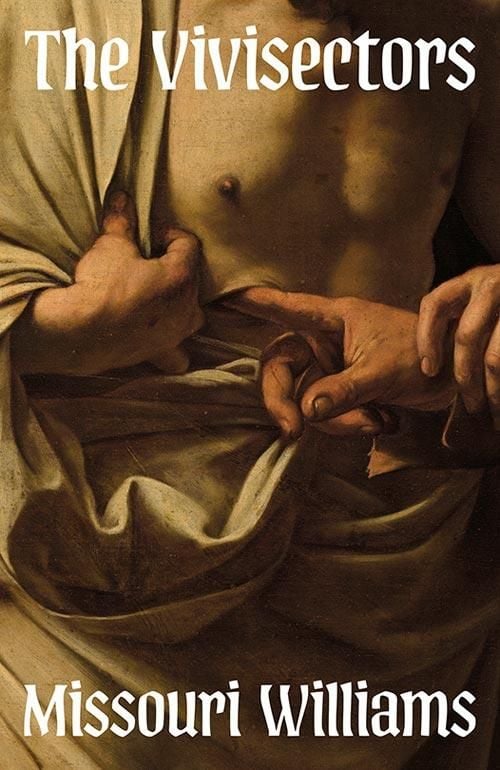
The Vivisectors
by Missouri Williams
The 2026 judges





Mary Beard, Booker Prize 2026 Chair of judges, says:
‘It was a meeting none of the judges is likely to forget – getting together to whittle down the 13 extraordinary novels on the longlist to just six. It was fun. Most of these books were beginning to feel like old friends after at least two readings. And it was painful to have to let some of them go, with their now bent spines and dog-eared pages, their brilliant capacity to make us think, argue and sometimes disagree.
‘We did not start out with a checklist of the different types of book we wanted to see represented in the final six, or the kinds of authors or subject matter. But when we looked at the lineup of our shortlist, neatly propped up against one another, almost glowing, we were happy that we had showcased many of the strengths of contemporary English language fiction. These novels range from the hilarious to the discomfiting, from the frighteningly strange to the alarmingly domestic, from the powerfully shocking to the intriguingly understated. In them, we meet characters from different countries and different centuries, created by authors 40 years apart, new talent and well-known favourites.
‘This is writing at its best. There’s plenty to enjoy, some blissful escapism and prose to die for (‘I just wish I could have written that’ kept going through my mind). But there is also plenty here to change the way we see the world, to surprise us and to challenge our certainties.
‘We hope that you get as much out of the books on our shortlist as we have.’

Mary Beard with the Booker Prize 2026 shortlist
© Dave Parry for Booker Prize Foundation
These novels range from the hilarious to the discomfiting, from the frighteningly strange to the alarmingly domestic, from the powerfully shocking to the intriguingly understated
Gaby Wood, Chief Executive of the Booker Prize Foundation, adds:
‘I knew it would be almost impossible for the judges to reduce their phenomenal longlist to just six books, and it was. But the prize rules demand a shortlist! These six, which struck the judges strongly the first time they read them and deepened when read again, speak to each other in unexpected ways by virtue of being placed side by side.
‘Despite the great range in their styles and subjects, in all of these novels we find forms of isolation: relationships breaking down or withheld, people harbouring secrets or pain, characters closing themselves off from others or attempting to reach beyond their solitude towards them. As a collection, this shortlist asks: What can we know of each other, what do we infer or assume, what are we prepared to see?
‘Sentence by sentence, the writing in every one of them is exceptional. I would recommend this list to any reader: each book, perhaps, for a different state of mind.’

Gaby Wood, Chief Executive of the Booker Prize Foundation
© Clara Molden


Read more about the judges
Mary Beard (Chair)
Mary Beard is one of Britain’s best-known classicists. She is a Fellow of Newnham College, Cambridge and was a Professor of Classics at Cambridge, where she taught for more than 30 years.
Beard has written numerous books on the Ancient World, including the 2008 Wolfson Prize-winner, Pompeii: The Life of a Roman Town, SPQR: A History of Ancient Rome and the recent Emperor of Rome. These books – along with the bestselling Women & Power – have been published to critical and popular acclaim and translated all over the world.
She is a broadcaster and commentator, appearing regularly on radio and television, including on programmes such as BBC Radio 4’s In Our Time. She has written and presented radio and television documentaries for the BBC on Ancient Rome – from Pompeii to Caligula to ‘forbidden art’. She was a presenter for the BBC Civilisations series, and has recently entered the podcast arena, co-hosting a weekly podcast, Instant Classics, with Guardian journalist Charlotte Higgins.
She is Classics editor of the Times Literary Supplement and writes a blog, A Don’s Life, selections from which have been published in book form. In 2013 she published Confronting the Classics, a collection of essays and reviews written over the last 20 years for the Times Literary Supplement, the London Review of Books and the New York Review of Books.
Beard, who is currently a Trustee of the British Museum, was made a Dame in 2018. Her new book, Talking Classics, will be published in April 2026.

Mary Beard, Chair of the Booker Prize 2026 judges
© Robin Cormack
Raymond Antrobus
Raymond Antrobus is a British-Jamaican poet, educator, and writer. He was diagnosed as deaf at age six; his work explores themes of sound, language, identity, and memory.
Antrobus is the author of several poetry collections, including Shapes & Disfigurements (2012), To Sweeten Bitter (2017), The Perseverance (2018), All The Names Given (2021), and Signs, Music (2024). His poems have been published in The New Yorker, the Guardian, Granta, the London Review of Books, The Poetry Review, Poetry Foundation, Lit Hub, and The Deaf Poets Society. His work has also appeared on BBC 2, BBC Radio 3, BBC Radio 4, and Channel 4.
In 2019, Antrobus became the first poet to win the Rathbones Folio Prize for best work of literature in any genre. He has won the Ted Hughes Award, the Sunday Times Young Writer of the Year Award, the Somerset Maugham Award, the Guardian Poetry Book of the Year 2018, and the Lucille Clifton Legacy Award. He has also been shortlisted for the Griffin Prize, the T.S. Eliot Prize, and the Forward Prize. His poems ‘Jamaican British’, ‘The Perseverance’, ‘Happy Birthday Moon’ and ‘With Birds You’re Never Lonely’ have been added to the UK’s GCSE syllabus.
His debut picture book, Can Bears Ski?, illustrated by Polly Dunbar, was selected as an Ezra Jack Keats honouree winner in 2021. That same year Antrobus hosted the BBC Radio 4 documentary, Inventions in Sounds, and performed at the Paralympic Homecoming ceremony at Wembley Stadium. In 2025 his first art installation was shown at the Barbican as part of the exhibition ‘Feel The Sound’, and he published a highly-acclaimed memoir, The Quiet Ear.
Antrobus has served as an ambassador for The Poetry School and Arts Emergency, and was a board member of English PEN. Currently, he advocates for D/deaf charities, including Deaf Kidz International, the National Deaf Children’s Society and the Royal National Institute for Deaf People. He was elected a Fellow of the Royal Society of Literature in 2020 and appointed MBE for services to literature in 2021.

Raymond Antrobus, Booker Prize 2026 judge
© Marco Giugliarelli for the Civitella Ranieri Foundation
Jarvis Cocker
Jarvis Cocker is a musician and broadcaster from the north of England. He formed the band Pulp in 1978, whilst at secondary school. The band went on to become one of the most successful UK music groups of the 1990s.
Between 2009 and 2017 he presented the BBC Radio 6 Music programme Jarvis Cocker’s Sunday Service, as well as the ongoing, award-winning BBC Radio 4 documentary series Wireless Nights. He has interviewed authors including Salman Rushdie, Edna O’Brien, Nick Hornby and Miranda July. He was an editor-at-large at Faber between 2012 and 2014.
Cocker has honorary doctorates from both Sheffield Hallam University and Central Saint Martin’s School of Art (which he attended from 1988 to 1991).
His lyric collection Mother, Brother, Lover was published by Faber in 2011. Good Pop, Bad Pop, his first work of long-form prose, was published by Jonathan Cape in 2022.
Cocker appeared in a Booker Prize 2022 shortlist film, performing an extract from Treacle Walker by Alan Garner.

Jarvis Cocker, Booker Prize 2026 judge
© Tom Jackson
Rebecca Liu
Rebecca Liu is a writer, critic, and editor at the Guardian Saturday magazine. Her essays and criticism about books and arts have been published in the Guardian, the Observer, the Financial Times, the New Statesman, the Times Literary Supplement, the Nation, the White Review, and Critical Quarterly – to which she contributed an essay on John Berger’s Booker Prize-winning novel G. for the John Berger centenary issue.
Liu has interviewed writers including Bernardine Evaristo, Xiaolu Guo, Kiley Reid, and Jacqueline Rose, and artists including Park Chan-wook, Carly Rae Jepsen, Darren Star, and Sandra Oh. She chairs literary events, often for the UK’s East and Southeast Asian Literary Festival, and has discussed books and arts on BBC radio programmes.
Liu was born in Wuhan, China, and grew up in Auckland and Hong Kong before studying history and east Asian studies at the University of Chicago, and political thought and intellectual history at the University of Cambridge.
She was previously assistant editor at Prospect magazine, and produced and co-hosted the Prospect podcast, where she interviewed authors including Natasha Brown, Avni Doshi, and Amia Srinivasan. She was also previously a staff critic at Another Gaze film journal, and an editor at the King’s Review magazine.

Rebecca Liu, Booker Prize 2026 judge
Patricia Lockwood
Patricia Lockwood is an American novelist, poet and essayist. Lockwood’s books include the novel No One Is Talking About This, which was shortlisted for the Booker Prize and won the Dylan Thomas Prize in 2021, and was one of the New York Times Book Review’s Ten Best Books of 2021.
Her other books are the memoir Priestdaddy, one of the New York Times Book Review’s Ten Best Books of 2017; and the poetry collections Motherland Fatherland Homelandsexuals and Balloon Pop Outlaw Black.
Lockwood’s writing has appeared in the New York Times, the New Yorker, the New Republic and the London Review of Books, where she is a contributing editor. Her most recent novel, Will There Ever Be Another You, was published in 2025. She lives in Savannah, Georgia.

Patricia Lockwood, Booker Prize 2026 judge
© Grep Hoax