
With Percival Everett’s retelling of a 19th-century classic appearing on this year’s shortlist, we’ve scoured the Booker archives for more titles inspired by myths, folklore, bible stories and other literary works
Eight Booker Prize-nominated novels that were inspired by other books
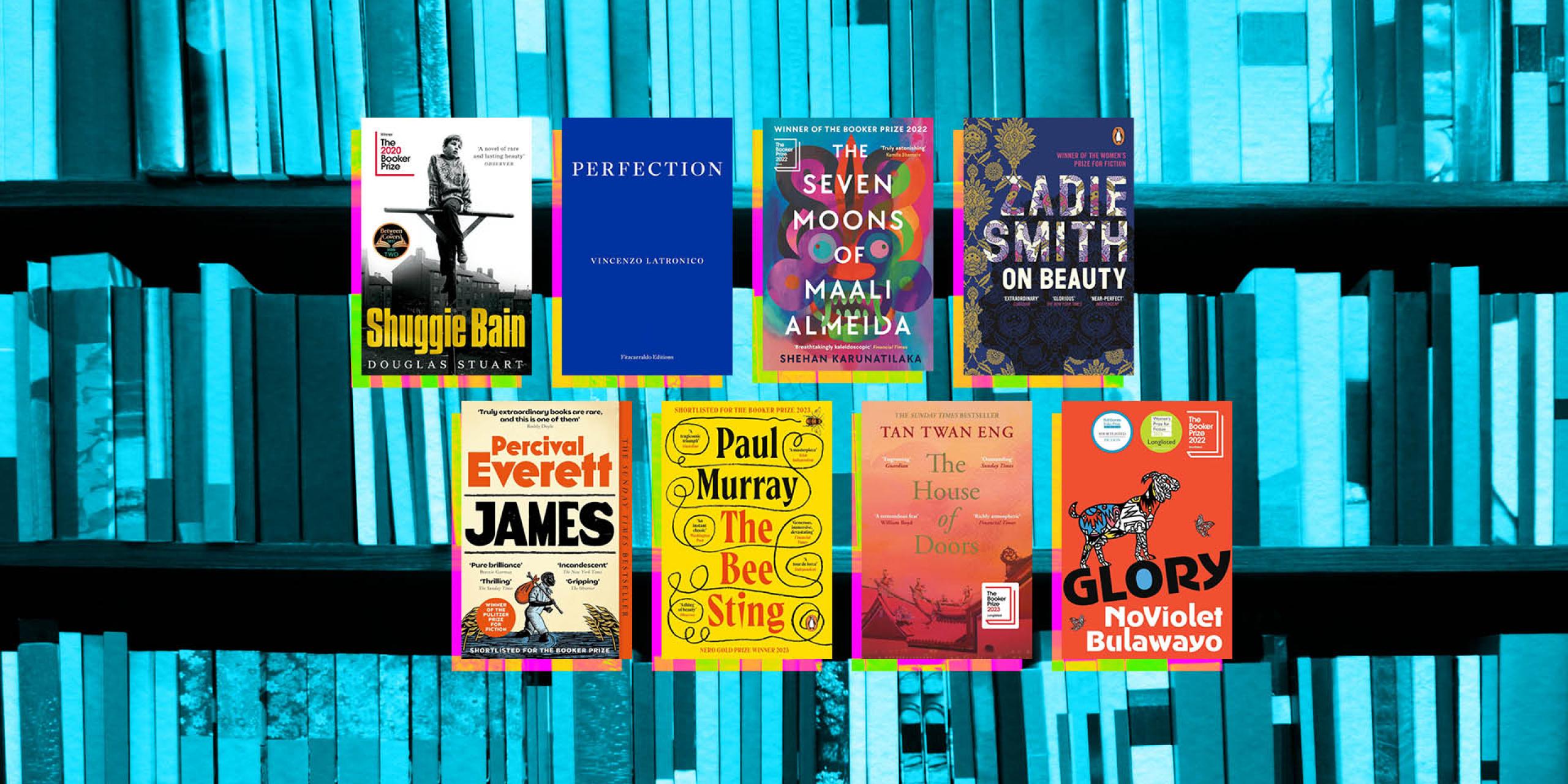
Eight Booker Prize-nominated novels that were inspired by other books
- Written by
- Emily Facoory
- Published
Enjoy our list of Booker Prize-nominated books that were inspired and influenced by other much-loved works of fiction
The world would be a less interesting place without many of the best works of 21st-century fiction, but several of those books wouldn’t exist were it not for the greats that preceded them. With their captivating plots, memorable characters, distinctive style and groundbreaking formats, these literary treasures from the past have helped pave the way for several acclaimed works of recent years, including some Booker Prize winners and nominees.
From Douglas Stuart taking inspiration from his compatriot James Kelman’s use of dialect in How Late It Was, How Late, to Percival Everett reframing Adventures of Huckleberry Finn for a modern readership, the following Booker Prize-nominated novels have proved that taking inspiration from what’s gone before can open up a wealth of new opportunities.
Buy the book
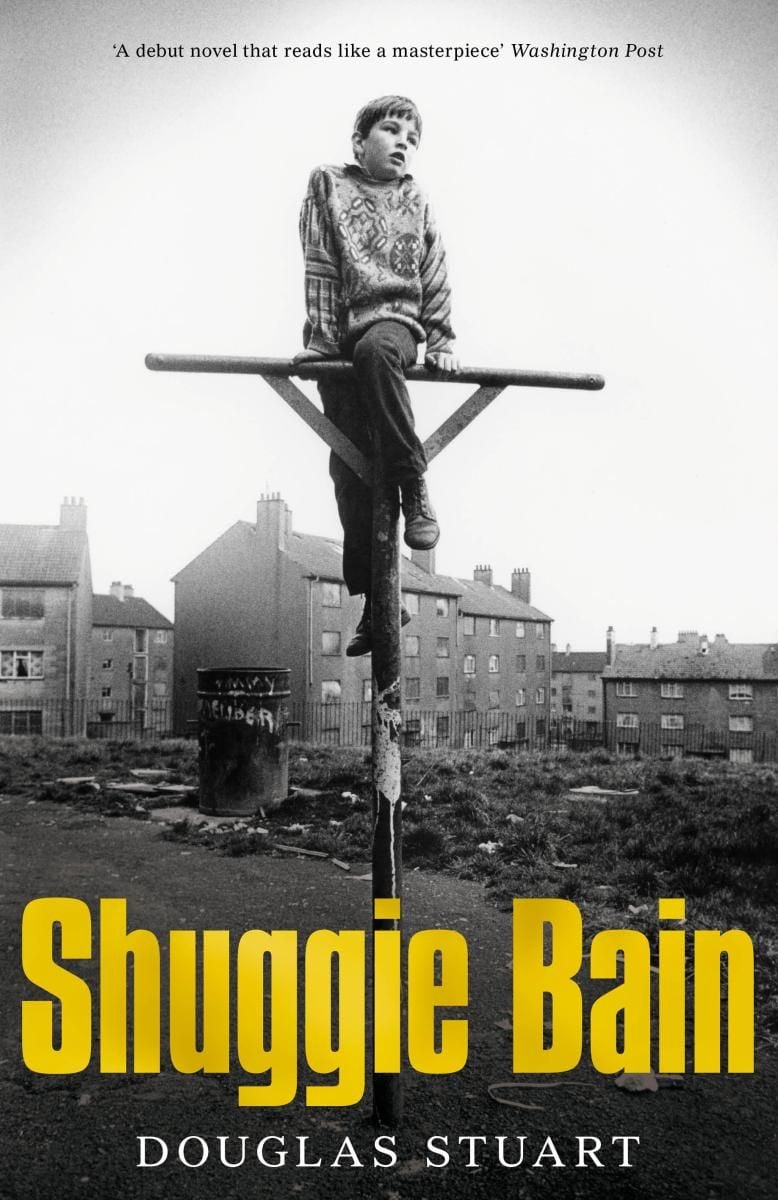
Shuggie Bain by Douglas Stuart was inspired by How Late It Was, How Late by James Kelman
Douglas Stuart is the most recent debut novelist to win the Booker, with the wildly popular Shuggie Bain, in 2020. He was also the second Scottish author to win the prize, following James Kelman, who triumphed in 1994 with How Late It Was, How Late.
Kelman’s novel takes place in Glasgow and follows a down-and-out ex-convict, Sammy, who is blinded following a fight with some plainclothes police officers. The book’s stream-of-consciousness style, unapologetic use of dialect and widespread profanity (the f-word is estimated to appear around 4,000 times) divided critics. Yet in his winner’s acceptance speech, Kelman, a proud working-class socialist, deviantly proclaimed: ‘My culture and my language have the right to exist.’
In a recent interview with the Booker Prizes, Stuart claims that Kelman’s novel changed his life. ‘It is such a bold book, the prose and stream of consciousness is really inventive. It was one of the first times I saw my people, my dialect, on the page.’ Speaking with the Guardian, Stuart also said: ‘When James won in the mid-90s, Scottish voices were seen as disruptive and outside the norm.’
Both books portray authentic versions of working-class Glasgow, with a prominent use of regional dialect and local cultural references that remain uncommon in fiction. A heartbreaking debut, Shuggie Bain is set in 1981 in a broken Glasgow, where poverty encompasses the city. Turning to alcohol after her husband walks out on her family, Agnes Bain sinks deeper into despair as her young son, Shuggie, tries his best to save her.
Margaret Busby, chair of the Booker Prize judges for 2020 said that ‘Shuggie Bain is destined to be a classic – a moving, immersive and nuanced portrait of a tight-knit social world, its people and its values.’
Buy the book
Perfection by Vincenzo Latronico, translated by Sophie Hughes, was inspired by Things: A Story of the Sixties by Georges Perec
Perfection, translated from Italian and shortlisted for the International Booker Prize 2025, is a biting satire of millennial obsessions. It follows expat couple Anna and Tom – a pair of social media-obsessed digital nomads, who live a meticulously curated existence in Berlin, among people just like them. It’s a book in which very little happens, and whose central characters remain largely unknowable, while the superficial details of their lives – their favourite recipes, their tastes in interior design – remain in sharp focus throughout.
Author Vincenzo Latronico was inspired by the 1965 novel, Things: A Story of the Sixties by Georges Perec. Originally written in French, Perec’s book tells the story of a young couple, Jerôme and Sylvie, as they explore different ways of creating a fulfilling life.
In a conversation with the Booker Prizes, Latronico said that he had tried for years to find a way to tell a story set at the intersection between our physical and digital lives, but that it never worked. ‘There is something about the way time spent online vanishes, about the simultaneity of it all, that seemed to resist any linear plot. Then I read Georges Perec’s Things: A Story of the Sixties – which is about how consumerism changed a couple’s inner horizon – and immediately started annotating how it would play out today. The analogies seemed to write themselves. So I tried rewriting it, initially very closely, then taking some liberties along the way until it became a novel in itself.’
In the New Yorker, Alice Gregory called the book’s execution ingenious: ‘Latronico’s conceit is clever and will delight anyone familiar with his source material … His novel’s agility in English owes much to its talented translator, Sophie Hughes.’
Buy the book
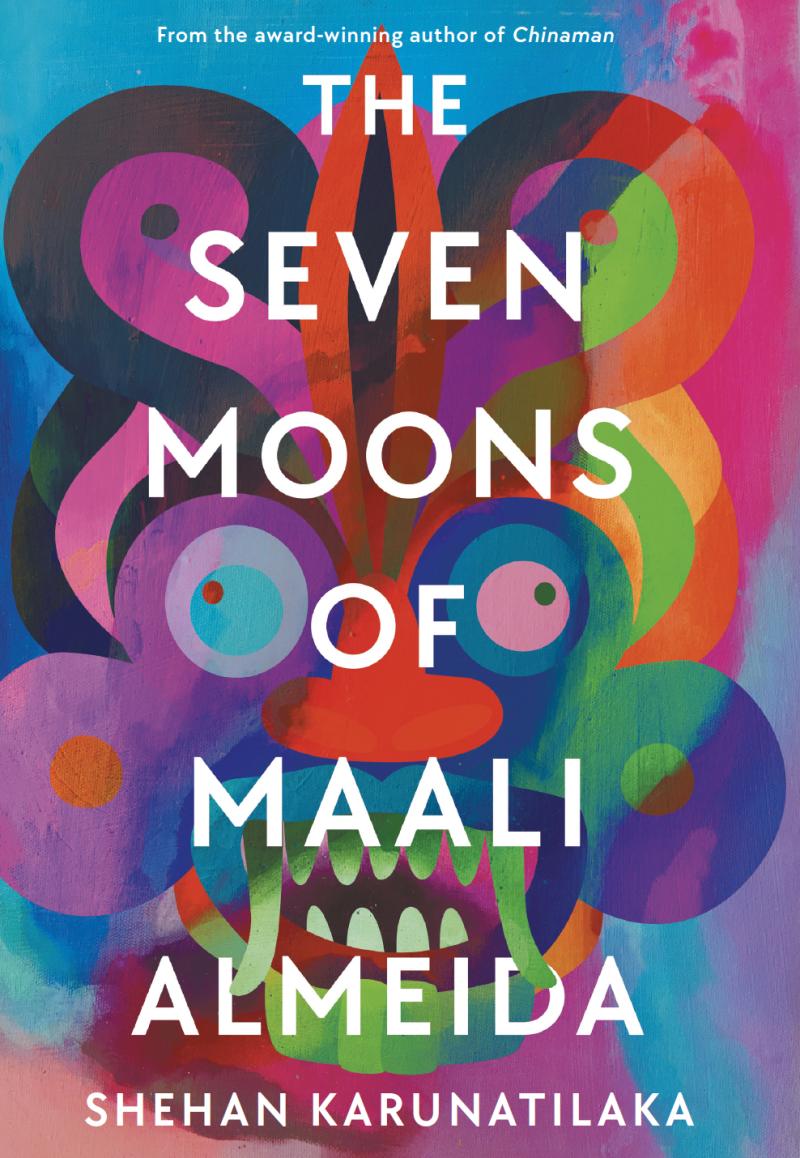
The Seven Moons of Maali Almeida by Shehan Karunatilaka was inspired by Oryx and Crake by Margaret Atwood
Winner of the Booker Prize in 2022, The Seven Moons of Maali Almeida follows the titular character as he wakes up to find himself ‘dead’, unable to figure out who has killed him. Alternating between the real world and the afterlife, he is given a week (seven moons) to deal with his unfinished business, unmasking his own murderer while exposing some of the worst atrocities of the Sri Lankan civil war.
Talking to the Booker Prizes, Karunatilaka admitted that Seven Moons owes a debt to a number of acclaimed works of fiction, among them Booker winner Lincoln in the Bardo by George Saunders, The Hitchhiker’s Guide to the Galaxy by Douglas Adams, and novels by Cormac McCarthy, David Nicholls and Kurt Vonnegut. (‘Uncle Kurt’ was a ‘constant companion’ while writing Seven Moons, Karunatilaka said.) He also singled out Margaret Atwood’s novel Oryx and Crake, which was shortlisted for the Booker Prize in 2003, as a direct influence on Seven Moons. Both books feature a protagonist attempting to comprehend mindblowing events – in Oryx, the central character is apparently the last human survivor of a global pandemic – as they come to terms with their past actions.
Helen Elliot, writing in the Sydney Morning Herald, called Seven Moons ‘original, sensational, imaginative, political, mysterious and romantic: it is obvious why this novel won the prize.’ While 2022’s Booker Prize judges called it ‘an afterlife noir, with nods to Dante and Buddha and yet unpretentious’. They added that it ‘fizzes with energy, imagery and ideas against a broad, surreal vision of the Sri Lankan civil wars. Slyly, angrily comic.’
Buy the book
On Beauty by Zadie Smith was inspired by Howards End by E.M. Forster
2005’s On Beauty is a contemporary reinterpretation of one of E.M Forster’s best-known works, Howards End. As in Forster’s classic, Smith’s novel, her second to be shortlisted for the Booker Prize, follows the fortunes of two feuding families as they deal with complex relationship dynamics along with issues relating to identity, class and social standing.
In an interview published on BookBrowse.com, Smith said: ‘Forster represents one of the earliest loves of my reading life and the first intimations I ever had of the power and beauty of this funny, artificial little construction, the novel. I wanted to pay tribute to the influence he had on me as a teenager, and as it was a book about Beauty, I wanted the novel also to be a record of beautiful things I’ve loved – novels, pieces of music, certain human faces, paintings, and so on.’
In the Washington Post, Michael Dirda wrote that ‘after The Autograph Man and now On Beauty, it’s evident that Smith is a writer for the long haul, an artist whose books we will look forward to every few years, a real and deeply satisfying novelist. E.M. Forster would be proud.’
Buy the book
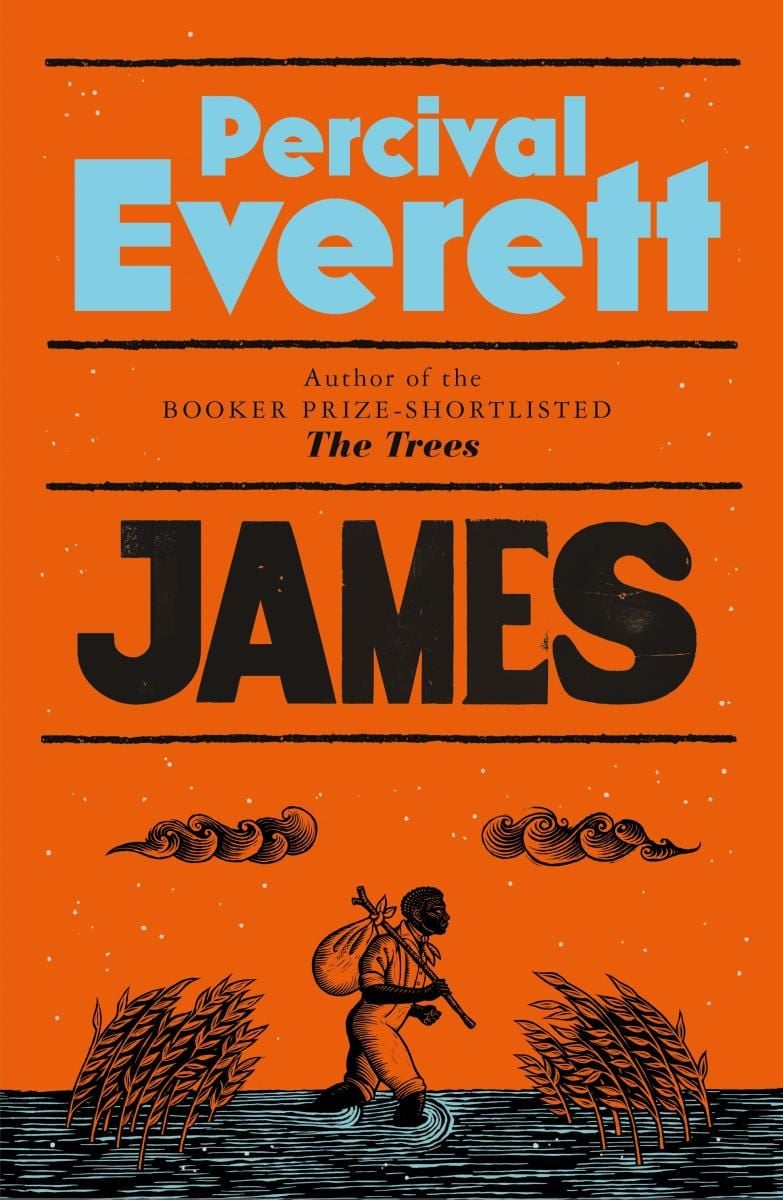
James by Percival Everett was inspired by Adventures of Huckleberry Finn by Mark Twain
To say that Percival Everett was ‘inspired’ by Mark Twain’s 1885 American classic is an enormous understatement. Everett turns Adventures of Huckleberry Finn entirely on its head, putting readers inside the mind of a man the New Yorker has called ‘an emblem of American slavery’. In switching the point of view from original narrator Huck to his companion and fellow runaway, Jim, Everett creates an entirely new narrative, and paints a portrait of Jim as complex, literate, imaginative, angry and loving – a man who is fighting for his freedom while desperate to reunite with his wife and daughter.
Everett, who read Twain’s original 15 times in succession in order to fully inhabit the world of the book, does not view his novel as a retelling or reimagining, but as an opportunity for Jim to finally be present in his own story. ‘I hope that I have written the novel that Twain did not and also could not have written,’ Everett said in an interview with the Booker Prizes. ‘I do not view the work as a corrective,’ he added, noting instead: ‘I see myself in conversation with Twain.’
As Johanna Thomas-Corr wrote in the Times, ‘James has the potential to become a classic text, one that conveys in the most compelling voice the absolute stupidity of slavery. In shifting the emphasis and insisting on Jim’s agency, Everett creates something thrilling, bold and profound.’
Buy the book
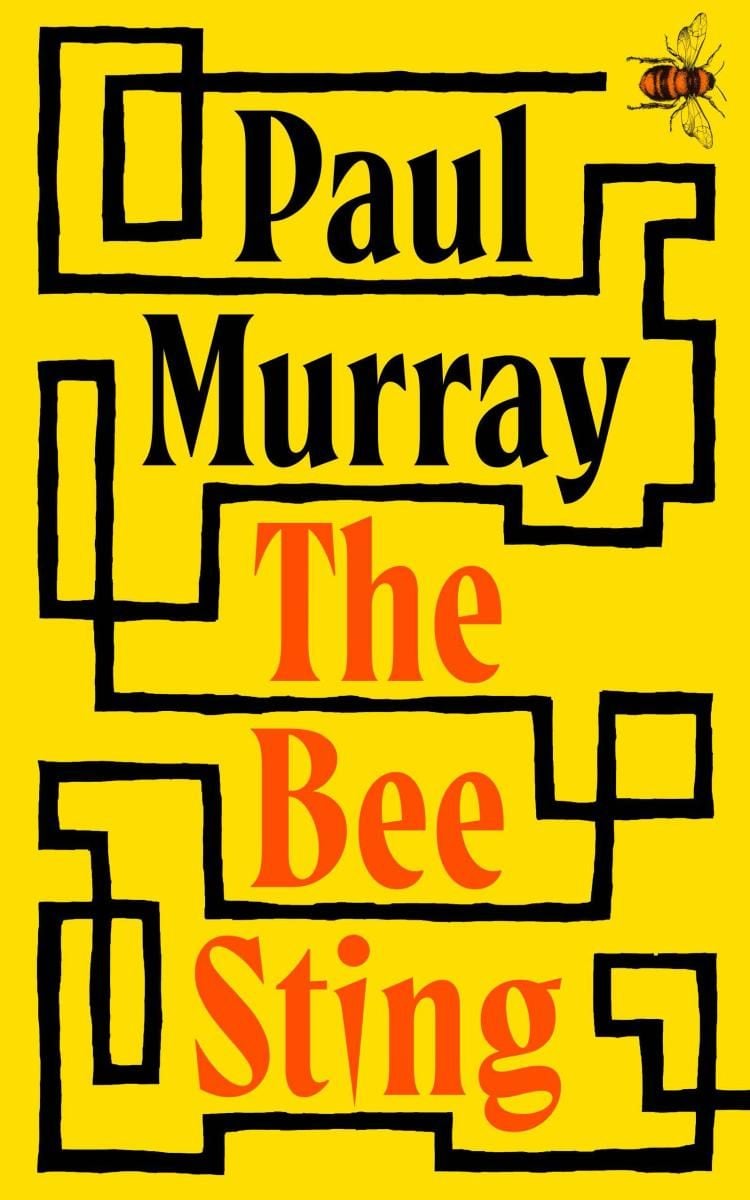
The Bee Sting by Paul Murray was inspired by The Corrections by Jonathan Franzen
Irish writer Paul Murray has admitted that Jonathan Franzen’s modern classic The Corrections was ‘definitely an influence’ on his tragicomic novel The Bee Sting, which was shortlisted for the Booker in 2023. Both books tip the scales at well over 600 pages, and tell the stories of dysfunctional contemporary families navigating an escalating crisis as long-buried secrets and resentments bubble to the surface. In both novels, the narrative perspective shifts from one member of the family to the next.
In The Bee Sting, the Barnes family find themselves on the brink of implosion, as a set of traumas, including infidelity, blackmail and debt, gradually close in on them. The father, Dickie, is struggling to keep his car dealership afloat, while his glamorous wife, Imelda, desperately tries to keep up appearances. Their teenage daughter Cass seems intent on throwing away her bright future, while her younger brother PJ, who just wants everyone to get along, is planning to run away from home after being bullied.
In the Daily Mail, Claire Allfree called the book ‘a meaty, heart punching, expertly executed family saga’. She added: ‘Murray delivers scarcely a duff sentence in a 600-page novel that’s pure unadulterated pleasure. It’s been compared to Jonathan Franzen’s The Corrections; I’d argue it’s better than that.’
Buy the book
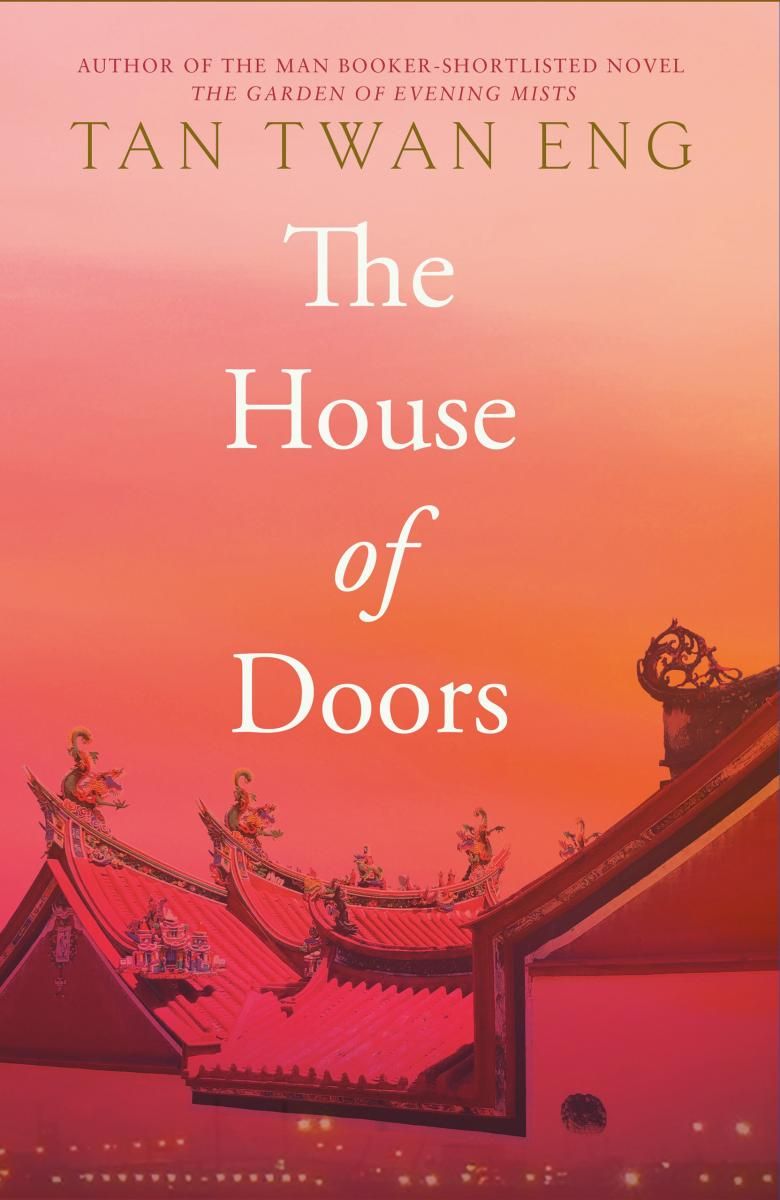
The House of Doors by Tan Twan Eng was inspired by The Letter by William Somerset Maugham
Longlisted for the Booker Prize in 2023, The House of Doors offers a fictionalised account of writer William Somerset Maugham’s travels in the Federated Malay States (now Malaysia), a British colony, in the 1920s, which included an extended visit to his friend Robert Hamlyn’s house in Penang. Facing a range of personal difficulties, including his hidden sexuality, financial issues and his urgent need to find a story for his new book, Maugham forms a close friendship with Lesley, Hamlyn’s wife, who shares various secrets that become the basis of Maugham’s work.
Tan Twan Eng was inspired by Maugham’s short story ‘The Letter,’ which was included in the collection The Casuarina Tree, published in 1927. The story revolves around a woman charged with murder after she is accused of shooting her neighbour in Malaya in 1911. The House of Doors shows how Maugham could have gathered the material for his story.
Tan told the Booker Prizes that ‘I see The House of Doors and ‘The Letter’ as mirrors of each other. How you read The House of Doors will affect your reading of ‘The Letter,’ which in turn will then change how you view The House of Doors, which in turn will then alter your impressions of ‘The Letter,’ which in turn will … and on and on it goes, a pair of mirrors, reflecting each other into infinity, the patterns of the reflections changing every time you look at them.’
Writing in the Sunday Times, Peter Kemp said: ‘Beautifully detailed and encompassing the vagaries of Maugham’s life, the contours of his creativity and the personal and political tensions covertly quivering through the sultry colony around him, The House of Doors is a finely accomplished piece of work.’
Buy the book
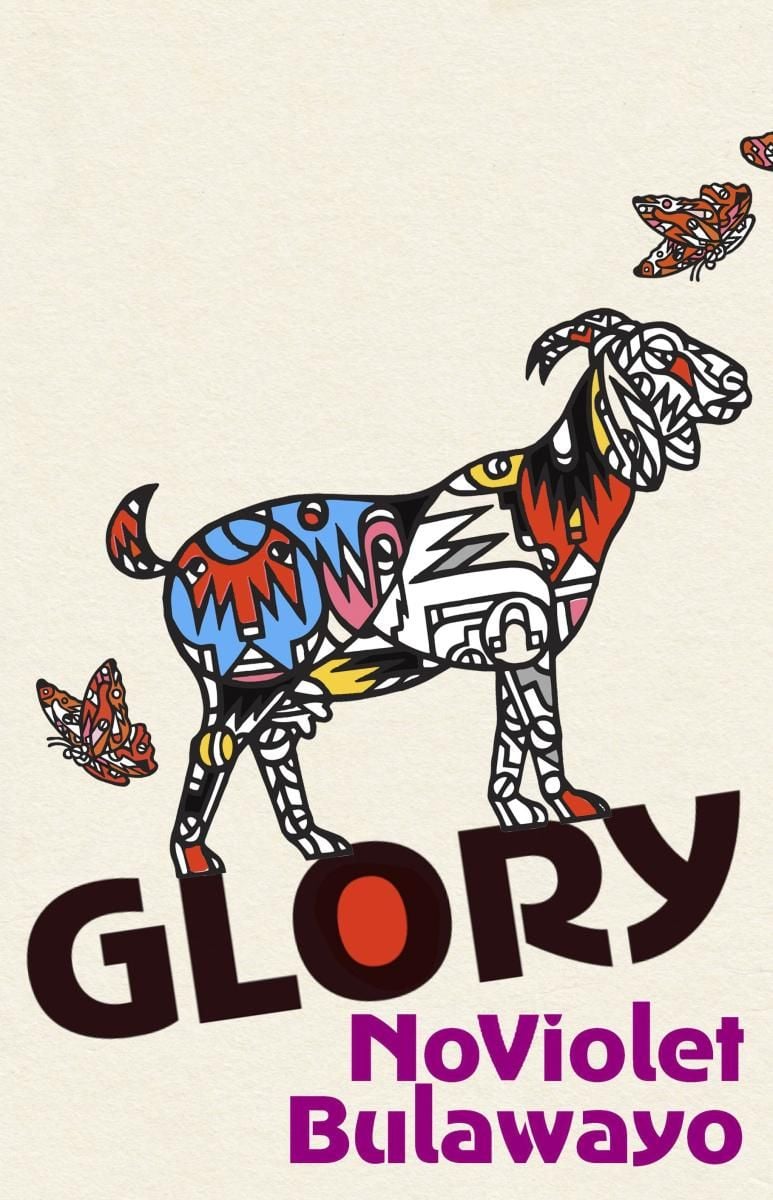
Glory by NoViolet Bulawayo was inspired by Animal Farm by George Orwell
Glory is a fictionalised retelling of the November 2017 coup against the regime of Zimbabwe’s long-standing president Robert Mugabe – but with a twist. All of the characters are animals. At its centre is the corrupt and fearsome Old Horse, who has been the ruler of a country called Jidada for 40 years, with his donkey wife Marvellous at his side. When he is finally overthrown by Jidada’s animal population, the revolutionaries’ utopian ideals collapse into chaos and infighting.
Bulawayo had first intended to write the story as a work of non-fiction, but then realised that a satirical fictional approach, taking inspiration from George Orwell’s classic Animal Farm, would have a bigger impact. In an interview with the Booker Prizes, Bulawayo spoke about the influence of Orwell’s book: ‘The simple but potent anthropomorphic satire of a revolution that devolves into despotism may not have been written with us in mind, but it was certainly close to home – the shoe fit.’
In the Guardian, Sarah Ladipo Manyika wrote: ‘Bulawayo leans into exaggeration and irony to tell hard truths. Glory is jam-packed with comedy and farce, poking fun at an autocratic regime while illustrating the absurdity and surreal nature of a police state.’ She added: ‘Bulawayo doesn’t hold back in speaking truth to power. She writes urgently and courageously, holding up a mirror both to contemporary Zimbabwe and the world at large.’
Glory was shortlisted for the Booker Prize in 2022, with the judges calling it ‘an ingenious and brilliant political fable that bears witness to the surreal turns of history’.


Features


- Reading guides
Reading guide: John of John by Douglas Stuart


- Book recommendations
The Booker Prize 2026 shortlist: what our judges said

- Book recommendations
Fashion in fiction: how clothes shape the story in Booker Prize novels


- Book recommendations
Seven Booker Prize-nominated post-apocalyptic books


- Book extract
An extract from John of John by Douglas Stuart

- Book recommendations