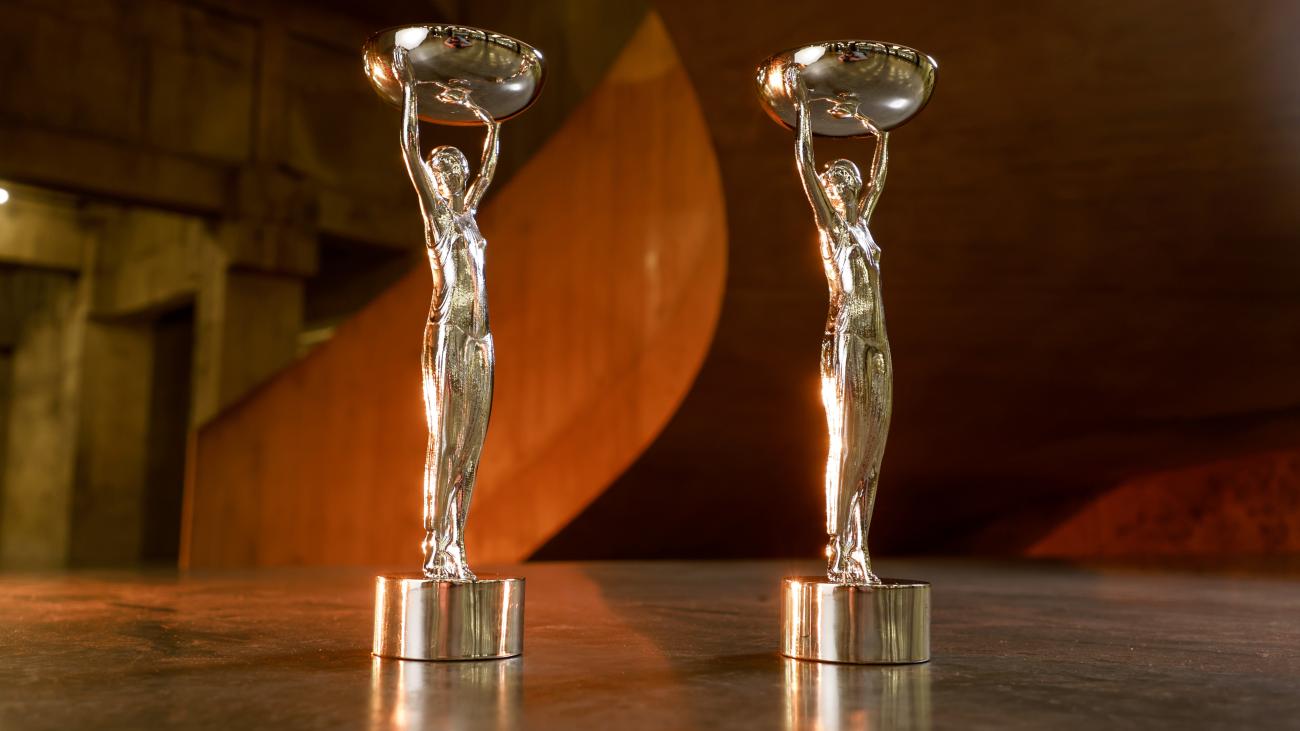
As this year’s shortlist is announced, we’ve picked out the most interesting facts, figures and findings that have emerged in this year’s selection
The Booker Prize
The Booker Prize
Founded in the UK in 1969, the Booker Prize is the world’s most significant award for a single work of fiction
Each year, the prize is awarded to what is, in the opinion of our judges, the best sustained work of fiction written in English and published in the UK and Ireland. The winning book is a work that not only speaks to our current times, but also one that will endure and join the pantheon of great literature.
The winner and the shortlisted authors are guaranteed a global readership and a life-changing increase in book sales. The winner of the Booker Prize also receives £50,000, with £2,500 awarded to each of the other shortlisted authors.
The longlist for the Booker Prize 2026 was announced on Tuesday, 28 July 2026. The shortlist of six books was announced at the Southbank Centre, London, on Tuesday, 22 September 2026.
The winning book will be announced on Monday, 9 November 2026 at a ceremony at Old Billingsgate in London.

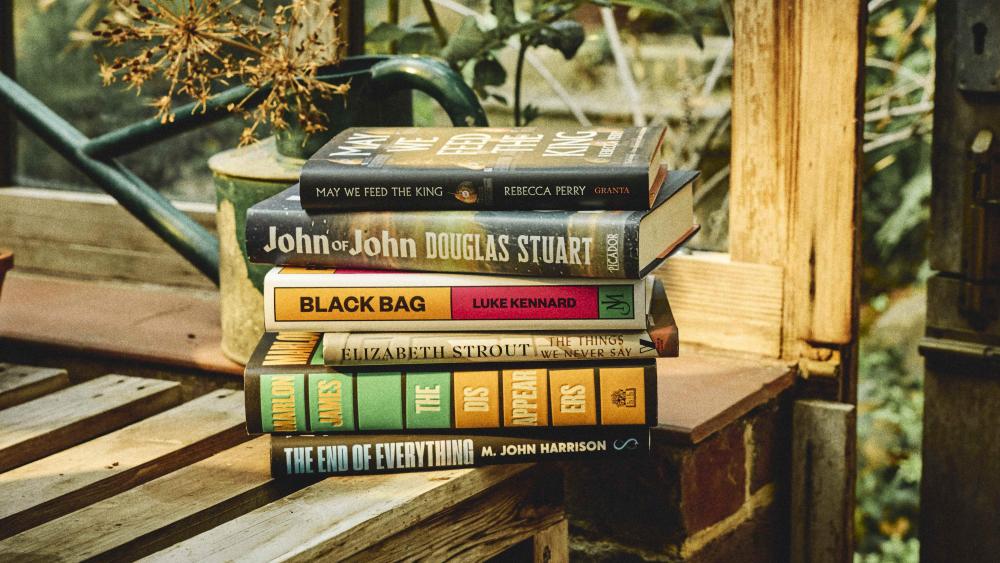
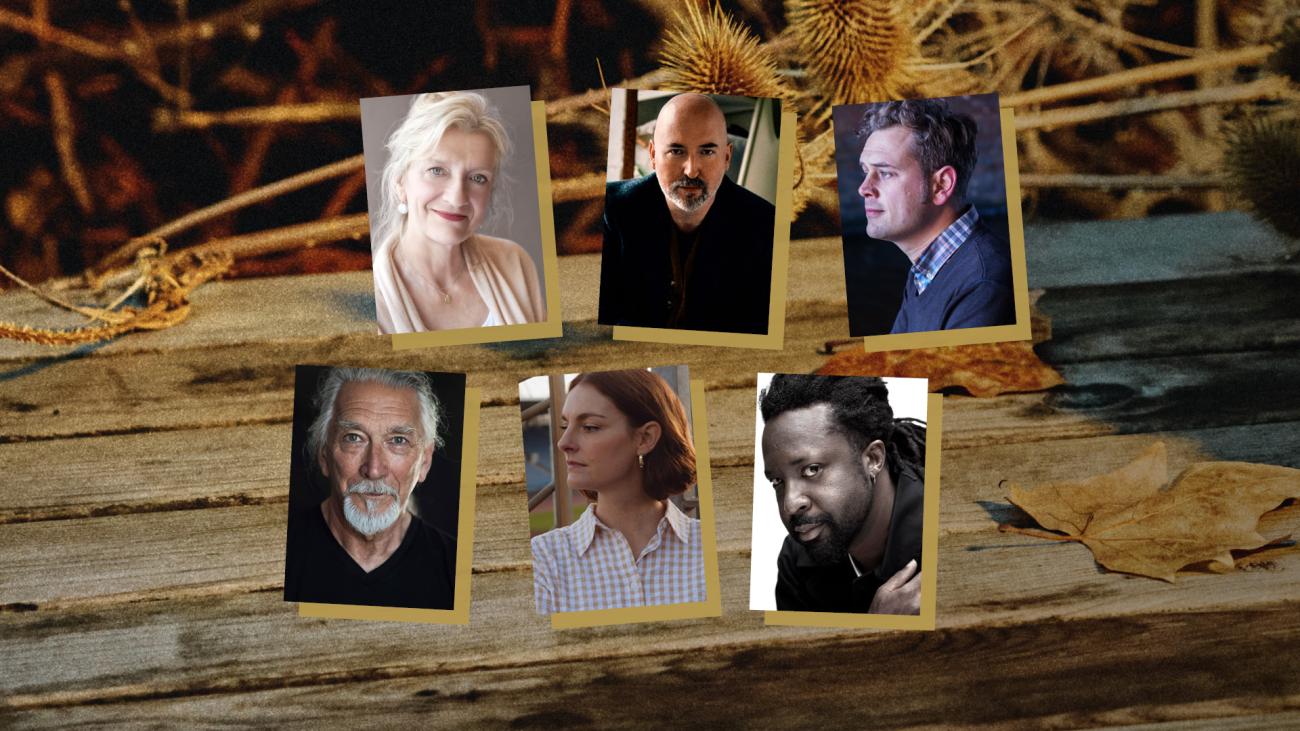
The Booker Prize 2026 shortlist
© Yuki Sugiura for Booker Prize Foundation


The origins of the prize
The Booker Prize was first awarded in 1969. Its aim was to stimulate the reading and discussion of contemporary fiction.
The publishers Tom Maschler and Graham C Greene, who came up with the idea for the prize, found a backer in Booker McConnell, a conglomerate with a significant long-term presence in Guyana. The company had recently acquired a commercial interest in literary estates.
Ian Fleming, a good friend and golfing partner of Booker Chairman Jock Campbell, had died in 1964. Before he did, Campbell established an ‘authors’ division’ within Booker, and bought (for £100,000) a 51 per cent share in the profits from worldwide royalties on Fleming’s books. The Booker Authors’ Division would go on to acquire the copyrights of Agatha Christie, Georgette Heyer and Harold Pinter, among others.
Thus a prize for writers and readers of the Commonwealth – not just Britain – was born. In 1969, the inaugural Booker Prize was awarded to P.H. Newby for his novel Something to Answer For. Thirty years later, Booker Chairman Michael Caine would write that ‘The Booker Prize can trace its origin, through quirks of history and the imaginativeness of one individual, to James Bond and the attainment of political freedom in Guyana’. (Guyana had gained independence in 1966.)
The life of the Booker Prize over the past half-century has exceeded the imaginings of its founders several times over. The BBC first televised the prize ceremony in 1976, and the level of conversation, competition and controversy increased exponentially in the years that followed.
In 2014, the prize was opened up to writers of any nationality, as long as their books were written in English and published in the UK or Ireland.

P.H. Newby, photographed in Cairo, Egypt
© Madame Hassia / Courtesy P.H. Newby Literary Estate
Previous winners of the Booker Prize

Flesh
by David Szalay (prize winner)
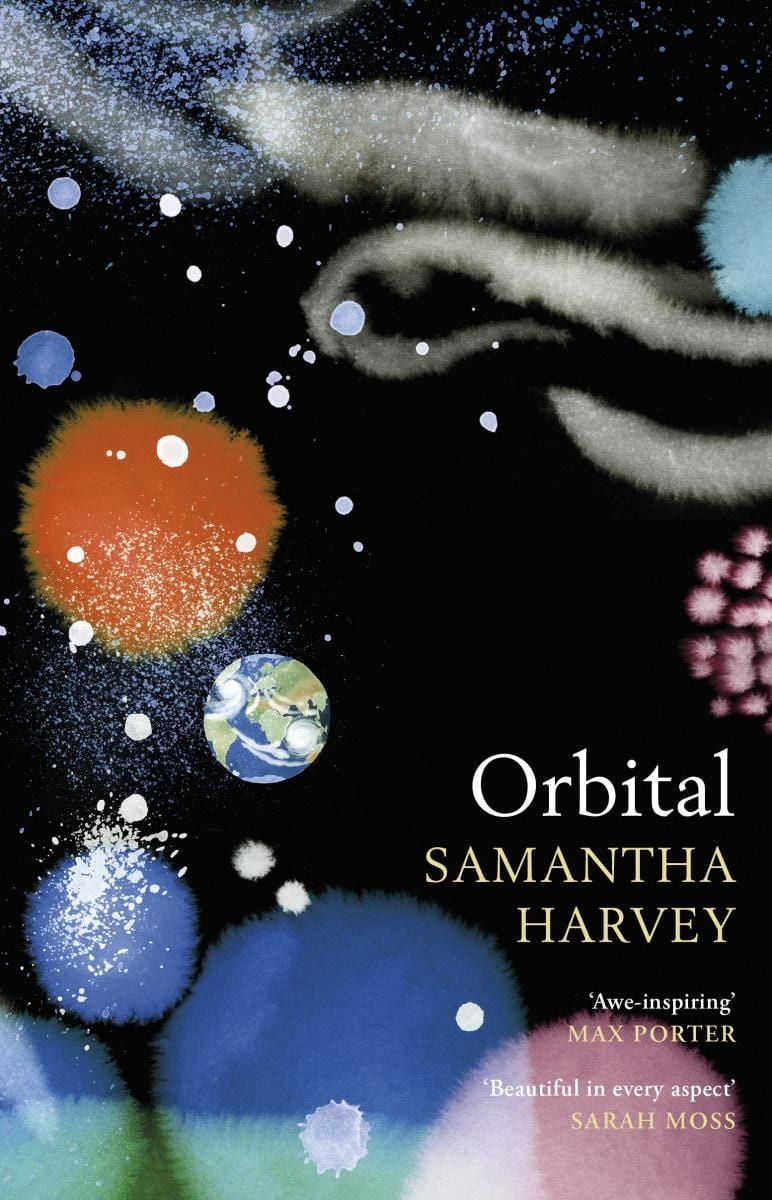
Orbital
by Samantha Harvey (prize winner)
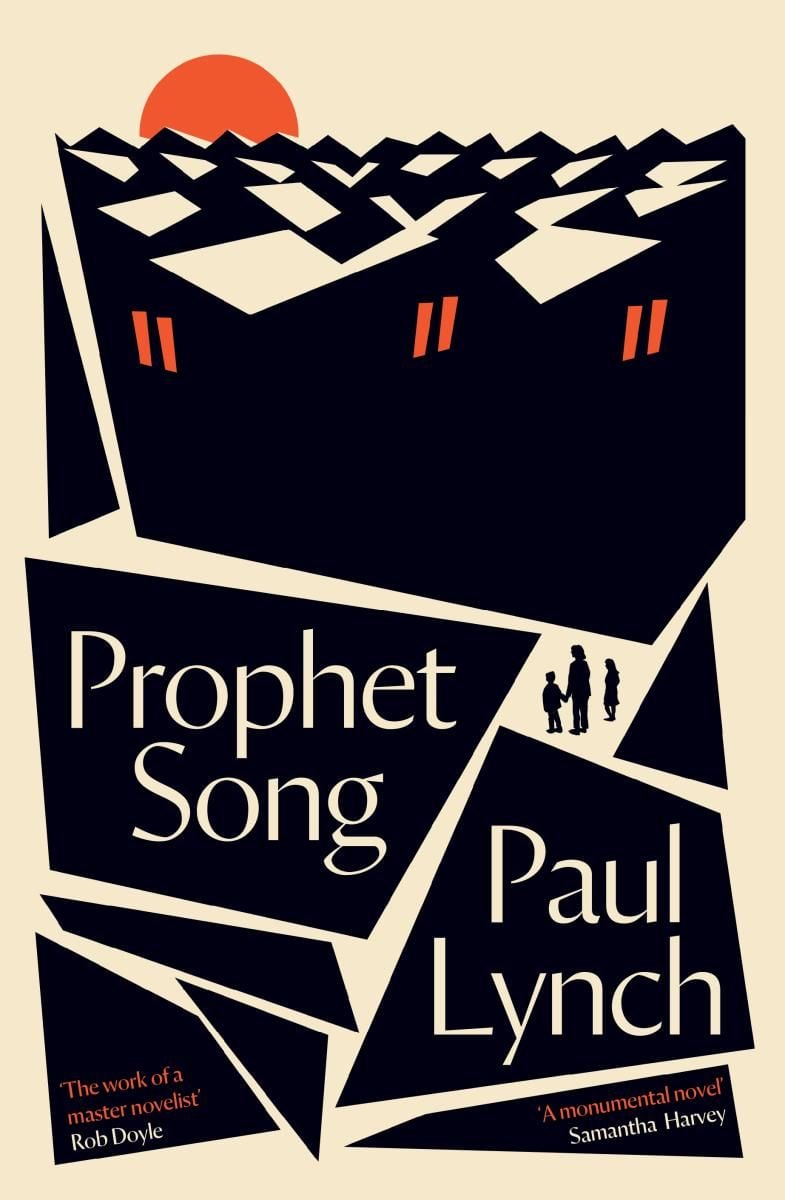
Prophet Song
by Paul Lynch (prize winner)
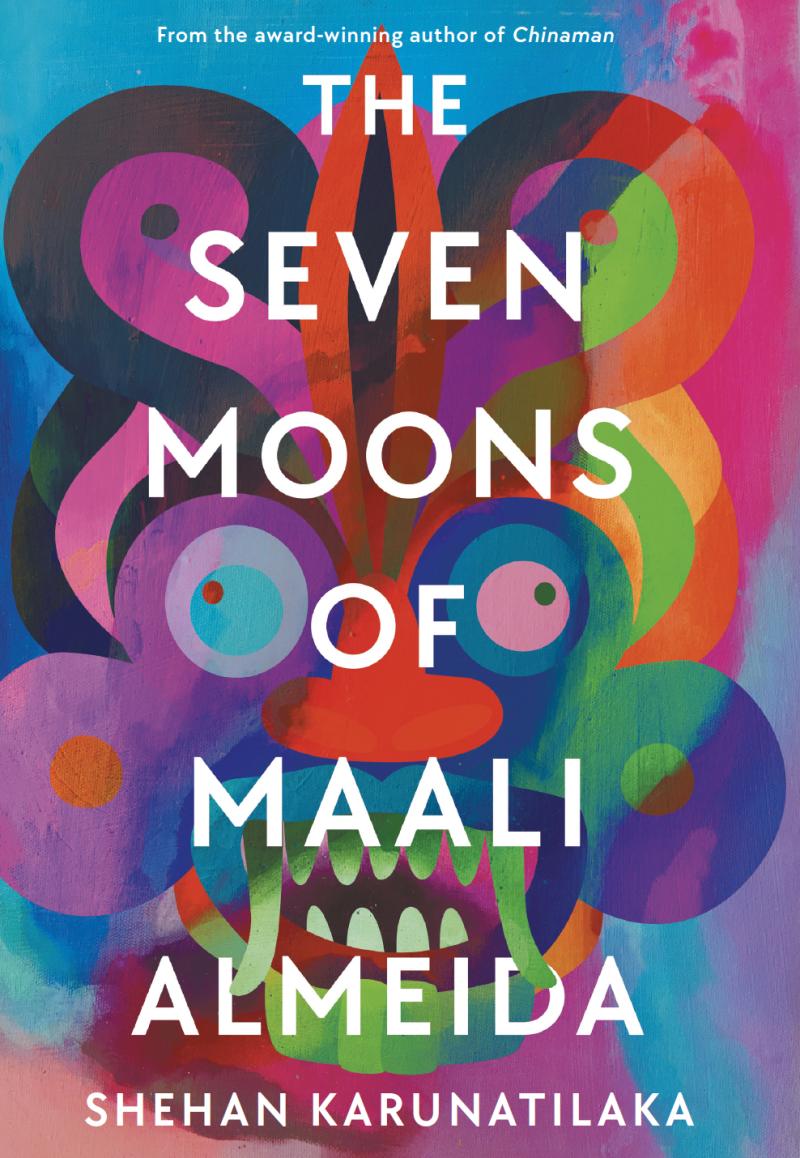
The Seven Moons of Maali Almeida
by Shehan Karunatilaka (prize winner)
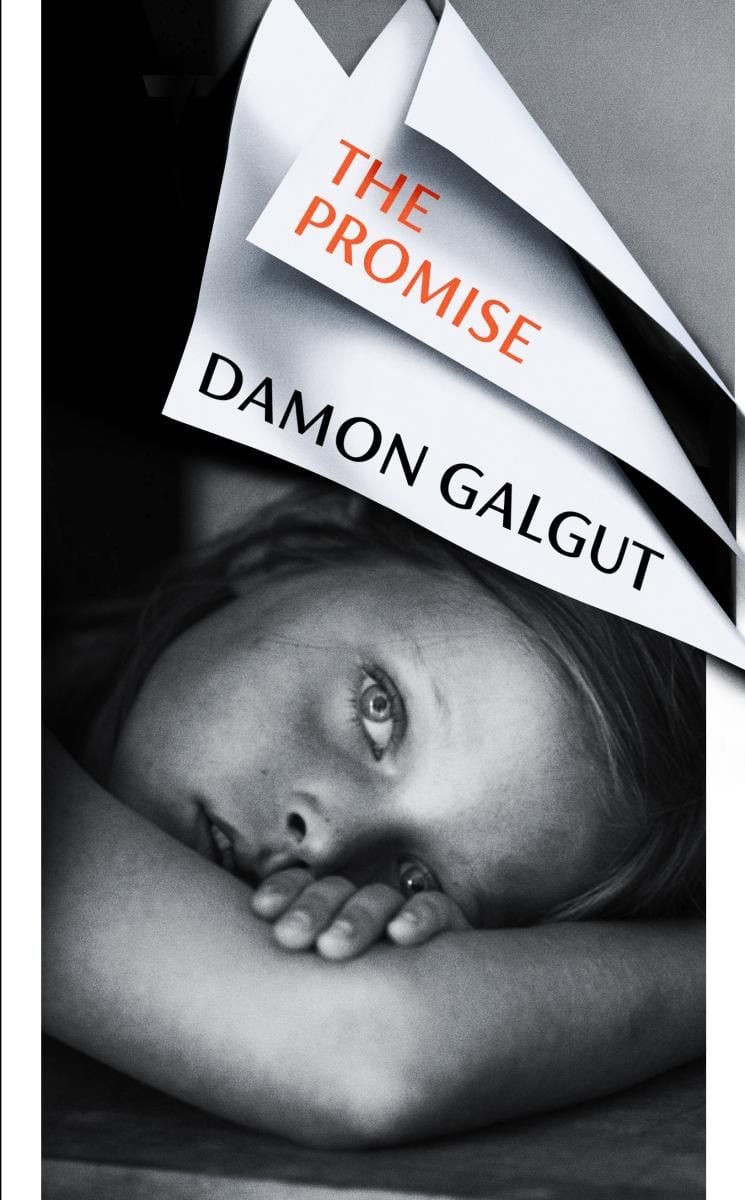
The Promise
by Damon Galgut (prize winner)
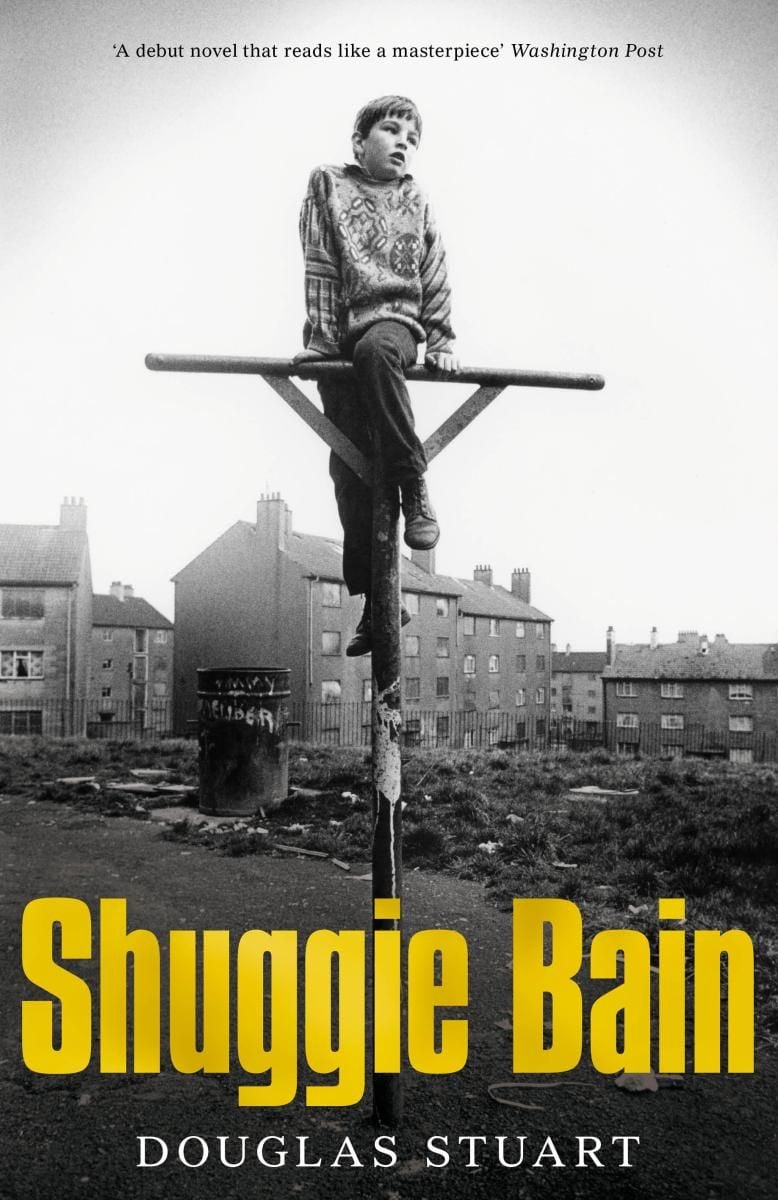
Shuggie Bain
by Douglas Stuart (prize winner)
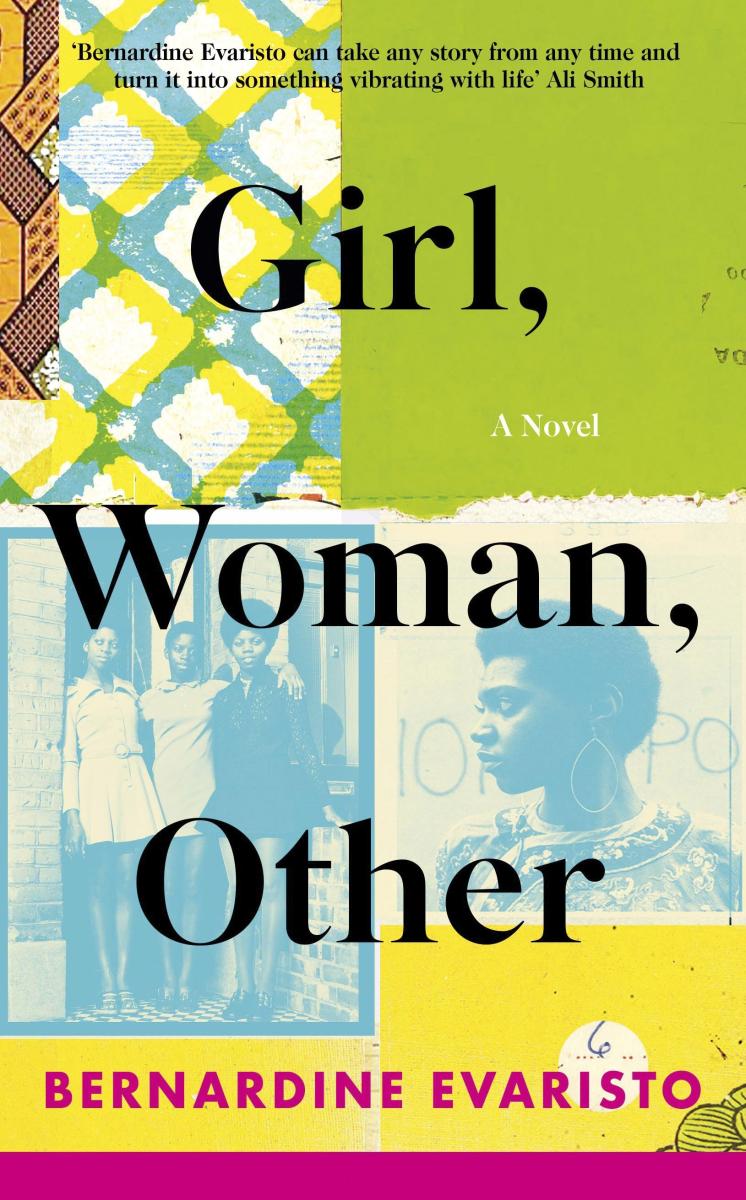
Girl, Woman, Other
by Bernardine Evaristo (prize winner)
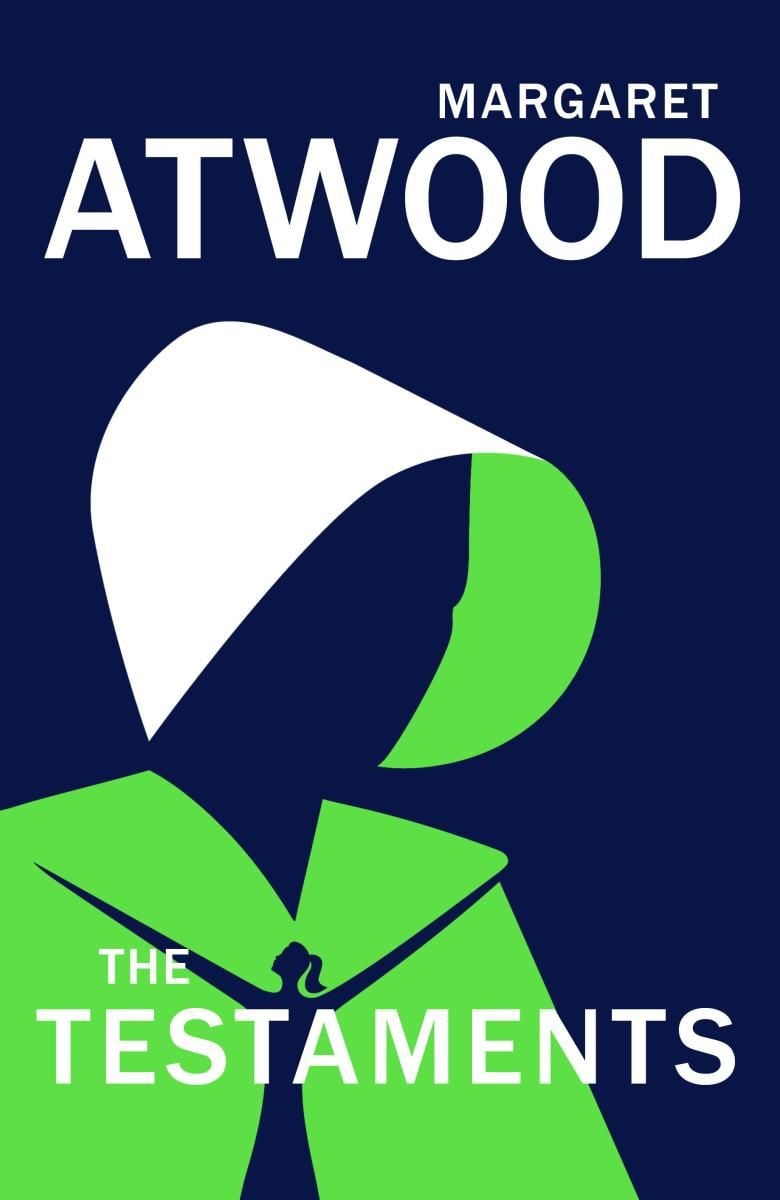
The Testaments
by Margaret Atwood (prize winner)
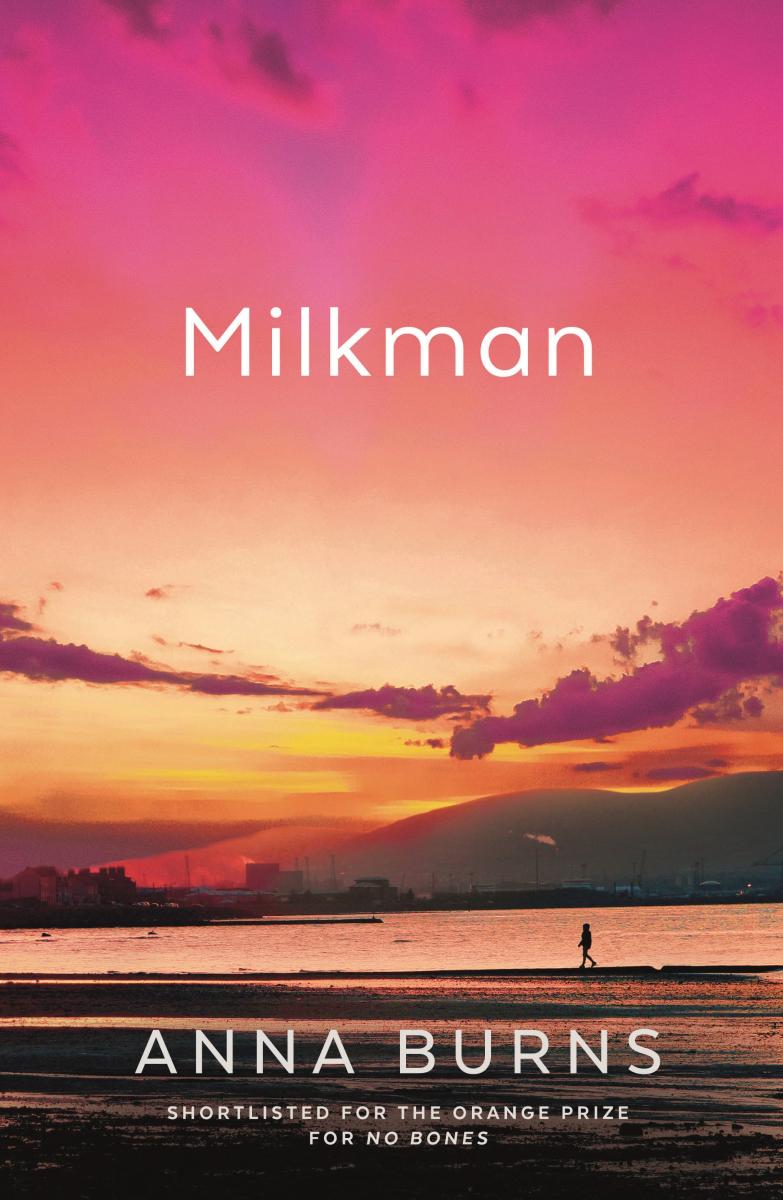
Milkman
by Anna Burns (prize winner)
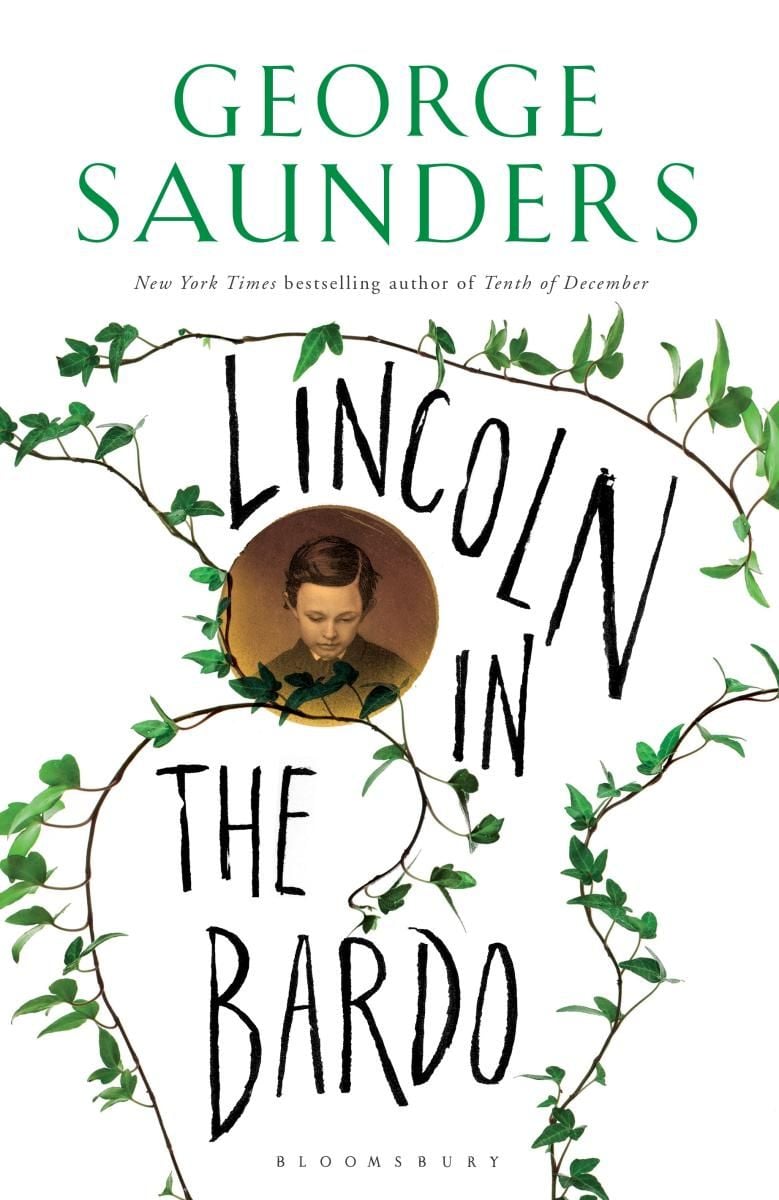
Lincoln in the Bardo
by George Saunders (prize winner)
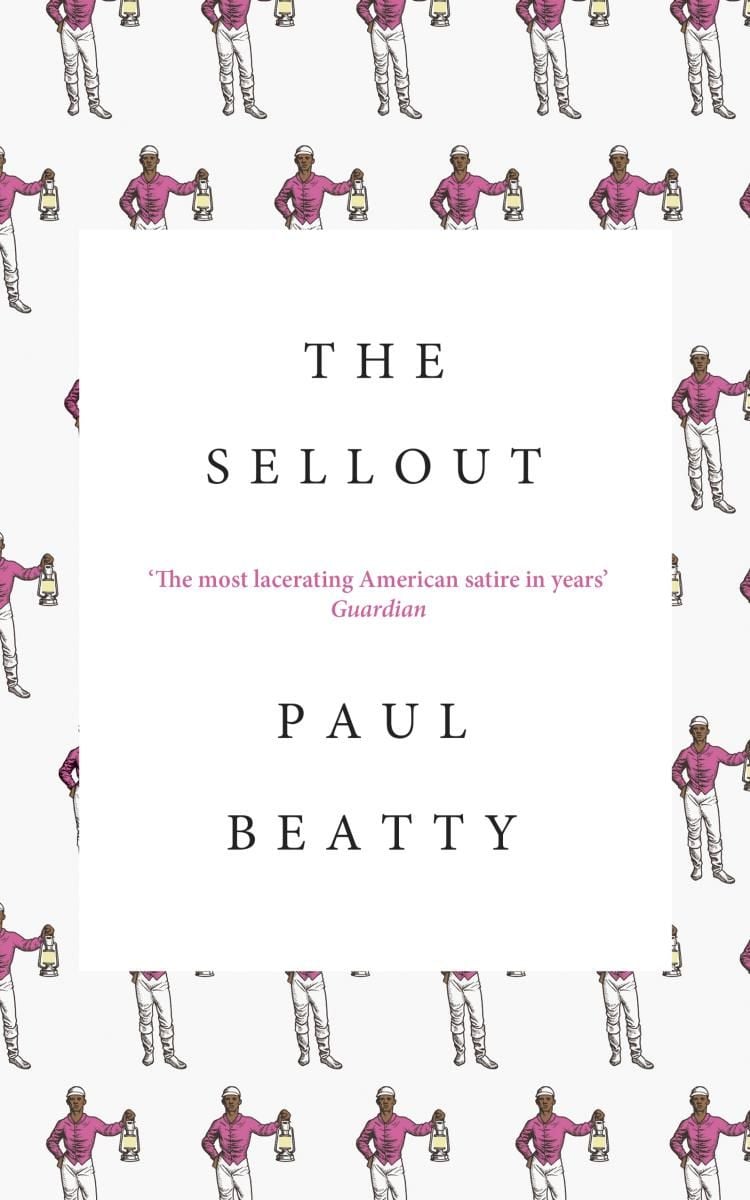
The Sellout
by Paul Beatty (prize winner)
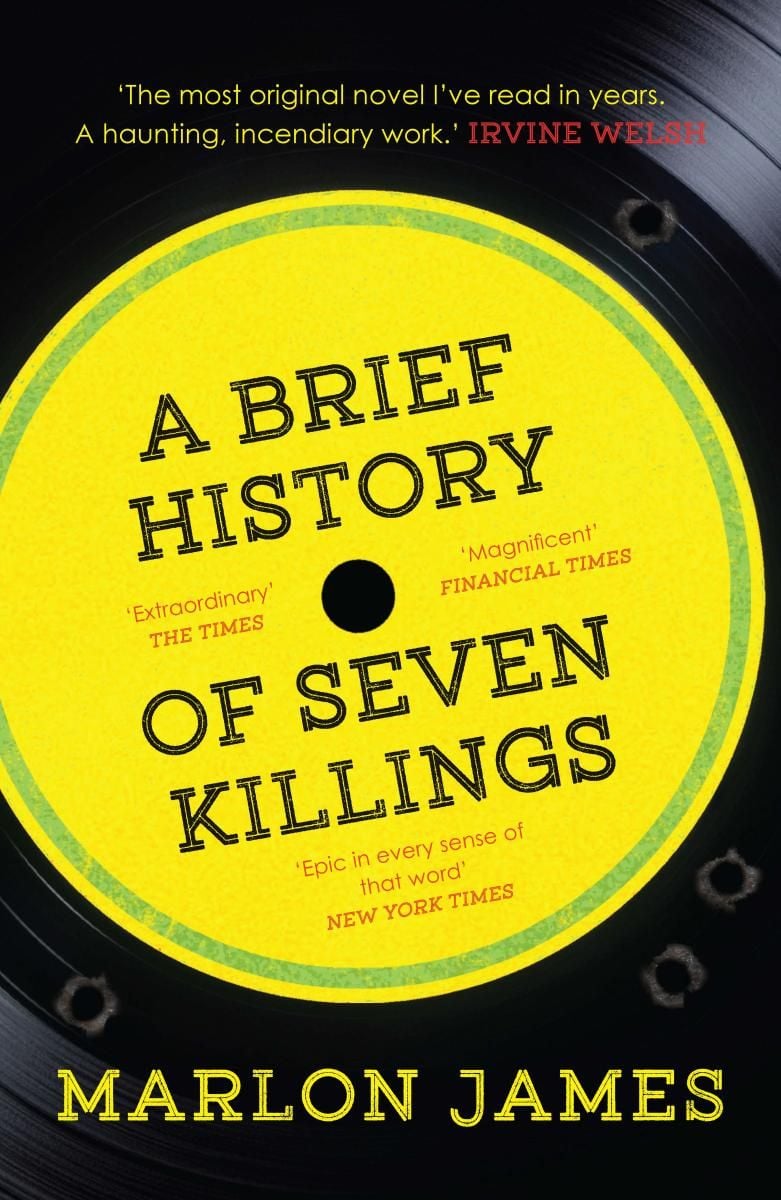
A Brief History of Seven Killings
by Marlon James (prize winner)
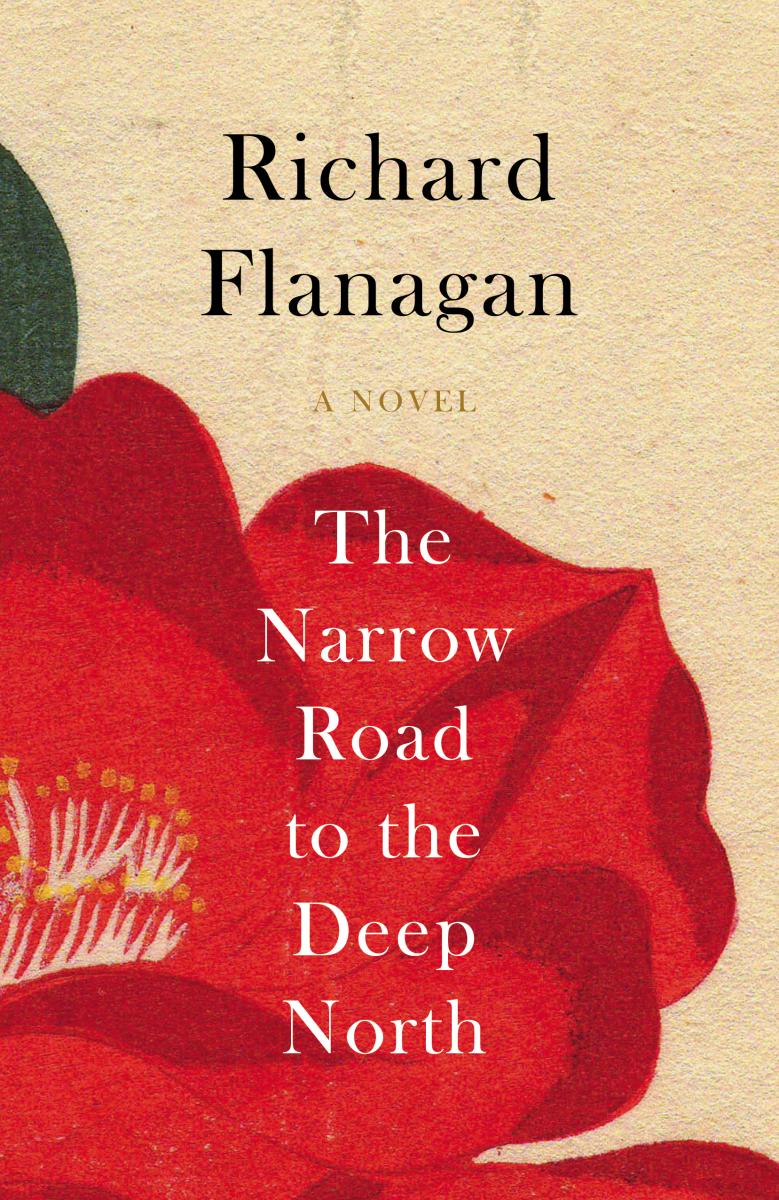
The Narrow Road to the Deep North
by Richard Flanagan (prize winner)
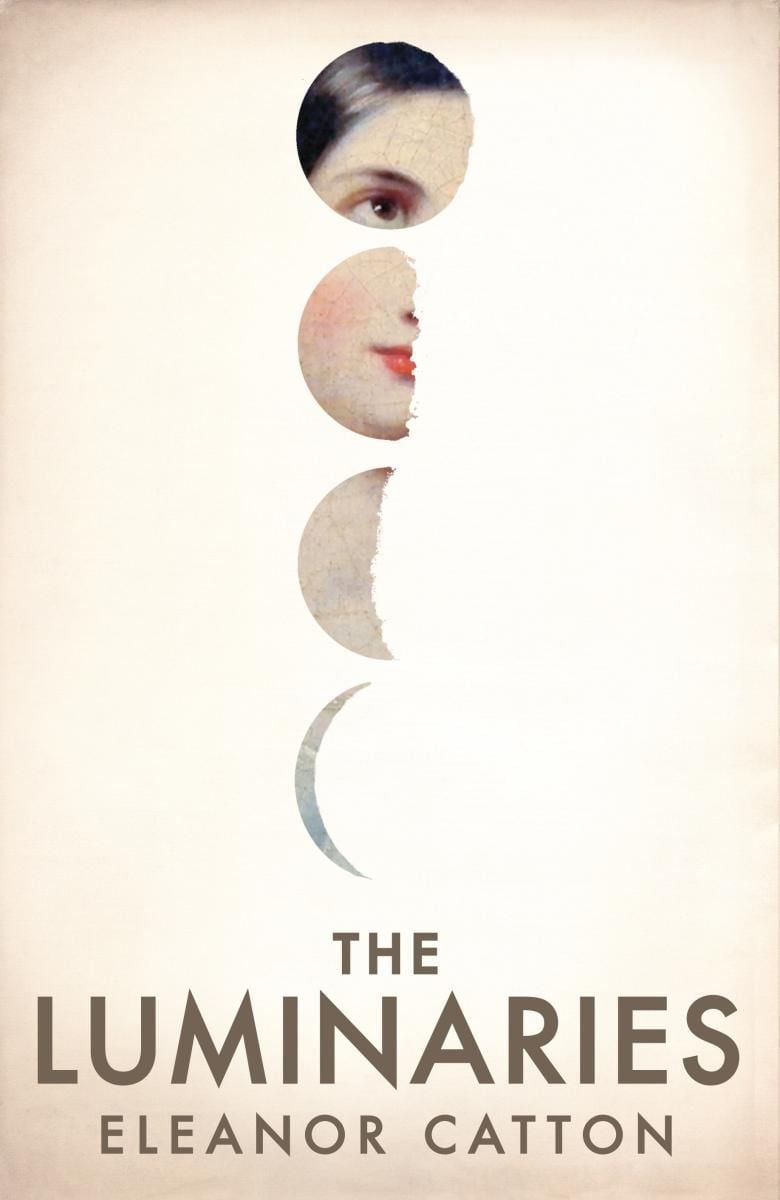
The Luminaries
by Eleanor Catton (prize winner)

Bring Up the Bodies
by Hilary Mantel (prize winner)
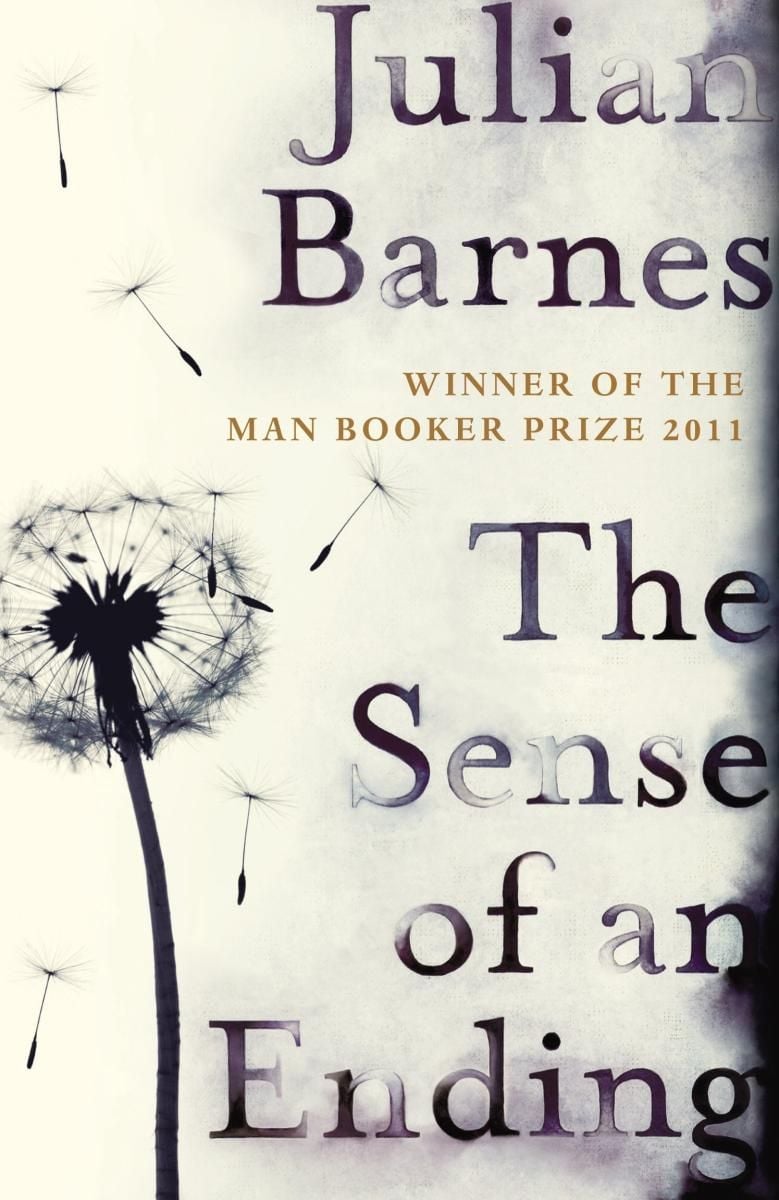
The Sense of an Ending
by Julian Barnes (prize winner)
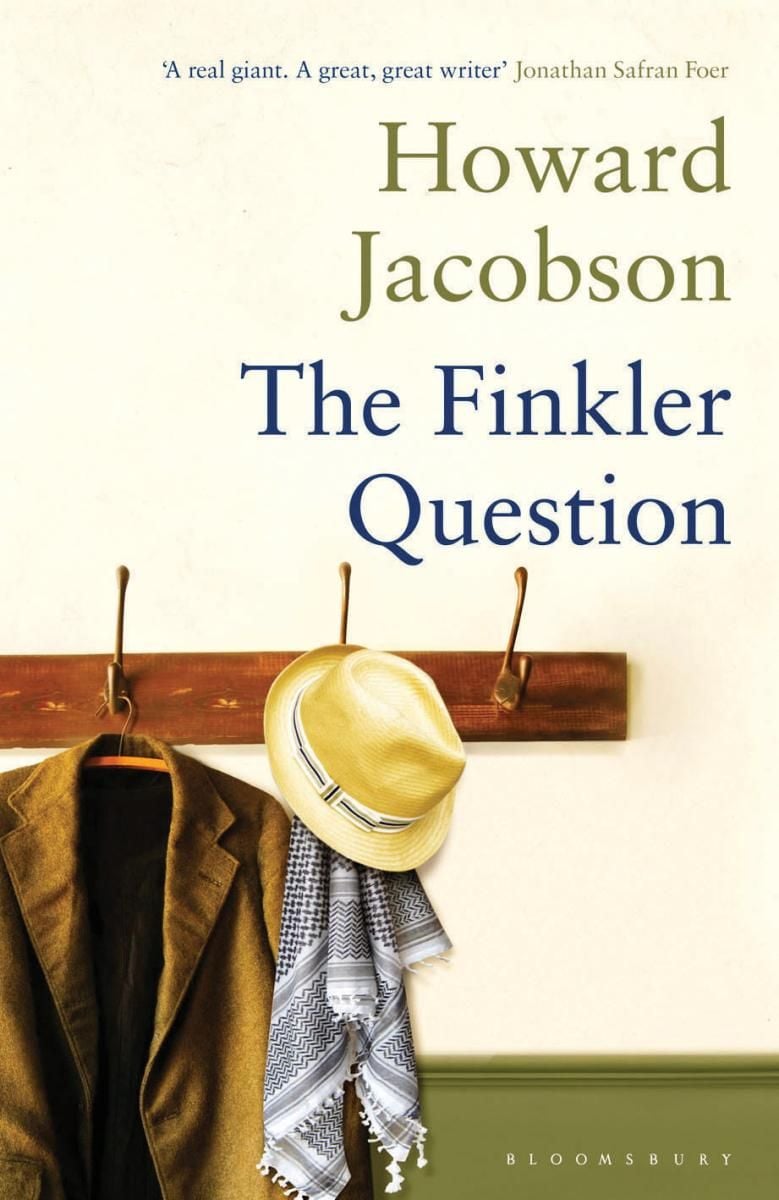
The Finkler Question
by Howard Jacobson (prize winner)
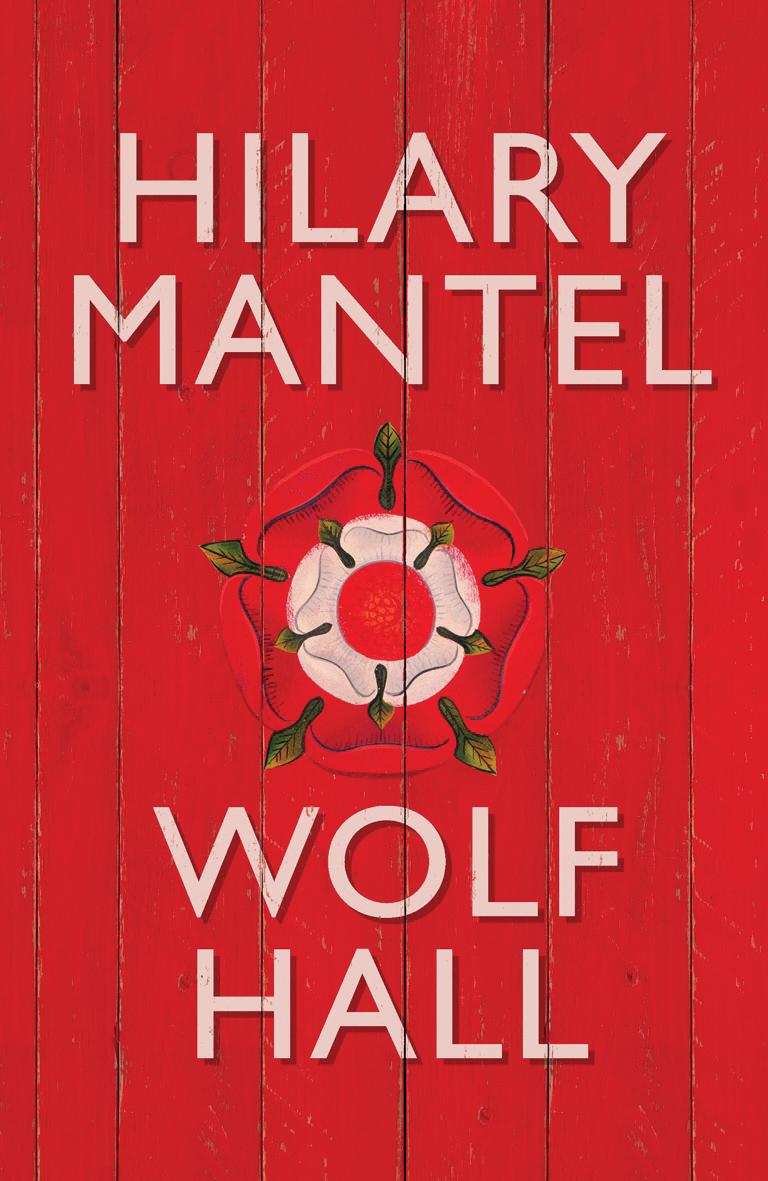
Wolf Hall
by Hilary Mantel (prize winner)
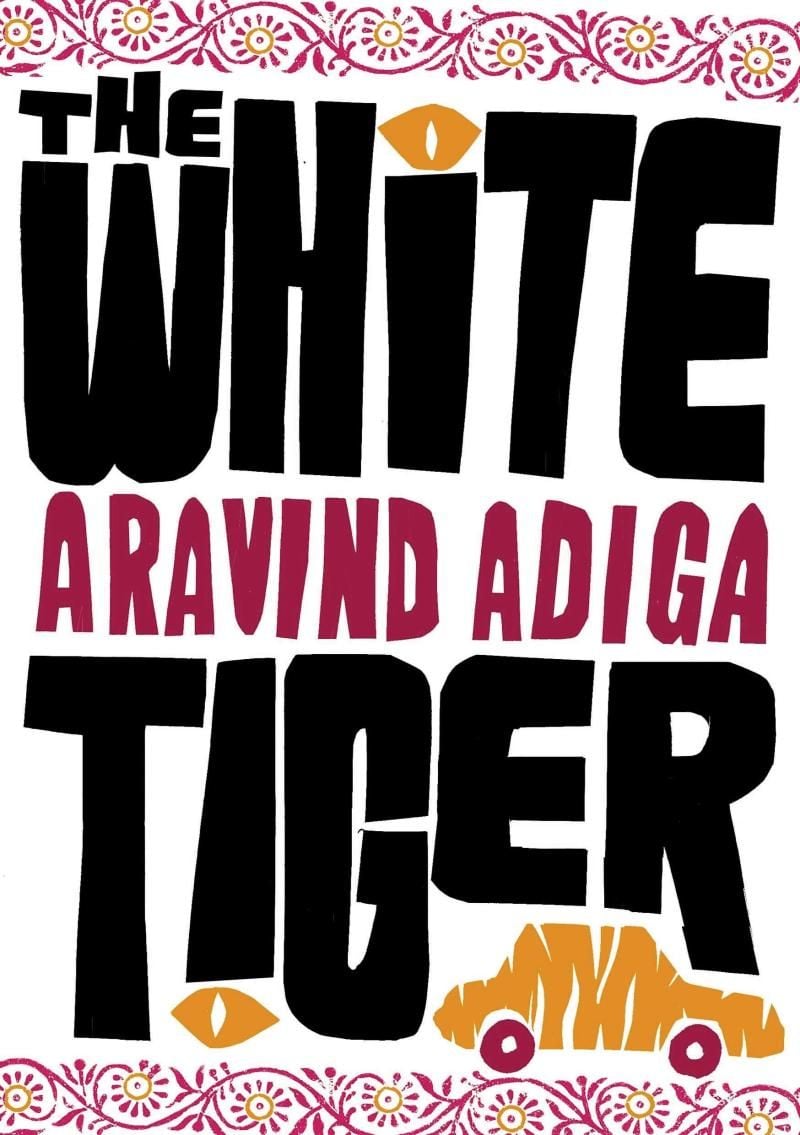
The White Tiger
by Aravind Adiga (prize winner)

The Gathering
by Anne Enright (prize winner)
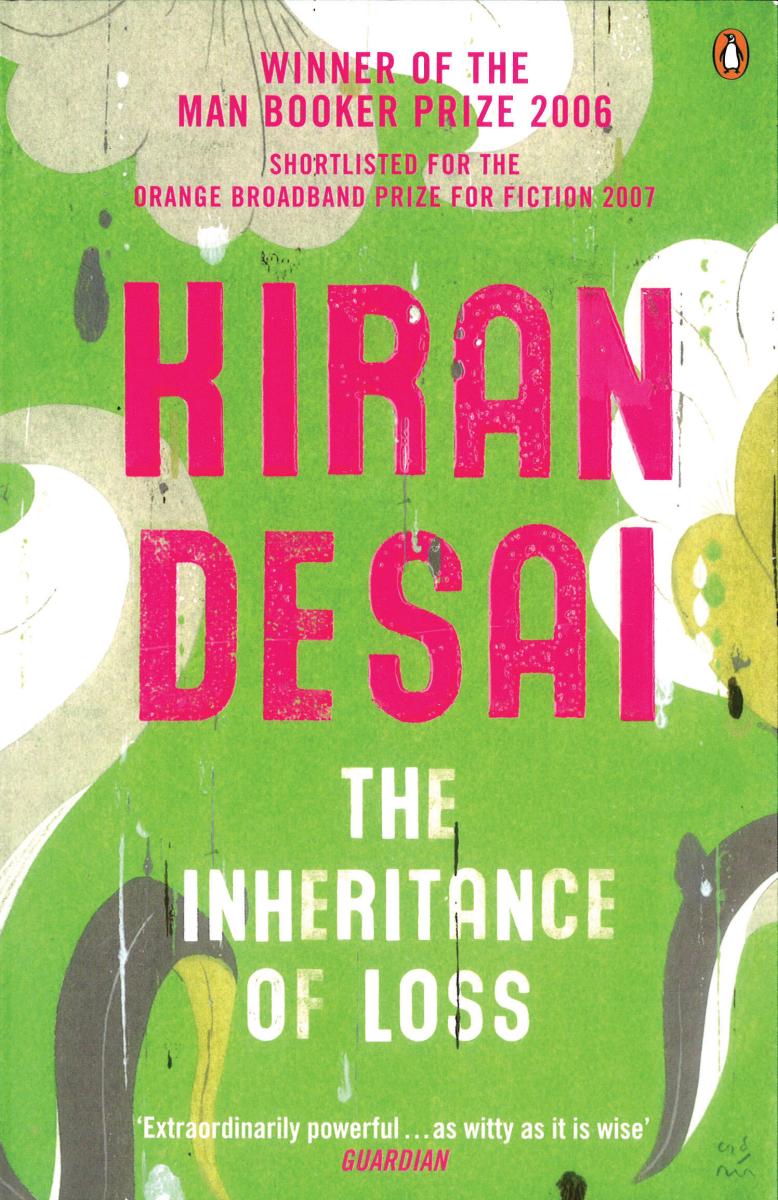
The Inheritance of Loss
by Kiran Desai (prize winner)
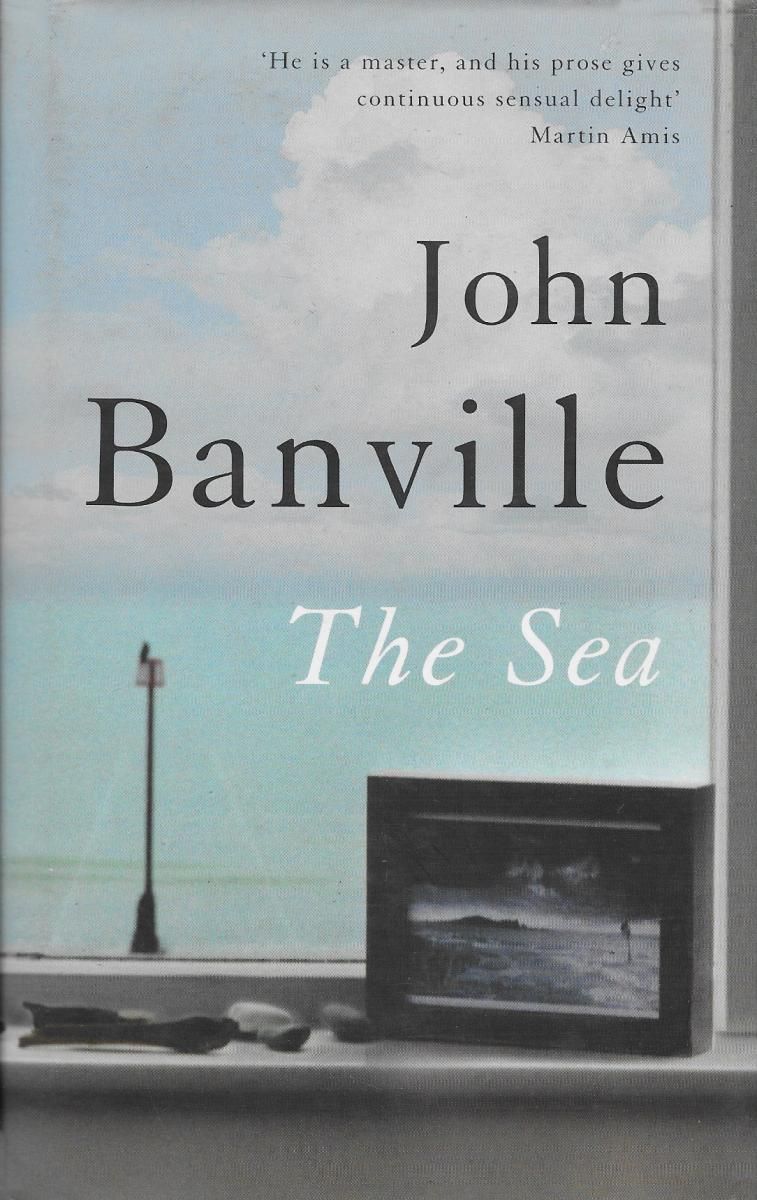
The Sea
by John Banville (prize winner)
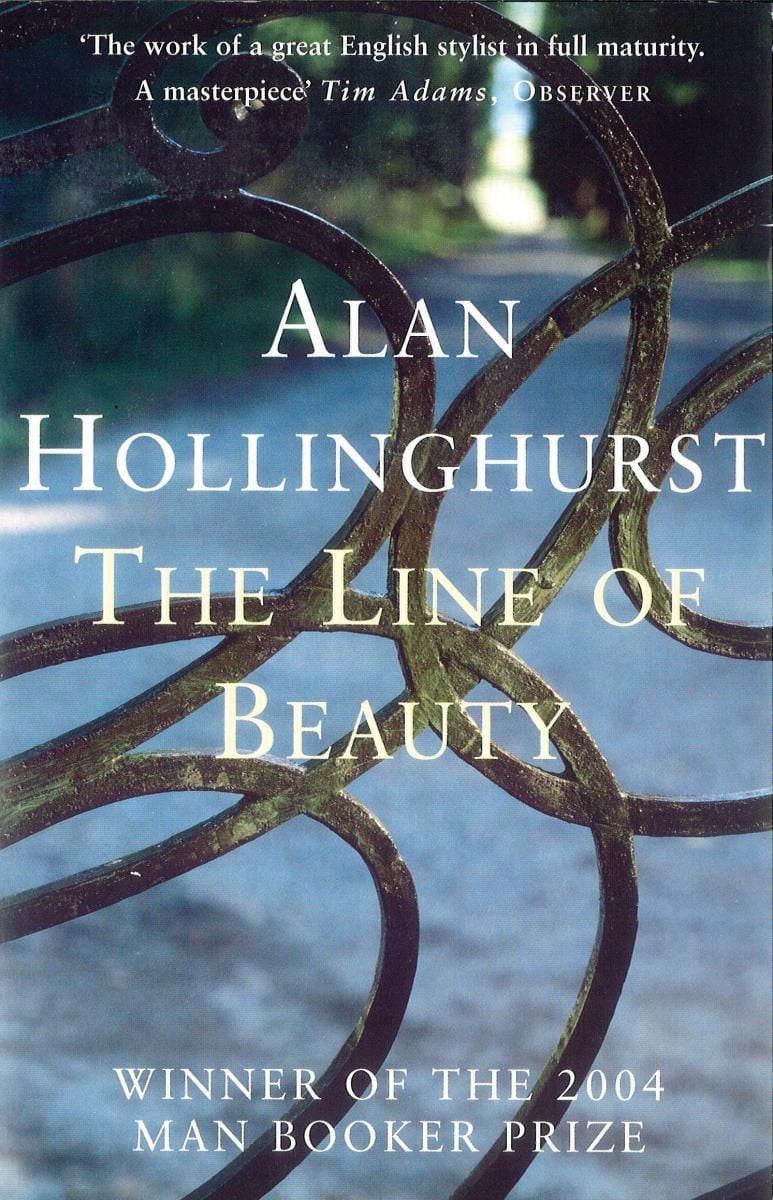
The Line of Beauty
by Alan Hollinghurst (prize winner)
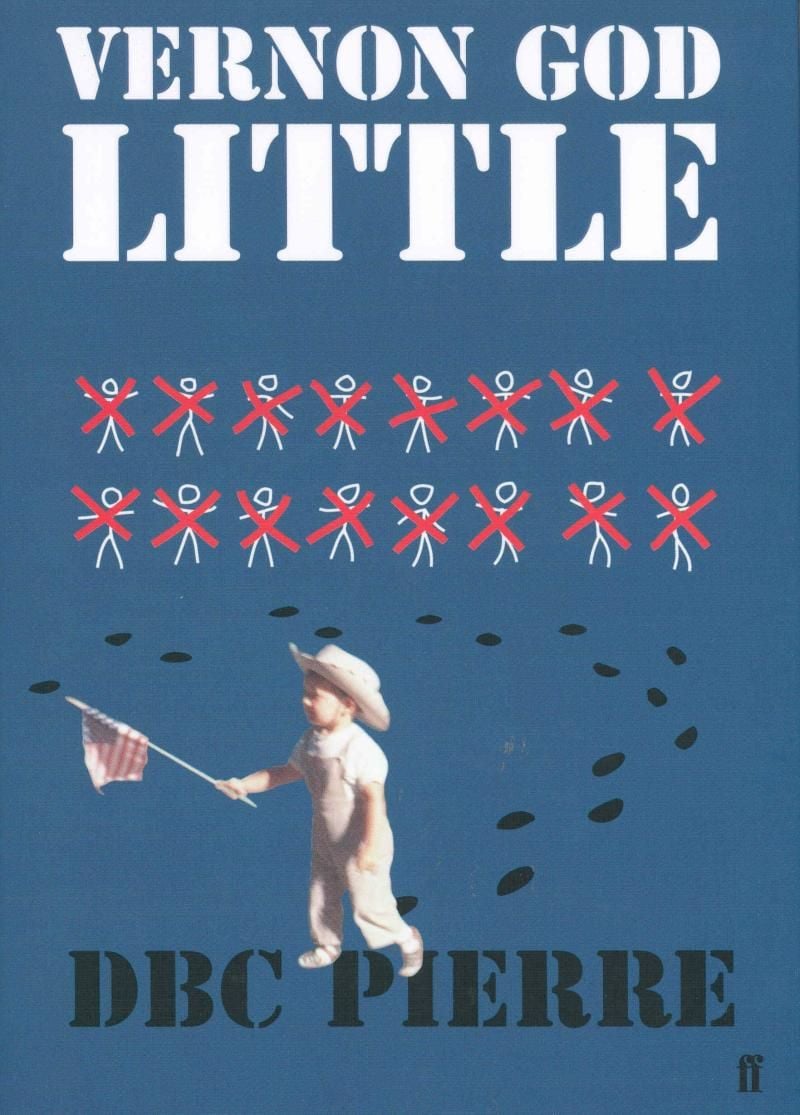
Vernon God Little
by DBC Pierre (prize winner)
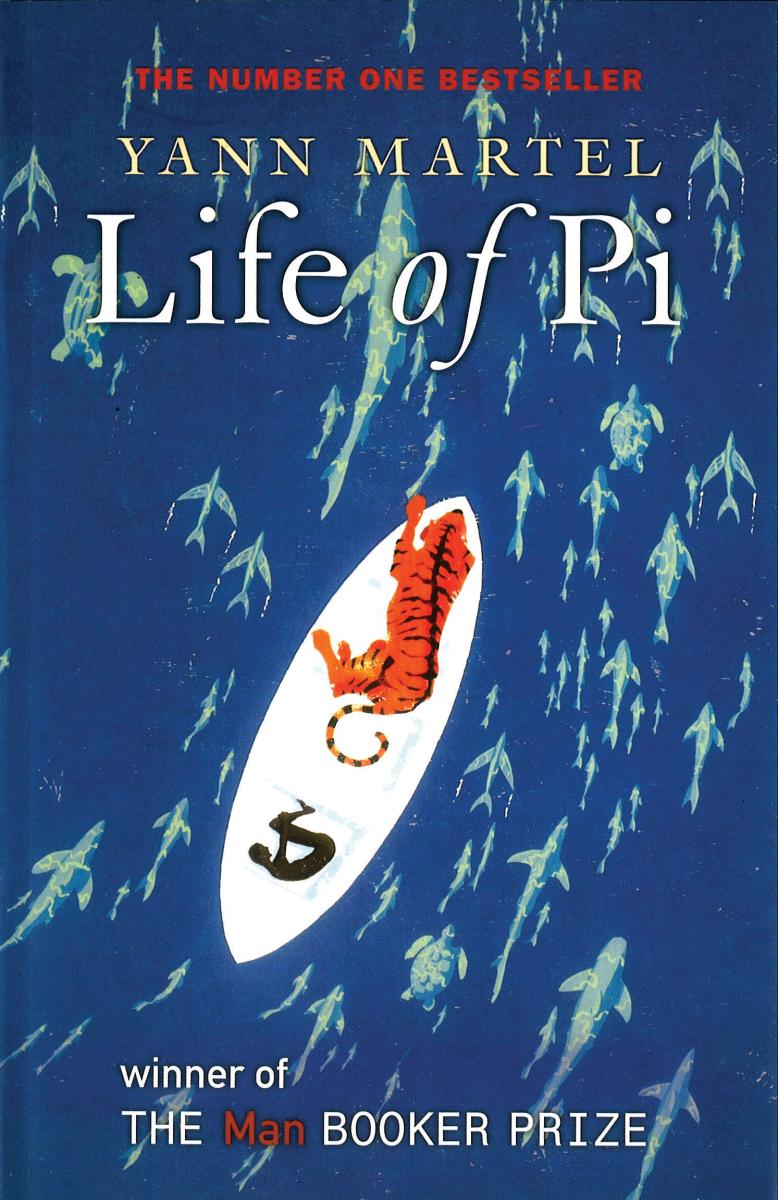
Life of Pi
by Yann Martel (prize winner)
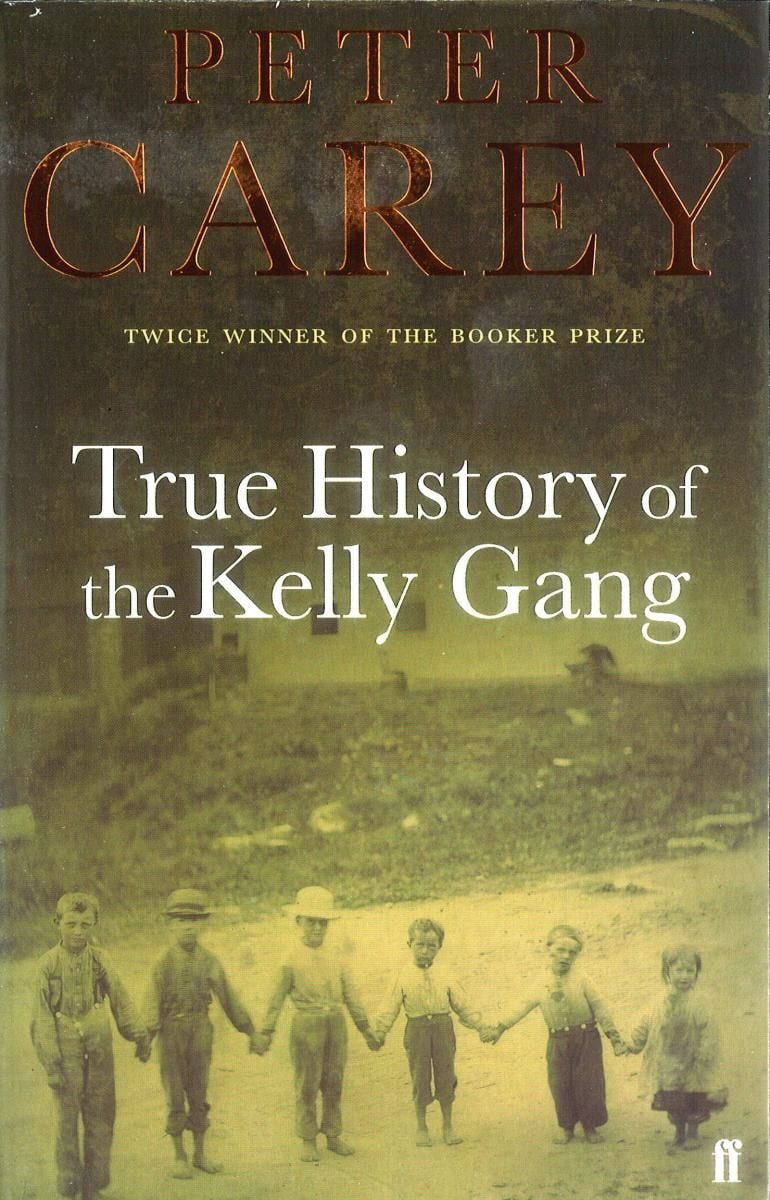
True History of the Kelly Gang
by Peter Carey (prize winner)
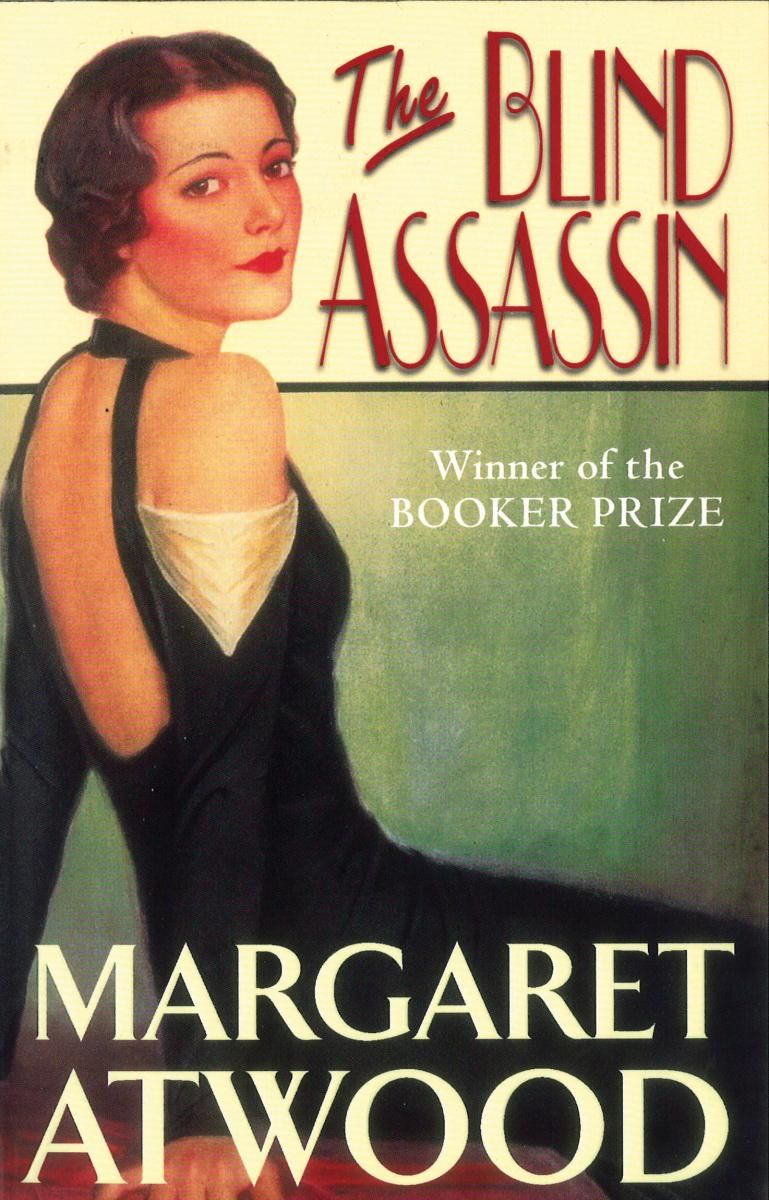
The Blind Assassin
by Margaret Atwood (prize winner)
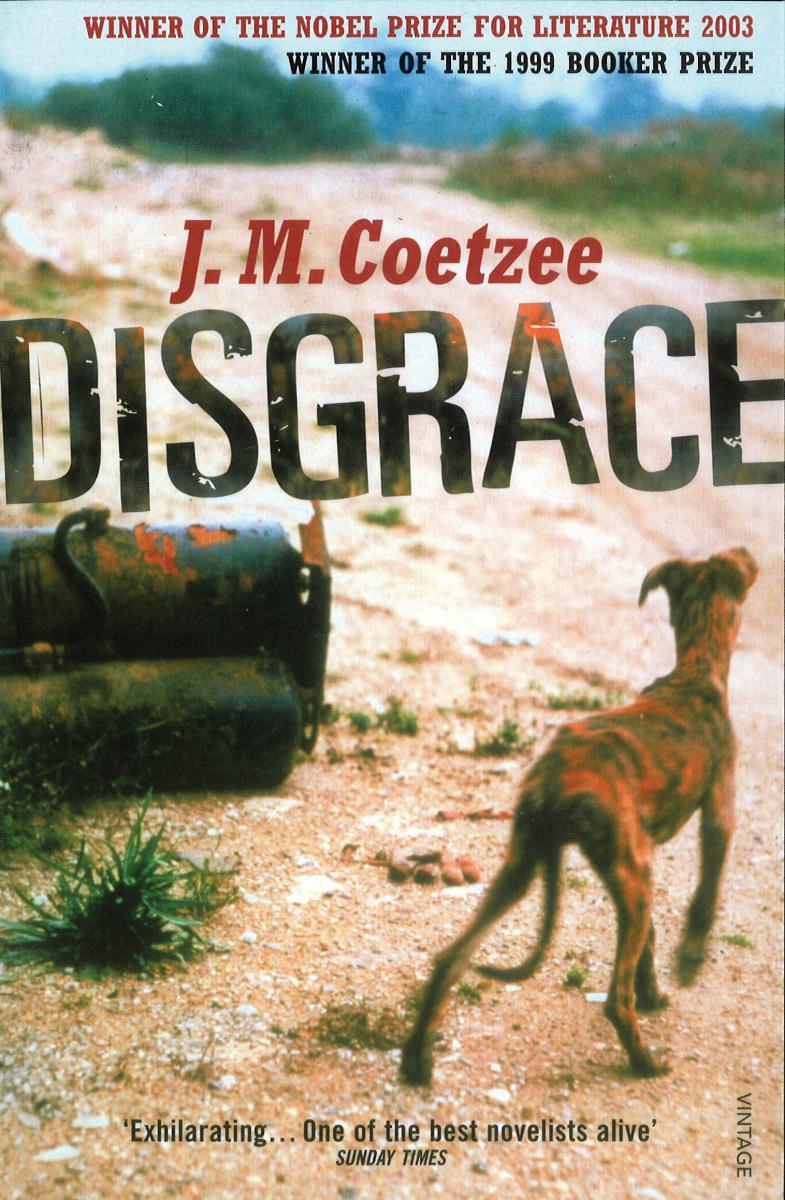
Disgrace
by J.M. Coetzee (prize winner)

Amsterdam
by Ian McEwan (prize winner)
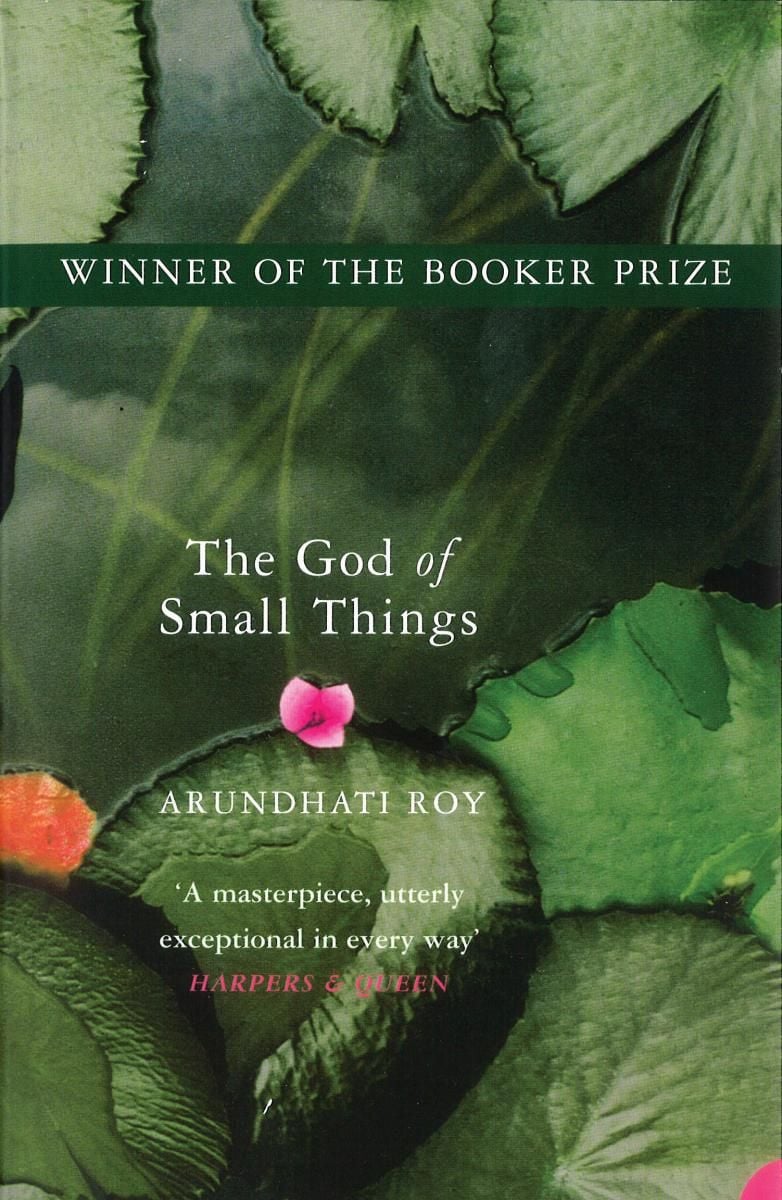
The God of Small Things
by Arundhati Roy (prize winner)
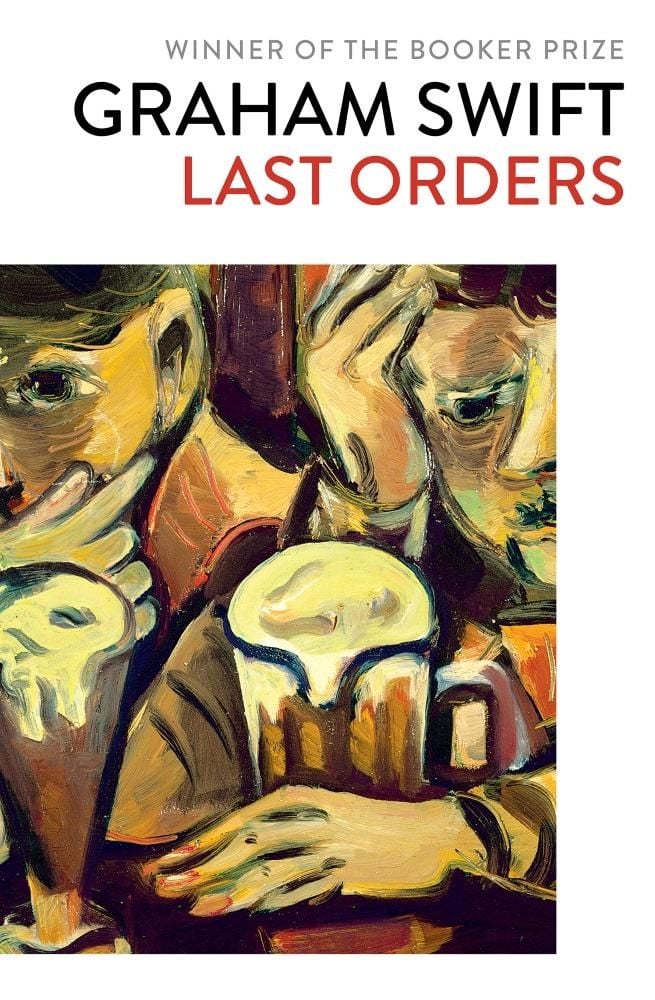
Last Orders
by Graham Swift (prize winner)
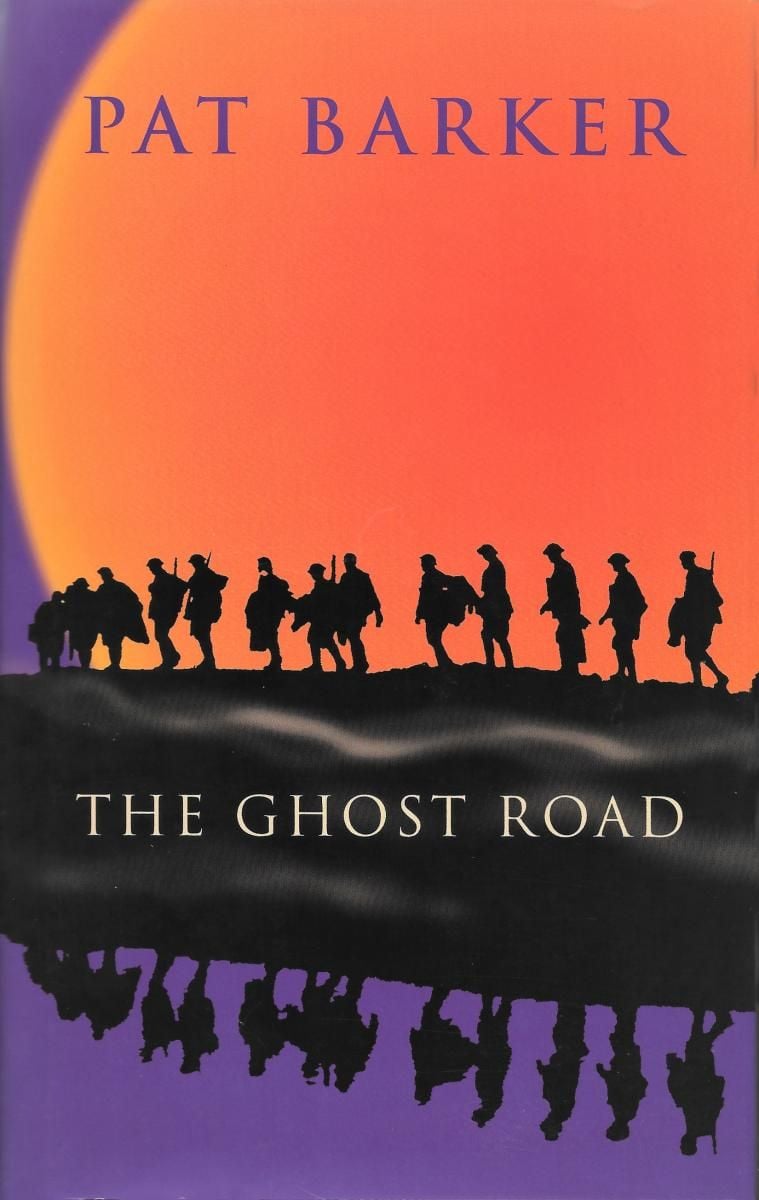
The Ghost Road
by Pat Barker (prize winner)

How Late It Was, How Late
by James Kelman (prize winner)
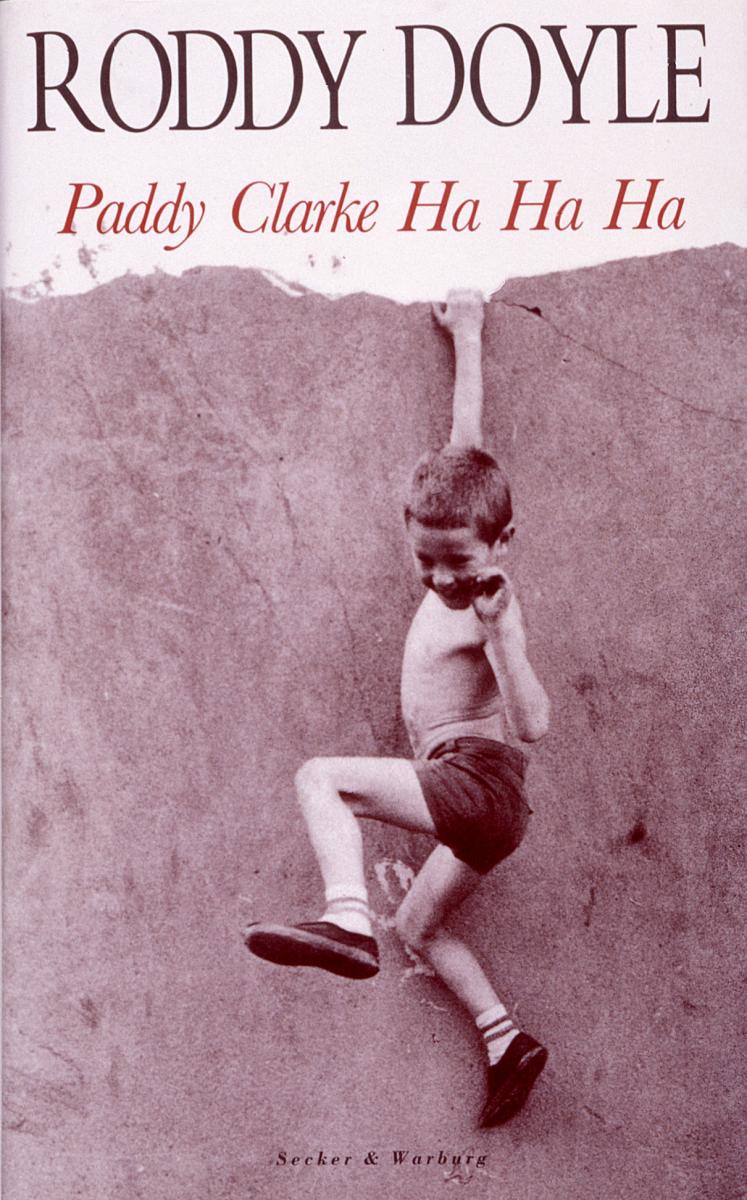
Paddy Clarke Ha Ha Ha
by Roddy Doyle (prize winner)
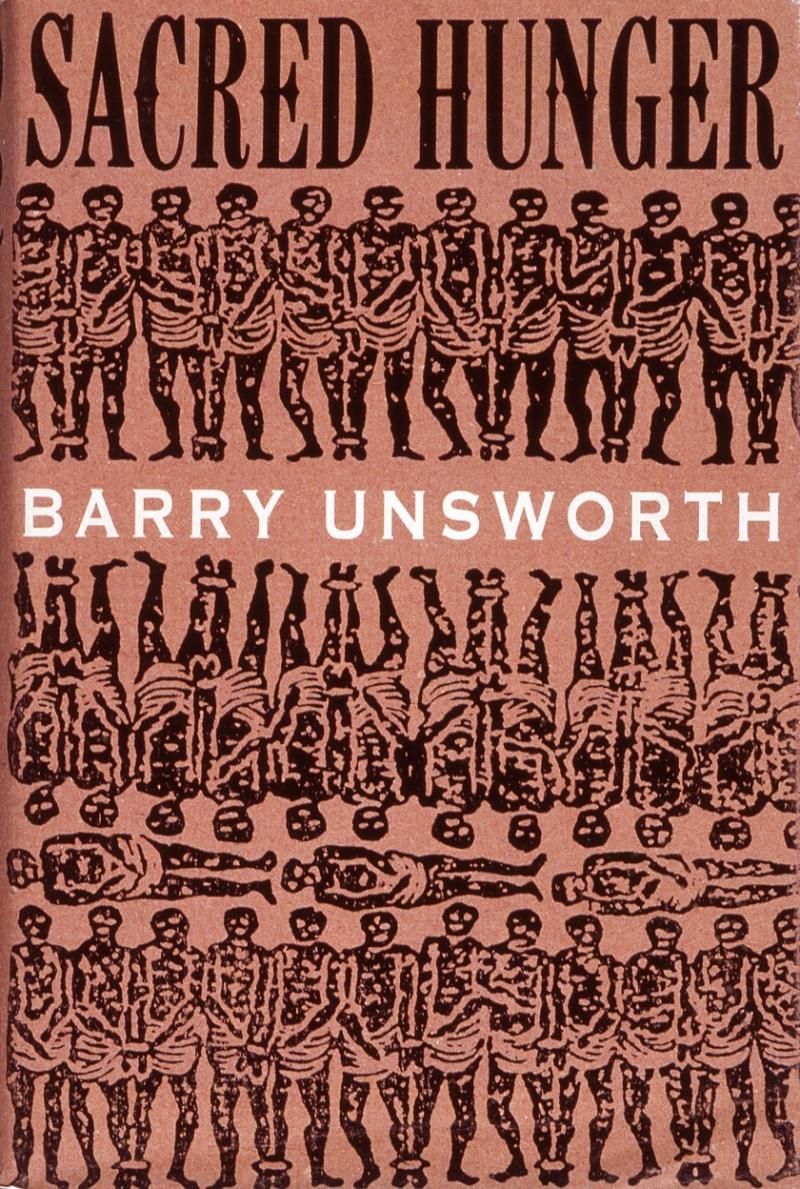
Sacred Hunger
by Barry Unsworth (prize winner)
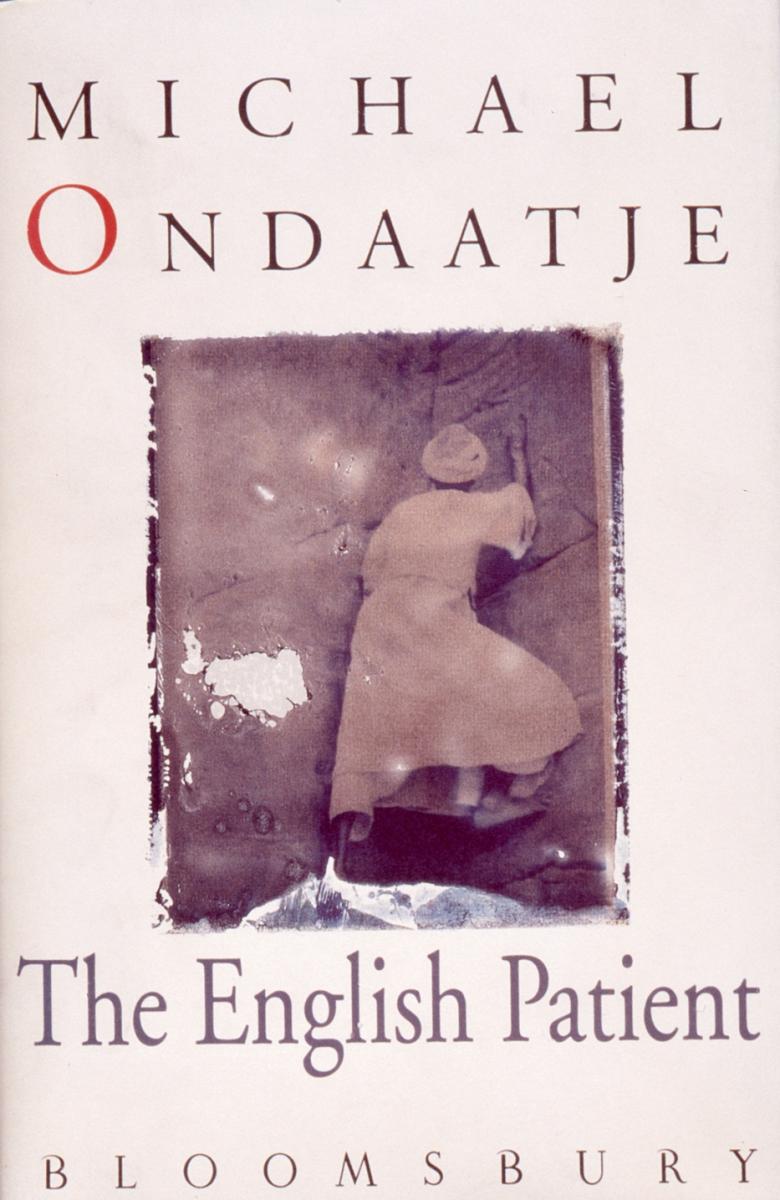
The English Patient
by Michael Ondaatje (prize winner)
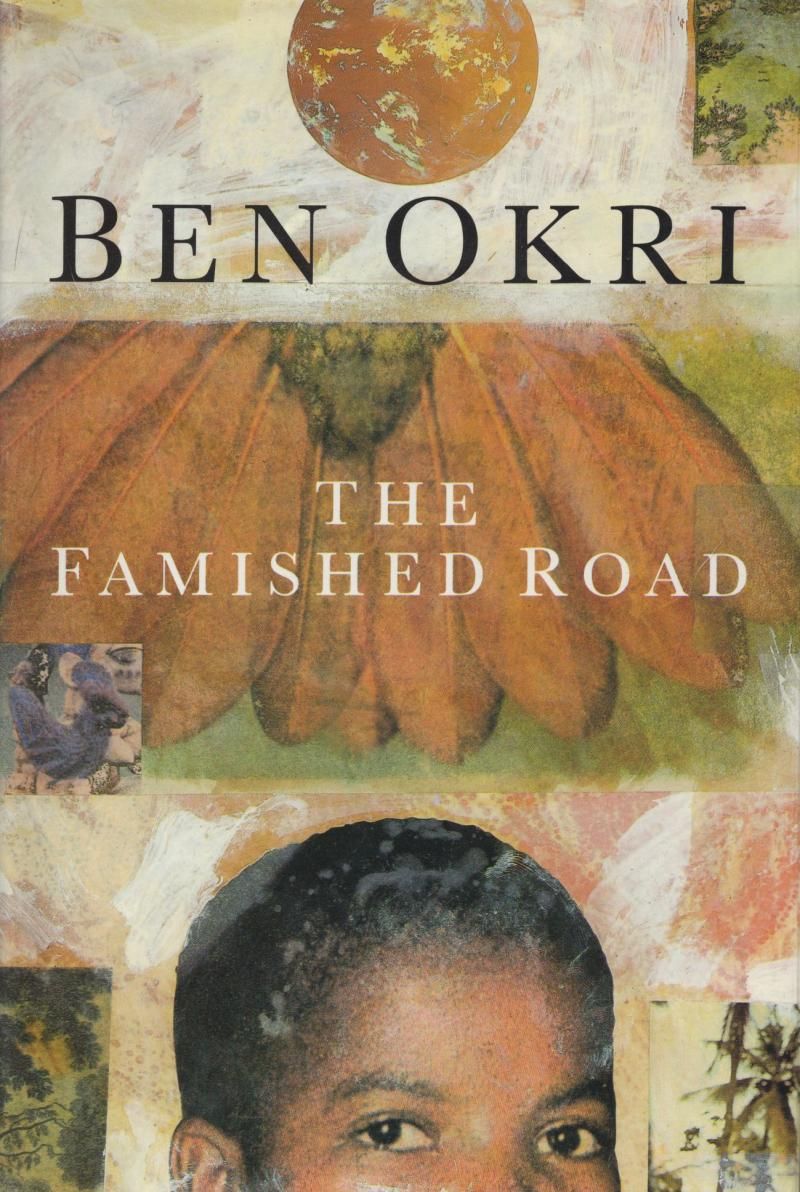
The Famished Road
by Ben Okri (prize winner)
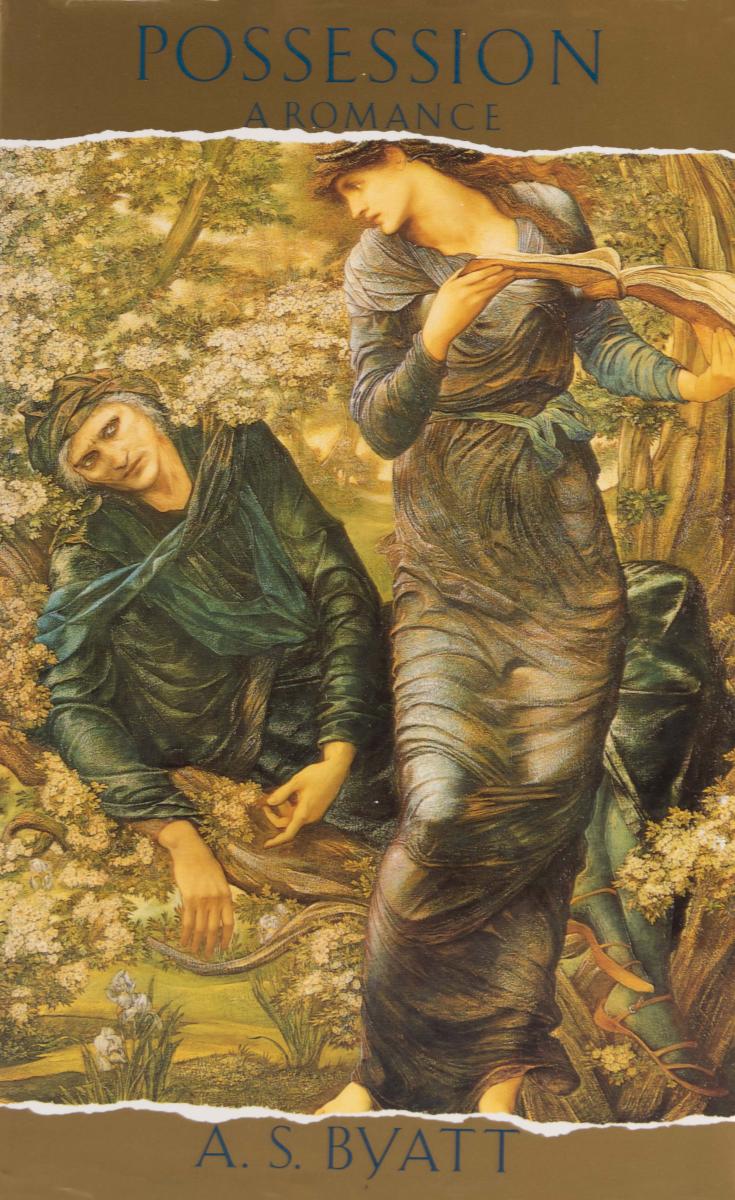
Possession
by A.S. Byatt (prize winner)
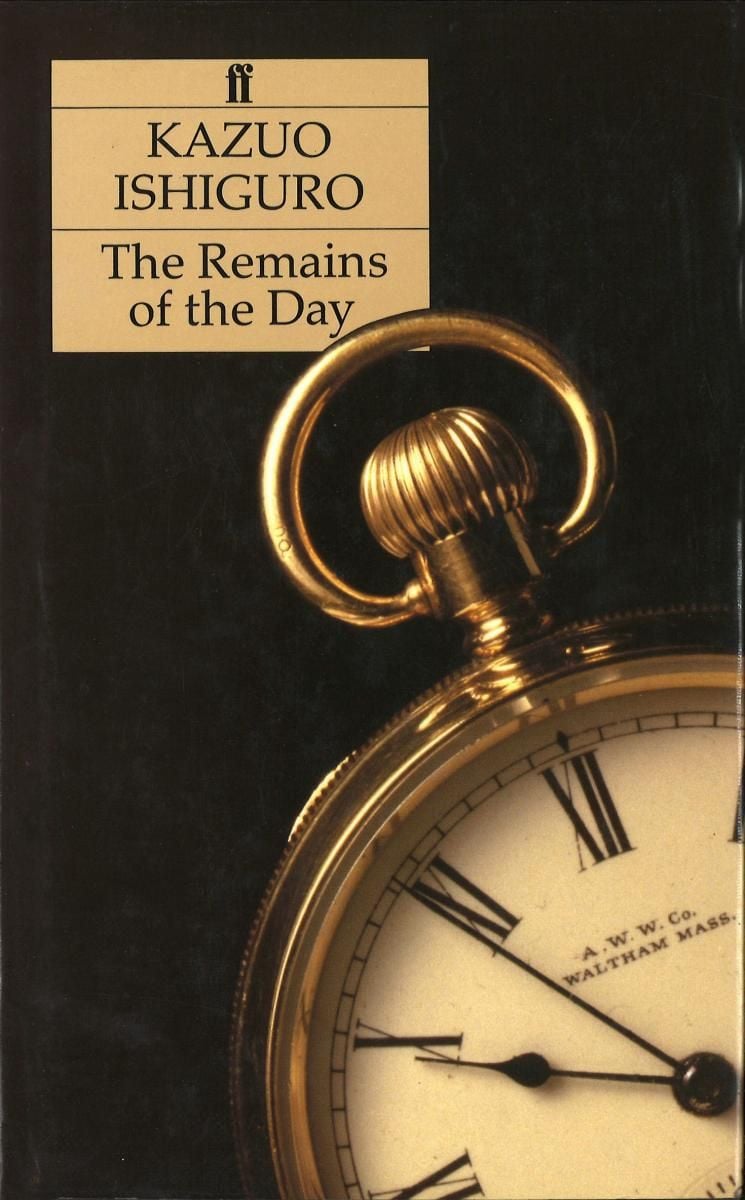
The Remains of the Day
by Kazuo Ishiguro (prize winner)
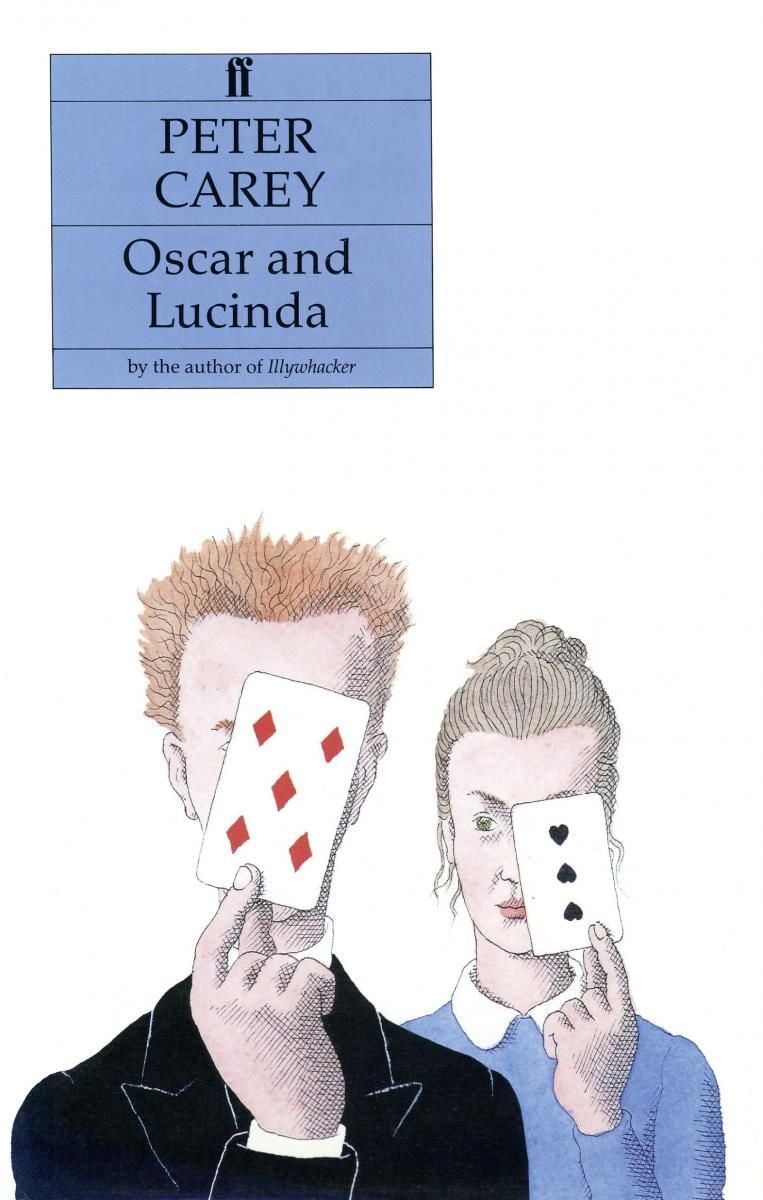
Oscar and Lucinda
by Peter Carey (prize winner)

Moon Tiger
by Penelope Lively (prize winner)
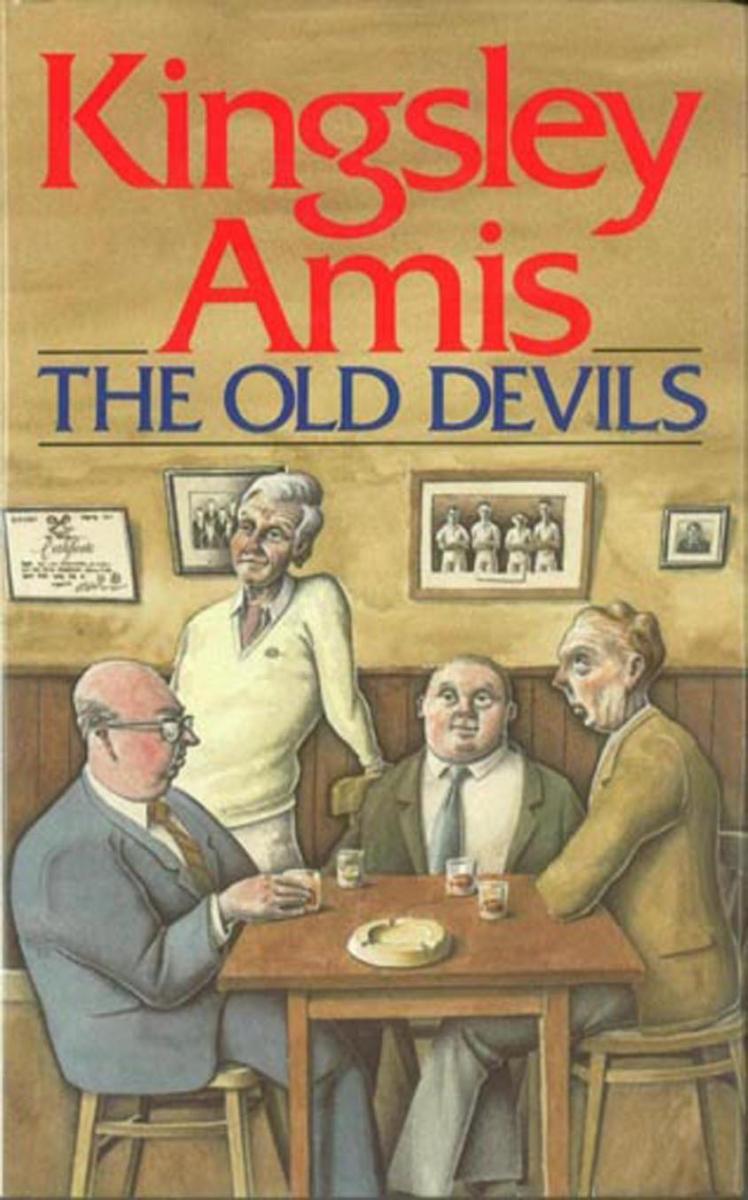
The Old Devils
by Kingsley Amis (prize winner)

The Bone People
by Keri Hulme (prize winner)

Hotel du Lac
by Anita Brookner (prize winner)
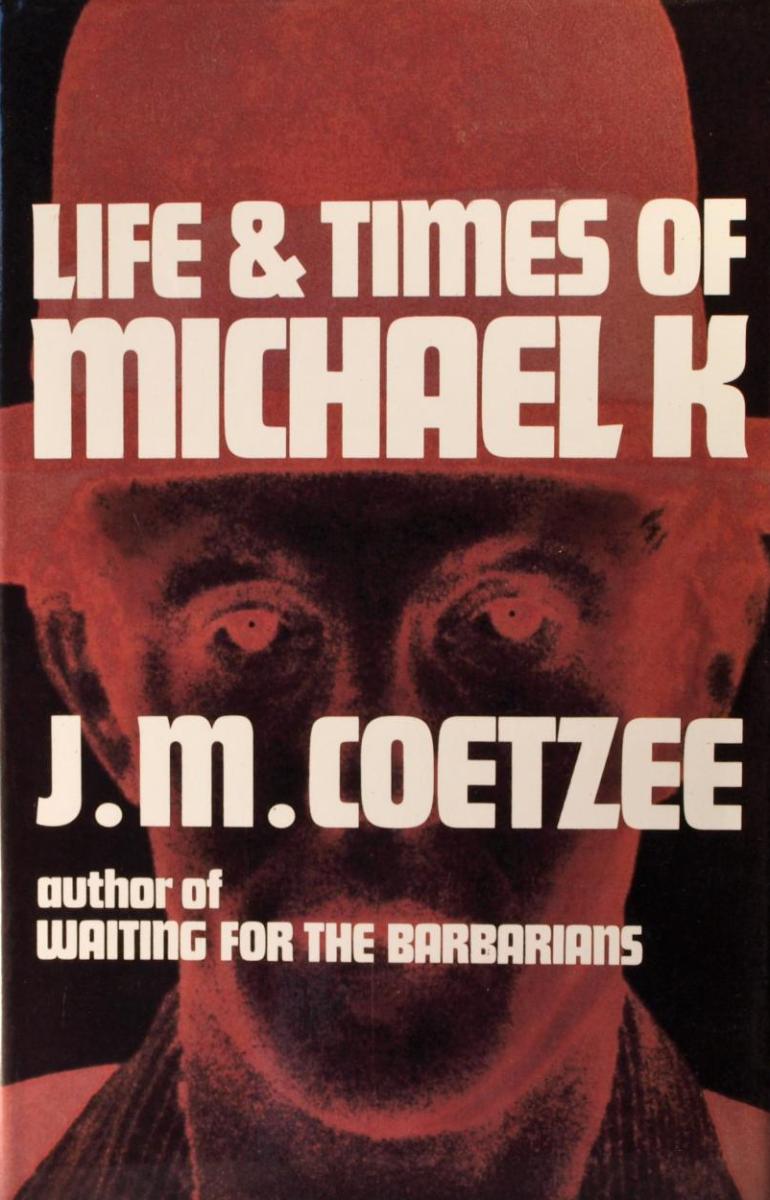
Life and Times of Michael K
by J.M. Coetzee (prize winner)

Schindler's Ark
by Thomas Keneally (prize winner)
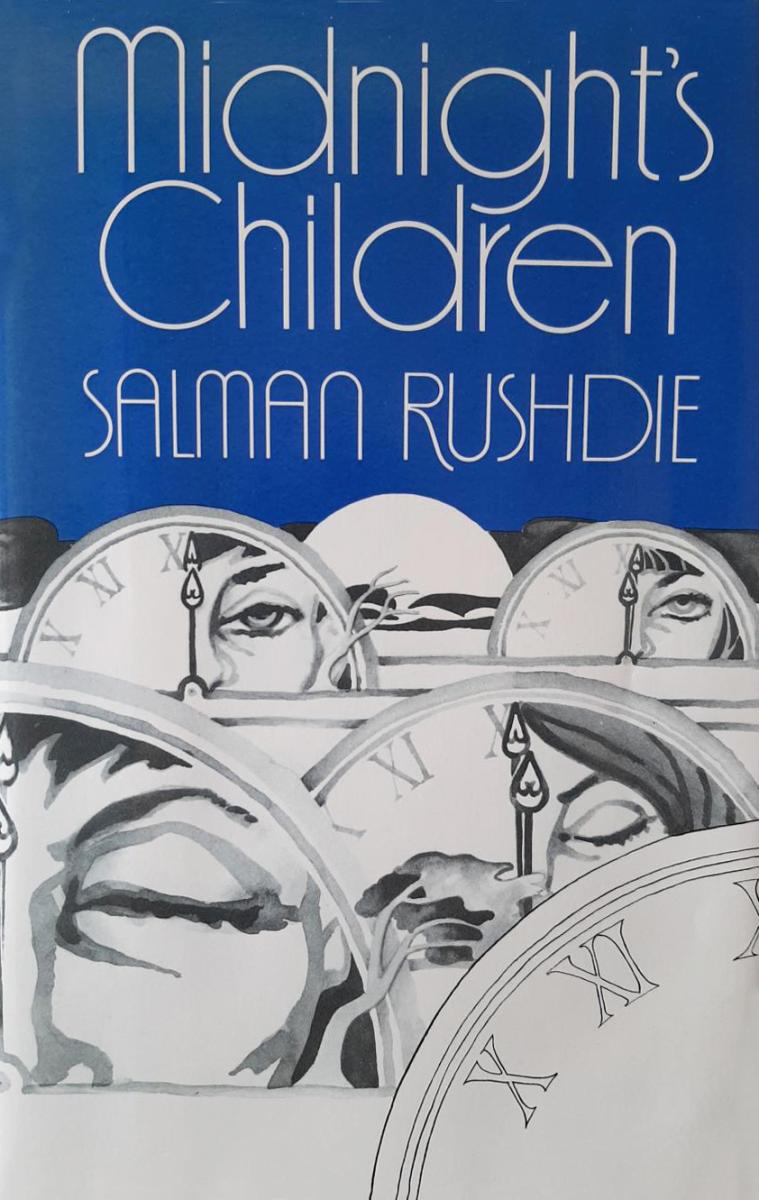
Midnight's Children
by Salman Rushdie (prize winner)
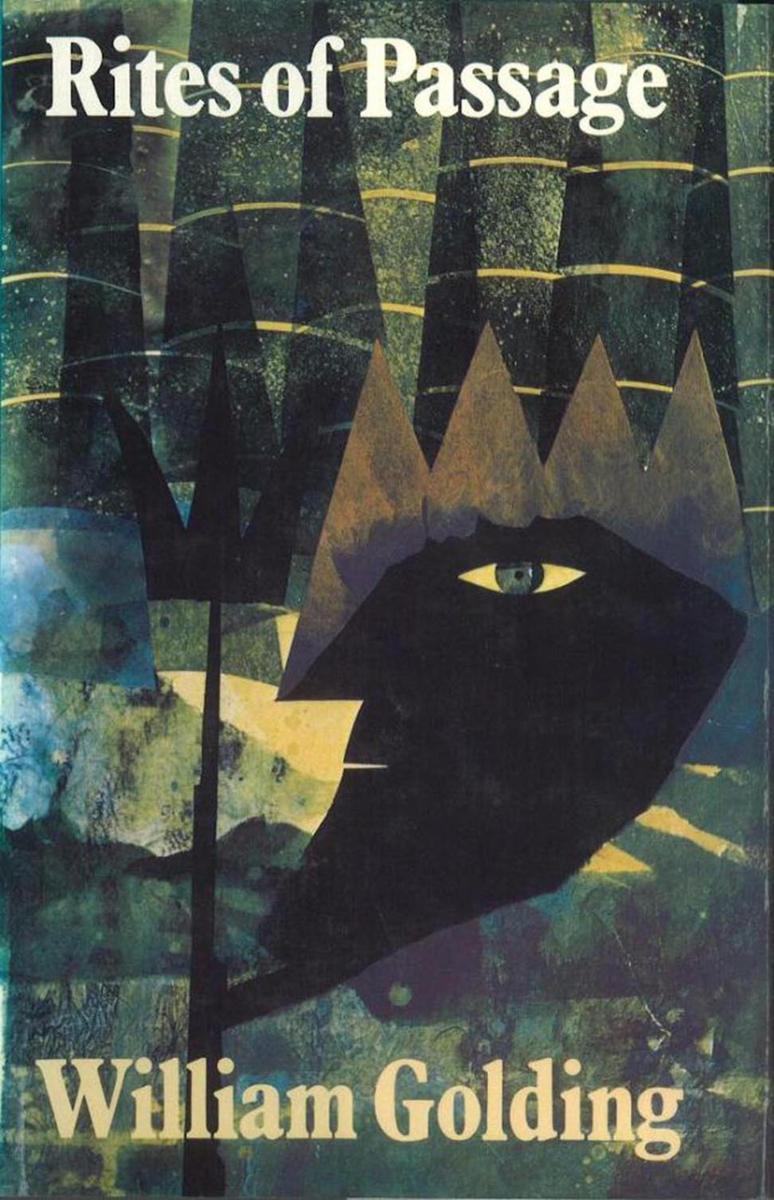
Rites of Passage
by William Golding (prize winner)
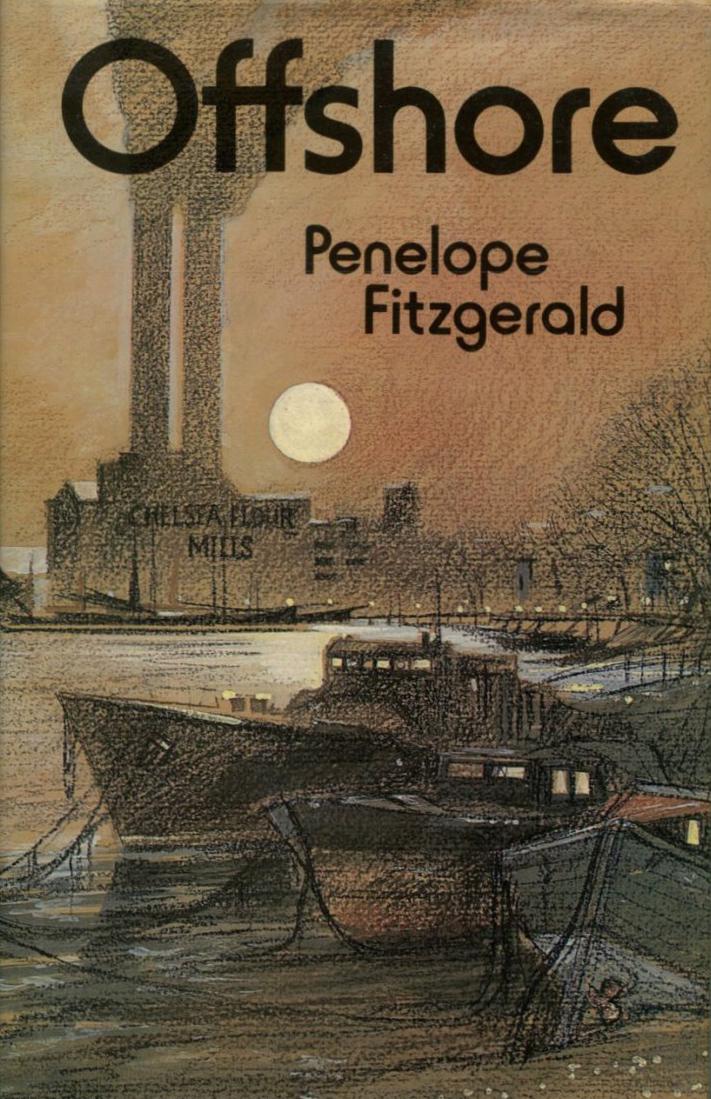
Offshore
by Penelope Fitzgerald (prize winner)

The Sea, the Sea
by Iris Murdoch (prize winner)

Staying On
by Paul Scott (prize winner)
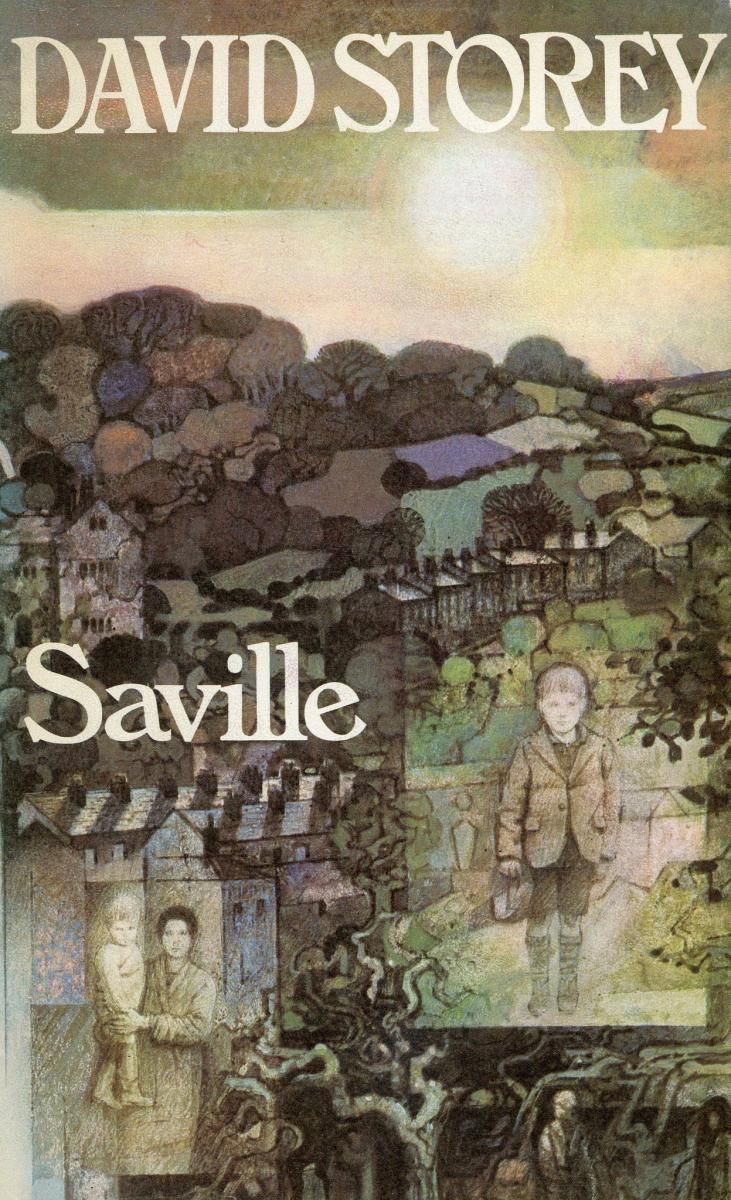
Saville
by David Storey (prize winner)

Heat and Dust
by Ruth Prawer Jhabvala (prize winner)
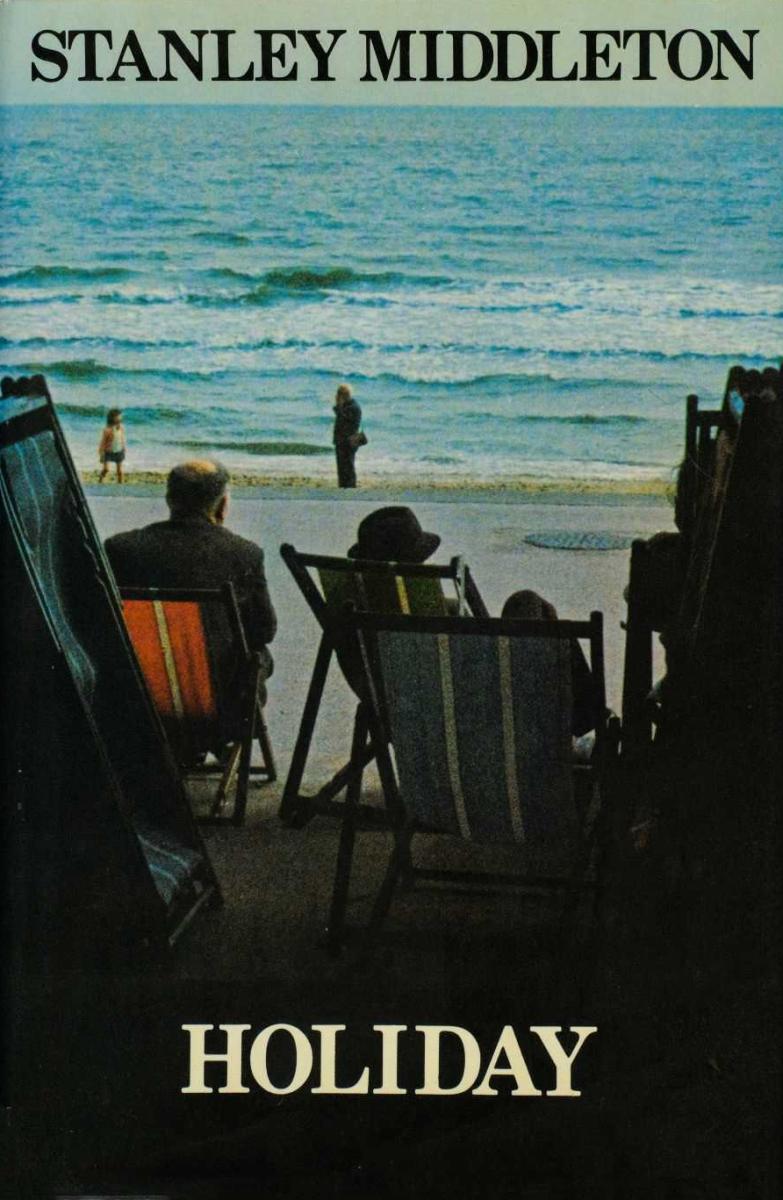
Holiday
by Stanley Middleton (prize winner)
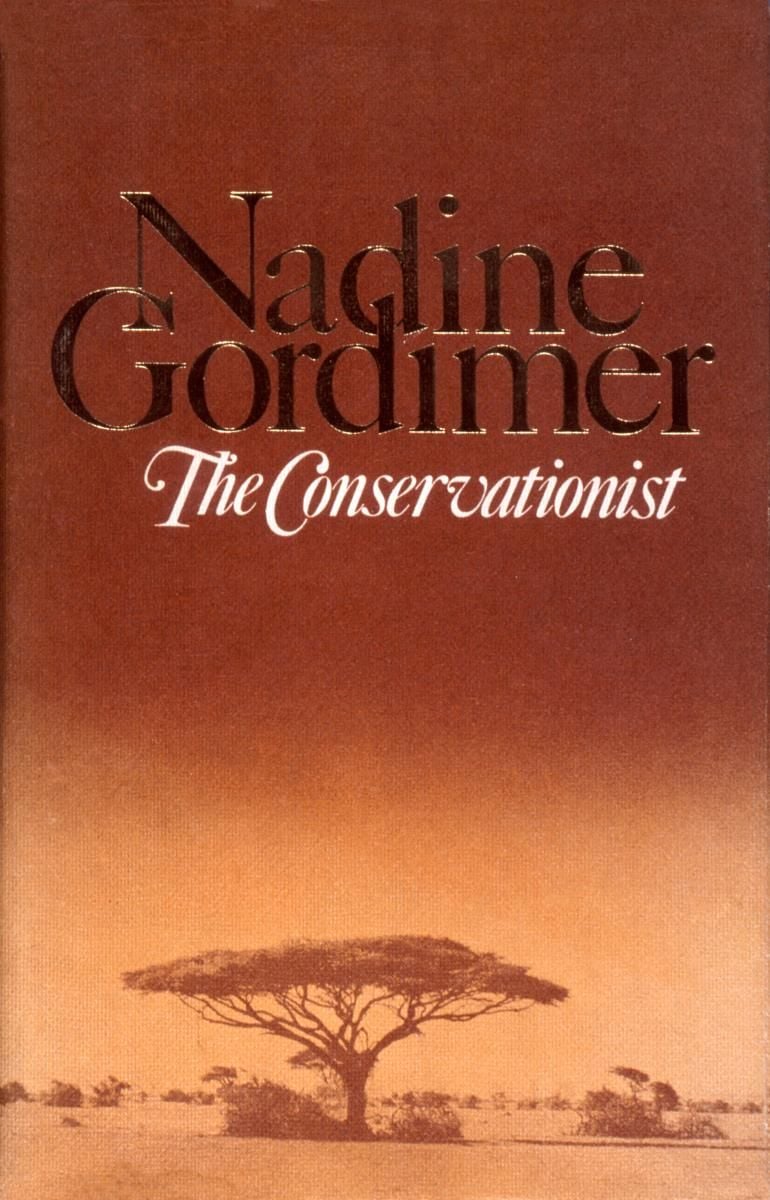
The Conservationist
by Nadine Gordimer (prize winner)

The Siege of Krishnapur
by J.G. Farrell (prize winner)
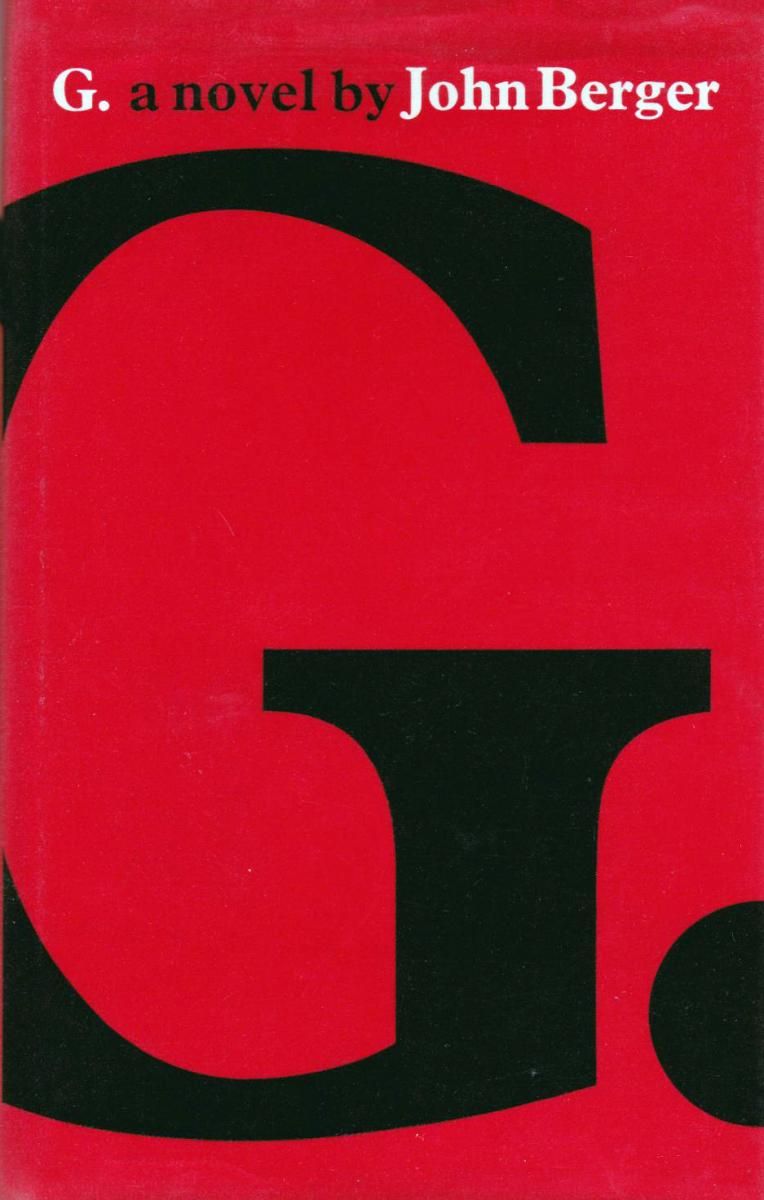
G.
by John Berger (prize winner)
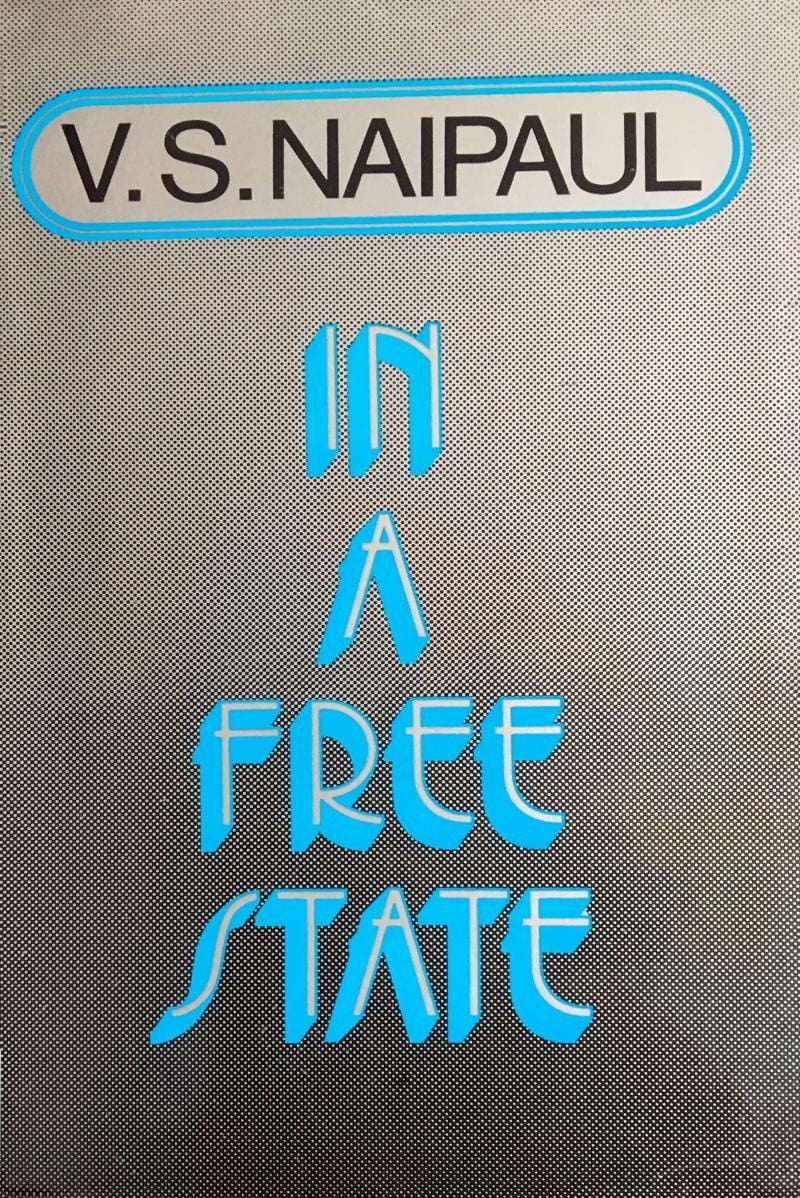
In a Free State
by V. S. Naipaul (prize winner)
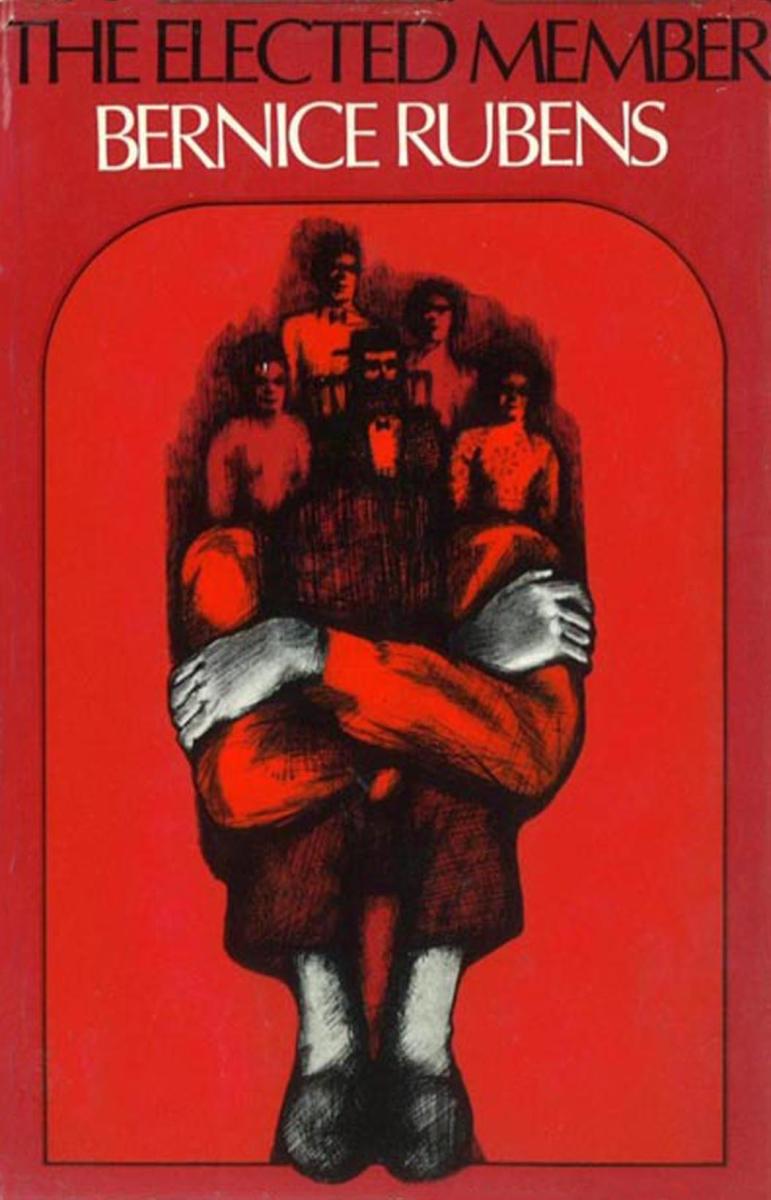
The Elected Member
by Bernice Rubens (prize winner)

Something to Answer For
by P. H. Newby (prize winner)