
We’ve rounded up our favourite works of science fiction from the Booker Library, from Doris Lessing to Kazuo Ishiguro
Six body horror books nominated for the Booker and International Booker Prize

Six body horror books nominated for the Booker and International Booker Prize
- Written by
- Donna Mackay-Smith
- Published
This selection of novels and short stories probes the boundaries of physical and psychological transformation – and is guaranteed to get under your skin
The body horror genre can be the stuff of literal and metaphorical nightmares. But for fans, there’s something compelling about stories that probe the darker edges of humanity. The term was first used by Australian musician, filmmaker, and writer Philip Brophy in 1983, in an article titled ‘Horrality: The Textuality of the Contemporary Horror Film’. Brophy coined the phrase to describe an emerging trend in cinema which centred on the destruction and transformation of the human body, combining elements of horror, sexuality and morality.
But this subgenre existed long before it was christened. It would be remiss not to mention Mary Shelley’s Frankenstein, published in 1818; a novel which is now considered a foundational example of the trope in fiction. It grounds its horror in reanimation and stitched-together flesh. Then there’s Franz Kafka’s 1915 novella The Metamorphosis, which used physical mutation to explore psychological and societal terrors. Over on the big screen, the 1970s and 1980s saw filmmakers push the visual elements of body horror into increasingly grisly territory: first came David Lynch’s Eraserhead, then there was John Carpenter’s The Thing, and even David Cronenberg’s The Fly, all of which made simple anatomy a source of terror.
These examples, and more within the body horror genre, often act as a barometer for social anxieties of the time, from disease and pandemics to war and famine, control and dictatorship. Yet, for all their differences, they all share a common thread: the ability to turn something familiar into something horrifying and unrecognisable. And perhaps that’s the enduring appeal. So, if this sounds like your kind of reading, here are six novels and collections of short stories that push the genre to the limits.
Buy the book
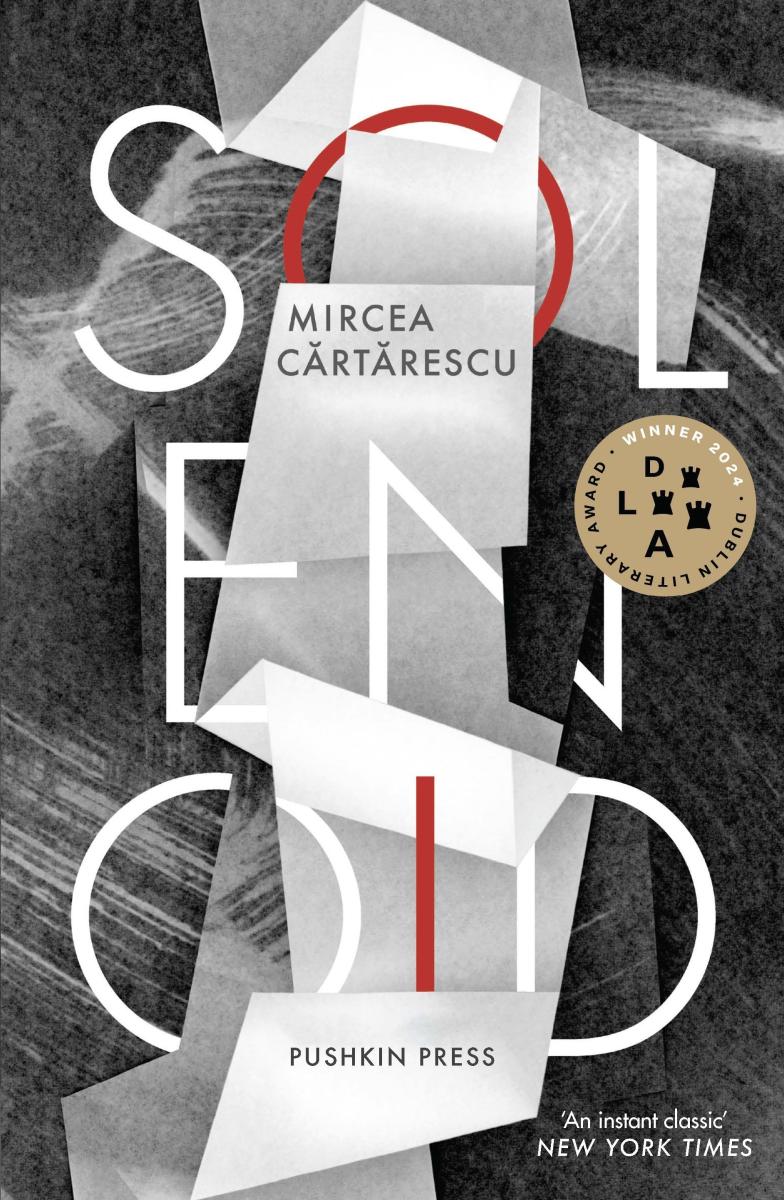
Solenoid by Mircea Cărtărescu, translated by Sean Cotter
Set in a festering Bucharest in 1970s Communist Romania, Mircea Cărtărescu presents the fragmented manuscript of a failed writer reflecting on his youth. Blending fiction, real-world history and elements of autobiography, he creates a story that slips between the real and the surreal.
By way of a tuberculosis preventorium, a society of dream investigators and even an ecosystem of dust mites living on a microscope slide, Cărtărescu guides us through this deeply existential and dreamlike world. And if you think this all sounds a bit out there, you’d be right. It’s offbeat, weird at times, and body horror is where it really excels. Cărtărescu’s narrative is overflowing with bodily fluids, and he doesn’t shy away from anything gross. Quite the opposite, in fact: he embraces it. A body is a ‘filthy, soft machine’; there are broken teeth by the dozen and lice swarming in every crevice. In The New York Times, Dustin Illingworth said the novel was ‘an instant classic of literary body horror’. The novel was translated from Romanian by Sean Cotter, and made the International Booker Prize longlist in 2025.
Buy the book
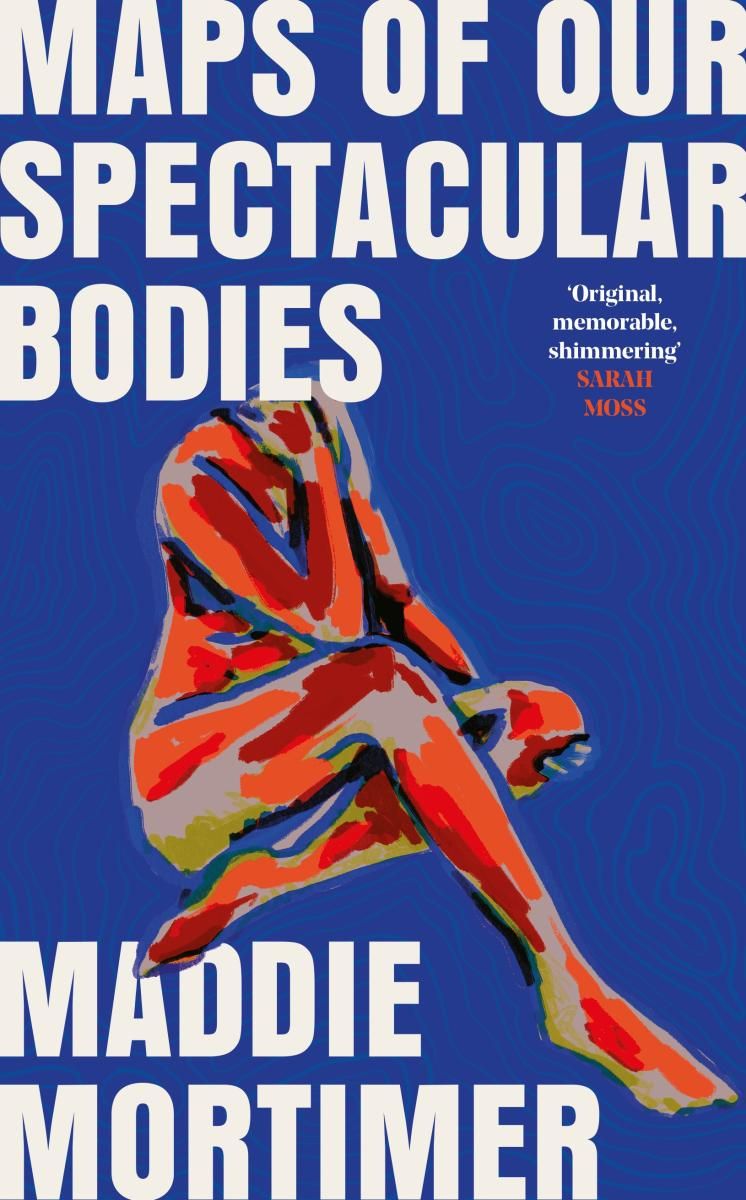
Maps of Our Spectacular Bodies by Maddie Mortimer
A malevolent force is at work in Lia’s body. It is spreading, travelling through her capillaries, veins and burrowing into her bones. ‘Today I might trace the rungs of her larynx or tap at her trachea like the bones of a xylophone,’ writes Maddie Mortimer. ‘Or cook up or undo some great horrors of my own because here is the thing about bodies: they are impossibly easy to prowl, without anyone suspecting a thing.’ This disembodied voice, an unnamed second narrator, is a cancer, inhabiting a body where it is an unwelcome guest.
Mortimer drew from her personal experience of losing a mother to cancer to write this novel, which was longlisted for the Booker Prize 2022. Protagonist Lia, who is also a mother to a young girl, receives the shattering news that her cancer is now terminal. As a result, Maps of Our Spectacular Bodies is deeply moving and at times heartbreaking. But this is also an experimental work; Mortimer takes a familiar, emotive story and splices it with conventions of horror. She plays with form, type and words, all of which converge on the page as the cancer stalks and infiltrates Lia’s body, until, in the final sections, both voices become horrifyingly inseparable.
Buy the book
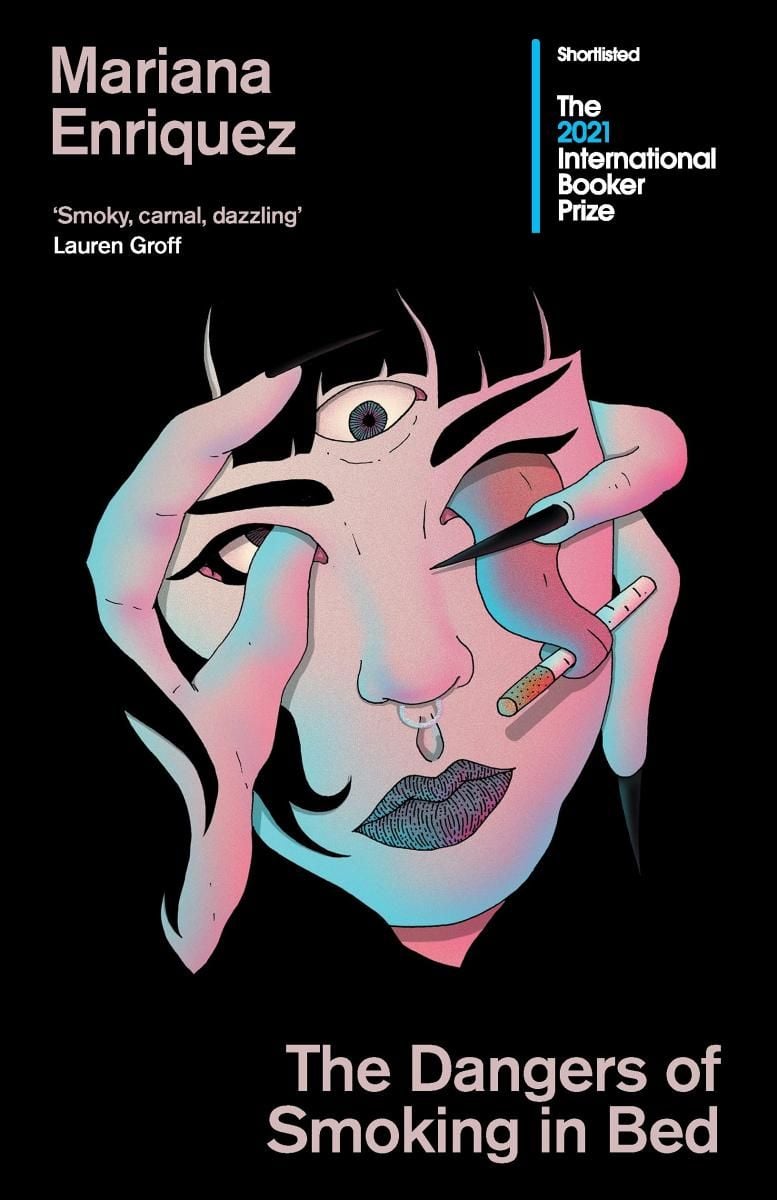
The Dangers of Smoking in Bed by Mariana Enríquez, translated by Megan McDowell
For a dose of horror that errs into the macabre, turn to The Dangers of Smoking in Bed by Mariana Enríquez, an Argentine author who has been compared to the greats, including Shirley Jackson and Jorge Luis Borges.
This collection of 12 interconnected stories, which was translated by Megan McDowell, was shortlisted for the International Booker Prize in 2021. Here, body horror collides with the Gothic, the surreal and the supernatural, all while taking aim at real-world socio-political issues in Argentina. Enríquez’s skill lies in pushing the boundaries far beyond standard tropes of the genre, using decay, cannibalism, fetishes, and the grotesque to manifest deep psychological and societal trauma of life under a dictatorship. In ‘Where Are You, Dear Heart?’, the narrator becomes sexually obsessed with a human heart. ‘Angelita Unearthed’ features a dead and rotting baby who haunts a family member. While in ‘Meat’, two teenage groupies dig up a dead rock star and feast on his remains. Clearly, none of this is for the faint of heart, and Enriquez is truly a master in the art of making the reader squirm.
Buy the book
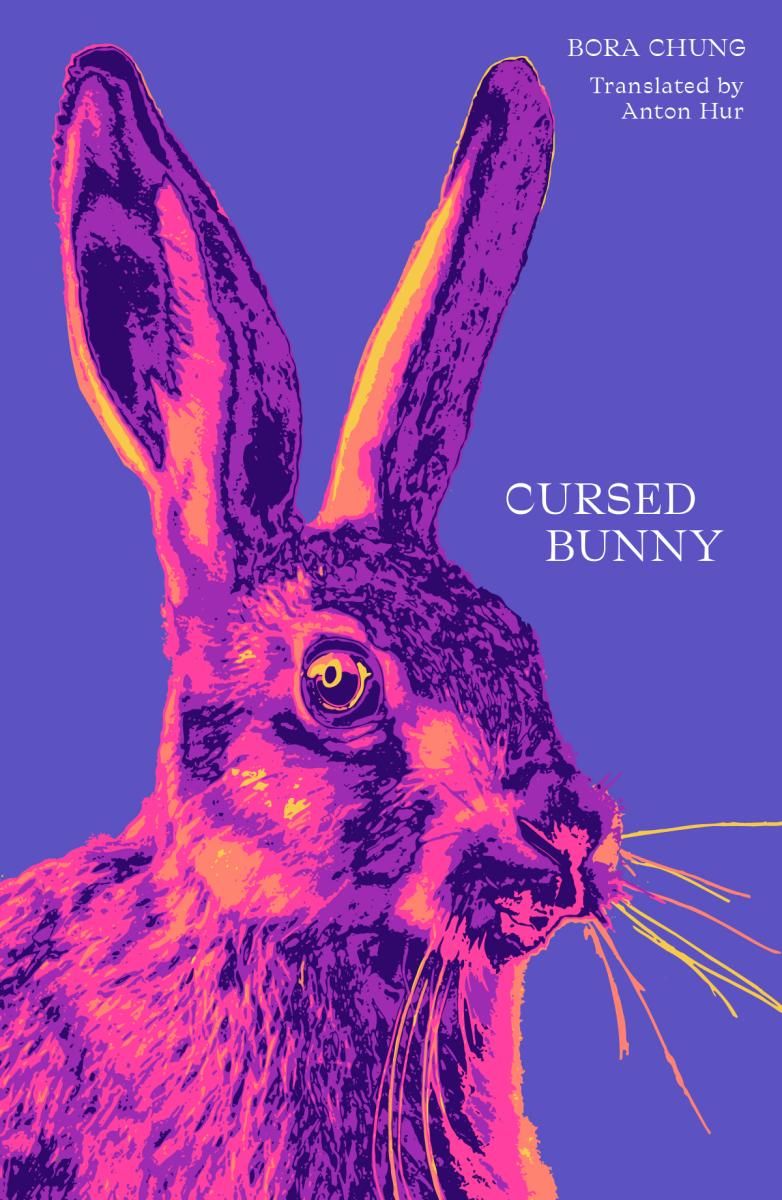
Cursed Bunny by Bora Chung, translated by Anton Hur
Bora Chung’s imagination is something to behold. Her collection of short stories, Cursed Bunny, which was shortlisted for the International Booker Prize in 2022, is a fusion of horror, sci-fi, speculative fiction, folklore and even classic fairy tales. Within, Chung (with the aid of Anton Hur’s slick translation) moves effortlessly between the grotesque and the surreal.
‘The Head’ centres on a woman haunted by her own bodily waste, where a disembodied head assembled from hair, menstrual blood, and toilet paper appears in her toilet and calls her ‘Mother’. Yep, it’s as disturbing and odd as it sounds. In ‘Scars’, a young boy is offered to a monstrous bird, ominously referred to as ‘It’, who appeared periodically and ‘pierced his bones, and sucked at his marrow.’ After escaping, he is exploited again and enters a fighting ring, where he routinely snaps necks and rips bodies open, spilling entrails all over the floor. It’s all quite disgusting, but not without purpose: amid the blood, guts and gore, Chung skewers the patriarchy, capitalist societies and many other uncomfortable truths of contemporary life. Cursed Bunny has been called both ‘thought-provoking and stomach-turning,’ and it’s easy to see why.
Buy the book
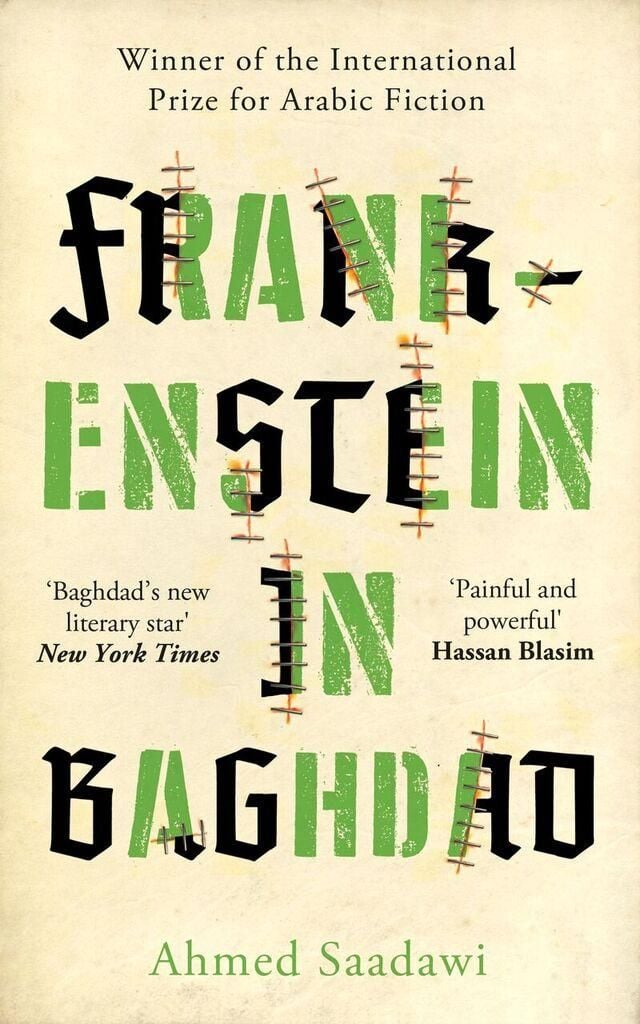
Frankenstein in Baghdad by Ahmed Saadawi, translated by Jonathan Wright
In a satirical reimagining of Mary Shelley’s Frankenstein, Iraqi author Ahmed Saadawi takes readers to the rubble-strewn streets of US-occupied Baghdad. Here, Hadi al-Attag, a junk dealer, collects body parts from war casualties and stitches them together to create a single, complete person. He intends to give the dead a proper burial but instead creates a monster. His creature seeks revenge on those who murdered the victims, while reports emerge of a rotting, flesh-eating monster rampaging through the city.
In this International Booker Prize 2018 shortlisted novel, Saadawi uses visceral body horror as an allegory for the US invasion of Iraq and captures the upheaval brought to a city in turmoil. At the time of the war in Baghdad, Saadawi was working as a journalist and, at one point, visited a morgue which was filled with body parts from unknown persons. He watched in horror as a man asked about his family member who had been killed earlier in an explosion, only to be taken to a room filled with assorted limbs and told to ‘take what they wanted’. Tragedy runs through the roots of Saadawi’s writing, but he balances it with a sharp, gallows humour, and finds moments of absurdity amid the darkness.
Buy the book
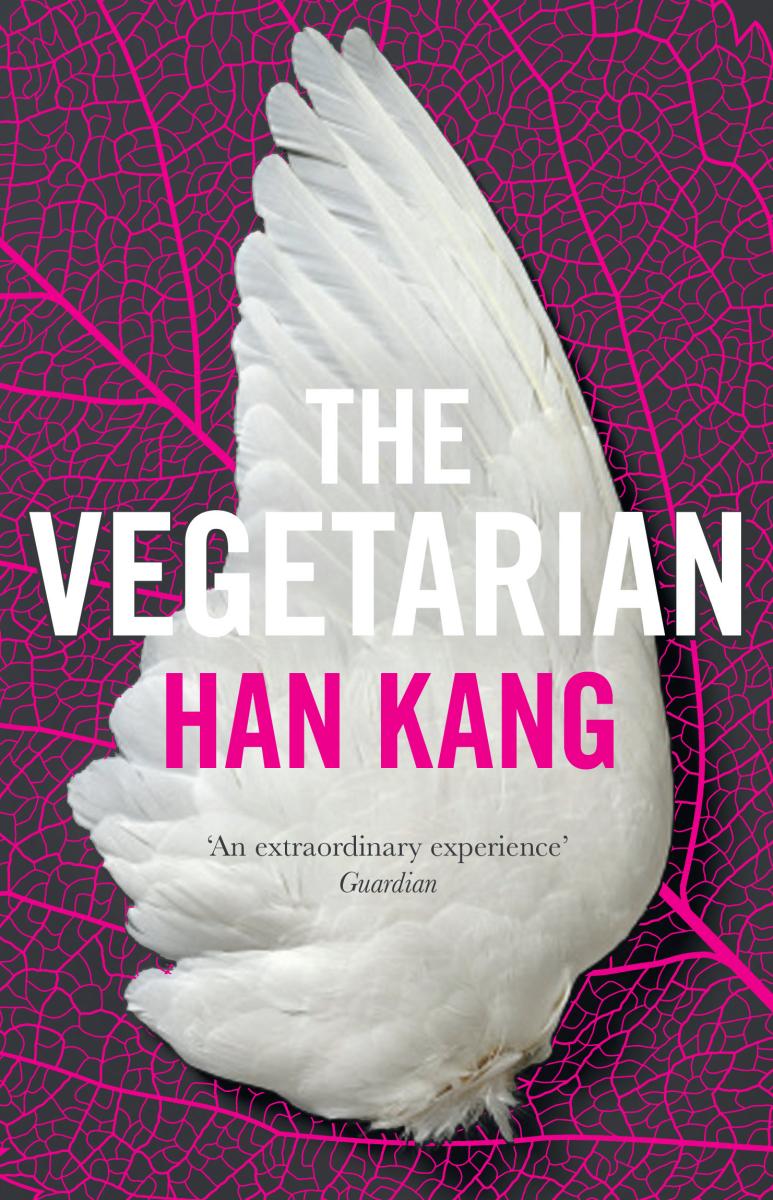
The Vegetarian by Han Kang, translated by Deborah Smith
The Vegetarian is one of contemporary fiction’s body horror success stories. First published in South Korea in 2007, it was translated into English by Deborah Smith and won the International Booker Prize in 2016. It has since become a cult classic, an international bestseller which has been translated into more than 20 languages. Its author, Han Kang, was awarded the Nobel Prize in Literature in 2024.
The novel tells the story of Yeong-hye, a melancholy housewife who is plagued by distressing nightmares filled with blood and violence, which lead her to stop eating meat. Her abusive husband sees this decision as an act of rebellion. As Yeong-hye attempts to assert agency over her body, those around her reassert their control. Her resistance becomes increasingly radical, and she retreats into her own fantasies, eventually starving herself in the hope she will transform into a tree.
Kafkaesque and surreal, The Vegetarian uses elements of horror to explore bodily autonomy. In an interview with the Booker Prizes, Han described the novel as a ‘parable against patriarchy’ which asks ‘how do we come to terms with human life, which is so beautiful and so violent at the same time?’


Features


- Book recommendations
Seven Booker Prize-nominated novels that explore AI


- Book recommendations
Explore the 10 winning books from a decade of the International Booker Prize
- Book recommendations
Eight Booker-nominated books for fans of Wuthering Heights

- Book recommendations
11 of the best books of short stories from the Booker Library
- Book recommendations