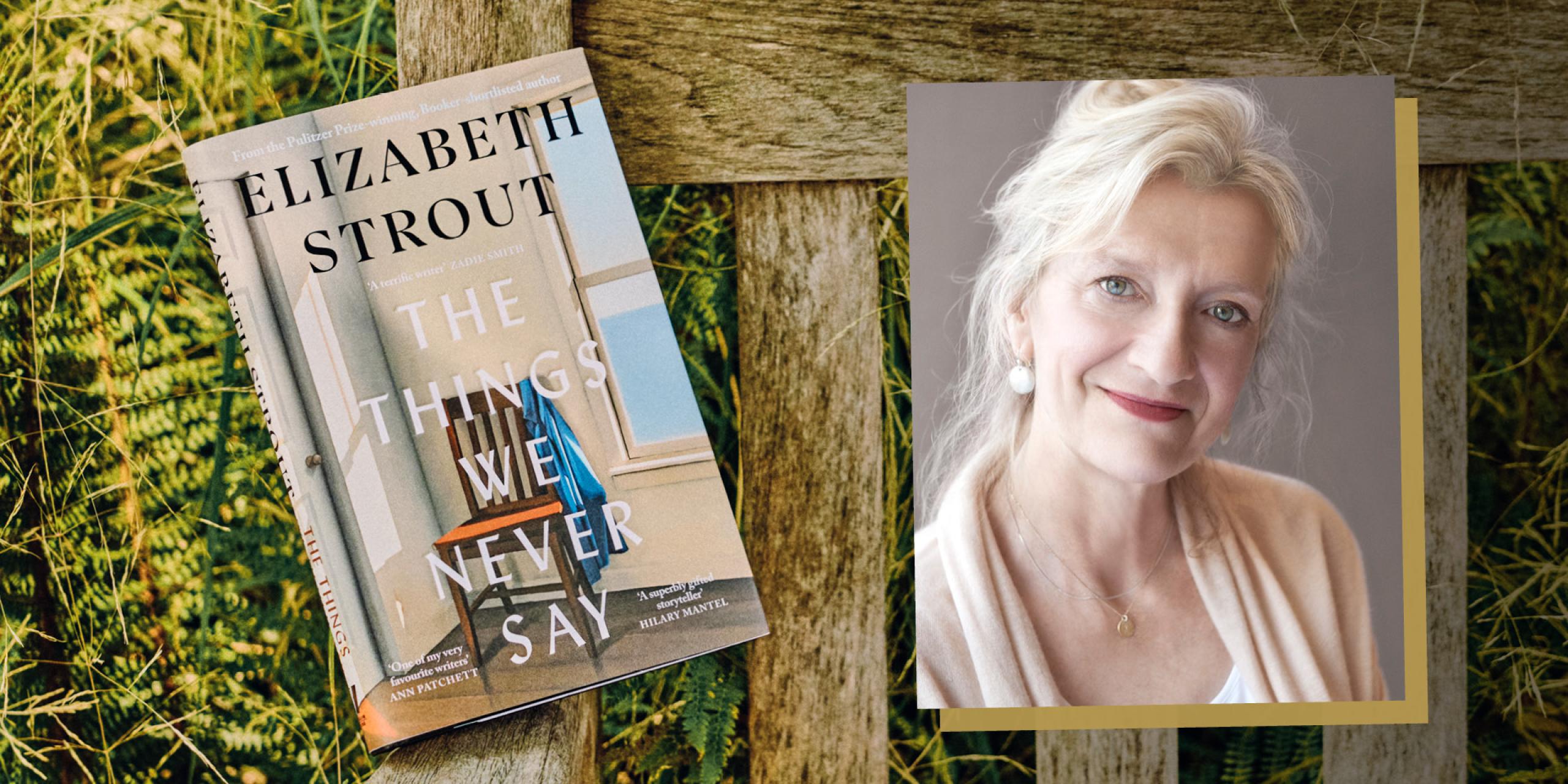
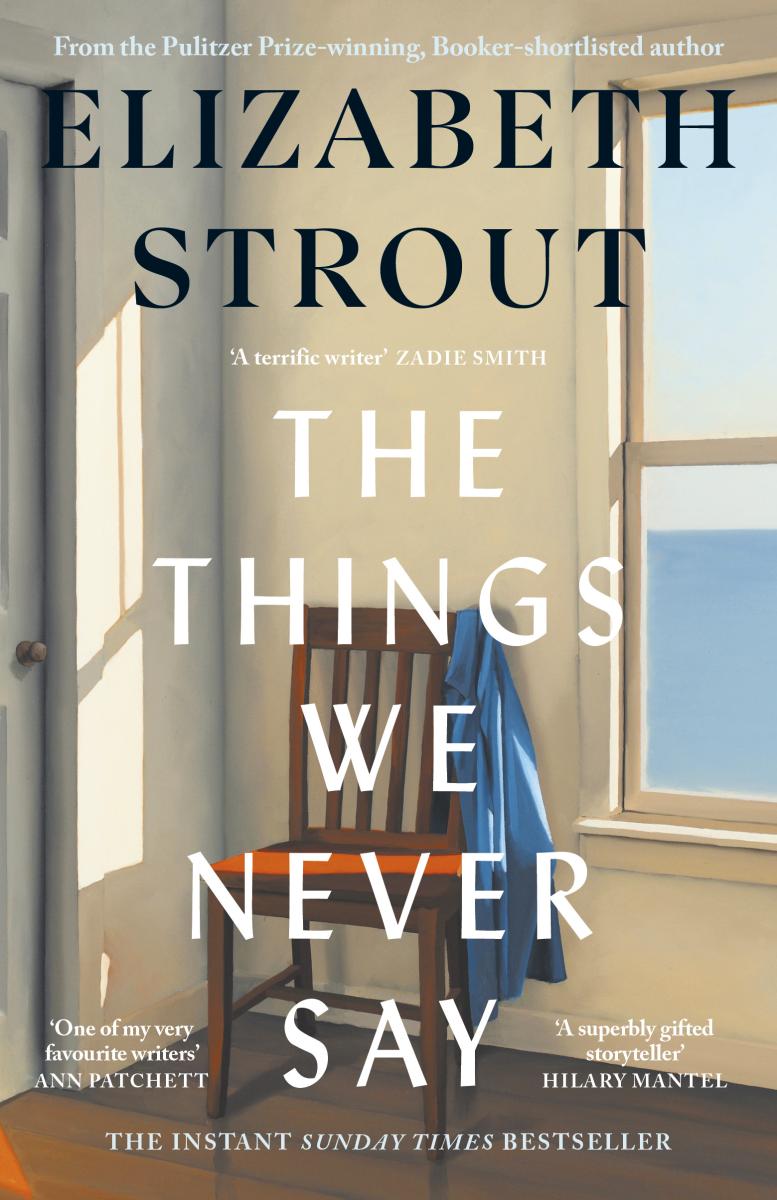

With exquisite prose and profound insight, Elizabeth Strout captures the way grief reverberates through decades, the comfort found in deep friendships and the freedom that comes when we break free of our secrets
- Published
The author of Things We Never Say, shortlisted for the Booker Prize 2026, on the book that mesmerised her as a child, and returning to Virginia Woolf
Buy the book
The inspirations behind my Booker-longlisted book
My inspiration for The Things We Never Say came from two rather odd places. The first was an old obituary I saw from decades ago. My friend in upstate New York sent me a page of them, and there was one man who had the last name Damm. (I dropped one of the m’s for my character’s last name.) The man in the obituary haunted me because he looked so entirely ordinary and pleasant. He wore big wire-framed glasses and just had an exceptionally kind look to his face.
The second part of the inspiration came from a brief conversation with a man I know in Maine who told me that one day he and his father were riding in a boat off the coast of Massachusetts, and they saw a man’s head in the water. They rode up to him and pulled him out and the fellow telling me the story said that a few nights later his father had called the man and taken him for a drink. From these two images sprang forth the story of Artie Dam.
The book that made me fall in love with reading
I was about seven years old when I heard my mother talking to my father about a book and I asked her if I could read it. She gave me To Kill a Mockingbird, and I read it through in just two days. I was mesmerised by the story.
The book that made me want to become a writer
The book that made me want to be a writer may have been The Catcher in the Rye, which my mother gave me soon after To Kill a Mockingbird. I thought – I want to do this! To write things like this! (Even though from around the age of four I had known I would be a writer because my mother had given me notebooks and told me to write down what I did that day. So as soon as I could form sentences, I understood I was going to be a writer.)
The book I read again and again
For years I kept returning to Mrs. Dalloway by Virginia Woolf. I had first read it in my teens and every few years after that I would read it again. What astonished me was how different the book seemed with each reading. I understood the Septimus Smith parts more as time went by, and I also noticed the daughter more after I had my own daughter. Finally, one day – and I realised later I must have been about the age of Mrs. Dalloway – I thought, okay, I do not need to read this again. But it has stayed in my heart always.
The book that changed the way I think about the world
The book I read that changed the way I saw the world was For Whom the Bell Tolls. Again, I was a teenager when I read it, and after I read it, I understood so much more about the world. I think the scene where the people are forced off the cliff one by one really made an impact on me at that point in my life. It sounds stupid, but I was so young I did not know of the cruelty of man at that point in my life, and I learned it through reading that book.
From around the age of four I had known I would be a writer because my mother had given me notebooks and told me to write down what I did that day
The book that changed the way I think about the novel
The book that changed the way I think about the novel was Sherwood Anderson’s Winesburg, Ohio. I will never forget the first time I read that book. I was 17 years old, and I thought as I read the first chapter about hands, ‘A person can do this with words!’ I could not believe it! It was a though a barn door had been flung open, and I saw so many new possibilities.
The book I am reading at the moment
The book I am reading at the moment is Selected Short Stories by Theodore Dreiser. In truth, I did not know he had a book of short stories. Many of them feel dated, but I keep poking through them – some are lovely, and in a bizarre way, I feel Dreiser searching for a ‘decency’ in mankind. Not that he is finding it, but that he is searching for it.
Where I most like to read
My favourite place to read is in bed before I go to sleep. But I also love reading on our couch in the living room where there is a wonderful view of trees through both the windows. I will often read there in the afternoon after I am done with my work.
The Booker-nominated book everyone should read
I think The Vegetarian by Han Kang (translated by Deborah Smith) is a book everyone should read. It’s an astonishing book with the pressure that comes from between the lines and fills the reader with amazement as it is told in an oblique and yet very compelling way.
The Things We Never Say
- Published by
- Viking
With exquisite prose and profound insight, Elizabeth Strout captures the way grief reverberates through decades, the comfort found in deep friendships and the freedom that comes when we break free of our secrets


Features


- Reading guides
Reading guide: The Things We Never Say by Elizabeth Strout


- Book recommendations
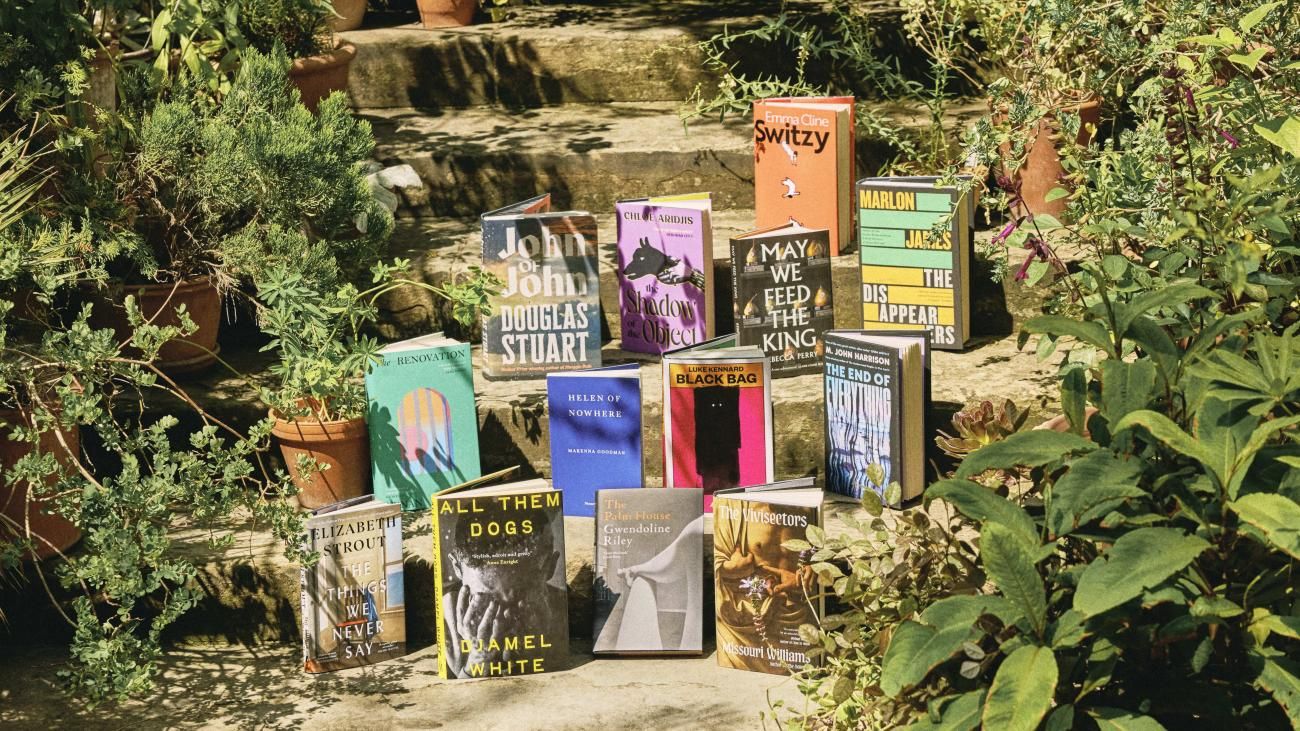
The Booker Prize 2026 shortlist: what our judges said

- Book recommendations
