

If you enjoy novels that seethe with romantic tension, you’ll love this selection of books full of scandalous secrets and passionate affairs
Eight Booker Prize-nominated books for fans of Downton Abbey
Eight Booker Prize-nominated books for fans of Downton Abbey
- Written by
- Emily Facoory
- Published
If you’re a fan of period dramas set in grand houses and full of aristocratic intrigue, you’ll love this list of Booker-nominated novels
Much-loved historical drama Downton Abbey first hit our screens back in 2010, with five seasons of the TV show since and three spin-off films. It follows the lives of the aristocratic Crawley family and their staff as they live through the transformational times of the 1910s and 1920s. Downton explores issues of class, inheritance, love and loss, as well as real events, including the sinking of the Titanic, the ‘Spanish Flu’ pandemic and the First World War.
Set on the fictional country estate of Downton Abbey in Yorkshire, the series sees Robert Crawley, Earl of Grantham (Hugh Bonneville) and Cora Crawley, Countess of Grantham (Elizabeth McGovern) eager to secure a male heir. Robert’s three daughters, Lady Mary Crawley (Michelle Dockery), Lady Edith Crawley (Laura Carmichael) and Lady Sybil Crawley (Jessica Brown Findlay) face the consequences of what a new heir may bring.
Just released in UK cinemas, Downton Abbey: The Grand Finale follows the Crawley family into the turbulent 1930s, as they contend with the fallout from Lady Mary’s divorce and financial troubles ahead. To celebrate Downton’s last hurrah, we’ve compiled a list of Booker Prize-nominated books that perfectly complement the themes found in the series, from the sordid scandals of the super-rich to the challenges of managing an English country house and its eccentric residents.

Hugh Bonneville as the Earl of Grantham in the original Downton Abbey TV series
© MovieStillsDB
Buy the book
Good Behaviour by Molly Keane
Shortlisted for the Booker Prize in 1981, Molly Keane’s wickedly comic novel was initially rejected by her long-time publisher. According to the Paris Review, it was because the book was ‘too nasty’, with the publisher suggesting that Keane include at least one ‘nice’ character. Good Behaviour was the first book published using Keane’s real name: her previous novels and plays were all written under the pseudonym M.J. Farrell.
Good Behaviour details the life of Aroon St. Charles, a disgruntled misfit who yearns for her family’s approval. Aroon lives at her family’s deteriorating estate, Temple Alice in Ireland, and the book is set just after the First World War. Neglected by her cruel mother and absent father, she hungers for love and acceptance throughout her childhood and adolescence.
As in Downton Abbey, the aristocratic characters in Good Behaviour are concerned with keeping up appearances and avoiding disgrace. Perfect pretences are everything.
Katherine Powers from the Wall Street Journal says that ‘The book offers a wicked portrait of a way of life—outdoor pursuits, reckless spending and sexual dalliance—that was the last glory and means of dissolution of an Anglo-Irish big house.’
Buy the book
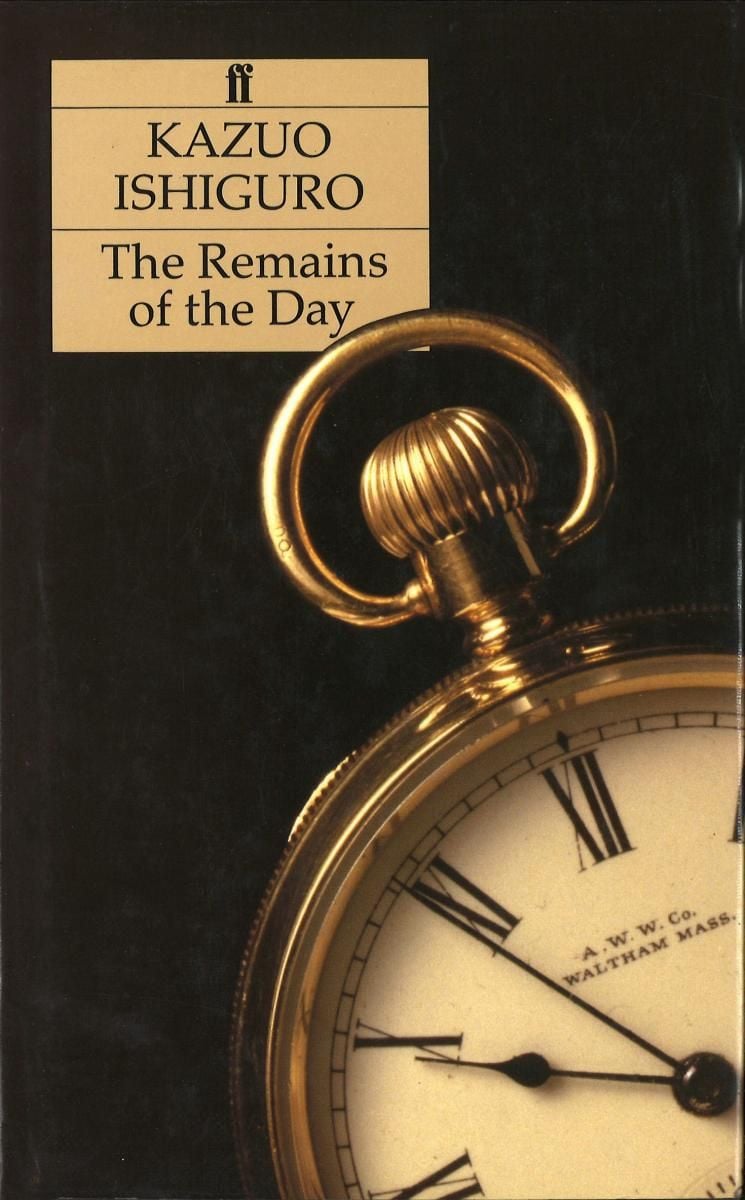
Remains of the Day by Kazuo Ishiguro
As well as following the affairs of its aristocratic residents, we also get to know Downton Abbey’s household staff. If you enjoy the inner workings of life below stairs, you’ll love The Remains of the Day.
Winner of the Booker Prize in 1989, Kazuo Ishiguro’s beloved novel follows Stevens, a butler who is tirelessly devoted to his job, having served at the stately home, Darlington Hall, for over three decades. After receiving a letter from a former colleague, the housekeeper Miss Kenton, Stevens decides to take a road trip to visit her. While on the journey, Stevens reflects on his time under the employment of Lord Darlington, a Nazi sympathiser with misguided intentions, as well as his own ideas of dignity and what constitutes an honourable service.
In an article on the Booker Prizes website, Max Liu says that, ‘The voice of Stevens…is so authentic and beautifully-sustained that you could believe it had always existed. It is as though, rather than having invented his protagonist, Ishiguro recorded a real English butler’s words and put them on the page.’
Buy the book
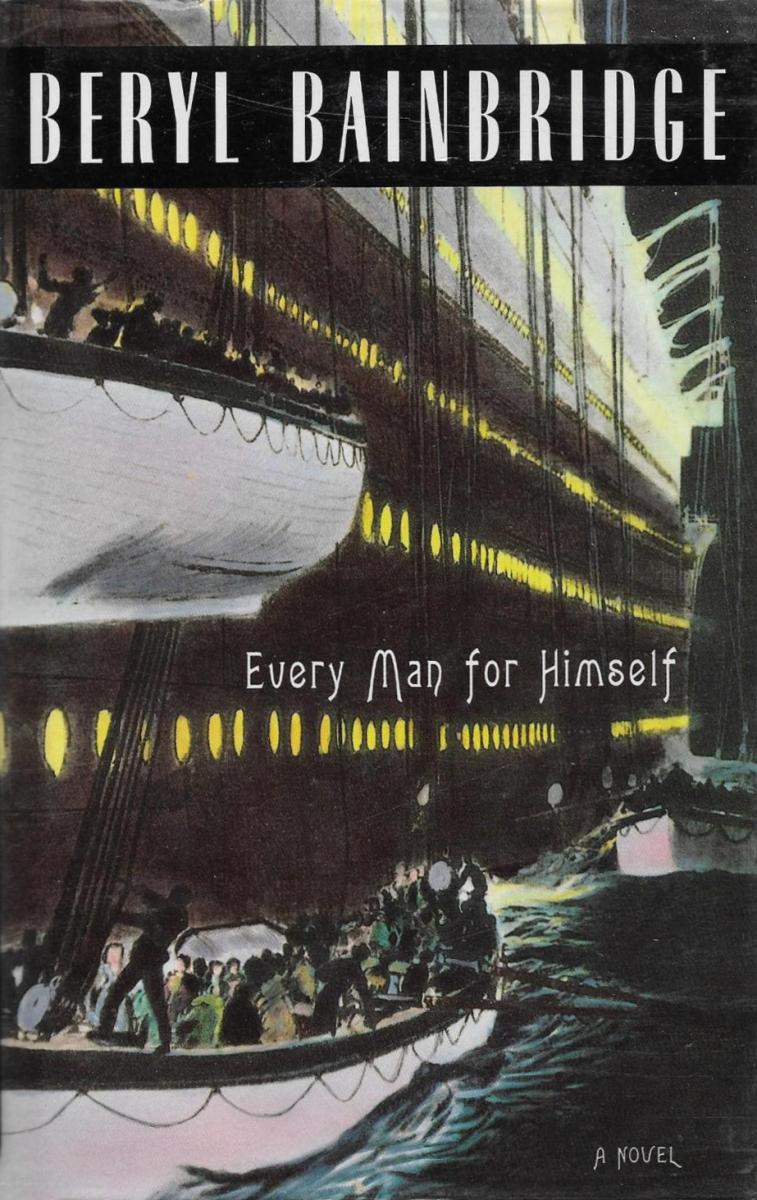
Every Man for Himself by Beryl Bainbridge
A retelling of the Titanic story that was shortlisted for the Booker Prize in 1996, Every Man for Himself is told from the perspective of a wealthy young orphan, Morgan, a passenger on the ill-fated ship. Having been cared for by the family of the illustrious banker JP Morgan, the young American is accustomed to a life of grandeur. He is also a sharp-eyed observer of the eccentricities of his fellow upper-class passengers, listening in to their private conversations and noting their puzzling behaviour. Although a fictional account of the disaster, Every Man for Himself includes real people who were on board the ship, including the architect Thomas Andrews and Captain Edward Smith.
Downton Abbey begins with the devastating sinking of the Titanic, in which two of the Crawleys’ family members, including the heir presumptive to the estate, are lost at sea. The tragedy reverberates through the lives of the Crawleys as they come to terms with the untimely deaths.
Booker Prize-winning author Hilary Mantel said the novel contains ‘A narrative both sparkling and deep… the cost of raising [the Titanic] is prohibitive; Bainbridge does the next best thing.’
Buy the book
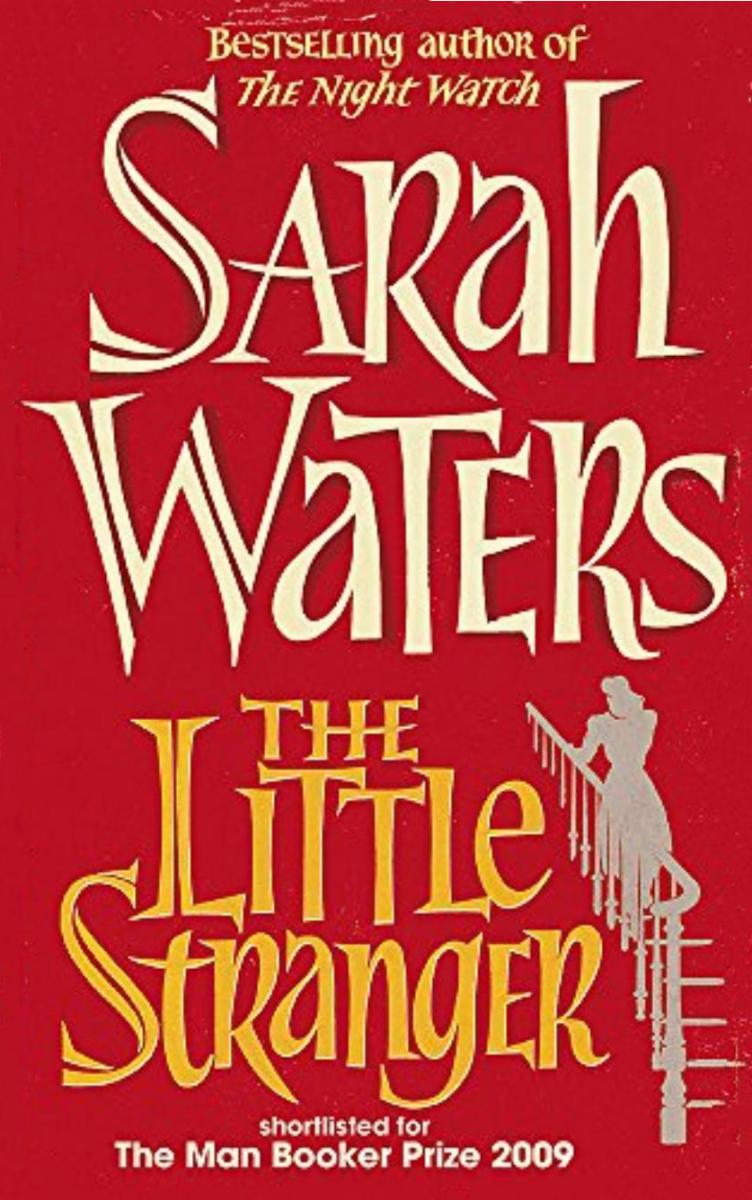
The Little Stranger by Sarah Waters
The Ayres family’s financial standing is plummeting as they struggle to repair their crumbling estate, Hundreds Hall. When a country doctor, Faraday, is called to the manor to treat the family’s maid, he becomes friends with Caroline, the Ayres’ polite and conventionally unattractive daughter. Faraday also finds himself contending with the strange ghostly events that occur within the house, as each family member starts to unravel.
The Crawleys and the Ayres are alike in their snobbery, with both families struggling to keep hold of their estates and to keep up appearances. Shortlisted for the Booker Prize in 2009, Waters’ novel shows how the upper classes coped when their social status was in decline.
Writing in the Sunday Times, Peter Kemp said, ‘Displaying her remarkable flair for period evocation, Waters recreates backwater Britain just after the Second World War with atmospheric immediacy… Acute and absorbing.’
Buy the book
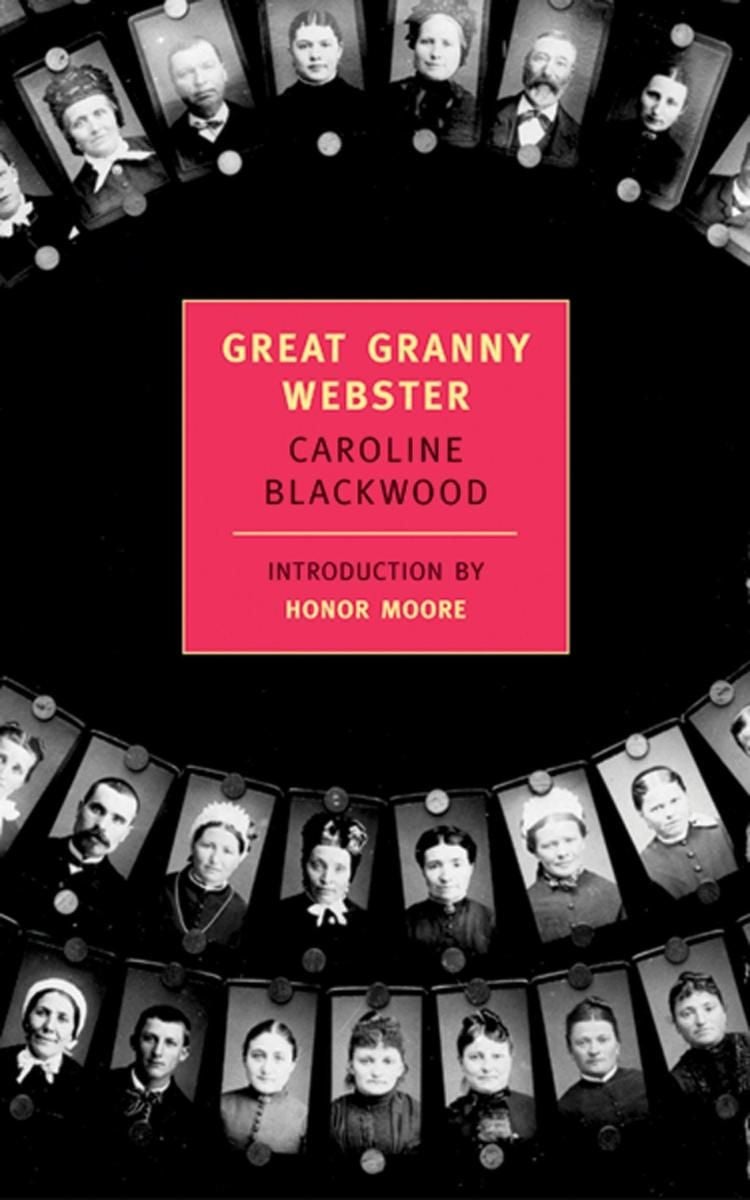
Great Granny Webster by Caroline Blackwood
Shortlisted for the Booker Prize in 1977, Great Granny Webster tells the story of three women from the perspective of a nameless 14-year-old girl. The book was partly influenced by Blackwood’s own childhood: she was extremely familiar with the inner workings of aristocratic families as a descendent of the famous Guinness dynasty. The novella focuses on the matriarch of the family, the formidable Great Granny Webster, her erratic and flighty daughter, Grandmother Dunmartin, and the teenager’s hedonistic and carefree aunt, Lavinia.
Just as Downton Abbey explores the vast secrets and events that plague the Crawley clan, Great Granny Webster highlights similar issues, including repressed emotions and financial uncertainty. Lucy Scholes, writing for the Booker Prizes website, said that, ‘As a young socialite, Blackwood and her two sisters were known as the “Guinness Golden Girls”, a trio who inspired the composite portrait of the fictional Aunt Lavinia.’ The Guinness Golden Girls were not unlike the three Crawley sisters, prominent, young, high-society women within the Downton Abbey universe.
Scholes said, ‘This masterful novella is equal parts macabre fairy-tale and blackly humorous family portrait. Without being overly self-consciousness in its artlessness, it reads like the guileless confession of a simple innocent embroiled in a tangled net of ravaged and ruined lives.’
Buy the book
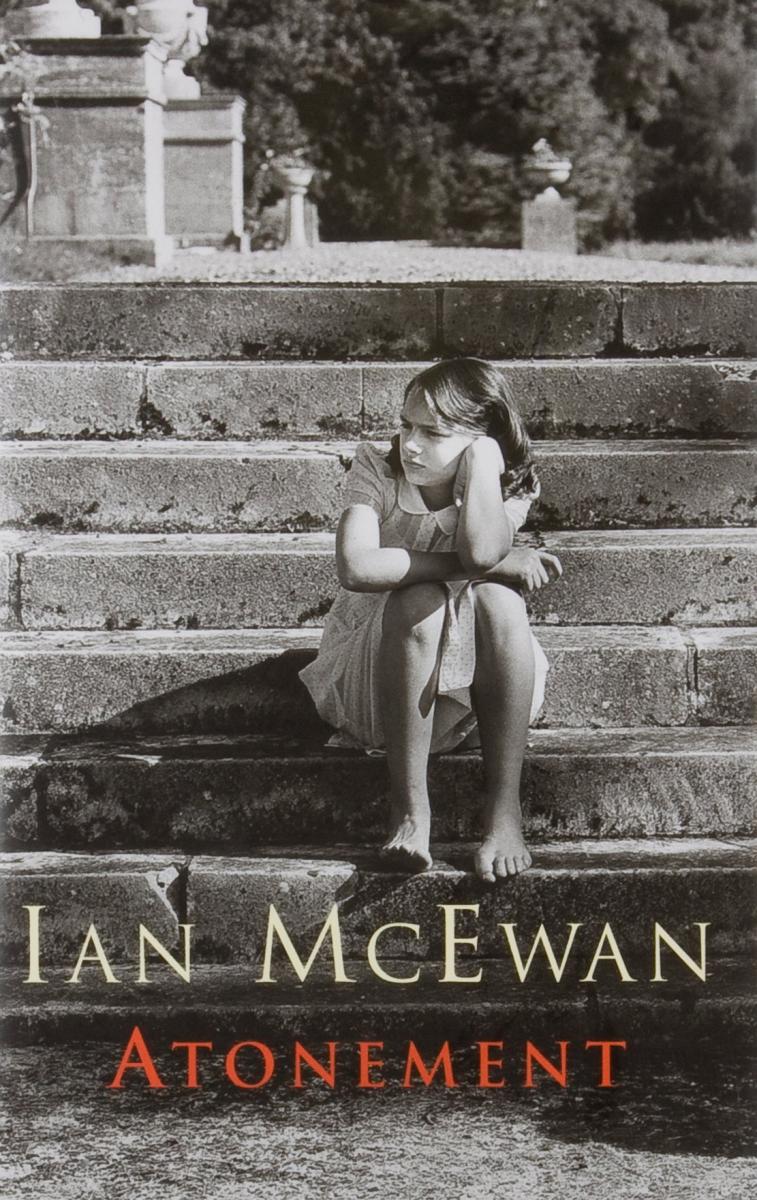
Atonement by Ian McEwan
A much-loved modern classic, which was adapted into a BAFTA-winning film, Atonement is a novel packed with misunderstandings and regrets, as 13-year-old Briony Tallis’s misinterpretation of events has far-reaching and devastating consequences. Spanning three time periods – 1935, 1940 and 1999 – the book follows Briony as she witnesses what she believes to be a sinister interaction between her older sister Cecilia and the son of a servant, Robbie Turner.
Shortlisted for the Booker Prize in 2001, Atonement portrays a wealthy family with a country estate, similar to the Crawleys, whose lives are filled with scandal and intrigue.
Jonathan Yardley from the Washington Post said, ‘It is a story about class and war and crime and betrayal and penance, about all of which McEwan writes with abundant authority, and it is – as we realise toward the end – in and of itself an act of atonement, but above all it is a love story.’
Buy the book
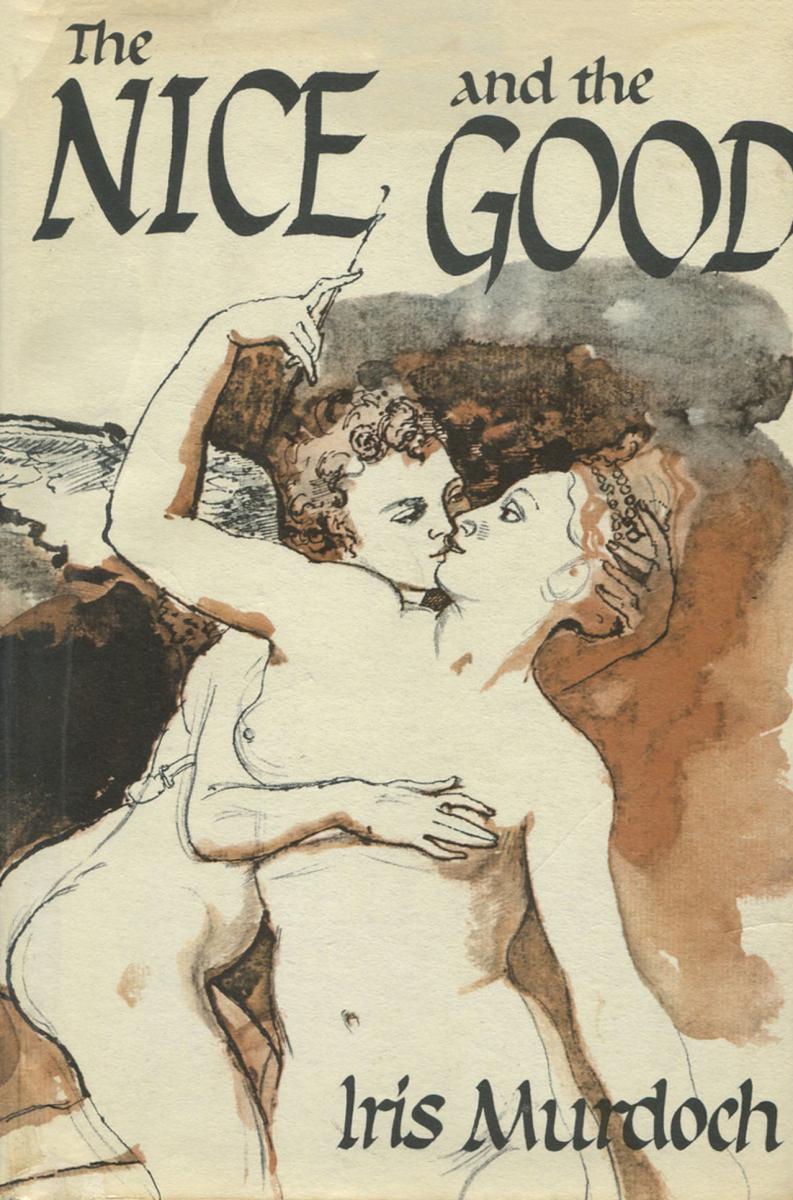
The Nice and the Good by Iris Murdoch
Shortlisted for the Booker Prize in 1969, The Nice and the Good is part thriller, part romantic comedy that fans of Downton Abbey’s various upper-class scandals and intrigues will enjoy.
Kate and Octavian Gray are a happily married couple who live in a large country house by the sea, along with a host of eccentric family members, friends and servants. After the apparent suicide of an employee at his government office in London, Octavian enlists lawyer John Ducane to investigate. When Ducane travels down to Gray’s Dorset home, everything becomes even more mysterious.
In the New York Times, Elizabeth Janeway wrote, ‘“This is a mystery story,” says Miss Murdoch. I am simply using its conventions. But the mystery she is exploring is the universal ambiguity of living creatures in relation to each other, of good behaviour and bad, of pleasure and pain, of responsibility, obligation, influence, meddling and neglect; or, if you like, of the Nice and the Good.’
Buy the book
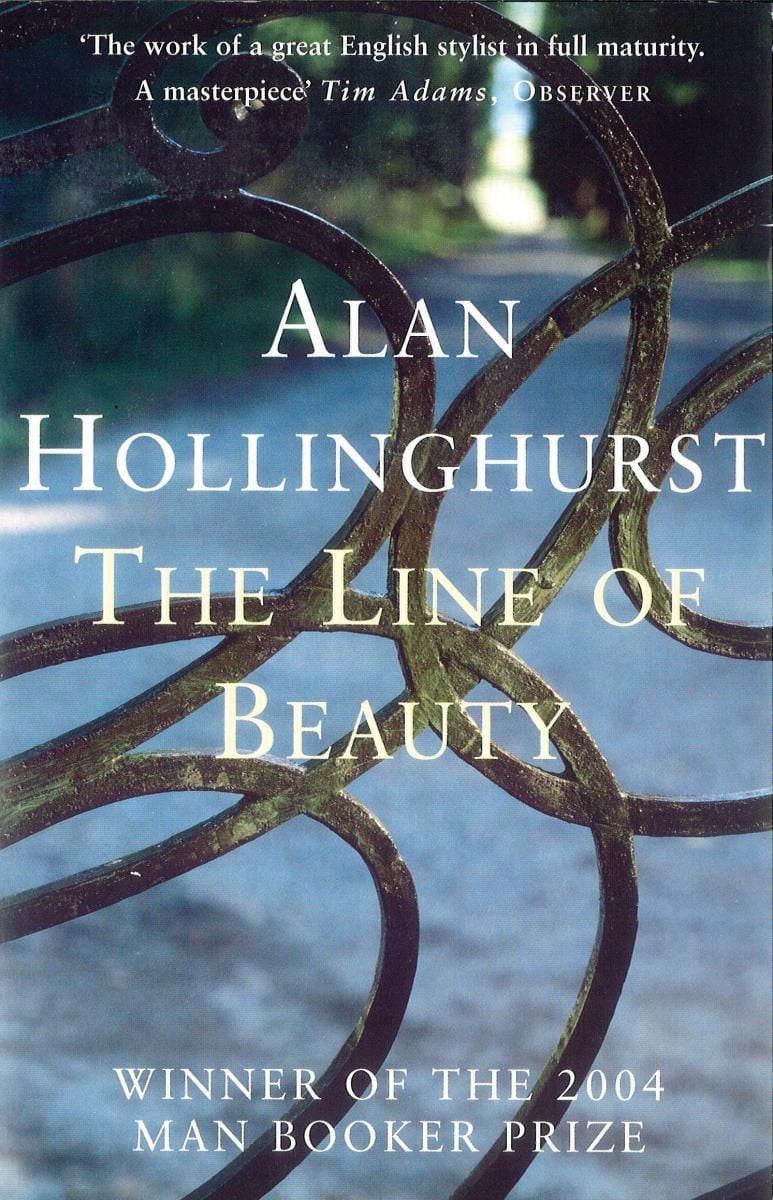
The Line of Beauty by Alan Hollinghurst
Despite being set in the city towards the end of the 20th century, The Line of Beauty shares an exploration of class, wealth and reputation with Downton Abbey that fans will appreciate. Not to mention the parties.
It’s the summer of 1983 and young PhD student Nick Guest is lodging in the glamorous London home of the Feddens: Gerald, an ambitious new Tory MP, his wealthy wife Rachel, and their children. Nick gradually becomes embroiled in the Feddens’ world, with its grand parties, its holidays in the Dordogne, its parade of monsters both comic and threatening.
Hollinghurst explores class, sexuality and politics in the tense and divisive climate that was the UK in the 1980s when Margaret Thatcher was prime minister. Focusing on the AIDS pandemic, and the secret love affairs that existed during that time, The Line of Beauty won the Booker Prize in 2004.
According to Michael Upchurch from the Seattle Times, ‘Privilege and parasitism, bluster and bigotry, cocaine bingeing and stock-market finagling … they’re all here. And it sure doesn’t hurt that Hollinghurst is one of the best writers of party scenes since F. Scott Fitzgerald.’


Features

- Book recommendations
Eight novels to read in autumn, nominated for the Booker Prizes

- Book recommendations
John Banville on Great Granny Webster: ‘Caroline Blackwood created a masterpiece’

- Book recommendations
Seven Booker Prize-nominated novels that explore AI

- Book extract
An extract from Klara and the Sun by Kazuo Ishiguro

- Reading guides
Reading guide: Klara and the Sun by Kazuo Ishiguro

- Reading guides
Reading guide: On Chesil Beach by Ian McEwan

- Competition
Win a copy of On Chesil Beach by Ian McEwan

- Book extract
An extract from On Chesil Beach by Ian McEwan

- Book recommendations
Where to start with Ian McEwan: a guide to his best books

- Book recommendations