
‘He’s barely twenty years of age, but he goes shuffling down the hallway in his stocking feet with all the spryness of a care-home resident’
- Published
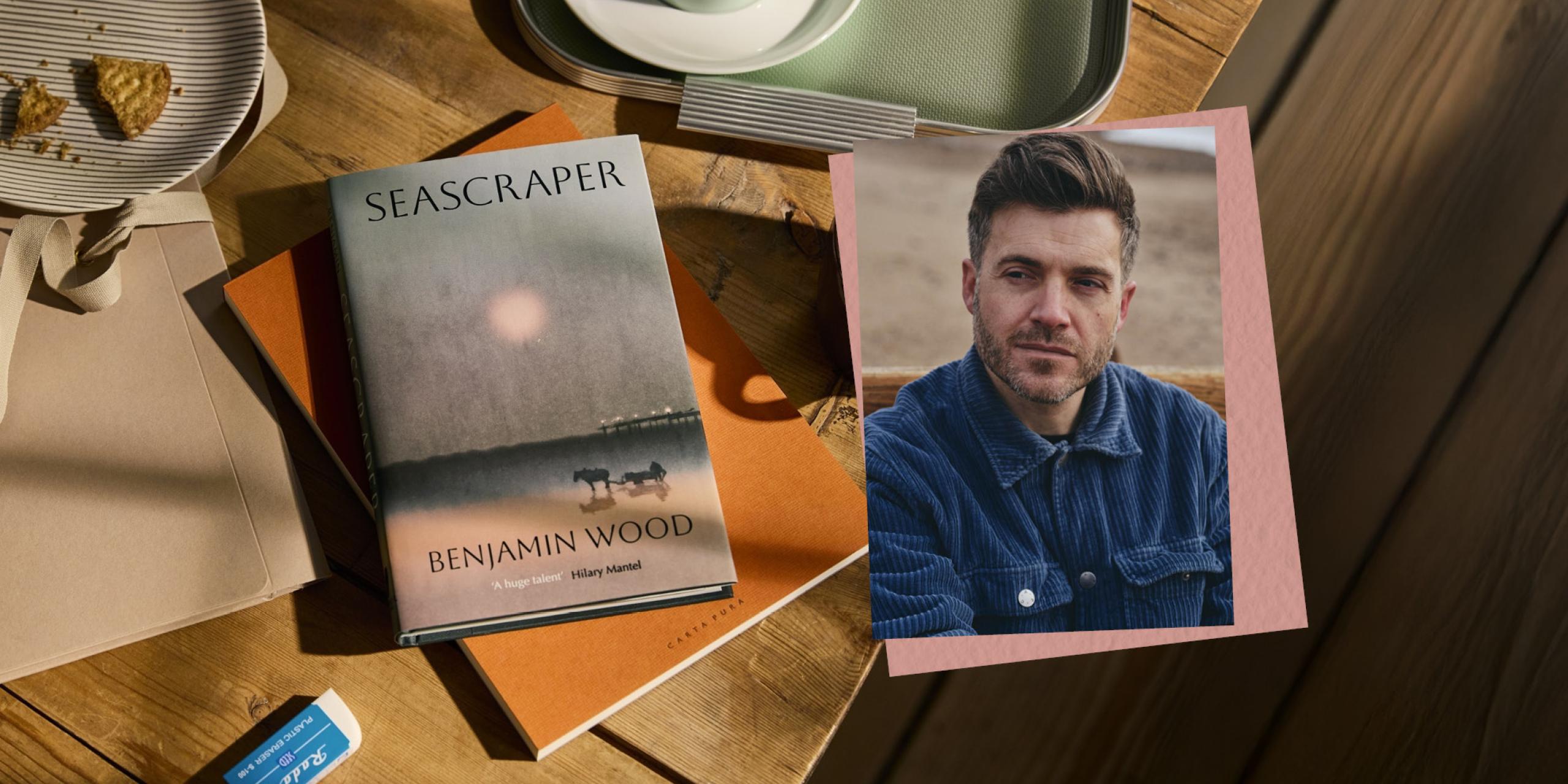
The author of Seascraper, longlisted for the Booker Prize 2025, discusses feeling compelled to write about the region where he grew up, and reveals that he wrote the novel on a churchyard bench
Buy the book
The inspirations behind my Booker-longlisted book
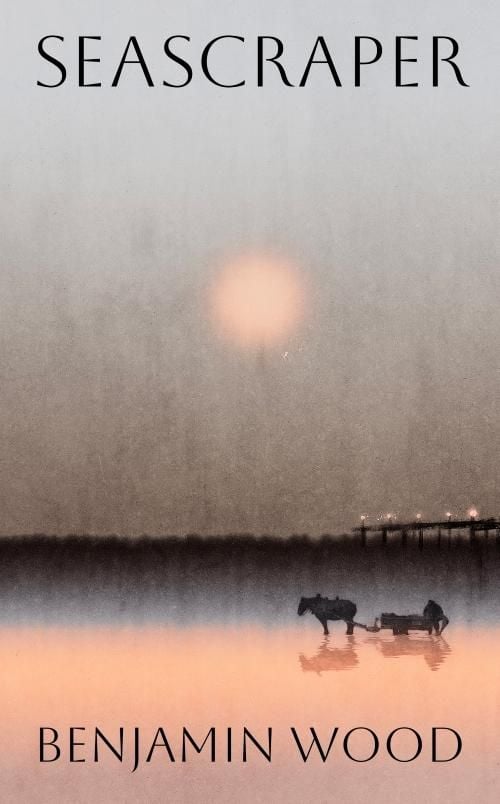
In Southport, the coastal town where I grew up in northwest England, the sea is quite elusive. Most days, you’d swear it’s possible to walk across the beach to Blackpool in the distance. The long, broad shoreline is what makes it such a fruitful area for shrimping. An industry of shrimpers used to thrive there, and I always sensed there was a story for me to tell about the region’s past some day, connecting it with my own experiences of growing up. Longferry is crafted to a smaller scale than my hometown, but the story of Seascraper was built from my lasting memories of Southport beach.
The book that made me fall in love with reading
I had a brilliant English teacher at school named Mrs Seddon who introduced me to John Steinbeck’s novella The Red Pony, aged 13. It shocked me how deeply I felt for the two main characters, Billy Buck and Jody, and how vividly their Californian ranch was rendered in my mind by Steinbeck’s descriptions. It’s always stayed with me, that feeling of immersion in the setting and situation of the story, and I’ve hoped to find something close to it in every book I’ve picked up since.
The book that made me want to become a writer
Paul Auster’s New York Trilogy was the book that first inspired me to write fiction. I noticed a paperback copy of it in WHSmith’s display when I was sheltering from the rain one afternoon in my late teens. It caught my eye because the blurry photo on the cover had the look of a Radiohead album sleeve. I read it over a couple of days and realised there were things a novel could do that I hadn’t understood before, like conjuring an atmosphere so dark and moody it compels you to keep reading, no matter where the plot is leading you.
The book I read again and again
In Cold Blood by Truman Capote. I have a battered old hardback edition on my desk which a friend of mine salvaged from the back room of a charity shop and gave to me, knowing I was a fan. Whenever I need inspiration, I just open it at a random page and read a passage of Capote’s prose. He doesn’t miss a beat of rhythm. Every detail resounds and adds meaning to the whole. I find something new and unexpected in it every time: he had an extraordinary facility for articulating the smallest things he observed in people, good or bad.
It’s always stayed with me, that feeling of immersion in the setting and situation of the story, and I’ve hoped to find something close to it in every book I’ve picked up since
The book that changed the way I think about the world
I haven’t been able to drive on a British A-road with the same level of ease since reading Under the Skin by Michel Faber. A thrilling, terrifying, ingenious book which rattled me for good few weeks after finishing it.
The book that changed the way I think about the novel
It took me a very long time to appreciate David Foster Wallace; in fact, I spent the whole of my twenties feeling bewildered by the adulation his work received. But around the time I was struggling to get my second novel going, I read his biography Every Love Story is a Ghost Story by D.T. Max after reading a good review, and I found Wallace to be a captivating personality on the page, so I read Although Of Course You End Up Becoming Yourself by David Lipsky, and then all of Wallace’s extraordinary non-fiction. These books seemed to be the preparation I required to tackle Infinite Jest, which I had never imagined I would read with so much pleasure. It’s extremely hard work at times, because the way he writes is so hyper-magnified and cerebral, but it’s worth the effort. It expanded my awareness of how language operates in fiction.
The book I’m reading right now
I only recently discovered the novels of Herman Wouk. Reading Youngblood Hawke and The Caine Mutiny this past year was restorative. I’ve had a few periods in my life when I’ve felt exhausted at the thought of reading anything at all, but finding Herman Wouk’s characterful literary page-turners from the 50s and 60s were all the medicine I needed this time.
The Booker-nominated book everyone should read
Everyone on earth should read Ishiguro’s The Remains of the Day – it’s so perfectly crafted. But I’d also like to campaign for a lesser-known book, The Dressmaker by Beryl Bainbridge, which is short, elegant, moving, and structured to reveal its stinging tail so cleverly. It’s also the best novel about Liverpool I’ve come across, which means I have a strong affection for it.
Where and when I most like to write, and the tools I need
I used to be very fussy about the conditions I needed for writing, but then I had children! Now my only requirements are a cup of coffee and a relative amount of quiet in the house. When I was working on Seascraper, our neighbours began some extreme building work. So I’d walk down to the garden of remembrance at my local church every morning with a pencil and notebook. Almost the entire book was written there in longhand on an old wooden bench. It’s such a still and peaceful spot. When it rained, I’d have to sit under a big umbrella with my waterproofs on all day. I’m sure this helped me to evoke the gloomy weather in Longferry with more clarity than I could’ve have done otherwise.
My dream book club, what we’d read, and where we’d meet
I’d likely host it in my house so I wouldn’t need to find a babysitter. We’d read a thick literary novel that would be sure to incite strong opinions, like John Fowles’s The Magus. How many people is too many for a book club? I’d invite James Baldwin, Kazuo Ishiguro, Hilary Mantel, Toni Morrison, Robert Hughes, Tobias Wolff, Paul Simon, Joni Mitchell, Joan Didion, and Beryl Bainbridge. All week, I’d be fretting about which one of them might not show up, but I suspect any of these people would be fine enough company on their own.
Seascraper
- Published by
- Viking
A mesmerising portrait of a young man confined by his class and the ghosts of his family’s past, dreaming of artistic fulfilment


Features

- Book recommendations
The Booker Prize 2025 longlisted authors on the books they reread again and again

- Book recommendations
The best Booker audiobooks to curl up with this winter, chosen by you

- Book recommendations
Booker Prize authors on the childhood books that made them fall in love with fiction


- Book extract