Reading guide: She Who Remains by Rene Karabash, translated by Izidora Angel
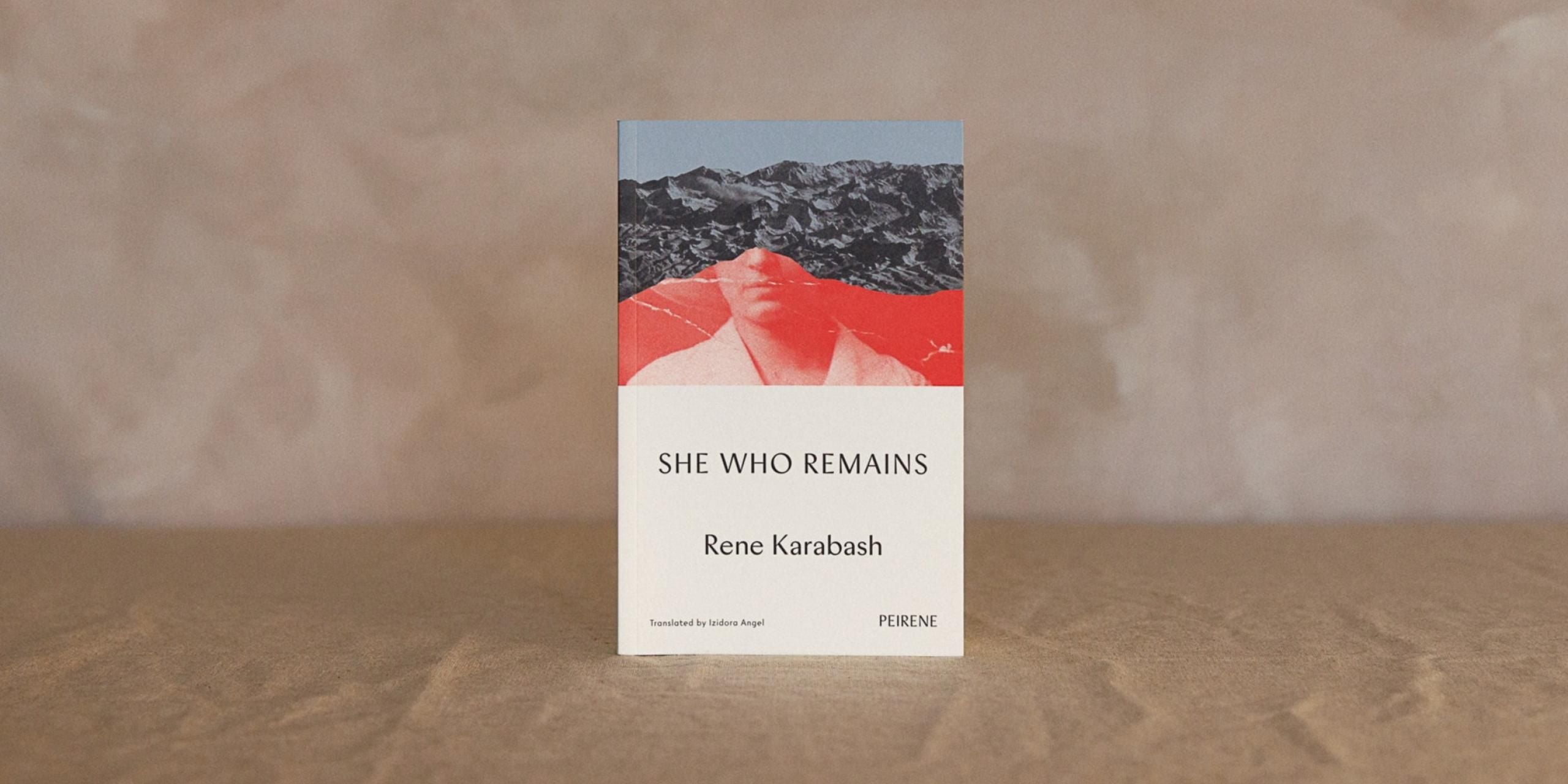
Reading guide: She Who Remains by Rene Karabash, translated by Izidora Angel
- Written by
- Emily Facoory
- Published
Dark and poetic, She Who Remains is a novel about identity, gender, love, freedom, and societal norms
Whether you’re new to She Who Remains or have read it and would like to explore it more deeply, here is our comprehensive guide, featuring insights from critics, our judges and the book’s author and translator, as well as discussion points and suggestions for further reading.
Synopsis
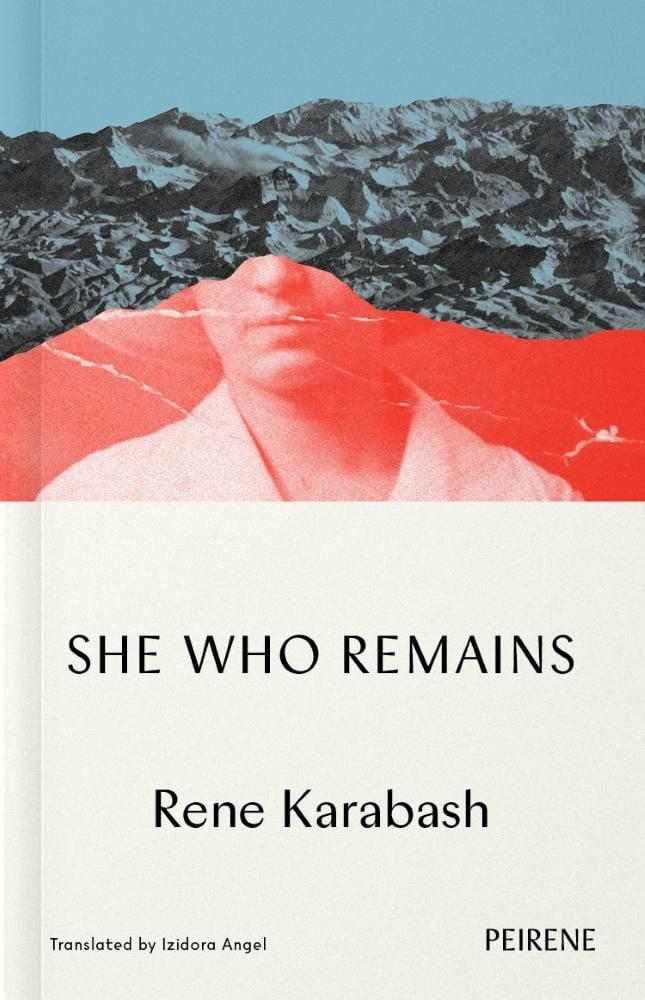
Buy the book
High in Albania’s Accursed Mountains, in a village ruled by the ancient laws of the Kanun, Bekija escapes an arranged marriage by becoming a sworn virgin, renouncing her womanhood to live as a man. Her decision sets off a brutal chain of events, destroying her family and separating her from the one she loves the most.
Years later, as Bekija – now Matija – tells their story to a visiting journalist, long-buried truths come to light, along with the realisation of all that might have been.
She Who Remains was shortlisted for the International Booker Prize in 2026.
The main characters
Bekija/Matija
Matija is a sworn virgin from Albania. Originally named Bekija, they renounce their womanhood to escape an arranged marriage. The consequences of their decision have lasting effects on their family.
Dhana
Dhana is the neighbour of Bekija/Matija. The pair spend time together at a watermill, and Dhana reads books to Bekija who cannot read or write. They fall in love but are separated after Bekija – now Matija – becomes a sworn virgin.
Sále
Sále is Matija’s brother, whose more sensitive nature goes against what is expected of a man under the traditions of Kanun, a set of ancient Albanian laws. He writes letters to Matija that resurface hidden secrets about their family.
About the author
Rene Karabash (born Irena Ivanova) is a Bulgarian poet, writer, screenwriter, actor and playwright. She has won multiple awards for her work, including several Best Actress awards for her role in the film Godless.
Her debut novel, She Who Remains, was awarded the 2019 Elias Canetti Prize, Bulgaria’s most prestigious literary award. It has been translated into over a dozen languages, and a film, adapted by the author, is set to be released in 2026.
Karabash is also the author of the collection Omar’s Letters to His Future Wife and is working on her second novel.

Rene Karabash
© Yana Lozeva
About the translator
Izidora Angel is a Bulgarian-born writer and literary translator based in Chicago. Her work has appeared in A Public Space, Astra, Best Literary Translations, Chicago Reader and elsewhere.
She is the translator of Hristo Karastoyanov’s The Same Night Awaits Us All, Nataliya Deleva’s Four Minutes, and Yordanka Beleva’s Keder, for which she won a National Endowment for the Arts Fellowship.
Angel received a PEN/Heim Translation Fund Grant and the Gulf Coast Prize in Translation for She Who Remains. She is completing her debut memoir, Solomon’s Daughter, first excerpted in The American Scholar.

Izidora Angel
© Albana Pepaj
What the judges said
‘In a village governed by archaic laws in the Albanian Alps, a teenage girl swears a vow of chastity to escape an arranged marriage. As a ‘sworn virgin’, with a new name, Matija is free to live as a man. But that freedom comes at a cost that tears Matija’s family apart.
‘Told with understated poetry, this novel perfectly captures the slippery uncertainty of painful memories. Matija is a compelling narrator, whose story swept us up completely. She Who Remains is an unforgettable modern fairy tale.’
What the critics said
Lucy Scholes, The Telegraph
‘There’s something folkloric, even fable-like, to the events in She Who Remains, something more mythic than realistic. As the novel goes on, tragedy is piled upon tragedy; lives are ruined by bitterness, hatred and the wreaking of revenge. Maybe that makes it inevitable that sometimes the characters themselves feel like archetypes more than individuals, and the plot teeters on the edge of melodrama; but even if so, the power of the language and the vivid portrayal of these wild, remote and “hallowed lands of the Kanun” prove incredibly hard to shake.’

She Who Remains
© India Hobson for Booker Prize Foundation
What the author said
‘I spent two years researching sworn virgins. The books of Ismail Kadare helped me immensely in familiarising myself with their very particular world. I watched interviews and documentaries and probed deeply in books about the meanings of their names, as I believe that the names of the characters always mirror their fate.
‘The actual writing of the book took me only two months. The ‘voice’ appeared suddenly and told the story in a single breath, it dug through my wounds, defied rules (no formal sentence structure, no capitalisation, no quotation marks), and it flowed out of me like a river – without edits – a pure transcription of an entire world I felt entrusted to reveal. It was a painful but also very healing process for me.’
What the translator said
‘The book felt like an absolute spell and it was strikingly innovative, not just stylistically but also in how it explored gender, family, queer love, villains, even God. I had such intense chemistry with this text that translating it felt like a calling and I sank my teeth into it…
‘I do remember thinking ‘Man, this is really hard, but it’s the best thing I’ve ever worked on.’ I really had to rise above myself, let myself be carried, tune my ear to trauma and survival, and render it not just in an English that’s timeless but in a way that allowed for the text to reverberate in a deeply Balkan way. There was also very much a sense of complicity for me thematically – what it means to remain when everything else falls away.’
Questions and discussion points
She Who Remains is a contemporary novel, set in 2017. Considering the story and the ancient, often brutal traditions it describes, what time period did it feel like it was from and why?
How do you think Rene Karabash’s background as a poet and actor has influenced the language used throughout the book?
In an interview with the Booker Prizes, Rene Karabash said, ‘The “voice” appeared suddenly and told the story in a single breath, it dug through my wounds, defied rules (no formal sentence structure, no capitalisation, no quotation marks).’ How did you find reading the book without these formal aspects?
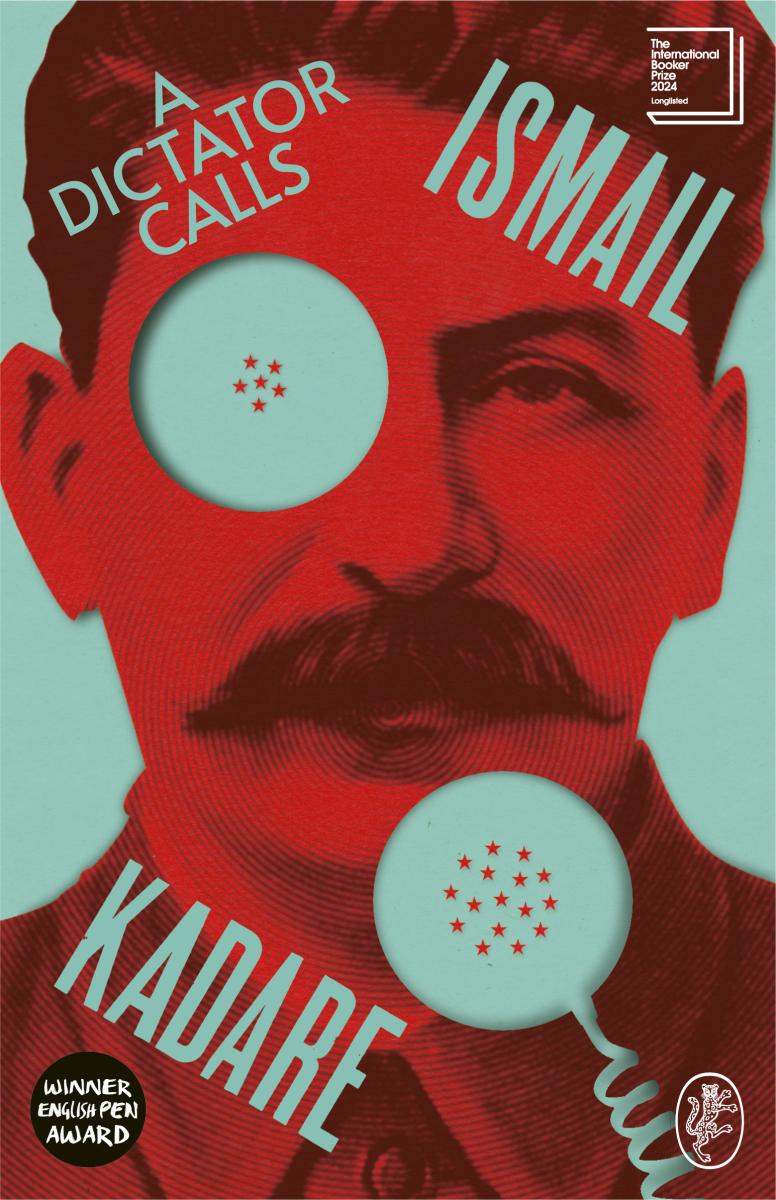
Izidora Angel said in an interview with Reading in Translation, that Rene Karabash is a dedicated reader and student of books by International Booker Prize 2005 winner Ismail Kadare. If you’ve also read Kadare, in what ways can you see the influence of his books on She Who Remains?
She Who Remains has been described as a dark fairy tale or folk story. Do you agree? Which specific aspects of the book feel like they fit within those traditions?
Matija uses the phrase ‘the lie is a worm’ more than once in the book. What’s your interpretation of this line and why do you think it’s repeated?
Matija’s brother Sále writes letters to Matija, bringing up long-buried family secrets. He keeps writing even though he doesn’t receive any replies. What significance do you think these letters have within the story?
In the interview with Reading in Translation, translator Izidora Angel also said, ‘The so-called male and female aspect flow into each other, and sometimes the male takes over and other times the female does. They are obviously inextricable.’ Where in the novel can you see this happening and what is the overall effect?

She Who Remains
© India Hobson for Booker Prize Foundation
Resources and further reading
If you enjoyed this book, why not try
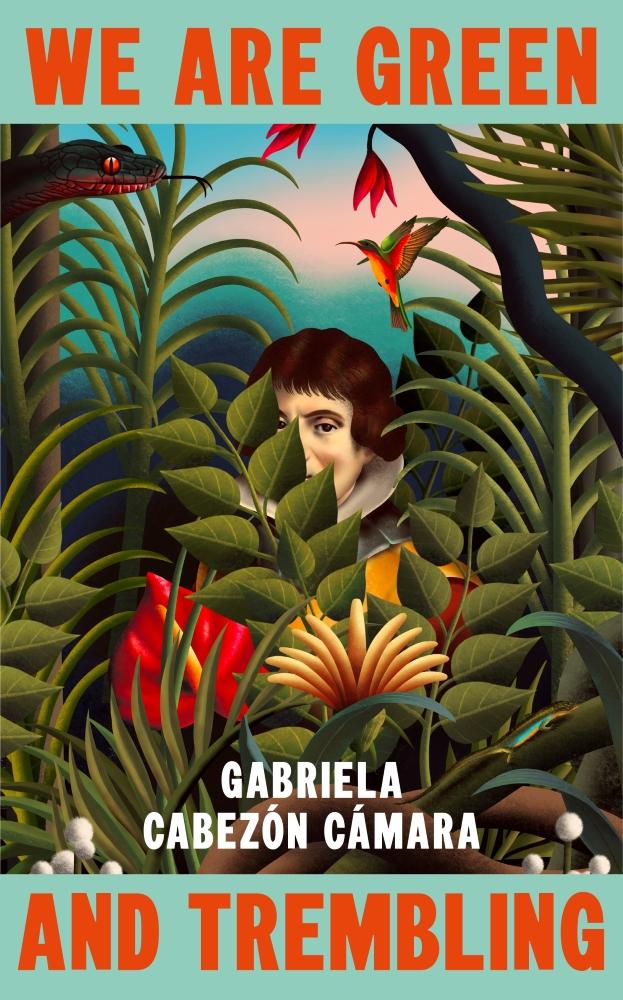

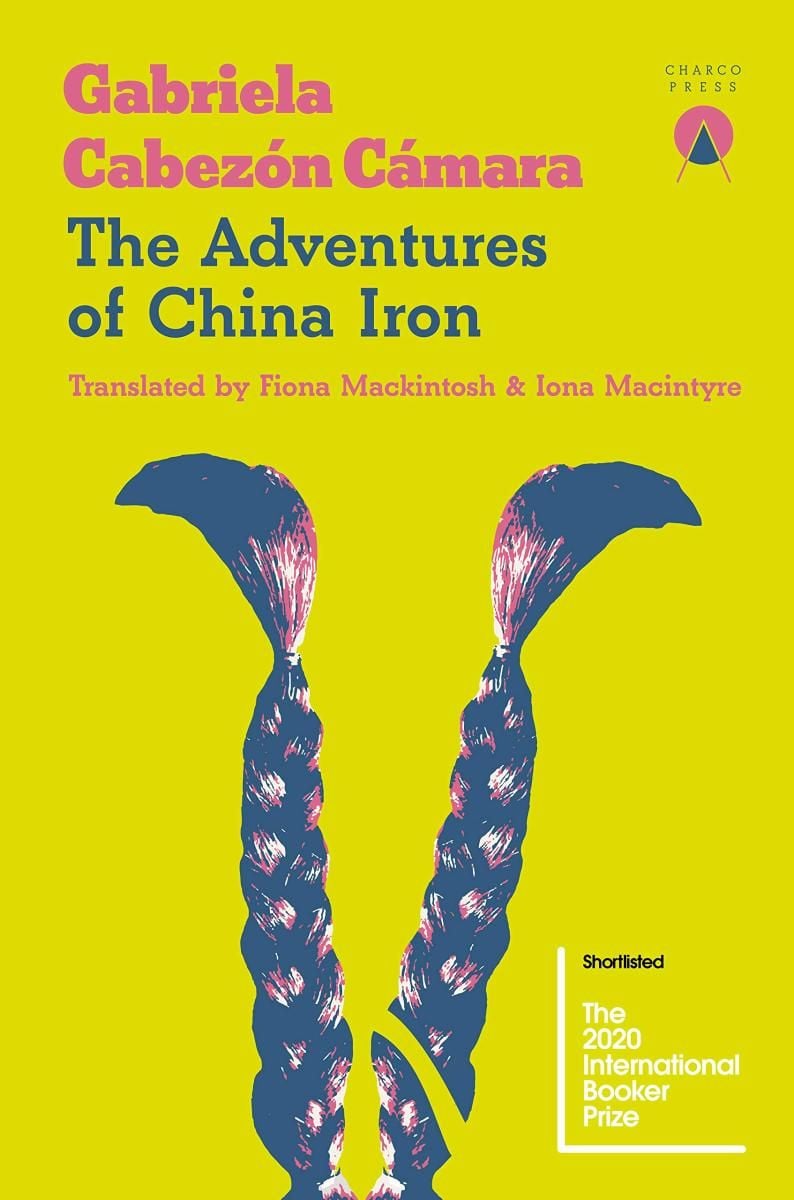
The Adventures of China Iron
by Gabriela Cabezón Cámara
Translated by Fiona Mackintosh Iona Macintyre


She Who Remains
- Translated by
- Izidora Angel
- Published by
- Peirene Press