

‘Yeva saw the way the high-heeled stranger peered at the piles of clothes strewn over the bench seat of the driver’s cabin, the crumpled up sleeping bag, the slimy yellowed mouth retainer on the dash. The woman’s face sank with pity over Yeva’s itinerant life’
- Published
The author of Endling, longlisted for the Booker Prize 2025, talks about 45-minute writing stints and the off-hand remark that partly inspired her novel
Buy the book
The inspirations behind my Booker-longlisted book
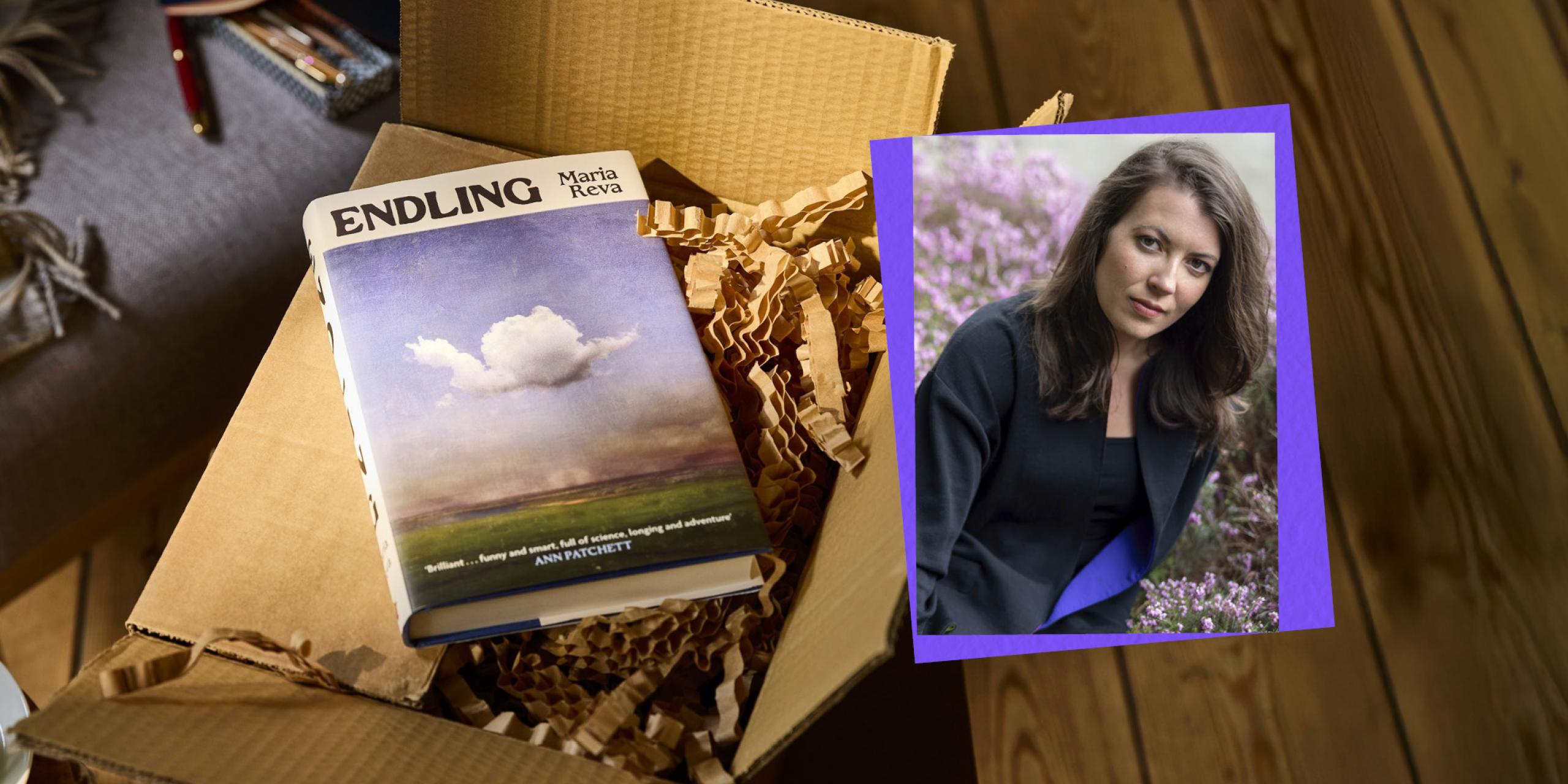
Back in 2018, I set out to write a novel about the art of rare snail breeding in Ukraine and the equally perplexing world of modern dating. The inspirations were many: an off-hand remark by an American to my sister (the composer Anna Pidgorna) about how he’d love a ‘Ukrainian girl for a wife. American women are so ambitious and aggressive’; Ed Yong’s poignant reporting on the emotional burden borne by biologists caring for endlings (the last survivors of a species); Deb Olin Unferth’s propulsive kidnapping scheme and stylistic experimentation in her novel Barn 8.
What made me want to continue telling this story is exactly what made me give up on it for a time: Russia launched its full-scale invasion of Ukraine. Overnight, my relatives’ lives were upended. The setting of my novel was being destroyed in real time and my only way forward was to fold the derailment into the narrative.
The book that made me fall in love with reading
Frog and Toad by Arnold Lobel. My mother and I would listen to the taped version together in our early years of immigration to Canada, and it’s partly how I learned English. Also, The Twits by Roald Dahl. Before that book, I didn’t know that terrible people could exist in books – especially books for children – and how fun it was to read about those terrible people.
The book that made me want to become a writer
A Bird in the House by Canadian writer Margaret Laurence. The book was assigned reading in high school, and I remember being intrigued by its linked story structure – I’d never seen that done before. It gave the best of both worlds: the punchiness of the story with the long arc of a novel. I’ve read many linked collections since, but hers still stirs me, like the memory of a first love. Its structure inspired the one in my first book, Good Citizens Need Not Fear.
The book I read again and again
Tove Ditlevsen’s The Copenhagen Trilogy, a three-piece memoir written in the late 1960s and early 1970s and translated into English by Tiina Nunnally in 2019. It follows her artistic fruition under the Nazi occupation as well as her struggle with addiction. Ditlevsen’s writing is sparse and immediate and diary-like, with deadpan, offhand descriptions of difficult events, sometimes to comedic effect. If I feel my sentences becoming gnarly and overwrought, I often return to her voice for calibration.
Before reading Roald Dahl, I didn’t know that terrible people could exist in books – especially books for children – and how fun it was to read about them
The book that changed the way I think about the world
Ed Yong’s An Immense World. He writes about animal perception and how their subjective sensorial worlds – their ‘umwelt’ – differ from that of humans. The book is mind-blowing, like a psychedelic trip.
The book that changed the way I think about the novel
The People of Paper by Salvador Plascencia. It’s one of the books that helped usher me through my own shape-shifting narrative in Endling. Plascencia plays with typography, the story ends and restarts partway through, his real-life heartbreak derails the plot…it’s absolutely wild.
The book I’m reading right now
Eradication by Jonathan Miles (out in February 2026). In the name of conservation, a schoolteacher who’s never held a gun before signs up to cull tens of thousands of goats on a remote island. What could go wrong, right? I’m also enjoying Villain Hitting for Vicious Little Nobodies by Lindsay Wong (out in January 2026). A funny, unsettling and deeply poignant exploration of something many of us grapple with: the fear of dying alone.
The book by a Booker-nominated author everyone should read
My Year of Rest and Relaxation by Ottessa Moshfegh.
Where and when I most like to write, and the tools I need
Mornings are my best time. Tools: laptop, Scrivener, a timer for 45-minute writing stints. If anyone would like to lend me their home for house-sitting, I would not say no.
My dream book club, what we’d read, and where we’d meet
I enjoy being on juries and discussing books with my peers. But book clubs? I don’t do well in those. It becomes too personal. If I love a book (like, say, Convenience Store Woman by Sayaka Murata), I want everyone to love it as much as I do. I’ll fight for it tooth-and-nail. This is not a recipe for a cosy book club.
Endling
- By
- Maria Reva
- Published by
- Virago
An unforgettable debut novel about the journey of three women and one extremely endangered snail through contemporary Ukraine


Features

- Book recommendations
Eight Booker Prize-nominated books that celebrate ‘spinster lit’

- Book recommendations
11 of the best debut novels that were nominated for the Booker Prize

- Book recommendations
The Booker Prize 2025 longlisted authors on the books they reread again and again

- Book recommendations
Booker Prize authors on the childhood books that made them fall in love with fiction


- Book extract