‘my brother sends his best says Nemanja’s brother and shoots his gun just once… my father’s warm body tumbles into the dead leaves, his big eyes fixed on him, my father’s big eyes locked into Nemanja’s brother’s eyes, his strong hands grab my father and turn him to the setting sun’
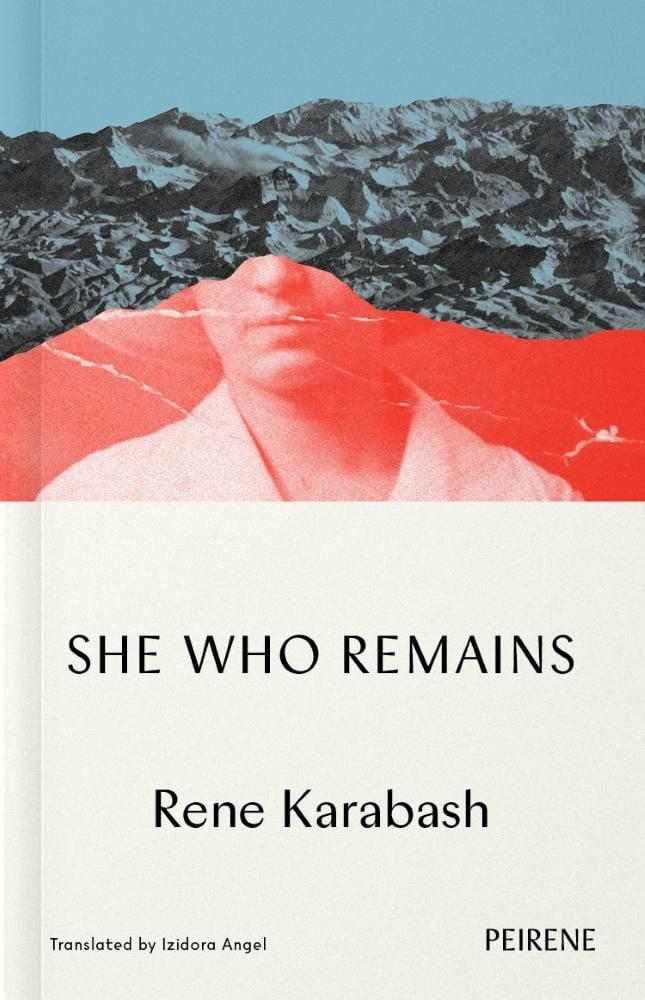
- Shortlisted
- The International Booker Prize 2026
- Published by Peirene Press
Buy the book
A dark and poetic novel about identity, gender, love, freedom, and societal norms
High in Albania’s Accursed Mountains, in a village ruled by the ancient laws of the Kanun, Bekija escapes an arranged marriage by becoming a sworn virgin, renouncing her womanhood to live as a man. Her decision sets off a brutal chain of events, destroying her family and separating her from the one she loves the most.
Years later, as Bekija – now Matija – tells their story to a visiting journalist, long-buried truths come to light, along with the realisation of all that might have been.
She Who Remains was shortlisted for the International Booker Prize 2026.

Rene Karabash
Rene Karabash (born Irena Ivanova) is a Bulgarian poet, writer, screenwriter, actor and playwright
More about Rene Karabash 
Izidora Angel
Izidora Angel is a Bulgarian-born writer and literary translator based in Chicago
More about Izidora Angel In an Albanian village governed by archaic laws, a teenage girl swears a vow of chastity to escape an arranged marriage. Told with understated poetry, this is an unforgettable modern fairy tale
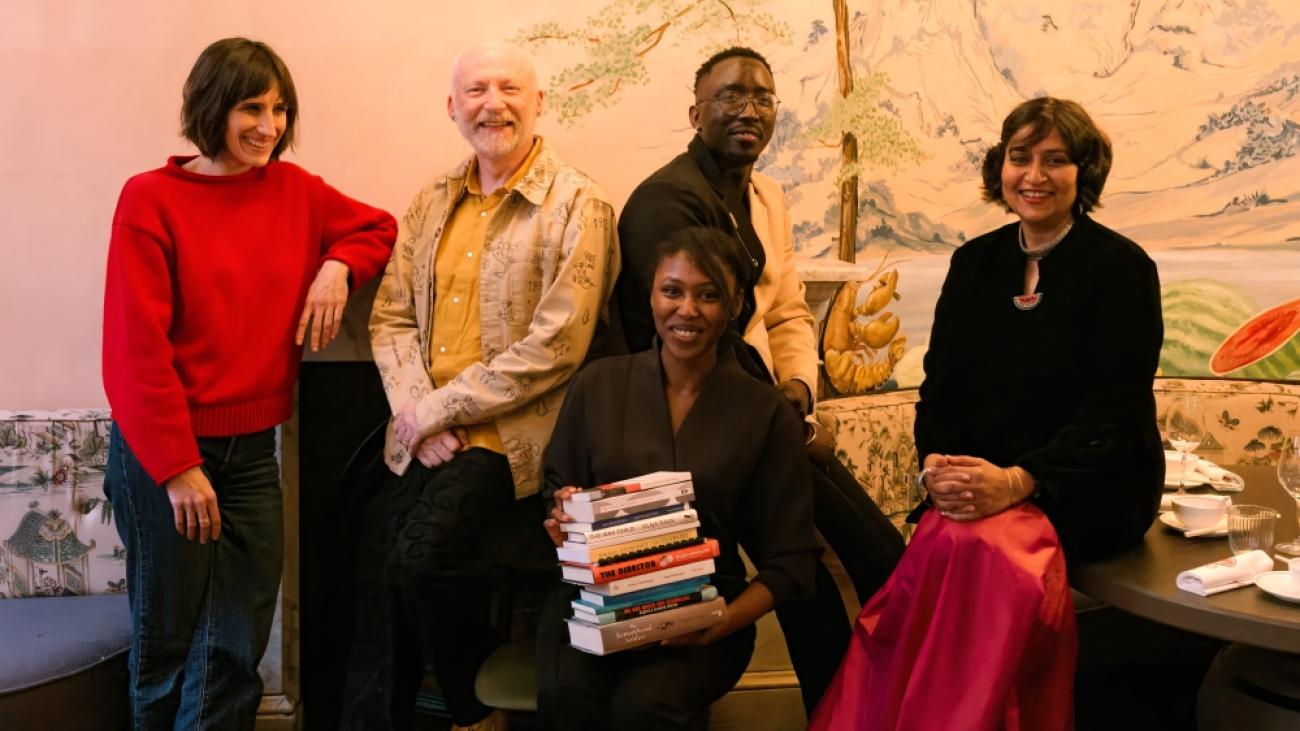
The International Booker Prize 2026 judges
What the judges said
‘In a village governed by archaic laws in the Albanian Alps, a teenage girl swears a vow of chastity to escape an arranged marriage. As a ‘sworn virgin’, with a new name, Matija is free to live as a man. But that freedom comes at a cost that tears Matija’s family apart. Told with understated poetry, this novel perfectly captures the slippery uncertainty of painful memories. Matija is a compelling narrator, whose story swept us up completely. She Who Remains is an unforgettable modern fairy tale.’
What the critics said
Lucy Scholes, Telegraph:
There’s something folkloric, even fable-like, to the events in She Who Remains, something more mythic than realistic. As the novel goes on, tragedy is piled upon tragedy; lives are ruined by bitterness, hatred and the wreaking of revenge. Maybe makes it inevitable that sometimes the characters themselves feel like archetypes more than individuals, and the plot teeters on the edge of melodrama; but even if so, the power of the language and the vivid portrayal of these wild, remote and “hallowed lands of the Kanun” prove incredibly hard to shake.