




From books that changed the world to contemporary works that are certain to endure, these are your must-read classics from the Booker Library
Eight Booker Prizes books inspired by folklore
Eight Booker Prizes books inspired by folklore
- Written by
- Donna Mackay-Smith
- Published
From legends of Green Men to mythical beasts, discover a world where the weird and wonderful come to life
Folklore is enjoying somewhat of a revival. The renewed popularity of the folk horror genre, alongside a resurgence of the retelling of ancient myths across film, TV and print demonstrates an appetite for stories that explore the otherworldly.
For many of us, this curiosity starts in childhood, through fairy tales read at bedtime, or fables passed from one generation to the next. In an interview with the Guardian, British fantasy author Alan Garner recalled how his own childhood was shaped in such a way: ‘My mother read nursery rhymes to me, and my grandmother told me folk stories,’ he said. Garner’s body of work is renowned for drawing on ancient myths and local legends, and there’s something quite magical about the idea that stories from our earliest years can find their way into a writer’s imagination, only to take root many years later and find new life on the page.
Often, these tales are concerned with more than the fantastical; they’re about the places we call home, and they connect us to our past. In this spirit, here are eight books nominated for the Booker Prize and International Booker Prize that rework these stories for a new generation of readers.
Buy the book
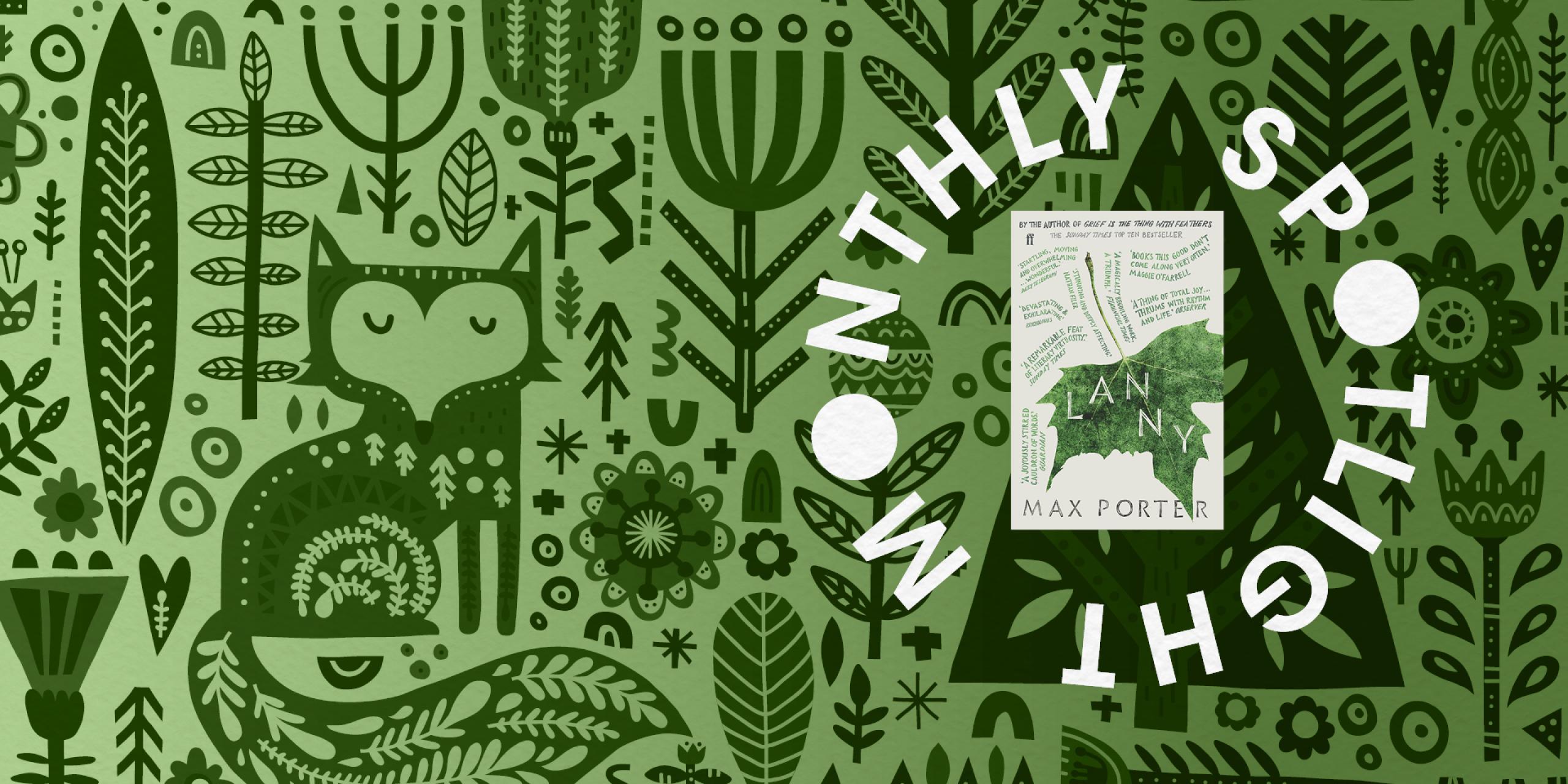
Lanny by Max Porter
In Max Porter’s second novel, which was longlisted for the Booker Prize in 2019, a shapeshifting spirit called Dead Papa Toothwort pulls all the strings. But Toothwort is far more than an outlandish creation of Porter’s brilliant mind – he is a trickster, a Green Man of sorts, part pagan legend, part wild man of the woods. Porter’s reimagining is set in a village not far from London, and here, the village belongs to Toothwort; he is listening to its inhabitants, absorbing their conversations and secrets, day in, day out.
At the centre of the story is a young boy named Lanny, who sees things beyond our world, including spirits with ‘the head of a dolphin and the wings of a peregrine’ and ‘storm warning beasts, watching the weather while we sleep.’ But Lanny suddenly goes missing, and Dead Papa Toothwort might just have the key to his disappearance.
Like Toothwort, Porter’s writing is also shapeshifting. The book plays with typography – words soar and coalesce on the page, and voices converge into a chorus. Porter’s work has been compared to that of Alan Garner, who also revels in the strangeness of English culture. In Locus Magazine, Ian Mond described the book as ‘a nightmarish tour de force, astonishing for being utterly bonkers, but also terrifying and heart-breaking,’ and praised Porter for pulling off the near-impossible ‘by writing an overtly experimental and surreal novel that’s also accessible.’
Buy the book
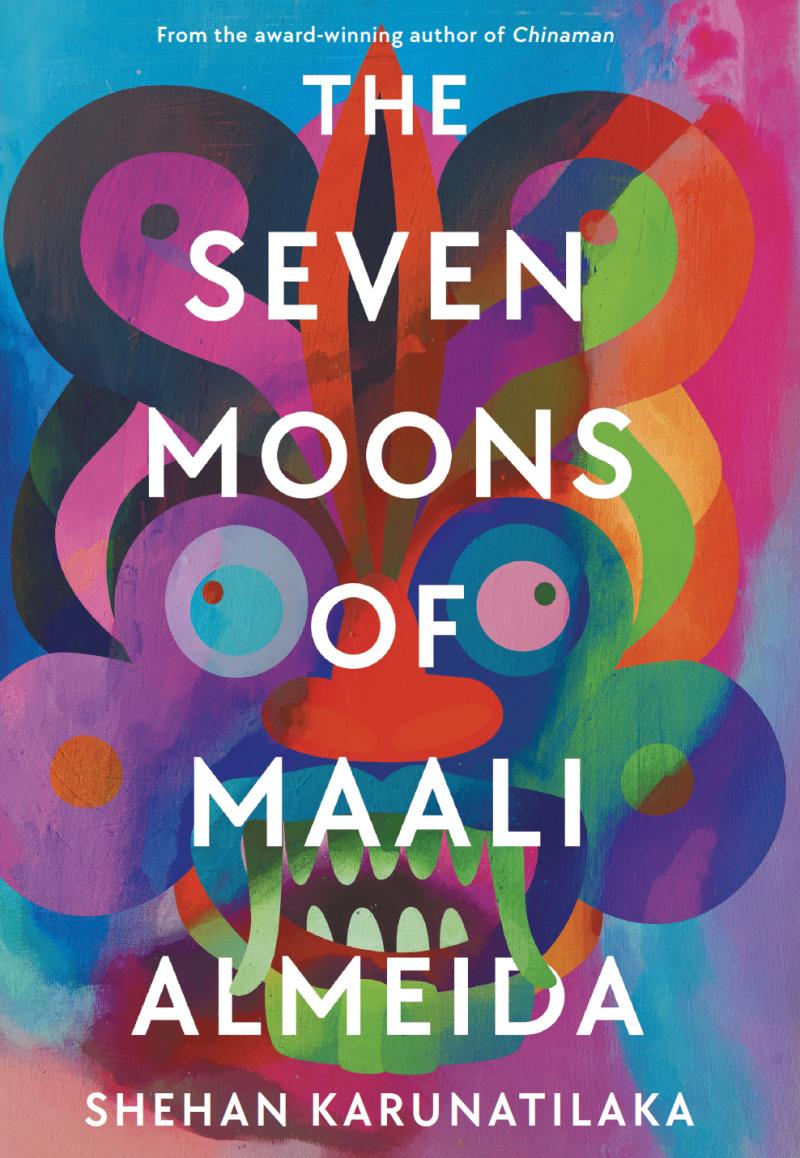
The Seven Moons of Maali Almeida by Shehan Karunatilaka
Before putting pen to paper for The Seven Moons of Maali Almeida, Sri Lankan author Shehan Karunatilaka began researching folklore from the region. His ambition was to write something altogether unusual: a critique of the Sri Lankan Civil War through the lens of a ghost story, where ‘the dead could offer perspective.’
His novel follows Maali, a war photographer who wakes up in a celestial afterlife. He has seven moons – or nights – to crack his own murder case, which lies at the heart of the story. It’s an exploration of death, but also the consequences of war. Karunatilaka draws on Sri Lankan mythology and Buddhist beliefs, including reincarnation and karma. Demons and spectres lurk throughout, and straddle the worlds of the living and dead.
Blending political satire with a whodunnit, Karunatilaka created a portrait of a country haunted by its past that was so original, it won the Booker Prize in 2022. The panel of judges praised the book upon its win, saying it ‘dissolves the boundaries not just of different genres, but of life and death, body and spirit, east and west.’
Buy the book
Treacle Walker by Alan Garner
Alan Garner was born in Cheshire, England, and much of his work is rooted in its landscape. It’s here that he bases Treacle Walker – a curious novel that combines ancient myth and local folklore with a childlike sense of wonder.
Joe Coppock, a young boy with a lazy eye, encounters Treacle Walker, a travelling rag-and-bone man. He offers him the shoulder blade of a lamb and an old pair of pyjamas in exchange for a donkey stone and a mysterious jar of medicine. Here begins an unlikely friendship, taking Joe on an adventure like no other, where Treacle Walker offers him a new kind of sight.
Garner suffuses this world with magic and alchemy. The donkey stone allows Joe to glimpse alternate realities, while a mirror gifted by Treacle Walker opens up the possibility of travelling through time. ‘Thin Amren’, a naked entity who lives in the local fen, is a nod to ancient bog bodies discovered in the area, such as Lindow Man. Riddled with wordplay (‘I have been through Hickety, Pickety, France and High Spain, by crinkum, crankims, crooks and straights’), nursery rhymes and nods to yesteryear, Garner created a mysterious folktale imbued with the history of the region that was shortlisted for the Booker Prize in 2022.
Buy the book
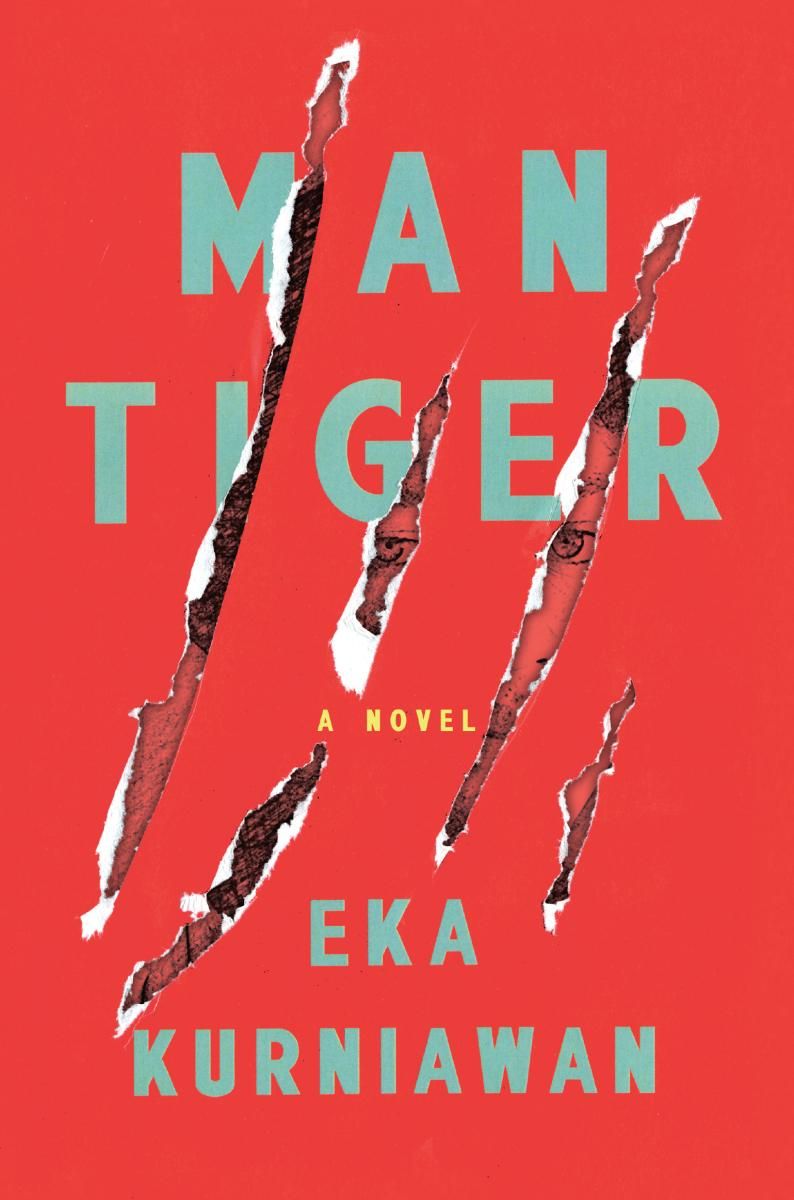
Man Tiger by Eka Kurniawan, translated by Labodalih Sembiring
In Indonesian folklore, there is a long-standing belief that people from the region house a guardian or ancestral spirit of the harimau jadi-jadian – a white tiger. These shapeshifting spirits are associated with the protection of villages or families. It’s this tradition that Eka Kurniawan explores in Man Tiger, a novel which opens with a brutal murder. Unusually, the perpetrator remains at the scene, claiming the ‘tiger inside [his] body’ is responsible: a supernatural big cat, passed through the generations and inherited from his grandfather, which he carries within.
Kurniawan draws on the stories that surrounded his own childhood, and borrows from the lore of Javanese communities too. At its heart, this is a story of family and generational trauma, interwoven with elements of magical realism and the region’s oral traditions. His writing has drawn comparisons to literary heavyweights such as Salman Rushdie and Gabriel García Márquez for its blend of the fantastical and the everyday. The novel was longlisted for the International Booker Prize in 2016, and translated from Indonesian by Labodalih Sembiring.
Buy the book
Crooked Plow by Itamar Vieira Junior, translated by Johnny Lorenz
Deep in Brazil’s Bahia hinterland, two young sisters stumble upon an old knife concealed in their grandmother’s house while playing. Curious about its powers, they decide to taste its blade, with devastating consequences. Now bound by this act, the sisters are inextricably entwined: ‘That’s how I became a part of Belonísia, just as she was becoming part of me… we felt like Siamese twins, sharing the same tongue to make the words that revealed what we needed to become.’
Crooked Plow is set in a region of Brazil where roughly one-third of all enslaved Africans were sent during the transatlantic slave trade. Many of Bahia’s stories remain untold, and Itamar Vieira Junior invites us to explore the relationships of Afro-Brazilian and Indigenous peoples to the earth and their means of subsistence. Unlike the colonial landowners around them, they regard it as far more than property; it is a living presence, imbued with their ancestral memory and inseparable from their survival. Crooked Plow was shortlisted for the International Booker Prize in 2024, and was translated from Brazilian Portuguese by Johnny Lorenz.
Buy the book
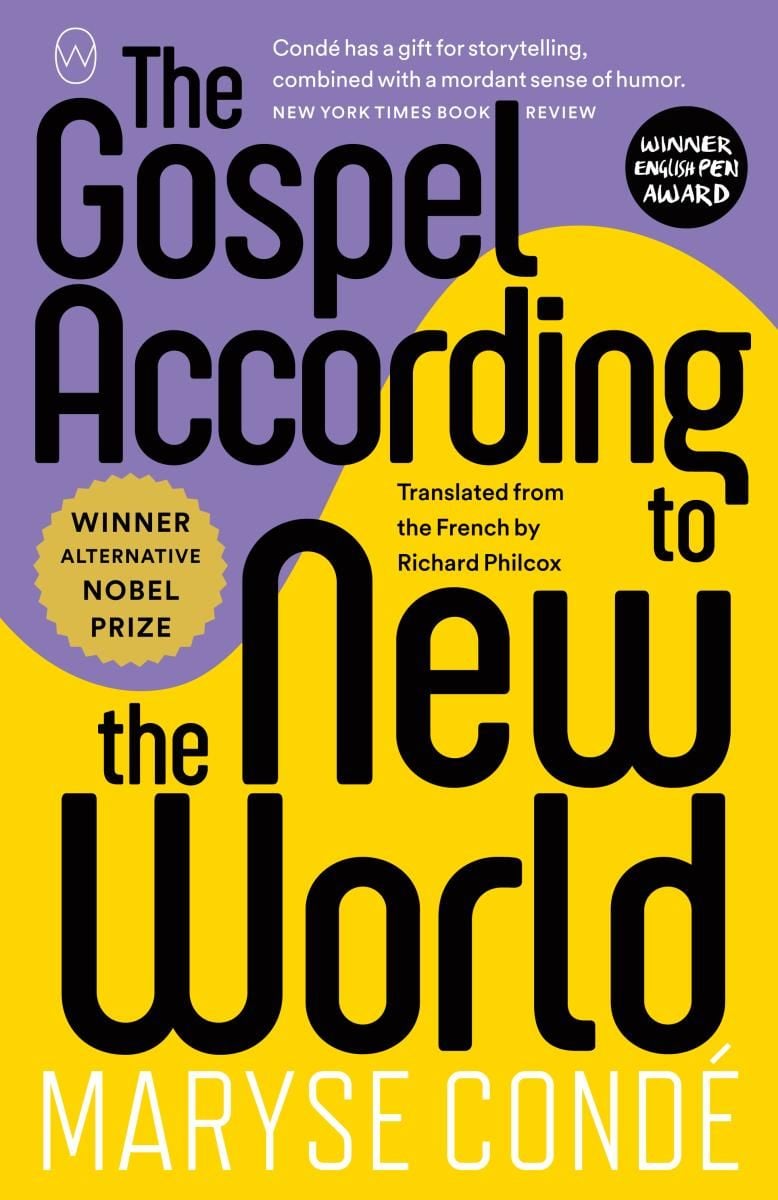
The Gospel According to the New World by Maryse Condé, translated by Richard Philcox
For a modern take on Caribbean folklore, look no further than the work of Maryse Condé, also known as the Grande Dame of Caribbean literature. Her final novel, The Gospel According to the New World, which was translated from French by Richard Philcox and shortlisted for the International Booker Prize in 2023, takes the story of Christ and playfully reimagines it through a modern lens.
Set in a fictionalised version of Martinique in the West Indies, the novel follows baby Pascal, who is abandoned in a shed by his birth mother on Easter Sunday and consequently adopted by a childless couple. As he grows and begins to search for his origins, so do the rumours that he is the child of God, and a succession of miraculous events turns Pascal into a messianic figure.
It would be easy to dismiss Condé’s work as parody, but in The Gospel According to the New World, she is doing much more than simply rewriting the gospel. She draws on the rich storytelling traditions of the area, fusing biblical belief with local folklore and even colonial history. Here, angels, prophets and even miracles find their home alongside ordinary people.
Buy the book
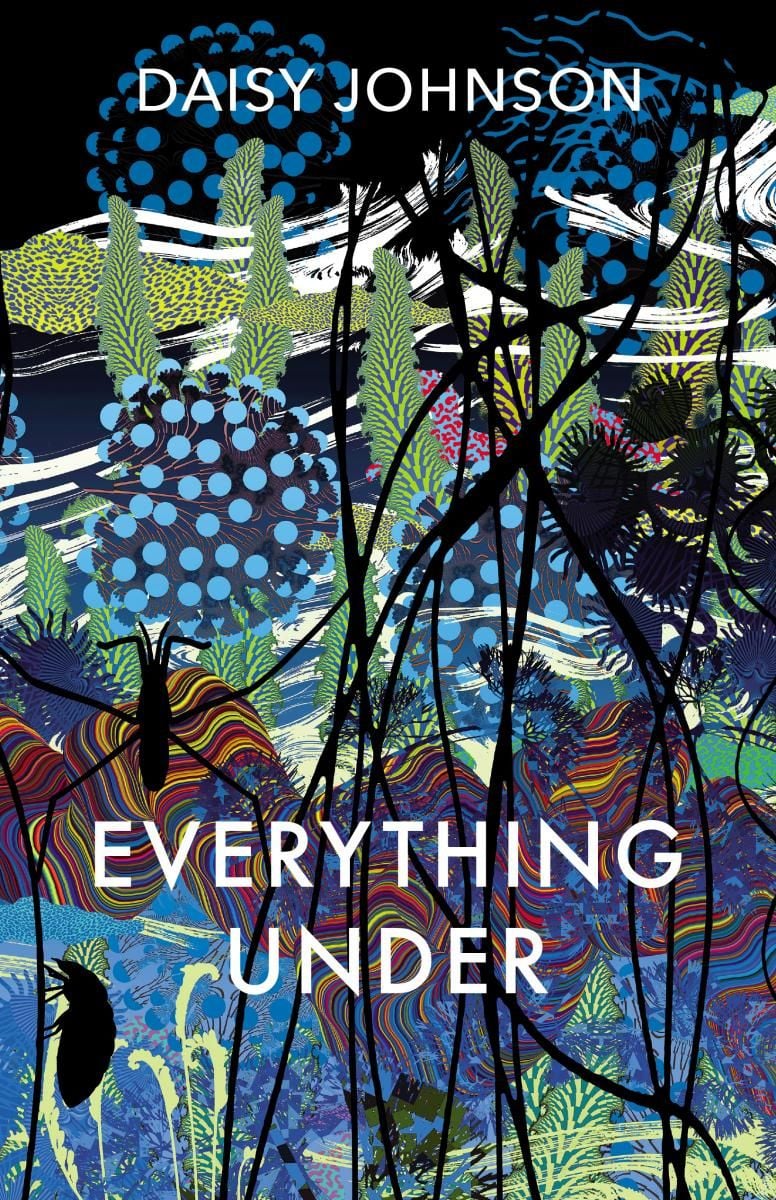
Everything Under by Daisy Johnson
The strange and unsettling waterways of the English Fens are the setting of Daisy Johnson’s Everything Under, where a mysterious creature known as the Bonak is said to snatch animals and children from the riverbanks.
Johnson’s work is a loose and subverted retelling of the Oedipus myth, one of the most enduring tragedies of Greek mythology. Her version follows Gretel, a lexicographer who spent much of her youth in foster care after being abandoned by her mother. Now an adult, Gretel is searching for her, and along the way, pieces together memories of their troubled time living on a houseboat. People ‘who grow up around water are different to other people,’ Johnson writes.
Johnson’s novel has intertextual nods throughout. There are echoes of fairy tales and legends, including Hansel and Gretel and allusions to ‘Beowulf’. It might sound playful, but the dark Oxfordshire canals cast a shadow of the uncanny throughout. Everything Under was shortlisted for the Booker Prize in 2018; The Irish Times commended Johnson for her ‘imaginative and innovative use of myth’, which they said creates ‘a story of spellbinding tension.’
Buy the book
An Orchestra of Minorities by Chigozie Obioma
Chigozie Obioma opens a door between two worlds in An Orchestra of Minorities, in a story recounted by an Igbo guardian spirit called a chi. Rooted in Nigeria, the novel follows Chinonso, a humble poultry farmer whose life changes when he encounters Ndali, a woman about to jump to her death. In an act of compassion, he throws two of his prized chickens to show her the consequences of such a choice and talks her down. Eventually, the pair fall in love, but the gulf between their backgrounds threatens to keep them apart.
Obioma borrows the structure of Homer’s Odyssey while drawing on Igbo cosmology, spirituality, oral storytelling traditions and well-known proverbs to weave a narrative steeped in the folklore of the region. But there is more to this story than meets the eye, and Chinonso’s fate is to be decided in a celestial tribunal where his chi stands before the deities and ancestors, justifying the course his earthly life took.
Shortlisted for the Booker Prize in 2019, this is a story of tremendous emotional depth where the worlds of the living and the dead collide.




Features

- Reading guides
Reading guide: Lanny by Max Porter

- Book extract
An extract from Lanny by Max Porter

- Book recommendations
South Asian Heritage Month: 12 books to read from the Booker Library

- Book recommendations
10 Booker Prize-nominated books featuring complicated sibling relationships

- Book recommendations
10 of the best Booker-nominated murder mysteries, for Knives Out fans


- Book recommendations
The best children’s books for Christmas written by Booker Prize authors

- Book recommendations
