
Oh William!
by Elizabeth Strout

An estranged mother and daughter attempt to reconnect in Elizabeth Strout’s Booker Prize 2016 longlisted novel
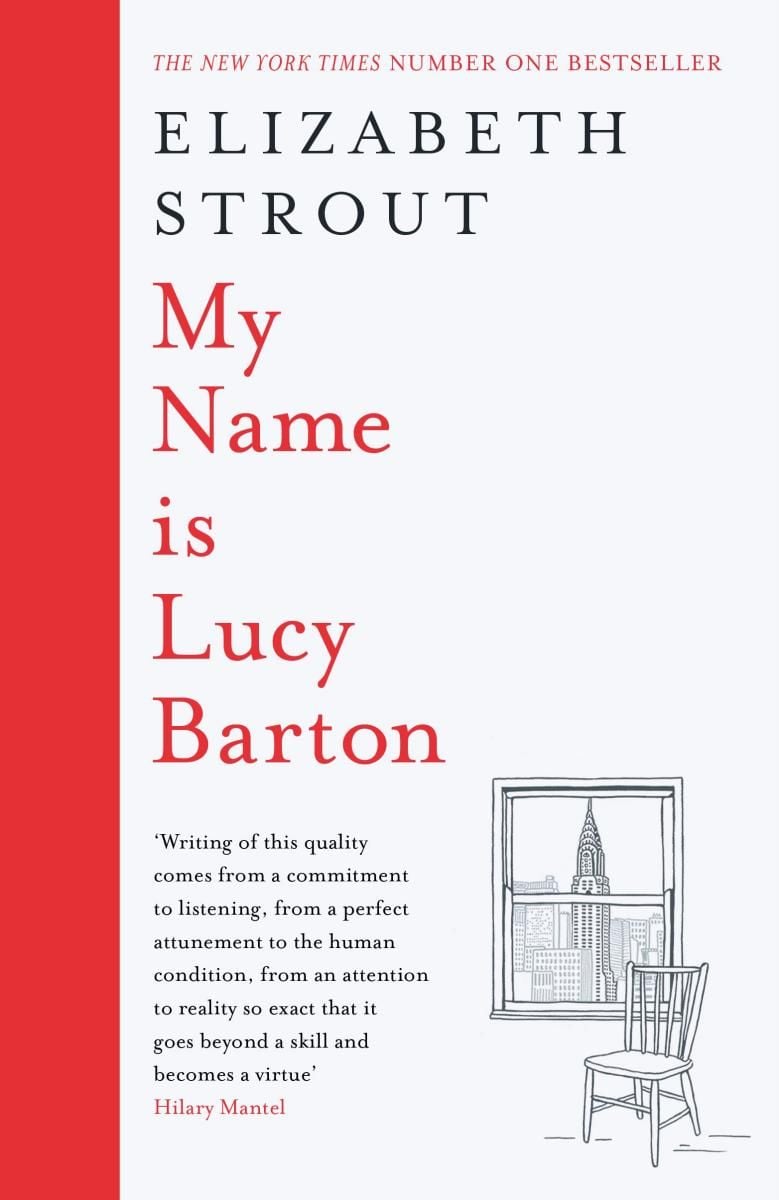
Whether you’re new to My Name is Lucy Barton or have read it and would like to explore it more deeply, here is our comprehensive guide, featuring insights from critics, our judges and the book’s author, as well as discussion points and suggestions for further reading.
Lucy Barton is recovering slowly in hospital from what should have been a simple operation. Her mother, to whom she hasn’t spoken for many years, comes to see her. The unexpected visit forces Lucy to confront the tension and longing that have informed every aspect of her life: her impoverished childhood in Amgash, her escape to New York, her faltering marriage – and her love for her own daughters.
My Name is Lucy Barton was longlisted for the Booker Prize in 2016.
Lucy Barton
Lucy Barton is a writer living in New York City with her husband and two daughters. Originally from Amgash, Illinois, her childhood was characterised by stinging poverty. While Lucy recovers in hospital from an infection, her estranged mother visits and the two women attempt to reconnect.
Lucy’s mother
Lucy’s mother travels from her hometown of Amgash to Lucy’s hospital bedside, staying for five nights. The women haven’t spoken in years and have a complex relationship due to Lucy’s traumatic childhood. Lucy’s mother is emotionally distant and struggles to show her daughter affection.
American author Elizabeth Strout was longlisted for the Booker Prize in 2016 for My Name is Lucy Barton and shortlisted in 2022 for Oh William!. She is the Pulitzer prize-winning author of Olive Kitteridge, as well as The Burgess Boys, a New York Times bestseller, Abide With Me and Amy and Isabelle, which won the Los Angeles Times Art Seidenbaum Award for First Fiction and the Chicago Tribune Heartland Prize. Strout has also been a finalist for the PEN/Faulkner Award and the Orange Prize.
Before writing, she had a brief career in the law and now lives between New York City and Portland, Maine. Many of her novels have been bestsellers: Olive Kitteridge has sold more than one million copies and was made into an Emmy-winning television mini-series.
Elizabeth Strout
© Leonard Cendamo
Hannah Beckerman, Guardian
‘My Name Is Lucy Barton confirms Strout as a powerful storyteller immersed in the nuances of human relationships, weaving family tapestries with compassion, wisdom and insight. If she hadn’t already won the Pulitzer for Olive Kitteridge, this new novel would surely be a contender.’
Lily King, Washington Post
‘My Name Is Lucy Barton is smart and cagey in every way. It starts with the clean, solid structure and narrative distance of a fairy tale yet becomes more intimate and improvisational, coming close at times to the rawness of autofiction by writers such as Karl Ove Knausgaard and Rachel Cusk. Strout is playing with form here, with ways to get at a story, yet nothing is tentative or haphazard. She is in supreme and magnificent command of this novel at all times.’
Claire Messud, New York Times
‘There is not a scintilla of sentimentality in this exquisite novel. Instead, in its careful words and vibrating silences, “My Name Is Lucy Barton” offers us a rare wealth of emotion, from darkest suffering to – “I was so happy. Oh, I was happy” – simple joy.’
Newsday
‘My Name Is Lucy Barton is a short novel about love, particularly the complicated love between mothers and daughters… It evokes these connections in a style so spare, so pure and so profound the book almost seems to be a kind of scripture or sutra, if a very down-to-earth and unpretentious one.’
Annalisa Quinn, NPR
‘Some novels, regardless of their relationship to actual events, feel true. It’s like something gentle has taken you to one side, where things you already half-knew but couldn’t articulate are finally explained to you. You feel relief, you feel understood, you feel realer, even. You think, that’s it. That’s what life is like. My Name is Lucy Barton renders familiar universal tensions – family, sickness, money – quietly and aptly. It’s a true novel.’
‘I cannot tell you where Lucy came from. Her voice is what appeared to me first, which is why I had to write it in the first person. Her voice came to me like a fine gold thread from the ceiling and I thought, if I can capture that voice, I can do this.
But I have a memory of driving one night and seeing a young boy and his mother emerging from their car, this was on a bleak night on a bleak road; the child looked so unhappy. And there was a sign in front of their house that said: SEWING AND ALTERATIONS. And then I knew. I knew after the first part of the book that she would have to be a writer. I did not want to make her one, but I knew this was who she was because she stayed after school to be warm, and she read, and the books brought her everything.’
Elizabeth Strout wrote I Am Lucy Barton from Lucy Barton’s perspective, giving readers access to Lucy’s inner world. What did you think of the first-person narration, and what was your view of Lucy as a character?
In the book, Lucy says, ‘It interests me how we find ways to feel superior to another person, another group of people. It happens everywhere, and all the time. Whatever we call it, I think it’s the lowest part of who we are, this need to find someone else to put down.’ What do you think of this sentiment, and do you, too, think it happens all the time?
The novel is structured with small non-linear vignettes that jump across timelines, detailing different parts of Lucy’s life, past and present. What did you think of the way the book was constructed?
Strout decided not to include much detail about Lucy’s marriage in the book, explaining in an interview with Booth, ‘I realized if the marriage is going to be there, it will take over in a certain way. And I just didn’t want that to happen. And then I could stick in the few details that I wanted to about the marriage, but I realized that would be a different story or would make her story lopsided in a way.’ What did you think of the way Strout dealt with Lucy’s marriage?
Lucy’s neighbour, Jeremy, offers her some career advice, telling her that she must be ‘ruthless’ as a writer. Lucy is unsure what Jeremy means. What do you think Jeremy meant, and do you think that Lucy ends up following his advice?
Lucy’s writing teacher, Sarah Payne, comments that Lucy’s writing is about a mother who loves her daughter imperfectly. What examples did you see of Lucy’s mother showing her love in an imperfect way?
Lucy’s mother is emotionally distant and reserved; she doesn’t acknowledge Lucy’s achievements or talk about the trauma Lucy experienced as a child. Why do you think her mother behaves in the way that she does?
In an interview with Booth, Strout said, ‘Every sentence has to have some heartbeat of life to it. Every sentence that gets put down has to come from the sentence before it and lead into the sentence that’s coming after.’ When reading My Name is Lucy Barton, did you notice Strout putting this belief into action?
Alice Jones, writing for iPaper, said that ‘Strout never writes a novel from beginning to end. Instead, she writes in “scenes” – by hand, at her dining room table – which may explain her appeal for television and theatre writers.’ Considering the book was made into a play in 2018, do you see how it would translate well onto the stage?
My Name is Lucy Barton revolves around Lucy’s complex and traumatic relationship with her mother. Considering the events and reflections in the novel, do you think an understanding or peace was reached between Lucy and her mother by the end of the book?
Guardian: Elizabeth Strout: ‘I don’t care how badly my characters misbehave’
Author Events: Elizabeth Strout | My Name is Lucy Barton
Politics and Prose: Elizabeth Strout, “My Name is Lucy Barton”
Guardian: Elizabeth Strout interview: from years of rejection to the Pulitzer prize and bestseller lists
New York Times: The Author Elizabeth Strout on ‘Lucy Barton’ and How Her Characters Come Into Being
by Elizabeth Strout
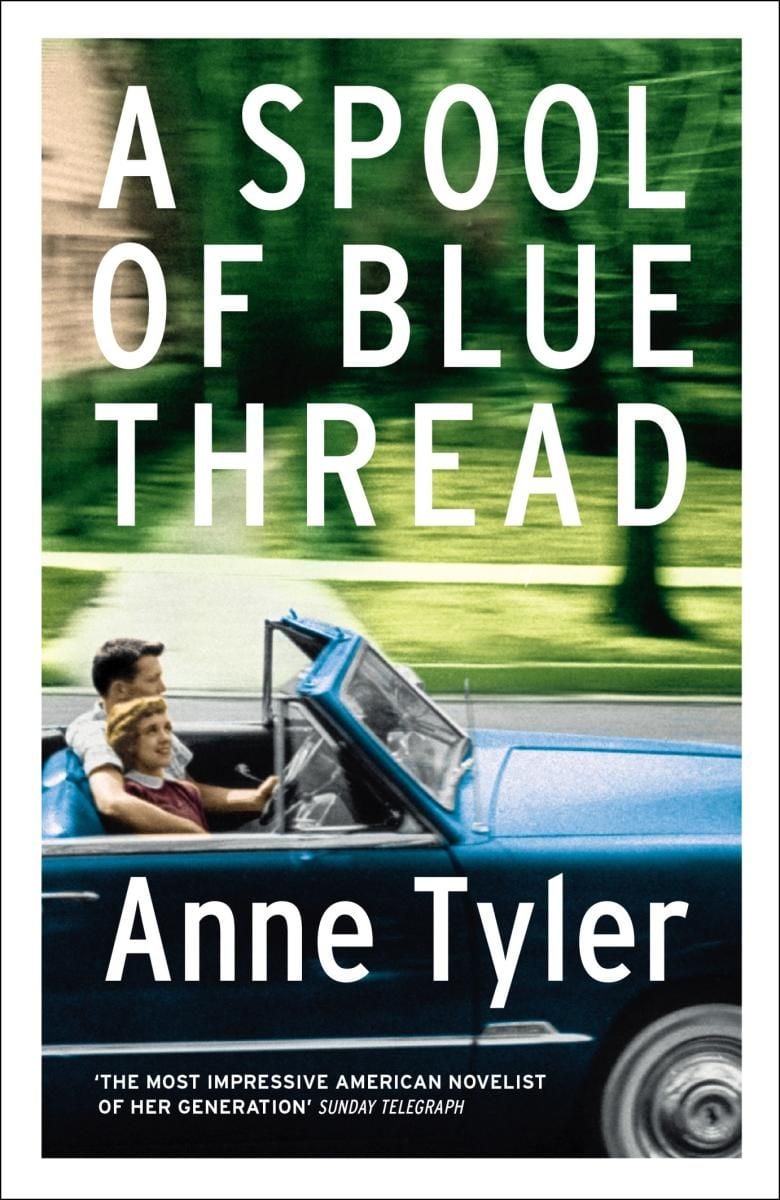
by Anne Tyler
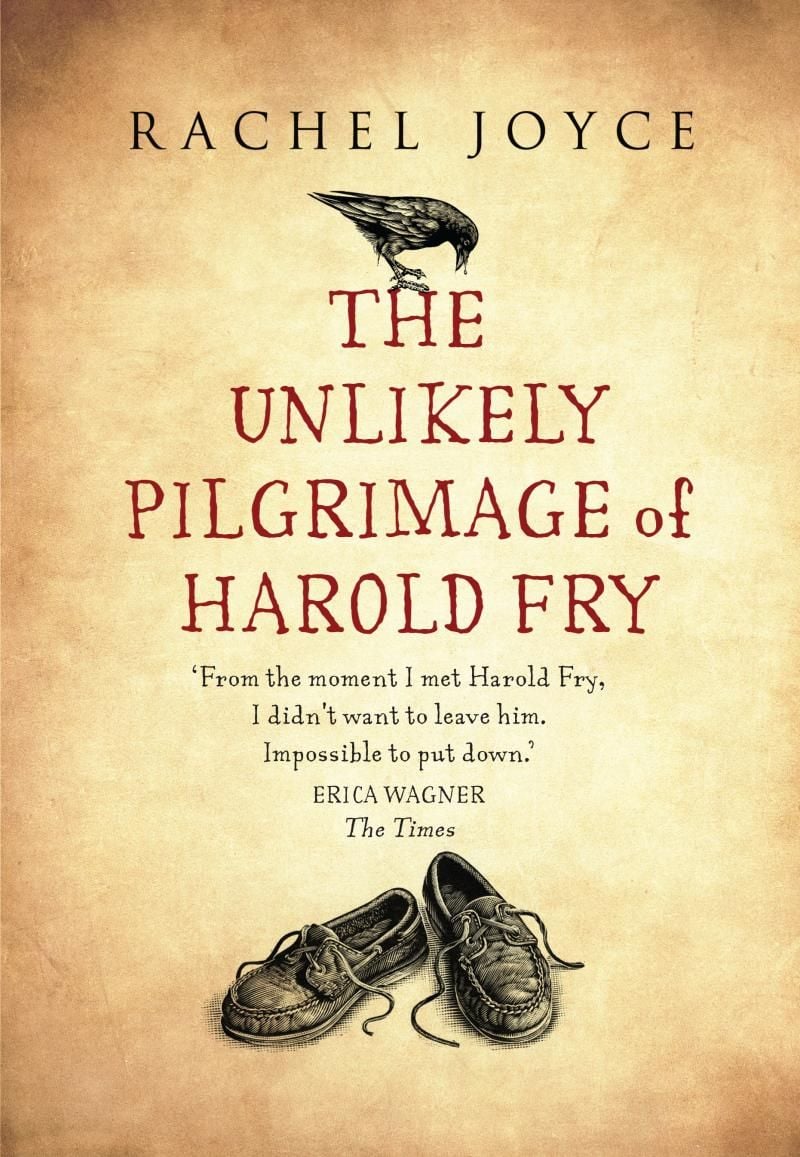
by Rachel Joyce
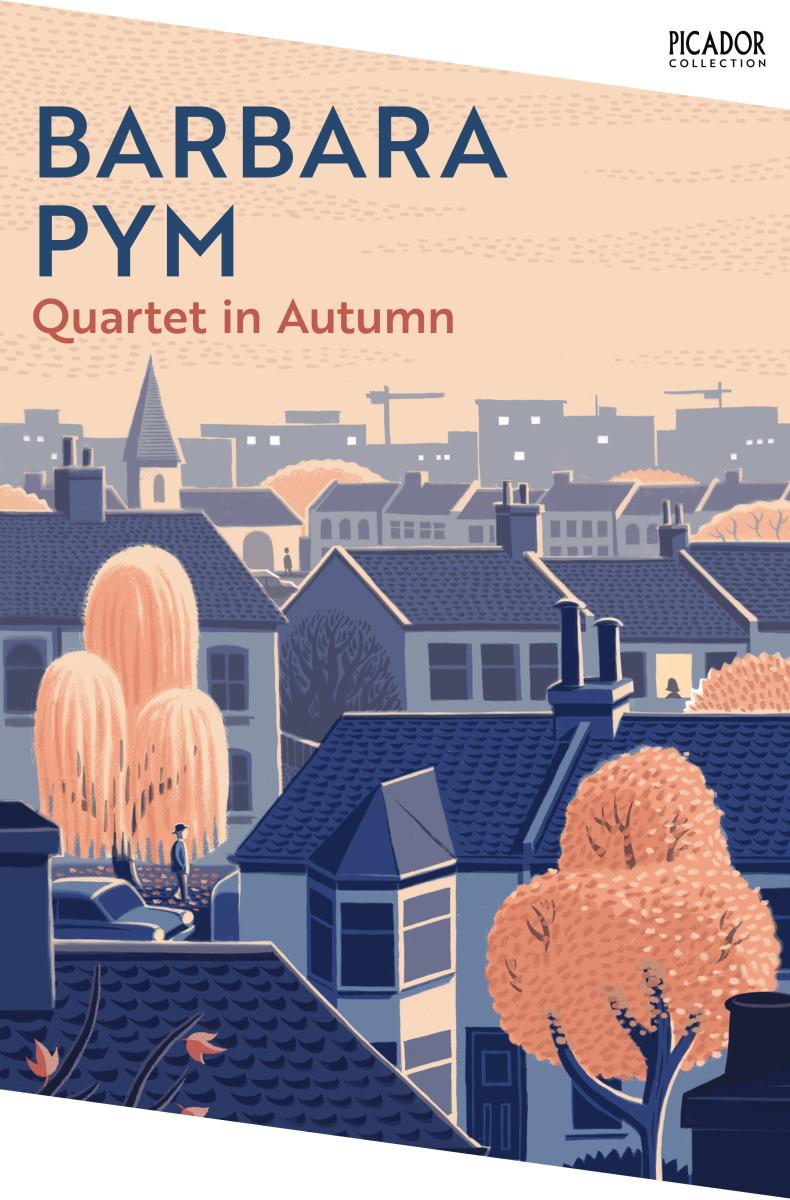
by Barbara Pym
by Rachel Cusk