Flashlight
by Susan Choi
Opinion
Opinion
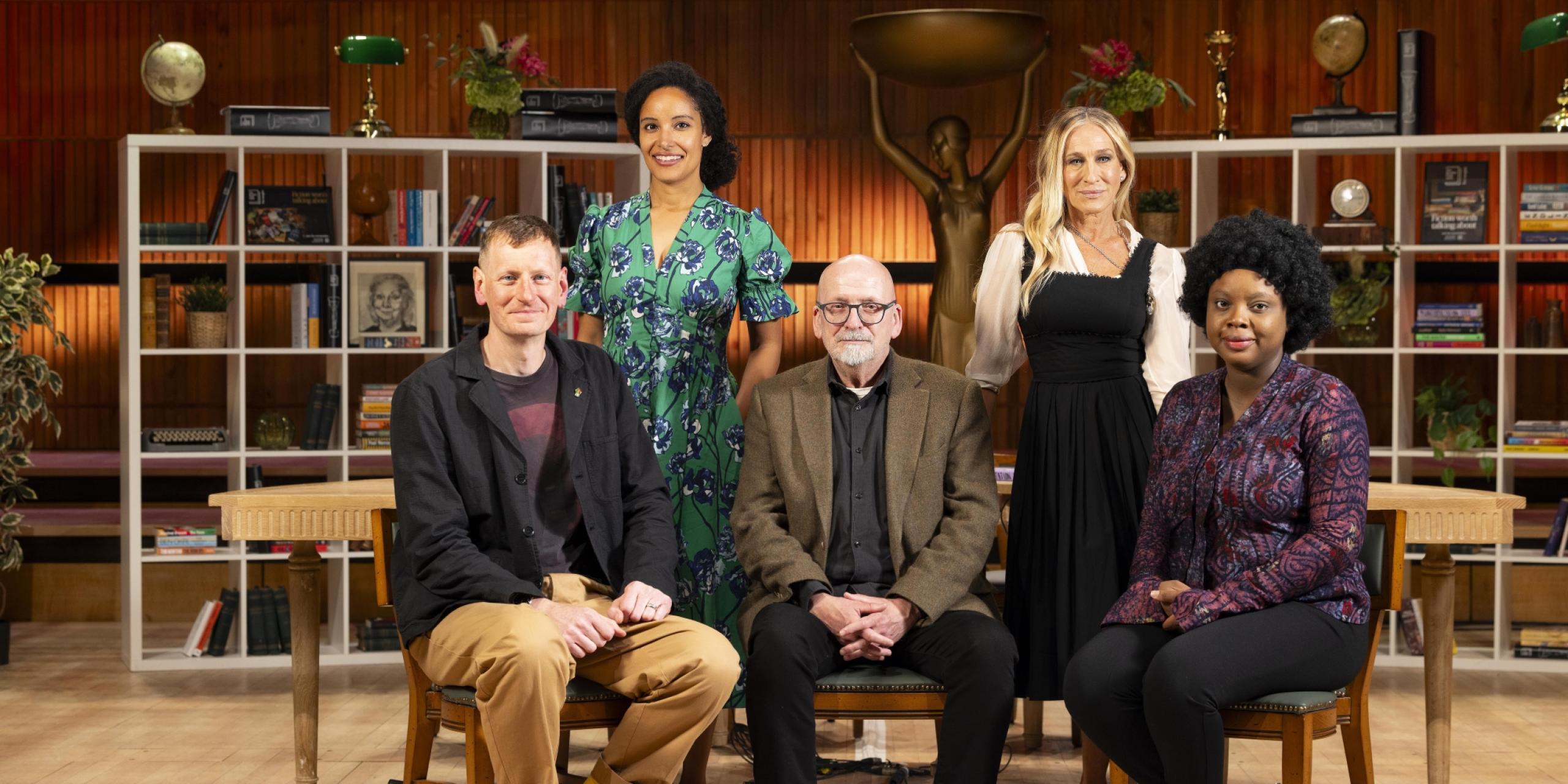
Wondering which of the six Booker Prize 2025 shortlisted novels to read first? We asked our judges to tell us what they loved about the books – and why you’ll love them too
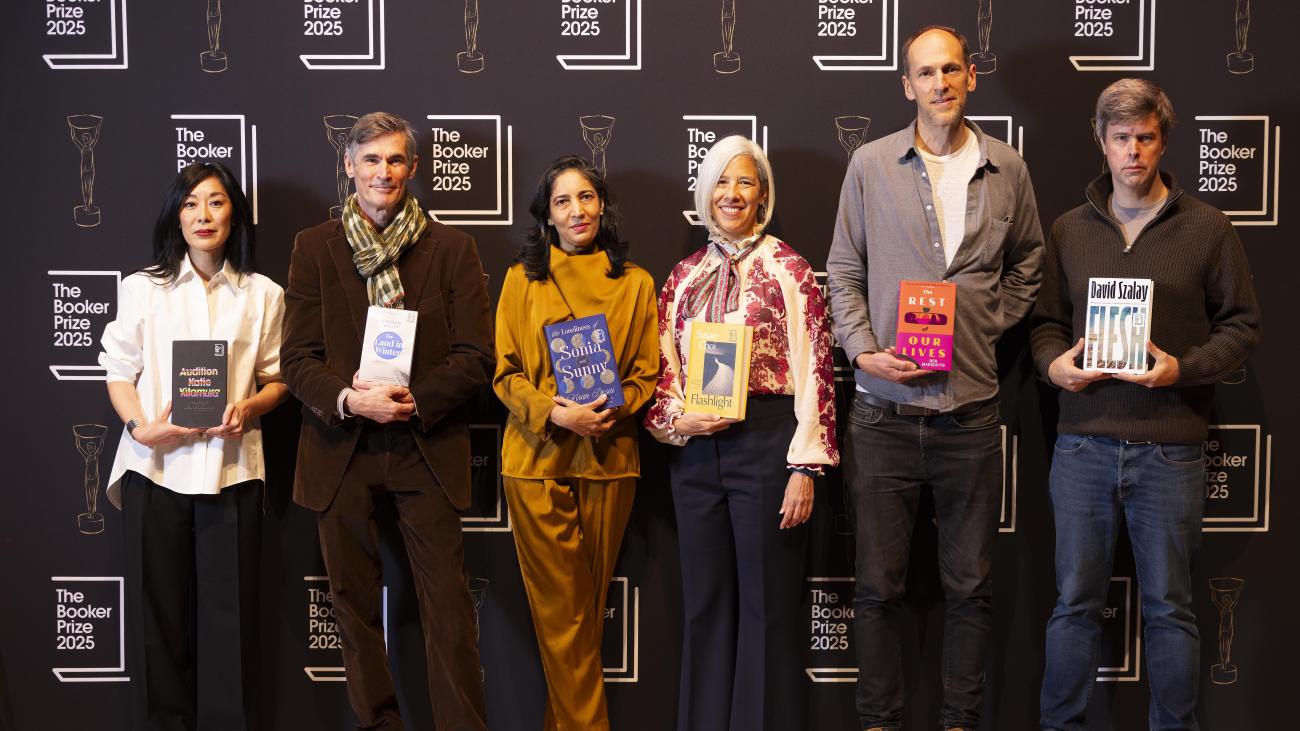
The winner of the Booker Prize 2025 will be announced on Monday, 10 November at a ceremony in London, and the winning author will receive £50,000.
by Susan Choi
by Kiran Desai
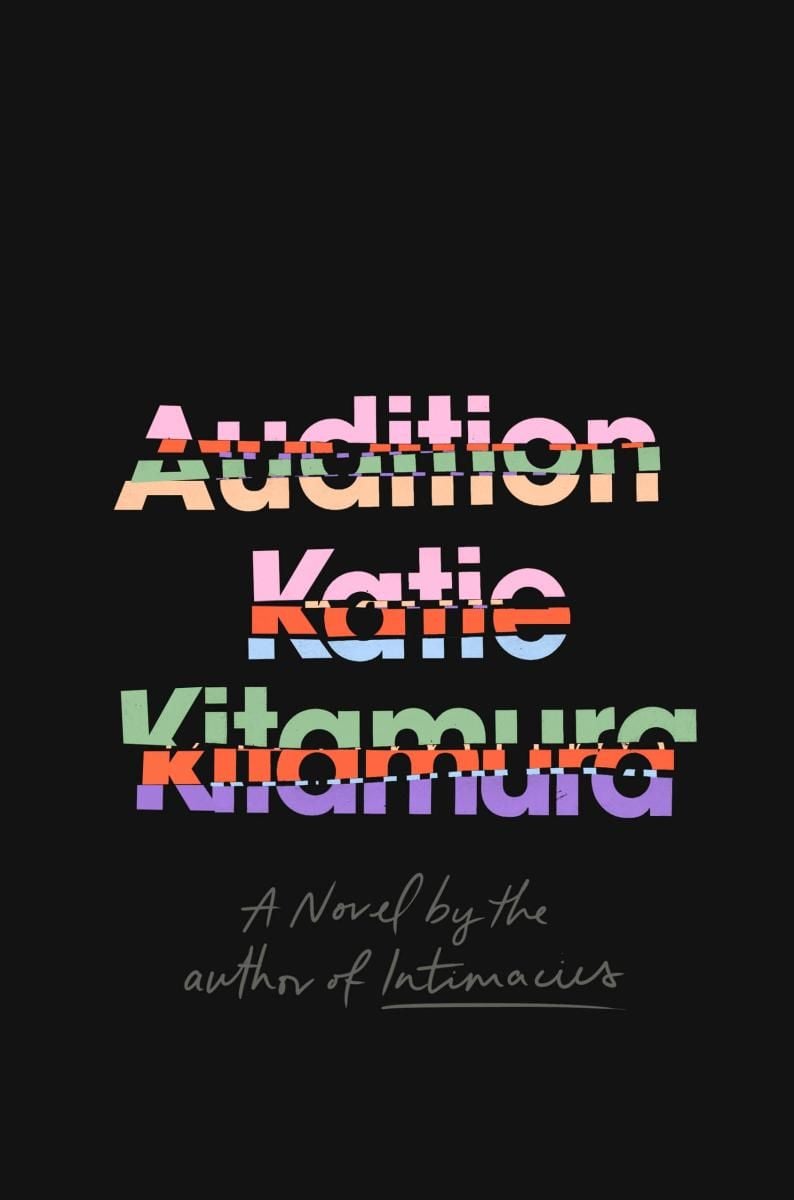
by Katie Kitamura
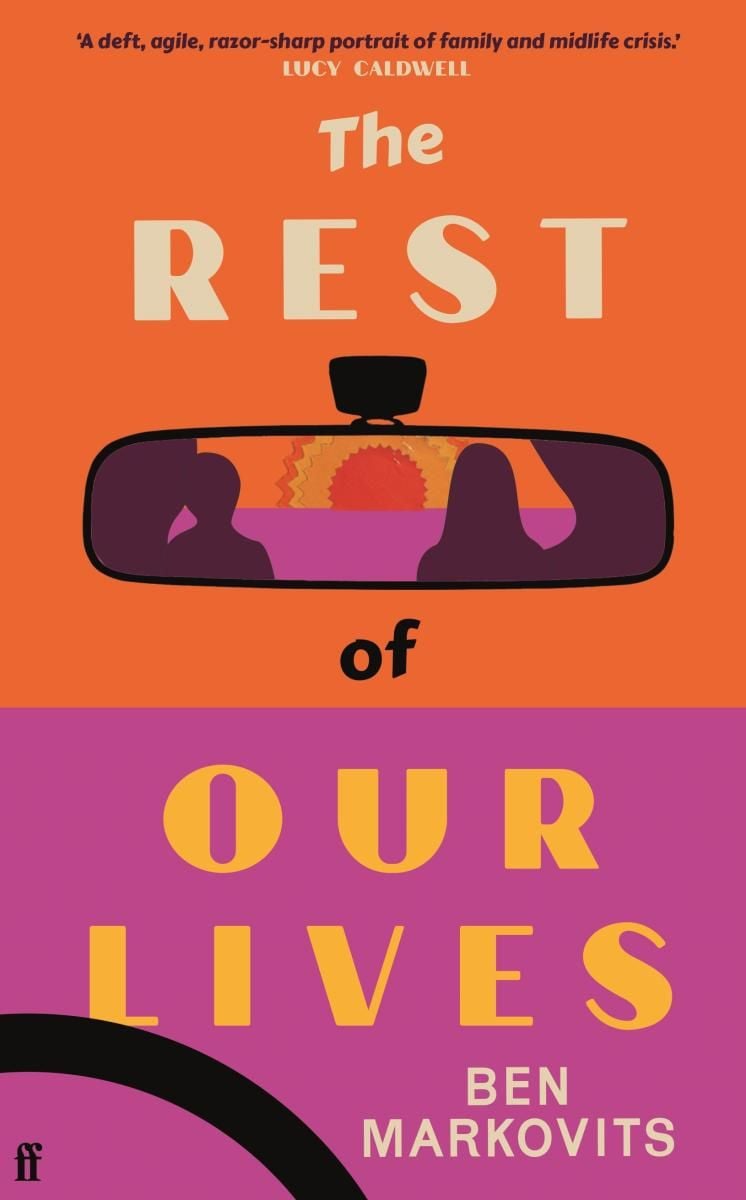
by Ben Markovits
by Andrew Miller
by David Szalay (prize winner)
How would you summarise this book in a sentence to encourage readers to pick it up?
Why choose between globetrotting adventure, family drama, academic satire, a bildungsroman, a geopolitical thriller, or fascinating episodes from history, when you can read a novel that’s all those things at once?
Is there something unique about this book, something that you haven’t encountered in fiction before?
Choi published a short story called ‘Flashlight’ in the New Yorker five years ago, and only latterly had the idea of expanding it. Perhaps it isn’t unique, but it’s remarkable such an wide-ranging novel should have grown from this brilliant, and brilliantly compact, story.
What do you think it is about this book that readers will not only admire, but really love?
The scale of it, and the life-spanning trajectories of these characters of whom we get such intimate knowledge: all their drama and pain and, very occasionally, their joy. We found Flashlight to be one of those books that completely dominates your thoughts while you’re reading it.
Can you tell us about any particular characters that readers might connect with, and why?
The novel’s three main characters, Anne, Louisa and Serk, are all so richly evoked: when the novel again turns its attention to one or the other, we found ourselves constantly eager to catch up with their stories.
Although it’s a work of fiction, is there anything about it that’s especially relevant to issues we’re confronting in today’s world?
For all its capital-T themes of war, migration and realpolitik, Flashlight is very much about the pain and misunderstanding that can drive families apart, and the love that can bind them. Timeless subjects, rather than fleeting concerns of the moment.
Is there one specific moment in the book that has stuck in your mind and, if so, why?
The honest answer to this is a reveal deep into the book that we don’t want to spoil. So instead let’s say a trip to a strawberry farm and an unfortunate interaction with an electric fence.
How would you summarise this book in a sentence to encourage readers to pick it up?
At its heart, this book is about Sonia and Sunny’s love, but it is also an expansive novel that encompasses several other characters and concerns. It is an intimate story about two people finding a pathway to love and each other. Read it if you are looking for a truly unforgettable epic, one rich in meditations about class, race, nationhood and the titular loneliness.
Is there something unique about this book?
One of the reasons why this book stands out is that it has so much going on, many characters, subplots and places. Yet all of it is woven together into one magnificent story.
What do you think it is about this book that readers will not only admire, but really love?
Its rich intricacies and the sheer bounty each page offers. Inter-generational family saga, sharp humour, poignant love story, state-of-the-nation novel, this book has it all. As a result, reading The Loneliness of Sonia and Sunny is an immersive, wonderful experience.
Can you tell us about any particular characters that readers might connect with, and why?
There’s Sonia and Sunny who are central in the novel and then there are all the people whose lives intersect with theirs in some way. Their parents, friends, grandparents, lovers, servants and colleagues. It’s a book filled with so many interesting people that readers will undoubtedly connect with multiple individuals. Babita, Sunny’s mother, is particularly compelling for her intransigence.
Although it’s a work of fiction, is there anything about it that’s especially relevant to issues we’re confronting in today’s world?
In a book as vast as this one, the question is perhaps what isn’t – yet its treatment of human movement stands out. Whether it is Sunny or Sonia’s experience of being in America, Siegfried’s move from Germany to India or Dadaji’s travels, the questions of human movement and migration are thoughtfully handled.
How would you summarise this book in a sentence to encourage readers to pick it up?
Audition is a brilliantly tense, taut novel that sees a woman have her life turned inside out. What’s real? What’s not? This is a book that makes existential detectives of us all.
Is there something unique about this book, something that you haven’t encountered in fiction before?
Yes, the way Kitamura transitions between supposed reality – modern-day Manhattan – and something deeper and stranger, is bracing. She doesn’t hand-hold or explain, which some might see as a kind of hostility towards the reader. We saw it as a marker of trust.
What do you think it is about this book that readers will not only admire, but really love?
This is a very controlled performance of a book that intentionally leaves a lot open to interpretation. We think readers will love finding others who’ve read it and talking to them about what it all might mean.
Can you tell us about any particular characters that readers might connect with, and why?
The book’s unnamed narrator might be a talented Broadway actress, but while most of us can’t call ourselves that, many will identify with her feelings of self-doubt, inadequacy, social discomfort, and sense of middle-aged ennui.
Although it’s a work of fiction, is there anything about it that’s especially relevant to issues we’re confronting in today’s world?
Audition is a book that dissolves the border between public performance and private feeling. It’s about far more fundamental matters than social media, but in an age when the private increasingly becomes a matter of public display, and all of us are in some ways called on to perform, its concerns feel salient.
Is there one specific moment in the book that has stuck in your mind and, if so, why?
There are two: at the halfway point a character claps their hands, says, ‘We begin now,’ and everything changes. The same number of pages later, someone else claps their hands and says, ‘it’s over.’ These actions bookend an extraordinary journey into the unexpected, one we think readers are going to be thrilled by.
How would you summarise this book in a sentence to encourage readers to pick it up?
After his wife’s infidelity, Tom Layward promised himself that he would leave when his children went off for college, and so, after dropping his daughter off at university, that’s precisely what he does.
Is there something unique about this book, something that you haven’t encountered in fiction before?
What we haven’t encountered before is an author who evokes such Big Names without the act of emulating sentence structure. There’s a bit of Raymond Carver here, some Denis Johnson, a little Philip Roth, and definitely John Updike, but Markovits commits wholly to Tom Layward and the way he would see the world.
What do you think it is about this book that readers will not only admire, but really love?
Tom is not a literary king – he’s a dad and basketball enthusiast. We think readers will admire and enjoy high-concept analysis recounted by a ridiculously relatable narrator.
The star of this novel is Tom’s voice: the lodestar and the ‘why now’. He is a democratic guide, he’s delightfully embarrassed, and he is as observant as he is negligent. But what’s most impressive is Markovits’ dedication to Tom as an averagely flawed human. Tom makes bad jokes, he’s a pushover, and it’s difficult to imagine being taken with him in person.
But Markovits was possibly telling us something with Layward’s name, a historically English word, likely derived from Hayward. A trusted village official who guarded crops and kept livestock safe. This role in medieval England was appointed by a village court seeking reliability, fairness, and an ability to see the community at large. Some 500 years later, Tom Layward takes on the task of portraying a person’s accountability, if any, to all of the people he’s met along the way.
Can you tell us about any particular characters that readers might connect with, and why?
On a second read, we were most taken with Michael. ‘I realize I haven’t said much about Michael yet,’ Tom says, on page 34. Tom’s son Michael is a 24-year-old graduate student whose mother wished he’d been a girl. ‘Michael had become one of those young people who decides that contact with their family is not a source of happiness, so you have to limit it to unavoidable occasions,’ Tom explains. We don’t have much contact with him until the end of the book, but it’s here that Michael’s place within the family deepens our understanding of Tom, of loneliness overall.
Markovits beautifully details the experience of having a child who doesn’t enjoy being a child. We loved uncovering the depths of Michael, how he relates to his family, his partner, and himself. Perhaps this is what allows a novel to journey from the longlist to the shortlist: when characters we almost missed the first time become completely fundamental.
Although it’s a work of fiction, is there anything about it that’s especially relevant to issues we’re confronting in today’s world?
This was something we enjoyed most: the fact that there are several stories, all relevant, seamlessly happening at the same time. The Rest of Our Lives is a basketball novel, a family saga, a book about sickness, and structurally, a road trip chronicle. And because of this road trip schema, this novel naturally became a story about how we say goodbye.
Is there one specific moment in the book that has stuck in your mind and, if so, why?
As Tom travels west, he entertains an idea he’s had, to write a book about basketball. To drive around ‘in a beat up car and stop in various towns, big and small,’ and write about the people he plays with. After one of these games, Tom poses for a picture with the other players. ‘Sometimes,’ he says, ‘sitting in the hospital chair, I think about that afternoon, and tell myself, maybe again’. We are not yet aware of why Tom is sitting in the hospital, but it matters very little after the heartbreaking pathos of a simply put but grand idea of ‘maybe again’. At this point, we trust Tom and Markovits to fill in the gaps when the time is right. We can enjoy Markovits’ ability to make time circular and relational on the page, much like it is in our daily lives.
How would you summarise this book in a sentence to encourage readers to pick it up?
It’s 1962, and the most dramatic winter in living memory drops on rural England, leaving a group of brilliantly crafted characters trapped inside the weather, coping – and not coping – with the cold and the snow and one another.
What do you think it is about this book that readers will not only admire, but really love?
What we think readers will love about reading The Land in Winter is the act of reading it – as simple as that. It’s a joy to read, a nerve-shredding pleasure.
Can you tell us about any particular characters that readers might connect with, and why?
One of The Land in Winter’s many strengths is the power of the characters. Even characters who occupy only a couple of pages have their brilliant moments. There’s a man at a party who arrives with packets of cigarettes. He comes and he goes but he deserves a book of his own.
Although it’s a work of fiction, is there anything about it that’s especially relevant to issues we’re confronting in today’s world?
The novel is set during the harsh winter of 1962-63 and, given what’s been happening to the weather since then, a harsh winter would be reassuring. But the novel is about the tensions within marriage and other relationships and those tensions are the same today as they were back then. How to live: that’s the big human issue and it forms the spine of the book.
Is there one specific moment in the book that has stuck in your mind and, if so, why?
Parties are difficult to achieve, on paper and on screen. The extras in party scenes often look even more extra-like, standing in corners, not knowing why they’re smiling or laughing. The party in The Land in Winter is exceptional. Every sentence is fizzing with life and wit. Every character is there, watching, acting, wilting. It’s a real party; there are no extras.
How would you summarise this book in a sentence to encourage readers to pick it up?
This is a novel about a man who is remarkably detached from his body and desires, and while he rises in class strata and leaves his home in Hungary for London, he is regretfully followed by his past.
Is there something unique about this book, something that you haven’t encountered in fiction before?
Szalay has a talent for only telling the good parts. This is the story of a man’s life, from his youth to deep into adulthood, and yet there are gaps left in the protagonist’s life that Szalay leaves uncovered. He generously allows the reader to fill them in, and yet there is not one wonky transition.
What do you think it is about this book that readers will not only admire, but really love?
Flesh is a disquisition on the art of being alive, and all the affliction that comes along with it, but it is also an absolute page-turner. It’s nearly impossible to put down. The emotional detachment of the main character, István, is sustained by the tremendous movement of the plot. The pace of this novel speaks to one of the greater themes; the detachment of our bodies from our decisions.
Can you tell us about any particular characters that readers might connect with, and why?
István may not be the character that readers would like to connect with, but his disconnection is so exacting that it feels reminiscent, like recalling a dream. He is ambitious and at times he is violent, but he is also an empty vessel; a product of the desires of those around him.
‘He has this feeling, with women, that it’s hard to have an experience that feels entirely new, that doesn’t feel like something that has already happened, and will probably happen again in some very similar way, so that it never feels like all that much is at stake. There’s often this feeling of – Yes, I like you, but I like other people as well. It’s not even that I like them more. It’s just that I don’t like them less.’
Flesh is full of these types of annotation. The moments you’ve experienced but haven’t seen articulated. The kind that makes you pick up a novel in order to understand.
Although it’s a work of fiction, is there anything about it that’s especially relevant to issues we’re confronting in today’s world?
Much has been said about the approach to masculinity in Flesh. István’s stepson describes István’s masculinity as ‘primitive’, one that has left him surprised and disappointed at his mother’s attraction. While we were impressed by Szalay’s take on masculinity – and how it often operates as paralysing indifference – we were mostly interested in the novel’s display of social mobility. Despite the fact that it occurs almost by accident, this is a novel about class ascension. Because of his past, István’s rise will always come at a cost. His origin will inevitably poke holes in his story until it takes over completely.
Is there one specific moment in the book that has stuck in your mind and, if so, why?
Flesh has an opening chapter that refuses to hold the reader’s hand. Here we meet István as a teenager, a young man who relies on the word ‘okay’, whose already tenuous relationship to his body becomes coloured by sexual abuse and violence. The most successful opening chapters tell a reader how to read the rest of the book. Here, at the turning point of István’s life, Szalay instructs his readers to listen. In a lesser writer’s hands the pared-down prose would appear as dispirited stage directions, but through Szalay, Flesh achieves a haunting melancholy that hangs on till the last page.