Reading guide: Drive Your Plow Over the Bones of the Dead by Olga Tokarczuk, translated by Antonia Lloyd-Jones
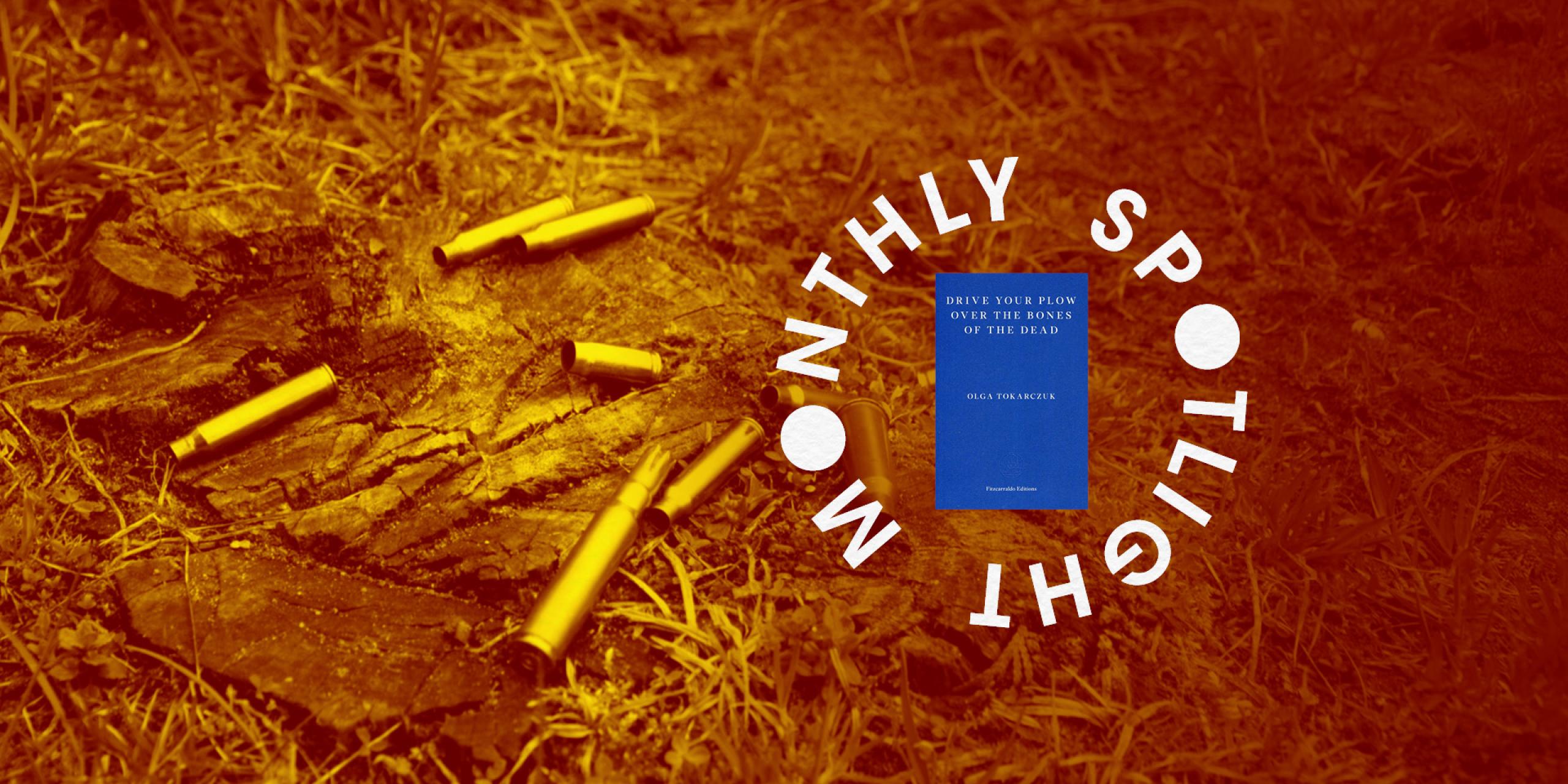
Reading guide: Drive Your Plow Over the Bones of the Dead by Olga Tokarczuk, translated by Antonia Lloyd-Jones
- Written by
- Grace Sansom
- Published
With its blend of noir, wit, and moral ambiguity, Olga Tokarczuk’s novel of ideas draws readers through a maze of uncertainty, toward a final, unsettling revelation
Whether you’re new to Drive Your Plow Over the Bones of the Dead or have read it and would like to explore it more deeply, here is our comprehensive guide, featuring insights from critics, our judges and the book’s author and translator, as well as discussion points and suggestions for further reading.
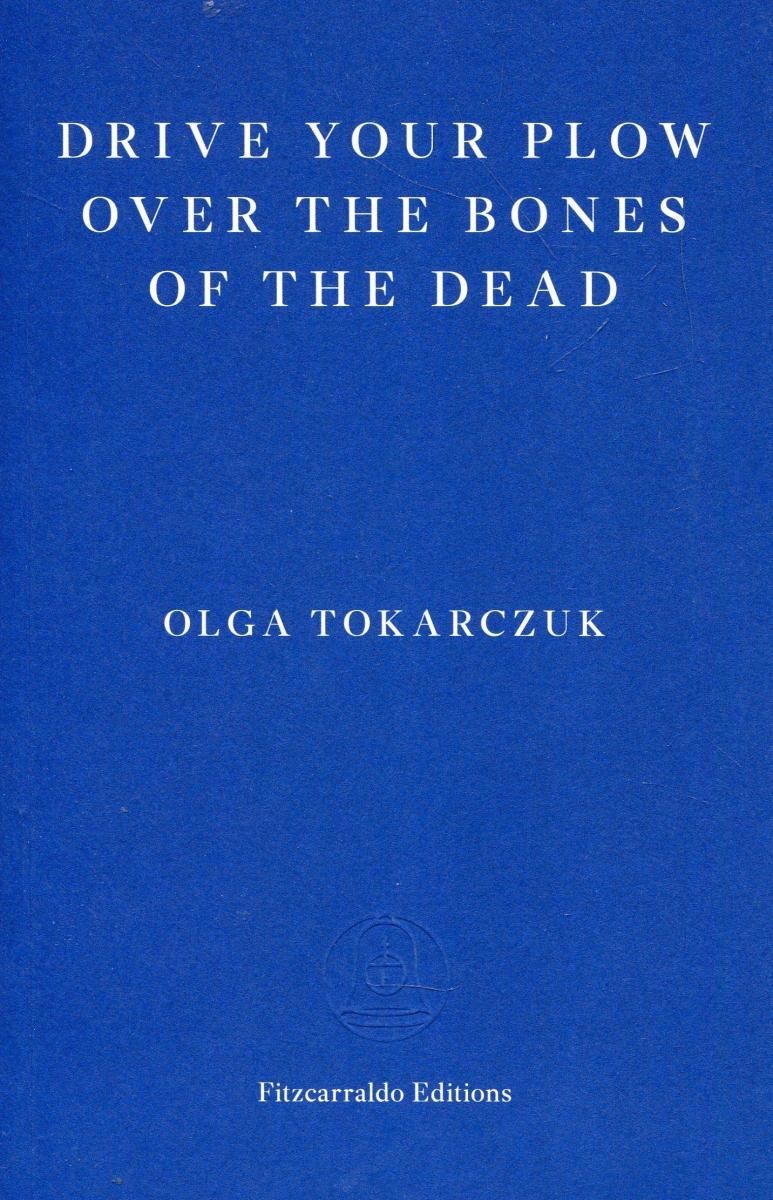
Buy the book
Synopsis
In a remote village in south-west Poland, Janina Dusezjko, an eccentric woman in her 60s, describes the events surrounding the disappearance of her two dogs. As a reluctant retiree, her life is defined by the movements of the planets, the poetry of William Blake, the ways of nature, and her Ailments.
When members of a local hunting club are found murdered, she becomes involved in the investigation. She is cast off as a mad old woman, but refuses to give up when the authorities ignore her letters and visits.
Shortlisted for the International Booker Prize in 2019, Drive Your Plow Over the Bones of the Dead is an existential thriller that is also a novel of ideas. It asks probing questions about sanity, social injustice, animal rights, hypocrisy, religion and belief in predestination.
The main characters
Janina Duszejko: The eccentric, elderly protagonist and narrator. She is a former bridge engineer and part-time school teacher, but is often not taken seriously due to her quirks and age. We meet her as a passionate animal rights advocate and astrologer who believes animals are taking revenge on local hunters.
Oddball: Duszejko’s quiet, meticulous, and practical neighbour. He discovers the first body with Duszejko and serves as her primary companion throughout the investigation, against the advice of his police officerson.
Dizzy: Duszejko’s close friend. He is her former student and is now a computer programmer. He spends his free time with Duszejko, translating the poetry of William Blake.
Boros: An entomologist studying rare beetles in the local forest. He becomes Duszejko’s ally and brief romantic interest, sharing her deep respect for the natural world.
About the author
Olga Tokarczuk was born in Sulechow, Poland in 1962. She is a Polish writer, activist, and public intellectual. She is one of the most critically acclaimed and successful authors of her generation in Poland.
Tokarczuk lives in Krajanow near Nowa Ruda, in the the Sudetes mountains at the multicultural Polish-Czech border. This locale has influenced her literary work.
In 1980, Tokarczuk trained as a clinical psychologist at the University of Warsaw. After qualifying, she worked as a psychotherapist. She then left the profession to pursue writing.
In 2018, she was awarded Nobel Prize in Literature as the first Polish female prose writer for ‘a narrative imagination that with encyclopedic passion represents the crossing of boundaries as a form of life’.
For her novel Flights, Tokarczuk was awarded the International Booker Prize 2018. Drive Your Plow Over the Bones of the Dead and The Books of Jacob were both shortlisted for the prize in their respected years. For Flights and The Books of Jacob, she won the Nike Awards, Poland’s top literary prize Among other accolades; she won the Nike audience award five times.
Her works have been translated into over 50 languages, making her one of the most translated contemporary Polish writers.

Olga Tokarczuk
© Jacek Kolodziejski
About the translator
Antonia Lloyd-Jones was born in Oxford, England, in March 1962
She translates from Polish and is the 2018 winner of the Transatlantyk Award for the most outstanding promoter of Polish literature abroad.
The first novel she translated was Who Was David Weiser by Paweł Huelle. She was not aiming for a career as a translator, but she loved the experience and became determined to do more.
She has translated works by several of Poland’s leading contemporary novelists and reportage authors, as well as crime fiction, poetry and children’s books.
A mentor for the Emerging Translators’ Mentorship Programme, and former co-chair of the UK Translators Association, Lloyd-Jones lives in London.
What the critics said
‘This book is not a mere whodunit: It’s a philosophical fairy tale about life and death that’s been trying to spill its secrets. Secrets that, if you’ve kept your ear to the ground, you knew in your bones all along.’
Sloane Crosley, The New York Times
‘Though the book functions perfectly as noir crime … its chief preoccupation is with unanswerable questions of free will versus determinism, and with existential unease. What, it asks, does it mean to be human, and what is it to be an animal, and what objective distinctions can be made between the two? Why is the killing of a deer mere sport, and the killing of a human murder? And if animal rights are elevated to those of human rights, would animals then be subject to criminal and human law – if an animal can be said to have been murdered, might it equally be charged with murder? What, moreover, are we for?’
Sarah Perry, the Guardian
‘An ode to nature and a love letter to animals, Tocarczuk’s novel is the wonderfully crafted story of an animal-loving recluse desperately fighting to make the world a better place.’
Laila Obeidat, The London Magazine
‘“Every culture is built upon defence mechanisms,” Tokarczuk says. “This is quite normal, that we try to suppress everything that’s not comfortable for us.” Her role, as she sees it, is to force her readers to examine aspects of history—their own or their nation’s—that they would rather avoid. She has become, she says, a “psychotherapist of the past.”’
Ruth Franklin, The New Yorker

What Olga Tokarczuk said about Drive Your Plow Over the Bones of the Dead
‘I knew that the people will be reluctant to read such a book [about how to treat and kill animals]. We use defence mechanisms so as not to know about what hurts us, don’t we?
So, this novel is told from the point of view a crazy old woman; a female protagonist participating in the events. The book is formally a detective novel so as to be an entertaining form of novel. However, readers are slowly and slowly going closer and closer to the this painful subject…
I finished the novel … and started to cry because it was such a pressure to write this story… It was very intense for me, one of the most intense novels.’
Olga Tokarczuk in an interview with Service95 Book Club.
What Antonia Lloyd-Jones said about Drive Your Plow Over the Bones of the Dead
‘I think of it as a self-help guide: How to Get Away with Murder, and how could any translator resist that? Although Jenny Croft and Olga Tokarczuk had already won the International Booker Prize for Flights, Olga decided I should translate Plow (as we tend to call it) because she and I, exactly the same age, are rapidly evolving into full-blooded Janina Duszejkos. I fund-raise for animal charities, I live alone with my cat, I have all the symptoms. The boring answer is that it’s a superbly written book that I knew I would enjoy translating.’
Antonia Lloyd-Jones in an interview with the Booker Prizes.
Questions and discussion points
The title of the novel is taken from William Blake’s poem ‘The Marriage of Heaven and Hell’ and can be perceived to sum up the book itself: a philosophical interrogation disguised as a murder mystery trope. In choosing it, Tokarczuk said she wanted to honour traditional murder mystery titles that are taken from poems or nursery rhymes, such as the works of Agatha Christie. It also honours the novel’s ecological themes and messaging. Eamon Flack, who adapted and directed the novel for the stage, notes the title works as a critique of how ‘humans cultivate the earth for their own purposes over the remains of the deceased’. What were your thoughts on the book’s title? Did it add another layer of mystery to the book? What symbolism does it hold for you?
As many readers have concluded, this novel is much more than a murder mystery. In her interview with the Booker Prizes, Antonia Lloyd-Jones said that ‘many people have read… this… as just a crime novel, letting the deeper meanings slide over them, but perhaps the messages sink into their subconscious’. Did you pick up the book expecting a crime thriller? If so, how did you find the many philosophical layers of the novel, upon reading?
The novel dissects the way humans have evolved to create a destructive world. At the scene of the wild boar, Duszejko states that ‘The whole, complex human psyche has evolved to prevent Man from understanding what he is really seeing’. How did you find this element? Did you agree with these comments on mankind? Duszejko does write of hope for humanity: that some people have evolved for good. She says, ‘These people make one feel as if a stronger memory of our former innocence remains in them.’ Amongst Tokarczuk’s warnings, were you able to see hope amongst the doom?
Tokarczuk defines herself as a ‘psychotherapist of the past’. This presents in Drive Your Plow through the characters’ relationship with the Czech border. There is a consensus that the grass is greener: that a utopia awaits across that line as Duszejko observes, ‘Over there, everything is lit up by the Sun, gilded by light’. What do you think Tokarczuk is saying about the legacy of borders and the ways history shapes a nation?
This is a novel that comments on the act of translation itself. Duszejko works with her companion, Dizzy, to translate Blake’s poetry from Polish into English. Towards the end of the novel, she comments, ‘How wonderful – to translate from one language to another, and by doing so bring people closer to one another – what a beautiful idea’. What do you think Tokarczuk is saying about translation? Does this theme enrich the novel, and did it change the way you think about reading fiction in translation?
Duszejko is deemed a ‘mad woman’ by her community. She is judged and ignored by many due to her eccentricities and strong virtues. However, Tokarczuk subverts this archetype by writing Duszejko as the most perceptive character in her novel. She notices everyone’s traits and purposes, understanding the way of things. By writing the town’s mad woman to be the town’s smartest, Tokarczuk forces readers to question who is truly rational. Did this subversion alter your perception of this demographic?
Duszejko is a very funny narrator offering sharp observations on her townspeople and neighbours, such as on the way they look, act, and speak. Because the novel is told entirely from her perspective, readers are lulled into believing what we read. Did you become complicit in Duszejko’s unreliable narration, or were you able to pick up on the clues all along?
The novel incited protest and criticism in Poland due to Tokarczuk’s condemnation of hunters. Drive Your Plow pulsates with anger towards violence against animals. On this anger, Tokarczuk says, ‘Anger is not a bad energy. In Polish, we have a phrase that translates to … “righteous anger.” When someone is righteously angry, we know that the situation has surpassed the tolerated limits, the human norms. This book describes a situation like that.’ As a reader, did you share in this sense of justice towards Duszejko’s acts? Did you find the novel a form of fable, and if so, what might the lesson be?

© StudioBarcelona / Getty Images
Resources and further reading
The New York Times: One by One, Her Neighbors Are Dying. An Elderly Polish Woman Is on the Case
Brooklyn Public Library: “Anger is Not a Bad Energy”: In Conversation with Olga Tokarczuk
The Guardian: Drive Your Plow Over the Bones of the Dead by Olga Tokarczuk – the entire cosmic catastrophe
Service95: Dua Lipa In Conversation With Olga Tokarczuk, Author Of Drive Your Plow Over the Bones of the Dead
If you enjoyed this book, why not try

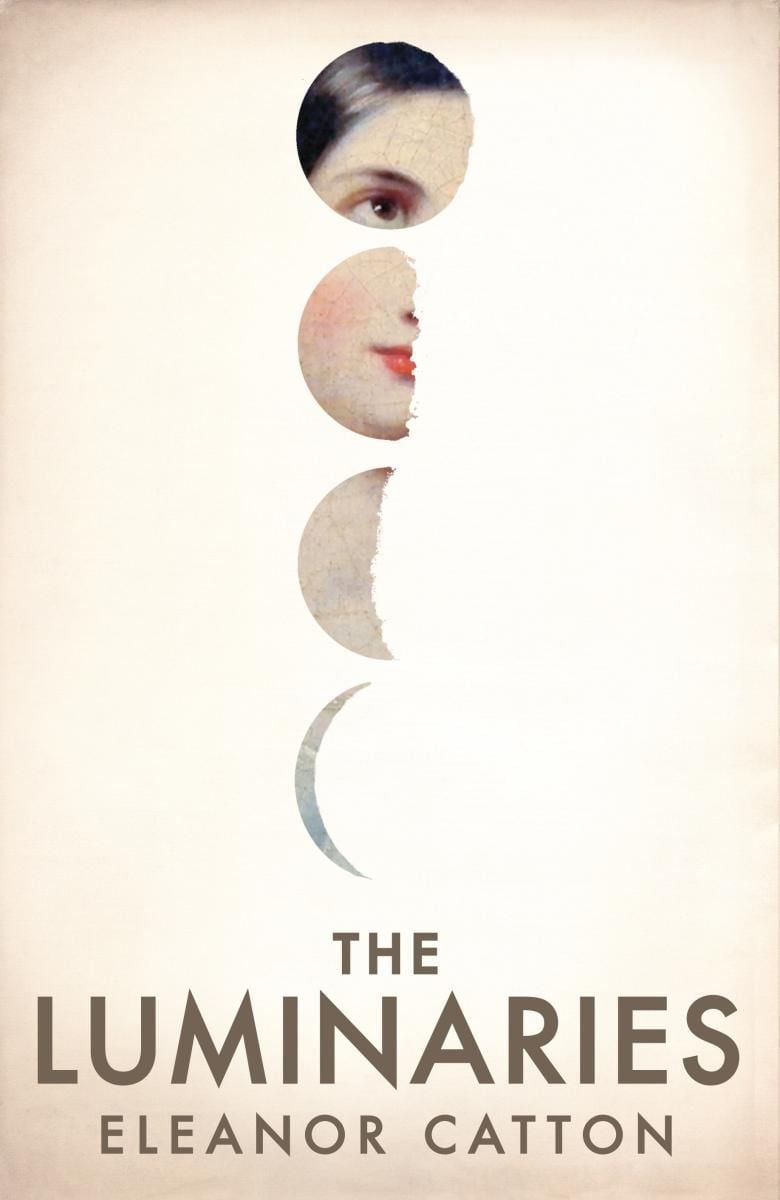
The Luminaries
by Eleanor Catton (prize winner)
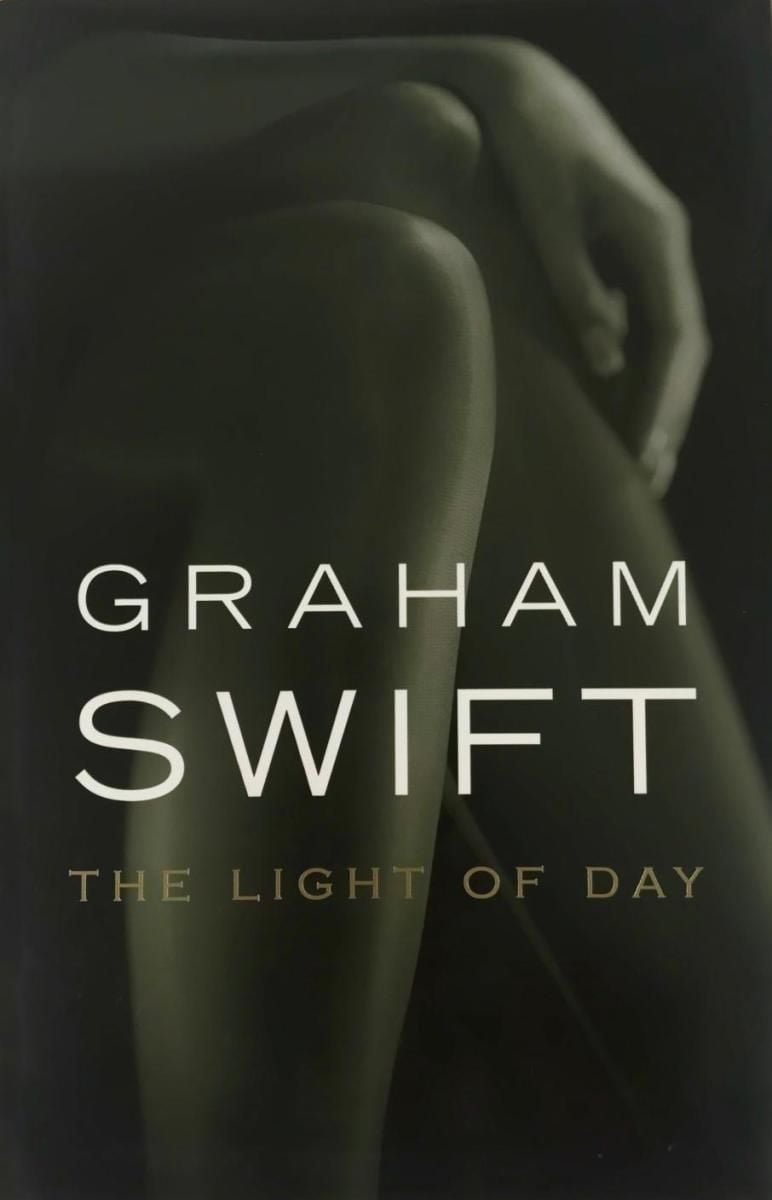
The Light of Day
by Graham Swift
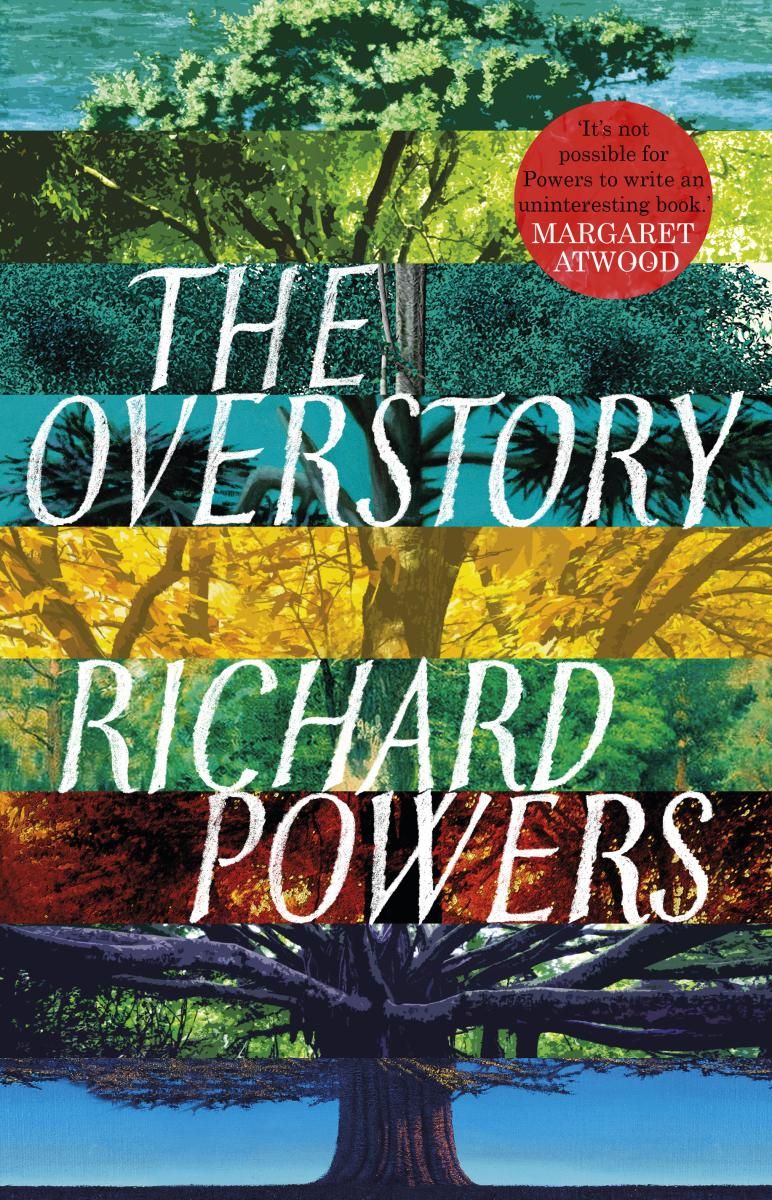
The Overstory
by Richard Powers
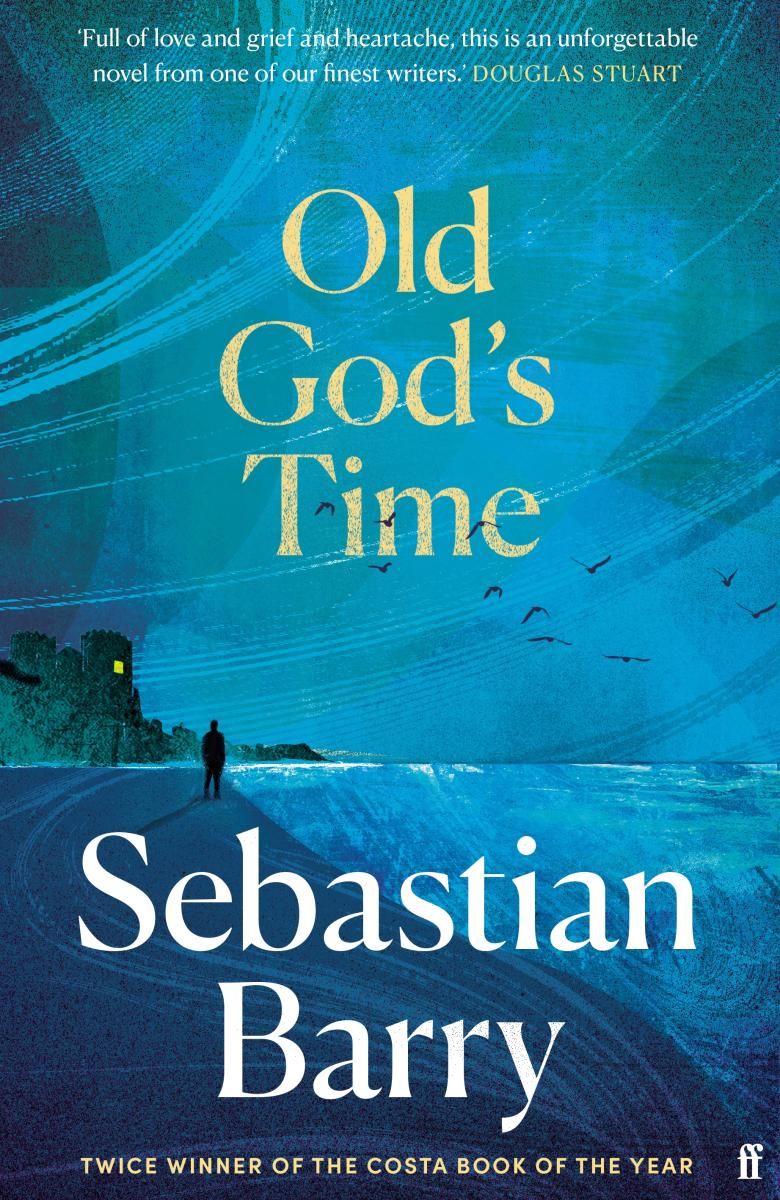
Old God's Time
by Sebastian Barry
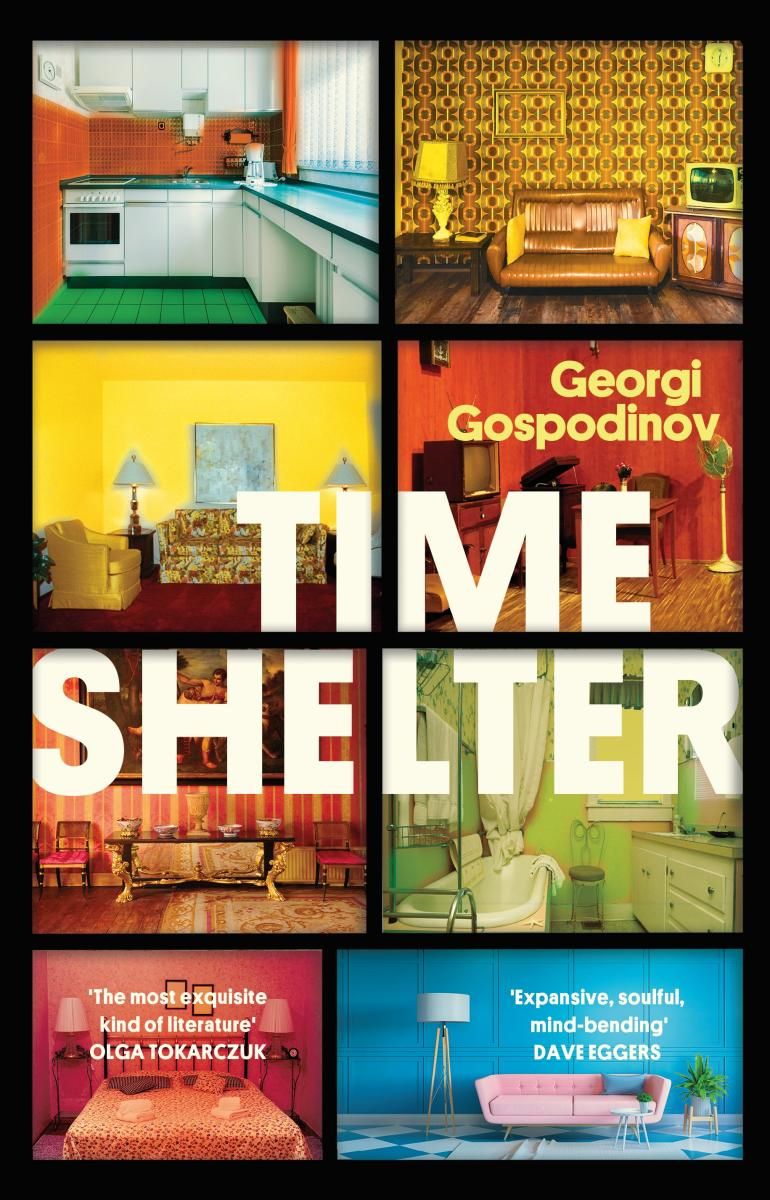


Drive Your Plow Over the Bones of the Dead
- Translated by
- Antonia Lloyd-Jones
- Published by
- Fitzcarraldo Editions