
Does your book club think it has what it takes to be Booker Prize judges? If you’re a fan of the finest in fiction, we’d love to hear from you!
Site search
Use our search to browse hundreds of features and pages from the Booker Library of authors, books, judges, prize years and translators. You can narrow down your search using quotation marks to find an exact match.
Displaying 1511 - 1520 of 3137

- Type
Content Page
The best of our long reads
Find out more about the authors in the Booker Library with these in-depth features, which reveal how their books were written and explain why they endure

- Type
Content Page
Interview highlights
Want to find out more about the authors who have won or been nominated for the Booker Prize and International Booker Prize? We've spoken to them to find out how they researched and wrote their best-known books

- Type
Feature
- Date
The Booker Prize guide to... dystopian fiction
Prophet Song by Paul Lynch, winner of Booker Prize 2023, is far from the first dystopian novel to have been recognised by the Booker judges

Daisy Rockwell’s and Geetanjali Shree’s genre-defying masterpiece, Tomb of Sand, won the International Booker Prize 2022. Here’s why the judges loved it.

In writing Schindler’s Ark, winner of the 1982 Booker Prize, Thomas Keneally found himself in the unique position of both author and archivist

Geetanjali Shree and Daisy Rockwell’s triumph at the 2022 International Booker Prize – the first time a novel translated from Hindi has been longlisted – could now blaze a trail for more authors writing in South Asian languages and help bring them to a global audience

- Type
Feature
- Date
Yann Martel on writing Life of Pi: 'You want a sense that it was written in one breath'
In an exclusive interview, the 2002 Booker Prize winner talks about the process behind his best-known novel — and making the fantastic feel believable
- Type
Feature
- Date
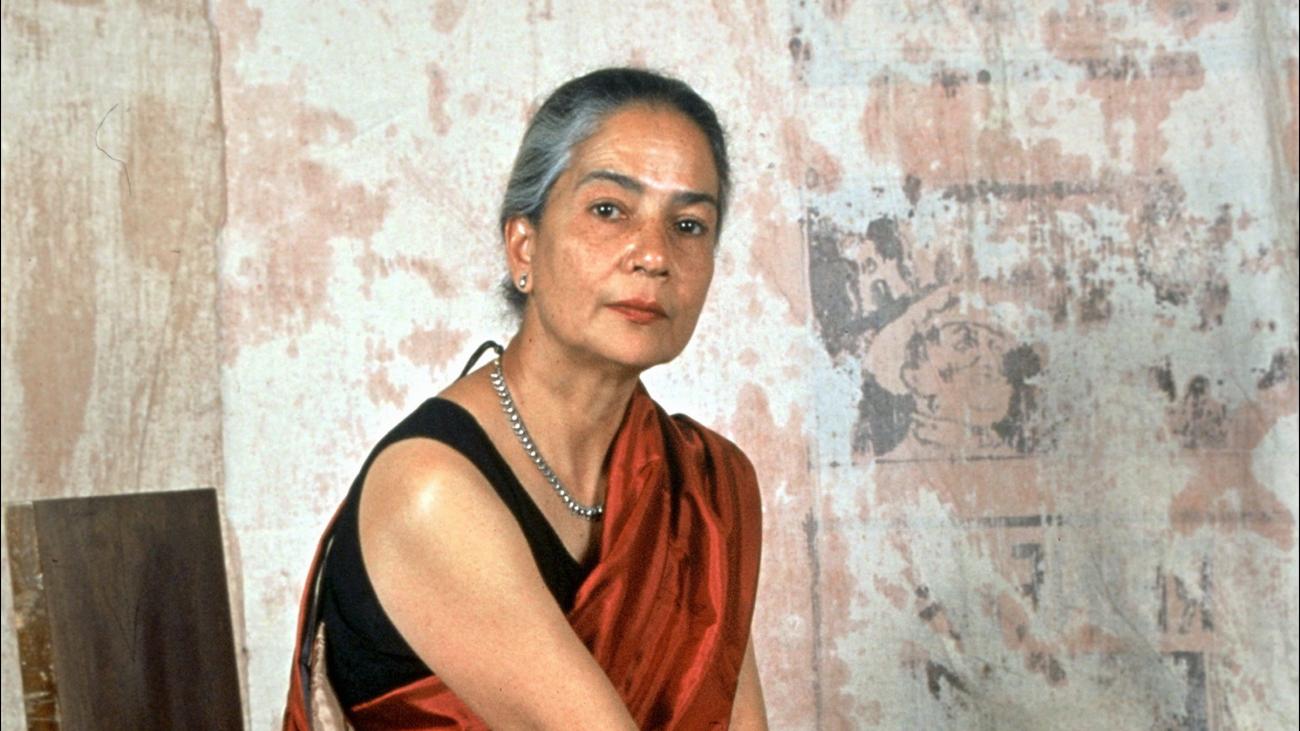
Anita Desai: 'I thought the book would seem ghostly now, but it's all coming around again'
Anita Desai discusses how her deeply personal Booker Prize shortlisted novel Clear Light of Day resonated with readers and critics when first published in 1980, and why its themes remain relevant today.

- Type
Feature
- Date
Why those who dismiss V.S. Naipaul as a defender of colonialism should take a closer look at his writing
Sameer Rahim writes on Naipaul, a complex and divisive figure, regarded by some as morally suspect – but it’s wrong to see him as an elegist for empire