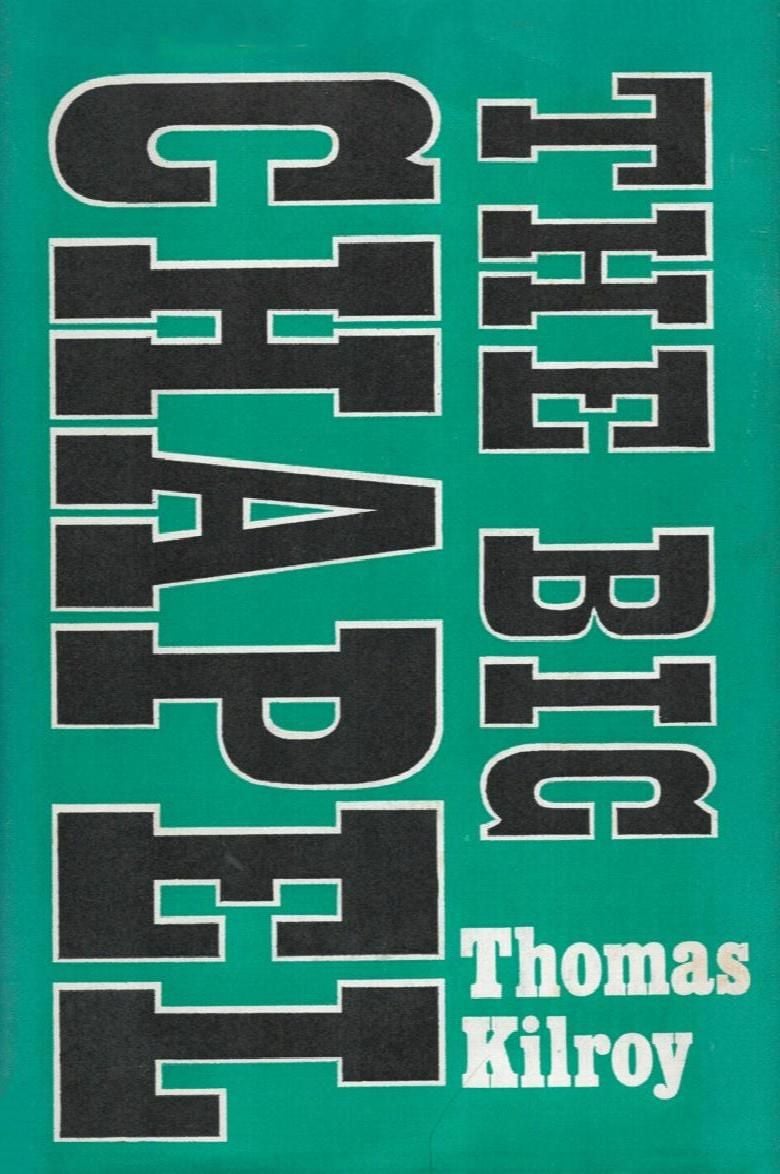
Based upon a notorious clerical scandal of Victorian Ireland, Thomas Kilroy’s anatomy of religious violence remains relevant and vital today
The Booker Prize 1971
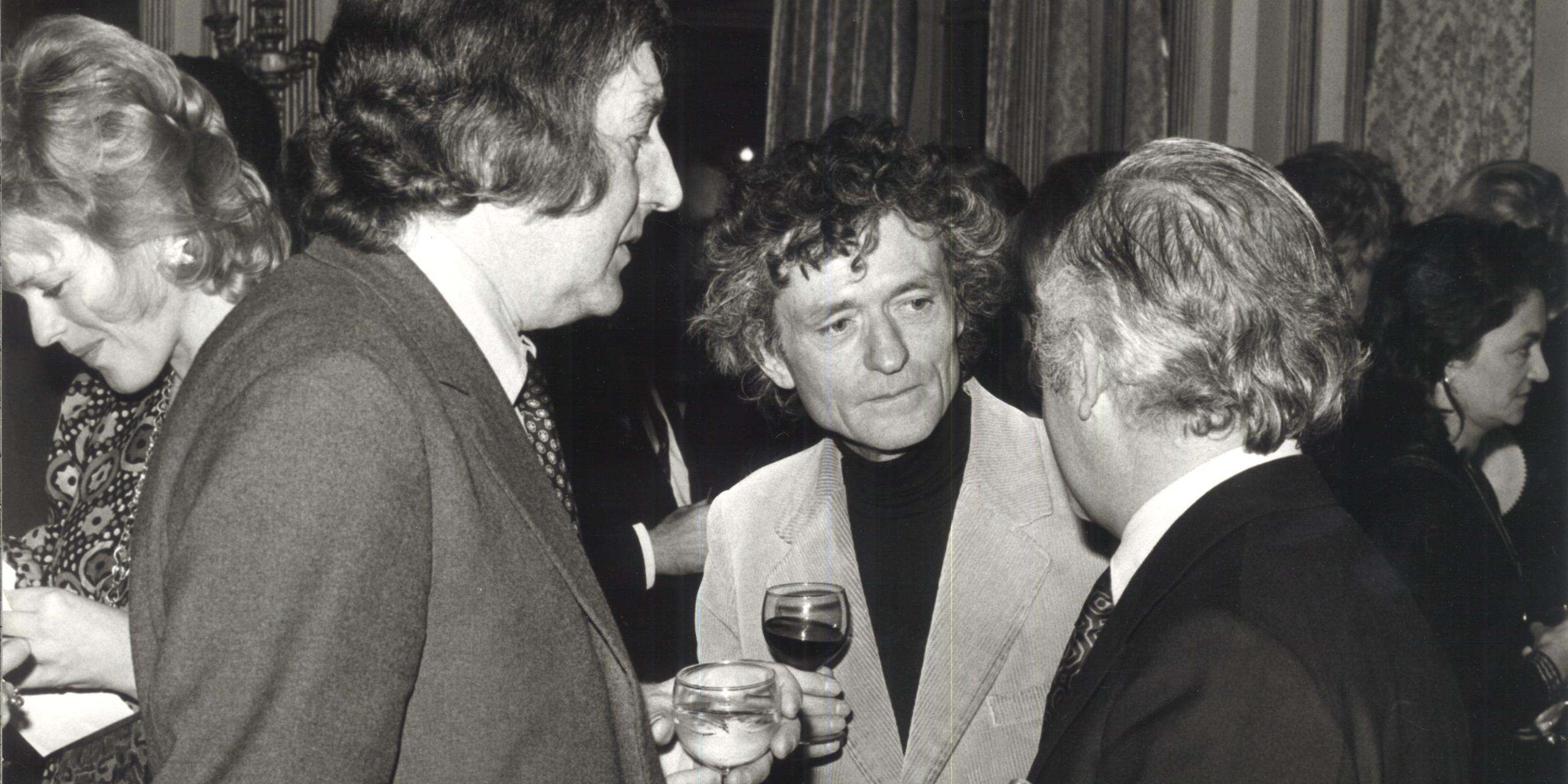
The Booker Prize 1971
The start of a noble tradition of Booker Prize rumpuses when one judge, Malcolm Muggeridge, denounced ‘most of the entries’ as ‘mere pornography’ and withdrew his services.
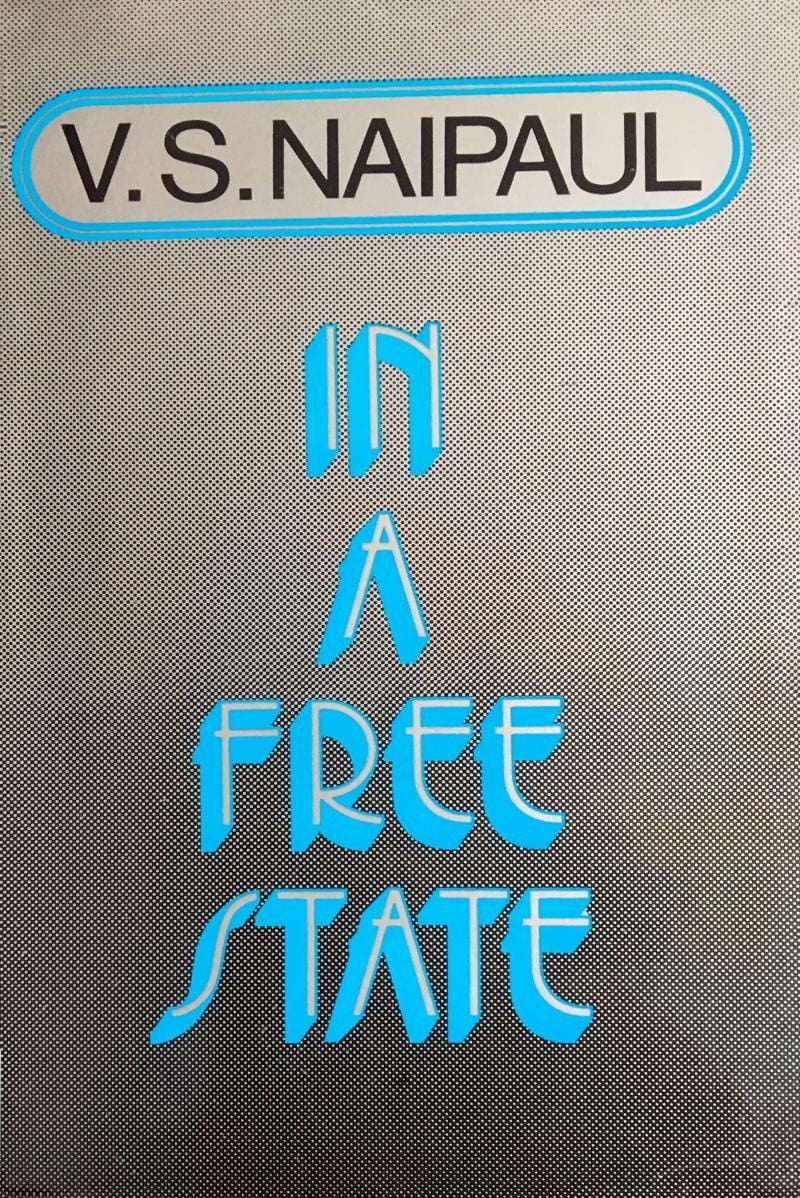
Had he stayed, however ‘nauseated and appalled’, he would have found a second controversy. At least two of the judges – Saul Bellow and John Fowles – questioned whether V.S. Naipaul’s In a Free State was a proper novel at all, being a collection of stories and novellas linked by a common theme.
Much highbrow head-scratching later, the panel decided it was and awarded Naipaul the prize. Bellow meanwhile inadvertently announced that the prize had gone to: ‘the best writer, but not the best book’.
In a Free State
Winner of The Booker Prize 1971
- Published by
- André Deutsch
Through five connected tales, V.S. Naipaul explores alienation, disruption and racial tension in a perilously unpredictable world
The shortlist
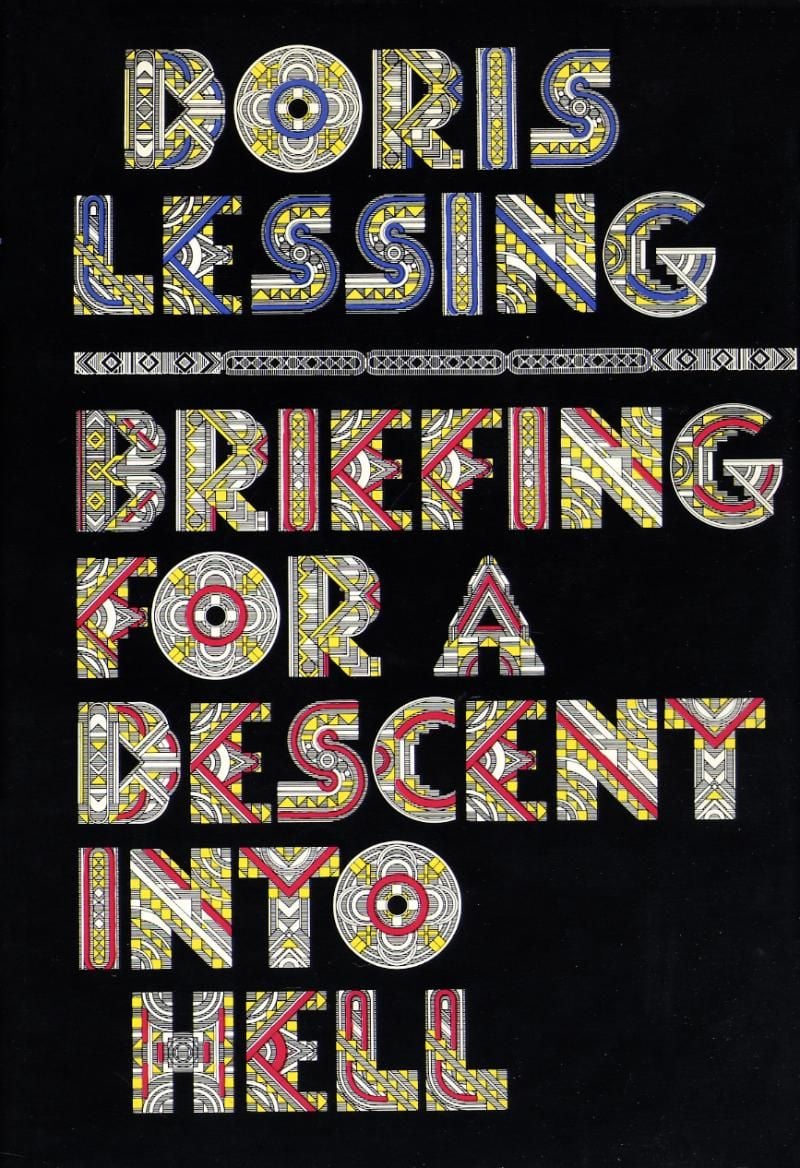
An incoherent man is found wandering the streets of London, at the start of Doris Lessing’s brilliant and disturbing novel about madness and release
Through five connected tales, V.S. Naipaul explores alienation, disruption and racial tension in a perilously unpredictable world
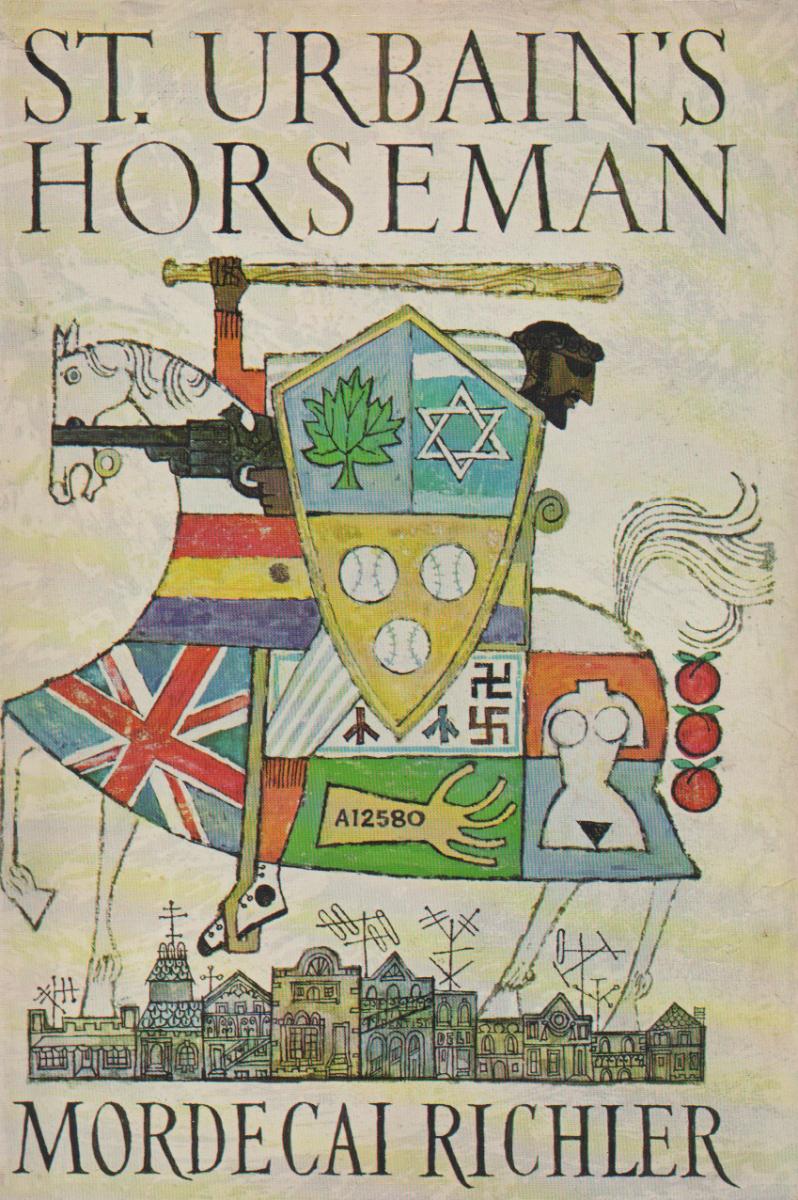
Jake Hersh is a film director of modest success, a faithful husband – and a man consumed with guilt – in Mordecai Richler’s acclaimed comic novel

Derek Robinson’s brutally funny appraisal of the contradictions of war follows the misfortunes of a British flight squadron on the Western Front

Elizabeth Taylor’s ruthlessly observant study of eccentricity in old age is by turns savagely witty, joyfully funny and heartbreakingly sad


