
Children’s Booker Prize 2027 judge Sanchita Basu De Sarkar tells us why she believes voice and worldbuilding are so important in storytelling, and how reading The Secret Garden kickstarted a lifelong love of Gothic fiction
- Published
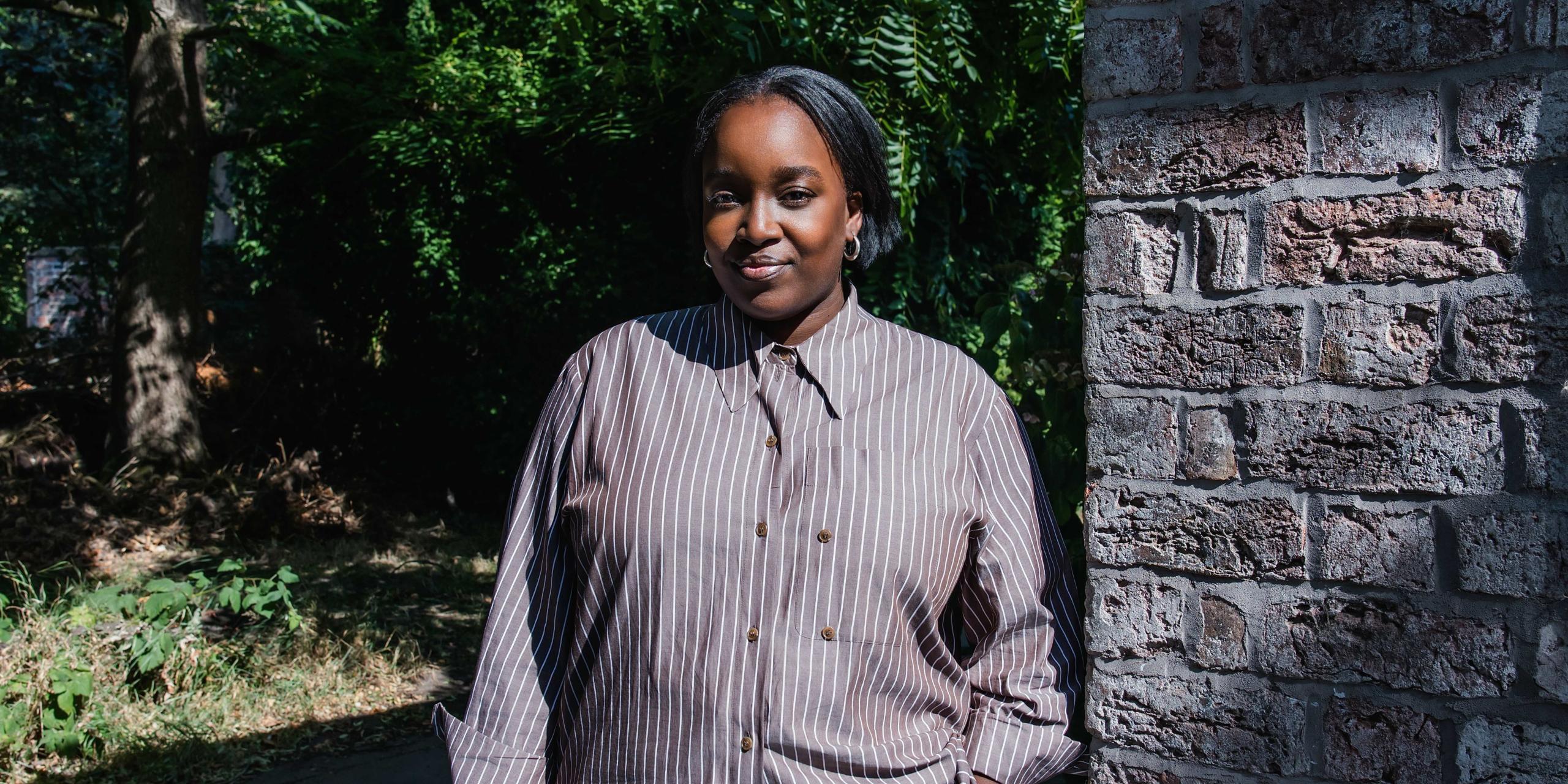
Children’s Booker Prize 2027 judge Lolly Adefope reflects on the challenge of reading 80 books in five months, and reveals how the books on the shortlist may be classics in the making
You will have read over 80 books in 5 months as a Children’s Booker Prize judge, which sounds like a dream job – and a slightly terrifying challenge! How have you approached this reading marathon, and what are your secrets to finding time to read when you’re busy?
It’s been such a joyful challenge reading so many books and getting to know authors I didn’t know before. I’ve also found that it’s trained my brain to realise you can read pretty much anywhere, even for just five minutes, and it all adds up. I tried to make a loose schedule (as there were times when we had to read a book a day, or more), and stuck to it as much as I could. And of course I stayed up late reading many times, but I’m not complaining about that.
Reading is often a solitary experience, but judging is a shared one. How does chatting about a book with your fellow judges change your thoughts on a story you’ve read?
There were books that I loved, but on speaking to the other judges, I realised they weren’t quite right for the age range of eight to 12. It was really fun for us all trying to convince each other to give certain books a second look, and try and change each other’s minds with an impassioned speech about their merits.
What are you most looking forward to about meeting the child judges for the prize?
I can’t wait to find out which books they enjoyed the most, and see whether we agree or have some lively debates, and whether there’s a clear winner or if it will take a while to decide (as it did with our shortlist).
It’s trained my brain to realise you can read pretty much anywhere, even for just five minutes
What book made you fall in love with reading as a child? How and why did it capture your imagination?
I loved A Series of Unfortunate Events, and especially loved how the books in the series could be dark and scary while also making you laugh. I also loved books like the Malory Towers series, and so many Roald Dahl books, the latter again because of the seamless blend of humour, horror and magic.
If you had to choose one character to be from a children’s book, who would it be, and why?
I think I would probably be Matilda, because when I was younger, I used to try and recreate her magical powers.
What are you looking for when reading books for this prize, and what makes a book difficult to put down for you? Is it the characters, the voice, the humour, the suspense – or something else entirely?
I was looking for books that kept me engaged through strong character and took the reader to unexpected places. I love humour in books, but a lot of the books we chose weren’t humorous – but they had so much heart, didn’t patronise the reader, felt like classics you could come back to many times throughout your childhood, and later years.
When I was younger, I used to try and recreate Matilda’s magical powers
What’s your all-time favourite Booker-nominated book and what makes it so special? Who would you recommend it to, and why?
The Bee Sting – I recommend it to everyone I meet. I can’t quite put my finger on why, but it captivated me more than any book ever has. The characters felt so real, and I spent many nights up reading it until the early hours. It’s stayed with me ever since I read it.
Do you ever find yourself reading in unusual places to keep up with the prize schedule? What’s the weirdest – and most wonderful – place you’ve found yourself reading in recently?
On the beach in Bilbao, a few days before our shortlist meeting!
There’s a rumour going round that snacks have been causing quite a stir in the judging room. Is there truth in this, and if so, what are your go-to reading snacks?
A cup of tea and a Dairy Milk.
And finally, tell us a fun fact about yourself.
I’m alterdextrous (and sadly not ambidextrous, as I thought).
